
Review · JAPANESE COOKING WORKSHOPS
Tokyo: Wagyu and 7 Japanese Dishes Cooking Class
Wagyu gets even better when you cook it. This Tokyo class turns a full meal into something you can make yourself, with hands-on steps and an English-speaking local instructor guiding you from start to finish. The Wagyu flavor is the star, but what I liked even more is how the lesson stays practical, so the dishes feel repeatable at home.
I do think the biggest catch is logistics: the studio sits in a residential area, so you should plan extra time and follow the detailed directions. Also, there’s no hotel pickup, so you’ll want to get yourself there on your own.
In This Review
- Key highlights I’d plan around
- A small-group Wagyu class in a real Tokyo neighborhood
- Finding Cooking Sun Tokyo, especially if you hate walking in circles
- The Wagyu lesson: sukiyaki hotpot and what makes it work
- Your full-course menu: dashi soup, tofu, Wagyu, and Japanese sweets
- 1) Dashi and miso soup basics
- 2) An easy Japanese salad move
- 3) Sesame potato salad and comfort-meets-simplicity
- 4) A hearty tofu dish with ginger and edamame
- 5) The main event: sukiyaki with Wagyu
- 6) Dorayaki, rice-flour style pancakes
- And you’ll actually sit down to eat what you make
- What you take home: recipes, swaps, and pantry confidence
- Studio setup: clean tools, step-by-step teaching, and less stress
- Price and value at $67 for a 3-hour meal lesson
- Who should book this class, and who might skip it
- Should you book Cooking Sun Tokyo’s Wagyu and 7 dishes class?
- FAQ
- How long is the cooking class?
- Is the instruction available in English?
- What is included in the price?
- Is hotel pickup or transportation included?
- How big is the group?
- Can the class accommodate dietary restrictions?
- Where is the meeting point, and how do I find the studio?
Key highlights I’d plan around
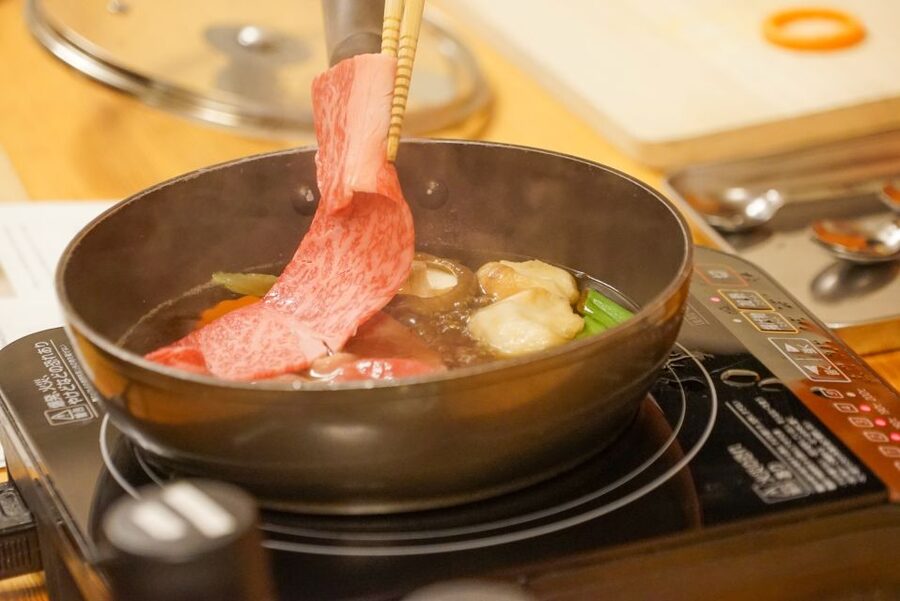
- Small group limit of 8 means you can ask questions and actually cook
- Wagyu centered meal, served as part of a full-course Japanese menu
- English instruction with step-by-step guidance for beginners and returning cooks
- Recipes included so you can reproduce the dishes after your trip
- Fresh ingredients and clean setup, with apron and towel provided
- Dietary swaps available if you tell them your needs ahead of time
A small-group Wagyu class in a real Tokyo neighborhood
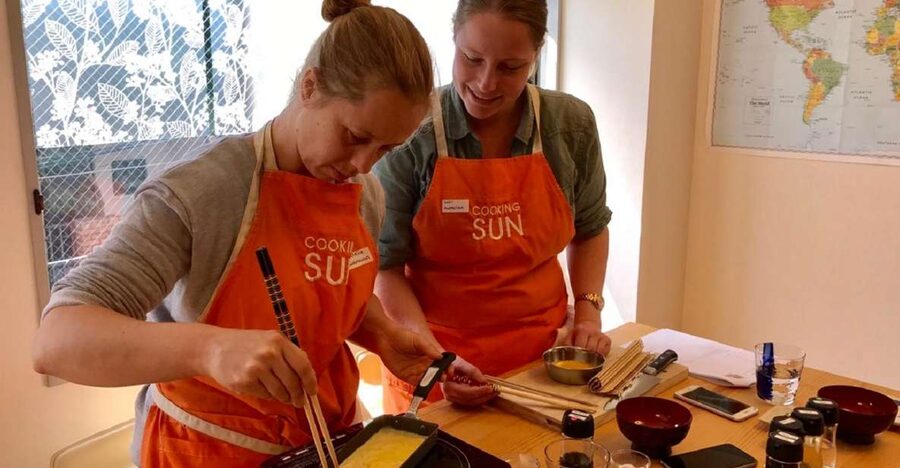
This cooking class has the feel of a home kitchen, not a factory. You work in a clean, bright studio space with a small group size capped at 8, which makes the pace comfortable and the questions actually useful.
One big reason I recommend it is the way instruction is structured. You get guided steps, not just a demo and a hope. Multiple dish makers also keep the room calm and efficient, so you’re cooking throughout the session instead of waiting around.
And yes, you’ll taste Wagyu that’s served right in the meal you helped create. In the reviews, people repeatedly call out the tenderness and how it compares favorably with restaurant bites, which makes sense because you’re learning how it’s treated in a Japanese dish, not just eating it cold off a plate.
More Cooking Classes in Tokyo
- Ramen & Gyoza Cooking Class in Tokyo with Local Supermarket Visit
★ 5.0 · 823 reviews - Tokyo: Easy Ramen Cooking Experience in Kabukicho, Shinjuku
★ 4.6 · 321 reviews - Ramen and Sushi Cooking Class with Sake Pairing Set in Tokyo
★ 5.0 · 291 reviews
Finding Cooking Sun Tokyo, especially if you hate walking in circles
The studio is located in a residential area, and that matters. It can be a little difficult to spot, and you’re in a beige residential building with the studio on the 2nd floor.
Here’s the easy checklist to save stress:
- Use Google Maps for Cooking Sun Tokyo (search this name)
- Go to the building entrance and use the right-side door
- Once inside, press 314 on the intercom to call the studio
If you don’t have Wi-Fi, the safest move is to download directions or check the Detailed Directions on the website before you go. Plan a buffer of extra minutes. This isn’t a “run in, run out” stop, and you’ll enjoy the class more if you arrive calm.
Also note: there’s no hotel pickup. You’re responsible for getting there, so I’d treat this like a focused half-day anchor, not something you tack on between trains.
The Wagyu lesson: sukiyaki hotpot and what makes it work
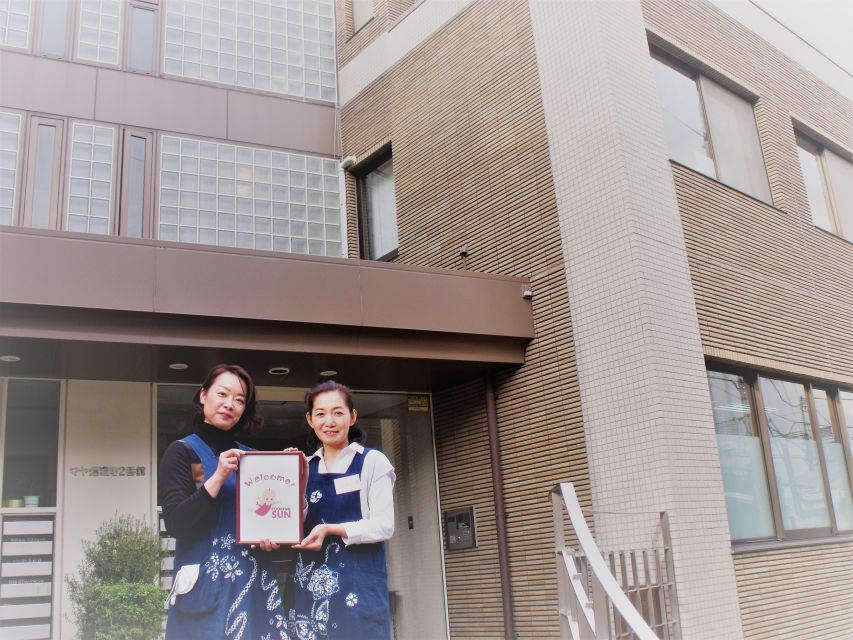
Wagyu is the headline, and in this class it shows up as part of a cooked Japanese meat dish. Several menus described in real participant experiences include a sukiyaki Wagyu hotpot, where the beef becomes tender and flavorful through the way it’s cooked and served.
What I find valuable is that the class doesn’t treat Wagyu like an untouchable luxury. You learn how Japanese cooking methods bring out flavor without turning the dish into a sauce-fest. You’re working with seasonal ingredients and traditional techniques, which is exactly how you’ll get similar results later.
A practical takeaway for you: pay attention to timing and how the beef is handled. When the class explains these steps clearly, you’re not just copying a recipe, you’re learning the logic behind it. That’s what helps when you’re shopping for substitutes back home.
Your full-course menu: dashi soup, tofu, Wagyu, and Japanese sweets
This class is about creating a full-course Japanese meal in roughly 2.5 hours of hands-on work, from appetizer to dessert. The experience includes 8 dishes in total, and you’ll see how Japanese flavor builds dish by dish, starting with foundations like stock and seasoning.
Here’s the kind of menu flow you can expect, based on what participants describe most often:
More Cooking Workshops in Tokyo
- Tokyo Washoku 4-hour Cooking Class: From Market to Table
★ 5.0 · 253 reviews - Tokyo: Tsukiji Market Walking Tour & Sushi Cooking Class
★ 4.6 · 122 reviews - Tokyo: Sushi and Ramen Cooking Class with Sake Pairing Set
★ 5.0 · 81 reviews - Tokyo: Private Japanese Cooking Class with a Local Chef
★ 5.0 · 81 reviews
1) Dashi and miso soup basics
Dashi is the backbone. In class, you may make dashi from scratch for miso soup, so you understand what gives that light, savory lift. You also get discussion around miso types, including the difference between red miso and white miso, which is a detail that pays off when you cook later.
Even if you don’t plan to make dashi every time, knowing what it does helps you choose better ingredients and season with confidence.
2) An easy Japanese salad move
You might do cucumber prep using the class’s technique, described as accordion cutting. It’s not just for looks, it’s about getting an appealing texture and even seasoning, which is very “Japanese home cooking” in spirit.
3) Sesame potato salad and comfort-meets-simplicity
A sesame potato salad shows you how Japanese kitchens balance creamy and savory. The method teaches you about dressing and texture, which you can adapt for other vegetables.
4) A hearty tofu dish with ginger and edamame
A standout dish in the described menus is tofu stuffed with ground chicken plus ginger and edamame. This teaches you how Japanese cooking can be both delicate and filling, and how aromatics like ginger are used for lift rather than heat.
5) The main event: sukiyaki with Wagyu
Then you get the hotpot moment, where the Wagyu becomes tender and juicy. You’re not just assembling, you’re learning how the dish comes together and why the flavors feel balanced rather than heavy.
6) Dorayaki, rice-flour style pancakes
For dessert, the class can include making dorayaki using rice flour pancakes. This is one of those “Japan at home” experiences that feels fun and doable, and it’s a reminder that Japanese sweets can be less intimidating than they look.
And you’ll actually sit down to eat what you make
After cooking, you eat everything you made, as a full meal. That matters because you can taste and adjust mentally while the process is fresh in your mind.
What you take home: recipes, swaps, and pantry confidence
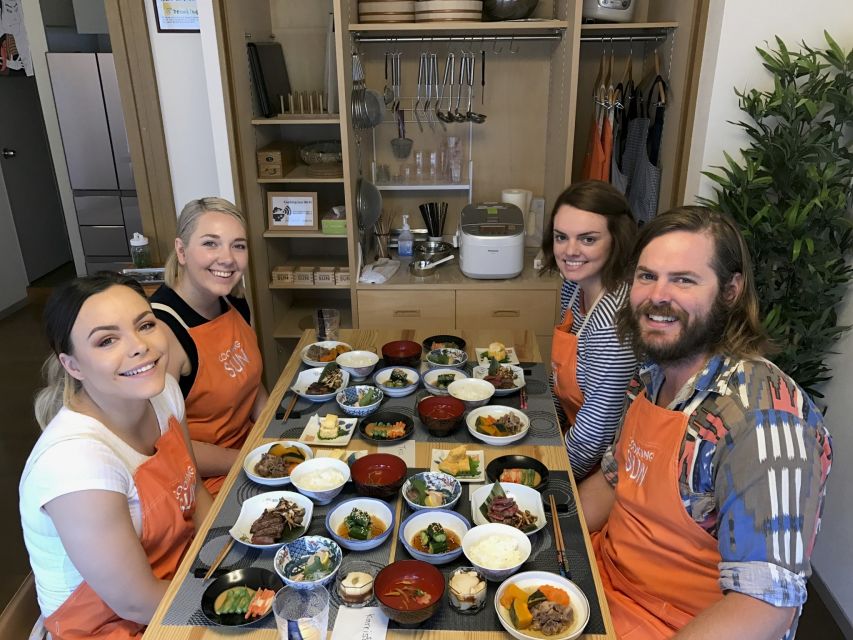
This is one of the class’s best value points: you leave with recipes plus practical tips tied to the dishes you cooked. The recipes aren’t just printouts. They connect to the steps you performed, which makes them easier to follow later.
Another helpful thing you learn is how ingredients are described and used. Participants mention instructors sharing background on dishes and explaining why ingredients matter, not just what to do with them. You can feel the logic behind flavor, especially with basics like stock and miso.
Dietary needs are also handled with flexibility. The class says they can substitute ingredients for allergies, gluten-free diets, religious restrictions, and vegetarian preferences if you inform them when booking. If that applies to you, it’s worth emailing or booking with details early so they can prepare the right adjustments.
Studio setup: clean tools, step-by-step teaching, and less stress
Part of the “this is worth it” feeling is the way the studio is run. Reviews mention a spotless space, quality knives and pans, and an organized teaching flow.
You’re also provided a towel and apron rental, so you can focus on cooking without worrying about bringing the right gear. That’s small, but it removes friction, especially if you’re already carrying bags around Tokyo.
What I like most is the mix of demonstration and hands-on time. The class doesn’t just talk at you. You cut, mix, prep, and cook, so by the time you sit down to eat, you understand how each piece contributes to the meal.
Price and value at $67 for a 3-hour meal lesson
At $67 per person for about 3 hours, this class is priced like a serious food experience rather than a casual demo. The value is strongest because so much is included: all ingredients and utensils, recipes, apron and towel, and a welcome tea.
Here’s why that matters for you:
- You avoid the cost and hassle of sourcing specialty Japanese items for multiple dishes
- You learn techniques that you can repeat, especially around dashi and miso
- You get Wagyu cooked as part of a Japanese meal, not as a single expensive bite
The only real cost “gotcha” is what’s not included: transportation and hotel pickup. Once you account for getting yourself there, the price still holds up because the meal and instruction are both built into the experience.
Also, the class limits attendance to 8 people. In cooking classes, crowding often turns into slow, frustrating pacing. Here, the small group size helps keep the session structured.
Who should book this class, and who might skip it
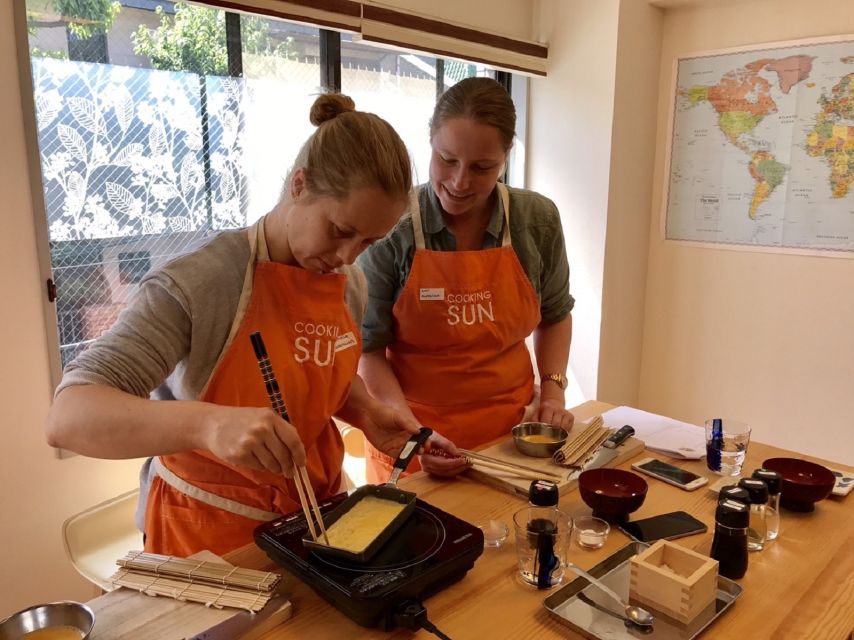
This is a great fit if you:
- Want a beginner-friendly Japanese cooking lesson that still feels authentic
- Care about learning techniques you can use again, not just eating a meal
- Travel solo or with a partner and want an organized activity that still feels personal
- Enjoy being in a small room with multiple active instructors
It can also work well if you’re traveling with teens or a family member, since at least one review described doing the class with an 11-year-old and calling it well organized.
You might consider a different option if you hate indoor tasks and prefer to watch rather than cook. Some people in the descriptions emphasize that the class is easy to follow and hands-on, so if you want lots of silent sightseeing, this won’t be your style.
Should you book Cooking Sun Tokyo’s Wagyu and 7 dishes class?
I’d book it if your Tokyo plan needs one activity that’s both tasty and useful. You get a full meal you helped make, a Wagyu centerpiece, and recipes with sensible tips that connect to real Japanese cooking methods like dashi and miso.
It’s especially smart to schedule this earlier in your trip. When you learn how Japanese flavor is built, the rest of your food stops start to make more sense. You’ll taste ingredients with more intention, not just hunger.
One last practical note: because the studio is in a residential area and not a big landmark, plan to arrive a bit early. If you do that, you’ll settle in fast, cook confidently, and finish with a meal that feels like you brought home a piece of Tokyo cuisine.
FAQ
How long is the cooking class?
The class lasts about 3 hours.
Is the instruction available in English?
Yes. The instructor speaks English.
What is included in the price?
The price includes recipes, all ingredients and utensils, towel and apron rental, and welcome tea.
Is hotel pickup or transportation included?
No. Hotel pickup and transportation are not included.
How big is the group?
It’s a small group limited to 8 participants.
Can the class accommodate dietary restrictions?
Yes. They say they can substitute ingredients for allergies, gluten-free diets, religious dietary restrictions, vegetarian preferences, and more, as long as you inform them when booking.
Where is the meeting point, and how do I find the studio?
The studio is on the 2nd floor of a beige residential building in a residential area. Use the right-side door at the entrance, then press 314 on the intercom. If you have Wi-Fi, search for Cooking Sun Tokyo in Google Maps, and if you do not, check the Detailed Directions before you leave.
More Wagyu Beef Dinners in Tokyo
- Tokyo Night Foodie Tour in Shinjuku – Seasonal Sushi, Wagyu Beef
★ 5.0 · 1,161 reviews - Tokyo: Wagyu and Sushi Gastronomic Journey
★ 4.3 · 24 reviews - Tokyo: All-You-Can-Eat Wagyu at Nikuya Yokocho Udagawacho
★ 4.3 · 18 reviews - Wagyu Beef & Sake Pairing Foodie Tour in Tokyo
★ 5.0 · 16 reviews
Newly listed around Tokyo
- Tokyo private transfer for Yokohama Port★ 4.5 · 63 reviews
- Luxury Kimono Photoshoot at Ginza Tokyo★ 5.0 · 7 reviews
- Tokyo Allstar Food Tour★ 4.5 · 206 reviews
- Tokyo Art Aquarium Museum E-Ticket with optional Tokyo Metro Pass★ 5.0 · 17 reviews
- Tokyo: Best Ginza Food Tour at 3 Local Eateries★ 5.0 · 83 reviews
- Private One Day Nikko Tour with Bilingual driver★ 3.5 · 11 reviews
- PRIVATE tour in 180SX to Daikoku+++++★ 5.0 · 6 reviews
- Kabuki Talk★ 5.0 · 10 reviews
Japanese Cooking Workshops, compared.
Ramen Cooking Class at Ramen Factory in Kyoto
Read our review →
Ramen & Gyoza Cooking Class in Tokyo with Local Supermarket Visit
Read our review →
Ramen Cooking Class at a Ramen Factory with Souvenir
Read our review →
Japanese Washoku Bento Small Group Cooking Class
Read our review →
Sumo Stage Show with Bento or Snack + Fight & Photo
Read our review →
Ramen and Sushi Cooking Class with Sake Pairing Set in Tokyo
Read our review →Browse the lists this tour appears in