
Review · RAMEN TASTING TRIPS
Ramen & Dumpling Cooking in Tokyo with Chef/Vegan possible
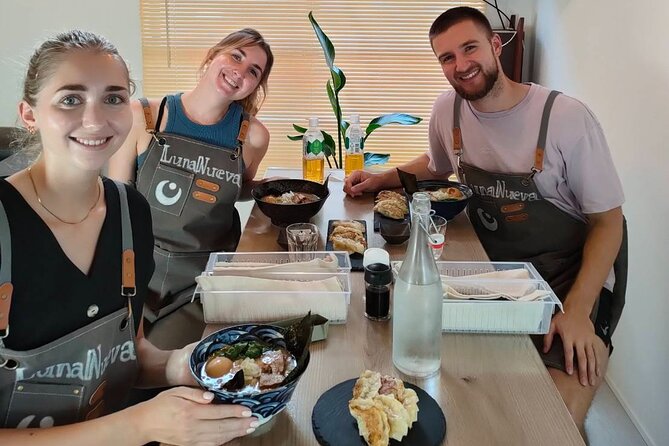
Ramen class in a real Tokyo home. I love how this experience turns ramen from a restaurant mystery into hands-on skills you can repeat later. You get step-by-step guidance from Amo and Yoshi while learning how to build ramen and gyoza from real local ingredients. One thing to consider, it is in a residential part of Tokyo, so you will trade a bit of central sightseeing for an authentic neighborhood feel.
I also like the tight class size. With a maximum of 12 people, the teaching time does not get swallowed by a big group, and you can ask questions when noodles, broth, or folding techniques are happening. The class also supports dietary needs, and you should be able to handle vegetarian requests, with vegan accommodations possibly depending on what you share in advance.
In This Review
- Key Highlights You Will Actually Feel During the Class
- Why This Tokyo Ramen and Dumpling Class Feels More Real Than a Demo
- Ekoda Station to a Local Neighborhood: Logistics That Are Simple, Not Fancy
- What You Learn: Local Ingredients and the Ramen Logic Behind the Flavor
- Your Hands-On Schedule: Eggs, Toppings, Noodles, and Gyoza Folding
- Making seasoned eggs and building colorful toppings
- Fresh noodles and the texture goal
- Gyoza folding, the skill you can actually reuse
- The Broth Process: What You Learn Even If the Base Is Prepped
- Plating Your Signature Ramen Bowl Like You Mean It
- Vegan and Vegetarian Options: What Is Confirmed, What You Should Ask
- Who This Ramen and Gyoza Class Is Best For
- Value and Price: Why $102.41 Can Be Worth It in Tokyo
- A Few Practical Tips Before You Go
- Should You Book This Tokyo Ramen and Dumpling Cooking Class?
- FAQ
- How long is the ramen and dumpling cooking class in Tokyo?
- Where is the meeting point?
- Is the class small group size?
- Can I choose a morning or noon class?
- What will I cook during the class?
- Will there be options for vegetarian or dietary restrictions?
- Is vegan possible?
- How do I get my ticket?
- Will I get recipes to take home?
- What is the cancellation policy?
Key Highlights You Will Actually Feel During the Class
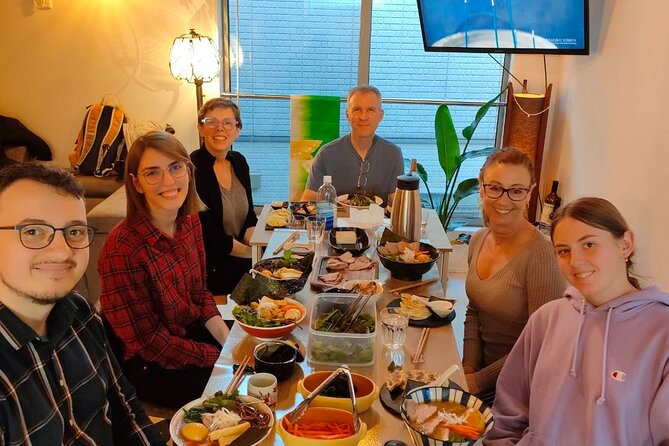
- Small group attention (max 12) so your noodle texture and gyoza folds get real feedback
- A Nerima-area home setting after meeting at Ekoda Station, not a commercial studio
- Ramen practice that goes beyond assembly, including noodle making and the broth process
- Vegetarian and no fish/seafood options reported, so ask early if you need vegan
- You plate and eat a full bowl, with seasoned eggs and toppings, not just a demo
Why This Tokyo Ramen and Dumpling Class Feels More Real Than a Demo
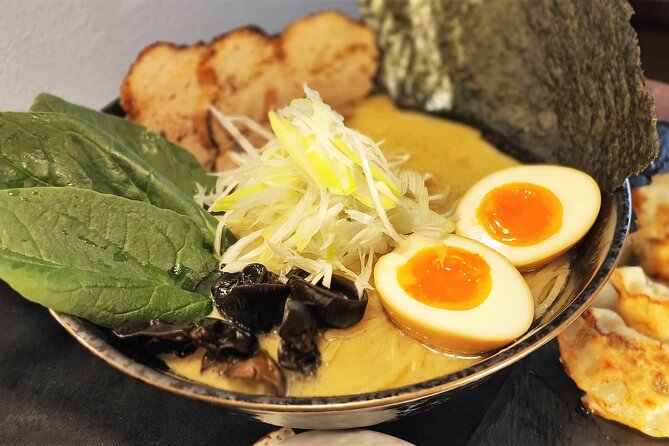
Tokyo has ramen shops on every corner, but learning how ramen is built is a different kind of fun. Here, you are not just watching. You are working with ingredients and techniques that restaurant kitchens use. That matters because ramen is all about small choices: texture, temperature, seasoning balance, and how toppings interact with broth.
The best part is how personal the instruction feels. Amo and Yoshi teach in a way that is practical and calm, so even if you cook very little at home, you still get confident. In the reviews, people repeatedly point to the hosts being welcoming and patient, and that matches the vibe you should expect in a home kitchen class like this.
The other big win is the range of skills you practice. You will work on ramen components and gyoza, including folding dumplings, making fresh noodles, and learning about the broth process. By the end, you are not just eating ramen. You are assembling your own signature bowl and understanding what makes it taste right.
More Cooking Classes in Tokyo
- Ramen & Gyoza Cooking Class in Tokyo with Local Supermarket Visit
★ 5.0 · 823 reviews - Tokyo: Easy Ramen Cooking Experience in Kabukicho, Shinjuku
★ 4.6 · 321 reviews - Ramen and Sushi Cooking Class with Sake Pairing Set in Tokyo
★ 5.0 · 291 reviews
Ekoda Station to a Local Neighborhood: Logistics That Are Simple, Not Fancy
The class starts at Ekoda Station, and you meet at the address listed for the activity in Nerima. From there, you go to the hosts’ place for the cooking portion. Several reviews highlight that getting there is manageable with public transportation, and that you may be met at the station first if you look like you could use a hand.
This residential setting is part of the value. Central Tokyo is convenient, but it can also feel generic. In Nerima, you get a quieter slice of daily life, and the home kitchen setting makes the experience feel less like an attraction and more like an invitation.
Practical tip: plan a little buffer time for trains. If you arrive early, you can take a slow look around the neighborhood near the station before heading to the home. You will be busy later, and you might as well enjoy the ride out of the busiest areas.
What You Learn: Local Ingredients and the Ramen Logic Behind the Flavor
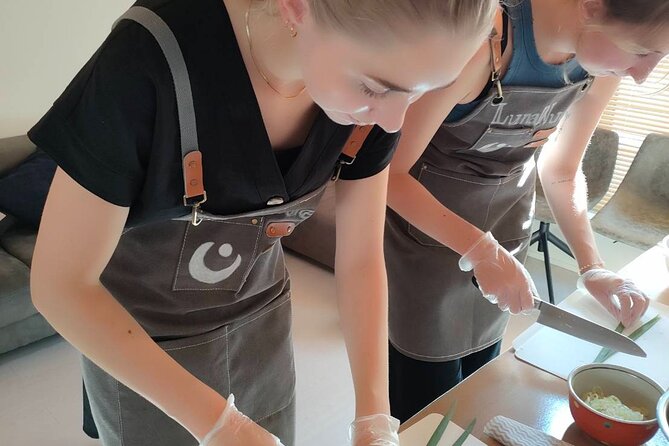
The teaching starts with the fundamentals. You will learn about local ingredients and Japanese cuisine in Tokyo, and you will connect those ingredients to what makes a ramen bowl taste balanced. This is where you gain something that transfers to your own kitchen later.
Here is the ramen logic you are really learning:
- Broth is the base, so you understand how flavor is developed and carried
- Noodles are texture, so you learn what to aim for and how the process affects your result
- Toppings are balance, so you learn how small elements change the whole bowl
- Dumplings are technique, so folding and cooking method matter
One review notes that Yoshi prepped key parts in advance, including broth and meat, and explained how time-consuming that work is. That is a good reality check. Real ramen takes effort. The class gives you insight into that effort without pretending it is instant.
Your Hands-On Schedule: Eggs, Toppings, Noodles, and Gyoza Folding
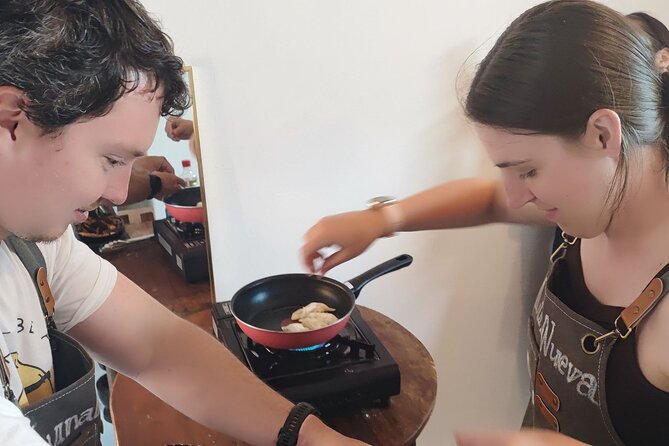
The class is about practice, and the flow is built to keep you involved rather than waiting around. Expect to work through multiple ramen and dumpling components during the roughly two-hour session.
More Ramen Trips in Tokyo
- Eat and Drink Like a Local: Tokyo Ueno Food Tour-Taverns&Ramen
★ 5.0 · 957 reviews - Tokyo: Mount Fuji and Hakone Full Day Tour with Ramen Making
★ 4.5 · 476 reviews - Tokyo: Ramen Tasting Tour with 6 Mini Bowls of Ramen
★ 4.9 · 432 reviews - Professional Ramen & Gyoza with Ramen Chef in a restaurant!
★ 5.0 · 223 reviews
Making seasoned eggs and building colorful toppings
You learn how to create seasoned eggs and how to prepare toppings. The point is not just the end result. You are learning how Japanese ramen shops think about small, repeatable elements that make the bowl feel complete.
If you like ramen because of the details, this is where you will feel satisfied quickly. Eggs and toppings are the kind of parts most people skip when cooking at home. Here, you get them right in the context of a full bowl.
Fresh noodles and the texture goal
Several reviews mention making noodles, and one person called out that making noodles was their favorite part. That makes sense, because noodle making is where technique becomes taste. You will learn how noodles should feel and how the process affects what you eat.
Even if you do not become a noodle-making pro overnight, you leave with a clear mental model. Next time you cook noodles or assemble a bowl, you will know what you were trying to achieve during class.
Gyoza folding, the skill you can actually reuse
Gyoza gets its own attention here. You will fold dumplings like a true local, and then you will see how the folding process connects to the final dumpling shape and result. Reviews repeatedly praise how fun and hands-on the class feels, and folding is one of those tasks that is satisfying even if you are slow at first.
Tip: go in expecting to get a little floury and a little messy. It is part of the fun, and it is also part of learning what the dough should feel like in your hands.
The Broth Process: What You Learn Even If the Base Is Prepped
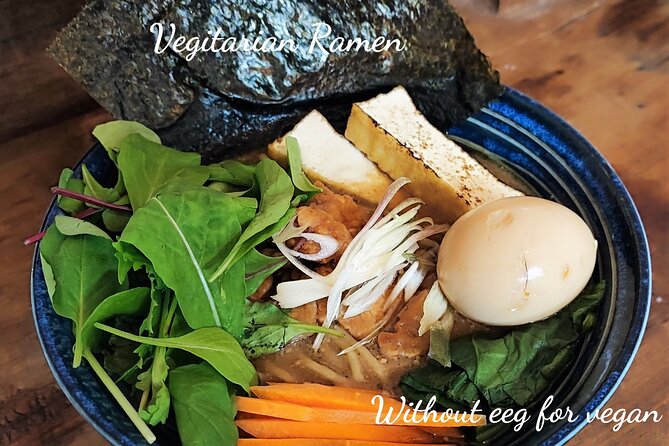
Broth is the star of ramen, and the class treats it seriously. You learn about the broth process, and you also learn that the real work happens before the class begins. A review explains that Yoshi prepped broth and meat in advance because it is extremely time-consuming.
That balance is smart for a two-hour experience. You still get the why and the method, without rushing something that would take far longer in a real kitchen. You can think of it like this:
- You learn the structure of the process
- You see how it affects the final bowl
- You avoid getting stuck in the long prep parts that would crowd out your hands-on time
If you have ever wondered why homemade ramen sometimes tastes flat, this is the section that helps you understand what might be missing: depth, seasoning layering, and the overall balance between broth and noodles.
Plating Your Signature Ramen Bowl Like You Mean It
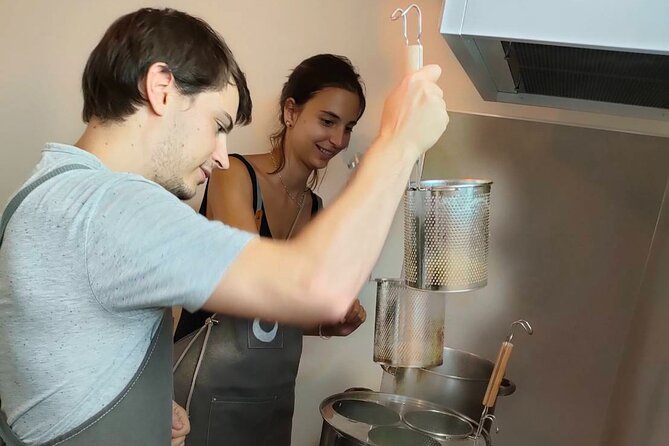
The finale is not a random buffet. You artfully plate your noodles, soup, and toppings to create your own signature ramen bowl. That matters more than you might think. Presentation is part of how ramen shops guide you through flavor, with toppings placed for the first bite and the overall balance across sips and mouthfuls.
Reviews also highlight that the class feeds you well. People say to come hungry, because there is a lot of food. You should plan to have a light snack before you go, or you may finish the class stuffed and happy.
And yes, the ramen here gets praised hard. Multiple reviews call it the best meal they had during their Japan trip, with special shoutouts to the depth of flavor in Yoshi’s broth.
Vegan and Vegetarian Options: What Is Confirmed, What You Should Ask
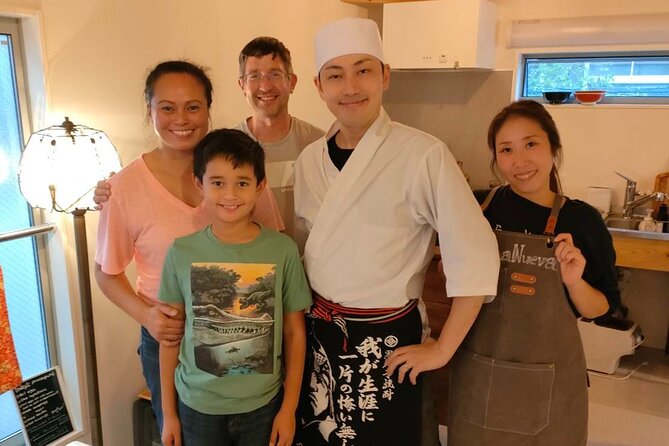
Dietary flexibility is one of the clearest strengths in the feedback. Reviews mention that the hosts prepared vegetarian options, including options with no fish/seafood. If you want vegetarian ramen and gyoza, you are in good shape.
For vegan, the title suggests vegan is possible, but the most concrete details provided are vegetarian and no fish/seafood. So here is what you should do:
- Tell the hosts ahead of time that you want vegan
- Specify what you avoid, for example fish, seafood, meat, eggs, and dairy
- Ask what the menu can be adjusted to for your specific needs
A practical tip: if you have strong allergies or strict dietary limits, send a clear message in advance. Home cooking can be flexible, but clarity helps the hosts plan ingredients responsibly.
Who This Ramen and Gyoza Class Is Best For
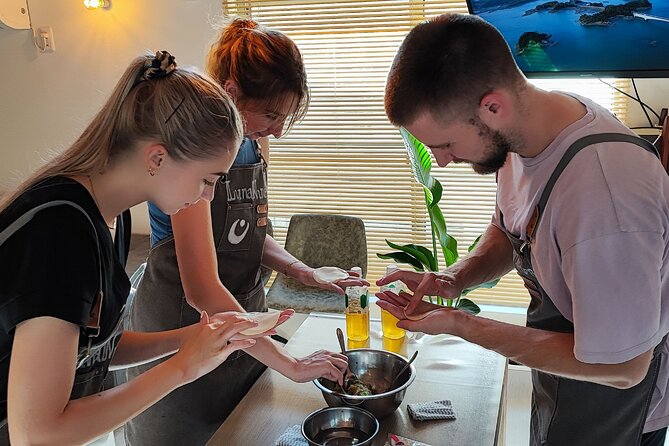
This class hits a sweet spot for a lot of visitors.
You will love it if:
- You want a real Tokyo experience outside the usual tourist circuit
- You enjoy cooking and want techniques you can repeat at home
- You want a small-group class with a friendly, patient teacher
- You travel as a couple, family, or mixed group and want everyone to participate
It is also a strong fit for families. Reviews mention doing it with teens and kids, and describe it as fun and memorable for all ages. If you have picky eaters, the customization aspect can help, and the food is substantial.
You might consider a different option if:
- You want a full day of sightseeing, not a cooking-centered activity
- You do not like traveling to quieter residential areas by train
- You are looking for a hands-off meal, because this is clearly hands-on
Value and Price: Why $102.41 Can Be Worth It in Tokyo
At $102.41 per person for about two hours, the price looks simple on paper. The real value comes from what you get in that time.
You are paying for:
- Professional instruction from Amo and Yoshi
- Ingredient prep and a home-kitchen setup
- Hands-on practice across multiple items, not just one recipe
- A full meal outcome, with ramen, gyoza, eggs, and toppings
If you compare this to a typical Tokyo restaurant bill, a single meal can easily climb fast in popular areas. Here, you get the meal plus the skill building. That makes the price feel fair, especially because the class size stays small and you get direct help when things get tricky.
One more value point: you get the recipes to take home, and at least in one case the hosts sent recipes via Viator on the day of the class as a thank-you message. If you do not receive anything right away, check your Viator messages for the recipe upload.
A Few Practical Tips Before You Go
- Come hungry. Reviews say there is a lot of food, and you will be tasting what you cook.
- Wear clothes you can handle getting a bit messy, because noodle and dumpling prep can be hands-on in a real kitchen.
- If you need vegetarian or vegan adjustments, message the provider with your specific needs early.
- Plan for trains. The meeting point is Ekoda Station, and the class is in Nerima, so give yourself time to get there.
Should You Book This Tokyo Ramen and Dumpling Cooking Class?
If you like food and you want more than a ticket to a tasting, I think you should book this. The combination of small-group attention, hands-on ramen and gyoza work, and a genuine home setting is the big draw. And the repeated praise for the hosts, especially Amo and Yoshi, suggests you will feel welcomed rather than like you are being processed.
Book it especially if you want a practical cooking experience you can bring home, whether you eat vegetarian or you are aiming for vegan adjustments. Just message ahead with dietary details, and plan to spend two hours focused on ramen, dumplings, and learning why the bowl tastes the way it does.
FAQ
How long is the ramen and dumpling cooking class in Tokyo?
The class is about 2 hours.
Where is the meeting point?
The meeting point is Ekoda Station. The address listed is 1 Chome-78 Asahigaoka, Nerima City, Tokyo 176-0005, Japan.
Is the class small group size?
Yes. The maximum group size is 12 travelers.
Can I choose a morning or noon class?
Yes, you can choose between a morning or noon class to fit your schedule.
What will I cook during the class?
You can expect to make ramen and gyoza, including ramen elements like seasoned eggs, colorful toppings, and noodle work, plus folding dumplings.
Will there be options for vegetarian or dietary restrictions?
Yes. Reviews mention vegetarian options and options for no fish/seafood requests. You should share your needs in advance.
Is vegan possible?
The experience is described as chef or vegan possible, but the clearest supported details are vegetarian and no fish/seafood accommodations. Confirm your vegan needs directly with the provider before booking.
How do I get my ticket?
You receive a mobile ticket.
Will I get recipes to take home?
In at least one case, recipes were sent through Viator after the class. Check your Viator messages for any recipe follow-up.
What is the cancellation policy?
Cancellation is free up to 24 hours in advance of the experience start time for a full refund. Changes within 24 hours are not accepted.
More Vegan & Vegetarian in Tokyo
- Vegan/Vegetarian Ramen and Gyoza by Bentoya cooking
★ 5.0 · 59 reviews - Tokyo: 2-Hour Vegan and Vegetarian Ramen Guided Walking Tour
★ 4.8 · 33 reviews - Shibuya Tokyo: Sushi Making Class (Vegan/Vegetarian/Halal)
★ 4.7 · 29 reviews - Zen Buddhist Vegetarian(Shojin Ryori): Cooking Experience
★ 5.0 · 9 reviews
Newly listed around Tokyo
- From Tokyo: Top 5 Scenic Spots of Mount Fuji Full-Day Tour★ 4.5 · 67 reviews
- Historic Kamakura: Temples, Shrines and Street Food Private Walking Tour★ 5.0 · 6 reviews
- Authentic Kimono Culture Experience Dress, Walk, and Capture★ 5.0 · 57 reviews
- Private Departure Tour from Hotel/Airport/Cruise (5-6 Hrs)★ 5.0 · 6 reviews
- Creative Japanese Cooking in a Beautiful Tokyo Home with Makiko★ 5.0 · 7 reviews
- Personal Travel and Vacation Photographer Tour in Tokyo★ 5.0 · 19 reviews
- Narita Airport: One Way Private Transfer to Tokyo|Yokohama Hotels★ 4.5 · 69 reviews
- Discover the Secrets of Pachinko, Japan’s Traditional Game★ 5.0 · 11 reviews
Ramen Tasting Trips, compared.

Ramen Cooking Class at Ramen Factory in Kyoto
Read our review →
Eat and Drink Like a Local: Tokyo Ueno Food Tour-Taverns&Ramen
Read our review →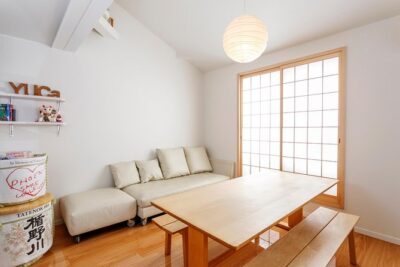
Ramen & Gyoza Cooking Class in Tokyo with Local Supermarket Visit
Read our review →
Ramen Cooking Class at a Ramen Factory with Souvenir
Read our review →
Mount Fuji and Hakone Full Day Tour with Ramen Making
Read our review →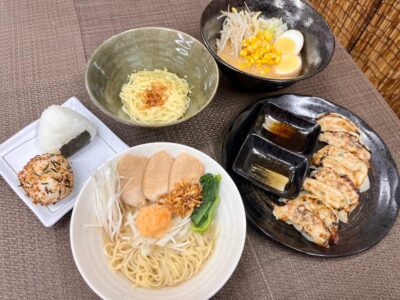


Five Must-See Highlights Walking Tour & Ramen Lunch
Read our review →Browse the lists this tour appears in