Review · JAPANESE COOKING WORKSHOPS
Tokyo Washoku 4-hour Cooking Class: From Market to Table
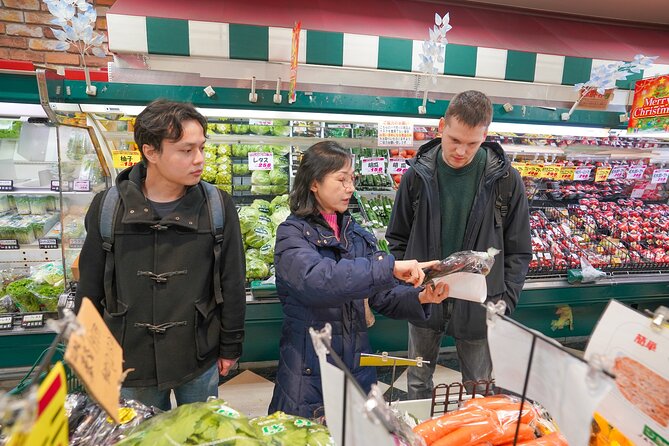
A supermarket tour turns cooking into a story. In this 4-hour Tokyo class, you shop with your guide near Iriya Station, learning how to choose great ingredients before you ever touch the cutting board.
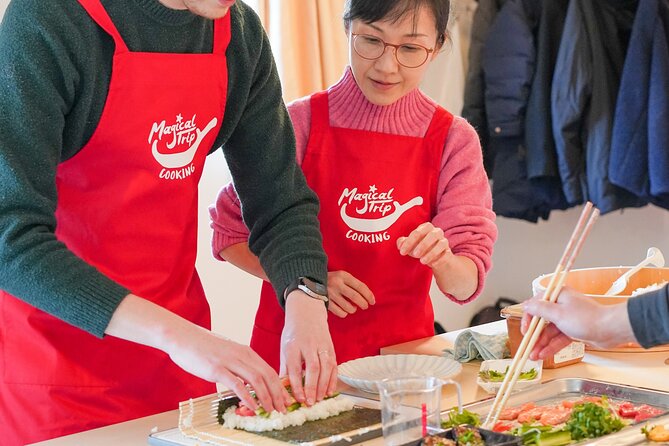
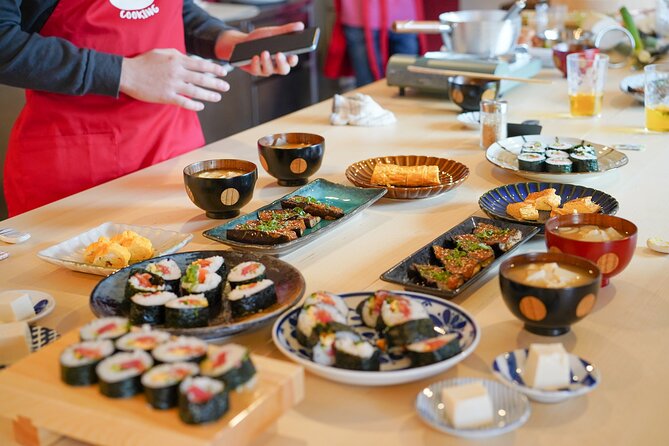
I also love that you cook several dishes from scratch, including makisushi (rolled sushi), miso soup, dashimaki tamago, and nasu dengaku, and you get recipes to practice later at home.
One consideration: dietary needs are not guaranteed to be allergy-free, so if you have allergies you need to tell the team at least a day ahead and expect some limitations.
In This Review
- Key takeaways
- From Iriya-area market shopping to the studio table
- The supermarket part that actually teaches you something
- Japanese knife and cooking technique, taught in a practical way
- Your menu: what you cook in the 4 hours
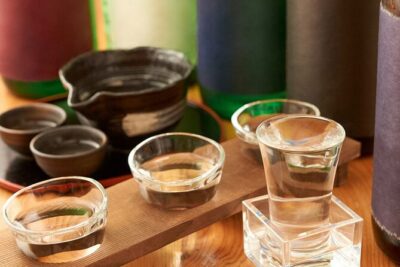
- Cooking and dining together, plus sake and beer pairings
- Vegetarian, vegan, and egg limits you should plan for
- Allergy and substitutions: what you can and cannot expect
- Price and value: why $79.59 can make sense
- Logistics that matter on a Tokyo day
- After the class: a smart use of your extra time
- Should you book Tokyo Washoku?
- FAQ
- How long is the Tokyo Washoku cooking class?
- Where do I meet the guide, and what time does it start?
- What dishes will I make during the class?
- Can vegetarians or vegans join?
- What if I cannot eat eggs or have allergies?
- What is the cancellation and late-arrival rule?
Key takeaways
- Supermarket shopping with a pro, near Iriya Station, so you learn what to look for and why
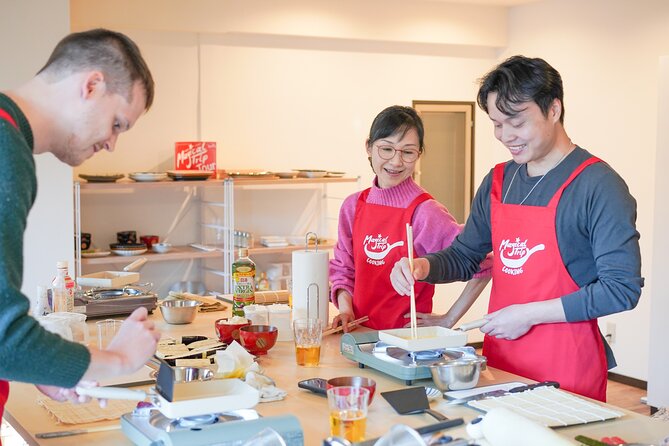
- Knife work plus real cooking steps, not just watching, in a small-group setting (max 7)
- A full menu of Japanese home favorites, including makisushi, miso soup, dashimaki tamago, and grilled eggplant skewers
- Recipes to take home, so you can repeat the dishes without guessing
- Sake and beer pairing time, for a fun extra layer to the meal
- Dietary options are supported, but egg and allergy requests have boundaries
From Iriya-area market shopping to the studio table
This experience is built around a simple idea: learning Japanese food is easier when you start at the ingredients, not at the recipe. You meet at the FamilyMart in Shitaya, then head to a local supermarket where your guide helps you pick items like a cook would.
From there, you walk to a cooking studio for the hands-on part. The schedule is designed to move you from shopping to cutting to cooking, then straight into eating, while your instructor answers questions along the way. It is a good fit for a short Tokyo visit because you get both practical technique and a satisfying meal without needing to plan anything.
More Cooking Classes in Tokyo
- Ramen & Gyoza Cooking Class in Tokyo with Local Supermarket Visit
★ 5.0 · 823 reviews - Tokyo: Easy Ramen Cooking Experience in Kabukicho, Shinjuku
★ 4.6 · 321 reviews - Ramen and Sushi Cooking Class with Sake Pairing Set in Tokyo
★ 5.0 · 291 reviews
The supermarket part that actually teaches you something
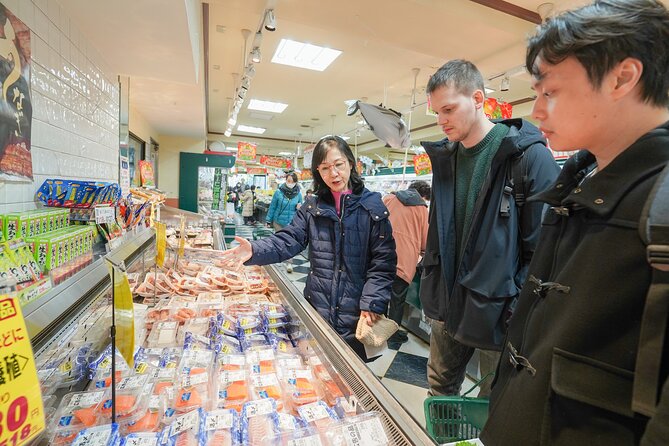
I like that the class starts with ingredient selection, because in Japanese cooking, the difference between good and great often comes down to details you cannot see online. In the supermarket, you learn what to buy and how to judge quality with your guide.
Expect tips that help you navigate Japanese ingredients without getting overwhelmed. This is especially useful if you usually shop in Western style stores and end up buying items you later do not know how to use. Here, you get context. You see what the ingredients are, then you cook them later in the same session.
If you are the kind of traveler who enjoys food markets and wants a story behind your meal, this first stop is where the whole class gains meaning. It is not just shopping for shopping sake.
Japanese knife and cooking technique, taught in a practical way
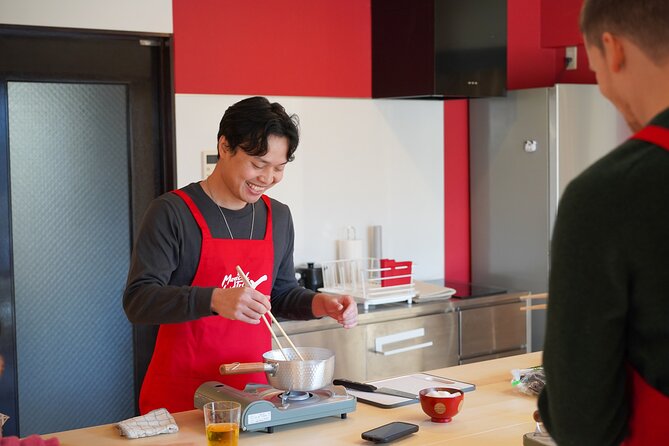
Once you are in the studio, the focus turns to technique. You practice traditional Japanese knife and cooking methods, and you get guidance step-by-step while you prepare your dishes.
The knife work is not presented as a performance. It is taught as a tool for better results, like how cutting changes cooking speed and texture. You also get training on cooking methods, which is where a lot of home cooks get stuck at home because they only follow measurements, not process.
A strong theme in instructor feedback is patience and clear, friendly guidance. Names like April, Yuri, Masai, Alice, Minnie, Mihori, Suzy, and Taka show up in the teaching team, and the consistent message is that you are encouraged at each step. That matters, because a cooking class can feel stressful if the pace is too fast. Here, the group size is capped at 7, so you are less likely to be lost in the crowd.
Your menu: what you cook in the 4 hours
The menu is a blend of rolled, simmered, and grilled dishes, which is a smart way to cover different Japanese flavors and methods without making the class feel like one long chore.
You will prepare traditional foods such as:
- Makisushi (rolled sushi): You practice rolling and getting the pieces to hold together.
- Miso soup: You learn how the base flavors come together, and you taste why this is such a staple.
- Dashimaki tamago (rolled omelet): You work with eggs using a technique that is about texture and timing.
- Nasu dengaku (grilled eggplant skewers): You cook eggplant with a sweet savory style sauce approach.
The description also notes egg rolls and more dishes as part of the session, so you will likely end up with a varied plate rather than just one item. For many people, that variety is the best part because you leave with multiple things you can recreate, not just one.
More Cooking Workshops in Tokyo
- Tokyo: Wagyu and 7 Japanese Dishes Cooking Class
★ 4.9 · 273 reviews - Tokyo: Tsukiji Market Walking Tour & Sushi Cooking Class
★ 4.6 · 122 reviews - Tokyo: Sushi and Ramen Cooking Class with Sake Pairing Set
★ 5.0 · 81 reviews - Tokyo: Private Japanese Cooking Class with a Local Chef
★ 5.0 · 81 reviews
Cooking and dining together, plus sake and beer pairings
After the cooking, you eat what you made together. This is where the class stops being practice and becomes a real meal you can enjoy without rushing.
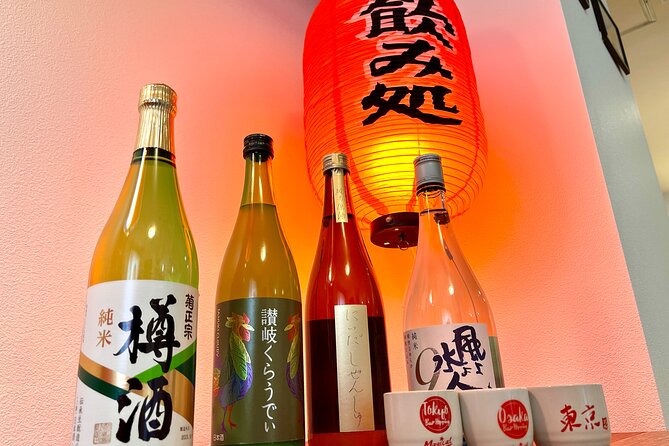
There is also sake or other drink pairing time, with mentions of beer and sake tasting in instructor-led sessions. Even if you do not drink alcohol often, it can be fun because it gives you a new way to think about flavor balance. If you do drink, it turns the meal into a mini tasting experience, not just a dinner after class.
What I appreciate is that this part is not treated like a gimmick. You are tasting and comparing what you cooked, then connecting it back to the ingredients you selected earlier. That makes the whole experience feel like a closed loop: buy, cook, taste, learn.
Vegetarian, vegan, and egg limits you should plan for
This class is friendly toward plant-based eaters. Vegan and vegetarian participants are welcome, and the team arranges ingredients and the cooking process.
One detail that can affect what you end up making: if you cannot eat eggs, your selection is reduced from four types to three. So if you are avoiding eggs for dietary or personal reasons, you should know your menu may be slightly shorter.
If you are vegan or vegetarian, I recommend you contact the team at least one day in advance with your needs. Requests made on the day of the tour cannot be accommodated. That one-day heads-up matters because it gives them time to arrange ingredients properly.
Allergy and substitutions: what you can and cannot expect
If you have allergies, treat this as a planning exercise, not a guarantee. The data is clear that they are unable to guarantee allergy-free preparation, since the cooking happens in kitchens that do not belong to MagicalTrip. Also, substitutions may not be possible at certain stops.
So what should you do? Tell them your allergies at least one day ahead, and be ready for the possibility that the final menu could change a bit. The good news is that the team says they will make every effort to compensate at different stops throughout the tour.
This is the kind of experience where being upfront with dietary limits helps you get the best outcome. If your allergy is severe, it is worth thinking carefully before booking any cooking activity where cross-contact might be hard to control.
Price and value: why $79.59 can make sense
At $79.59 per person for about 4 hours, the value comes from what is bundled into the time. You are paying for instructor-led knife and cooking guidance, guided supermarket shopping, a multi-dish meal, and recipes you can take home.
For Tokyo, that is a fair deal if you want more than a quick snack tasting. You get practice, not just observation. You also leave with a menu you can replicate, which turns the class from a one-day activity into something you can reuse after your trip.
Small-group format (max 7) is another value driver. It usually means more attention per person while you cook, and it also makes the studio experience feel more like a class than a production line.
Logistics that matter on a Tokyo day
You start at 10:00 am and the meeting point is FamilyMart, 2-chōme-1-10 Shitaya, Taito City, Tokyo 110-0004. The tour is near public transportation, which helps if you are balancing this with other plans around Asakusa, Ueno, or central Tokyo.
You also get a mobile ticket, which makes check-in easier while you are bouncing around the city. The tour is designed to start on time, and if you are more than 5 minutes late without contacting the team, it is treated as a cancellation with no refund.
Tokyo weather can be intense. The climate note in the provided info says summer highs can reach 40°C (110°F) and winter lows can drop to -5°C (20°F). Dress for the weather between the supermarket and the studio, because that walking and waiting time adds up.
After the class: a smart use of your extra time
The tour ends back at the meeting point. If you have the energy afterward, the info notes you may visit Kappabashi Dougu Street on your own. This is one of the easiest places to browse kitchen tools and find souvenirs that actually relate to what you learned.
If you bought any knives or tools during your class shopping adventure, this is a logical next stop. Even without buying anything, it is a good way to keep the cooking mood going.
Should you book Tokyo Washoku?
You should book this cooking class if you want a hands-on Japanese food experience that does not require prior cooking skills. It is especially appealing if you like learning through doing: shopping for ingredients, practicing knife techniques, cooking several dishes, then eating together with drink pairings.
You might think twice if you have serious allergies and need guaranteed allergy-free handling. The information provided is honest that allergy-free preparation cannot be guaranteed, and substitutions are not always possible. Also consider the time and the weather, since the class depends on good conditions and Tokyo can be extreme.
If you want a memorable, practical meal lesson in a small group, this is a strong choice. You leave knowing how to select ingredients, execute key techniques, and make dishes that taste like Japan, not like your guess at Japan.
FAQ
How long is the Tokyo Washoku cooking class?
The cooking class runs for about 4 hours.
Where do I meet the guide, and what time does it start?
You meet at FamilyMart 2-chōme-1-10 Shitaya, Taito City, Tokyo 110-0004, Japan, and the start time is 10:00 am.
What dishes will I make during the class?
The class includes making traditional dishes such as makisushi (rolled sushi), miso soup, dashimaki tamago (rolled omelet), and nasu dengaku (grilled eggplant skewers), along with additional Japanese foods noted in the description.
Can vegetarians or vegans join?
Yes. Vegan and vegetarian participants are welcome, and the team arranges ingredients and the cooking process. You should inform them at least one day before if you have dietary requests.
What if I cannot eat eggs or have allergies?
If you cannot eat eggs, your food selection is reduced from four types to three. For allergies, the team cannot guarantee allergy-free preparation, and you need to tell them at least one day before. Requests made on the day cannot be accommodated.
What is the cancellation and late-arrival rule?
If you are late and miss the group, you will not be able to join and there is no refund or reschedule. If you are more than 5 minutes late without contacting the team, it is treated as a cancellation with no refund. Free date/time changes are available up to 24 hours before the tour start time.
More Shopping Tours in Tokyo
- Tokyo: Tsukiji Fish Market Food and Culture Walking Tour
★ 4.7 · 757 reviews - Tsukiji Fish Market: Street Food & Culture Walking Tour
★ 5.0 · 669 reviews - Tsukiji Fish Market Small-Group Food Walking Tour
★ 5.0 · 621 reviews - Tokyo: Tsukiji Fish Market Sushi Making Class with Pro Chef
★ 4.9 · 506 reviews
More Market Tours in Tokyo
- Tokyo Tsukiji Fish Market Food and Culture Walking Tour
★ 5.0 · 3,184 reviews - Tokyo: Tsukiji Fish Market Food and Walking tour
★ 5.0 · 1,724 reviews - Tokyo: Tsukiji Fish Market Guided Walking Tour
★ 4.9 · 1,397 reviews - Tsukiji Fish Market Guided Tour and Sushi Making with Pro Chef
★ 5.0 · 775 reviews
Newly listed around Tokyo
- Tokyo private transfer for Yokohama Port★ 4.5 · 63 reviews
- Luxury Kimono Photoshoot at Ginza Tokyo★ 5.0 · 7 reviews
- Tokyo Allstar Food Tour★ 4.5 · 206 reviews
- Tokyo: Best Ginza Food Tour at 3 Local Eateries★ 5.0 · 83 reviews
- Private One Day Nikko Tour with Bilingual driver★ 3.5 · 11 reviews
- Tokyo Art Aquarium Museum E-Ticket with optional Tokyo Metro Pass★ 5.0 · 17 reviews
- PRIVATE tour in 180SX to Daikoku+++++★ 5.0 · 6 reviews
- Kabuki Talk★ 5.0 · 10 reviews
Japanese Cooking Workshops, compared.
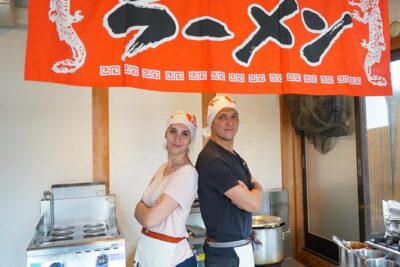
Ramen Cooking Class at Ramen Factory in Kyoto
Read our review →
Ramen & Gyoza Cooking Class in Tokyo with Local Supermarket Visit
Read our review →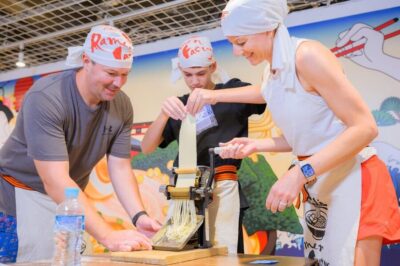
Ramen Cooking Class at a Ramen Factory with Souvenir
Read our review →
Japanese Washoku Bento Small Group Cooking Class
Read our review →
Sumo Stage Show with Bento or Snack + Fight & Photo
Read our review →