Review · TOKYO TOURS
Customized 10-Day Golden Route of Japan Family Tour
Mount Fuji is the first big wow. This customized family Golden Route strings together Japan classics from Tokyo to Hiroshima, with a smooth mix of shrines, old towns, UNESCO stops, and real-food markets.
I like how the trip leans on planning that actually helps day to day, including English-speaking guides, a mobile ticket, and transport reservations handled as part of the package. I also like the balance of set sights and free breathing room, like your free afternoon in Tokyo on Day 1, instead of locking you into every hour.
One consideration: the route is packed, so some days can feel like “go, go, go,” and on a couple of days you’ll do part of the station-to-station travel yourself before a guide meets you.
In This Review
- Key highlights worth putting on your map
- Price and logistics: what you really get for $6,559
- Tokyo arrival day, then Meiji Jingu and Imperial Palace gardens
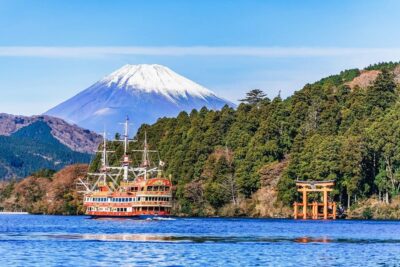
- Lake Kawaguchi and Mt. Fuji views, plus cruise and ropeway
- Takayama old town: Sanmachi Suji, Jinya, and temple stops
- Shirakawa-go gassho houses and Kanazawa’s gardens and samurai streets
- Kyoto temples, Gion tea ceremony, Fushimi Inari torii, and Nijo Castle
- Nara Park deer, Kasuga Taisha, and the Great Buddha
- Miyajima and Hiroshima Peace Memorial: a heavy day done well
- Osaka finale: castle grounds, Kuromon Market, and Dotonbori
- Should you book this Golden Route family tour?
- FAQ
- How long is the Golden Route family tour?
- Where does the tour start, and what time does it begin?
- Is this a private tour?
- Which cities and major stops are included?
- Is airport pickup included?
- What’s included in the price?
- Are international flights included?
- Is there a minimum number of people required to book?
- Is the tour refundable if you cancel?
Key highlights worth putting on your map
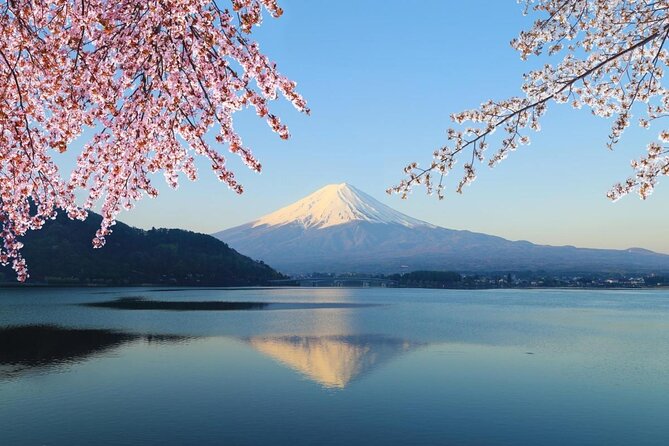
- Mt. Fuji day trip from Tokyo with Lake Kawaguchi cruise and a ropeway viewpoint
- Shirakawa-go UNESCO gassho houses plus a climb up for village-wide views
- Kyoto with a tea ceremony hour in Gion (with maiko performance)
- Food-focused stops at Nishiki Market and Kuromon Market
- Hiroshima and Miyajima in one stretch, including Itsukushima Shrine and the Peace Memorial sites
- Well-run logistics, with strong praise for responsiveness and organized train and bus scheduling
Price and logistics: what you really get for $6,559
At $6,559 per person for about 10 days, this is not a cheap sampler. It is more like paying for fewer headaches: hotels in twin-sharing rooms, guided sightseeing with an English-speaking guide, and the heavy lift of public transport routing (express buses and bullet trains) as the itinerary specifies.
From past feedback, people especially liked that the hotels were well located and generally solid for comfort, and that the planning support was quick to respond to questions. The tour also lists group discounts and a mobile ticket, both of which can make life easier when you have kids, multiple bags, or you want to move without hunting paper tickets.
Two small budget realities to factor in: local hotel tax is paid on the spot, and international flights are not included. That means your total trip cost depends on when and where you fly into Tokyo and out of Osaka.
A few more Tokyo days to weigh up
- Mt Fuji and Hakone 1-Day Bus Tour Return by Bullet Train
★ 5.0 · 26,383 reviews - 1-Day Tokyo Bus Tour
★ 5.0 · 14,250 reviews - Tokyo: TOKYO SKYTREE® Admission ticket
★ 4.5 · 11,192 reviews
Tokyo arrival day, then Meiji Jingu and Imperial Palace gardens
Day 1 starts the moment you land. A driver meets you at Narita or Haneda and helps you get on a shared shuttle bus to the reserved hotel. After that, you’re on your own, which I like. One free day in Tokyo is smart for jet lag, family needs, and just getting oriented before temples and crowds.
Day 2 is your classic Tokyo day with a guide and public transport. You’ll start at Meiji Jingu Shrine, set in a dense forest that feels like the city disappears. Then you head to the Imperial Palace East Gardens and Nijubashi Bridge, a calmer contrast to the shopping energy of the city.
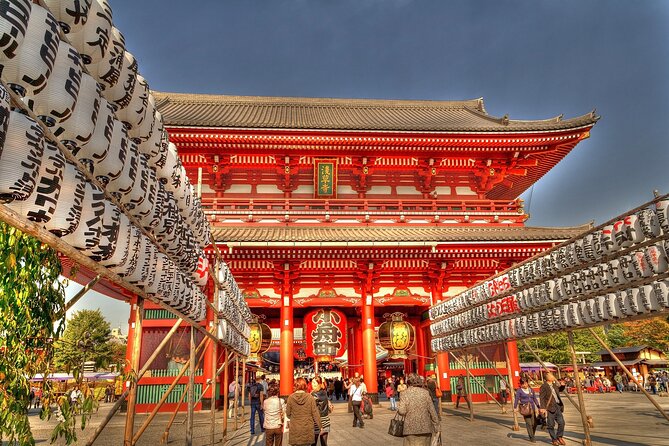
In the afternoon you switch to Asakusa: Kaminarimon Gate and Nakamise Shopping Street, lined with snack stalls and souvenir shops. You’ll also visit Senso-ji Temple. This is where you get easy wins, great photos, and plenty of small bites you can share with kids without committing to a full sit-down meal.
Lake Kawaguchi and Mt. Fuji views, plus cruise and ropeway
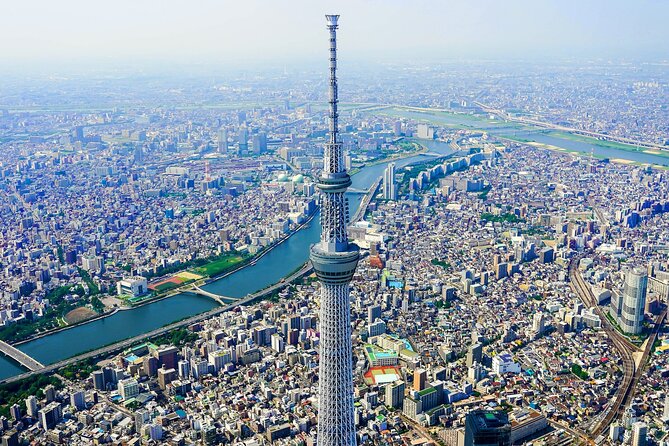
On Day 3, the tour pulls you out of Tokyo into proper Mt. Fuji scenery. Your guide meets you in the hotel lobby, then you go to Shinjuku Expressway Bus Terminal for an express bus ride to Lake Kawaguchi for about 2 hours.
Once you arrive, you get the full “Fuji package”:
- a short hike around the lake
- a Lake Kawaguchi cruise
- the Mount Fuji Panoramic Ropeway for high views over the lake and mountain
This is one of the most family-friendly ways to see Fuji because you’re not driving for hours or stressing about transfers. The schedule does mean you should plan for a lot of time outdoors. Pack layers, even in warmer months, because the lake area can feel cooler, and the ropeway is exposed.
Takayama old town: Sanmachi Suji, Jinya, and temple stops
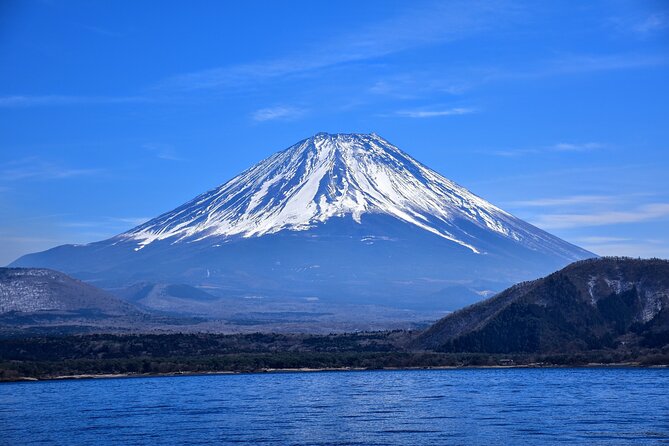
Day 4 moves you into old-town Japan. You travel from Tokyo to Takayama using a mix of high-speed rail plus an additional express connection (Tokyo to Nagoya, then onward to Takayama). Your guide meets you at the station once you arrive.
The afternoon is where Takayama shines: you’ll walk through Sanmachi Suji District and see the Nakabashi Bridge, plus Takayama Jinya (the old governor’s house). You also visit Takayama Showa Kan Museum and Hida Kokubunji Temple.
For families, this kind of day works because the sights are close enough to wander. The potential drawback is that the train day plus sightseeing day can be tiring, especially if kids are young or you have more than one stroller. If you like walking and photos, this section is a strong match.
A different sort of day in Japan:
- Tokyo: teamLab Planets TOKYO Digital Art Museum Entry Ticket
★ 4.6 · 9,779 reviews - Mt Fuji & Hakone Cruise, Drum Show Bullet Train 1 Day from Tokyo
★ 4.0 · 7,413 reviews - Tokyo: Sumo Show Experience with Chicken Hot Pot and a Photo
★ 4.8 · 6,678 reviews - Tokyo: Shinjuku Food Tour (13 Dishes at 4 Local Eateries)
★ 5.0 · 6,603 reviews
Shirakawa-go gassho houses and Kanazawa’s gardens and samurai streets
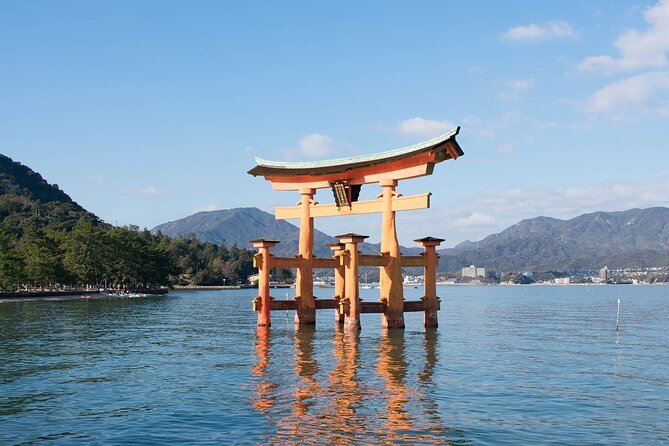
Day 5 is two stops, and both are “slow down and look” places.
First: Shirakawa-go, reached by express bus. You’ll see the UNESCO World Heritage gassho-zukuri farmhouses, including a visit to Wada House to learn about tools and village life. You’ll also climb to the Ogimachi Castle Observation Deck for wide views over the whole settlement. This is especially famous in winter when the thatched houses can be covered in deep snow, but the village itself is worth it in any season because of the mountain setting.
Next you head to Kanazawa for an afternoon walk tour: Kenroku-en Garden, Kanazawa Castle Park, Higashichaya Old Town (geisha district), and the Nagamachi Samurai District.
Why this pairing works: you get contrast. Shirakawa-go is a mountain farming village. Kanazawa feels more urban and refined, with gardens and preserved neighborhoods. It’s a good day for families because both places offer lots of variety without needing long museum marathons.
Kyoto temples, Gion tea ceremony, Fushimi Inari torii, and Nijo Castle
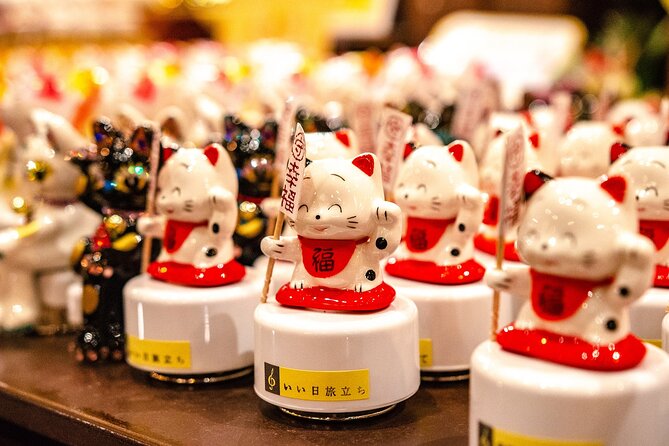
Kyoto takes over on Day 6 and again on Day 8, with two different flavors of the city.
Day 6 starts with the Thunderbird express train to Kyoto (about 2.5 hours). When you arrive, a local guide meets you and brings you to your hotel.
Your guided afternoon hits big-name Kyoto with a classic walking pattern:
- Kiyomizu-dera (listed as the Pure Water Temple)
- stroll through Sannenzaka and Ninenzaka for shops and views
- Yasaka Shrine
- a tea ceremony hour at a popular teahouse in the Gion area, with maiko performance
Then you taxi back to your hotel, and you’re free to plan the rest.
Day 8 shifts to another iconic Kyoto set piece:
- Fushimi Inari Shrine with the long climb through the Senbon Torii
- Sanjusangendo Temple, famous for its long wooden hall and a large group of Kannon statues
- Nishiki Market for snacks, with items like dango, tempura, croquette, and matcha ice cream
- Nijo Castle (Tokugawa-era site built in 1603)
This is a lot of walking and stairs, especially around Fushimi Inari and Kiyomizu-dera. If your family needs pace breaks, plan snacks and water stops rather than pushing straight through.
Also on Day 8, the day transitions toward Hiroshima. You go back to retrieve luggage and get seen off at Kyoto Station for the bullet train to Hiroshima.
Nara Park deer, Kasuga Taisha, and the Great Buddha
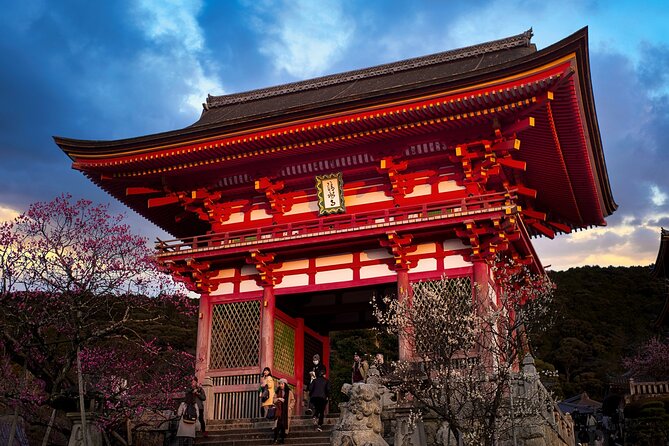
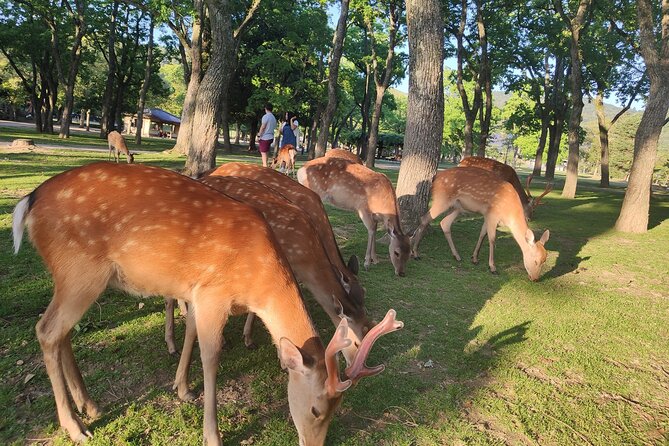
Day 7 is Nara, and it’s a great change of pace from Kyoto. You take a train ride of about 40 minutes, meet your guide, and start in Nara Park.
Key stops include:
- Kofuku-ji Temple
- Kasuga Taisha Shrine, reached along a path lined with moss-covered stone lanterns
- the way toward the Great Eastern Temple to see the massive bronze Buddha statue
In the afternoon, you also visit smaller highlights like Gango-ji Temple and Goryo Shrine, plus Naramachi neighborhood walking with a focus on local life.
This day is especially good for families because the park gives you open space, and kids can burn energy while adults enjoy the shrines and temple architecture. Bring shoes you can trust.
Miyajima and Hiroshima Peace Memorial: a heavy day done well
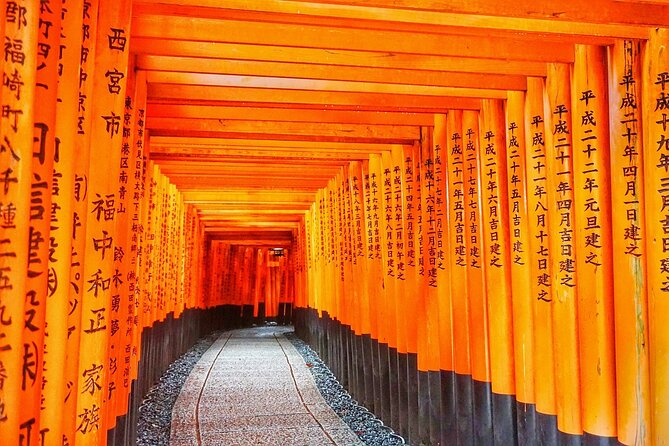
Hiroshima is split between travel and a full day of sightseeing.
On Day 8, you arrive after the bullet train. On Day 9, your guide meets you and you head by boat to Miyajima Island for Itsukushima Shrine, known for the famous floating torii gate.
Then you return to Hiroshima for the serious part:
- Atomic Bomb Dome
- Hiroshima Peace Memorial Park
- Peace Memorial Museum, with real photos and ruins showing what happened after the atomic bombing during World War II
This is one of those sections where you should watch the clock and the emotional load. If you’re traveling with kids, keep expectations realistic, take breaks, and focus on what you can handle without rushing.
Osaka finale: castle grounds, Kuromon Market, and Dotonbori
Your last day is Osaka, and it reads like a best-of sampler with food and big city energy.
You start at the Osaka Museum of Housing and Living, then move to Osaka Castle (outside) and the surrounding park area. Around noon you visit Kuromon Market, known as Osaka’s Kitchen, and you can handle lunch on your own there.
In the afternoon you walk through Shinsaibashi and Dotonbori, then finish with Shitennoji Temple. After that, the guide helps you collect luggage, and you make your own way to the airport for your flight home.
One practical note: Kuromon Market is listed as close on Sunday, so your experience there depends on which day your tour lands on. Your guide will help you handle the day-of schedule.
Should you book this Golden Route family tour?
I think this is a strong choice if your family wants a classic Japan circuit without constant station wrangling. The value is strongest when you add up what you get back in time and stress reduction: transport planning, English guidance, and a route that hits Mt. Fuji, UNESCO village life, Kyoto shrines, Nara’s big cultural stop, and Hiroshima’s key sites, all while staying in a clear hotel-and-transport rhythm.
I’d be more cautious if your crew needs lots of downtime in the middle. One piece of feedback on similar tours is that the pace can feel tiring. If that sounds like your family, build in your own breaks by choosing lighter meals, using quiet time in the hotel after long temple days, and not trying to squeeze extra sightseeing on top of what’s planned.
FAQ
How long is the Golden Route family tour?
It runs for about 10 days.
Where does the tour start, and what time does it begin?
The tour starts in Tokyo, with a meeting/start time of 9:00 am.
Is this a private tour?
Yes. It is described as a private tour/activity, and only your group participates.
Which cities and major stops are included?
You cover Tokyo, Mt. Fuji area (Lake Kawaguchi), Takayama, Shirakawa-go, Kanazawa, Kyoto, Nara, Hiroshima, Miyajima, and Osaka.
Is airport pickup included?
Pickup is offered, and on Day 1 a driver meets you at Narita or Haneda and helps you find the shared shuttle bus to your reserved hotel.
What’s included in the price?
Hotel accommodation based on twin-sharing rooms, public transport such as express bus and bullet train as specified, an English-speaking guide per itinerary, entrance fees for the sights visited, and breakfast (listed as 9).
Are international flights included?
No. International flights into Tokyo and out of Osaka are not included.
Is there a minimum number of people required to book?
Yes. A minimum of 2 people per booking is required.
Is the tour refundable if you cancel?
No. It is non-refundable and cannot be changed for any reason, and the amount paid will not be refunded if you cancel or request an amendment.
Newly listed around Tokyo
- Discover Japan Tour: 15-day Small Group★ 5.0 · 16 reviews
- 【NEW】Matcha Making Experience and Matcha Comparison in Tokyo★ 5.0 · 7 reviews
- Tokyo Private SightSeeing Day Tour With Guide★ 5.0 · 16 reviews
- Mt.Fuji view Hakone Private tour with English speaking driver★ 5.0 · 33 reviews
- Tokyo 6hr Private Guided Tour & Japanese Sweets Making Experience★ 5.0 · 7 reviews
- Kyoto Uncovered: One Full-Day Private Experience for First-Timers★ 4.5 · 7 reviews
- Tokyo to Kyoto 1-Full Day Private Guided Tour★ 4.5 · 41 reviews
- Mt.Fuji Private SightSeeing Day Tour (From Tokyo)★ 5.0 · 10 reviews
Tokyo Tours, compared.
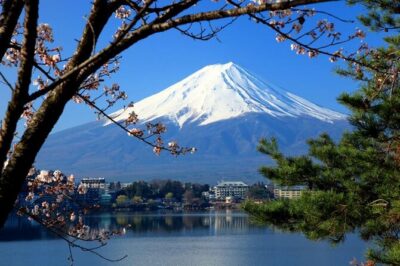
Mt Fuji and Hakone 1-Day Bus Tour Return by Bullet Train
Read our review →

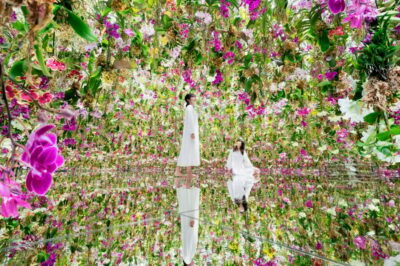
teamLab Planets TOKYO Digital Art Museum Entry Ticket
Read our review →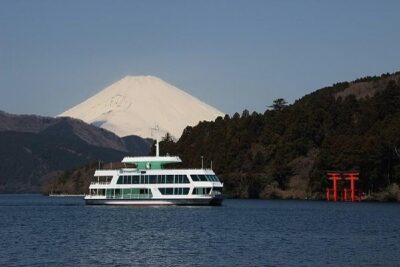
Mt Fuji & Hakone Cruise, Drum Show Bullet Train 1 Day from Tokyo
Read our review →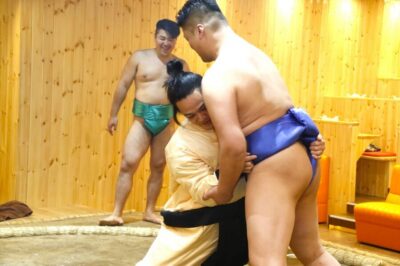
Sumo Show Experience with Chicken Hot Pot and a Photo
Read our review →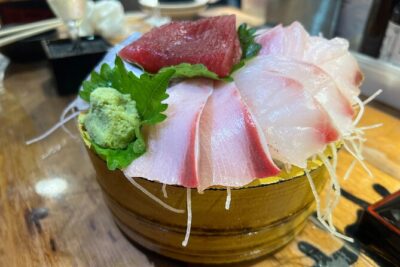
Shinjuku Food Tour (13 Dishes at 4 Local Eateries)
Read our review →