
Review · DESSERT TOURS
Tokyo 6hr Private Guided Tour & Japanese Sweets Making Experience
Tokyo turns into a story with a guide.
This private 6-hour walk wraps big-name sights with the why behind them, and it ends with hands-on wagashi making in Asakusa. I love that you get undivided guide time instead of rushing through photo stops, and you can ask questions as you go. The one thing to keep in mind is that you choose only a couple of sites from the day’s menu, so this is not a full Tokyo checklist.
What I like most is the mix of street-level culture and real purpose. You’ll see places tied to daily life, like Asakusa and Sensoji, then switch gears to other Tokyo personalities such as Tsukiji, Meiji Jingu, or even Akihabara. Another plus is how the tour is designed for practical learning, including help figuring out Japan’s public transit, which matters more than most people expect.
The main drawback is timing and tickets. Some gardens have entrance fees not included, and since private transportation is not part of the package, you will pay transit costs on your own. If your plan is to cram every stop listed, this is not built for that.
In This Review
- Key points that make this Tokyo tour worth your time
- A private Tokyo walk that ends with wagashi
- Price and time: is $172 per person good value?
- Picking 2 to 3 sites from the day’s menu
- Asakusa and Sensoji, with the option of Jidaiya
- Stop 1: Jidaiya (about 1 hour)
- Stop 2: Asakusa (about 20 minutes)
- Stop 3: Senso-ji Temple (about 15 minutes)
- Tsukiji Fish Market, Meiji Jingu, and Imperial Palace grounds
- Stop 4: Tsukiji Fish Market (about 30 minutes)
- Stop 5: Meiji Jingu Shrine (about 30 minutes)
- Stop 9: Imperial Palace (about 30 minutes, outside only)
- Gardens in Tokyo: Shinjuku Gyoen, Koishikawa Korakuen, Hamarikyu, Rikugien
- Stop 6: Shinjuku Gyoen National Garden (about 30 minutes, not included)
- Stop 7: Koishikawa Korakuen Garden (about 30 minutes, not included)
- Stop 8: Hamarikyu Gardens (about 20 minutes, not included)
- Stop 10: Rikugien Garden (about 20 minutes, not included)
- Akihabara, Takeshita Street, and Shinjuku Golden Gai for the modern Tokyo mood
- Stop 11: Akihabara (about 20 minutes)
- Stop 12: Takeshita Street (about 30 minutes)
- Stop 13: Shinjuku Golden Gai (about 20 minutes)
- Wagashi making in an Asakusa workshop: hands-on cultural fun
- The guide factor: customization plus practical Tokyo confidence
- Who should book this tour, and who should skip it
- Should you book? My decision guide
- FAQ
- Is this a private tour?
- How long is the tour?
- What is included in the tour besides sightseeing?
- Can I choose which attractions to visit?
- Are admission tickets included for every stop?
- Does the tour include transportation?
- Is pickup available?
- Is the inside of the Imperial Palace included?
- Who can participate, and can I cancel for free?
Key points that make this Tokyo tour worth your time
- Private, guide-led pacing: You set the questions and the tempo, not a bus schedule.
- Choose 2 to 3 sites: The tour gives depth instead of a sprint across town.
- Asakusa wagashi workshop: You make Japanese sweets by hand, not just eat them.
- Iconic plus explanatory stops: Temples, shrines, gardens, and districts with context.
- Multiple guide styles: Some guides use smart orientation moves, like starting with a view to set the scene.
- Transit-focused confidence: Strong guidance helps you use Tokyo’s trains after the tour.
A private Tokyo walk that ends with wagashi
Tokyo is easy to enjoy and easy to misunderstand. You can see Sensoji, snap photos at shrines, and walk past gardens, but without context it can feel like you are watching scenes rather than understanding them.
This experience is built for that context. You get a licensed local guide with you for about 6 hours, and it’s a true private format, meaning only your group. You also get a mobile ticket, which keeps things simple once you arrive.
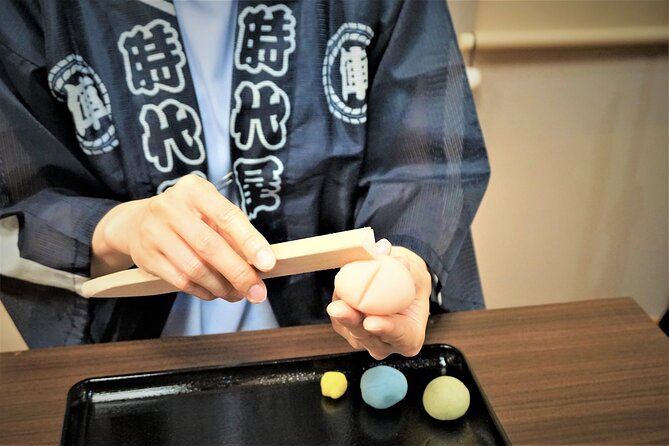
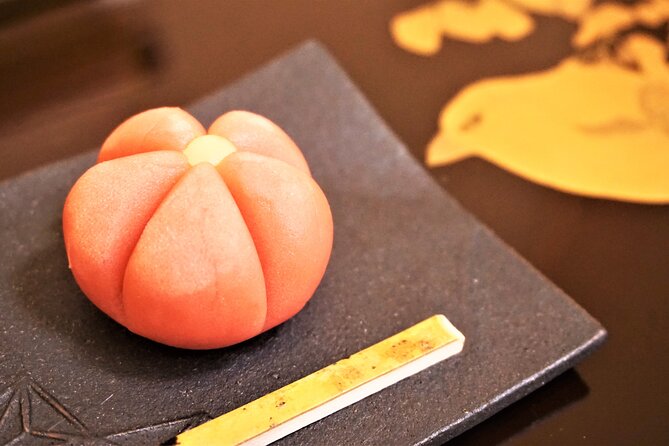
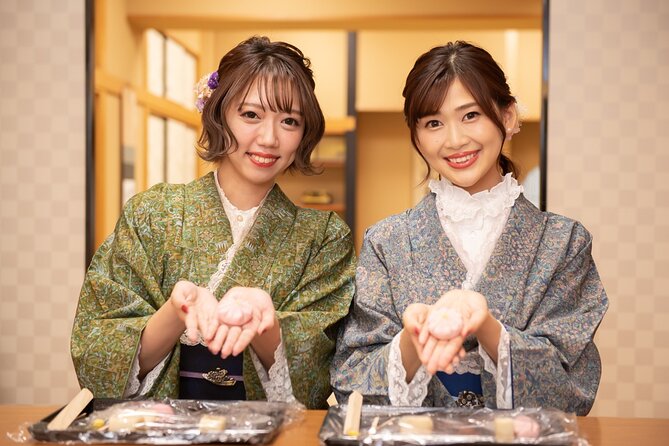
Then comes the part most people look forward to: making wagashi sweets in an Asakusa workshop. Even if you have eaten Japanese sweets before, the act of making them is a different kind of fun. It turns the day from sightseeing into a hands-on cultural moment.
A few more Tokyo days to weigh up
- Matcha Making Class in Tokyo with Authentic Japanese Sweets Set
★ 5.0 · 744 reviews - Tokyo: Matcha Making Experience with Mochi Sweets in Asakusa
★ 4.9 · 388 reviews - Sweets Making and Kimono Tea Ceremony at Tokyo Maikoya
★ 5.0 · 57 reviews
Price and time: is $172 per person good value?
At $172 per person for a private 6-hour experience, the value depends on what you want. If you are the type who likes to bounce between top attractions, then you might wonder why you are not doing everything on the list. But if you prefer quality over quantity, this price starts to make sense quickly.
Here’s the deal. You’re paying for:
- A licensed local guide who can tailor your route
- A wagashi making experience
- The ability to customize your day by picking 2 to 3 sites
- A walking format with guide help so you spend less time guessing what matters
On the cost side, there are a few extras to budget for. Transportation fees and potential Metro pass costs are not included. Also, some garden stops have admission tickets not included. So, your all-in price can rise depending on which sites you choose.
My practical take: if you are going to spend your day hopping train lines anyway, paying for a guide who helps you pick smart stops and explains what you are seeing is a solid trade.
Picking 2 to 3 sites from the day’s menu
The tour is not meant to cover every stop listed. You select the places that match your mood, and your guide builds the flow around that.
When you choose, think about what you want most:
- Old Tokyo feel: pick Asakusa and Sensoji
- Calm, garden time: pick Shinjuku Gyoen, Koishikawa Korakuen, Hamarikyu Gardens, or Rikugien
- Food energy: pick Tsukiji Fish Market
- Shinto and solemnity: pick Meiji Jingu and/or Imperial Palace grounds
- Modern Tokyo identities: pick Akihabara, Takeshita Street, and Shinjuku Golden Gai
A helpful hint: if you want both a market stop and a shrine stop, build your day around energy first, then slow it down with gardens. Tokyo crowds feel different at morning versus afternoon, and your guide can steer your order based on your preferences.
Asakusa and Sensoji, with the option of Jidaiya
If you choose only one Tokyo zone for culture-first sightseeing, Asakusa is often the safest bet. It sits in Tokyo’s older “low city” atmosphere, where you can feel the city’s past alongside present-day daily life.
A different sort of day in Japan:
- Mt Fuji and Hakone 1-Day Bus Tour Return by Bullet Train
★ 5.0 · 26,383 reviews - 1-Day Tokyo Bus Tour
★ 5.0 · 14,250 reviews - Tokyo: TOKYO SKYTREE® Admission ticket
★ 4.5 · 11,192 reviews - Tokyo: teamLab Planets TOKYO Digital Art Museum Entry Ticket
★ 4.6 · 9,779 reviews
Stop 1: Jidaiya (about 1 hour)
Jidaiya is offered as an alternative way to experience Japanese culture compared with standard Asakusa sightseeing. If you like learning through demonstration and structured programs, this stop can be a good match. It also gives you a break from constant outdoor walking.
What to consider: because it is more program-style than open-air temple wandering, you may get less free time for wandering streets nearby. If you want maximum street time in Asakusa, balance Jidaiya with enough walking time in the Asakusa/Sensoji area.
Stop 2: Asakusa (about 20 minutes)
Asakusa is the center of Tokyo’s shitamachi, and the point here is atmosphere. You are not just passing through. You are seeing a district where many visitors notice a different pace than in newer Tokyo business neighborhoods.
A practical expectation: 20 minutes is a short window, so your guide’s explanations matter. If you want more shopping, snacks, and side streets, you can still do it, but your guide will likely focus on what best fits your chosen plan.
Stop 3: Senso-ji Temple (about 15 minutes)
Sensoji, also known as Asakusa Kannon Temple, is one of Tokyo’s best-known temples. You get that colorful, high-energy temple vibe, plus the kind of traditions a guide can explain so it feels less like a set and more like a living practice.
A drawback to plan for: 15 minutes can feel like a blink, because the area around Sensoji is designed for lingering. If crowds or photo lines slow you down, you might not see everything. That’s where a guide helps, because they can point you toward the parts that offer the most meaning in the time you have.
Tsukiji Fish Market, Meiji Jingu, and Imperial Palace grounds
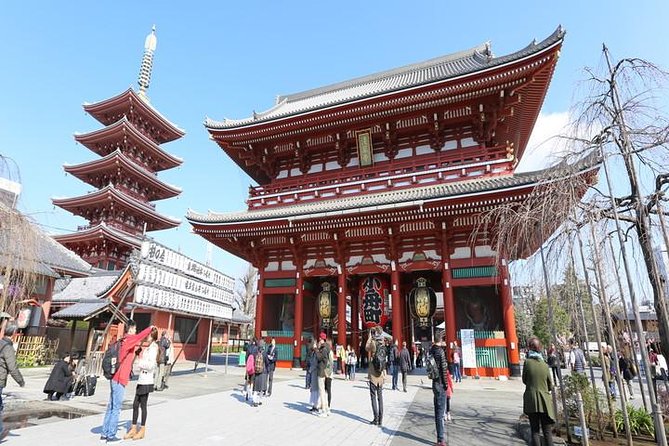
Tokyo has different kinds of “wow.” Some are loud and market-driven. Some are calm and sacred. This part of the menu gives you variety.
Stop 4: Tsukiji Fish Market (about 30 minutes)
Tsukiji is described as the old fish market of Japan, and the core value here is food culture. You get a concentrated hit of what markets look like and how people shop for ingredients and snacks.
What I like about adding Tsukiji to a guided day: your guide can help you avoid the trap of thinking everything is tourist-only. Even without going deep into the market’s behind-the-scenes world, you can leave with a better sense of how locals treat food as part of everyday life.
Consideration: this is time-limited at 30 minutes. If you love food and want a full-on market afternoon, Tsukiji as one stop can feel short. It works best as a focused flavor stop inside a broader day.
Stop 5: Meiji Jingu Shrine (about 30 minutes)
Meiji Jingu is dedicated to the deified spirits of Emperor Meiji and his consort, Empress Shoken. It is located near Harajuku Station, which makes it convenient. You also get a change in tone: from street noise to a more ceremonial setting.
Practical tip you will appreciate: because it sits near a busy rail line, the contrast is strong. You’ll likely feel like you stepped into a calmer pocket of Tokyo, especially if your guide times your route well.
Stop 9: Imperial Palace (about 30 minutes, outside only)
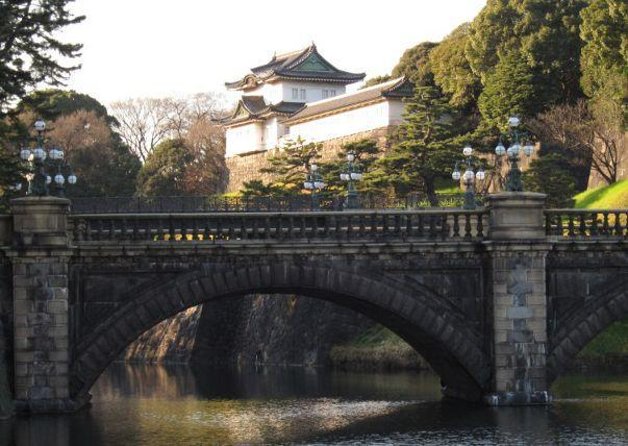
This tour does not include access inside the Imperial Palace. What you do get is the feeling of the palace grounds in their larger historical setting, located on the former site of Edo Castle, surrounded by moats and massive stone walls.
Why it’s worth considering: even without interior access, this stop can anchor your understanding of how power and geography shaped the city. It’s a “big structure, big meaning” type of visit.
What to consider: if you were hoping for inside access, you will need to plan that separately, since this tour keeps it exterior.
Gardens in Tokyo: Shinjuku Gyoen, Koishikawa Korakuen, Hamarikyu, Rikugien
If you want a break from constant movement, these garden options are the perfect counterweight. You get strolling paths, seasonal atmosphere, and places where quiet is part of the design.
Important note: the garden stops listed here have admission tickets not included. So you should expect to pay the entrance fee on your own for the specific garden you choose.
Stop 6: Shinjuku Gyoen National Garden (about 30 minutes, not included)
Shinjuku Gyoen is one of Tokyo’s largest and most popular parks. The value is spaciousness, walking paths, and a calm escape from the surrounding bustle of the city.
Consideration: because it’s famous and big, you may encounter crowds. Your guide can still make the most of your time by choosing walking routes that match your interests.
Stop 7: Koishikawa Korakuen Garden (about 30 minutes, not included)
Koishikawa Korakuen is one of Tokyo’s oldest and best Japanese gardens, built in the early Edo period at the Tokyo residence of a Tokugawa family branch. This stop is more about historical garden design and older cultural roots.
What to consider: with only about 30 minutes, you will not see everything. But guided interpretation helps here, because gardens have built-in symbolism, and a guide can point out what you might otherwise miss.
Stop 8: Hamarikyu Gardens (about 20 minutes, not included)
Hamarikyu is alongside Tokyo Bay. It features seawater ponds that change level with the tides, plus a teahouse on an island.
Why it works in a half-day plan: it’s a shorter garden option at 20 minutes, which means you can pair it with a busier district stop without losing the chance for quiet time.
Stop 10: Rikugien Garden (about 20 minutes, not included)
Rikugien is often considered among the most beautiful landscape gardens in Tokyo, built around 1700 for the 5th Tokugawa Shogun. It literally means “six poems garden,” which hints at the design idea behind it.
Consideration: 20 minutes is brief. This can still be satisfying if you choose it as a focused garden contrast after a temple or food stop.
Akihabara, Takeshita Street, and Shinjuku Golden Gai for the modern Tokyo mood
Tokyo also has a playful side, and these stops lean into it. They are less about formal tradition and more about identity, trends, and street energy.
Stop 11: Akihabara (about 20 minutes)
Akihabara is famous for electronics shops and, in more recent times, for being a center of Japanese pop culture. In a guided format, the benefit is that you get context so you understand what you are seeing, instead of only recognizing storefronts.
Consideration: 20 minutes can be too short if you actually want to browse. This stop is best if you want a quick orientation and photo time, or if you have a specific interest your guide can aim you toward.
Stop 12: Takeshita Street (about 30 minutes)
Takeshita Street is in the Harajuku area, known for teenage fashion and extreme style. This is a district stop that works well for people who want to see Tokyo’s fashion youth culture firsthand.
What to consider: the vibe can be very crowd-heavy. Your guide’s help can save time by pointing you where to look first, especially if you want a manageable route.
Stop 13: Shinjuku Golden Gai (about 20 minutes)
Shinjuku Golden Gai is described as a down town city atmosphere near Kabukicho, with famous small shops. It’s a place where you can feel Tokyo’s adult nightlife texture without committing to a full night plan.
Practical expectation: 20 minutes is a peek, not a deep dive. Still, it can be a memorable contrast to shrines and gardens.
Wagashi making in an Asakusa workshop: hands-on cultural fun
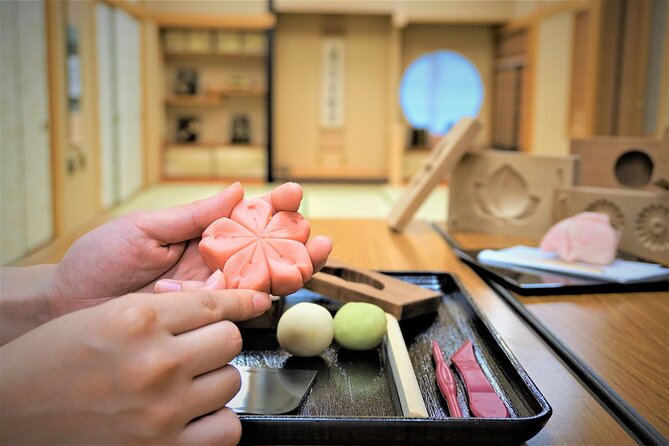
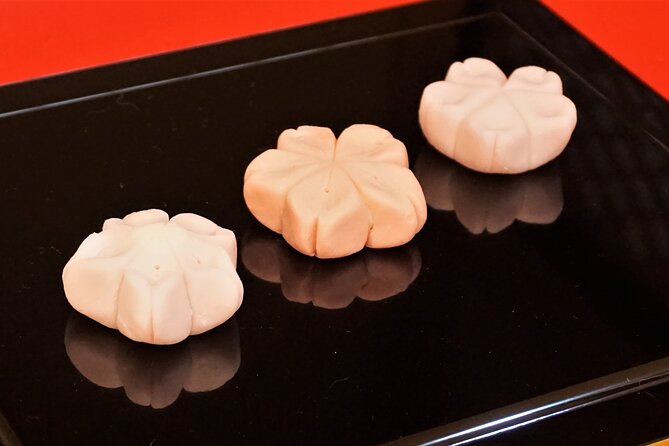
The core included experience is making wagashi sweets by hand in an Asakusa workshop. That matters because it changes your role in the day. You are not just observing Japanese culture. You are participating in it.
Even with no details spelled out about specific wagashi types or tools, the key takeaway is the format: a guided workshop where you create Japanese sweets yourself. That gives you a built-in souvenir that tastes like the day.
What to do to get the most from it: stay curious. Ask your guide what you are making and why certain flavors or shapes fit Japanese sweet culture. The guides on this program have been praised for being professional, personable, and willing to answer questions, including using humor to keep the mood relaxed.
Also, since the workshop happens in Asakusa, your earlier stops can set you up nicely. If you start with Asakusa and Sensoji, the sweets feel like the logical next step, not a random add-on.
The guide factor: customization plus practical Tokyo confidence
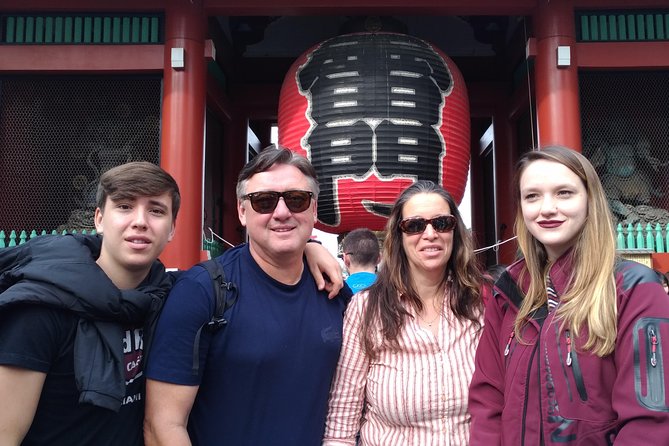
This is a private tour, and the guide work shows. Multiple guides leading this experience have been described as tailoring the itinerary and making the day feel comfortable and personal.
Here are the practical reasons I think that matters:
- You can ask questions instead of holding them for later.
- You can adjust your focus, for example history, customs, food culture, or how to navigate Tokyo.
- You can end the tour knowing you used the train system better, not just better knowing what a temple is.
In particular, guides such as Takako, Sachi, Sachiko Horiguchi, Coco, Aiko, Ted, and Emiko have been associated with clear explanations, good communication, and confidence-building help with getting around. One guide-style example noted is starting with an overview from across from the shrine, which is a smart way to orient you before you start moving around.
One more value point: since this is private, your guide can slow down when something looks interesting, or steer you away from wasted time when it doesn’t.
Who should book this tour, and who should skip it
This tour is a strong fit if you:
- Want a guided day that explains culture, not just photos
- Like the idea of a wagashi workshop as your “anchor experience”
- Prefer walking and transit guidance over hiring a car
- Travel with a group that values comfort, questions, and customization
You might skip it if you:
- Want to hit every single stop in the full list
- Expect full access inside the Imperial Palace
- Are trying to avoid any extra costs at all, since some gardens have admission fees not included and transit costs are extra
Should you book? My decision guide
Book this tour if you like thoughtful sightseeing and you want your day to feel organized instead of chaotic. The price makes more sense when you treat it as a private, culture plus workshop combo, not as a “see everything in 6 hours” product.
If you are choosing between this and another Tokyo option, I’d pick this when wagashi and guided context matter to you. It’s the kind of experience that helps Tokyo click. And after your day, you’ll likely feel more confident navigating on your own, because the guide approach is practical, not just ceremonial.
FAQ
Is this a private tour?
Yes. It is a private experience, so only your group participates.
How long is the tour?
The tour runs for about 6 hours.
What is included in the tour besides sightseeing?
The tour includes a wagashi making experience and a licensed local guide.
Can I choose which attractions to visit?
Yes. The tour is customizable and lets you choose 2 to 3 sites from the available options.
Are admission tickets included for every stop?
Most sites are listed with free admission, but some garden stops have admission tickets not included. Imperial Palace inside access is not included either.
Does the tour include transportation?
Private transportation is not included. Transportation fees and Metro pass costs are listed as not included.
Is pickup available?
Pickup is offered in the tour summary, but the included information also says you meet the guide in Tokyo on foot, so you should plan to connect near public transit.
Is the inside of the Imperial Palace included?
No. The tour does not include access inside the Imperial Palace.
Who can participate, and can I cancel for free?
Participants must be 12 and over. Free cancellation is available up to 24 hours in advance for a full refund.
Newly listed around Tokyo
- Discover Japan Tour: 15-day Small Group★ 5.0 · 16 reviews
- 【NEW】Matcha Making Experience and Matcha Comparison in Tokyo★ 5.0 · 7 reviews
- Customized 10-Day Golden Route of Japan Family Tour★ 5.0 · 13 reviews
- Tokyo Private SightSeeing Day Tour With Guide★ 5.0 · 16 reviews
- Mt.Fuji view Hakone Private tour with English speaking driver★ 5.0 · 33 reviews
- Kyoto Uncovered: One Full-Day Private Experience for First-Timers★ 4.5 · 7 reviews
- Tokyo to Kyoto 1-Full Day Private Guided Tour★ 4.5 · 41 reviews
- Mt.Fuji Private SightSeeing Day Tour (From Tokyo)★ 5.0 · 10 reviews
Dessert Tours, compared.
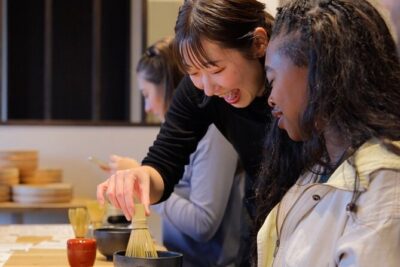
Matcha Making Class in Tokyo with Authentic Japanese Sweets Set
Read our review →
Matcha Making Class in Osaka with Authentic Japanese Sweets Set
Read our review →
Matcha Making Experience with Mochi Sweets in Asakusa
Read our review →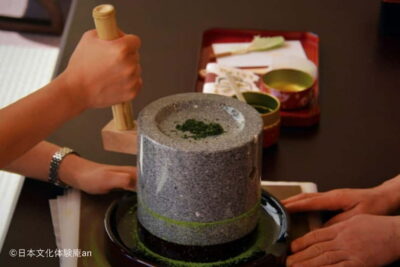
Japanese Traditional Sweets Making and Tea Ceremony
Read our review →
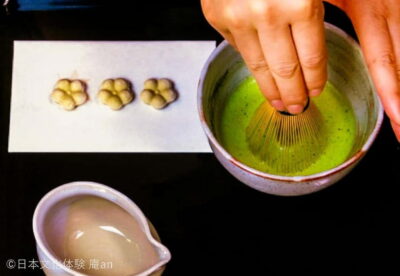
Japanese Traditional Sweets Making and Tea Ceremony
Read our review →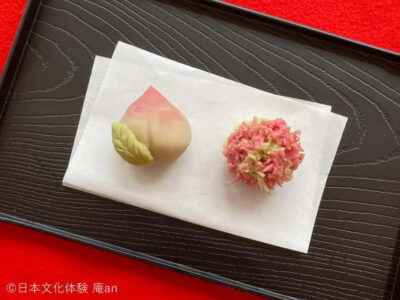
Japanese Traditional Sweets making and Tea Ceremony
Read our review →
Kyoto Wagashi(Japanese sweets) Cooking Class near Fushimiinari
Read our review →Browse the lists this tour appears in