
Review · MATCHA & TEA CEREMONY SESSIONS
【NEW】Matcha Making Experience and Matcha Comparison in Tokyo
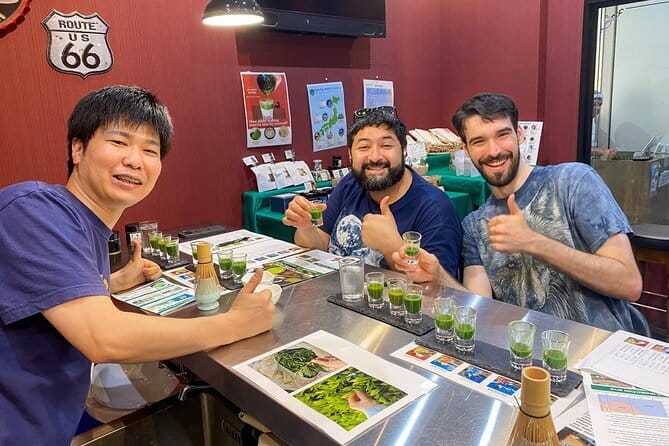
Matcha tastes different when you compare it. I love the side-by-side matcha tasting setup, where you look at color, smell the aroma, and sip small portions to see how Kyoto, Shizuoka, Aichi, Fukuoka, and Kagoshima differ. This experience also tackles the big question behind matcha in the modern world, what real matcha means and why fake matcha products exist.
I also like the expert teaching team. The lead instructor has a bachelor’s in agricultural science and former tea-farmer experience in Kyoto, with a special focus on soil science. The assistant, Rina, has a bachelor’s in pharmacy, so the explanation feels both practical and precise, not just “cheerleading for tea.”
One consideration: 1 hour 30 minutes goes fast. If you’re expecting a long, slow tea lecture, you’ll want to arrive ready to taste, ask questions, and choose your favorite quickly.
In This Review
- Key Highlights You Should Know Before You Go
- Finding the Right Place for Your Tokyo Matcha Making Class
- Welcome Drink, Then You Start Learning What Matcha Should Be
- The Matcha Comparison: Color, Smell, Taste, and the Real Test
- The Production Areas Lesson: Kyoto, Shizuoka, Aichi, Fukuoka, Kagoshima
- Picking Your Favorite, Then Making Ousucha with a Bamboo Whisk
- Matcha Latte and Sweets: When You Want It Creamier
- Price and Value: Is $62.12 Worth 90 Minutes in Tokyo?
- Who Should Book This Matcha Making Experience
- Quick Verdict: Should You Book?
- FAQ
- What time does the matcha making experience start?
- How long is the experience?
- How many people are in the group?
- What languages are available?
- How many matcha types are tasted, and from where?
- Do I make matcha myself during the experience?
- Is matcha latte and dessert included?
- What is the meeting point address?
- Can I cancel for a full refund?
Key Highlights You Should Know Before You Go
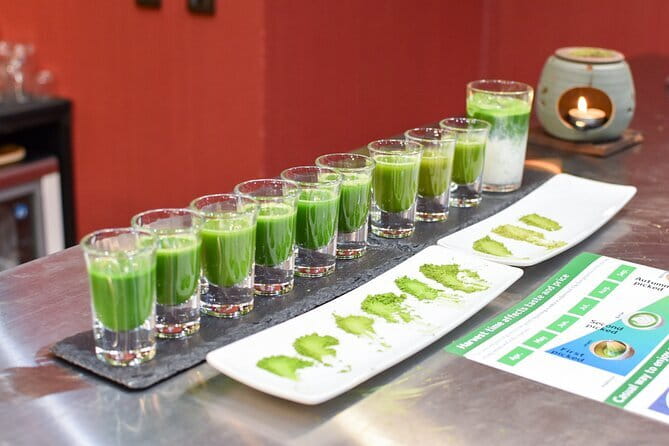
- 10 matcha types from 5 production areas across Japan, with a guided comparison format in Tokyo
- Real vs sold-as matcha contrast, including ceremonial grade samples and examples sold as matcha that are not defined as matcha
- Kyoto expertise tied to soil science, from a lead instructor with agricultural science training
- Hands-on matcha making where you pick your favorite and make Ousucha using a bamboo whisk
- Matcha latte and sweets using the studio’s original blend for milk and sugar lovers
- Maximum 5 travelers, which makes it easier to ask questions and get personal tasting guidance
Finding the Right Place for Your Tokyo Matcha Making Class
This matcha experience is run by matcha trip in Taito City, at Henn Na Hotel, 2F sports bar Leaf. The exact address is: matcha trip, 111-0042 Tokyo, Taito City, Kotobuki, 3-chōme 19-8, Henn Na Hotel 2F (スポーツバーLeaf). The experience starts at 9:30 am, and it ends back at the meeting point.
Why I think the location matters: Henn Na Hotel is easy to recognize, and being on a hotel floor means the vibe is casual and straightforward. You’re not navigating some maze of tiny back streets, and you’re not rushing across town. If you’re building a morning in Tokyo, this is the kind of plan that works well because it stays inside one neighborhood.
The class uses a mobile ticket, so make sure your phone battery is healthy. And it’s near public transportation, which helps if you’re hopping between areas that morning.
More Tea Ceremonies in Tokyo
- Matcha Making Class in Tokyo with Authentic Japanese Sweets Set
★ 5.0 · 744 reviews - Kimono Tea Ceremony at Tokyo, Asakusa Maikoya
★ 5.0 · 638 reviews - Tokyo: Traditional Tea Ceremony with a Tea Master
★ 5.0 · 528 reviews
Welcome Drink, Then You Start Learning What Matcha Should Be
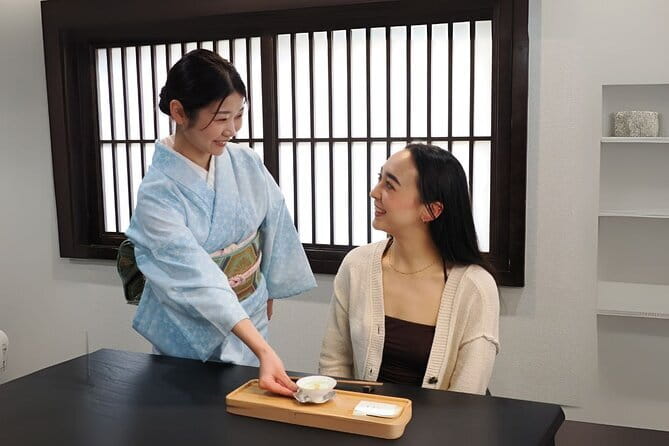
You begin with a welcome drink. While you sip, the instructor sets the stage with matcha’s history and how it’s produced. The focus isn’t just “here’s tea,” it’s the bigger claim behind the experience: you’ll learn the definition of matcha and how cultivation methods lead to what you taste.
They make a point of answering a modern problem. There are a lot of fake matcha products out there. That matters because it changes what you think matcha is supposed to taste like. If your only reference is bottled or Western-style powdered matcha, you might be surprised by how much can shift from one product to the next.
You’ll also get the tone of the session early. The instructor crew is clearly comfortable talking at length once questions start. One review even mentioned that when someone asked about Indian tea, the teaching turned more conversational. So if you have comparisons in your own mind, bring them up.
The Matcha Comparison: Color, Smell, Taste, and the Real Test
The heart of this experience is the matcha comparison stage. They serve 8 matcha samples during the comparison portion, and you’ll enjoy the full set of 10 matcha types across the whole experience. The samples include:
- 6 ceremonial grade matchas
- 2 examples sold as matcha that are not defined as matcha in the way you’d expect
That detail is more important than it sounds. It’s one thing to taste “better vs worse” matcha. It’s another thing to taste products that are marketed as matcha but don’t follow the same matcha definition. This is how you train your tongue, not just your palate preferences.
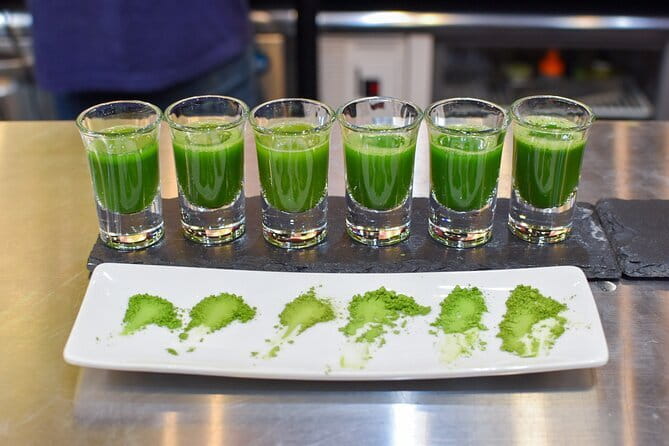
Here’s how it’s guided. You first look at the color of each sample. Then they make the tea and serve it so you can enjoy fragrance and taste, not just one sensory step. This color-first approach is useful because matcha is often judged visually in the real world too. If the color is off, the flavor may follow, but you’ll learn that connection through repeated comparison.
One practical tip for this stage: keep your spoon notes simple. For each sample, jot a word or two like grassy, bitter, mellow, or strong aroma. You’re not trying to write a tasting essay. You’re setting yourself up to choose your favorite later when you make your own.
The Production Areas Lesson: Kyoto, Shizuoka, Aichi, Fukuoka, Kagoshima
The comparison is built around matcha from five Japanese production areas: Kyoto, Shizuoka, Aichi, Fukuoka, and Kagoshima. You’re not just drinking five cups and moving on. You’re learning how cultivation and processing differences can create different flavor, aroma, and mouthfeel.
The lead instructor’s background helps here. They have agricultural science training and former tea-farming experience in Kyoto, and they’re particularly focused on soil science. In plain terms, that means the explanations tend to connect tea flavor to growing conditions instead of leaving you with vague “it’s just different” answers.
Why this matters for your experience: it gives your tasting meaning. Instead of thinking, “I like this one,” you can also understand why you might like it. You can start predicting what you’ll enjoy next time you see matcha labeled from a specific region.
Also, remember that matcha is a powder, and you prepare it by whisking. So part of what you’re learning is how the preparation step can highlight or soften flavors. Seeing the process helps you understand what you’re actually tasting.
A different sort of day in Japan:
- Mt Fuji and Hakone 1-Day Bus Tour Return by Bullet Train
★ 5.0 · 26,383 reviews - 1-Day Tokyo Bus Tour
★ 5.0 · 14,250 reviews - Tokyo: TOKYO SKYTREE® Admission ticket
★ 4.5 · 11,192 reviews - Tokyo: teamLab Planets TOKYO Digital Art Museum Entry Ticket
★ 4.6 · 9,779 reviews
Picking Your Favorite, Then Making Ousucha with a Bamboo Whisk
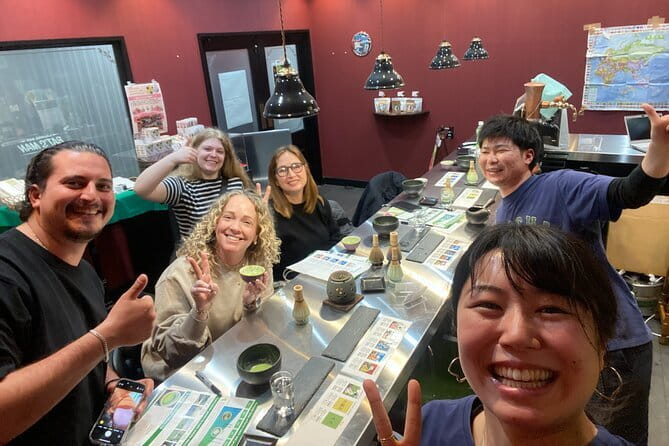
After you compare, you choose the matcha you like best from the ones you tried. Then you make matcha yourself. The experience ends with you preparing Ousucha (matcha) using a bamboo tea whisk.
This is where the session turns from “food education” into an actual skill. The difference is subtle but huge: tasting teaches preference, but making teaches technique. You learn how the whisking step changes the final drink, and that’s what you’ll need later if you want to recreate what you enjoyed.
What you should expect during the making time:
- You follow the instruction in the room.
- You prepare the matcha yourself using the bamboo whisk.
- You leave the experience knowing you can make matcha at home, not just remember flavors.
A small but meaningful plus here: you get to choose your favorite matcha before you make it. So the hands-on part isn’t forced. It’s personal.
If you’re the kind of traveler who likes to take something practical home, this workshop checks the box. A lot of food tours teach you, but fewer actually hand you the whisk.
Matcha Latte and Sweets: When You Want It Creamier
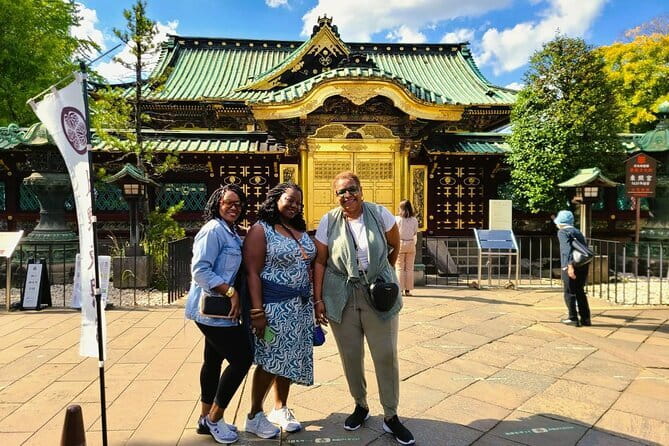
Once the hands-on part is done, you get matcha latte and matcha sweets. They use an original blend matcha that’s designed to be perfect with milk and sugar.
This is a smart move for value and for taste variety. Pure matcha can be intense, and not every palate loves it straight. The latte and sweets section lets you experience the same ingredient in a different context. You’re also learning something useful: how matcha can be balanced for people who find straight matcha too strong.
If you’re traveling with someone who wants a sweeter option, this part helps. It also makes the workshop feel complete. You get the “real matcha comparison” side and the “comfortable, everyday matcha” side in one go.
Price and Value: Is $62.12 Worth 90 Minutes in Tokyo?
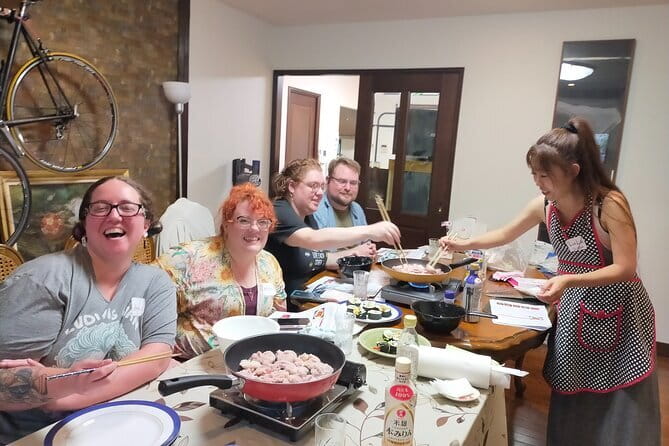
At $62.12 per person for about 1 hour 30 minutes, this isn’t the cheapest activity in Tokyo. But it’s also not “pay for a sip.” You get:
- A welcome drink
- A guided history and matcha definition lesson
- A structured comparison of multiple matcha types, including ceremonial grade and sold-as matcha examples
- Hands-on making of your own matcha, ending with Ousucha using a bamboo whisk
- Matcha latte and sweets with the studio’s original blend
- Local guides (English and Japanese support)
You’re paying for instruction plus a lot of tastings. And because the group max is 5 travelers, the pace and guidance feel more personal than big, crowded tasting events.
One more practical note: the class is commonly booked about 20 days in advance on average. If you’re planning for a weekend or a tight schedule, don’t wait until the last minute. Small classes like this sell out, and you don’t want to lose a morning plan over one late check.
Who Should Book This Matcha Making Experience
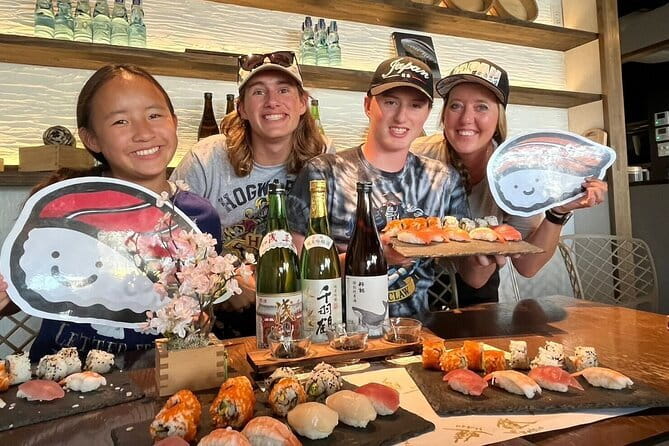
This tour fits you if you want:
- A structured matcha comparison, not just one drink at one place
- Real learning about matcha’s definition and how products differ in practice
- Hands-on experience with a bamboo whisk
- A small-group format where you can ask questions and move through at a comfortable pace
It might not fit you as well if you only care about matcha lattes and don’t want to taste multiple versions back-to-back. The core of the experience is comparison and technique, not just sipping something sweet.
Also, this is a great choice for tea curious travelers who like content with real expertise. The instructor team includes agricultural science training and a pharmacy background, which helps explain why the session stays grounded and detailed.
Quick Verdict: Should You Book?
If you’re trying to figure out what real matcha tastes like, and you want more than a “quick tasting,” I’d book this. The combination of five-region comparison, ceremonial grade vs sold-as matcha contrast, and hands-on Ousucha making gives you both insight and a skill you can use later.
Book it especially if you enjoy food science in a friendly way, or if you’ve ever thought, my matcha at home just isn’t the same. This is the kind of class that makes the difference obvious in a short time.
FAQ
What time does the matcha making experience start?
The experience starts at 9:30 am.
How long is the experience?
It runs for about 1 hour 30 minutes.
How many people are in the group?
This activity has a maximum of 5 travelers.
What languages are available?
The local guide offers English and Japanese.
How many matcha types are tasted, and from where?
You enjoy 10 kinds of matcha from 5 production areas in Japan: Kyoto, Shizuoka, Aichi, Fukuoka, and Kagoshima. The comparison portion serves 8 types, including 6 ceremonial grade and 2 sold as matcha that are not defined as matcha.
Do I make matcha myself during the experience?
Yes. You choose the matcha you like best and make matcha by yourself, including making Ousucha using a bamboo tea whisk.
Is matcha latte and dessert included?
Yes. After the making part, you enjoy matcha latte and matcha sweets.
What is the meeting point address?
You meet at matcha trip, Henn Na Hotel, 2F Sports Bar Leaf in Taito City, Kotobuki, 3-chōme 19-8, Tokyo (111-0042).
Can I cancel for a full refund?
Yes. You can cancel up to 24 hours in advance of the experience start time for a full refund.
Newly listed around Tokyo
- Discover Japan Tour: 15-day Small Group★ 5.0 · 16 reviews
- Customized 10-Day Golden Route of Japan Family Tour★ 5.0 · 13 reviews
- Tokyo Private SightSeeing Day Tour With Guide★ 5.0 · 16 reviews
- Mt.Fuji view Hakone Private tour with English speaking driver★ 5.0 · 33 reviews
- Tokyo 6hr Private Guided Tour & Japanese Sweets Making Experience★ 5.0 · 7 reviews
- Kyoto Uncovered: One Full-Day Private Experience for First-Timers★ 4.5 · 7 reviews
- Tokyo to Kyoto 1-Full Day Private Guided Tour★ 4.5 · 41 reviews
- Mt.Fuji Private SightSeeing Day Tour (From Tokyo)★ 5.0 · 10 reviews
Matcha & Tea Ceremony Sessions, compared.
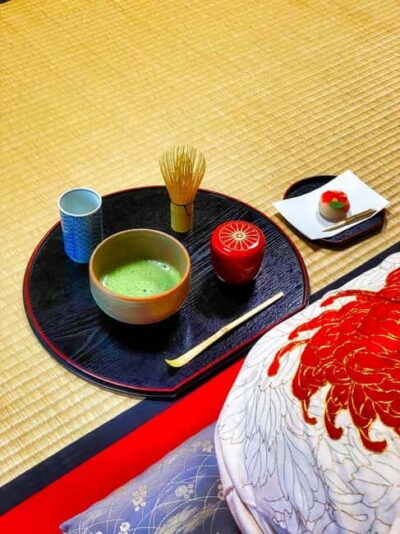
Tea Ceremony in a Traditional Tea House in Kiyomizu
Read our review →
World Heritage Kyoto & Nara Uji Authentic Matcha Experience
Read our review →
Browse the lists this tour appears in