
Review · SUSHI COOKING WORKSHOPS
Exclusive Sushi Making Experience with a Master Chef – Osaka Area
A hot plate and a cold drink beat jet lag. This is a fully private sushi session where you learn nigiri techniques step by step, guided by a chef with decades of experience. I especially like the home setting, which makes it feel relaxed instead of staged, and the fact that you shape the rice yourself. One consideration: since it is one group per day and you are making real food, you will want to arrive on time and bring an appetite.
You also get to learn in the way sushi actually works, through repetition and small corrections. In at least one memorable visit I saw mentioned, hosts Mika and Keitaro had everything ready when the group arrived, down to the tools and the pacing. There is a comfy, lived-in feel too, with a couch and help if you bring a stroller.
The session is timed for real meals, lunch or dinner, and you finish with photos plus a practical way to recreate your results later. Still, if you are hoping for a big English-language lecture or a restaurant-style show, this is more hands-on than performance.
In This Review
- Key Points You Should Know Before You Go
- Private Nigiri Class in Ashiya, Hyogo: What Makes It Different
- Your 3-Hour Timing Plan: Lunch Slot vs Dinner Slot
- Meet Your Hosts and Chef: How the Home Setting Changes the Class
- What You Make: Nigiri, Not Just Any Sushi
- The Four Key Shaping Techniques (and Why They Matter)
- Step-by-Step: From Rice Hands to Your Final Plates
- Lunch and Dinner Included: The Real Value Is You Eat What You Make
- Photos, Traditions, and Home Skills: What You Leave With
- Location Strategy: How This Fits With Osaka, Kobe, and Kyoto
- Cost and Value: Is $115 Reasonable for a Private Class?
- Who This Is For (and Who Might Want Something Else)
- Should You Book This Osaka Area Sushi Making Experience?
- FAQ
- How long is the sushi making experience?
- What time does the experience run?
- Is this a private tour?
- What meals are included?
- Do I need to bring tools or gear?
- Can I take photos during the class?
- What kind of sushi will I learn to make?
- Is transportation included?
- Are drinks included?
- Is there a refund if I cancel?
Key Points You Should Know Before You Go
- One group per day means real attention from the chef, not shared time with strangers.
- Hands-on nigiri practice includes four shaping techniques, so you are not just watching.
- Fresh ingredients and gloves make the process clean and doable for beginners.
- Lunch and dinner are included, and the portion is surprisingly generous.
- You take your sushi results home with skills, not just a souvenir.
- Near Osaka, Kobe, and Kyoto, it can fit easily into a bigger Kansai itinerary.
Private Nigiri Class in Ashiya, Hyogo: What Makes It Different
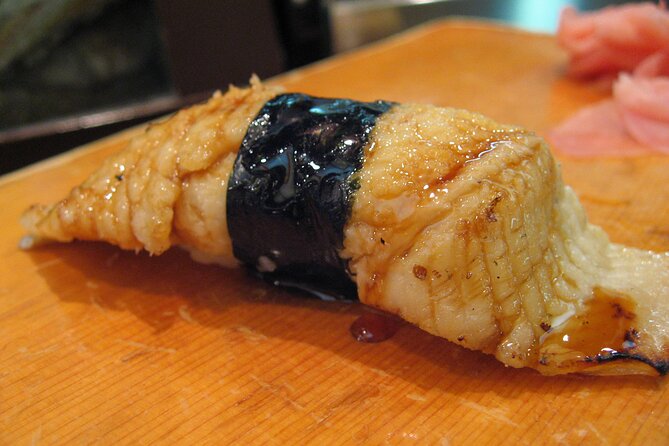
If you only do one food experience in the Osaka area, I like the idea of doing it where you control the pace. This class is built around a single group per day, so the chef can slow down when you need it and speed up when you are confident. That matters because nigiri is mostly about feel, pressure, and form, not memorizing recipes.
The second thing I genuinely like is that it is not stuck on theory. You practice shaping the rice using four named techniques, then you make your own nigiri step by step with expert guidance. Even if you have only eaten sushi and never made it, you get the chance to correct your hands early, when it is easiest to improve.
The trade-off is simple: you are making food, so you should treat this like a class, not a drop-in snack. If you arrive late or are distracted, you will lose time on practice.
More Sushi workshops in Kobe:
- Sushi Making Tokyo Roll and Authentic Japanese Sushi Class
★ 5.0 · 3,971 reviews - Tokyo: Roll and Authentic Sushi Making Class in Asakusa
★ 4.9 · 1,957 reviews - Tokyo: Sushi Making Class in a Happi Coat near a Famous Spot
★ 4.9 · 1,377 reviews
Your 3-Hour Timing Plan: Lunch Slot vs Dinner Slot
The experience runs about 3 hours, and you can start anytime between 10:00 AM and 6:00 PM. The operator notes that 11:00 AM is ideal for lunch, and 5:00 PM works perfectly for dinner.
Here is how I think about choosing your slot:
Lunch timing is great when you want your sushi lesson to be the anchor of a food day, and then you still have energy for an afternoon of temples, shopping streets, or a train hop to Kyoto. Dinner timing is great if you want the class to feel like a main event, then you can end with a calmer evening after you are done.
Either way, you are finishing with sushi you craft yourself, and lunch or dinner is included, so you are not squeezing extra meals into your day.
Meet Your Hosts and Chef: How the Home Setting Changes the Class
This is a private, one-group-per-day experience held near Osaka, in the Ashiya area of Hyogo Prefecture. The meeting point is at 17-18 Iwazonochō, Ashiya, Hyogo 659-0013, Japan, and you return there at the end.
One of the best things about a home-based class is the tone. The room feels lived in, with a couch and a comfortable place to sit. That sounds small until you are in the middle of a rice-shaping lesson and your hands need a moment to reset. It is easier to relax, ask questions, and actually learn.
In the kind of experience described by guests, hosts Mika and Keitaro made arrival smooth and organized. That matters for you because sushi skills come from repetition, and you cannot practice if you are still figuring out where to go, what to do, or what is happening next.
Also, they offer practical help with real-world travel issues, like carrying a stroller upstairs if needed.
What You Make: Nigiri, Not Just Any Sushi
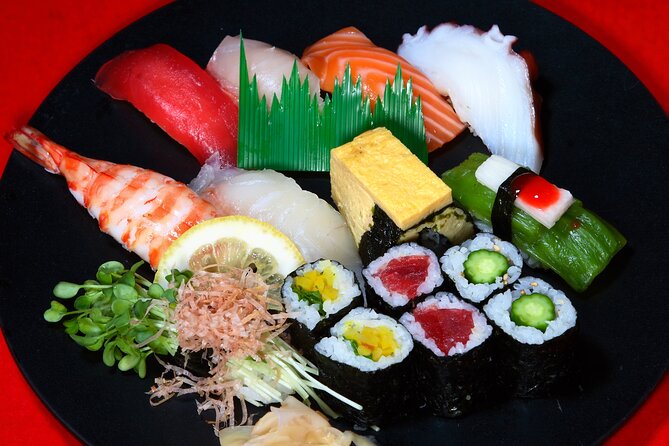
You will focus on nigiri sushi, which is the hand-formed style sushi built from seasoned rice and fish. The goal is not just to copy a shape once, but to learn methods you can reproduce later.
The class emphasizes making nigiri at a level where you can learn the “how” behind it. You shape sushi rice, then you build your nigiri with fresh, high-quality ingredients. You also learn how to recreate sushi at home using simple ingredients you can find later.
If you are a beginner, that “make it yourself” approach is the difference between eating sushi and understanding sushi. If you are a sushi fan already, you get a chance to learn why certain techniques work, not just which toppings look good.
A few more Kobe days to weigh up
- KOBE Sake Tasting Tour at Breweries (tasting fee included)
★ 5.0 · 154 reviews - Kobe: Guided Sake Breweries Tour with Tastings
★ 5.0 · 55 reviews - Nijigen No Mori:Naruto & Boruto Theme Park Entry Ticket
★ 4.5 · 53 reviews - Kobe: Port Tower Admission Ticket
★ 4.4 · 52 reviews
The Four Key Shaping Techniques (and Why They Matter)
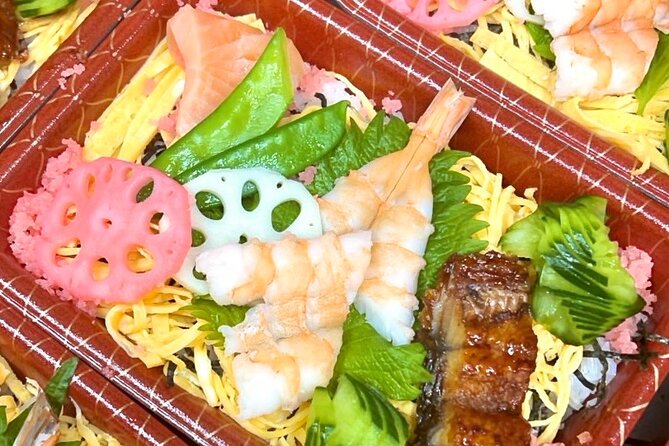
The chef teaches four key techniques, and you practice them:
- Tate-Gaeshi
- Kote-Gaeshi
- Honte-Gaeshi
- Itte-Nigiri
The names sound technical, but the practical takeaway is easy: these are different ways to form the rice into a shape that supports fish and holds together. With guidance, you start to notice how small changes in how you handle rice affects the final bite and look.
Here is why I think this portion is valuable for you:
- You build consistency. Sushi looks simple, but small differences change the result.
- You learn a sequence you can repeat at home, instead of copying one lucky attempt.
- You get feedback while it is still fresh in your mind, so improvements stick.
Also, the class uses sanitary gloves for making nigiri, so you can focus on shaping without worrying about cleanliness or discomfort.
Step-by-Step: From Rice Hands to Your Final Plates
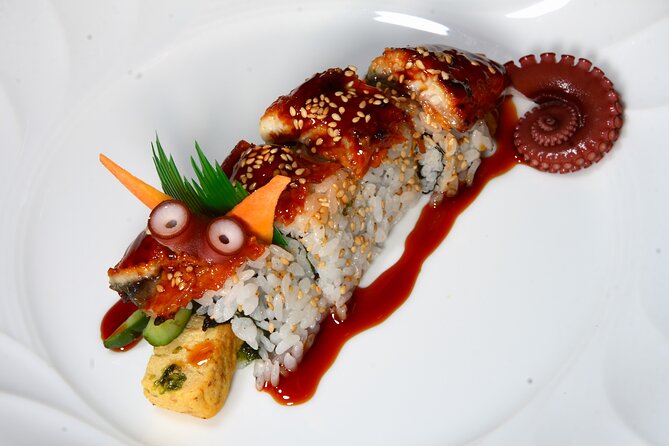
The flow is basically an active workshop. You start with instruction and hands-on practice, then you move into making your own nigiri. Since the experience is private, the chef can adjust to your comfort level, and you do not get rushed through a checklist.
While the exact order can vary, expect the lesson to include:
- An introduction to nigiri making, including what “good” looks like
- Practice shaping sushi rice using the four techniques
- Guided nigiri assembly with fresh fish and ingredients
- Time to enjoy the sushi you craft
- A wrap-up focused on tips for recreating the process at home
You can also take photos with your smartphone or camera while you work. That is helpful because you will likely want to remember how the rice looked before it met the fish. A simple photo reference makes your at-home practice less guessy later.
Lunch and Dinner Included: The Real Value Is You Eat What You Make
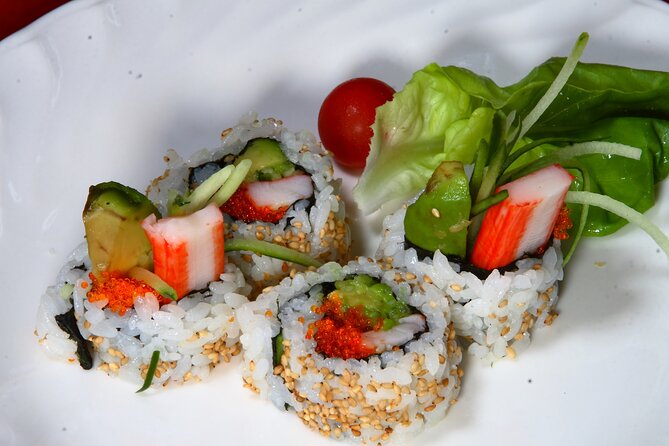
This experience includes lunch and dinner, which is a big value point. Many cooking classes end with a small tasting. Here, the plan is built around you eating your own work.
In the kind of feedback this class has earned, people were surprised by how much food they received, and how fresh the fish tasted. That is exactly what you should hope for, because nigiri is only half the lesson. The other half is eating it at the peak moment, when it is made right and feels properly balanced.
Because meals are included, you also do not have to hunt for a restaurant plan afterward. You can keep your schedule tight without paying extra for another full meal.
Photos, Traditions, and Home Skills: What You Leave With
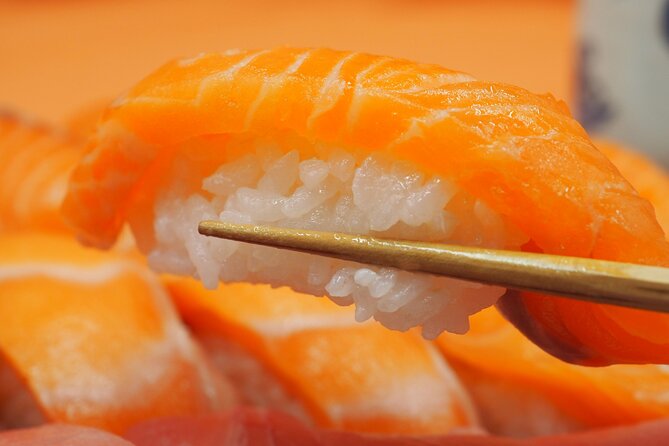
You do not just learn technique. You also learn context.
The class includes history and traditions of sushi along the way, plus insider tips you can take home. That part matters because it helps you understand why the process is the way it is. Without that context, you might reproduce the shape but miss the logic.
The chef also shares guidance on using simple, easy-to-find ingredients to make sushi at home. That is one of those “small” statements that can be a big deal for you. It means you are not stuck chasing rare items you only find in one specialty shop. Instead, you get a realistic plan for keeping the hobby alive after your Japan trip ends.
Location Strategy: How This Fits With Osaka, Kobe, and Kyoto
This class is in Hyogo Prefecture, and the operator highlights that you can reach Osaka, Kobe, and Kyoto within about an hour. That helps you plan a Kansai itinerary without turning the sushi lesson into a full-day logistics puzzle.
You also get a helpful practical detail: the meeting point is near public transportation. That reduces your stress level, especially if you are juggling trains, hotel check-in timing, or a day trip.
So if you are basing yourself in Osaka or taking frequent hops around Kansai, this is the kind of experience that can slot into your schedule without needing a private car.
Cost and Value: Is $115 Reasonable for a Private Class?
At $115 per person, this is not a cheap activity. But the value logic is pretty straightforward:
- It is private for one group per day, so you are paying for focused chef time.
- Tools and gear are included, meaning you do not need to buy anything before you arrive.
- Lunch and dinner are included, and you eat what you make.
- Coffee and/or tea are complimentary (Japanese tea or water).
When you add all of that up, the price feels closer to a full meal plus a guided workshop than a short demo. If you compare it to eating a high-quality meal plus paying for lessons separately, it usually lands in a sensible zone for a hands-on, chef-led experience.
The biggest cost-related “gotcha” is that transportation is not included, so factor in getting to Ashiya. Tips are optional, and insurance is not included either, so plan to handle that on your own if you need coverage.
Who This Is For (and Who Might Want Something Else)
This is a great match if:
- You want a private, hands-on food experience rather than a bus-group tour.
- You like learning practical skills with real feedback from a chef.
- You are a beginner who wants a clean starting point for making nigiri.
- You want to eat well during the class, since lunch and dinner are included.
It might be less ideal if:
- You want a casual snack stop where you watch and do nothing.
- You dislike following a structured 3-hour session.
- You need a tour that includes transportation from your hotel or pickup service, because private transportation is not included.
Should You Book This Osaka Area Sushi Making Experience?
I would book it if you care about technique, freshness, and quality time with a real chef. The biggest draw is the private format, one group per day, plus the chance to practice shaping nigiri rice and assemble your own pieces with guidance. Add in lunch and dinner included, and it becomes a straightforward way to turn a meal into a skill you can repeat later.
If you have never made nigiri before, this is still a smart first step because gloves, tools, and structured practice reduce the intimidation factor. If you already love sushi, you will likely enjoy learning the named shaping techniques and the logic behind making rice behave the right way.
If you decide to go, I suggest treating it like the main event on your schedule. Arrive on time, ask questions early, and take photos as you go. That way you leave with both a full stomach and a clear mental model for your next sushi night at home.
FAQ
How long is the sushi making experience?
The class lasts about 3 hours.
What time does the experience run?
You can start between 10:00 AM and 6:00 PM, with opening hours listed as 11:00 AM to 2:00 PM and 5:00 PM to 8:00 PM.
Is this a private tour?
Yes. It is fully private, one group per day.
What meals are included?
Lunch and dinner are included.
Do I need to bring tools or gear?
No. All tools and gear are ready for you, so you just bring yourself and your appetite.
Can I take photos during the class?
Yes. You can capture your creations with your smartphone or camera.
What kind of sushi will I learn to make?
You will make nigiri sushi, with hands-on practice shaping sushi rice and assembling nigiri.
Is transportation included?
No. Private transportation is not included.
Are drinks included?
Yes. Coffee and/or tea are complimentary, including Japanese tea or water.
Is there a refund if I cancel?
Free cancellation is available. You can cancel up to 24 hours in advance for a full refund.
Newly listed around Kobe
- Naruto & Boruto Shinobi-zato Light Ticket★ 4.5 · 29 reviews
- Private Home-Style Cooking Class in Osaka with Local Mom Yoshiko★ 5.0 · 46 reviews
- Hyogo E-Bike tour through rural Japan★ 5.0 · 8 reviews
- E-Bike tour through old rural Japanese silver mining town★ 5.0 · 7 reviews
- Nijigen No Mori:Naruto & Boruto Theme Park Entry Ticket★ 4.5 · 53 reviews
- Kobe: Sake Brewery Tour with Tasting Sake★ 4.7 · 9 reviews
- Kobe: Urban Aquarium AQUARIUM×ART átoa Entry Ticket★ 4.9 · 20 reviews
- Kobe: Sake Brewery Tour with Tasting and Kobe Beef Bites★ 5.0 · 11 reviews
Sushi Cooking Workshops, compared.
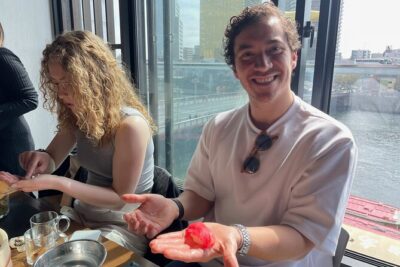
Sushi Making Tokyo Roll and Authentic Japanese Sushi Class
Read our review →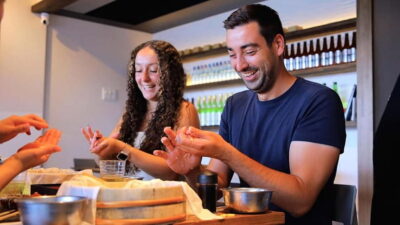
Roll and Authentic Sushi Making Class in Asakusa
Read our review →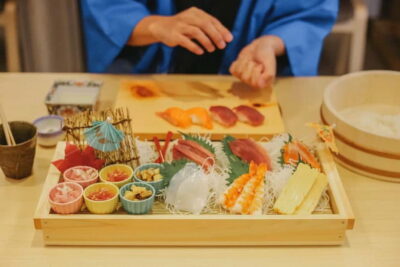
Sushi Making Class in a Happi Coat near a Famous Spot
Read our review →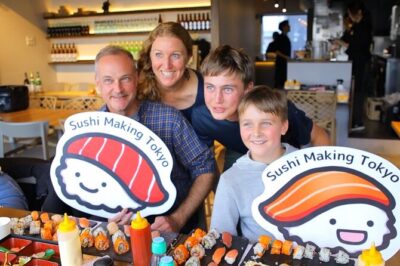
Sushi Making Tokyo! Popular Maki Sushi & Japanese Sushi(+Recipe!)
Read our review →
Tokyo Sushi Making Class in Tsukiji with Professional Chef
Read our review →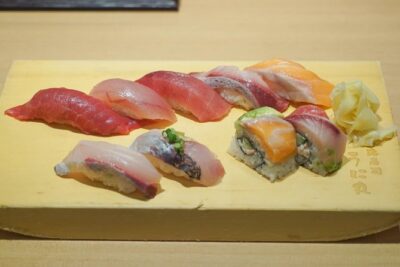
Tokyo Night Foodie Tour in Shinjuku – Seasonal Sushi, Wagyu Beef
Read our review →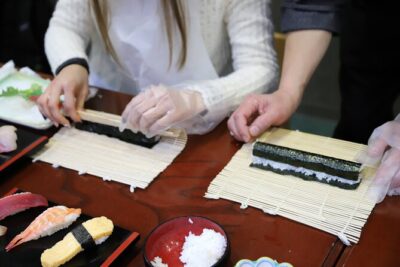
Tsukiji Fish Market Guided Tour and Sushi Making with Pro Chef
Read our review →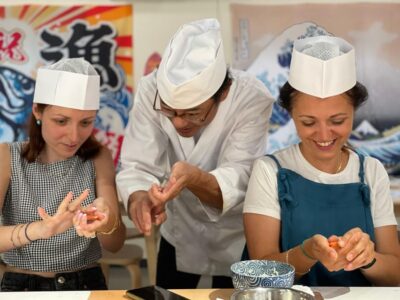
Tsukiji Fish Market Sushi Making Class with Pro Chef
Read our review →Browse the lists this tour appears in