
Review · SAKE BREWERY VISITS
Experience a western twist on Japanese sake snacks
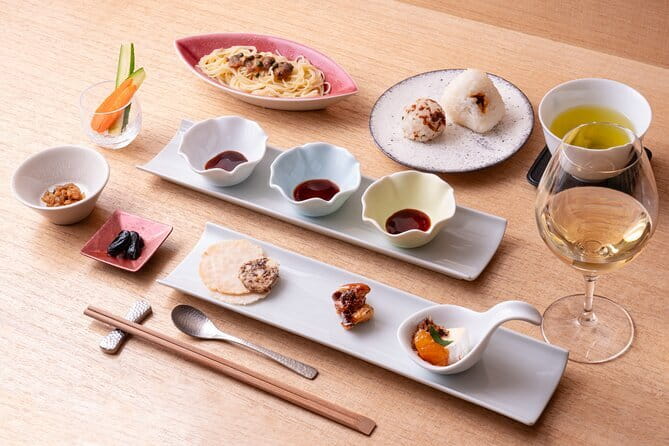
Tsukudani is Japan’s snack you keep tasting. In Shinbashi Tamakiya, you get a guided lesson on preserved seafood, from Edo-era basics to newer, stranger, more snacky versions. I love that you can pair the bites with sake or wine, and you also get the full shop context, not just samples. One thing to consider: this is seafood-forward, and the experience includes alcoholic beverages, so go in with that in mind.
This is built as a private tasting, so the pace can match your questions, your tastes, and your schedule. You also have a choice of morning or afternoon sessions, which helps if you’re building a tight Tokyo food itinerary. I also like that the shop itself, Shinbashi Tamakiya, traces back to 1782, so you’re eating in a place with real staying power. The main drawback for some people is simply time: 1 hour 30 minutes goes fast once you start tasting, so don’t expect a slow, sit-down meal with leftovers.
If you want a Japanese sake-snack experience with a western twist in the pairing logic and modern ingredients, this is a fun, practical way to learn what tsukudani actually tastes like at different styles. You’ll come away knowing how to eat it, how it differs across versions, and why the same preserved seafood can feel completely different on your palate.
In This Review
- Key things I’d watch for in this tsukudani tasting
- Tsukudani Meets Sake and Wine at Shinbashi Tamakiya
- A 1 hour 30 minute private tasting that actually has a flow
- Inside Shinbashi Tamakiya, from Edo-era snacks to modern plates
- Traditional tsukudani tastes like Japan’s salty-sweet comfort
- The modern twist: pasta, nuts, and pairing logic you can reuse
- Rice with tsukudani and furikake: the comfort move
- Price, timing, and who this private tsukudani session fits
- Should you book this tsukudani tasting in Shinbashi?
- FAQ
- How long is the tsukudani tasting?
- Where does the experience start?
- Is this experience private?
- What is included in the price?
- Can I choose a morning or afternoon session?
- What is the cancellation policy?
Key things I’d watch for in this tsukudani tasting
- Shinbashi Tamakiya (since 1782): You’re tasting at an old-school shop, not a pop-up trying to copy tradition
- All tastings are included: Traditional bites, modern versions, rice with tsukudani and furikake, plus extra creative combinations
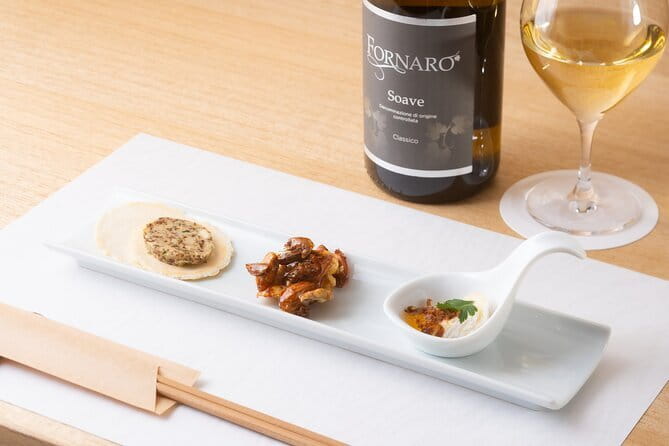
- Sake or wine pairings: You learn pairing logic, so you can recreate the flavor match later
- Secret sauce spotlight: The guide helps you notice what makes their version different
- Three signature tsukudani: You get a structured tasting flow, not a random assortment of samples
- Private, personalized pacing: Your group only, so you can ask questions without crowd noise
Tsukudani Meets Sake and Wine at Shinbashi Tamakiya
If you’ve ever wondered what people mean when they call Japan food “soul food,” tsukudani is one of the best answers. It’s preserved seafood turned into a spoon-able, bite-able snack. The whole idea is simple: take something that lasts, then make it delicious enough that you actually want it every day. At Shinbashi Tamakiya in Shinbashi, you get that story with food in hand, so you don’t leave with trivia. You leave with taste memory.
Here’s what makes this experience especially appealing for a first-timer. You’re not only sampling. You’re learning how tsukudani changes across styles. They’ll show you traditional and modern versions of preserved seafood snacks, then pair those bites with either sake or wine. That pairing choice is where the “western twist” really shows up, because it’s one thing to eat salty-sweet preserved seafood, and it’s another to understand why wine works with it, or why sake brings out different notes.
Two things I’m genuinely glad you get here. First, a guided lesson on how the shop thinks about flavor. You’ll hear the shop history and also the dish history, including its roots going back to the Edo period. Second, you get practical tasting structure, including three signature tsukudani, plus rice with tsukudani and furikake, and then more playful combinations like pasta and nuts.
The only real caution is straightforward. This is seafood-forward, and tsukudani leans toward salty, umami, and sometimes sweet flavors. If you avoid seafood or hate the idea of preserved flavors, you might not enjoy the core concept. Also, alcoholic beverages are part of the included experience, so if you’d rather not drink, plan accordingly before you book.
More Drinking Tours in Tokyo
- Tokyo Bar Hopping Tour in Shinjuku (All-You-Can-Drink + Dinner)
★ 5.0 · 3,587 reviews - Tokyo: Shinjuku Local Bar and Izakaya Guided Walking Tour
★ 4.9 · 1,794 reviews - Shibuya Meltdown Nightlife Tour: All-You-Can-Drink Bar Hopping
★ 5.0 · 1,058 reviews
A 1 hour 30 minute private tasting that actually has a flow
This tasting is built to last about 1 hour 30 minutes, and it feels intentionally paced. You start at Shinbashi Tamakiya, then you move through a sequence that trains your palate. The format matters because tsukudani can be hard to judge when it’s served all at once. By tasting in steps, you notice what changes from bite to bite, like sweetness level, texture, and intensity.
Because it’s private, your group only participates. That changes the feel in a good way. You can ask follow-up questions about how to eat tsukudani, how the shop’s version differs, or what to expect from traditional versus modern styles. If you’re the type who likes to understand your food, this format helps you connect the dots quickly.
Time also helps. At 1 hour 30 minutes, you’re not locked into an all-afternoon commitment, so you can pair this with other nearby Tokyo food stops. It also means you should show up ready to focus. Have water beforehand, skip a heavy lunch or breakfast, and be ready to taste. This is not a “snack and wander” session, even though the theme is snacks.
What you get during the session follows a clear pattern:
- A lesson on tsukudani and the shop, with context on how preserved seafood became a beloved Japanese snack
- Tastings of multiple tsukudani types, including three signature offerings
- Pairings with sake or wine to help you understand flavor matches
- A rice portion with tsukudani and furikake seasonings
- Additional combinations that can include pasta and nuts
That final stretch is where it feels like a “western twist.” Pasta and nuts are not what most people expect when they think of Japanese sake snacks. But they make sense once you taste, because preserved seafood has a strong savory base, and it plays nicely with ingredients that absorb sauce and add crunch.
Inside Shinbashi Tamakiya, from Edo-era snacks to modern plates
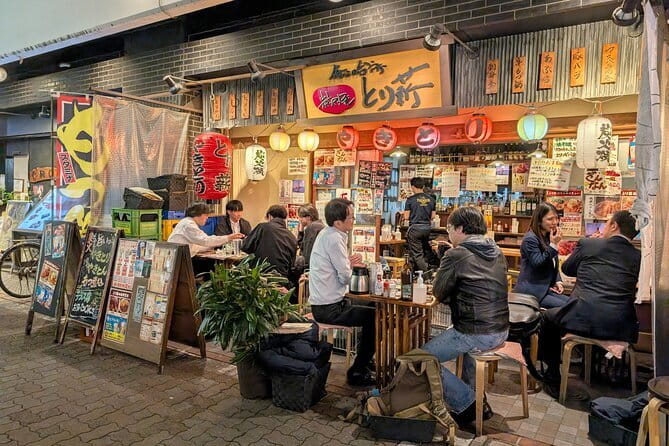
Shinbashi Tamakiya is established in 1782, and that matters because it signals continuity. You’re tasting in a shop that’s been serving tsukudani for generations, so the experience leans toward how the food evolved instead of pretending tradition never changed. The guide also explains the history of the dish and the shop itself, including roots going back to the Edo period.
Why is that valuable? Because tsukudani isn’t just “old food.” It’s a food shaped by practicality. Preserving seafood made it available beyond short seasons. Then it became snack culture, because preserved seafood is flavorful enough to eat on its own. When you understand that logic, the modern adaptations stop feeling random. They feel like a continuation, just with newer ingredients and different presentation.
In the tasting, you’ll start by learning and then moving straight into samples. The shop also highlights their secret sauce, which is a big deal for two reasons. One, it gives you a concrete way to compare versions. Two, it tells you that even within the same category of preserved seafood, there are choices that change everything, like how it’s seasoned and how it’s cooked down.
If you love food that turns into comfort, you’ll probably enjoy the way this experience teaches you to taste. You’re not just eating quickly. You’re learning how to notice sweetness, salt level, aroma, and texture. That’s the difference between eating as entertainment and eating as education, and it’s a big reason the experience earns strong recommendations.
Traditional tsukudani tastes like Japan’s salty-sweet comfort
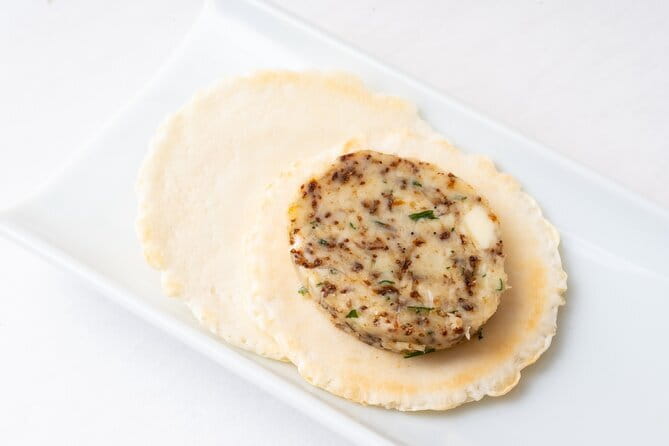
Traditional tsukudani is the anchor here. You’ll sample traditional preserved seafood snacks and then compare them with modern versions. Expect flavors that lean into umami, salt, and a gentle sweetness. The preserved seafood element brings that deep savory backbone, while the seasoning gives it a controlled finish, so it works as a snack alongside drinks.
The experience also includes pairing with sake or wine, and this is where your brain starts sorting flavors more clearly. Sake tends to feel like it cleans the palate and keeps the savory bite sharp. Wine can highlight different aromatic qualities depending on how the sauce is built. Either way, the pairing isn’t just for fun. The guide encourages you to match the bite to the drink and understand why it works.
This is also where you get practical instruction on how to eat tsukudani. The idea is to treat it like a flavor system. Take a small bite, feel how the texture sits on your tongue, then follow with the drink. If you mix it with rice later, you’ll understand why that works too.
The best part of the tasting for first-time visitors is that you get three signature tsukudani. That structure makes it easier to remember what you’re tasting. Instead of a blur of samples, you have reference points. When you move into the rice and the more modern combinations, you’ll be able to tell what’s changing.
One caution: if you’re used to bland snack flavors or very acidic food, tsukudani might feel intense at first. That’s normal. Give yourself a few bites, let your palate adjust, and use the pairing to reset.
More Food Tours in Tokyo
- Tokyo: Shinjuku Food Tour (13 Dishes at 4 Local Eateries)
★ 5.0 · 6,603 reviews - Tokyo Tsukiji Fish Market Food and Culture Walking Tour
★ 5.0 · 3,184 reviews - Tokyo: Shinjuku Food Tour (15 Dishes and 4 Eateries)
★ 4.9 · 2,033 reviews - Tokyo: Tsukiji Fish Market Food and Walking tour
★ 5.0 · 1,724 reviews
The modern twist: pasta, nuts, and pairing logic you can reuse
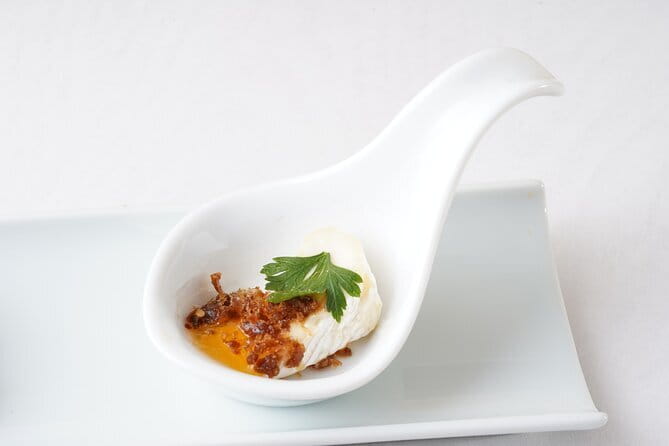
Modern tsukudani is where this tour feels playful, almost like a bridge between Japanese snack culture and western snack expectations. You might be offered versions that include ingredients like pasta and nuts. That sounds unusual until you think about what tsukudani is doing. It’s basically a concentrated, seasoned seafood base. Once you have that base, it can act like a sauce, a topping, or a crunchy topping depending on the texture.
This matters for you because it gives you a new mental model. You start seeing tsukudani as a cooking ingredient, not only a side dish. So later, when you spot it in a shop or on a menu, you’ll know what it can become. You’ll also likely understand why rice and furikake belong in the same conversation.
As you taste these modern styles, the guide focuses on how to match them to wine or sake pairings. This is one of the most helpful parts because you’re learning a method. You’re not only learning what tastes good at this moment. You’re learning how to judge saltiness, sweetness, and richness against different drinks.
That’s also where the “western twist” really shows. Pasta is a recognizable format, nuts add crunch, and wine feels familiar to western palates. But the flavor source is still Japanese preserved seafood. So the result isn’t fake fusion. It’s tsukudani adapting to formats that make sense across cultures.
If you love food creativity, this segment is likely your favorite. If you prefer only traditional classics, don’t worry. The tour keeps tradition as your anchor, so modern bites feel like variations instead of replacements.
Rice with tsukudani and furikake: the comfort move
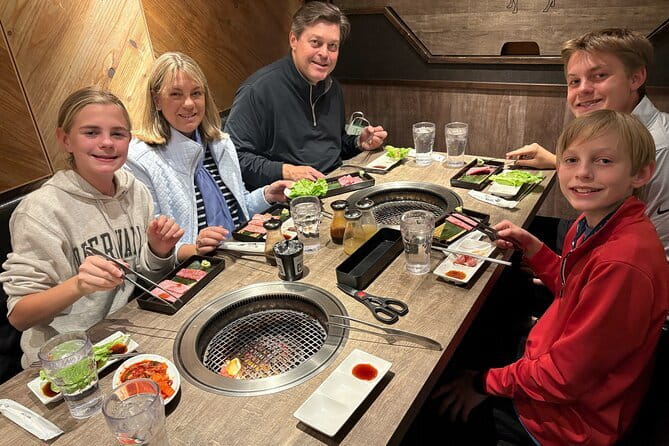
After the signature tsukudani and the comparisons between traditional and modern versions, the tasting shifts to something almost guaranteed to feel comforting: rice with tsukudani and furikake seasonings.
Rice is the best teacher for preserved flavors. It absorbs seasoning, softens intensity, and lets you taste how the tsukudani works when it’s not simply a snack bite. The furikake adds another layer, often aromatic and lightly salty, which helps the seafood flavor come forward without getting overwhelming.
This part is practical for you for a reason. Once you know how tsukudani behaves with rice, you can replicate the experience at home. You can buy tsukudani later and use it as a topping, mix-in, or topping-with-sauce situation. Furikake is easy to find, and it’s an easy way to match the overall balance.
Also, pairing with alcohol up to this stage helps you learn how flavors shift. Rice changes everything. It stretches sweetness and makes salt feel less sharp. If you’ve been tasting different tsukudani types, rice becomes a final check on what you understood earlier.
If you’re the kind of person who wants one clear takeaway meal, this is likely it.
Price, timing, and who this private tsukudani session fits
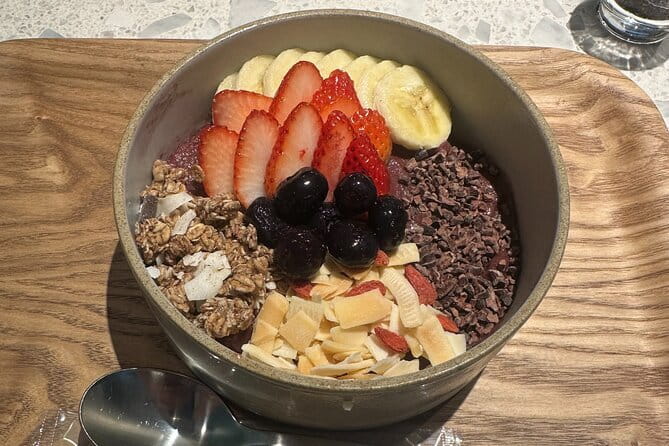
At $36.24 per person for about 1 hour 30 minutes, this is a value-oriented way to get a guided, structured food education plus included tastings. The biggest value isn’t only the snacks. It’s that you get the full tastings, a pairing component with wine or sake, and a private setting, all at once.
Private format often costs more, but here the price feels grounded because the experience includes a food progression rather than a simple tasting of a few bites. Also, you’re tasting at Shinbashi Tamakiya, a shop established in 1782, which adds weight to what you’re paying for. You’re not just paying for samples. You’re paying for context, comparison, and instruction.
Timing also matters. The session is offered in the morning or afternoon. If you want to fit it into a day packed with Tokyo sights, the flexible start helps. The tour is also booked on average about 59 days in advance, so if your dates are fixed, don’t leave it to the last minute.
Who should book this?
- Food lovers who want a guided explanation, not just eating
- People curious about Japanese sake snack culture
- Couples who want a quieter private food moment in Tokyo
- Anyone who likes structured tastings and pairing logic
Who should pause before booking?
- Anyone who dislikes seafood flavors or preserved foods
- People who do not want alcohol involved, since alcoholic beverages are included
A last practical note: bring your appetite. This is “brunch” plus snack-style tastings, so you don’t want to show up stuffed. You’ll get the most out of it if you can actually taste the differences.
Should you book this tsukudani tasting in Shinbashi?
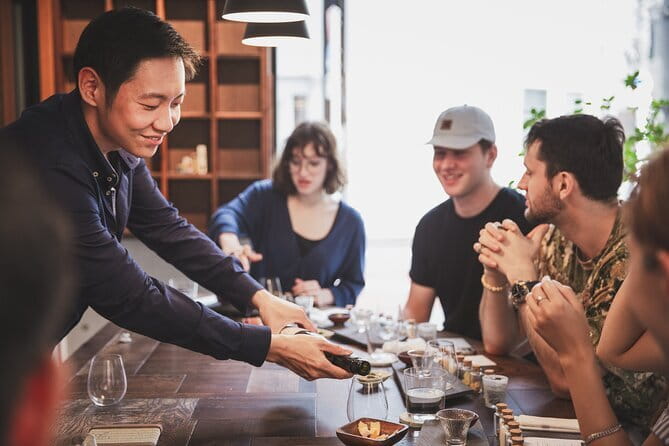
If you’re curious about tsukudani and you want more than a casual bite, I think this is a strong pick. The standout strengths are clear: the experience is structured, you get traditional and modern versions side by side, and you receive pairing with wine or sake that helps the food make sense. The private format adds real comfort, especially for people who like asking questions.
Book it if you want a Tokyo food moment that mixes history with tasting, and you’re excited by the idea that preserved seafood can feel both classic and surprisingly adaptable. Skip or consider alternatives if you avoid seafood or you want a strictly non-alcohol food experience.
FAQ
How long is the tsukudani tasting?
It runs for about 1 hour 30 minutes.
Where does the experience start?
It starts at Shinbashi Tamakiya in Minato City, Shinbashi (4-chōme 25-4, Ishida Building 1st floor), Tokyo, and it ends back at the meeting point.
Is this experience private?
Yes. It is private, so only your group participates.
What is included in the price?
Brunch, alcoholic beverages, and snacks are included.
Can I choose a morning or afternoon session?
Yes. You can choose either morning or afternoon tastings to match your schedule.
What is the cancellation policy?
Free cancellation is allowed up to 24 hours in advance for a full refund. If you cancel less than 24 hours before the start time, the paid amount is not refunded.
More Food & Drink in Tokyo
- Shinjuku Izakaya Food Tour
★ 5.0 · 1,041 reviews - Eat and Drink Like a Local: Tokyo Ueno Food Tour-Taverns&Ramen
★ 5.0 · 957 reviews - Tokyo: Shibuya Food Tour (13 dishes and 4 Eateries)
★ 5.0 · 770 reviews - Tokyo: Tsukiji Fish Market Food and Culture Walking Tour
★ 4.7 · 757 reviews
More Sake Tastings in Tokyo
- Ramen and Sushi Cooking Class with Sake Pairing Set in Tokyo
★ 5.0 · 291 reviews - Sake Tasting Masterclass in Shinjuku (8+ Varieties with a Pro)
★ 5.0 · 271 reviews - Sake Omakase in Tokyo: Guided Tasting by Certified Sommeliers
★ 5.0 · 239 reviews - Casual Japanese SAKE tasting and snack experience in Kabukicho
★ 5.0 · 159 reviews
Newly listed around Tokyo
- Private Tokyo Food Tour – A Journey Through Time Through Food★ 5.0 · 36 reviews
- Private Tokyo Tour with Licensed Guide & Vehicle (Max 15 persons)★ 5.0 · 107 reviews
- Private Tokyo Custom Full-Day Tour by Chartered Vehicle★ 5.0 · 16 reviews
- Private Tokyo Custom Half-Day Tour by Chartered Vehicle★ 4.5 · 13 reviews
- Private Outstanding Nikko Tour with English Speaking Driver★ 4.0 · 11 reviews
- Private Sightseeing to Mt Fuji and Hakone with English Driver★ 5.0 · 51 reviews
- Private Snow Monkeys park Day Trip From Tokyo or Nagano★ 4.5 · 26 reviews
- 4 Day Tour – Mount. Fuji, Tokyo, Hakone, Kamakura and Yokohama★ 5.0 · 19 reviews
Sake Brewery Visits, compared.

Kyoto Night Foodie Tour in Gion (9+ dishes + 6 Sake tastings)
Read our review →
1-Day Snow Monkeys, Zenko-ji Temple & Sake in Nagano
Read our review →
3-Hour Kyoto Insider Sake Brewery Tour with Tastings & Pairings
Read our review →
Arashiyama Bamboo, Temple, Monkeys, or Secret Sake Brewery
Read our review →
Nagano: Snow Monkeys, Zenkoji Temple & Sake Day Trip
Read our review →
Insider Sake Brewery Tour with Sake and Food Pairing
Read our review →

1.5-Hour Kyoto Insider Sake Experience with 7 Tastings & Pairings
Read our review →Browse the lists this tour appears in