
Review · WALKING TOURS
Explore Kichijoji: Walk Through One of Tokyo’s Beloved Districts
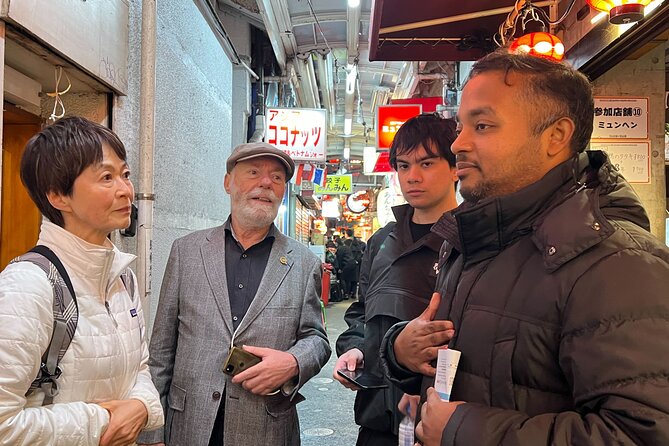
Kichijoji feels like Tokyo with breathing room. This neighborhood sits about a 15-minute train ride from Shibuya or Shinjuku, mixing trendy streets with quiet green spaces. The walk ends at Harmonica Yokocho, a tight yakitori alley where you can enjoy one drink and two skewers, and it is especially handy if you plan to visit the Ghibli Museum first.
I especially liked two things. First, Sunroad Shopping Street hits you with real local scale, around 300 meters long with about 150 shops and even a strong voting record as one of Tokyo residents’ favorites. Second, the guide really helps you read the neighborhood fast, including stories I picked up through guides like Kate and Michi, both praised as friendly and informative.
One possible drawback: this is a 2-hour stroll, so if you want extra time for shopping, antiques, or slow alley wandering, you may feel a bit rushed at the end.
In This Review
- Key points to know before you go
- Why Kichijoji is worth your time
- Sunroad Shopping Street for real local scale
- Gesso-ji Temple, peace with a sense of place
- Nakamichidori for old shops and modern treats
- Harmonica Yokocho for yakitori, one drink included
- Price and value for a 2-hour Kichijoji orientation walk
- Timing, meeting points, and how to plan your afternoon
- Who this Kichijoji walk fits best, and when it might not
- Should you book this Kichijoji walk?
- FAQ
- How long is the Kichijoji walk?
- What does it cost?
- Where do I meet, and when does it start?
- Where does the tour end?
- Is there a mobile ticket?
- What food is included at the end?
- How big is the group?
- Can I cancel for free?
Key points to know before you go
- Small group size (max 8) keeps the pace friendly and questions easy.
- Sunroad’s 300-meter sweep gives you a true sense of Kichijoji’s everyday shopping vibe.
- Gesso-ji Temple is your calm reset between commercial streets.
- Nakamichidori mixes long-running stores and newer cafés so you see old Tokyo and present-day Tokyo together.
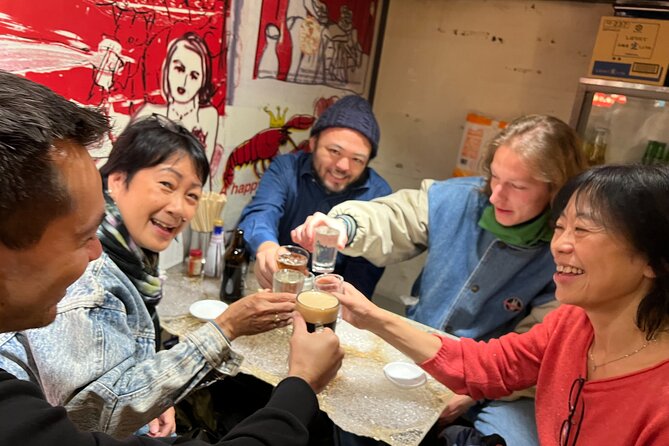
- Hamonika Yokocho means yakitori at the finish with one drink and two skewers included.
- You start at 3:00 pm, a smart time for daylight strolling and an evening snack feel.
Why Kichijoji is worth your time
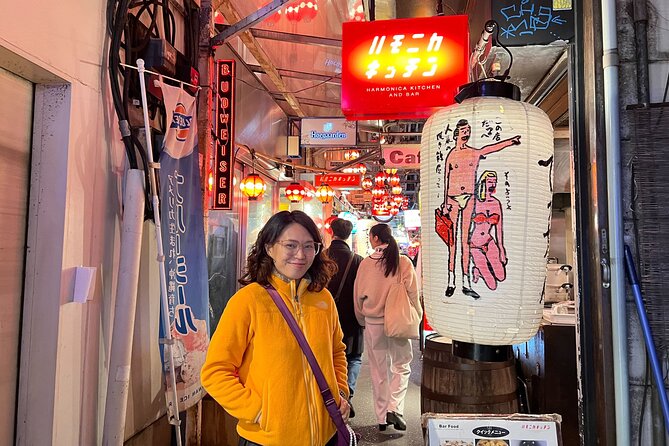
Kichijoji is one of those Tokyo neighborhoods that feels lived-in instead of staged. You get the comfort of a suburban Tokyo rhythm, but with plenty of energy from shops, cafés, and local hangouts. It is also an easy add-on to a bigger day, since it is about a 15-minute train ride from either Shibuya or Shinjuku.
What makes this walk appealing is the flow. You are not just walking past sights, you are moving through the way Kichijoji functions day to day: shopping streets up front, a temple pause in the middle, and then food and atmosphere at the end. That structure matters because it helps you stay oriented, especially if you are new to Tokyo or new to this part of Musashino.
The tour is also backed by Musashino city urban tourism corp., which tends to mean you get a route that actually reflects how people experience the neighborhood. And the small group size, maximum 8, is a big deal in Japan. You get a human pace, not a herd.
More Walking Tours in Tokyo
- Tokyo Tsukiji Fish Market Food and Culture Walking Tour
★ 5.0 · 3,184 reviews - Tokyo: Shinjuku Local Bar and Izakaya Guided Walking Tour
★ 4.9 · 1,794 reviews - Tokyo: Tsukiji Fish Market Food and Walking tour
★ 5.0 · 1,724 reviews
Sunroad Shopping Street for real local scale
The tour begins at Sunroad, Kichijoji, and it starts the way a great neighborhood walk should, with a focused, easy-to-grasp scene. This is a shopping street about 300 meters long lined with roughly 150 shops. That is a lot of variety in a short distance, so you feel the neighborhood quickly.
You will also get context for why Sunroad matters. The street has been voted Tokyo residents’ second favorite shopping street in 2022, just behind Ameyoko. Even if you do not care about awards, it tells you something important: locals actually use this place, not just tour buses.
In practical terms, I like this first stop because it works like a warm-up for your senses. You can judge the vibe fast. You will see how shop signs, small storefront layouts, and narrow storefront aisles create a walkable rhythm that is very different from big, modern malls.
The only watch-out is that shopping streets can tempt you into detours. If you love browsing, keep an eye on time, because you still have a temple and two more shopping areas ahead.
Gesso-ji Temple, peace with a sense of place
Next comes Gesso-ji Temple, described as the heart of Kichijoji’s history and the reason the town first formed. Even if you have seen temples before, the value here is the pause. You step from shop fronts into greenery and quiet, and it makes the rest of the walk feel better.
This stop also teaches you how Kichijoji has layered time. Reviews point to the guide sharing stories connected to the area’s origins, including an earthquake story tied to why the city developed about 350 years ago. You do not need to memorize dates, but you do start to understand why the neighborhood grew where it did.
I find temple stops work best when they are not rushed. Here, you get about 15 minutes, enough to slow down, look around, and absorb the contrast. It is also a good moment to take photos without the usual hustle.
One more tip: if you are sensitive to smells or crowded entryways, temples are still generally easier than shopping streets. You should get a calmer breathing space.
Nakamichidori for old shops and modern treats
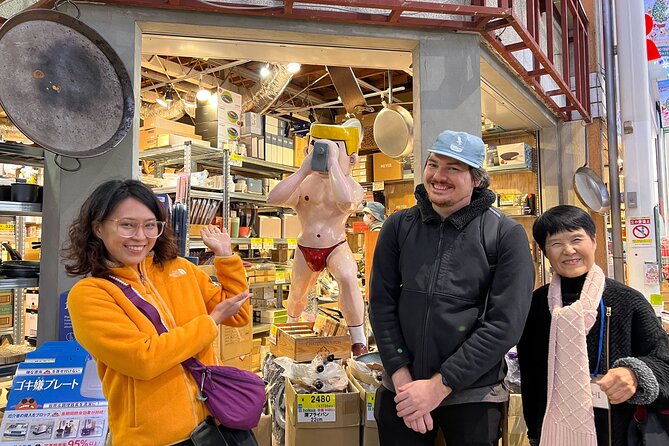
After the temple reset, the walk shifts back to streets, this time along Kichijoji Nakamichidori Shopping Arcade and nearby lanes. The key idea is old and new side by side. You will pass stores that have been beloved for over half a century, then turn a corner and see newer cafés, sweets shops, and unique boutiques.
This is the stop I think is best for people who like atmosphere more than checklists. You are not locked into one kind of shop. You can pause for snacks, window-shop for crafts, or just watch how people move through the arcade.
One of the most repeated themes in feedback is how guides explain both the traditional and modern sides of Kichijoji, so you understand why it feels special even when it looks simple on the surface. Guides like Kate and Michi were highlighted as friendly and strong on local context, including how retail trends and long-running shops coexist.
If you are hoping to buy souvenirs, this is usually where you will want to spend a little attention. But keep it realistic: you have only about 2 hours total. If you want a bigger shopping session, use this tour as orientation first, then plan a longer browse after.
A few more Tokyo days to weigh up
- Tokyo: Asakusa Walking Tour with Sensoji Temple Visit
★ 4.8 · 1,583 reviews - Tokyo: Tsukiji Fish Market Guided Walking Tour
★ 4.9 · 1,397 reviews - Tokyo Castle & Imperial PalaceーShogun Walking Tour
★ 4.7 · 1,068 reviews - Tokyo: Imperial Palace Japanese History Walking Tour
★ 4.9 · 987 reviews
Harmonica Yokocho for yakitori, one drink included

The grand finale is Hamonika Yokocho Kichijoji (listed as Harmonica Yokocho), a narrow maze of small bars and eateries. The alley began as a post-war black market, and the name comes from the way the tiny alleyways resemble the reeds of a harmonica. That kind of origin story helps you understand why the place feels so tight and labyrinth-like.
The best part for practical food planning is that the experience includes one drink and two skewers of yakitori. That is a clear, no-guesswork value add. You do not need to decide where to eat at the end of a walking day. You are handed a small local hangout experience right when your legs start to complain.
I also like this stop because it teaches you a Tokyo skill. When you are inside small alleys, you stop thinking like a tourist searching for a landmark and start thinking like a person joining the scene. The alley layout also makes it easier to follow a group path without getting lost.
Potential drawback: the alley is narrow and lively. If you dislike crowded spaces or you have trouble with strong smells from grilling and bars, you might find this portion a bit intense. Still, the time is short at about 15 minutes, and it is the payoff segment.
Price and value for a 2-hour Kichijoji orientation walk

The price is $45.98 per person for about 2 hours. That sounds like a lot until you break down what you get. You are paying for a guided route that includes multiple distinct zones, plus the meal element at the end: one drink and two yakitori skewers.
Most of the stops are admission ticket free, which means you are not paying mostly for entry fees. You are paying for guidance, timing, and local context so you can enjoy Kichijoji without spending your whole trip sorting out what is worth your attention.
You should also factor in the group size. With a maximum of 8 travelers (and a guide you can actually hear), this is the kind of experience where the guide does real work. Feedback repeatedly mentions guides being informative and showing special places that you would likely miss without help.
The other value piece is scheduling. The tour starts at 3:00 pm, which is a smart sweet spot. It gives you daylight strolling, then a natural lead-in to the alley food stop. And since you can combine it with a visit near the Ghibli Museum, it helps you plan a smooth half day without wasting time.
Finally, it is popular. The average booking window is about 33 days in advance, so if you are traveling during busy seasons, you will want to reserve early.
Timing, meeting points, and how to plan your afternoon
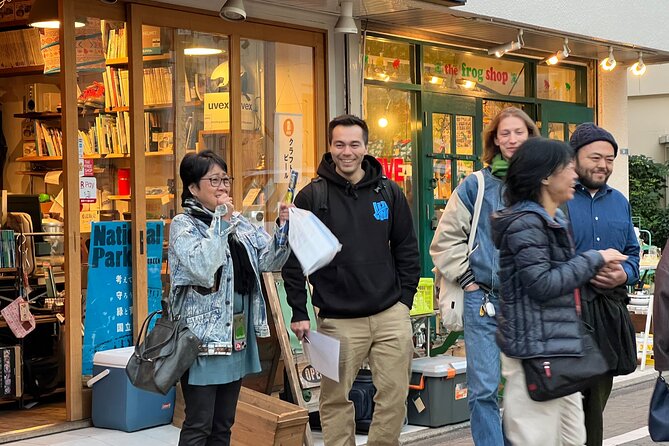
You meet at 1-chōme-1-24 Kichijōji Minamichō, Musashino, Tokyo 180-0003 at 3:00 pm. The tour ends at Harmonica Yokocho near Kichijoji Station, about a short walk from the north exit.
In real life, those details matter. In Tokyo, a 10-minute delay can mess up the whole flow, especially with a group this small. Arriving a few minutes early helps you get settled and avoid that frantic start feeling.
Also, think about what you do before the tour. The walk is a great follow-up after visiting the area around the Ghibli Museum, since Kichijoji is close enough to make the pairing logical. Even if you are coming from Shibuya or Shinjuku, the 15-minute train ride makes it easy to connect plans.
If you want to maximize your evening, plan a light dinner after the tour rather than a heavy one. You will already get one drink and two skewers at the end, which is satisfying but not a full meal.
One practical suggestion: wear comfortable walking shoes. You are on shopping streets, then in a temple area, then in a narrow alley. It is not an athletic hike, but it is not a sit-down museum either.
Who this Kichijoji walk fits best, and when it might not
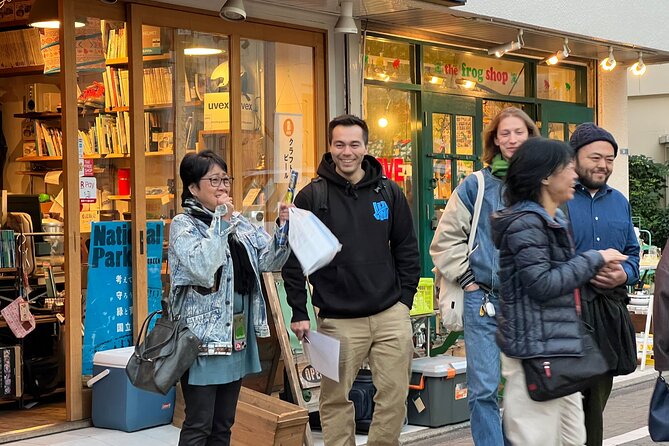
This tour fits best if you want a guided introduction to a popular Tokyo suburb, without the chaos of major tourist cores. If you like shopping streets, small local stories, and short, meaningful stops, you will enjoy how it is paced.
It is also a good choice for first timers to Kichijoji. Even people who know Tokyo generally can benefit because the route focuses on neighborhood texture, not big headline landmarks. And guides named Kate and Michi are specifically described as friendly, informative, and strong on both old and new Kichijoji.
It may not be ideal if you want a long food crawl. The yakitori moment is a defined portion of the experience, not an open-ended night out. It is also not a craft market tour where you spend long hours shopping. Reviews even mention wanting more time because two hours goes by fast, especially if you stop for antiques or potteries.
If you like to linger, I would treat the tour as the start of your Kichijoji day, then set aside extra free time afterward.
Should you book this Kichijoji walk?
I think you should book if you want an efficient, human-paced way to understand Kichijoji. You get a real shopping street start at Sunroad, a calm reset at Gesso-ji, a great old-versus-new shopping arcade moment, and then a satisfying finish at Harmonica Yokocho with one drink and two yakitori skewers included. For the price, that food element plus local guidance makes it feel fair, not just expensive.
I would skip or reconsider if you hate narrow alleys, or if you only want time for shopping and do not care about a guided route. Also, if you are the type who needs lots of time to browse, plan to come back after the tour. Two hours is enough to orient you, not enough to fully replace a personal shopping day.
FAQ
How long is the Kichijoji walk?
It runs for about 2 hours.
What does it cost?
The price is $45.98 per person.
Where do I meet, and when does it start?
The start is at 1-chōme-1-24 Kichijōji Minamichō, Musashino, Tokyo, and the start time is 3:00 pm.
Where does the tour end?
It ends at Harmonica Yokocho, and it is a short walk from the north exit of Kichijoji Station.
Is there a mobile ticket?
Yes, the tour uses a mobile ticket.
What food is included at the end?
At Harmonica Yokocho, you can enjoy one drink and two skewers of yakitori.
How big is the group?
The maximum group size is 8 people.
Can I cancel for free?
Yes, you can cancel up to 24 hours in advance for a full refund.
Newly listed around Tokyo
- Small Town in the Big City: Tasting Tokyo’s Kichijoji★ 5.0 · 195 reviews
- Whimsical Walk to a Hidden Anime World: Tokyo Half-Day Tour★ 4.5 · 18 reviews
- Kichijoji Food & Anime Tour in Tokyo with Lunch★ 5.0 · 7 reviews
- The 10 Tastings of Tokyo With Locals: Private Street Food Tour★ 5.0 · 48 reviews
- EXCLUSIVE Tokyo Secret: Kichijoji Small-Group Food & Bar Hopping★ 5.0 · 29 reviews
- Kawagoe 4hr Private Tour with Licensed Guide (Kawagoe Dep)★ 5.0 · 13 reviews
- Kawagoe:Family-Friendly Kimono & Yukata Experience at WARGO★ 5.0 · 11 reviews
- Shinjuku Nightlife Tour★ 5.0 · 15 reviews
Walking Tours, compared.
Kyoto Geisha Walking Tour: Gion District & Hidden Gems
Read our review →
Tokyo Tsukiji Fish Market Food and Culture Walking Tour
Read our review →
Gion Geisha District Walking Tour – Stories of Geisha
Read our review →
Shinjuku Local Bar and Izakaya Guided Walking Tour
Read our review →
Asakusa Walking Tour with Sensoji Temple Visit
Read our review →
Kyoto Gion Geisha District Walking Tour – The Stories of Geisha
Read our review →Browse the lists this tour appears in