
Review · SHRINE & TEMPLE VISITS
From Asakusa: Old Tokyo, Temples, Gardens and Pop Culture
Old Tokyo to Akihabara in one guided walk.
This is the kind of half-day Tokyo plan that gives you a smart mix of temples, a traditional garden, and pop-culture streets without feeling like you need a full itinerary binder. You start in Asakusa, get your bearings in Ueno, then cut over to Akihabara before finishing with time in Koishikawa Korakuen.
I love two things most: the max eight person group size (so questions stay friendly, not chaotic), and the fact that Koishikawa Korakuen is part of the route with admission included. It’s a well-paced blend of classic Tokyo and the modern neon that makes first-timers go wide-eyed.
One possible drawback: Asakusa can mean serious crowds, and on busier days you may feel like you’re moving fast. If you want slow, take-your-time wandering, this route is still great, but plan to go with the flow.
In This Review
- Key highlights you’ll actually feel on the street
- Why This Old Tokyo to Akihabara Walk Works in 4 Hours
- Asakusa and Senso-ji Etiquette: The Shortcut for Relaxed Temple Time
- The Thunder Gate, Nakamise Street, and Temple Details You Might Miss
- Ueno Street Life: More Than a Museum Name on Your Map
- Akihabara Electric Town: Electronics Plus a Pop-Culture Taste
- Koishikawa Korakuen Garden: Edo-Era Calm to Close the Loop
- Price and Value: Is $70.49 Actually a Fair Deal?
- Group Size, Pace, and What the Tour Does With Crowds
- Practical Tips Before You Go (So You Don’t Waste Time)
- Should You Book This Old Tokyo, Temples, Gardens and Pop Culture Tour?
Key highlights you’ll actually feel on the street
- Small-group limit of eight keeps the walk personal and easier to follow
- Senso-ji + etiquette coaching helps you navigate respectfully instead of guessing
- A route that strings together distant neighborhoods in one efficient timeline
- Koishikawa Korakuen garden time is included so you do not have to plan that separately
- Akihabara pop-culture stop gives you context before you start shopping and hunting
Why This Old Tokyo to Akihabara Walk Works in 4 Hours
Tokyo’s big problem for many first-timers is deciding what to see when everything feels close on a map and far in real life. This tour solves that by threading together five areas that normally pull you in different directions: Asakusa, Ueno, Akihabara, and the Koishikawa Korakuen garden area, with the walk ending near Akihabara Station.
You get a mix of “please understand this” and “please look at that.” The guide focuses on Japanese culture and etiquette so you do not spend your time worrying about what you should and should not do in temple spaces. Then, as you move forward in the route, the tone shifts to neighborhood energy, including Akihabara’s electronics and anime atmosphere.
The result feels practical: you leave with a mental map of East Tokyo that you can build on for the rest of your trip.
More Shrine & Temple Visits in Tokyo
- Asakusa Senso-ji Temple and Old Tokyo Walking Tour
★ 5.0 · 560 reviews - Tokyo: Asakusa & Sensoji ー Oldest Temple Walking Tour (2hrs)
★ 5.0 · 213 reviews - Goshuin Collecting tour at Asakusa Local Temples & Shrines, Tokyo
★ 5.0 · 8 reviews
Asakusa and Senso-ji Etiquette: The Shortcut for Relaxed Temple Time
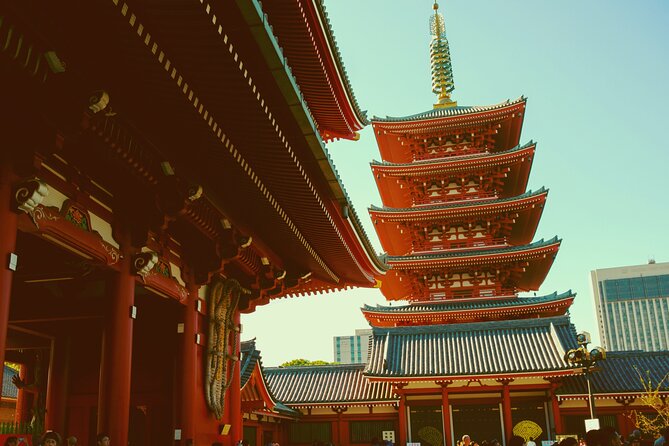
Your start is in Asakusa, with your tour beginning at the 神谷ビル area (1-chōme1, 111-0032 Tokyo, Taito City, Asakusa). From there, the experience quickly turns toward Senso-ji, Tokyo’s iconic early Buddhist temple.
This is not just sightseeing. A big part of the value is learning etiquette and how to behave in temple spaces. That matters because the etiquette at Senso-ji is not hard, but it is easy to get wrong when you are standing among locals and worshippers. You will typically get guidance on where to position yourself, how to move through crowded sacred areas, and how to respect the space while still enjoying the views and details.
And yes, Senso-ji is absolutely packed at times. This tour’s structure helps, because you are not trying to translate everything while being jostled. Instead, you know what you are looking at and why it matters.
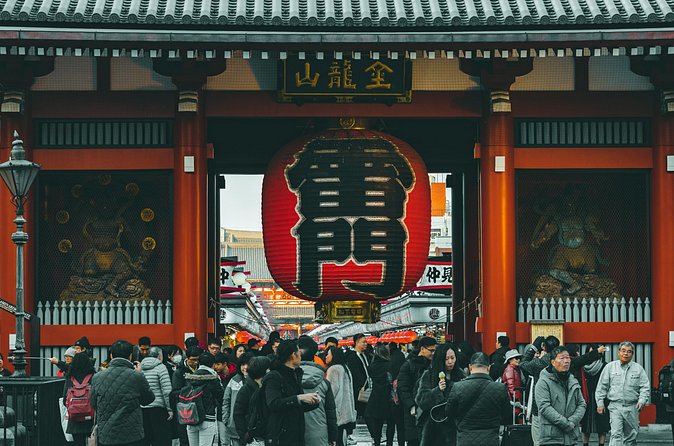
In the same area, you can also catch specific landmarks people love, like the Thunder Gate (Kaminarimon) and the Nakamise shopping street. The guide’s explanations make those places easier to enjoy instead of just walking past them.
The Thunder Gate, Nakamise Street, and Temple Details You Might Miss
Senso-ji is famous for a reason, and you get the highlights in a way that makes them more meaningful. Your route includes time at the temple grounds, starting with the big-picture landmarks and then pointing you toward details that shape the mood.
One standout detail you should look for is the giant rope shoes on display. They are part of the temple imagery and show up as a memorable point for people on this tour because they are visually unique and instantly “Tokyo temple” in style. You may also hear about statues and symbolism tied to warding off evil spirits, which turns a quick photo stop into a real understanding moment.
Then there is Nakamise shopping street, where you can do what Tokyo does best: snacks, souvenirs, and small temptations at every turn. The tour gives you time to shop, and that matters because the shops can be distracting in the best way. If you go on your own, you often end up with random purchases. With a guide, you are more likely to know what you are buying and where it fits culturally.
What to consider: if you hate crowds, this part will test your patience. Asakusa and Senso-ji are not quiet places, and you may move through groups more than you would on a solo stroll.
Ueno Street Life: More Than a Museum Name on Your Map
After Asakusa, the route heads toward Ueno. This is one of those neighborhoods where the charm is everyday Tokyo: street vendors, small shops, and food culture that has been around for generations. You get about 45 minutes here, and that time is valuable because it gives you a break from temple-land focus and shows a different side of daily life.
If you like eating while walking, Ueno is a strong stop. If you prefer browsing, it still works because the area supports casual wandering. Either way, you are not stuck in a single “official attraction” box. You get that less-polished feel that helps Tokyo feel real.
A practical note: Ueno is busy, and your guide will be helping manage the flow so you can keep up without sprinting. Still, if you have mobility limitations, you should keep in mind this is a walking tour with a moderate fitness level requirement.
More Shrine and Temple visits in Asakusa:
- Kyoto: Fushimi Inari, Kinkakuji, Bamboo Grove 1 Day Bus Tour
★ 4.8 · 4,316 reviews - Kyoto: Tea Ceremony Ju-An at Jotokuji Temple
★ 4.9 · 3,207 reviews - Tokyo: Meiji Shrine, Asakusa, Skytree Bus Tour and Cruise
★ 4.7 · 1,986 reviews - Fushimi Inari Hidden Hiking Tour (Private Option Available)
★ 5.0 · 1,750 reviews
Akihabara Electric Town: Electronics Plus a Pop-Culture Taste
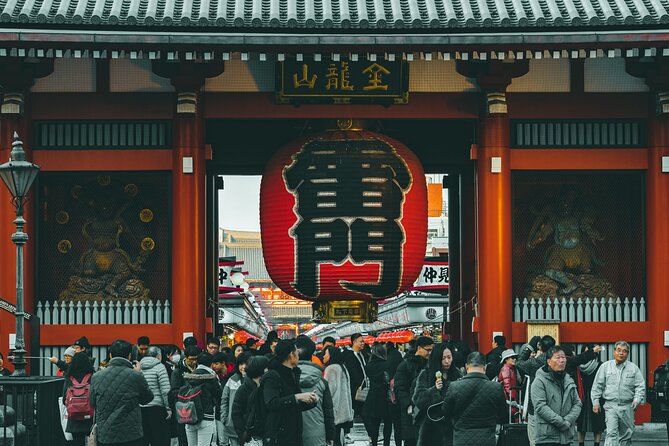
Next comes Akihabara, often called electric town. The tour frames it as a hub for cutting-edge electronics since the pre-war era, then acknowledges how it has transformed over time into a different kind of attraction. In other words, Akihabara is not just a single theme. It is layers.
You get around 45 minutes here, enough to see the main vibe and do light browsing without turning your half-day into an all-day shopping mission. This is also where the tour’s pop-culture angle shows up for many people. For example, one participant noted that the pop-culture portion felt like dropping the group at various anime stores. That tells you what to expect in a practical way: you are not likely to get a deep museum-style narrative of the subculture. You get context, then time to explore shops.
What I like about including Akihabara in this specific route is the contrast. After temple etiquette and garden calm, neon streets and storefront displays hit differently. It helps you understand that Tokyo traditions and Tokyo fandom live right next to each other.
Possible drawback: if you are not that interested in anime or electronics shopping, you may want to treat this as a short visual neighborhood walkthrough. You will likely still enjoy it, but you should know it is not mainly a quiet history stop.
Koishikawa Korakuen Garden: Edo-Era Calm to Close the Loop
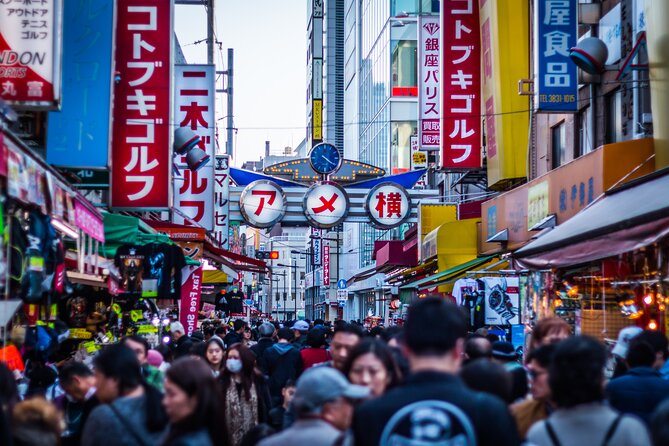
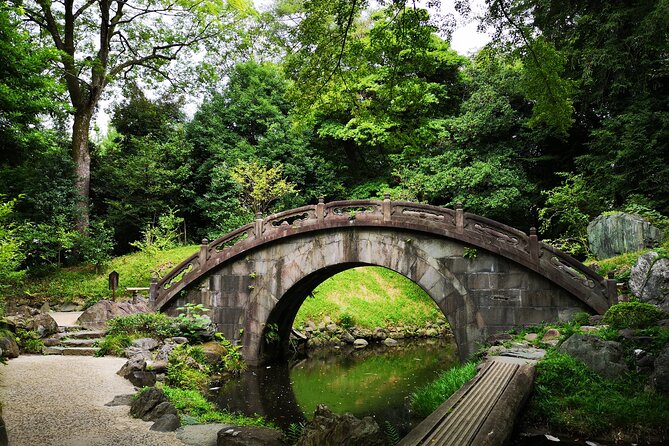
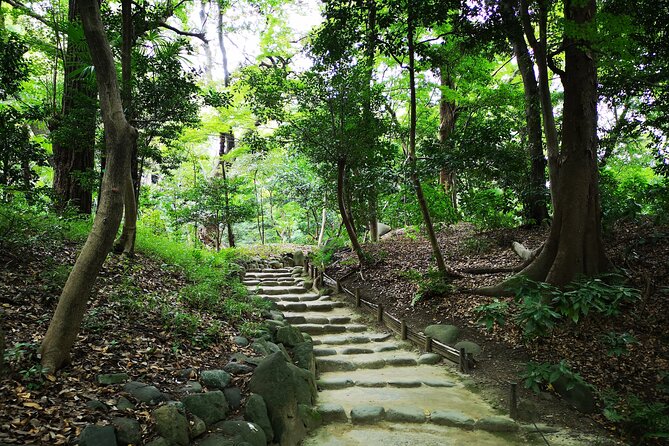
Your final major stop is Koishikawa Korakuen Garden, one of the oldest gardens in Tokyo. This is the reset button after Akihabara. You get about 45 minutes, and admission is included.
What makes this stop especially worth it is the time commitment. A lot of Tokyo plans include a garden concept, but then you barely walk through before racing to the next thing. Here, you have enough time to slow down, notice the water features, and appreciate the strolling-garden design.
The tour also gives cultural framing. Koishikawa Korakuen is described as being inspired by Confucian poetry and dating back to the Edo period. That is useful because it gives meaning to the layout. You are not just looking at plants and ponds. You are seeing an intentional way of moving through space.
You might also notice water sculptures and decorative elements that create little pauses for photos. The garden’s atmosphere is exactly why this tour works as a whole: it gives you Tokyo’s spiritual side, Tokyo’s street side, Tokyo’s tech and fandom side, then Tokyo’s quiet side.
Price and Value: Is $70.49 Actually a Fair Deal?
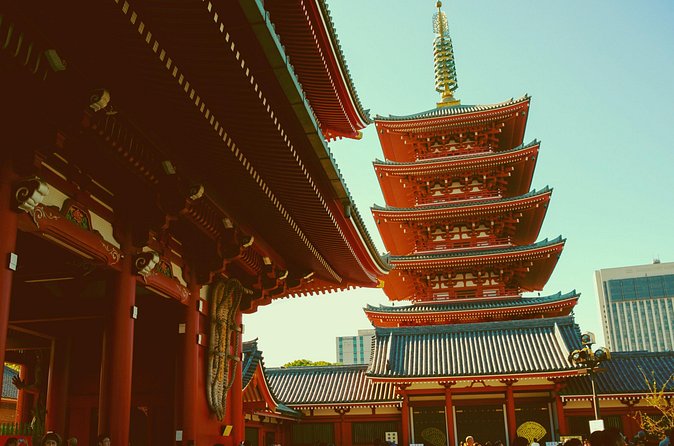
At $70.49 per person for an approximately 4-hour tour, this sits in the “good value if you want someone else to handle the logic” category. Here’s why:
- Standard costs are listed as included, including admissions and local train rides.
- Senso-ji is free (so you are not paying an entrance fee for the headliner).
- Koishikawa Korakuen admission is included, so you do not need to buy a separate ticket.
That combination can save you money compared with piecing it together yourself, especially when you factor in how useful a guide is for etiquette and navigation.
One caution to keep you from getting surprised: one participant reported that transportation costs did not match the listing and that they had to pay train fare on their own. To stay safe, I recommend you confirm what your day covers for trains when you receive your confirmation message. The goal is simple: make sure you understand what is included before you start moving through stations.
Also, food and drinks are not included. That affects value in a normal way. You will need to budget for lunch or snacks while you walk, and Tokyo can be as cheap or expensive as you make it.
Group Size, Pace, and What the Tour Does With Crowds
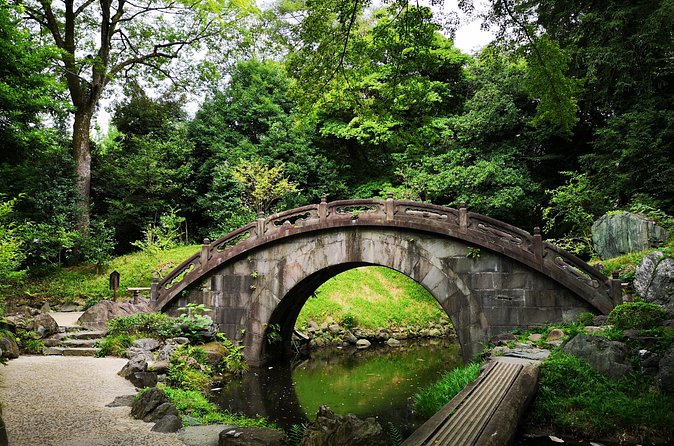
This tour caps at a maximum of eight travelers. That is a big deal in Tokyo. Larger groups tend to spread out or get stuck. With a smaller group, it is easier to keep track of where you are supposed to be, and it becomes more realistic to ask questions.
In the feedback you can see a strong pattern of guides keeping things fun and informative. Names that come up include Taka, Hiro, Yapi, Matt, Ken, and Michelle. People repeatedly praise clear explanations and a friendly, approachable vibe. That matters because the itinerary moves through very different areas, and only a good guide can connect those dots without the day feeling random.
Pace is generally described as efficient. The best-case experience is that you get to see a lot and still feel relaxed. The possible downside is that on crowded stretches like Asakusa, you might feel rushed or struggle to hear the guide if the crowd presses in.
If you want to get the most out of the tour, show up ready to walk, keep your phone handy for photos, and treat the day like a guided route with breathing spots rather than a slow wandering sampler.
Practical Tips Before You Go (So You Don’t Waste Time)
Here are the small, real-world things that help on a route like this:
- Wear comfortable shoes. You are walking through temple streets, shopping streets, and stations.
- Bring a plan for food. Food and drinks are not included, so decide where you want snacks, or accept that you will stop wherever something smells good.
- Use the mobile ticket. The tour includes a mobile ticket, which usually speeds check-in.
- Have your camera ready for details, not just monuments. The rope shoes, gate views, and garden water features are the kinds of photos that look better when you know what you are photographing.
- If you are sensitive to noise, keep your expectations realistic. Akihabara is loud. Asakusa can be louder when lines and worshippers overlap.
One more smart move: since the route ends near Akihabara Station, you can plan your next activity there instead of hauling yourself somewhere else. That makes the day feel like a clean arc.
Should You Book This Old Tokyo, Temples, Gardens and Pop Culture Tour?
Book it if you want a guided “East Tokyo essentials” route that mixes culture, etiquette, and modern Tokyo energy in about four hours. This is a strong fit for first-timers who feel overwhelmed by temple etiquette and want someone to help you understand what you are seeing. It is also great if you like contrast, temple to tech, then calm garden to close.
Skip it or choose a different format if you want a quiet, slow pace with lots of independent exploration. The stops are shorter than they feel when you are standing in front of something impressive, and crowded areas like Senso-ji may not match your ideal style.
My final take: if you like the idea of getting your bearings in Asakusa, making Akihabara make sense, and finishing with Koishikawa Korakuen garden time, this tour is a solid way to spend half a day in Tokyo. Just confirm train-fare expectations, and plan to eat on your own.
Newly listed around Asakusa
- Tokyo : Asakusa Food Tour – 12 Dishes & 3 Drinks★ 5.0 · 44 reviews
- Tokyo: Customized Private Tour with a Local Guide★ 5.0 · 16 reviews
- 【Tokyo/Asakusa】Traditional Japanese Washi Papermaking experience★ 5.0 · 146 reviews
- Tokyo Japanese Dance Cabaret Theater Asakusa-Kaguwa★ 5.0 · 170 reviews
- Asakusa Kimono Photography Tour (Private Option Available)★ 5.0 · 20 reviews
- Tokyo: Asakusa & Sensoji ー Oldest Temple Walking Tour (2hrs)★ 5.0 · 213 reviews
- Asakusa Rental Kimono in Tokyo★ 5.0 · 11 reviews
- Asakusa:Family-Friendly Kimono & Yukata Experience at WARGO★ 5.0 · 30 reviews
Shrine & Temple Visits, compared.
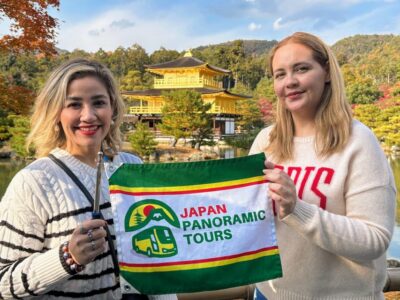
Fushimi Inari, Kinkakuji, Bamboo Grove 1 Day Bus Tour
Read our review →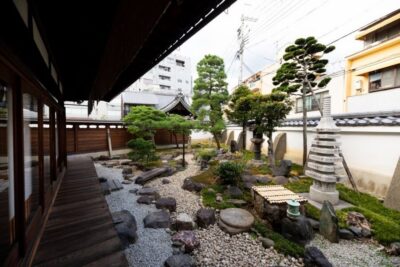

Meiji Shrine, Asakusa, Skytree Bus Tour and Cruise
Read our review →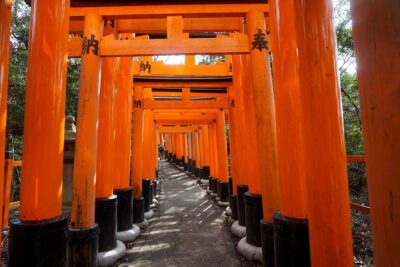
Fushimi Inari Hidden Hiking Tour (Private Option Available)
Read our review →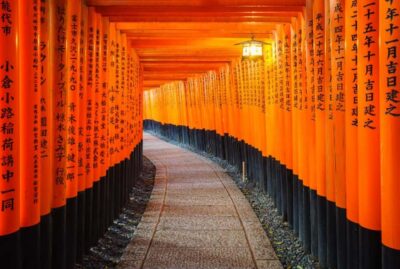
Osaka/Kyoto:Kinkakuji,Arashiyama,FushimiInariShrine,NaraPark
Read our review →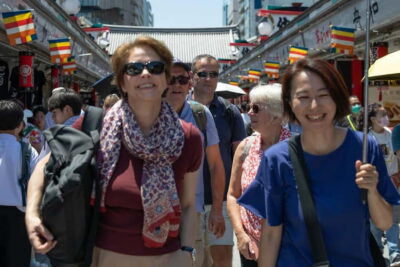
Asakusa Walking Tour with Sensoji Temple Visit
Read our review →
Nikko: Kegon Falls, Lake Chuzenji & Toshogu Temple
Read our review →
Kamakura & Enoshima Day Trip including Temple Tickets
Read our review →Browse the lists this tour appears in