
Review · SHRINE & TEMPLE VISITS
Goshuin Collecting tour at Asakusa Local Temples & Shrines, Tokyo
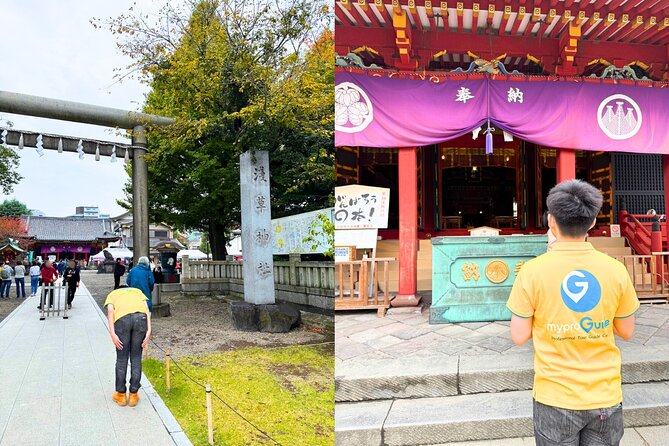
Goshuin hunting turns Asakusa into a story. This private 3-hour walk links big-name Sensoji moments with smaller shrines where you collect goshuin (pilgrimage stamps) and hear why each place matters. I especially like the mix of classic temple energy and the playful, slightly creative details tied to love, family luck, and even a mini Fuji climb.
Before you go, one thing to keep in mind: the walking adds up, and the stamps and stamp books are not included, so you’ll budget a bit more for the actual collecting.
In This Review
- Key Highlights You Should Know
- Goshuin Collecting in Asakusa Feels Like a Real Pilgrimage
- Price and Value: What the Tour Cost Covers
- How the 3-Hour Walking Loop Works on Foot
- Stop 1: Sensō-ji, Kaminarimon, and the Stories That Give Stamps Meaning
- Stop 2: Imado Shrine, Lucky Cats, and Love-Focused Vibes
- Stop 3: Matsuchiyama Shoden Japanese Garden and the Daikon Symbol
- Stop 4: Asakusa Fuji Sengen-jinja, Lava Fuji, and a Mini Climb
- The Guide Factor: Getting Explanations, Not Just Directions
- What to Bring (So Your Feet and Hands Stay Happy)
- Who This Tour Is Best For
- Should You Book This Asakusa Goshuin Collecting Tour?
- FAQ
- How long is the Goshuin collecting tour in Asakusa?
- How much does the tour cost, and how many people are in a group?
- Is the goshuin stamp collection included in the price?
- Where does the tour start?
- Is there a lot of walking during the tour?
- Are service animals allowed?
Key Highlights You Should Know
- Small-group, private route built for goshuin collecting, not just sightseeing
- Sensō-ji + Kaminarimon time block to anchor your stamp run
- Cat-themed shrine details and photo-friendly moments along the way
- Daikon, Fuji-zuka, and other symbolism that gives each stop meaning
- A guide who can explain what’s happening, including ceremonies when they occur
- Mobile ticket and a start/end that keeps things simple
Goshuin Collecting in Asakusa Feels Like a Real Pilgrimage
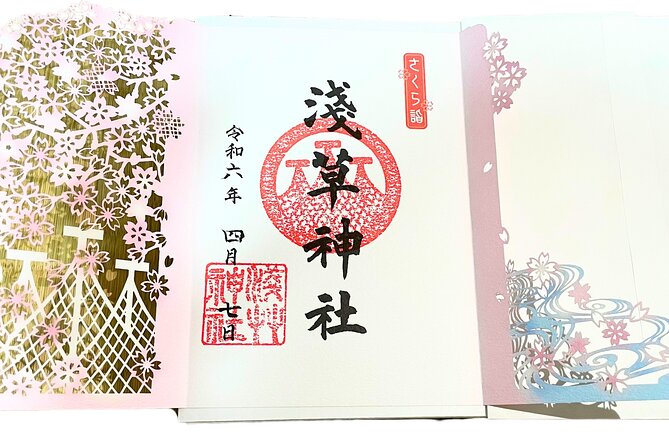
Asakusa can be a lot. Lanterns, crowds, camera phones, the whole package. What changes the feel here is the mission. Goshuin collecting gives you a reason to slow down and look closely. Instead of rushing past plaques and gates, you’re watching for exact spots where worship and tradition meet paper and ink.
This route also leans into what makes Asakusa different from the usual tourist loop. You still get the big landmark of Sensō-ji, but you also hit smaller, local-style shrines and gardens that add personality. The symbolism is fun too. You’re not just collecting stamps, you’re collecting meaning.
More Shrine & Temple Visits in Tokyo
- Asakusa Senso-ji Temple and Old Tokyo Walking Tour
★ 5.0 · 560 reviews - Tokyo: Asakusa & Sensoji ー Oldest Temple Walking Tour (2hrs)
★ 5.0 · 213 reviews - From Asakusa: Old Tokyo, Temples, Gardens and Pop Culture
★ 5.0 · 47 reviews
Price and Value: What the Tour Cost Covers
It’s $140 per group, up to 3 people, for about 3 hours with a professional guide. That pricing makes sense if you are traveling with a friend or small family, since you’re paying for a private guide rather than squeezing into a crowd.
One important detail: the tour includes the guide, but goshuin stamps, the stamp book (goshuin-cho), and omamori amulets are not included. So think of this as paying for the route, the explanations, and the navigation to the right places for collecting. You’ll want to bring extra cash or a card plan for the stamps themselves and any purchases you decide to make.
How the 3-Hour Walking Loop Works on Foot
This is a private experience, so you’ll only share it with your group. The start is at 1-chōme-1-3 Asakusa, Taito City, Tokyo 111-0032, and you’ll finish back at the meeting point.
Expect a moderate fitness level and a fair amount of walking. The stops are spread across a temple and shrine area, and each one has just enough time to look, worship, and collect without turning it into a marathon. Still, you should wear comfortable shoes and bring water. If rain is in the forecast, pack a light rain layer. In Japan, wet stone is not the time to suffer.
A mobile ticket is included, which helps a lot on the day. You won’t need to hunt around for a paper voucher.
Stop 1: Sensō-ji, Kaminarimon, and the Stories That Give Stamps Meaning
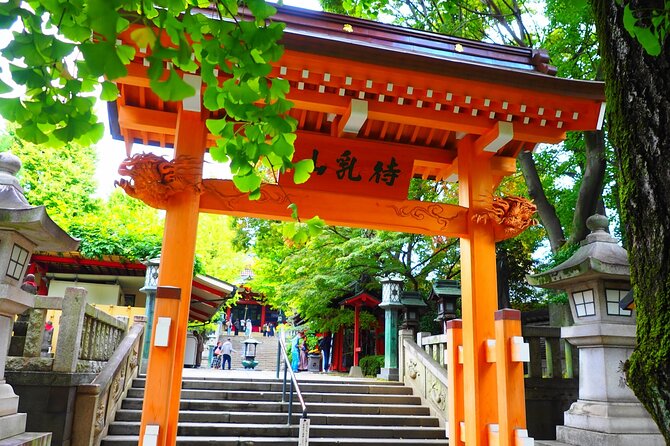
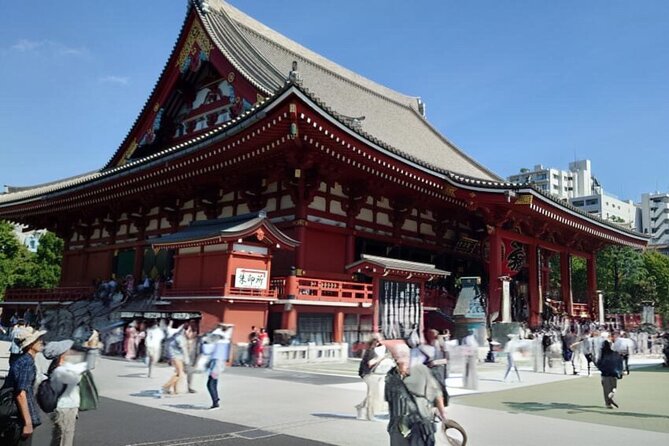
Sensō-ji is the anchor. You get about an hour here, plus time around Asakusa Shrine and Nakamise-dori. Even if you think you know Sensō-ji from photos, being there in person changes how you read it. The gate, the approach, the flow of people, it all adds up.
A standout part of this stop is the connection to Tokugawa Ieyasu. The information you’ll hear focuses on a place in the temple complex tied to Ieyasu praying for victory. That kind of detail matters, because it explains why this site has long drawn worshippers. When you collect goshuin here, you’re not just checking a box. You’re connecting to a legacy that shaped the area.
Practical tip: give yourself a little buffer for the physical space around Kaminarimon. People stop, frame photos, and drift slowly. If you want clean shots, pay attention to where your guide stands so you don’t crowd someone’s worship moment.
More Shrine and Temple visits in Asakusa:
- Kyoto: Fushimi Inari, Kinkakuji, Bamboo Grove 1 Day Bus Tour
★ 4.8 · 4,316 reviews - Kyoto: Tea Ceremony Ju-An at Jotokuji Temple
★ 4.9 · 3,207 reviews - Tokyo: Meiji Shrine, Asakusa, Skytree Bus Tour and Cruise
★ 4.7 · 1,986 reviews - Fushimi Inari Hidden Hiking Tour (Private Option Available)
★ 5.0 · 1,750 reviews
Stop 2: Imado Shrine, Lucky Cats, and Love-Focused Vibes
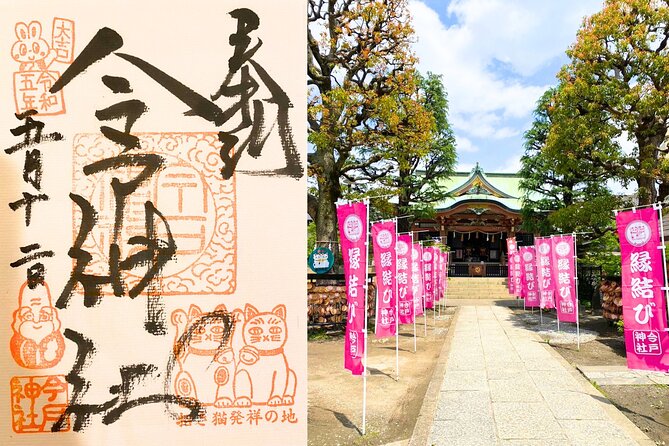
Imado Shrine is shorter, about 15 minutes, but it’s packed with mood. The draw here is the shrine’s association with love luck. You’ll hear about the lucky cat that people believe prays for love, and you’ll also get context about how the area has appeared in Japanese drama filming.
This is the kind of stop that works well for goshuin collectors because it teaches you to look past the main thoroughfare. Even in a dense city like Tokyo, a small shrine can feel calmer once you step into its space.
If you like cats: this area is cat-friendly in its decor and atmosphere. You’ll probably notice cute cat details as you move through the grounds, and the vibe tends to feel more personal than big-temple chaos.
Stop 3: Matsuchiyama Shoden Japanese Garden and the Daikon Symbol
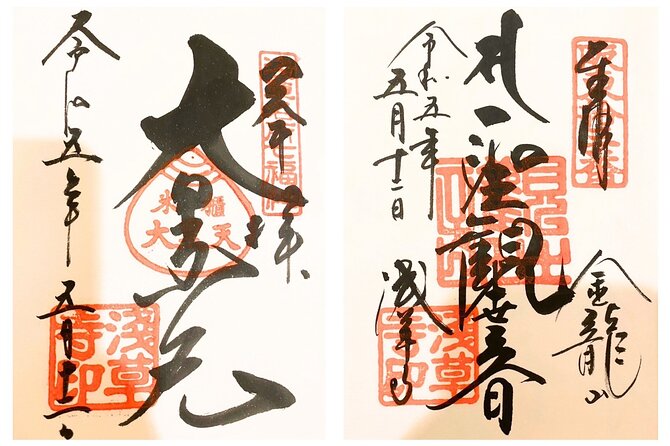
Next is Matsuchiyama Shoden Honryuin, also around 15 minutes. This stop is for people who like symbolism and nature at the same time. One of the charming highlights is the “Shoden Daikon,” a special daikon (Japanese radish) that represents family harmony and good health.
There’s also a practical angle you might appreciate: they sometimes offer free daikon. Even if it isn’t available on your day, the idea is still useful. You learn how everyday foods and shapes get tied to blessings. That’s one reason goshuin collecting connects with Japanese culture so well. It turns abstract ideas into something you can point at, hold, and remember.
Time-saving advice: since this is a garden stop, don’t expect it to be a huge walking circuit. You’re here for a focused look and the goshuin moment. Let yourself slow down for the quiet parts, especially if you’re tired from Sensō-ji crowds.
Stop 4: Asakusa Fuji Sengen-jinja, Lava Fuji, and a Mini Climb
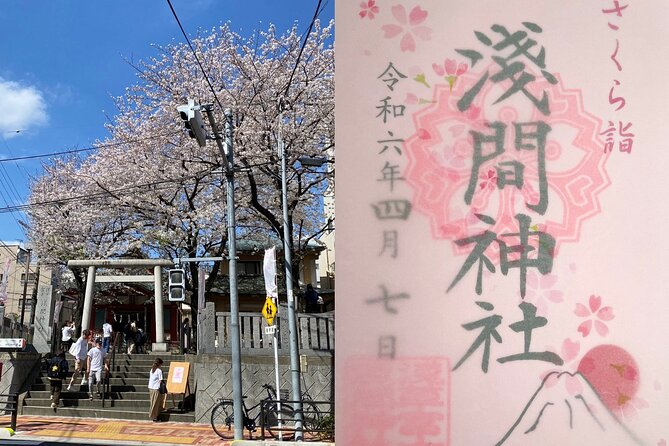
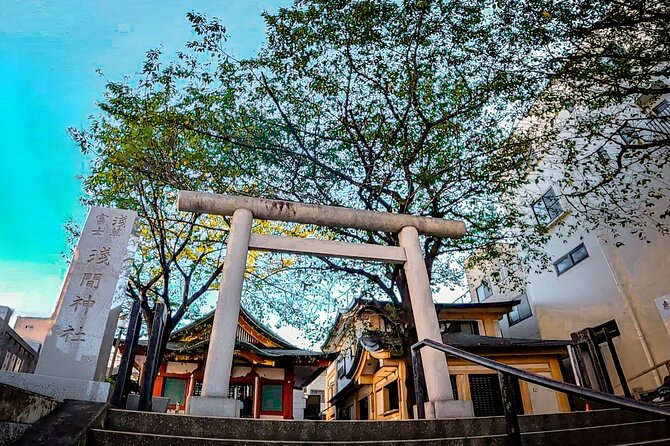
The final stop is Asakusa Fuji Sengen-jinja. You’ll get about 15 minutes, and it’s a clever one. The shrine has a small Fuji-zuka built using lava from Mt. Fuji. In other words, you can symbolically “climb” Fuji right here in Asakusa and receive blessings linked to the real pilgrimage.
This is a great closer because it gives your goshuin collection a theme arc. You start with a major temple site steeped in historical importance, then you move through love luck and family health, and you end with the idea of reaching a sacred mountain, even if you never leave the neighborhood.
Photography note: there’s typically enough structure and visual cues at this kind of shrine layout that you can get good shots without needing a drone and a permit. Just remember that worship comes first.
The Guide Factor: Getting Explanations, Not Just Directions
The guide is part of what makes this worth paying for. You’re not left to figure out where to collect stamps and how to interpret what you see. Instead, you get context that helps you understand why these places look the way they do and what people come for.
I also like that the experience is designed with real-life pacing. There’s time for photos, and the guide can patiently explain the shrines as you go. Some days include extra moments too. On at least some visits, a ceremony may be happening at Asakusa-area shrines, and a guide like Kayukawa San has been noted for making those moments understandable and memorable.
One small caution: a tour can’t answer every deep question perfectly, especially in a short time frame. If you’re the kind of person who wants intense theology or language detail, keep expectations reasonable and use the guide for the practical, on-site interpretation.
What to Bring (So Your Feet and Hands Stay Happy)
Because this is a walking-focused tour, pack like you’re planning for comfort first.
Bring:
- Comfortable shoes with grip
- Water
- Rain gear if the weather looks iffy
You’ll also want to plan for goshuin collecting costs, since stamps, stamp books, and omamori are not included. If you already collect goshuin, you’ll know your preferences for book style and ink choices. If you’re new to it, treat this as a guided starter path where you learn how to ask for and collect the stamps correctly.
Who This Tour Is Best For
This tour is a strong fit if you:
- Want a focused way to collect goshuin without getting overwhelmed
- Prefer small, private-group attention instead of large crowds
- Like symbolism and small details, not just landmark checklists
- Enjoy cat-themed shrine atmosphere and photo moments
It’s also a good choice for people who want Tokyo culture that goes beyond the usual top three stops. You’ll still see a star attraction, but you’ll also get that local texture that makes Asakusa feel lived-in.
Should You Book This Asakusa Goshuin Collecting Tour?
I’d book it if you want an Asakusa experience with purpose. The private format helps. The stamp-focused route gives you a reason to pay attention. And the stops are chosen to cover different kinds of meaning, from historic prayers to love luck to a symbolic climb.
Skip it or think twice if:
- You dislike walking and don’t want to do a moderate amount on uneven temple paths
- You’re not interested in goshuin collecting at all, since the stamps are the core activity
- You want everything fully included for collecting, because stamps and related purchases are not part of the price
If you come prepared with comfortable shoes and a plan for buying the goshuin supplies, this tour is a smart way to turn one part of Tokyo into a personal, keepsake-making journey.
FAQ
How long is the Goshuin collecting tour in Asakusa?
The tour is approximately 3 hours.
How much does the tour cost, and how many people are in a group?
It costs $140.00 per group, up to 3 people. It is a private tour, so only your group participates.
Is the goshuin stamp collection included in the price?
No. The tour does not include goshuin (temple stamps), a goshuin-cho (stamp book), or omamori (amulets).
Where does the tour start?
The meeting point is 1-chōme-1-3 Asakusa, Taito City, Tokyo 111-0032, Japan.
Is there a lot of walking during the tour?
Yes. The tour requires a significant amount of walking, and you should have a moderate physical fitness level. Bring water and rain gear if needed.
Are service animals allowed?
Yes, service animals are allowed.
Newly listed around Asakusa
- Tokyo : Asakusa Food Tour – 12 Dishes & 3 Drinks★ 5.0 · 44 reviews
- Tokyo: Customized Private Tour with a Local Guide★ 5.0 · 16 reviews
- 【Tokyo/Asakusa】Traditional Japanese Washi Papermaking experience★ 5.0 · 146 reviews
- Tokyo Japanese Dance Cabaret Theater Asakusa-Kaguwa★ 5.0 · 170 reviews
- Asakusa Kimono Photography Tour (Private Option Available)★ 5.0 · 20 reviews
- Asakusa:Family-Friendly Kimono & Yukata Experience at WARGO★ 5.0 · 30 reviews
- Tokyo: Asakusa & Sensoji ー Oldest Temple Walking Tour (2hrs)★ 5.0 · 213 reviews
- Asakusa Rental Kimono in Tokyo★ 5.0 · 11 reviews
Shrine & Temple Visits, compared.
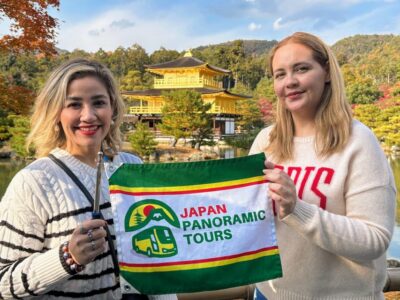
Fushimi Inari, Kinkakuji, Bamboo Grove 1 Day Bus Tour
Read our review →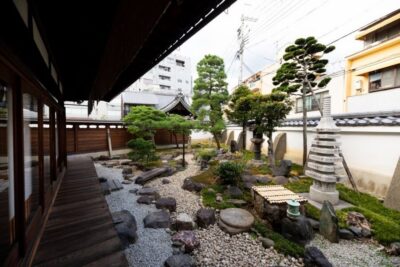

Meiji Shrine, Asakusa, Skytree Bus Tour and Cruise
Read our review →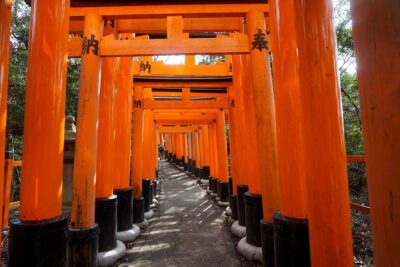
Fushimi Inari Hidden Hiking Tour (Private Option Available)
Read our review →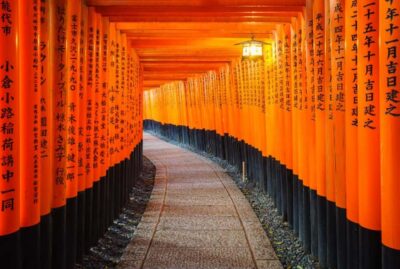
Osaka/Kyoto:Kinkakuji,Arashiyama,FushimiInariShrine,NaraPark
Read our review →
Asakusa Walking Tour with Sensoji Temple Visit
Read our review →
Nikko: Kegon Falls, Lake Chuzenji & Toshogu Temple
Read our review →
Kamakura & Enoshima Day Trip including Temple Tickets
Read our review →Browse the lists this tour appears in