
Review · HISTORIC CASTLE VISITS
From Kanazawa: Eiheiji Buddhist Temple & Fukui Castle Town
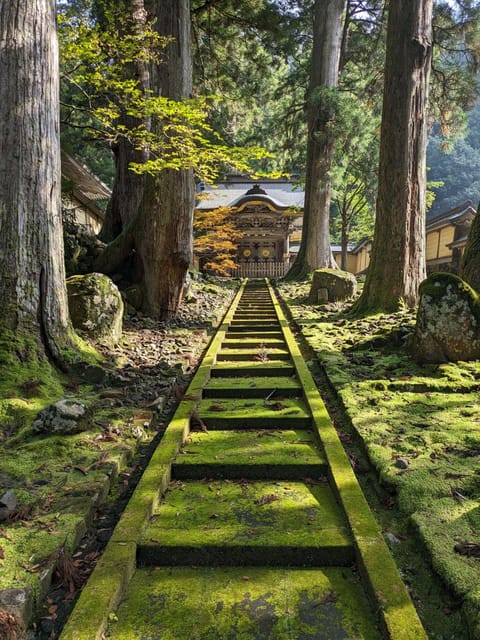
Fukui surprised me with temple calm and walls. I love Eiheiji Temple for its long-running Zen atmosphere and cedar shaded grounds, and I love the Zuigenji stop where the daimyo era comes to life through rooms moved from the castle. One caution, the schedule is full and the return trip comes fairly soon, so you will want to enjoy Eiheiji at a steady pace rather than lingering forever.
This is a one-day ride that turns a trip to Fukui into a story you can follow, from dinosaur statues at the station to castle defenses, then up to hilltop views, and finally into one of Zen’s key temples. If you like guided context and compact sightseeing, this format really works.
In This Review
- Quick hits from Kanazawa to Fukui
- One-day Fukui: why this route is more than a quick stop
- Kanazawa Station to Fukui: train views and the Dino Square start
- Fukui Castle ruins: original defenses, a recreated bridge, and unexpected city power
- The rainbow origami-crane shrine: a hopeful photo stop that has meaning
- Zuigenji and the relocated daimyo rooms: when architecture tells a human story
- Atagozaka stair climb: best views of modern Fukui with an old shrine up top
- Lunch in Fukui: your flexible reset during a packed day
- Eiheiji Temple: Zen architecture, cedar grounds, and monk atmosphere
- Value and pace: is $143 worth it for a one-day Fukui hit?
- Should you book this Kanazawa to Fukui day trip?
- FAQ
- Where do I meet for the tour?
- How long is the tour and when do I return?
- What is included in the price?
- Is lunch included?
- Are entry fees included for the temples?
- Can I cancel and get a refund?
Quick hits from Kanazawa to Fukui
- Eiheiji Temple: Zen head temple feel, with guided time on the grounds and temple buildings.
- Zuigenji daimyo rooms: rooms relocated from the castle, tied to how daimyo lived and worked.
- Fukui Castle ruins with original walls: plus a recreated bridge, and defenses designed for a castle without a keep.
- Rainbow shrine vibe with origami cranes: a small stop that makes a big visual impression.
- Atagozaka stair climb: a short workout that pays off with some of the best views over Fukui.
- English guide and monk time: multiple guides and past days highlight interaction that makes the Zen side feel real.
One-day Fukui: why this route is more than a quick stop
Fukui is not one of Japan’s most shouted-about cities, but this tour makes it feel complete. You are not just ticking temples and castles. You get a sense of how power, faith, and everyday life overlap in one place.
Two things I like right away are the way the day builds from public history to quieter spiritual sites, and the fact that you keep moving efficiently. The downside is pace. If you want a slow, wandering day with long sits in every courtyard, this is probably not your best match.
More Shrine and Temple visits in Japan:
- Kyoto: Fushimi Inari, Kinkakuji, Bamboo Grove 1 Day Bus Tour
★ 4.8 · 4,316 reviews - Kyoto: Tea Ceremony Ju-An at Jotokuji Temple
★ 4.9 · 3,207 reviews - Tokyo: Meiji Shrine, Asakusa, Skytree Bus Tour and Cruise
★ 4.7 · 1,986 reviews
Kanazawa Station to Fukui: train views and the Dino Square start
You meet near the Shinkansen ticket gates at Kanazawa Station around 8:30 A.M., then head to Fukui by train. The ride is about 40 minutes and gives you mountain views to the west, which is a nice start before the day’s history heavy stops.
When you arrive, you start with Dino Square at the station. This is quick, but it sets the tone. Fukui is tied to Japan’s largest archaeological dig, and the station area nods to local dinosaur finds, including dinosaurs named after the prefecture. It is an easy “get your bearings” moment before you walk into the older layers of the city.
Practical tip: station areas can be busy, so arrive a few minutes early for the group check-in. Then wear comfortable shoes, because you will be on your feet for much of the morning.
Fukui Castle ruins: original defenses, a recreated bridge, and unexpected city power
After Dino Square, you move toward the castle ruins on foot, with a guided focus. What makes this castle area special is that you are not just looking at empty stones. You can see original walls and the moat feel, and you also see how modern institutions sit inside the old layout.
One detail I really like is the bridge that faithfully recreates what it looked like in the Edo period. Another is how this castle evolved differently because it did not have a keep for many years. Instead, the gates were reinforced to act as the final line of defense, which makes the whole place feel more strategic than dramatic.
You also get an unusual look at how local government life got built into the same zone. The prefectural office and police headquarters are inside the castle area, so the story is not frozen in time. It is layered.
The rainbow origami-crane shrine: a hopeful photo stop that has meaning
Near the castle area you stop at a shrine that has gained popularity for origami cranes hung at the entrance. The effect is very visual, like a color note right in the middle of stone and history.
But the reason it matters is that it is a small reset during the morning. After castle defenses and fortification logic, you get a moment that feels personal and forward-looking. If you are traveling with family or just need a breather photo break, this is an easy win.
Tip for photos: the cranes are at the entrance, so position yourself where you can capture the gate area too. Then step back slightly for a wider shot of the shrine set against the surrounding precinct.
More Castle visits in Japan:
- Osaka Castle: Museum and Tower Entry Ticket
★ 4.5 · 2,380 reviews - Tokyo Castle & Imperial PalaceーShogun Walking Tour
★ 4.7 · 1,068 reviews - Kyoto: Nijo-jo Castle and Ninomaru Palace Guided Tour
★ 4.7 · 1,020 reviews - Ultimate Osaka Walking Tour: Castle, Dotonbori & Hidden Gems
★ 5.0 · 862 reviews
Zuigenji and the relocated daimyo rooms: when architecture tells a human story
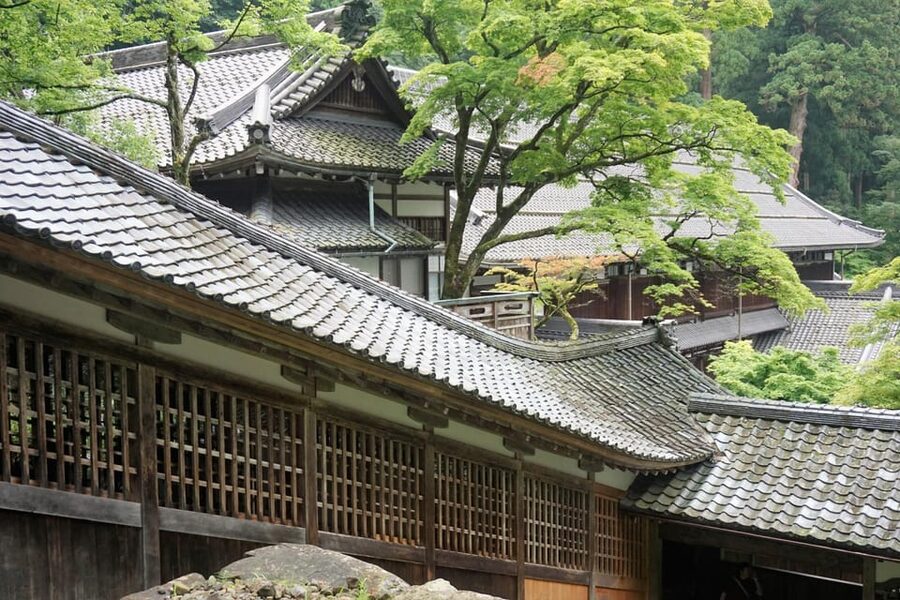
Zuigenji is the stop that turned a history lesson into something you can almost picture. You travel from the castle area toward the hill zone, and you then reach the temple by walking along the edge of the large hill.
This is where the tour earns its emotional center. Zuigenji has two rooms moved from the former Fukui castle, and those rooms were used by the daimyo for private business and often for sleeping. One room is preserved as it was, with upper-class details and strong color work that make you slow down and look.
A major value here is the guided explanation of how the castle rooms ended up in a temple context. That shift is the point. It shows how power structures and spiritual institutions were not separate worlds in the past. They were linked, and the buildings prove it.
From past days, an especially praised moment is interaction with a practising Zen monk during the Zuigenji portion. If that timing lines up on your day, treat it like part of the main event, not an extra bonus.
Practical tip: this is a walking and standing stop. If you want good photos, bring a small water bottle and take breaks before you feel tired, not after.
Atagozaka stair climb: best views of modern Fukui with an old shrine up top
Before lunch, you head to Atagozaka, also called Atago Slope. This is a staircase route up to a hilltop area, and the climb is part of the payoff. Even if you do not love stairs, you will appreciate how the view helps you understand the city’s layout after all the history buildings.
At the top, you find one of the oldest shrines in the prefecture. That matters because it ties the viewpoint to continuity. You are not just climbing for photos. You are climbing to a place that has long been a spiritual marker in the region.
What I love about this stop is the balance. You are getting motion, views, and one last shrine touch before you move into the Zen temple in the afternoon.
Tip: if the weather is iffy, bring a light layer. Stone steps can be slick, and you will still want your energy for later.
Lunch in Fukui: your flexible reset during a packed day
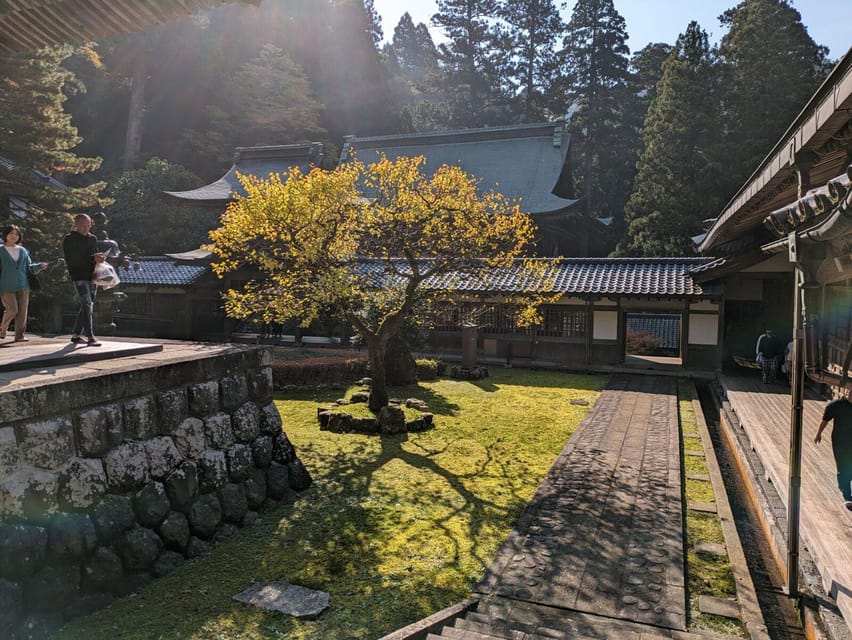
Lunch is on your own, with about an hour of free time in Fukui. This is a smart break in the middle, because it gives your legs time to recover and your mind time to reset.
Since lunch is not included, you have the freedom to choose what feels right that day, from something quick near where you will regroup to a sit-down meal if you find a spot that suits your pace. Aim to eat within the first part of that hour so you are not rushing to meet back at the group.
If you get motion-sick on buses, plan to drink water before the afternoon transfer. The next leg heads to Eiheiji by direct bus.
Eiheiji Temple: Zen architecture, cedar grounds, and monk atmosphere
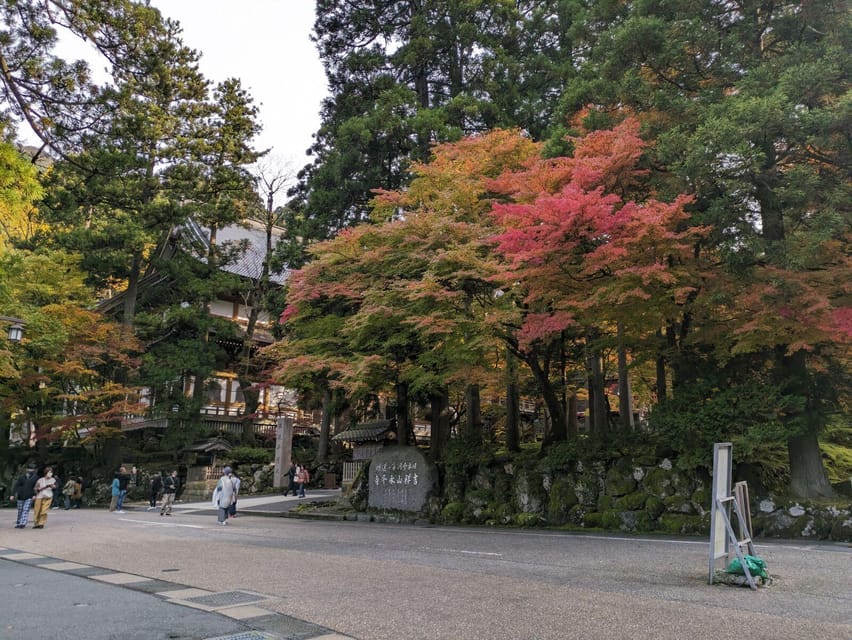
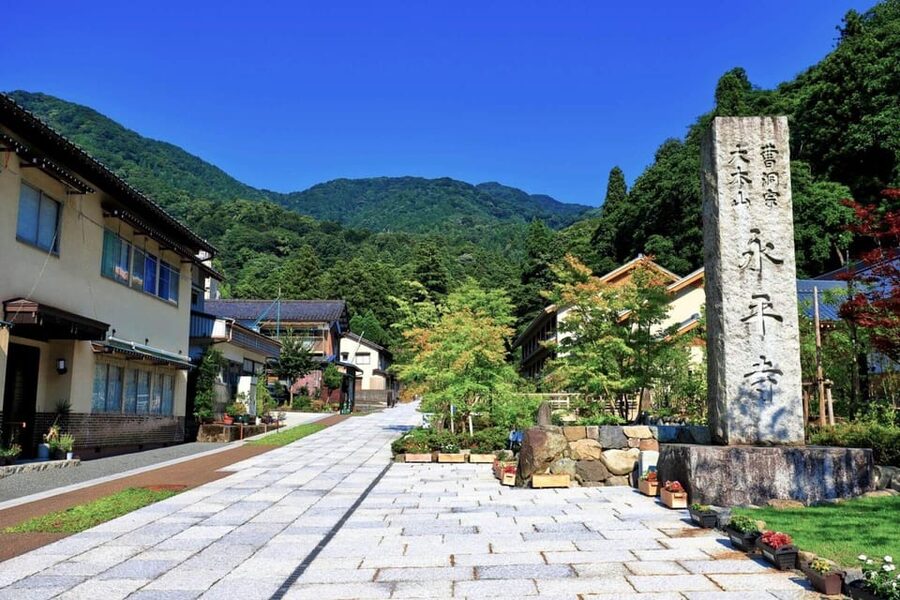
In the afternoon you take a direct bus to Eiheiji, and the ride is about 30 minutes. Then you get guided time at one of the head Zen Buddhist temples, in existence since the 1200s.
What you will notice first is scale and calm. Eiheiji is big, and the grounds include temple buildings surrounded by cedar trees that are said to date back around the founding, about 680 years ago. The guide walks you through key sights and the meaning behind Zen Buddhism, Eiheiji’s importance, and why this temple became such an anchor point in Japanese religious history.
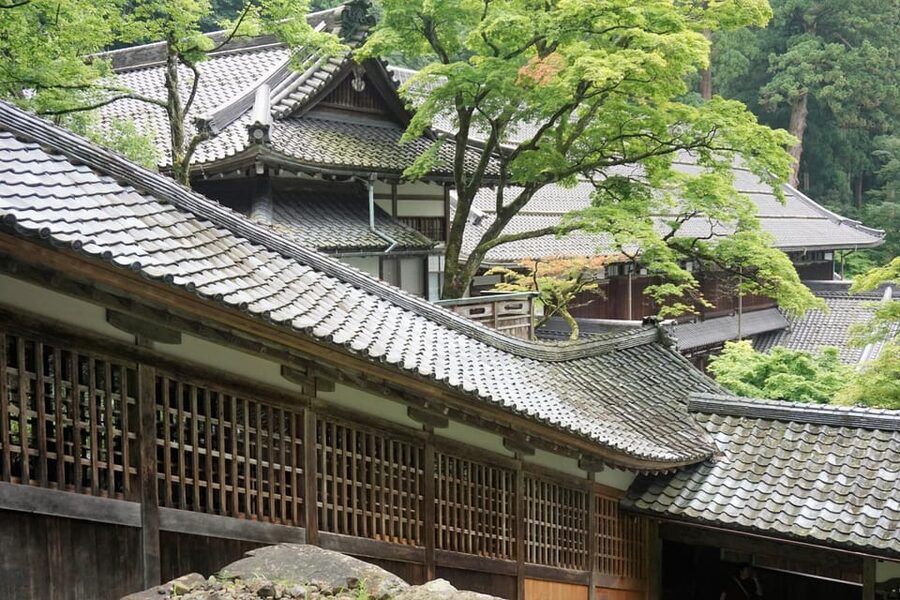
This stop is not only about what you see. It is about how you look. The guided pace helps you notice traditional architecture details, patterns of space, and how nature becomes part of the experience instead of just background.
From past days, one of the most praised moments is seeing monks in their routines, including novice monks doing daily tasks and monks at prayer, depending on the timing. If that lines up for your visit, it can feel quietly powerful because you are witnessing practice, not performance.
Practical tip: bring a layer. Temple grounds can feel cooler, and your walking time is spread across pathways and open areas.
Value and pace: is $143 worth it for a one-day Fukui hit?
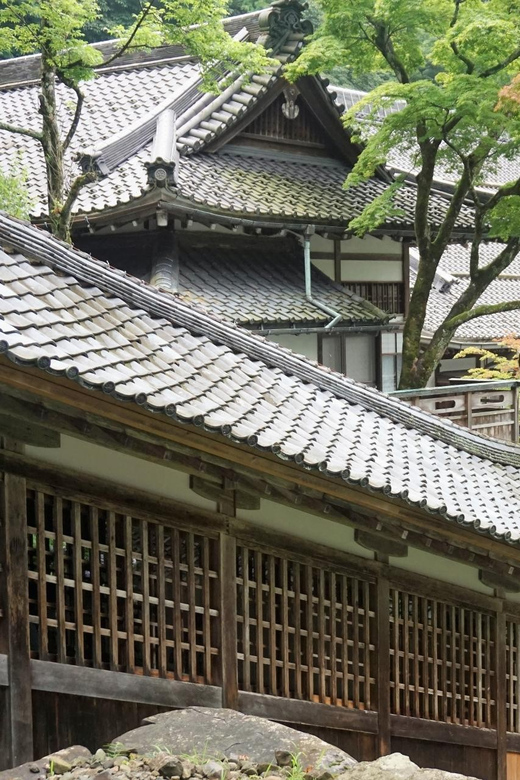
At $143 per person for a one-day tour, the value comes from what is already bundled. You get train and bus transportation, an English-speaking guide, entry fees at Eiheiji and Zuigenji, and guided tour time at the castle rooms and key sites.
If you tried to do this on your own, you would likely spend time planning transit, matching opening hours, buying separate tickets, and finding enough context to make the story click. Here, you pay for the structure. That is worth it if you like being walked through the meaning behind the sights.
The pace is the tradeoff. You will have a short lunch window and limited wiggle room at the temple compared with an all-day independent visit. If that sounds fine to you, this is a strong way to sample Fukui without turning it into a full travel project.
Who this suits best:
- You want a guided day trip from Kanazawa that mixes castle history and Zen practice.
- You like compact itineraries with clear storytelling from stop to stop.
- You are comfortable with stairs and walking.
Who might want to skip or adjust:
- You need very slow sightseeing and long stays.
- You dislike tight connections and fixed return times.
Should you book this Kanazawa to Fukui day trip?
I would book it if you want a day that feels like it has chapters, not just destinations. The combination of Fukui Castle ruins, the relocated daimyo rooms at Zuigenji, the Atagozaka view climb, and Eiheiji’s Zen gravitas is a smart way to understand a lesser-known city.
You might skip it if you are traveling for a laid-back temple holiday where your only goal is to sit. This tour is for movement plus explanation, and it gives you a guided path through a lot of meaningful places in one day.
If you do book, pack comfortable shoes and a light layer, and plan to take the day as one continuous story. You will get more out of it that way, and you will leave Fukui with a clearer picture of why the past still shapes the present there.
FAQ
Where do I meet for the tour?
You can start from either Kanazawa Station or Fukui Station, and the meeting point may vary depending on which option you book. If you start from Kanazawa, the tour begins at Kanazawa Station around 8:30 A.M.
How long is the tour and when do I return?
This is a one-day experience. From the Kanazawa start, the schedule is set so you should get back to Kanazawa by around 18:00.
What is included in the price?
The price includes transportation to and from Fukui Station when starting in Kanazawa, transportation to Eiheiji, and local Fukui bus transfers. It also includes an English-speaking guide, entry fees for Eiheiji Temple and Zuigenji Temple, and guided tour time at Zuigenji and other key locations.
Is lunch included?
No. Lunch is not included, and you get free time in Fukui for about 1 hour.
Are entry fees included for the temples?
Yes. Entry fees for Eiheiji Temple and Zuigenji Temple are included.
Can I cancel and get a refund?
Yes. You can cancel up to 24 hours in advance for a full refund.
Newly listed around Japan
- Okinawa Iriomotejima Night Adventure Tour★ 5.0 · 46 reviews
- Okinawa Iriomote SUP or Canoe and Sightseeing in Yubujima Island★ 5.0 · 124 reviews
- Naruto & Boruto Shinobi-zato Light Ticket★ 4.5 · 29 reviews
- Exclusive Sushi Making Experience with a Master Chef – Osaka Area★ 5.0 · 25 reviews
- Private Home-Style Cooking Class in Osaka with Local Mom Yoshiko★ 5.0 · 46 reviews
- Hyogo E-Bike tour through rural Japan★ 5.0 · 8 reviews
- Iriomote Island 1-Day Snorkeling & Mangrove SUP or Canoe★ 5.0 · 119 reviews
- Half Day – Snow View Rafting in Niseko★ 5.0 · 13 reviews
Historic Castle Visits, compared.
Tokyo Castle & Imperial PalaceーShogun Walking Tour
Read our review →
Nijo-jo Castle and Ninomaru Palace Guided Tour
Read our review →
Ultimate Osaka Walking Tour: Castle, Dotonbori & Hidden Gems
Read our review →Tokyo Castle & Imperial PalaceーShogun Walking Tour
Read our review →
Imperial Palace East Garden and Edo Castle Walking Tour in Tokyo
Read our review →
Imperial Palace & Nijo Castle Guided Walking Tour
Read our review →
Japanesel Archery Experience HIROSHIMA CASTLE SHARAKU
Read our review →Browse the lists this tour appears in