
Review · MOUNT FUJI DAY TRIPS
From Tokyo: Mount Fuji and Hakone Private Day Trip
Fuji changes with every turn, and this day trip knows it. You start with Mount Fuji viewpoints, then roll into Hakone National Park for volcanic scenery, shrines, and lakeside views that feel a world away from Tokyo. I especially like that the guide can adjust the plan in real time, like Hadi or Ali doing smart reroutes when clouds roll in.
My second big love is the variety of scenery packed into one smooth route. You get high-altitude drama at Subaru 5th Station, classic Fuji Five Lakes photo spots like Chureito Pagoda, and the calmer, snowmelt-fed ponds of Oshino Hakkai, before finishing around Lake Ashi and Hakone hot-spring areas.
The main thing to watch is time and weather. In a full day, you will not see every single optional stop, and if clouds cover Fuji then you’ll lean more on Hakone and the shrine-and-lakes rhythm.
In This Review
- Key highlights I’d plan around
- A private Mount Fuji and Hakone day that actually feels flexible
- The value piece: what you really pay for
- Start with Subaru 5th Station, then add meaning with a shrine stop
- Chureito Pagoda and Fuji Sengen shrines: where photos meet quieter culture
- Oshino Hakkai: eight ponds from Fuji’s snowmelt
- Hakone National Park: Lake Ashi and Owakudani in one day
- Hakone Open Air Museum: art that works with the setting
- Optional adds: what’s actually worth paying extra for
- Timing, photos, and how guides help you beat the day
- Money and logistics: cash and summer Subaru 5th Station rules
- Who this private trip fits best
- Should you book this Mount Fuji and Hakone private day trip?
Key highlights I’d plan around
- Cloud-aware routing: guides like Hadi and Ali often aim for better timing and vantage points when weather shifts
- Subaru 5th Station views: you reach about 2,300 meters for crater and distant-lake panoramas
- Oshino Hakkai ponds: eight Fuji-snowmelt ponds with a peaceful village walk
- Hakone Owakudani hot-spring zone: volcanic scenery and the famous black eggs area
- Lake Ashi cruise and Hakone ropeway: optional add-ons that make the day feel bigger
- Hakone Open Air Museum: gentle walking plus sculptures and art on park-like hills
A private Mount Fuji and Hakone day that actually feels flexible
Mount Fuji and Hakone can be busy, long, and confusing if you do it yourself. This private setup solves the hardest part: transport and decision-making. Your driver and guide handle the driving, parking, and the flow between stops so you can focus on views, photos, and not wrestling trains and buses all day.
I also like that the day is designed to flex. Weather can change quickly around Fuji, and traffic can turn even a simple plan into a slog. Guides named Hadi, Ali, Nomi, Sam, Haider, David, and Zia show up in a lot of strong feedback because they adjust the order, timing, and sometimes even which places get priority.
There’s one more reality check. This is a full day, about 10 hours, and the stops are best understood as a menu. The route can’t include everything every time, so you should arrive with a short list of must-dos (for example: Subaru 5th Station, Oshino Hakkai, and Lake Ashi) and let your guide fill in the best-fit extras.
More Mount Fuji Day trips in Tokyo:
- Mt Fuji and Hakone 1-Day Bus Tour Return by Bullet Train
★ 5.0 · 26,383 reviews - Mt Fuji & Hakone Cruise, Drum Show Bullet Train 1 Day from Tokyo
★ 4.0 · 7,413 reviews - Tokyo Mt Fuji 5th St & Hakone Cruise Bus Tour w/Bullet Train
★ 4.4 · 5,024 reviews
The value piece: what you really pay for
This tour costs $438 per group, up to 5 people. That group size matters, because your price covers a private vehicle, hotel pickup and drop-off, and a driver/guide for the day, plus parking fees and a water bottle.
What makes it feel like good value is that you are buying time and logistics. In practice, you get to stack multiple areas that are hard to connect quickly, and you can usually avoid the stress of figuring out exact transport between Fuji viewpoints and Hakone’s volcanic sites.
The catch is what’s not included. You’ll still budget for optional attractions and a few on-site fees:
- Mt Fuji entrance fee: 2,100 yen per group
- Boat cruise, Hakone cable car/ropeway, and Hakone Open Air Museum entry tickets: not included
- Lunch: not included
If you split this among a couple of people, the per-person cost can end up very competitive compared with larger coach tours, especially when your guide uses smart timing to reduce wasted time in lines.
Start with Subaru 5th Station, then add meaning with a shrine stop
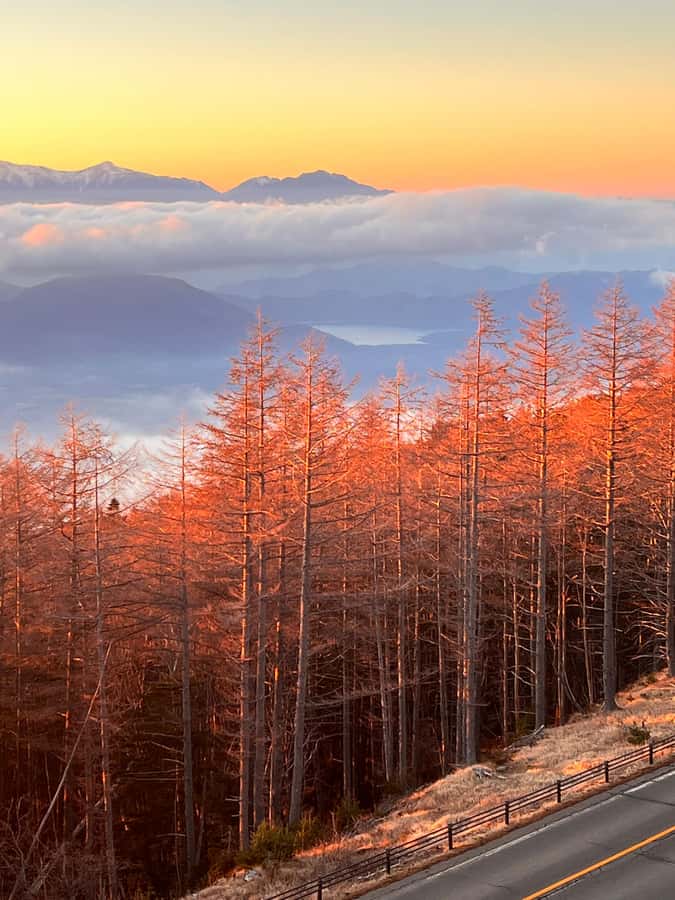
Subaru 5th Station is where the day changes gear. You climb to roughly 2,300 meters above sea level, and the goal is big, clean views: crater scenery, surrounding mountains, and distant lakes tied to the Fuji Five Lakes region.
Even if Fuji is partially hidden, the high viewpoint still gives you scale. You feel how dramatic the mountain is, and you get the sense that you’re not just looking at a postcard, you’re standing in the foothills of the real thing.
A thoughtful detail here is the shrine add-on at the station area: Tenjosan Komitake Shrine. It’s a calm break right where you want unobstructed sightlines, including views over Lake Yamanaka and Fujiyoshida City on clearer days.
Two practical tips for this part:
- Wear real walking shoes. Even short paths can be uneven.
- If you care about photos, ask your guide when to shoot, since weather windows can open and close fast around that elevation.
Chureito Pagoda and Fuji Sengen shrines: where photos meet quieter culture
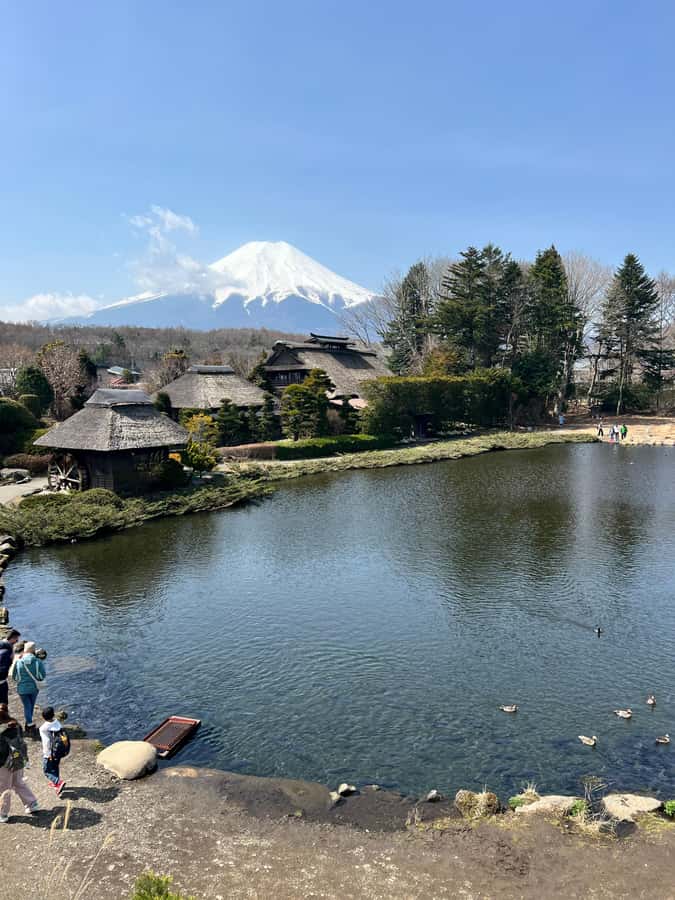
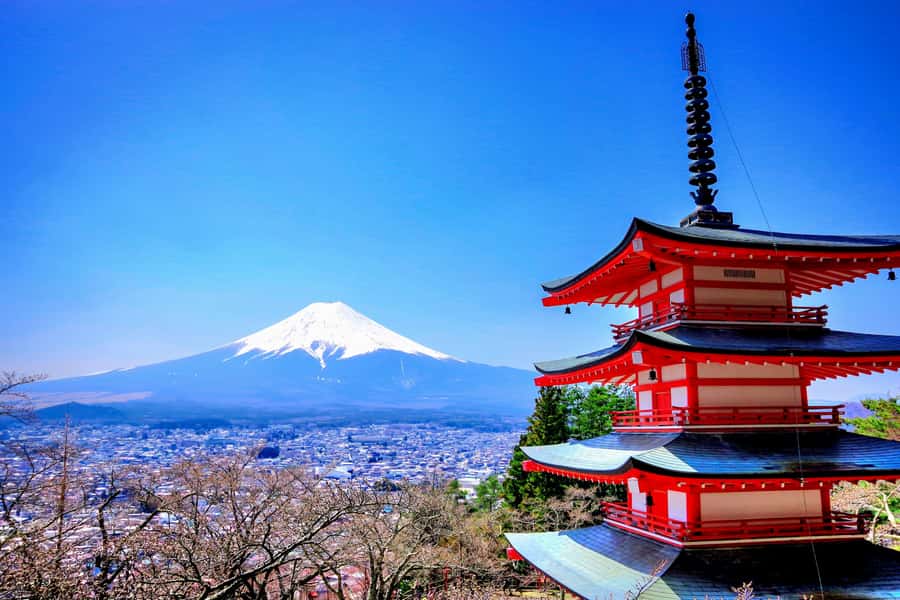
After Subaru 5th Station, the itinerary typically swings into Fujiyoshida City for classic Fuji scenery. Chureito Pagoda is the headline here, a striking multi-story pagoda in Arakurayama Sengen Park. In good weather, it’s one of the easiest Fuji-photo scenes to recognize instantly, and autumn foliage or cherry blossom season can make it even more special.
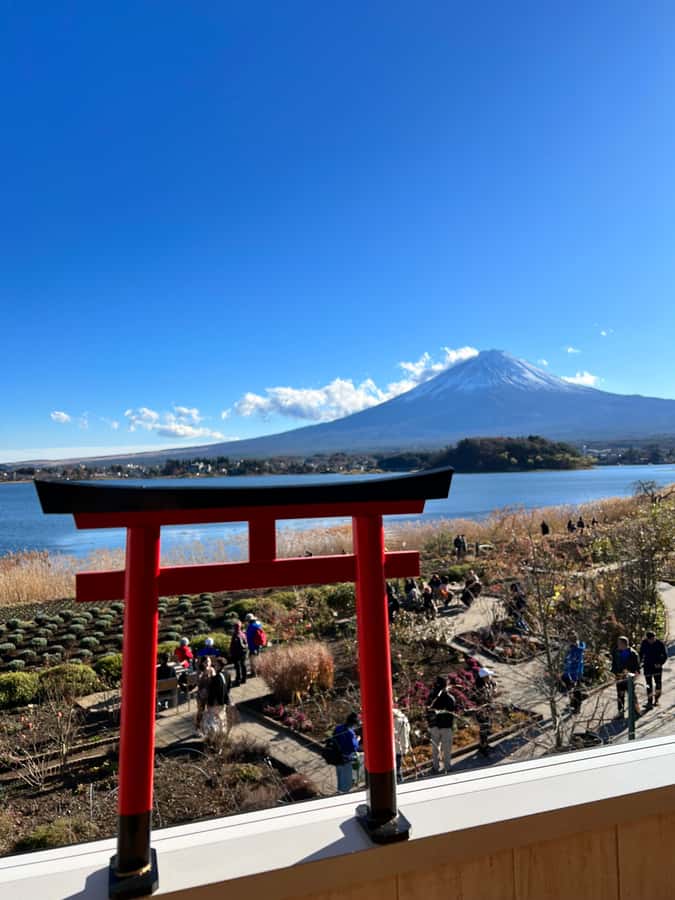
But the real cultural texture comes from the Fuji shrines. Kitaguchi Hongu Fuji Sengen Shrine is one of the key stops, known for its red torii gates and an especially peaceful vibe. You also get the walk among very old cedar trees, plus stone lanterns lining the path, which turns what could be a quick stop into a more grounding one.
What I like about including both pagoda and shrine stops is balance. You get the visual punch of a famous landmark, then you slow down with a ritual space tied to Fuji worship and local tradition.
Potential drawback: these stops can be photo-heavy. If your group hates crowds, the advantage is still your private guide, who can help time the visits to avoid the worst congestion.
A few more Tokyo days to weigh up
- 1-Day Tokyo Bus Tour
★ 5.0 · 14,250 reviews - Tokyo: TOKYO SKYTREE® Admission ticket
★ 4.5 · 11,192 reviews - Tokyo: teamLab Planets TOKYO Digital Art Museum Entry Ticket
★ 4.6 · 9,779 reviews - Tokyo: Sumo Show Experience with Chicken Hot Pot and a Photo
★ 4.8 · 6,678 reviews
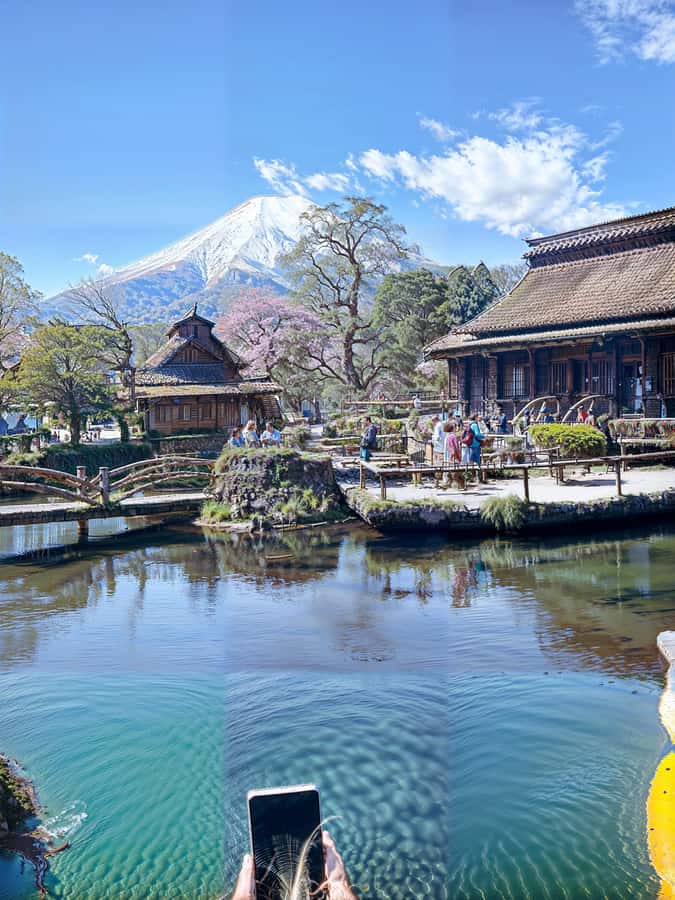
Oshino Hakkai: eight ponds from Fuji’s snowmelt
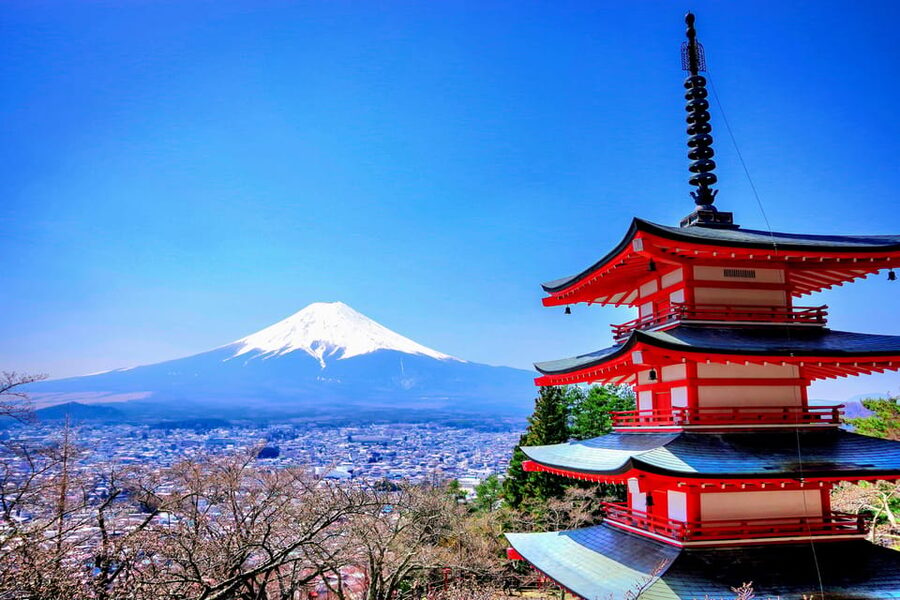
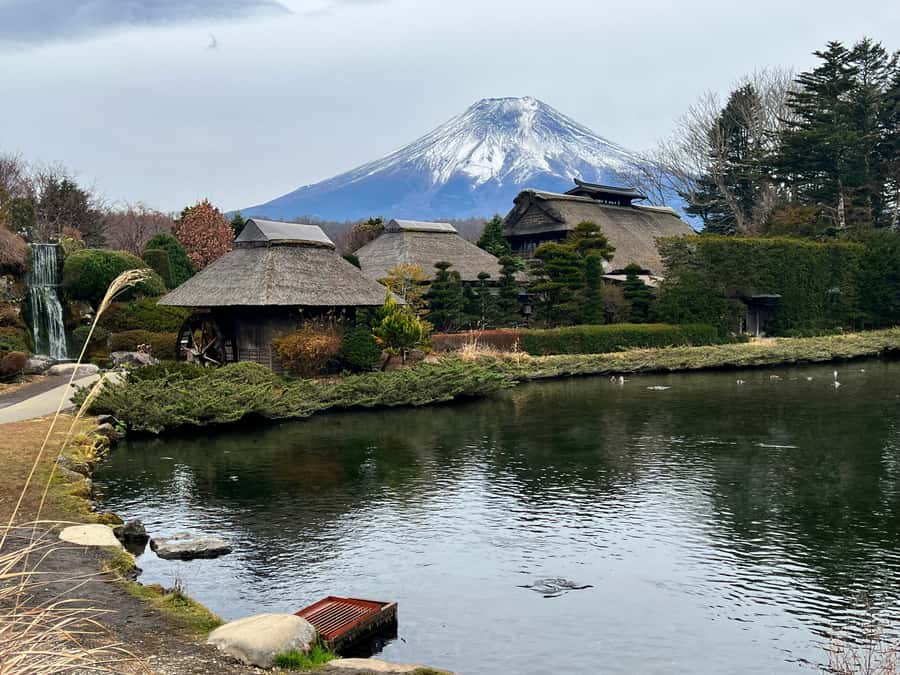
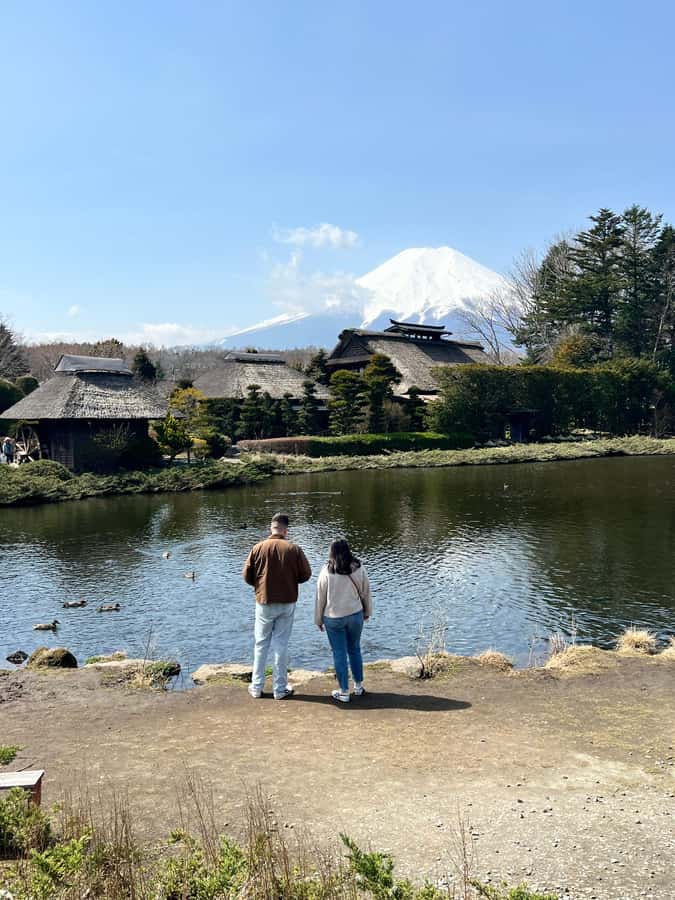
Oshino Hakkai is one of those places where the pace naturally softens. The village centers on eight ponds formed by melting snow from Mount Fuji. The scenery is peaceful and walkable, and the ponds make it easy to understand why Fuji matters beyond looks.
This stop is also good weather insurance. Even when Fuji isn’t cooperating, the ponds and village atmosphere still deliver something satisfying. You can stroll at an easy pace, look into the water, and enjoy the traditional-feeling surroundings without needing to sprint between viewpoints.
One practical note: bring cash. Several places in this area can be card-unfriendly, and you’ll be more relaxed if you have yen for snacks, small souvenirs, or ice cream.
Hakone National Park: Lake Ashi and Owakudani in one day
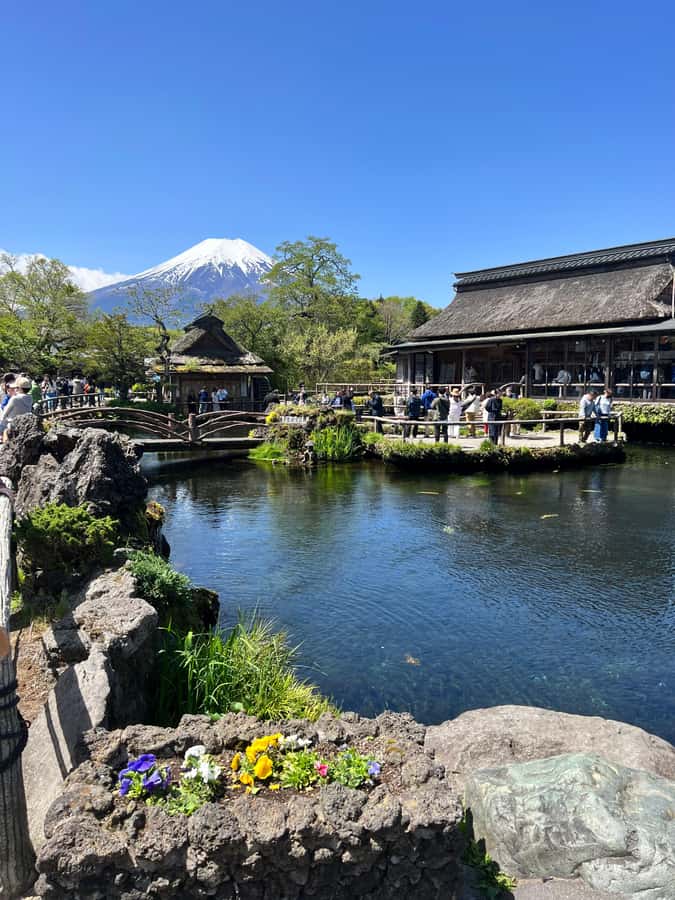
Once you cross into Hakone, the scenery shifts from mountain-and-lakes to volcanic drama. Hakone is famous for hot springs, scenic lakes, and landscapes shaped by past volcanic activity. This is where you feel the contrast to Fuji’s snowy symbolism.
Owakudani is typically the volcanic highlight. The area is known for sulfur activity, and you’ll often see people buying the famous black eggs tied to the hot spring zone. The photos are dramatic, but the bigger value is how different it feels from the Fuji-side scenery you already saw.
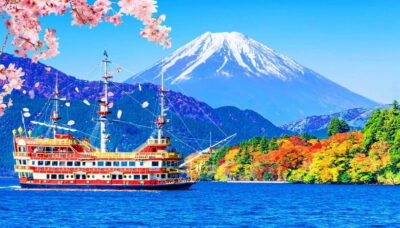
From there, you usually head toward Lake Ashi. Lake Ashi is the emotional payoff for many people because it frames the Hakone world with water and mountain views. If you add the Lake Ashi pirate cruise option, you trade walking for a relaxed ride. Multiple guides have been praised for recommending this cruise because it helps you get the best angles without tiring your legs.
Then there is the Hakone Ropeway or cable car option. If you’re up for it, it gives you observation views over Lake Ashi and the surrounding area, plus the kind of perspective that makes the valley feel bigger than it does from ground level. Your exact timing will depend on which optional ticket slots you choose.
Hakone Open Air Museum: art that works with the setting
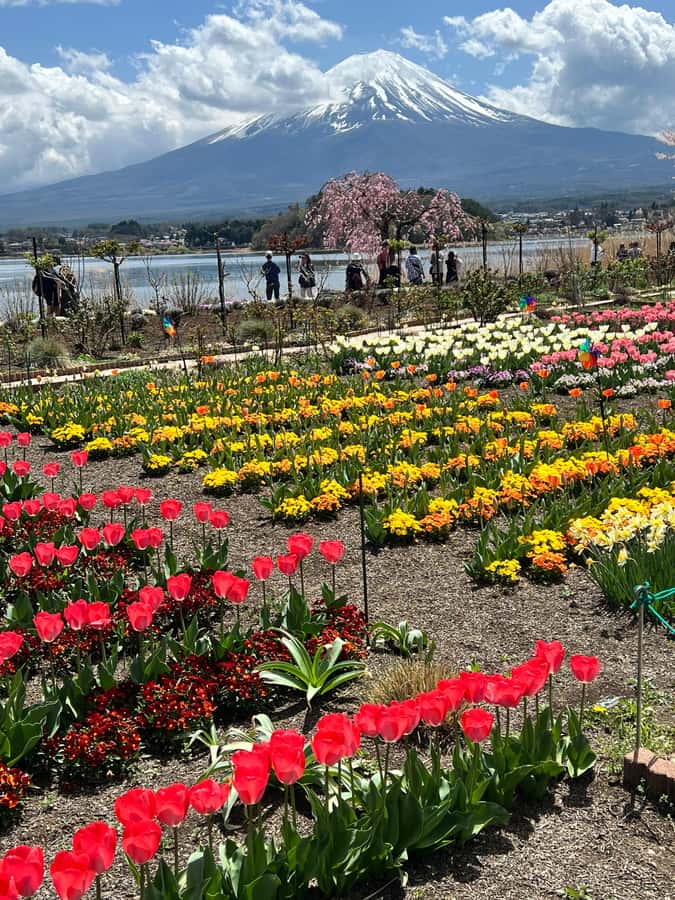
The Hakone Open Air Museum gets included in many versions of this tour plan, and it’s worth treating as more than a ticketed stop. The museum layout encourages gentle strolling, and the views of the hills and surrounding scenery make it feel like a park day as much as an art day.
You also get a good rhythm break between more intense sights like Owakudani and viewpoint rides. If you’re traveling with kids, the variety of pieces can keep attention longer than the average one-stop museum, as long as you plan a little time to wander.
If you want to control your budget, note that museum entry is not included. Still, it’s a strong add-on because it’s a “slow” activity inside a day that is otherwise heavy on scenery stops.
Optional adds: what’s actually worth paying extra for
This tour includes a mix of core stops and optional upgrades. The big ones are:
- Lake Ashi pirate cruise (optional)
- Hakone ropeway or cable car (optional)
- Hakone Open Air Museum entry ticket (not included)
I’d treat the cruise as the most forgiving add-on. It gives you big views with minimal effort, and it often feels like the most relaxing use of time mid-day.
The ropeway/cable car is best if you want height and perspective. If clouds are thick, it can still be enjoyable, but your payoff is clearer skies.
And for the museum, decide based on your group. If you like sculpture, outdoor exhibitions, and slow walks, it’s a great match. If you prefer strictly “see and move,” you might skip it to protect your energy for viewpoints and photo time.
Timing, photos, and how guides help you beat the day
A lot of the standout feedback from guides centers on timing, not just driving. People praise guides like Hadi, Ali, Nomi, Sam, and Zia for building a day that avoids the biggest crowds and lines when possible.
That sounds small, but it matters. When you spend less time standing in queues, you spend more time actually looking, taking photos, and enjoying lunch without rushing.
Guides also commonly help with practical photo logistics. You’ll see mention of photo assistance, and it’s a real advantage in a place where the best angles change as the light and weather shift. Ask your guide directly where to stand and when, especially around Lake Ashi viewpoints and the pagoda area.
Money and logistics: cash and summer Subaru 5th Station rules
Two money issues come up repeatedly in the real-world planning:
- Cash is useful. The tour asks you to bring cash, and at least one on-the-ground fee is cash-based when it’s not included. Also, some small places may be cash-friendly rather than card-friendly.
- Mt Fuji entrance fee is 2,100 yen per group. You should expect to pay this during the day.
Then there’s the summer rule that can change your Subaru 5th Station plan. From 1 July to 30 September, private vehicles are not allowed to enter the Fuji Subaru line (5th station). If you want to reach 5th station in that window, you’ll go by shuttle bus, with an extra 2,500 yen per person charge.
That doesn’t mean you should skip the tour. It just means you should confirm with your guide early, and be ready for slightly different timing.
Pickup cost is another practical detail. If you’re picked up outside Tokyo’s 23 wards, there’s an extra 5,000 yen pickup charge, paid in cash to the driver on the day.
Who this private trip fits best
This experience is ideal if you want:
- A single-day combination of Mount Fuji and Hakone, not separate trips
- A private van that makes short stops realistic
- A guide who can adjust to weather and crowds
It’s also a smart choice for families, since you can reduce transfers and keep the day moving without the repeated logistics of trains and buses.
If you are the type who likes to control the pace completely and wander without any guidance, a private tour can still work, but you’ll want to communicate your preferences early. The best results happen when you give your guide your must-sees and your walking comfort level.
If you’re very mobility-limited, you should be cautious. The itinerary includes walking areas like shrine paths and village strolls, and while the guide can help with pacing, the day is still built around outdoor sightseeing.
Also note one safety filter: it is not suitable for people over 95 years.
Should you book this Mount Fuji and Hakone private day trip?
If your main goal is to see Fuji and Hakone together, this is an easy yes for many people. The private format saves time, and the best guides in the mix, including Hadi and Ali, focus on smart routing and keeping the day smooth, even when the weather isn’t perfect.
Book it if you want classic Fuji photo spots plus Hakone’s volcanic and lakeside scenery, and you’re willing to handle the few extra costs like entry tickets, the Mt Fuji fee, lunch, and optional rides.
I’d think twice if you only want the clearest possible Mount Fuji views no matter what, because clouds can happen and the tour has to adapt. Still, even in cloudy conditions, you can come away with a memorable day by leaning into Hakone’s scenery and the cultural stops that don’t disappear when the mountain hides.
If you want, tell me your travel month and your group size, and I’ll suggest which optional stops to prioritize first, based on the seasonal Subaru 5th Station rules and the type of day you want.
Newly listed around Tokyo
- Tokyo private transfer for Yokohama Port★ 4.5 · 63 reviews
- Luxury Kimono Photoshoot at Ginza Tokyo★ 5.0 · 7 reviews
- Tokyo Allstar Food Tour★ 4.5 · 206 reviews
- Tokyo Art Aquarium Museum E-Ticket with optional Tokyo Metro Pass★ 5.0 · 17 reviews
- Tokyo: Best Ginza Food Tour at 3 Local Eateries★ 5.0 · 83 reviews
- Private One Day Nikko Tour with Bilingual driver★ 3.5 · 11 reviews
- PRIVATE tour in 180SX to Daikoku+++++★ 5.0 · 6 reviews
- Kabuki Talk★ 5.0 · 10 reviews
Mount Fuji Day Trips, compared.
Mt Fuji and Hakone 1-Day Bus Tour Return by Bullet Train
Read our review →
Mt Fuji & Hakone Cruise, Drum Show Bullet Train 1 Day from Tokyo
Read our review →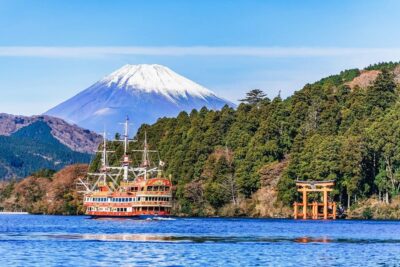
Tokyo Mt Fuji 5th St & Hakone Cruise Bus Tour w/Bullet Train
Read our review →
Mt. Fuji Tour, Hakone Ropeway, Owakudani, Lake Ashi
Read our review →
Mt.Fuji,Kawaguchiko Oishi Park,Arakurayama Sengen Park
Read our review →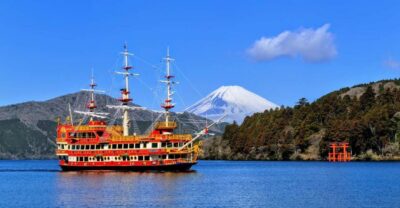
Mt. Fuji 5th Station & Hakone Cruise 1-Day Bus Tour
Read our review →
Mt Fuji Top 5 Spots Day Tour: Arakurayama Park,Oshino Hakkai
Read our review →Browse the lists this tour appears in