Review · FULL-DAY
Full Day Guided Tour to Kyoto and Nara from Osaka by Van
Kyoto and Nara in one day, without the train stress. I like how this tour uses an air-conditioned van with pickups in Osaka, so you spend your energy sightseeing instead of juggling transfers. I also love the idea that major entry fees are included, which makes the day feel smooth and predictable.
The best part is the flow: you hit Fushimi Inari, stroll Gion, then move on to Nara Park and Todaiji without long gaps or confusing logistics. One thing to consider, though: it is a full-day sprint, with set time blocks and plenty of walking, so if you want slow, deep study at every stop, you may feel a bit rushed.
In This Review
- Key highlights that make this Osaka to Kyoto and Nara day trip work
- Osaka pickup and the comfortable van rhythm
- Fushimi Inari Taisha and the torii gate climb (how the stop feels)
- Gion on foot, with lunch time and real streets to notice
- Nara Park arrival at Yumekaze Plaza: small buffer, big payoff
- Feeding the deer in Nara Park: timing, crackers, and photo strategy
- Todai-ji’s Nandaimon gate and Great Buddha Hall (what you actually get to see)
- Lunch in Kyoto: flexible and mostly self-directed
- The guide factor (why Taka and Jin show up in the good stories)
- Price and value: why it can feel fair at $96.52
- Tips to get better photos and less stress on a packed day
- Who should book this Kyoto and Nara van day trip
- FAQ
- What time does the tour start?
- How long is the full-day tour?
- How many people are in the group?
- Where are the meeting points in Osaka?
- Is lunch included?
- What is included in the price?
- Do I need tickets for Todai-ji?
- How much are deer crackers in Nara Park?
- Should you book this Kyoto and Nara day trip from Osaka?
Key highlights that make this Osaka to Kyoto and Nara day trip work
- Small group of up to 12 people, which usually means less waiting and easier meetup moments
- Van ride with WiFi and bottled water, so the long day feels more manageable
- English-speaking guide with included guiding, plus entrance to Todaiji
- Fushimi Inari’s 1,000 torii gates plus a realistic amount of time to climb and photograph
- Nara Park deer feeding time, including the practical heads-up about crackers during busy seasons
- Todai-ji main sights, from Nandaimon gate to the Great Buddha Hall, with UNESCO status
Osaka pickup and the comfortable van rhythm
This starts with a morning pickup in Osaka, either at Shinsaibashi or Umeda DT Tower, with the tour beginning at 9:45am. From there, the plan is straightforward: you roll by van for about an hour toward Kyoto, then keep moving through Kyoto and Nara on a packed but organized route.
The van itself matters more than you might think on a day like this. It is air-conditioned, and you get WiFi and bottled water onboard, which is handy when you are trying to coordinate photos, check train times for later, or simply recharge your phone battery for the next stop. And because the group is capped at 12 travelers, you are not stuck waiting for a big crowd every time you re-board.
The tour is also built for ease. Most stops are time-boxed, but you still get real time to see key areas, not just a quick drive-by. You will want comfy shoes, though, because the schedule assumes you can walk through shrines, approach paths, and temple grounds without slowing down the whole group.
A few more Osaka days to weigh up
- Osaka Go Karting Tour with Funny Costume
★ 5.0 · 2,658 reviews - Osaka Castle: Museum and Tower Entry Ticket
★ 4.5 · 2,380 reviews - Osaka: Shinsekai Food Tour with 13-15 Dishes at 5 Eateries
★ 4.8 · 2,204 reviews
Fushimi Inari Taisha and the torii gate climb (how the stop feels)
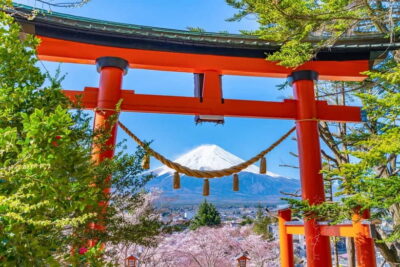
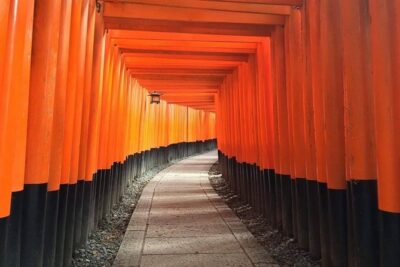
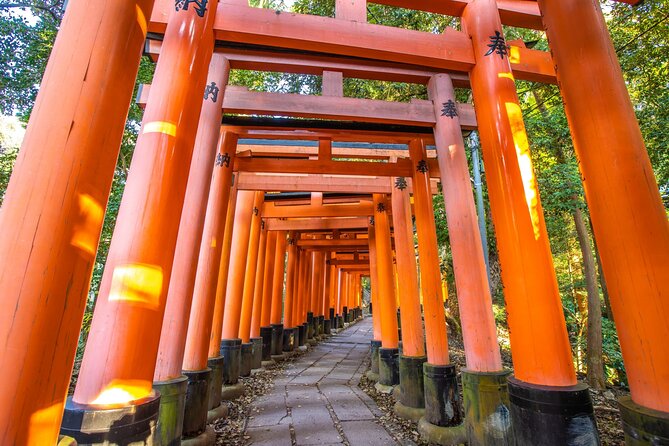
Fushimi Inari Taisha is the kind of place that pulls you in even if you think you only came for the famous photos. The shrine has been around since 711, and it is dedicated to Inari, the Shinto god associated with rice. The standout here is walking through the hillside tunnels of torii gates, often described as a sea of orange that keeps going farther than you expect.
You get about 1 hour at Fushimi Inari, which is a smart time allotment for most people. With that window, you can reach a strong viewpoint and still have time to move back down, grab photos without feeling frantic, and rejoin the group. If you love taking pictures, you will appreciate that the stop is structured to let you do both, walk and shoot, instead of just rushing past.
Practical note: the torii gates can feel crowded around the most photogenic stretches. Going in the morning helps, and having a guide to steer you to the right spots can save time because you are not trying to guess which gate cluster is most worth your effort in real life.
Gion on foot, with lunch time and real streets to notice
After Fushimi Inari, you move into Kyoto with a stop at Gion, one of the city’s best-known traditional districts. This is not a museum-style stop. It is a walking area where you can slow down just enough to notice old street layouts and the feel of classic Kyoto.
You get about 1 hour 30 minutes here, and that includes lunch and free time. The tour gives you space to choose your own meal from the many options nearby, plus time to browse souvenir shops in older-style streets. If you are lucky, you might spot a Geiko or Maiko walking around the district, since that kind of sight can happen in Gion.
Here is how I’d think about the Gion portion if you are deciding whether to book: it is a chance to experience Kyoto’s old-town vibe without spending the whole day tracing neighborhoods on your own. You are not just ticking boxes. You get a real taste of the district, with enough flexibility to match your pace.
Potential drawback is also obvious. Because this is one of several stops, the Gion time is not long enough for a deep neighborhood wander. If you want to treat Gion like a separate half-day outing, you will probably want to come back later on your own.
Nara Park arrival at Yumekaze Plaza: small buffer, big payoff
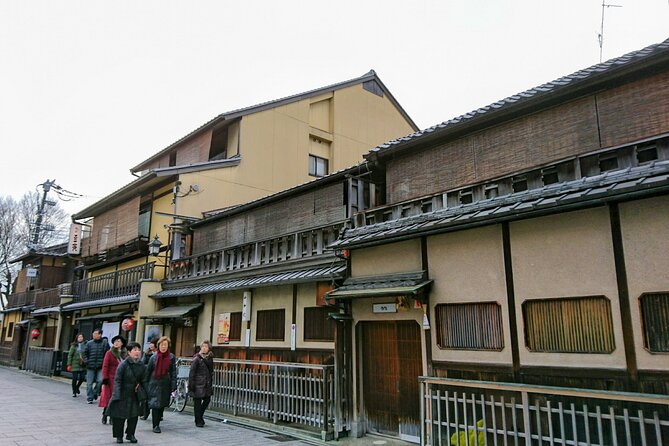
To keep the day comfortable, the tour includes a short stop at Yumekaze Plaza before you go deeper into Nara Park. You get a 20-minute break, which is mainly there for a bathroom stop so everyone can reset before the deer section.
That might sound minor, but it makes a difference. Nara Park is an outdoors-heavy, photo-heavy stop. If you have a quick planned break, you spend less time searching for facilities and more time enjoying the part you actually booked for, seeing the deer and the famous temple area nearby.
Then it is on to Nara Park itself.
A different sort of day in Japan:
- Osaka Food Tour: 13 Dishes at 5 Local Eateries
★ 5.0 · 2,149 reviews - Hungry Osaka Street Food Tour:15 Tastings & 3 Drinks with a Local
★ 5.0 · 1,727 reviews - Osaka: teamLab Botanical Garden Entry Ticket
★ 4.5 · 1,710 reviews - Osaka: Tea Ceremony Experience
★ 4.9 · 1,426 reviews
Feeding the deer in Nara Park: timing, crackers, and photo strategy
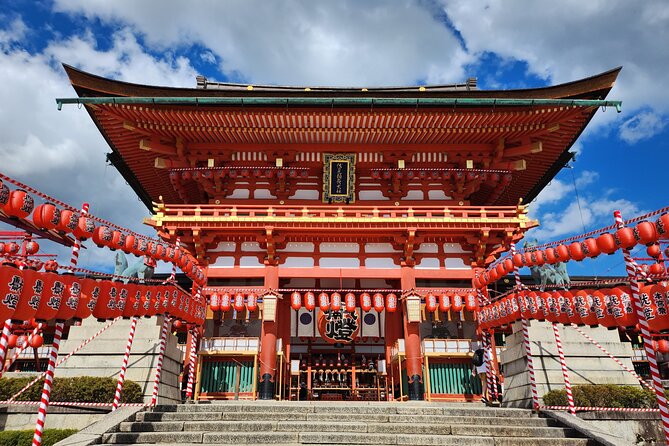
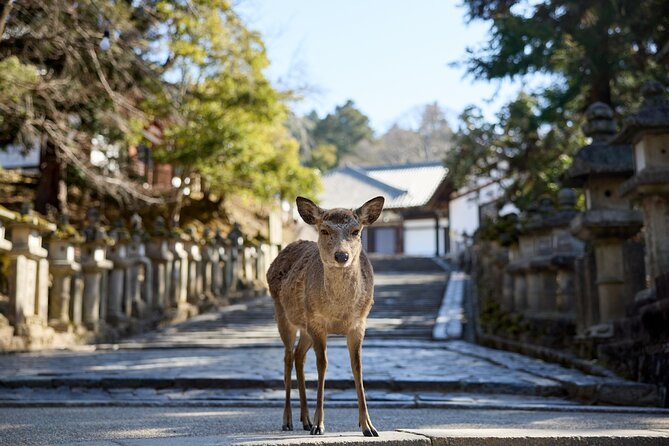
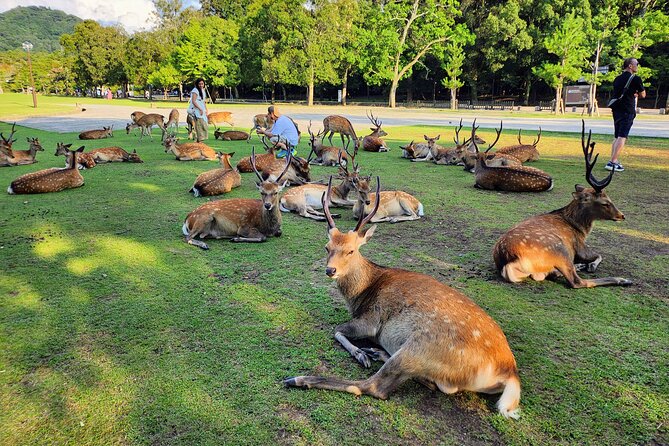
This is the headline experience for many people for a good reason. Nara Park is where the deer are famous for their friendly, expectant behavior, including the classic bowing. Your guide talks about the history of Nara and the nearby temples while helping you feed and interact with the deer.
You have 1 hour here, which is a reasonable length if you want to do the basics well: watch, feed, take photos, and still have time to walk a little beyond the busiest edges. You also get context from the guide, which helps you understand what you are looking at beyond the cuteness factor.
About deer crackers: vendors sell them for 200 yen per pack. During heavier seasons, crackers can be in short supply, and the operator notes that sell-outs can happen early in the afternoon during peak periods like cherry blossom season. The practical takeaway for your planning is simple: if you arrive later in the day, you may still want to rely on the tour to have a plan for feeding time rather than assuming you can buy crackers at the last minute.
Photo strategy tip: aim for steady shots first, then save the most action-heavy photo attempts for the moment the deer are most responsive. If you are holding crackers, keep your grip secure and avoid sudden moves.
Todai-ji’s Nandaimon gate and Great Buddha Hall (what you actually get to see)
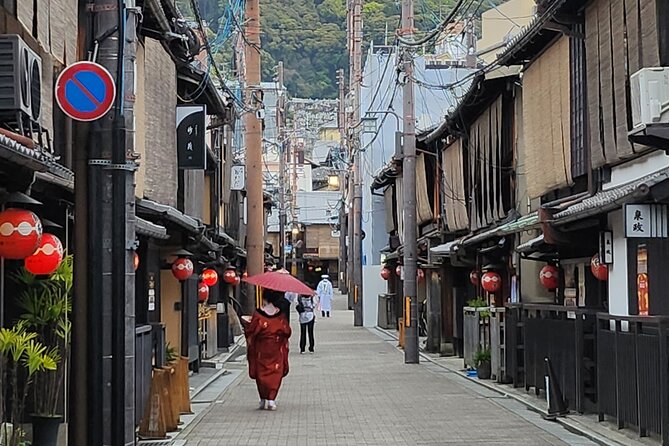
Todai-ji is where Nara shifts from lively and playful to awe-inspiring. The tour hits it in two parts, starting with Todai-ji Nandaimon, the Great South Gate. You get about 45 minutes here to walk the approach and appreciate the scale.
The Nandaimon gate is massive, with a height of roughly 25.5 meters. You will also see the Ni-o guardian statues positioned at the gate. Even if you are not a temple architecture nerd, you feel the intimidation factor in a good way. This is one of those moments where the place does the work for you.
Then you step into Todai-ji Temple itself, with 1 hour 20 minutes allotted, and this part includes the admission ticket. The Great Buddha Hall is described with big-world numbers: it is about 57 meters wide, 50 meters deep, and 48 meters high. The hall dates back to a completion around 751, with destruction and rebuilding across centuries, and the current building dates to 1709. It is also a UNESCO World Heritage Site (registered in 1998), which gives you a reason to take a breath and slow down for a few minutes once you are inside.
If you only have one temple stop in Nara, this is the one. It gives you both a dramatic gate moment and the major interior you came for.
Lunch in Kyoto: flexible and mostly self-directed
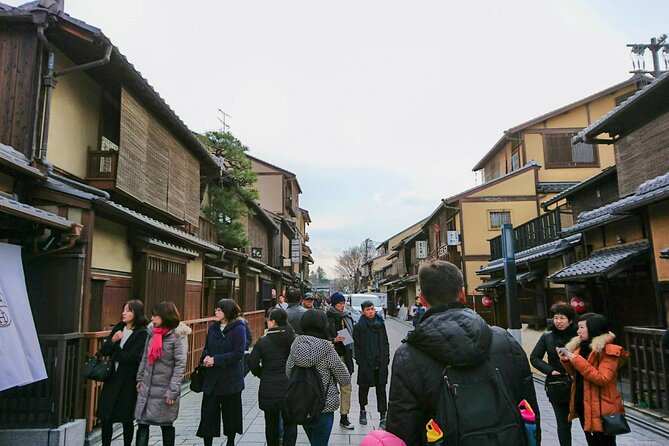
Lunch is not included as a set meal. Instead, the tour builds in free time in a designated area in Gion so you can pick where to eat. This is a smart choice because Kyoto food preferences vary wildly, and you might be traveling with picky eaters or dietary needs.
The downside is that you will have to choose on the fly, and during peak hours the best places can be busy. The best plan is to treat lunch time as a practical window, not a restaurant hunt mission. If your guide suggests something, take it seriously, since they know which spots are easiest to manage when a group is on a schedule.
In the reviews data you provided, guides like Taka and Jin come up repeatedly for lunch guidance, including recommending solid options nearby. That matters because it helps you eat well without spending your limited time waiting.
The guide factor (why Taka and Jin show up in the good stories)
This tour depends on the guide, and that is normal for any group day trip. In the positive feedback you shared, Taka and Jin stand out for being energetic, organized, and patient, with explanations that make the shrines and temples easier to enjoy rather than just photograph.
A key thing I’d encourage you to do on arrival is a simple one: confirm the plan with your guide early and stick close when you move between stops. Where group tours sometimes get messy is when people drift, then everyone spends time searching or waiting.
Your schedule is time-boxed, so staying together is part of getting the best experience. If you keep that in mind, this tour tends to feel like the highlights tour you hoped it would be: you see a lot, you learn enough to make it meaningful, and you still have photo chances.
Price and value: why it can feel fair at $96.52
At $96.52 per person for a roughly 7 to 8 hour day, you are paying for three big things: transportation from Osaka by van, an English-speaking guide, and covered costs like entrance fees and taxes. The tour also includes bottled water and WiFi onboard, which is small but helpful.
What makes this value calculation different from a DIY day is that you are buying convenience and predictability. The tour specifically aims to skip public transportation transfers, saving you time and decision fatigue. If you have only a limited number of days in Osaka and Kyoto, that convenience can be worth more than it seems.
Also, entrance fees being included means you are not arriving at major sites and scrambling to confirm what ticket you need. That reduces stress on a busy day.
The fair warning: because the route is packed, you are not paying for a slow, deep cultural immersion. It is a curated highlights circuit, with guided context and practical timing.
Tips to get better photos and less stress on a packed day
Here are a few things that make the biggest difference on a day shaped like this:
- Bring comfortable shoes for shrine stairs and temple approaches. You will walk.
- Keep your phone charged. The van has WiFi, but you still want battery for photos.
- In Nara, be ready for deer crackers logistics. If you arrive when stands are busy, the tour planning helps most.
- For Fushimi Inari, plan to walk up, then return. Taking photos works best when you pick a few anchor spots instead of chasing every torii at once.
- If crowds slow the pace, your best option is to follow your guide and focus on key moments, not every side path.
One more practical point: the group limit is 12 travelers. That is a sweet spot, but it only helps if people stay together. You can help your own experience by staying close when you disembark and re-board.
Who should book this Kyoto and Nara van day trip
This tour makes sense if you:
- Want Kyoto and Nara from Osaka with minimal hassle
- Like structured sightseeing, not DIY route planning
- Want a small group size (up to 12) with an English guide
- Care about the big, photo-ready highlights like Fushimi Inari, Gion streets, Nara deer, and Todai-ji
It may be less ideal if you:
- Want slow, detailed temple study with lots of free wandering time
- Prefer full control over timing at each location
- Get frustrated when a shared schedule limits how long you can linger
FAQ
What time does the tour start?
The tour starts at 9:45am.
How long is the full-day tour?
It runs about 7 to 8 hours.
How many people are in the group?
The tour has a maximum of 12 travelers.
Where are the meeting points in Osaka?
You meet at either Shinsaibashi or Umeda DT Tower.
Is lunch included?
Lunch is not included. You get free time in a designated area in Kyoto to choose your own lunch.
What is included in the price?
Included items are an air-conditioned vehicle, all fees and taxes, WiFi on board, an English speaking guide, and bottled water. Admission for Todaiji is included.
Do I need tickets for Todai-ji?
Yes, but admission for Todai-ji is included in the tour.
How much are deer crackers in Nara Park?
Deer crackers are sold by vendors for 200 yen per pack.
Should you book this Kyoto and Nara day trip from Osaka?
Yes, I think you should book it if you want a high-success day with minimal stress. This is one of those rare formats where the van actually helps, the group size keeps things manageable, and the itinerary hits the biggest “must-see” moments without leaving you stuck figuring out transport.
I would especially book if Nara deer feeding and Todai-ji are on your short list, and if you like having an English guide explain what you are seeing as you move. Just go in knowing it is a full-day schedule, so wear good shoes, stay close to the group, and treat it like a highlights tour with enough context to make those highlights stick.
Newly listed around Osaka
- 2 Hours of Bar Hopping in Osaka Style★ 5.0 · 22 reviews
- Same-Day Osaka Food Crawl with local food and Hidden gems★ 5.0 · 114 reviews
- Osaka Authentic Local Izakaya Hopping Experience: Food & Drinks★ 5.0 · 99 reviews
- Well-balanced BENTO (lunch box) Cooking Class★ 5.0 · 35 reviews
- Anime Cosplay Photshoot-50 Digital Photos Provided★ 5.0 · 8 reviews
- OSAKA:Feel the Power! Learn Taiko Drum from Professionals★ 5.0 · 28 reviews
- Three Types of Ramen Cooking Class in Osaka★ 5.0 · 119 reviews
- Urban Canvas: Osaka Street Art Bike Tour★ 5.0 · 47 reviews
Full-Day, compared.

Mount Fuji Full-Day Private Tour from Tokyo (Customizable)
Read our review →
Hiroshima / Miyajima Full-day Private Tour with Government Licensed Guide
Read our review →
Full-Day Guided Bus Tour to Top Highlights & Tickets
Read our review →