
Review · SAKE BREWERY VISITS
Ginza, Tokyo: Sake Experience with traditional vessels
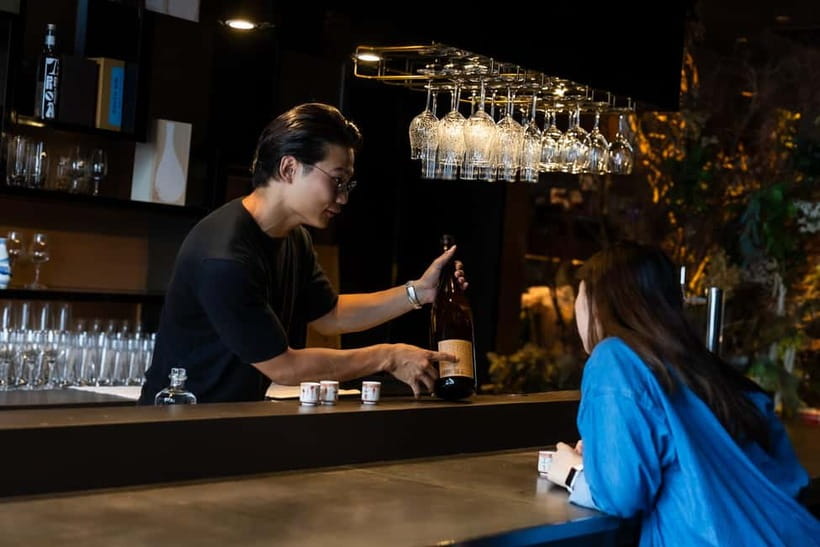
Tokyo Bay and sake, in one sitting. This Ginza bar tasting is built around a simple idea: the vessel changes how sake tastes. I like that you sample three different types of sake in one session, then get real context on how and why it is enjoyed. One thing to consider is that the experience is alcohol-based, and it is not listed as suitable for a long list of medical situations.
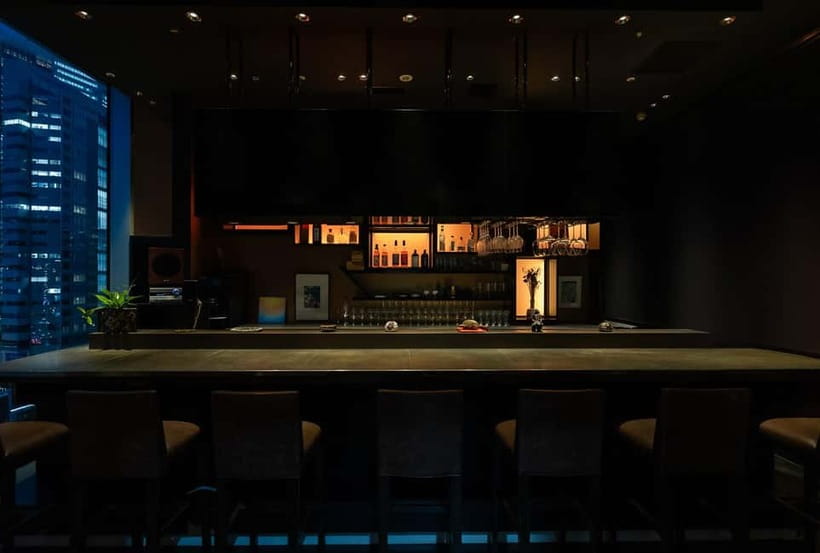
You start in Ginza, at the JEWEL BOX GINZA building, then head up to the 11th floor for the tasting. The bar looks out toward Tokyo Bay, so even a short session feels like a proper night out, not just a quick pour and pass. Expect a small group capped at 7, which helps the bilingual staff actually explain what you are tasting.
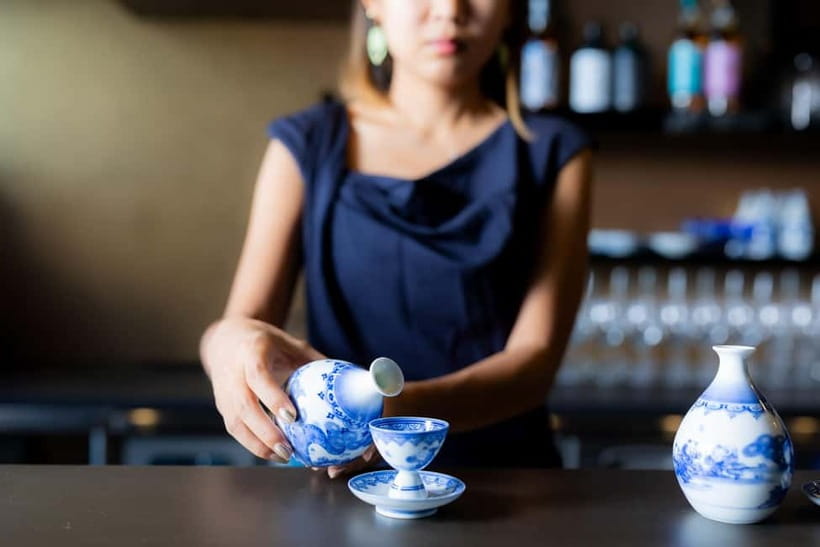
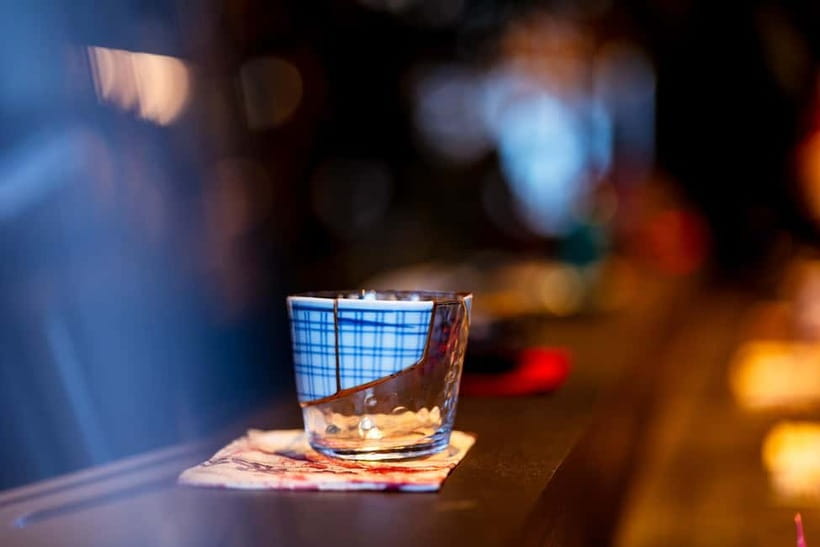
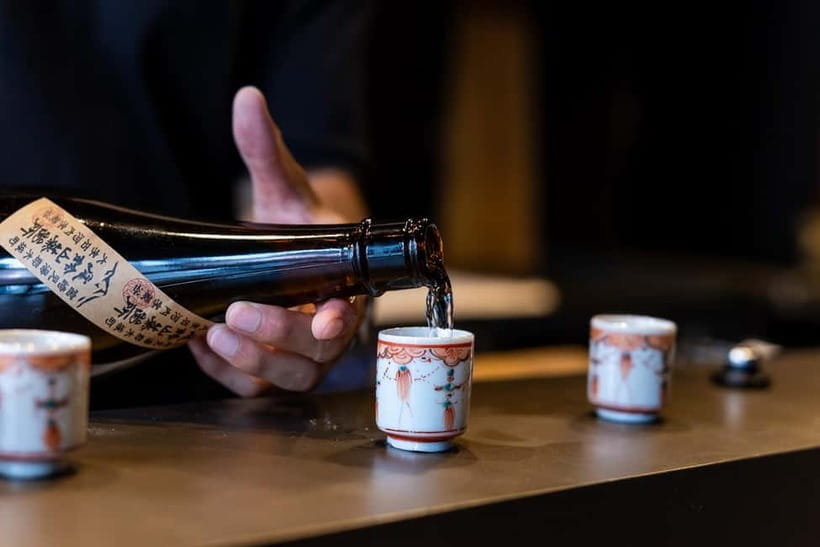
The most useful part is the practical lesson on the right way to drink sake. Some pours are paired with wine glasses, while others come through KINTSUGI presentation using 400-year-old Imari porcelain, which makes the cultural angle feel tangible, not theoretical.
In This Review
- Key highlights to know before you go
- First stop in Ginza: the 11th floor sake bar with a Tokyo Bay view
- The tasting setup: 3 sake types, one guided path for first-timers
- Vessel matching matters: wine glasses versus KINTSUGI with Imari porcelain
- The staff talk: sake culture, plus real travel tips for your Japan day
- What you should plan for: duration, group size, and what is included in the $22
- Who should book this Ginza sake experience, and who should skip it
- Should you book it? My take on the best use of your time
- FAQ
- Where is the meeting point for the sake experience?
- How long does the experience last?
- How much does it cost?
- What languages are used during the experience?
- How many people are in the group?
- What is included in the price?
- Are additional drinks, snacks, or extra sake included?
- Is it wheelchair accessible?
- Who is it not suitable for?
- FAQ
- Can I cancel and get a full refund?
- What does reserve now & pay later mean?
Key highlights to know before you go
- Three sake samples chosen for a first-time tasting path, so you get variety without feeling lost
- Vessel pairing lesson, including wine glasses and KINTSUGI presentation
- Tokyo Bay view from the bar, turning a tasting into a small Ginza experience
- Bilingual staff explanations that cover sake culture and what you are tasting
- Small group of up to 7, so Q and A does not feel rushed
First stop in Ginza: the 11th floor sake bar with a Tokyo Bay view
Ginza is famous for polish, and this experience leans into that mood. You will meet at the JEWEL BOX GINZA building, then go up to the 11th floor, where there is a bar setting designed for tasting. The lobby clue is easy: Swarovski is on the 1st floor, so you can orient fast.
From there, the setting is the hook. The bar looks toward Tokyo Bay, so your sake tasting happens with a real view in the background. That matters because sake bars can sometimes feel like underground classrooms. Here, the atmosphere keeps it relaxed while the staff talks you through what you are drinking.
The group size also shapes the vibe. With a maximum of 7 participants, you are not trapped in a loud, crowded room. It is the kind of setup where you can ask a question and get a clear answer, and that is especially valuable if you want help understanding sake styles without sounding like you are taking a test.
One practical note: you are there for the tasting first, and for travel ideas second. The staff also plays the role of concierge, sharing trip tips and recommendations as part of the experience.
More Drinking Tours in Tokyo
- Tokyo Bar Hopping Tour in Shinjuku (All-You-Can-Drink + Dinner)
★ 5.0 · 3,587 reviews - Tokyo: Shinjuku Local Bar and Izakaya Guided Walking Tour
★ 4.9 · 1,794 reviews - Shibuya Meltdown Nightlife Tour: All-You-Can-Drink Bar Hopping
★ 5.0 · 1,058 reviews
The tasting setup: 3 sake types, one guided path for first-timers
This is not a free-for-all tasting menu. The format is built around selecting three types of sake that work well as a first-time introduction. Japan has about 1,500 sake breweries, and they are all tied to local regions and food traditions. This kind of curated selection helps you taste across styles without needing to understand every label on day one.
What I like about this approach, from a value standpoint, is that it reduces decision fatigue. When you try to “learn sake” on your own, you usually end up with random pours. Here, you get a deliberate set of samples, so your brain can compare flavors and notice differences, instead of just grabbing whatever is available.
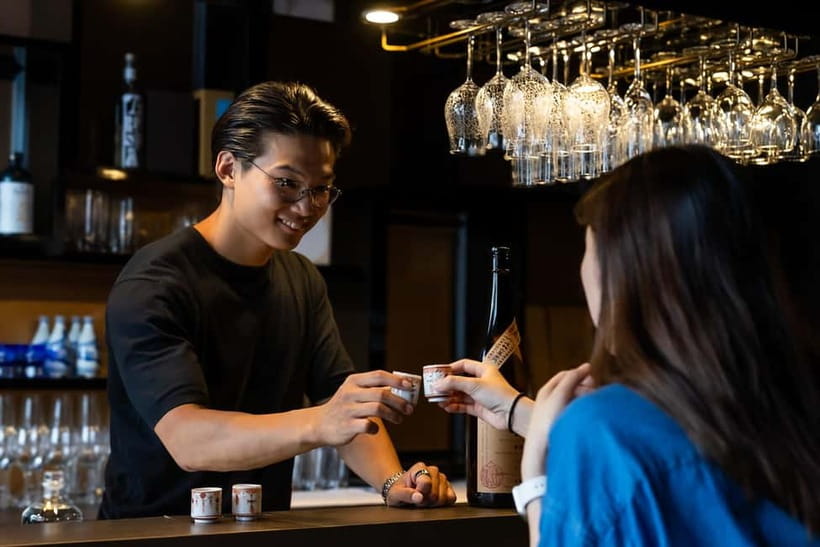
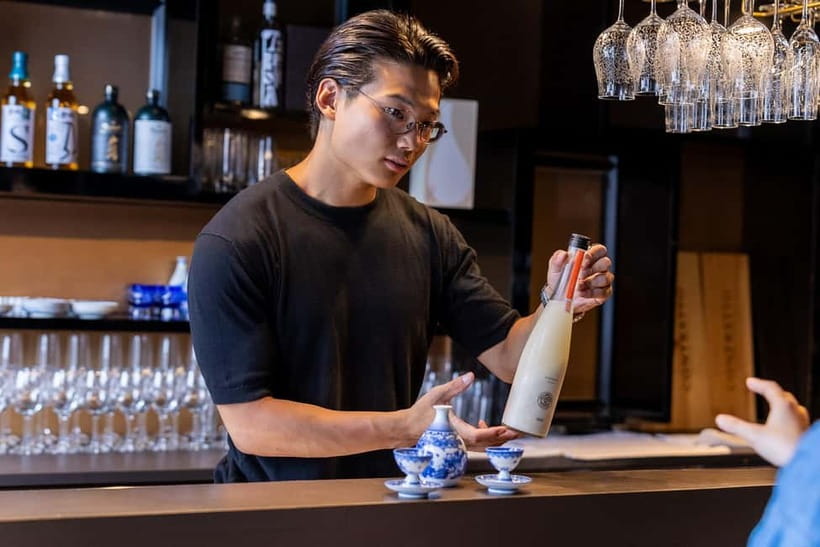
Also, the tasting is guided by a bilingual staff member. That means you can ask, in real time, why one sample tastes lighter or more pronounced, and how that relates to how it is served. You are not just drinking. You are getting language for the experience, which is what makes tastings stick.
In the reviews, people specifically mention hosts who explain the process and give helpful, friendly guidance. Names that come up include Rireka, Hiyori, and Nana. If you get one of these staff members, you will likely enjoy the extra friendliness, because the explanations are described as clear and personable.
Vessel matching matters: wine glasses versus KINTSUGI with Imari porcelain
Here is the part that makes this more than a standard tasting. Each sake type is paired with the kind of vessel that best brings out its characteristics. You might see some sakes served in wine glasses, and others presented with KINTSUGI using 400-year-old Imari porcelain.
Why does this matter for you as a visitor? Because sake is not a single flavor category. It changes depending on things like how it is made and what kind of sensory profile it has. A vessel can affect aroma and how you perceive balance, like how something feels on the nose and the finish. In other words, it is not just showmanship. It is part of the tasting logic.
Wine glass use makes sense if the goal is aroma control. A wine-shaped glass can concentrate and focus scent, which helps you notice subtle differences between samples. It also feels familiar in Japan, because many people can relate to wine glass shapes even if they are new to sake.
Then KINTSUGI changes the mood entirely. Using KINTSUGI presentation with Imari porcelain turns the experience into something visual and cultural. The mention of 400-year-old Imari porcelain is not small trivia. It signals that you are drinking in a space where craft, history, and design are part of the “how” of tasting, not just the background.
The practical takeaway is that you leave with a clearer sense of what to do next. After this, when you encounter sake served in different ways, you will know to ask why. That is how you turn one tasting into future better choices.
The staff talk: sake culture, plus real travel tips for your Japan day
The staff is doing two jobs at once. They guide the tasting, and they explain sake culture. Since the team is bilingual and the tasting instructor is English, you should feel comfortable asking questions even if sake is brand new to you.
The culture lesson is grounded and practical. You learn about how sake connects to place and tradition across Japan, which is especially helpful when you know there are thousands of breweries and you do not want your learning to feel random. The “first-time” tasting focus also helps you avoid the common problem of getting overwhelmed.
What makes the staff part especially strong is the tone described in the experience. People call hosts sweet, friendly, and supportive, and they specifically mention explanations about the process of making sake and what you are sampling. That is exactly what you want on a vacation: answers that make you feel included, not talked over.
The concierge side is also useful. The team provides travel tips and recommendations to enhance your trip. You are in Ginza, but you are not stuck in Ginza. If you ask about what to do next, you can get suggestions that fit the day you have left, rather than grabbing generic advice from the internet.
More Food Tours in Tokyo
- Tokyo: Shinjuku Food Tour (13 Dishes at 4 Local Eateries)
★ 5.0 · 6,603 reviews - Tokyo Tsukiji Fish Market Food and Culture Walking Tour
★ 5.0 · 3,184 reviews - Tokyo: Shinjuku Food Tour (15 Dishes and 4 Eateries)
★ 4.9 · 2,033 reviews - Tokyo: Tsukiji Fish Market Food and Walking tour
★ 5.0 · 1,724 reviews
What you should plan for: duration, group size, and what is included in the $22
This is priced at $22 per person for a 1 day experience. For Tokyo, that is a sensible deal if you are comparing it to typical tastings that only give you a couple of samples, or tastings without deeper context.
Here is the value breakdown as it affects your planning:
- You get three types of sake included in the session
- You get bilingual guidance that covers history and culture
- You get vessel pairings, including wine glass service and KINTSUGI with 400-year-old Imari porcelain
- You get the bonus of Tokyo Bay views from the bar
What is not included is important. Additional glasses of sake, and any other drinks or snacks are not included. So if you want a fuller food pairing night, you will likely plan that separately before or after your tasting.
Because it is a small group up to 7, I would also treat it like a “do this once” activity, not an endless sampler. It is designed for clarity, not for heavy drinking. If you are the type who wants to pace yourself and actually learn, this format is a good match.
Who should book this Ginza sake experience, and who should skip it
This experience is most suitable if you:
- Want a first-time sake tasting with a guided path
- Care about cultural context, not just the taste
- Like small group settings where you can ask questions
- Are visiting Ginza and want something that uses the location well, with the Tokyo Bay view
It is also wheelchair accessible, which is a helpful practical detail.
Now, the “do not book” list is not small. It is marked as not suitable for:
- Pregnant women
- People with claustrophobia
- People with heart problems
- People with vertigo
- People with respiratory issues
- People with epilepsy
- People with diabetes
- People with a cold
- People with haemophilia
- People with kidney problems
- People with high blood pressure
- People with recent surgeries
- Children under 18 years
- Children under 33 lbs (15 kg)
- People with lactose intolerance
If any of those apply, I would skip this experience for safety reasons, even if it sounds perfect on paper.
Should you book it? My take on the best use of your time
I think this is a smart booking when you want a short, focused sake lesson in Ginza. For the money, you are getting three samples, vessel pairing, bilingual cultural context, and a Tokyo Bay view, all in a small group setup. That combination is not common if you shop purely by price.
Book it if you like structured tastings and you enjoy learning how small choices like the vessel affect what you taste. You will come away with a better sense of how to order sake elsewhere, and what to ask for when a bar offers different serving styles.
Skip it if you are looking for a long tasting party with extra drinks and snacks. This experience is designed to be neat and guided, and extra pours are not included.
If you are in the Ginza area and you want one memorable, culture-forward evening that does not require hours of planning, this is a strong yes.
FAQ
Where is the meeting point for the sake experience?
Meet at the 11th floor of the JEWEL BOX GINZA building, where Swarovski is on the 1st floor.
How long does the experience last?
It is valid for a 1 day session. Specific starting times depend on availability.
How much does it cost?
The price listed is $22 per person.
What languages are used during the experience?
English is used, and the staff is described as bilingual.
How many people are in the group?
The group is small, limited to 7 participants.
What is included in the price?
You get a bilingual staff member sharing the history and culture of sake, three types of sake for tasting, and specific vessels for each sake, including wine glasses and KINTSUGI with 400-year-old Imari porcelain.
Are additional drinks, snacks, or extra sake included?
No. Additional glasses of sake and any other drinks and snacks are not included.
Is it wheelchair accessible?
Yes, it is listed as wheelchair accessible.
Who is it not suitable for?
It is not suitable for pregnant women, people with claustrophobia, heart problems, vertigo, respiratory issues, epilepsy, diabetes, a cold, haemophilia, kidney problems, high blood pressure, recent surgeries, children under 18, children under 33 lbs (15 kg), and people with lactose intolerance.
FAQ
Can I cancel and get a full refund?
Yes. Free cancellation is available up to 24 hours in advance for a full refund.
What does reserve now & pay later mean?
You can reserve your spot and pay nothing today, keeping your plans flexible.
More Food & Drink in Tokyo
- Shinjuku Izakaya Food Tour
★ 5.0 · 1,041 reviews - Eat and Drink Like a Local: Tokyo Ueno Food Tour-Taverns&Ramen
★ 5.0 · 957 reviews - Tokyo: Shibuya Food Tour (13 dishes and 4 Eateries)
★ 5.0 · 770 reviews - Tokyo: Tsukiji Fish Market Food and Culture Walking Tour
★ 4.7 · 757 reviews
More Sake Tastings in Tokyo
- Ramen and Sushi Cooking Class with Sake Pairing Set in Tokyo
★ 5.0 · 291 reviews - Sake Tasting Masterclass in Shinjuku (8+ Varieties with a Pro)
★ 5.0 · 271 reviews - Sake Omakase in Tokyo: Guided Tasting by Certified Sommeliers
★ 5.0 · 239 reviews - Casual Japanese SAKE tasting and snack experience in Kabukicho
★ 5.0 · 159 reviews
Newly listed around Tokyo
- Graffiti in Tokyo Walking Tour: Shibuya and Harajuku★ 5.0 · 41 reviews
- Tokyo Oldtown: Historic Landmarks Go Kart Tour (100 Minutes)★ 5.0 · 8 reviews
- Wagyu Beef & Sake Pairing Foodie Tour in Tokyo★ 5.0 · 16 reviews
- Iconic Tokyo Uptown Landmarks Go Kart Tour (120 Minutes)★ 5.0 · 7 reviews
- Ginza Tokyo: Easy Matcha (Green Tea) Experience★ 5.0 · 7 reviews
- Full Tokyo: Meiji Shrine, Imperial Palace, Asakusa & Skytree★ 4.7 · 16 reviews
- GINZA: Go Kart Experience with NEO GINZA★ 4.9 · 30 reviews
- Full Day Tokyo City Private Tour Sightseeing Full Customised★ 4.7 · 8 reviews
Sake Brewery Visits, compared.
Kyoto Night Foodie Tour in Gion (9+ dishes + 6 Sake tastings)
Read our review →
1-Day Snow Monkeys, Zenko-ji Temple & Sake in Nagano
Read our review →
3-Hour Kyoto Insider Sake Brewery Tour with Tastings & Pairings
Read our review →
Arashiyama Bamboo, Temple, Monkeys, or Secret Sake Brewery
Read our review →
Nagano: Snow Monkeys, Zenkoji Temple & Sake Day Trip
Read our review →
Insider Sake Brewery Tour with Sake and Food Pairing
Read our review →
1.5-Hour Kyoto Insider Sake Experience with 7 Tastings & Pairings
Read our review →Browse the lists this tour appears in