
Review · SOBA & UDON MAKING CLASSES
Made from flour in 30min! Ramen-noodle Making Experience!
Ramen goes from flour to bowl fast here. In SOBAGIRI-RAKUJYO, you learn manual noodle cutting in a bright, open studio, then you eat what you made. I especially like the time efficiency and the clean, photo-friendly space that makes the whole thing feel like a real workshop, not a dusty back room.
One caution: you are not there to watch. This is an active class, and you need to order the meal, so it is not the right pick if you only want to observe.
In This Review
- Key takeaways before you go
- Asakusa Kappabashi Studio: the hands-on ramen workshop setup
- Your 50-minute flow: reception, washing up, cut-and-cook ramen
- Noodle cutting by hand: what you learn and why it matters
- Ramen flavors at meal time, plus snacks and your free drink
- Clean studio, pro photos, and small-group energy
- Price and value: what your $57 really buys
- Who should book SOBAGIRI-RAKUJYO, and who should skip it
- Tips to time it with Asakusa sightseeing and Kappabashi shopping
- Should you book this ramen noodle making experience?
- FAQ
- How long is the ramen noodle making experience?
- What is included in the price?
- What drink options are included with the free drink?
- Where do I meet for the experience?
- Can I watch without taking part?
- Is the experience wheelchair accessible?
- Are there age restrictions for children?
- Are there dietary restrictions?
Key takeaways before you go
- 30-minute noodle making plus cooking by staff means it fits smoothly into a half-day day in Asakusa.
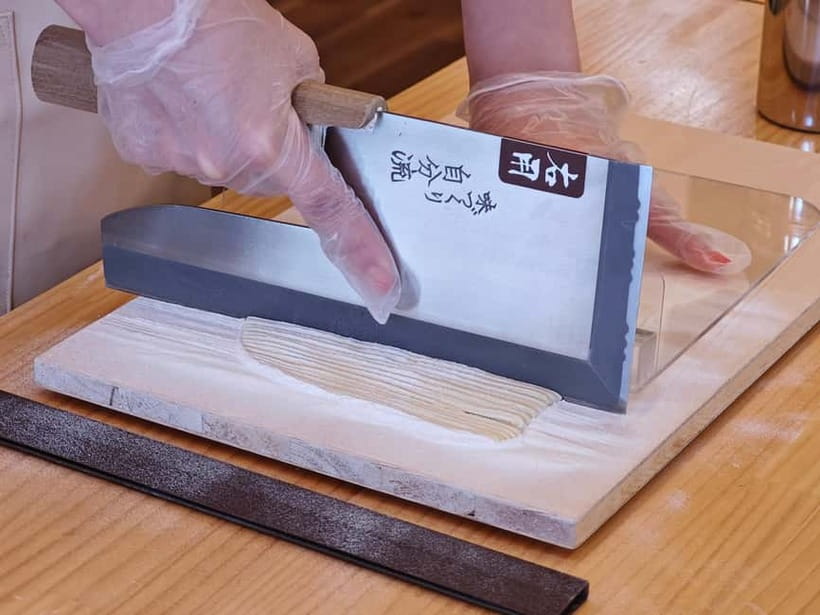
- Hands-on, knife-first technique teaches thin-strip cutting one by one, manually, with a large specialized noodle knife.
- Multiple ramen styles at meal time, including soy sauce, miso, shio, vegan, and vegan soup curry.
- One free drink (beer, highball, lemon sour, juice, non-alcoholic beer, and more) helps stretch the value of the $57 price.
- All-you-can-eat Japanese snacks from proud Japanese manufacturers keeps your hunger under control.
- Professional-style photos via QR help you avoid turning your phone into a flour museum.
Asakusa Kappabashi Studio: the hands-on ramen workshop setup
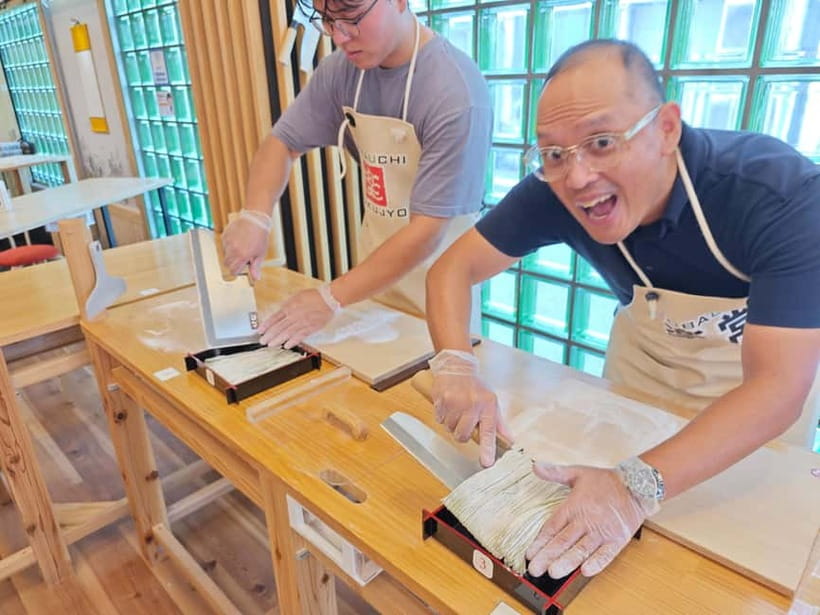
If you are already spending time around Asakusa and shopping the Kappabashi kitchen tool district, this is the kind of stop that feels made for your day plan. The workshop takes place at SOBAGIRI-RAKUJYO, on the first floor of their open-kitchen studio in the Kappabashi area, which is known for all the cooking gear and obsessive foodie browsing.
The space is a big part of why the experience works. It is bright, clean, and stylish, not dim, powdery, or cramped like some small workshops you might picture. You also get a decent amount of room for movement, and the interior decoration is designed to look good on camera, which helps if you want a few pictures without stress.
You start in a store setting with a very clear purpose: you are going to make noodles, not just watch someone else do it. That direct, interactive format is a huge plus for families and for food lovers who prefer learning through doing.
More Ramen Trips in Tokyo
- Eat and Drink Like a Local: Tokyo Ueno Food Tour-Taverns&Ramen
★ 5.0 · 957 reviews - Ramen & Gyoza Cooking Class in Tokyo with Local Supermarket Visit
★ 5.0 · 823 reviews - Tokyo: Mount Fuji and Hakone Full Day Tour with Ramen Making
★ 4.5 · 476 reviews
Your 50-minute flow: reception, washing up, cut-and-cook ramen
This is not a long, drawn-out class. The total time is about 50 minutes, and you can structure your day around it without the usual “we lost half the afternoon” feeling.
Here is the flow, step by step:
- Reception (about 10 minutes before your slot)
You arrive 10 minutes ahead. You then prepare by washing your hands.
- Ramen noodle making (about 30 minutes)
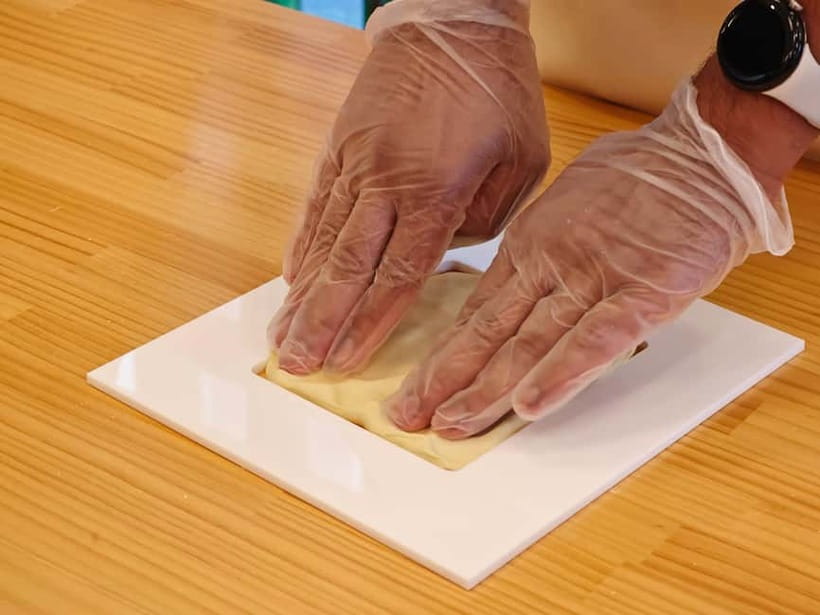
This is the heart of the experience. You learn how to mix the flour with water, knead, stretch it flat, and then cut thin strips.
- Cooking by staff
After you finish cutting, the staff cooks and assembles your ramen.
- Meal time (free time)
You eat the ramen you made, and you can also enjoy your free drink and the snacks.
What makes the workshop feel special is the method behind the speed. The studio emphasizes that the full process can be completed in about 30 minutes by using a new approach that fits real-world class timing. The technique you learn is inspired by a long-standing Japanese noodle tradition that dates back to the Edo period (1603 to 1868), but the delivery is made for today’s visitors.
Also, the “knife practice” part is handled carefully. You are taught safe and delicate cutting, using a large knife made for noodle work. It is manual, so you are not relying on a machine, and you learn control and consistency rather than just pressing buttons.
Noodle cutting by hand: what you learn and why it matters
Many ramen experiences show you the idea of noodle making. Here, you actually cut the noodles yourself, one by one. That detail changes the whole experience because you feel the texture and thickness as you go. It is also why the class can be fun even if you are not a hardcore cook at home.
The session focuses on a specific skill: thin-strip cutting done by hand. Even if you have seen pasta machines or other noodle-making demos, you will notice a different kind of precision here. The instructor teaches a fine technique that needs patience and a light hand, and the tone is gentle and slightly amusing, which helps you relax and try again if your first cuts are a bit uneven.
A practical upside for real life: you are not just watching how to make ramen. You learn a method you can potentially recreate later, and the studio also shares a copyable bit of their soup approach for use at home.
If you are traveling with kids, this is also a smart class design. The workshop is short enough that children typically do not lose focus. The studio specifically aims to make it not boring, while still teaching the real steps.
Ramen flavors at meal time, plus snacks and your free drink
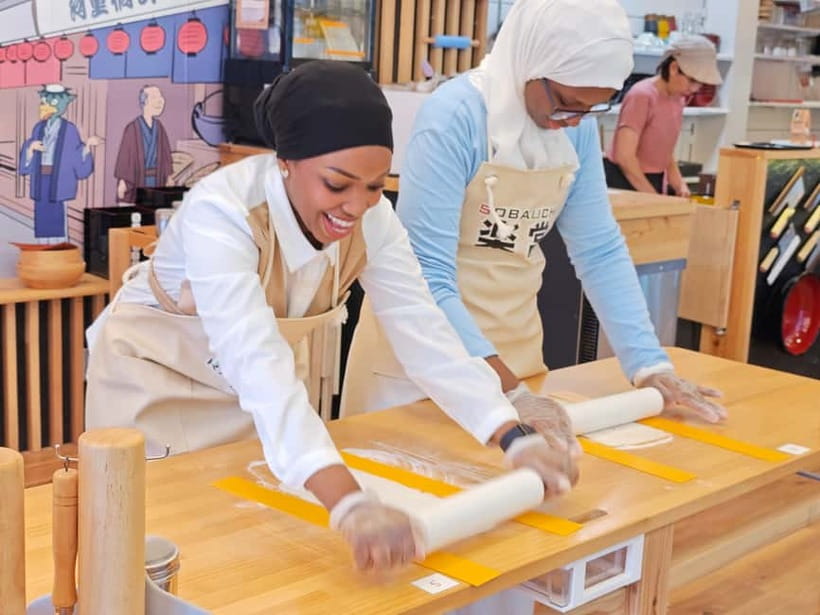
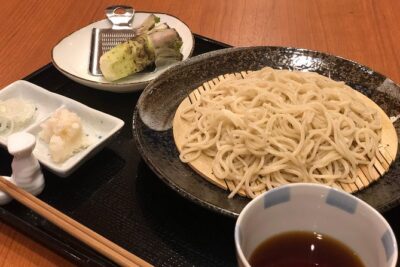
Once your noodles are cooked, you get to enjoy them in the ramen bowl experience. The class uses your cut noodles for the meal, and the staff makes sure you get your own bowl, so you are not stuck guessing which portion is yours.
You will usually have a choice of ramen styles such as:
- Soy sauce ramen
- Miso ramen
- Shio ramen
- Vegan ramen
- Vegan soup curry ramen (available as an option)
If you pick something like soy sauce, you get that classic Japanese ramen profile, while the miso and shio options offer different balance points. Vegan and vegan soup curry options are available too, which is a helpful inclusion if you are traveling with mixed dietary needs.
Drinks add real value here. One drink is included, and the options listed include beer, highball, lemon sour, juice, non-alcoholic beer, and more. After that, any drink refills would be extra, but the first one helps you feel like the price is bundled rather than nickel-and-dimed.
Then there are the snacks. You get all-you-can-eat Japanese snacks at the eating space. This is the kind of “small” inclusion that actually matters when your schedule is packed, because it keeps you satisfied while you wait for your meal to settle in or lets you snack your way through downtime.
A different sort of day in Japan:
- Mt Fuji and Hakone 1-Day Bus Tour Return by Bullet Train
★ 5.0 · 26,383 reviews - 1-Day Tokyo Bus Tour
★ 5.0 · 14,250 reviews - Tokyo: TOKYO SKYTREE® Admission ticket
★ 4.5 · 11,192 reviews - Tokyo: teamLab Planets TOKYO Digital Art Museum Entry Ticket
★ 4.6 · 9,779 reviews
Clean studio, pro photos, and small-group energy
A big part of the experience is how smoothly it runs in real life. The studio setup is organized with workspaces that feel intentional, and the process has a clear structure. In practice, that means you spend less time figuring things out and more time learning the skill.
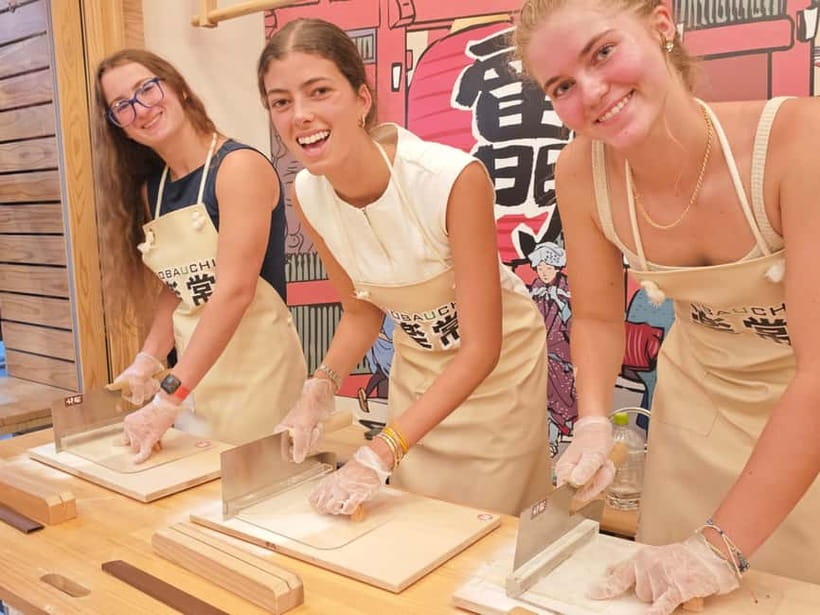
The staff approach is friendly, and the instructors and chefs are there to help if you need guidance. One standout detail: you get professional-style photos taken during the workshop, with distribution by QR code. That is a smart touch for anyone who does not want to deal with flour on their camera gear. It also means you leave with usable photos even if you are not the person who takes the best group pictures.
Group size is another practical win. Your experience is designed as a small group limited to 6 participants, which usually makes it easier to get attention and corrections while you cut. At the same time, the location’s ground floor can accommodate up to 30 people at once, so you are not locked into a tiny room with no breathing space.
If you care about comfort during hands-on cooking, that matters. This is not the kind of setting where you are constantly bumping elbows or trying to squeeze past strangers.
Price and value: what your $57 really buys
At $57 per person, the big question is whether this feels like a deal or a gimmick. In this case, it tends to feel fair because the package includes several things you would otherwise pay for separately.
You are getting:
- The ramen noodle making experience (hands-on)
- Your meal, using the noodles you cut
- One free drink
- All-you-can-eat Japanese snacks
So you are not only paying for instruction. You are also paying for the meal outcome and the included extras that fill gaps in a busy day.
Two costs to remember:
- Drink refills are not included, so after your free drink, additional drinks cost extra.
- If there are attendants who are not taking part, the cost of their meal is not included.
If you are comparing it to a “taste only” food stop, this is different. You are buying skill and a meal in one slot, and you are doing it in a neighborhood where you likely would spend money anyway shopping Kappabashi kitchen streets. In other words, it has a very practical “fits my route” value.
Who should book SOBAGIRI-RAKUJYO, and who should skip it
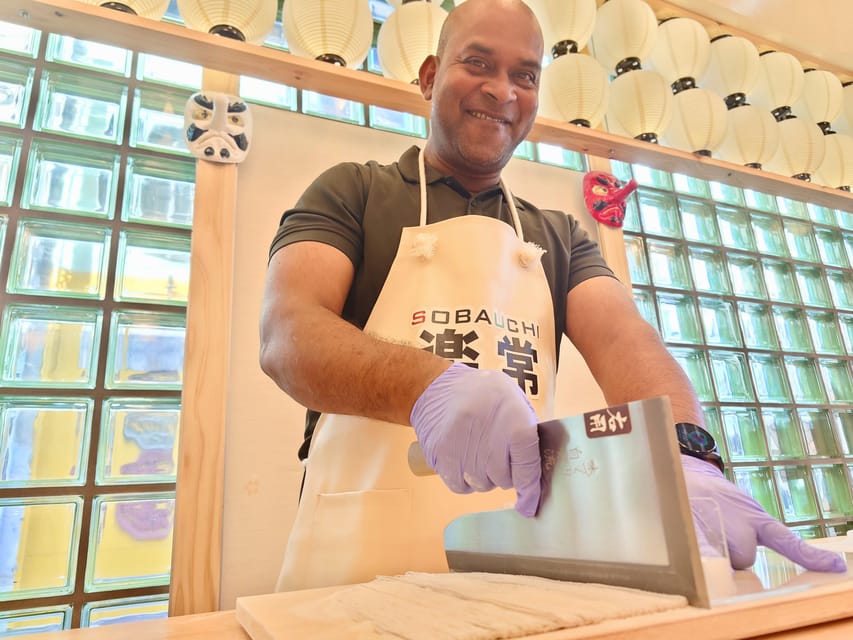
This workshop fits best if you want hands-on learning, you like ramen, and you enjoy making something with your own hands even if you are not a chef.
It is likely a great match for:
- Families with kids old enough to knead dough and handle instructions
- Food lovers who want a short class that does not swallow an entire day
- Travelers who are already in Asakusa and want a meaningful stop near Sensoji and Kappabashi
A few groups should think twice or skip:
- If you have a buckwheat allergy, participation is not allowed.
- If you have gluten intolerance, this may be a problem because the class includes wheat-based noodles and the activity is not stated as gluten-free.
- If you have a cold, it is listed as not suitable.
- If you want an observation-only visit, this is not the right setup. You are expected to order and participate.
Kids details matter. Children under 2 are not suitable, and children under 3 are also listed as not suitable. Babies under 1 are not suitable either. For kids who take part solo, they need the ability to knead and to use a large, heavy knife themselves. If it seems difficult, they will be paired with a parent so the adult can support, and one adult must accompany each child in parent-child pairs.
Also note the seating rule: three participants per table are not allowed, which can affect how groups are arranged.
Tips to time it with Asakusa sightseeing and Kappabashi shopping
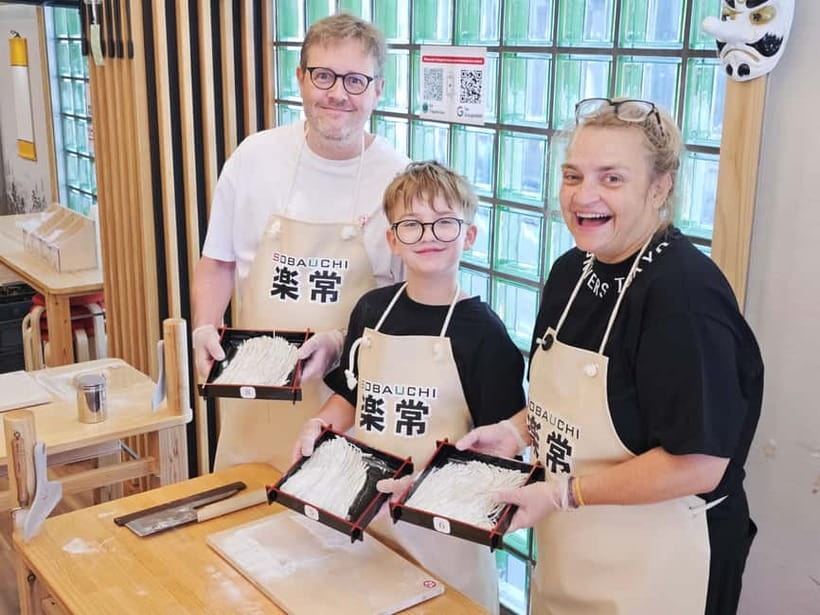
This is where the experience shines for planning. The workshop is built to be short enough that it will not wreck your day.
SOBAGIRI-RAKUJYO is about 25 minutes from Asakusa Sensoji Temple, so you can pair it with temple time and then move on to Kappabashi Dogugai shopping right after. The idea is simple: do the hands-on class, eat, then stroll.
A few practical scheduling moves:
- Book a time slot that leaves you buffer for arriving 10 minutes early.
- If you are doing Sensoji first, aim to have enough walking time to get to Kappabashi before your start.
- If you are juggling multiple activities, the 50-minute duration makes it easier to keep your day flowing.
If you are hoping for a smooth photo-heavy experience, plan on having your phone ready, and remember that the studio takes pro photos for you. That reduces pressure on you to capture everything during flour-covered moments.
Should you book this ramen noodle making experience?
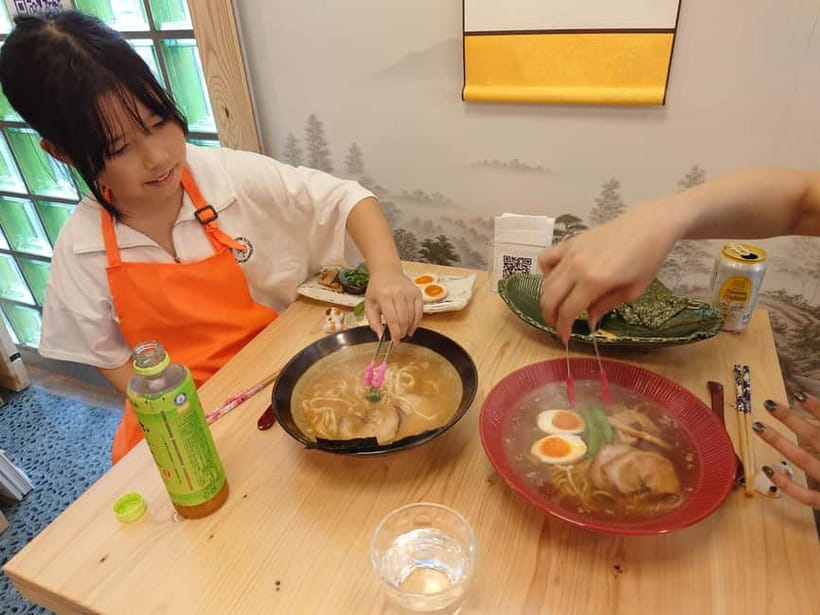
I think you should book SOBAGIRI-RAKUJYO if you want a hands-on ramen skill in a short, structured format, and if you plan to be in Asakusa anyway. The value is strong for the money because you get the meal, one free drink, and unlimited snacks, and the room is clean and comfortable enough to enjoy even if you are not a “cooking class person.”
Skip it if your priority is watching without participating, if you fall into the allergy or intolerance categories listed, or if you are traveling with someone who cannot safely handle the knife-based noodle cutting instruction.
If you are on the fence, ask yourself one question: do you want to leave with a ramen bowl you made, plus a skill you can talk about later? If yes, this is an easy booking.
FAQ
How long is the ramen noodle making experience?
The activity runs about 50 minutes total, including a reception period (you arrive 10 minutes early), about 30 minutes for noodle making, cooking by staff, and then meal time.
What is included in the price?
You get the ramen noodle making experience, dining on the ramen cut by yourself, one free drink, and all-you-can-eat Japanese snacks.
What drink options are included with the free drink?
The included drink options listed include beer, highball, lemon sour, juice, non-alcoholic beer, and other options.
Where do I meet for the experience?
You meet at SOBAGIRI-RAKUJYO, diagonally across from a food sample specialty store with a large beetle objet d’art on Kappabashi Kitchenware Street.
Can I watch without taking part?
No. It is listed that you cannot enter the restaurant for observation only, so you should plan to order your meal and participate.
Is the experience wheelchair accessible?
Yes, the activity is listed as wheelchair accessible.
Are there age restrictions for children?
Yes. Children under 2 years are not suitable, children under 3 years are not suitable, and babies under 1 year are not suitable.
Are there dietary restrictions?
Yes. Those with buckwheat allergies are not allowed to participate, and people with gluten intolerance are listed as not suitable.
Soba & Udon Making Classes Worth Comparing in Tokyo
- Experience Big soba knife Soba Making Class in Tokyo Kappabashi
★ 5.0 · 71 reviews - ///Soba Making Experience///Use The BIG Soba-Knife!!
★ 5.0 · 7 reviews - Popular in SapporoExperience authentic hand-made soba at a real soba shop!
★ 5.0 · 77 reviews - Mondo’s most popular plan! Experience making soba noodles and the king of Japanese cuisine, tempura, in Sapporo!
★ 5.0 · 71 reviews
Newly listed around Tokyo
- Make a temple stamp book with artist★ 4.9 · 10 reviews
- LGBTQ+ Tokyo Then and Now★ 4.9 · 44 reviews
- TOKYO DRIFT 5.0 Real Fast & Furious Experience★ 4.9 · 59 reviews
- Kyoto: Nijo Castle World Heritage Guided Tour with Admission★ 4.9 · 37 reviews
- Kintsugi Experience with Arita Ware in Tokyo (English Guide)★ 4.8 · 20 reviews
- Asakusa Kimono/Yukata Rental & Photography_Tsutsuji★ 5.0 · 12 reviews
- Kawagoe Private Custom Tour with Local Guide★ 5.0 · 29 reviews
- Kamakura Temples Private Guided Tour from Tokyo★ 4.8 · 21 reviews
Soba & Udon Making Classes, compared.
Popular in SapporoExperience authentic hand-made soba at a real soba shop!
Read our review →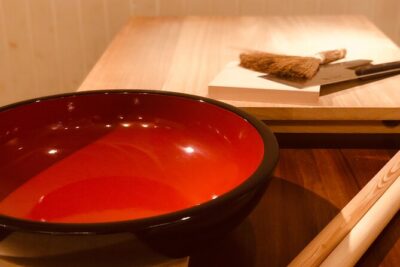
Mondo’s most popular plan! Experience making soba noodles and the king of Japanese cuisine, tempura, in Sapporo!
Read our review →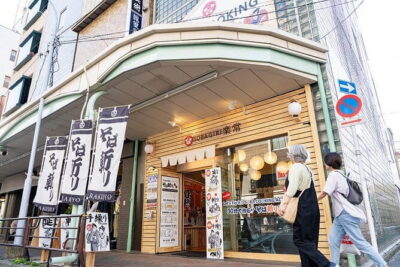
Experience Big soba knife Soba Making Class in Tokyo Kappabashi
Read our review →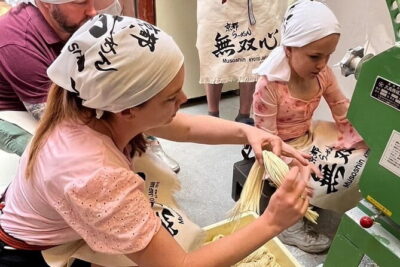
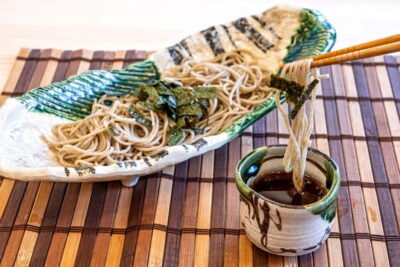
///Soba Making Experience///Use The BIG Soba-Knife!!
Read our review →Browse the lists this tour appears in