
Review · HALF-DAY
Half-Day Shared Tour at Kurashiki with Local Guide
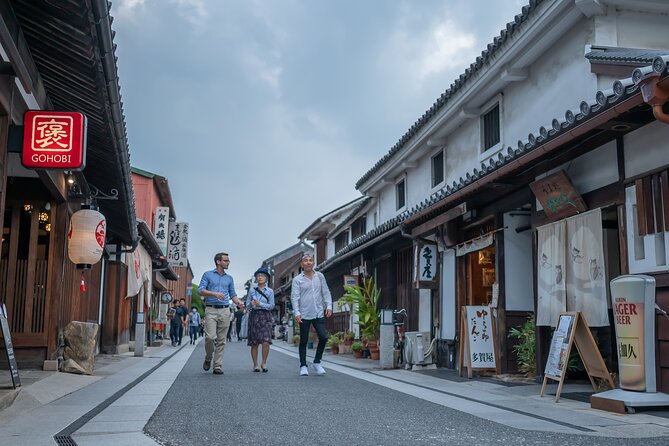
A walk through Kurashiki can feel like a set of postcards. This one works better because you get local families guiding you through the Bikan Historical Quarter, with history that connects the Edo era to what happened later. I like that the pace is short and digestible, about 3 hours, so you can still roam on your own afterward. I also like that the tour ends in a long-running neighborhood coffee stop, not a staged souvenir stop.
The main thing to consider is the structure: many stops are brief, so if you want lots of museum time or deep time in one single site, you may want to budget extra time after the tour. Also, the Ohara Museum of Art admission is not included, so it helps to plan for that if western art is your thing.
In This Review
- Key highlights you will notice right away
- Why this Kurashiki half-day feels different than a checklist tour
- Meet your local guide at Mukaimatsu Dorm and get oriented fast
- Kanryuji Temple: over 1000 years, and tangible signs of the past
- Achi Shrine and its unusual symbolism: zodiac sanctuary included
- Tsurugata Tunnel and Showa-era connections you might not expect
- Bikan Historical Quarter alley stories, including World War II context
- Ivy Square and the Ohara-adjacent threads around town
- Yurinso Villa and why Magosaburo Ohara built it
- Ohara Museum of Art: what you get, and what costs extra
- Cafe Ueda, a locals-first finish, with time for real questions
- Price and value: where the $86 goes
- How to time this with the rest of your Kurashiki day
- Who this tour fits best
- Should you book this Kurashiki half-day shared tour?
- FAQ
- How long is the Kurashiki half-day tour?
- How much does the tour cost per person?
- Is there an interpreter included?
- Is coffee or tea included?
- Is admission to the Ohara Museum of Art included?
- How many people are in the group?
- Are any temple or shrine admissions required during the route?
- Is there an optional prayer offering cost?
Key highlights you will notice right away
- Hiroyuki Hara’s family perspective, tied to Kurashiki for about 400 years
- A small group of up to 10 people, with an interpreter included
- A history chain from temples and shrines to the Bikan Quarter alley stories, including World War II context
- Photo-worthy Edo-to-Showa landmarks, like the Tsurugata Tunnel built in 1927
- Cafe Ueda, established in 1972, with time to talk and ask questions
- Tiny gifts and a souvenir mindset, plus optional 10 yen prayer offerings (not included)
Why this Kurashiki half-day feels different than a checklist tour
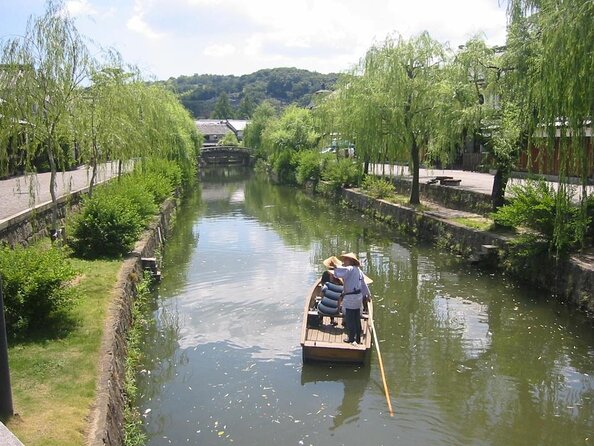
Kurashiki is famous for its well-preserved old-town lanes, especially in the Bikan Historical Quarter. But what makes this tour worth your time is the way it adds cause and effect, not just facts. You move from place to place while the guide explains origins, how Kurashiki developed, and how later events left traces.
You also get translation support built in. That matters because the story includes specific details, like how certain landmarks relate to the city’s role in different eras. When the tour ends at a local café, it doesn’t feel like you’re done. You still have a chance to ask questions and compare notes on what you just saw.
The tour runs about 3 hours, and it’s priced at $86 per person. Considering the guide fee, translator fee, insurance, and one drink at Cafe Ueda are included, it’s aiming at “less hassle, more meaning,” rather than a low-cost pass.
A few more Japan days to weigh up
- Tokyo 6hr Private Tour with Government-Licensed Guide
★ 5.0 · 3,902 reviews - Tokyo: Shinjuku Local Bar and Izakaya Guided Walking Tour
★ 4.9 · 1,794 reviews - Tokyo: Private City Highlights Tour with Local Guide
★ 4.8 · 1,433 reviews
Meet your local guide at Mukaimatsu Dorm and get oriented fast
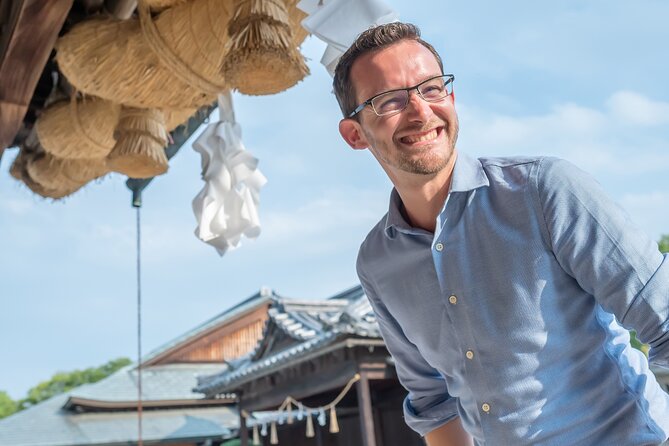
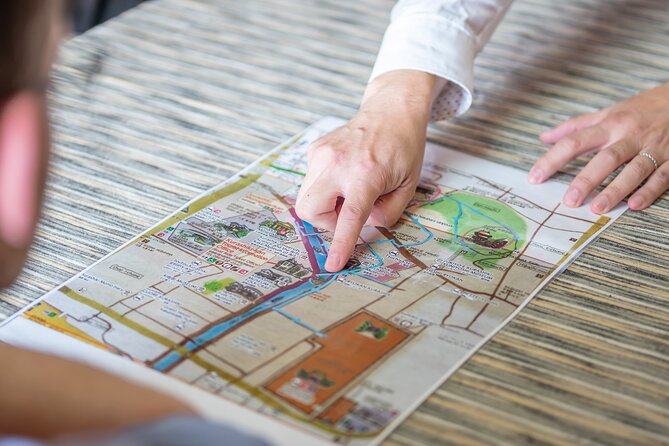
The experience starts at Mukaimatsu Dorm, where the guide waits in front of the building. From the start, you’re not just handed a map. You get a foundational explanation of where Kurashiki came from and how its history connects to the places you’ll visit next.
This early “set the frame” moment is one reason history tours can land or flop. Here, the timing helps. You get about 30 minutes right at the start before the route starts hopping between temples, shrines, and quarter streets.
Practical note: it’s a guided walk, and the meeting point is in Kurashiki’s Tsurugata area, near public transportation. That’s helpful if you’re arriving from Okayama, or already exploring the city center.
Kanryuji Temple: over 1000 years, and tangible signs of the past
Next you visit Kanryuji Temple, one of the oldest temples in Kurashiki, with a history over 1000 years. Even if you’re not the type to memorize dates, ancient temple settings do something useful: they slow you down. They make the city’s long timeline feel real.
The tour description also points out you can actually see remains tied to samurai culture, including remains of a samurai bat. It’s the kind of detail that makes a stop more than a pretty building. You’re being guided to look for evidence, not just scenery.
The visit is short, around 20 minutes. That can be perfect if you’re doing this as a half-day plan. If you’re the kind of person who wants to linger for photos and quiet reading, you might want extra time here on your own after the tour.
Achi Shrine and its unusual symbolism: zodiac sanctuary included
From Kanryuji, you go to Achi Shrine, a place presented as protecting the peace of Kurashiki. The tone here feels like a switch from big historical eras to something more symbolic and everyday, the kind of shrine people rely on without turning it into a performance.
Achi Shrine stands out because of its zodiac sanctuary, which gives you a different lens for thinking about religious spaces. Instead of just “another stop,” it becomes a chance to notice how local belief systems are embedded in the city’s identity.
You’ll spend about 40 minutes here, which is longer than several other stops. That’s a good sign if you like time for observation rather than constant movement.
A different sort of day in Japan:
- Mt Fuji and Hakone 1-Day Bus Tour Return by Bullet Train
★ 5.0 · 26,383 reviews - 1-Day Tokyo Bus Tour
★ 5.0 · 14,250 reviews - PERFECT KYOTO 1-Day Bus Tour
★ 5.0 · 13,518 reviews - Tokyo: TOKYO SKYTREE® Admission ticket
★ 4.5 · 11,192 reviews
Tsurugata Tunnel and Showa-era connections you might not expect
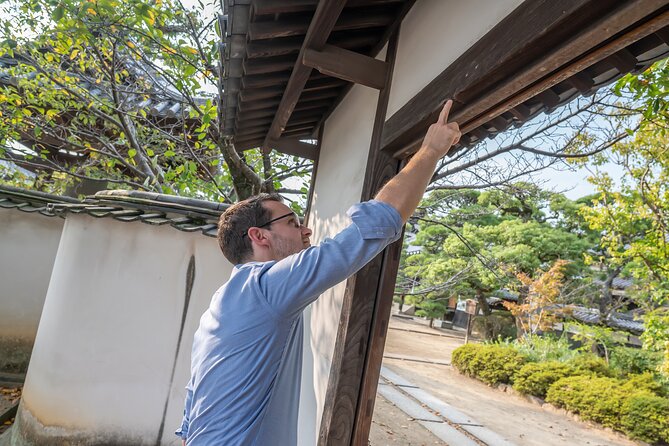
Next up is the Tsurugatayama area, centered on the Tsurugata Tunnel. The tunnel was built in 1927 and runs from the Kurashiki Bikan Historical Quarter north, passing under Tsurugata Mountain. That gives you a very concrete way to connect the old-town lanes with the city’s later infrastructure.
The tour also ties the tunnel to Emperor Showa. That’s a meaningful detail because it expands the story beyond Edo era legends. You start to see Kurashiki as a place that kept changing, with modern engineering layered onto older neighborhoods.
This stop is about 20 minutes. Enough time to understand why it matters, not enough to turn it into an all-day detour.
Bikan Historical Quarter alley stories, including World War II context
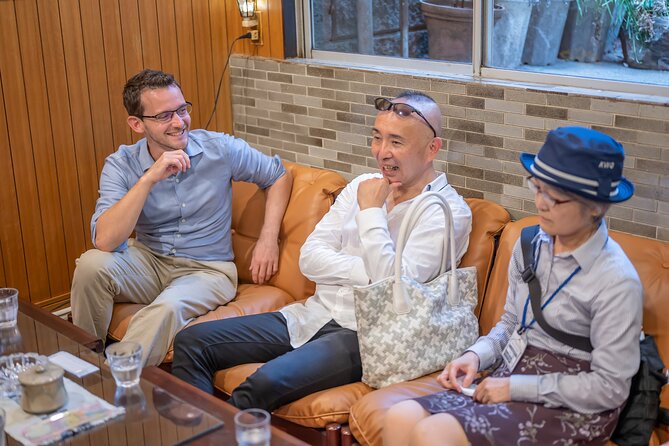
Then you enter the Kurashiki Bikan Historical Quarter. Instead of treating it as a “look and walk” zone, the guide moves with you while talking about the alleys, including a World War II story component.
That detail is important for two reasons. First, it helps you connect the beauty of preserved architecture to the history of a city that lived through difficult periods. Second, it teaches you where to look. You start to notice how lanes and layout can carry memory, even when everything looks calm.
This portion is brief, about 10 minutes. It’s more like a guided orientation into the quarter than a full exploration. If you want to wander longer through the Bikan lanes after the tour, this is a smart “starter chapter” for that.
Ivy Square and the Ohara-adjacent threads around town
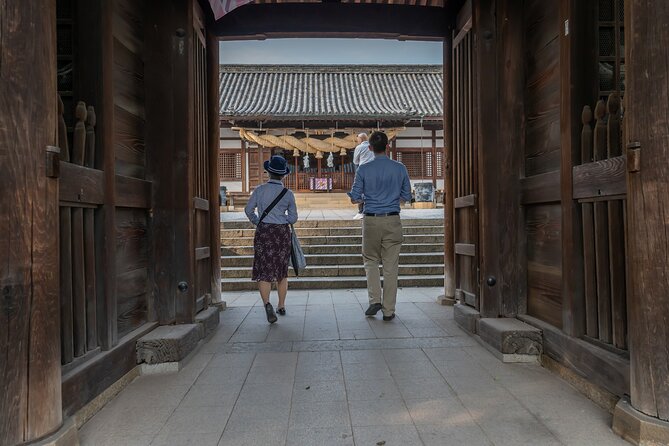
You’ll also hear about Kurashiki Ivy Square, described as now a hotel, and how it relates to Kurashiki’s history. This stop works for me because it pushes the story into present-day use. A place can change functions and still keep a historical identity, if you know what to ask and what to notice.
The tour allocates about 20 minutes here. That’s enough time to take in the explanation and adjust how you look at modern buildings sitting in old surroundings.
Yurinso Villa and why Magosaburo Ohara built it
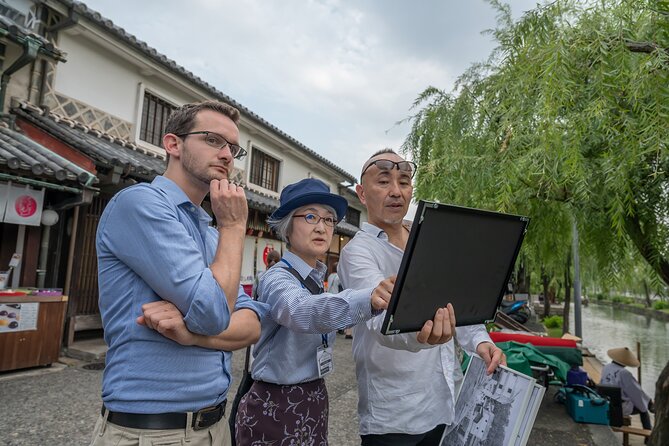
Next is Yurinso Villa, associated with the Ohara family. You learn it was built by Magosaburo Ohara, the founder of the Ohara Museum of Art, for his sickly wife.
That personal backstory matters. It turns a historical residence from a “design to admire” into something human. When you understand why a villa existed, you tend to notice proportions and layout with more attention.
This visit is short, about 10 minutes. Still, the origin story gives you a reason to care, even in a tight schedule.
Ohara Museum of Art: what you get, and what costs extra
You finish the main sighting portion at the Ohara Museum of Art. The tour describes it as the first private western art museum in Japan, built by Magosaburo Ohara, who is presented as essential to Kurashiki’s broader history.
Be aware: the itinerary notes admission to the Ohara Museum of Art is not included. The tour time here is brief, around 10 minutes, so this stop is likely about connecting the museum to the city story, not about providing a full gallery visit.
If you want the art itself, plan to add museum time and budget. If western art is not your priority, you’ll still get the context that makes the museum feel less random.
Cafe Ueda, a locals-first finish, with time for real questions
The day’s last stop is Cafe Ueda, established in 1972. It’s described as loved by locals for a long time, which is exactly the kind of detail that makes the ending feel authentic.
Here you meet Hiroyuki Hara for conversation. The tour includes time for you to talk, ask questions, and share what you think of the tour. The experience includes the cost of coffee and/or tea, specifically one drink, at Cafe Ueda.
This ending is around 20 minutes. In that short window, you get something most big tours skip: the chance to compare your impressions with someone who lives with the city’s history, not just someone who memorized it.
I also like that the tour includes tiny gifts. It’s a small touch, but it reinforces that this is meant to feel like a local exchange, not a transaction where the guide vanishes at the next stop.
Price and value: where the $86 goes
At $86 per person for about 3 hours, the math depends on what’s included. In this case, you’re not only paying for sightseeing narration. Your price includes:
- Guide fee
- Translator fee
- One coffee or tea drink at Cafe Ueda
- Insurance
- Tiny gifts
Ohara Museum admission is not included, and you may also see an optional note about offering money to the gods, Saisen, at 10 yen per prayer. Money offerings are not included, but the tour does acknowledge it.
So the real value question is whether you want a guided history storyline in English (with translation support) and a locals-based café finish. If you’re traveling with limited Japanese, the translator and the small-group size make the price feel more reasonable than a standard group tour where language gaps can leave you staring at plaques.
If you can comfortably self-guide with your own reading and you don’t care about the story connections, you might feel it’s pricier than a casual day. But the structure is clearly designed for meaning per minute.
How to time this with the rest of your Kurashiki day
Because it’s about 3 hours and ends at Ueda (Achi area), you can use it as a “launch” into Kurashiki rather than your entire day. The Bikan Quarter segment is short and designed to orient you. That means you can follow up on your own based on what sparked your interest, whether it’s lanes, architecture, or the museum if you decide you want more.
If you’re the type who likes to take photos, this tour gives you multiple short anchors that are easy to revisit later. But it’s not built as a long photography session. Think “guided route plus later wandering,” not “only this tour.”
One more detail: booking tends to happen around 70 days in advance on average, and the group is capped at 10 people. If you’re traveling in a busier season, you’ll want to plan earlier rather than hoping for last-minute space.
Who this tour fits best
This experience is a strong match if you want Kurashiki history explained by locals tied to the city, not just a voiceover route. It’s also a good fit if you like a small group setting where you can ask questions at the end at Cafe Ueda.
It’s less ideal if you want a long sit-down museum deep dive, since Ohara Museum admission is extra and the guided museum time is short. It may also be a mismatch if you hate walking between multiple compact stops. The itinerary is structured with short visits at each site.
Should you book this Kurashiki half-day shared tour?
Book it if you want story-led sightseeing in Kurashiki, with an emphasis on how the Edo-era setting connects to later chapters like World War II and Showa-era infrastructure. You get a small group, translation support, and a real local finish at Cafe Ueda, established in 1972.
Skip it or treat it as optional if you mainly want to maximize museum time or if you prefer to wander the Bikan lanes without guided context. Since the Ohara Museum admission is not included, you may end up adding costs if the art collections catch your interest.
If you want the “real Kurashiki” feeling described in the tour concept, this is one of the more practical ways to get it in half a day, without turning the city into a rushed checklist.
FAQ
How long is the Kurashiki half-day tour?
It runs for about 3 hours.
How much does the tour cost per person?
The price is $86.00 per person.
Is there an interpreter included?
Yes. The tour includes a translator fee, and the guide is supported by translation.
Is coffee or tea included?
Yes. Cafe Ueda is included, and the cost of one drink is covered.
Is admission to the Ohara Museum of Art included?
No. Admission to the Ohara Museum of Art is not included.
How many people are in the group?
The tour has a maximum of 10 travelers.
Are any temple or shrine admissions required during the route?
The itinerary lists admission tickets as free for the temple and shrine stops. The Ohara Museum of Art is the one specifically noted as not included.
Is there an optional prayer offering cost?
Money offered to the gods (Saisen) is listed as 10 yen per prayer, and it is not included.
Newly listed around Japan
- Guided Photoshoot of Fushimi Inari Shrine and Secret Bamboo Grove★ 5.0 · 10 reviews
- Tailored Full Day Private Experience of Kyoto for 1 Day Visitors★ 4.5 · 34 reviews
- Kyoto 2 Hours Genuine Kendo / Samurai Experience In Japan★ 5.0 · 57 reviews
- Private car tour Let’s uncover secrets of majestic Kyoto history★ 5.0 · 45 reviews
- Kyoto Hiking Tour: The Nature and Legends of Kurama and Kibune★ 5.0 · 75 reviews
- Full-Day Sightseeing to Kyoto Highlights★ 5.0 · 77 reviews
- Kyoto Satoyama Cycling with Lunch and English Guide★ 5.0 · 19 reviews
- Kyoto Half Day Yamazaki Whisky Museum and Asahi Art Museum★ 5.0 · 11 reviews
Half-Day, compared.
Kyoto Arashiyama Bamboo forest & Garden Half-Day Walking Tour
Read our review →
Miyajima Half-day Trip Historical Walking Tour
Read our review →
Half-Day UNESCO Heritage & Local Culture Walking Tour
Read our review →
Himeji Half-Day Private Tour with Government-Licensed Guide
Read our review →
Miyajima Half-day Private Tour with Government Licensed Guide
Read our review →Browse the lists this tour appears in