
Review · HISTORICAL TOURS
Nara: Half-Day UNESCO Heritage & Local Culture Walking Tour
Deer, temples, and a city in walking distance. This half-day Nara tour strings together Todai-ji and Kasuga Taisha with quiet detours, so you see how Buddhism and Shinto fit into everyday life. You also get a secret-leaning route that feels less like a checklist and more like a guided stroll through old Japan.
I especially like the small-group feel and the pace that leaves room to ask questions and look closely. The other big win for me is the included lunch, made with local Nara vegetables plus fresh meat, which is a lot better than the usual tourist shortcut.
The main thing to consider is that it is still a walking tour, plus it is not suitable for vegans and it is not built for gluten intolerance. If you have dietary needs, you will want to sort them in advance so your lunch plans do not get complicated.
In This Review
- Key highlights worth centering your day on
- Nara feels like Japan’s old capital in 5 hours
- Starting smart: meeting at Kintetsu Nara and easing into Kōfuku-ji
- Todai-ji Temple: the Buddha moment, plus time to take it in
- The quiet in-between: old town streets, a mysterious pyramid-shaped spot, and views
- Kasuga Taisha Shrine: lanterns, Shinto practice, and a slower lens
- Nara Park deer feeding: sacred messengers, polite interaction, and 1 packet of crackers
- Lunch with local Nara vegetables and fresh meat: what you need to know
- Nigiwai streets and the Shimononegi-michi pathway: wrapping with atmosphere
- Is the $102 price fair for two UNESCO sites, deer crackers, and lunch?
- Who should book this Nara walking tour?
- Should you book this $102 Nara half-day tour?
- FAQ
- Where is the meeting point for the Nara walking tour?
- How long is the tour?
- What UNESCO sites will I visit?
- What is included in the price?
- Do I get anything included for the deer in Nara Park?
- Is the lunch included, and are dietary requests possible?
- Is this an English tour?
- What if I need to cancel or reschedule?
Key highlights worth centering your day on
- Two UNESCO stops in one 5-hour route, Todai-ji Temple and Kasuga Taisha Shrine
- Deer feeding included with a packet of crackers, plus guidance on how to interact politely
- Old Nara beyond the main lanes, including Naramachi shopping streets and a pathway stop
- A proper lunch included, using local Nara vegetables and fresh meat
- English live guide with private or small-group options, so you are not rushed
- Route built to avoid the most crowded paths, with time for views and side sights
Nara feels like Japan’s old capital in 5 hours
Nara is Japan’s first capital you can actually understand in one morning, if you pace it right. Tokyo can feel fast and modern. Nara feels human scale, with temple grounds, shrine lanterns, and neighborhood streets that still read like something older than a postcard.
This tour works because it connects the main spiritual landmarks to the surrounding town texture. You start in the Nara station area, then shift into older streets and quieter corners, where religion is not just an artifact, it is part of the daily rhythm of walking, praying, and visiting.
My favorite part of tours like this is that you get “why” not just “what.” Here, you learn how Japan’s religious culture shows up as both Buddhism and Shinto in the same city day, so the stops make sense together. And yes, the deer are part of the story too, not just the gimmick.
More History Tours in Nara
- World Heritage Kyoto & Nara Uji Authentic Matcha Experience
★ 5.0 · 1,573 reviews - Nara: Bike Tour in Ancient Capital UNESCO World Heritage
★ 5.0 · 43 reviews - Kyoto/Osaka: Kyoto and Nara Sites & History Day Trip
★ 4.5 · 32 reviews
Starting smart: meeting at Kintetsu Nara and easing into Kōfuku-ji
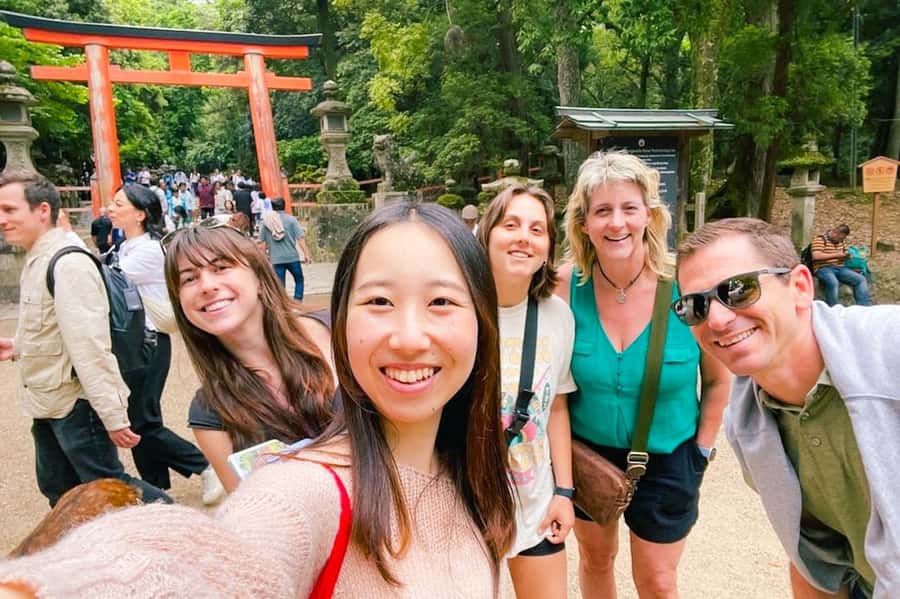
You meet in front of the Gyoki Bosatsu statue near Exit 2 or the East Exit of Kintetsu Nara Station. Double-check this. The instructions specifically warn not to go to JR Nara station, so do yourself a favor and aim for the correct entrance.
Arrive about 10 minutes early, because the tour starts on time. Once you link up with your English guide, the day quickly transitions from station life to temple-town life. You begin with a Kōfuku-ji visit that is short but useful, about 25 minutes, which helps you warm up into the right mindset before the bigger UNESCO sites.
This early stop also sets a helpful tone. Instead of throwing you straight into the largest crowd, you get a smaller anchor point, plus context about what you are about to see. If your legs are new to Japanese walking, this is a good entry ramp.
Todai-ji Temple: the Buddha moment, plus time to take it in
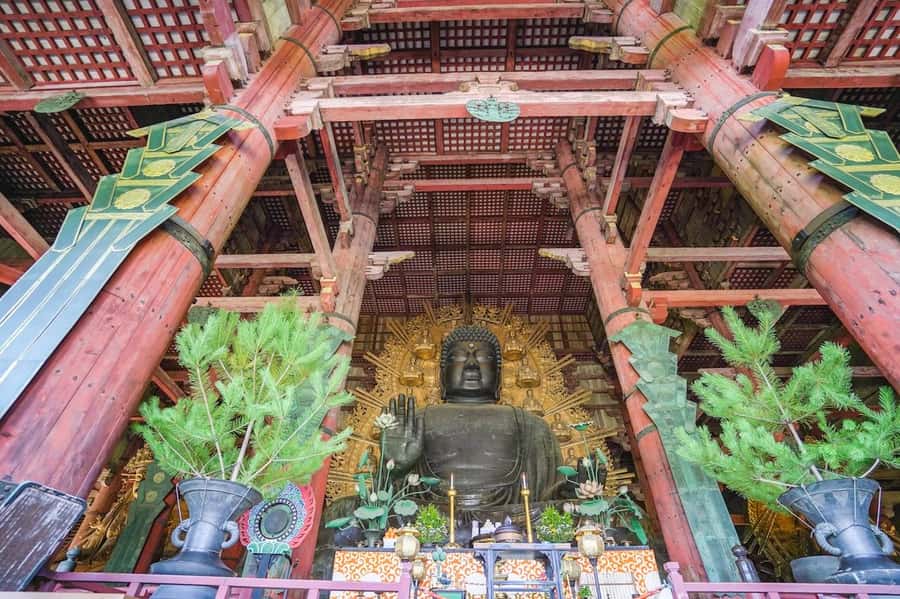
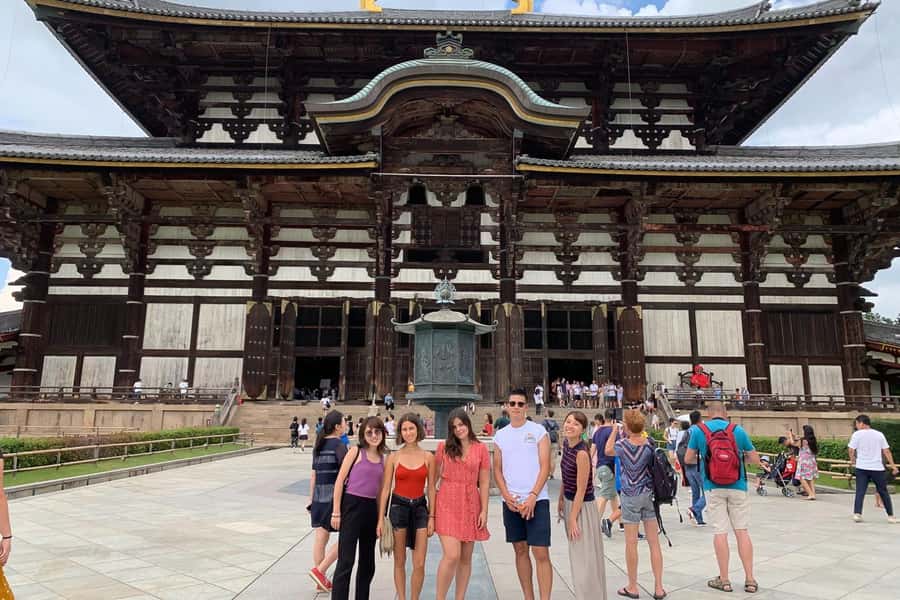
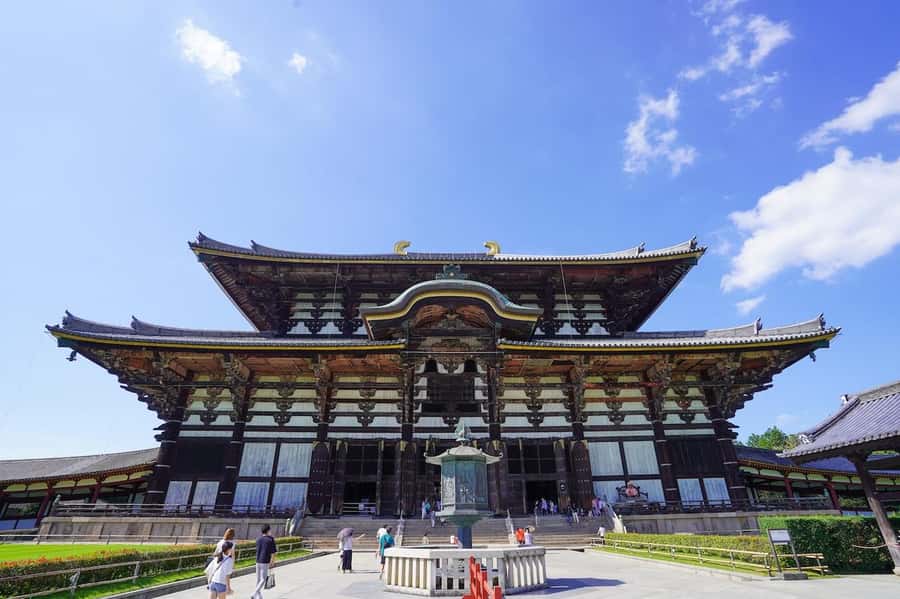
Tōdai-ji is the big centerpiece, and you get a full two hours here. That is a real chunk of time for a site that can be overwhelming when you rush through. You will see the huge temple with the famous Buddha statue, and the guide explains Japan’s religious culture as you go.
The value of the time matters. Todai-ji is not just big, it is visually dense. With a guide, you do not waste your brain on trying to figure out what you are looking at. You also have time for breaks during the walking plan, which is important because this tour is not sedentary.
One practical tip: wear comfortable shoes and plan for crowds inside popular temple areas. Even with a well-paced guide, you are still moving with other visitors. The tour’s structure helps, but it does not eliminate the reality of major sites.
The quiet in-between: old town streets, a mysterious pyramid-shaped spot, and views
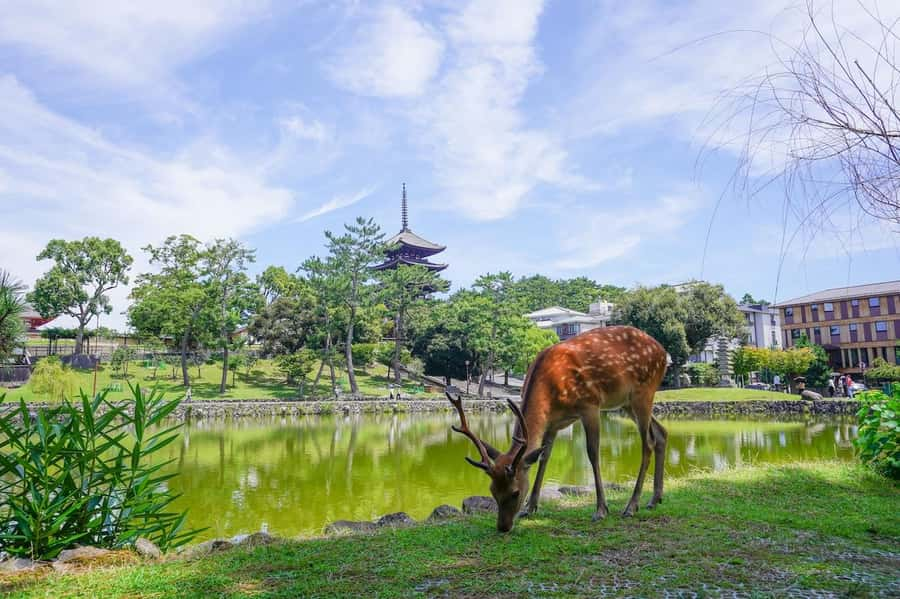
Between the major monuments, the tour gives you the stuff that makes Nara feel like Nara. You walk through an old-town shopping arcade that feels dramatically different from a metropolis like Tokyo. You also stop at a traditional merchant’s house, where you can see how local people lived in the past rather than just staring at exterior photos.
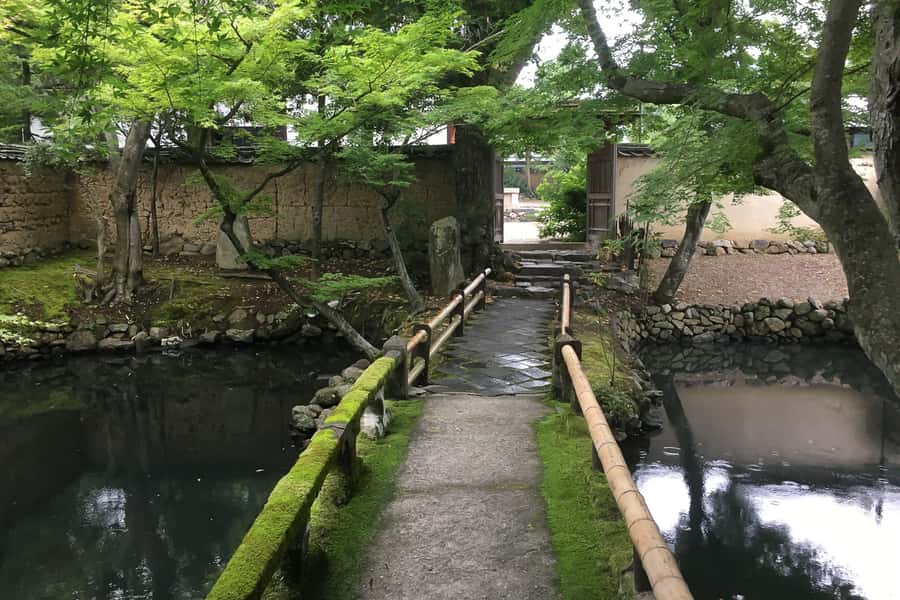
There is also a stop for a mysterious pyramid-shaped structure in a quiet stretch of town. You will likely find yourself stopping for photos and questions, because this kind of feature becomes part of the story your guide is building.
And then you get a view over the city of Nara from a hill. That is more than scenery. It helps you place the temples and shrines into a real geography, so the rest of the day feels connected instead of scattered.
This section is also a good reminder to trust the guide’s route. The tour is designed to include off-the-beaten-path detours, including lanes and small stops that you might miss if you self-plan.
A few more Nara days to weigh up
- Nara Half Day Trip Walking Tour (Private Option Available)
★ 5.0 · 937 reviews - Nara – Craft Beer, Sake, and Food Walking Tour
★ 3.5 · 9 reviews - Kyoto Geisha Walking Tour: Gion District & Hidden Gems
★ 4.7 · 3,273 reviews - Tokyo Tsukiji Fish Market Food and Culture Walking Tour
★ 5.0 · 3,184 reviews
Kasuga Taisha Shrine: lanterns, Shinto practice, and a slower lens
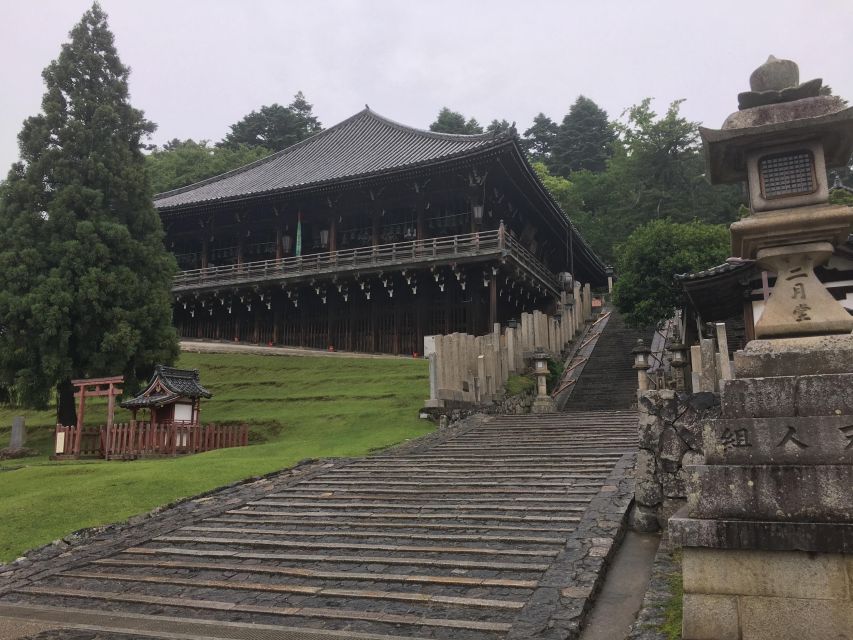
Next comes Kasuga-taisha, about 40 minutes, and the focus shifts to Shinto. The shrine is known for hundreds of lanterns, and this tour gives you time to walk through the shrine area and understand what you are seeing.
What I like about this stop is how it balances the day. After Todai-ji’s Buddhist scale, Kasuga-taisha feels like a different kind of sacred space. The guide helps you connect the visual details to how Japanese religious culture works in practice.
If you care about how people actually worship, this is the part of the day that tends to click. You get to see the shrine environment up close, not just view it from one angle. And if your group is the type that wants to mark moments, you can ask your guide where to get goshuin stamps at each site. Some guides on this tour are known for sharing that kind of practical tip on the spot.
Nara Park deer feeding: sacred messengers, polite interaction, and 1 packet of crackers
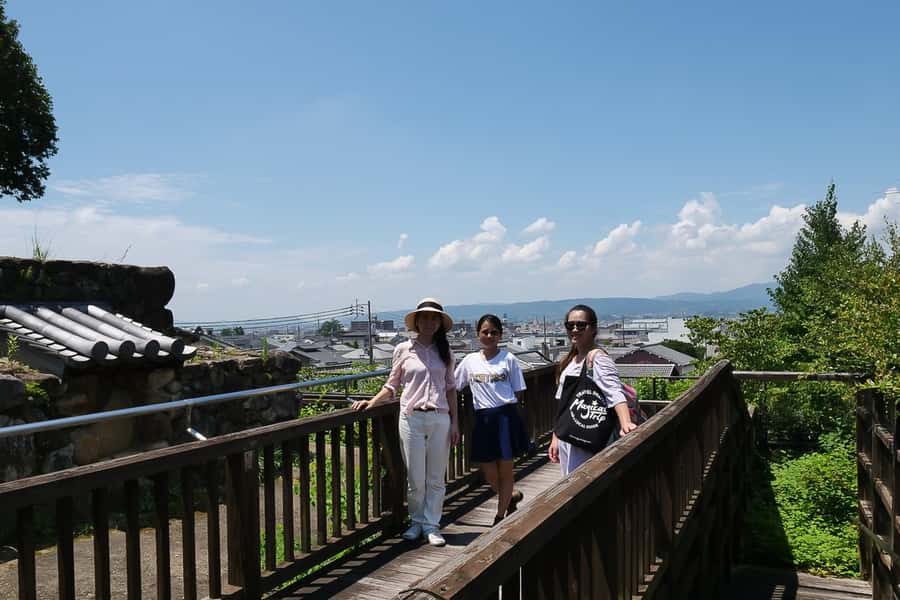
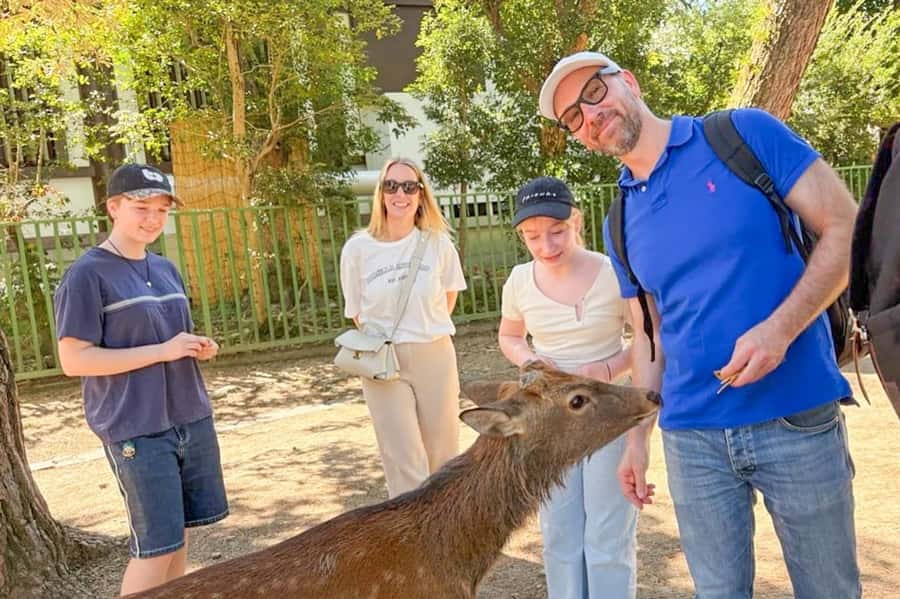
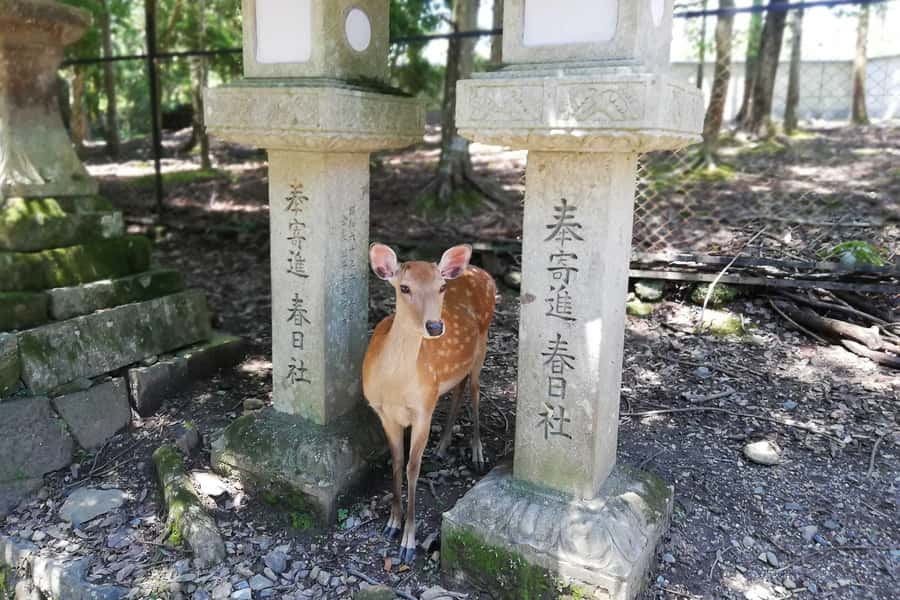
Nara Park deer are a signature. Here, you do not just pass by. You meet the deer and feed them with the included crackers.
The tour frames the deer as sacred divine messengers, with locals believing this for over 1,200 years. That context helps the experience feel respectful instead of like feeding wildlife for entertainment only. Your guide also helps you interact in a way that keeps things calm for both you and the deer.
A key consideration is that you get one packet of crackers included. If you want longer feeding time, you may want to buy extra deer crackers in advance at the shop that sells them near the park, because they can sell out around peak periods.
Also, treat deer like deer, not like pets. Move slowly, keep your hands safe, and let the guide steer. The point is gentle interaction, not chasing or grabbing.
Lunch with local Nara vegetables and fresh meat: what you need to know
After the temple and shrine time, you sit down for lunch at a local restaurant for about 45 minutes. The big win here is that the lunch is included and uses local Nara vegetables and fresh meat, not just convenience food.
This is also where dietary planning matters most. The tour is not suitable for vegans. It is also not designed for gluten intolerance. If you are vegetarian, or you require a gluten-free lunch, you need to contact the local partner before the tour date, and dietary requests must be made in advance by the day before. Requests on the day of the tour are not accepted.
If you have a sensitive stomach or you are picky, treat lunch as part of the tour planning, not an afterthought. Confirm your needs early, so you are not stuck choosing from a limited menu.
One practical thing to remember: bring some cash if you want to purchase extra snacks and drinks beyond what is included.
Nigiwai streets and the Shimononegi-michi pathway: wrapping with atmosphere
After Kasuga Taisha, the route continues with short, atmosphere-driven stops. You visit Shimononegi-michi Pathway for about 20 minutes, and then spend around 20 minutes at Naramachi Nigiwai-no-le.
These segments are where Nara’s old-capital feel becomes tangible. You are moving through town texture, not just religious monuments. The shopping arcade energy returns, but in a more local way than the early station-to-temple transition.
There is also a short stop at 110 Zōshichō for about 15 minutes. This kind of address-stop slot often works like a breather, letting you reset legs and eyes while your guide points out details you would miss alone, like traditional building features and the logic of old merchant streets.
If you still have energy, this is the best part of the day to look around without rushing. It is also a good time to grab small souvenirs, especially if your guide suggests where to pick things up near the route.
Is the $102 price fair for two UNESCO sites, deer crackers, and lunch?
At $102 per person for a 5-hour half-day, the value comes from what is included, not just the clock time.
You are paying for:
- Entrance fees to the temples and shrines visited
- 1 packet of crackers for deer feeding
- Lunch
- An English live guide
- A route that includes off-the-beaten-path stops
Those inclusions matter. Todai-ji and Kasuga Taisha are major sites, and guiding time helps you avoid wasting time on wrong turns or confusion inside large complexes. Lunch being part of the package is another quality signal. Many half-day tours skimp here, but this one builds in time to eat properly.
Private or small groups are also part of the value picture. Smaller group sizes typically mean more questions, more chances to adjust pace, and fewer bottlenecks at key moments.
The drawback side is also clear: you are still walking. If you expect a mostly sit-down sightseeing day, this will feel more active than you might want. Also, dietary limitations are real, so factor that into your decision if you need special meals.
Who should book this Nara walking tour?
This one is a strong match if you want:
- UNESCO Todai-ji and Kasuga Taisha without planning on your own
- A walking plan that includes old-town streets and side stops, not only the top sights
- Deer feeding as an experience with context and guidance
- A real local lunch included in the schedule
It is also a good fit for solo travelers who want structure and for couples or friends who like walking together at a steady, comfortable pace.
If you have mobility limits or you dislike walking-heavy days, you might want a different format. And if you are vegan or need gluten-free meals, this tour is not the right match based on the provided info.
Should you book this $102 Nara half-day tour?
I think you should book if you want a guided Nara morning that connects the two UNESCO giants with the everyday town around them, and you care about doing deer feeding with the right tone. The included lunch, entrance fees, and English guidance are what make the price feel fair for a half-day plan.
I would skip or reconsider if your top priority is a low-walking, lounge-and-look day, or if you need vegan or gluten-intolerant meal options that are not compatible with the tour’s lunch approach. If you do fit the basics, this is an efficient way to understand Nara without feeling rushed, and you end the day with a better sense of how religion, neighborhoods, and daily life blend in one place.
FAQ
Where is the meeting point for the Nara walking tour?
You meet in front of the Gyoki Bosatsu statue near Exit 2 or the East Exit of Kintetsu Nara Station. The instructions say not to go to JR Nara station.
How long is the tour?
The tour duration is 5 hours.
What UNESCO sites will I visit?
You will visit Todai-ji Temple and Kasuga Taisha Shrine, both listed as UNESCO World Heritage Sites.
What is included in the price?
Entrance fees to all temples and shrines visited, 1 packet of crackers to feed the deer, and lunch are included.
Do I get anything included for the deer in Nara Park?
Yes. You receive 1 packet of crackers to feed the deer during the tour.
Is the lunch included, and are dietary requests possible?
Lunch is included. The tour is not suitable for vegans, and it is not suitable for gluten intolerance. For vegetarian needs or gluten-free lunch, you must request in advance by the day before through the local partner. Requests on the day of the tour are not accepted.
Is this an English tour?
Yes. The tour includes a live tour guide in English.
What if I need to cancel or reschedule?
You can cancel up to 24 hours in advance for a full refund. There is also free date or time rescheduling up to 24 hours before the tour start time, depending on availability.
More Historical Tours in Nara
- Nara: UNESCO Heritage Sites & Deer Park Tour with Pro guide
★ 4.5 · 10 reviews - World Heritage Shirakawa-go and Experience Tours from Kanazawa
★ 5.0 · 4,049 reviews - Kanazawa: World Heritage Shirakawa-go Morning Guided Tour
★ 4.9 · 988 reviews - Tokyo: Imperial Palace Japanese History Walking Tour
★ 4.9 · 987 reviews
Newly listed around Nara
- Todaiji Temple, Kasuga Shrine and Nara Park Guided Full Tour★ 5.0 · 13 reviews
- Nara:5 Type of Tea Tasting & Mindful Tea Ceremony★ 5.0 · 28 reviews
- Nara:Authentic Tea Ceremony(Max 5 ppl) -Master Matcha Making★ 5.0 · 119 reviews
- Nara: UNESCO Heritage Sites & Deer Park Tour with Pro guide★ 4.5 · 10 reviews
- Nara: Todai-ji y parque de Nara (Spanish Guide)★ 5.0 · 16 reviews
- Nara: Sake Tasting Tour at the Birthplace of Japanese Sake★ 4.9 · 8 reviews
- Nara: Private City Tour With A Local Guide★ 4.2 · 8 reviews
- Nara: Private Tour with Private Guide★ 4.8 · 66 reviews
Historical Tours, compared.
World Heritage Shirakawa-go and Experience Tours from Kanazawa
Read our review →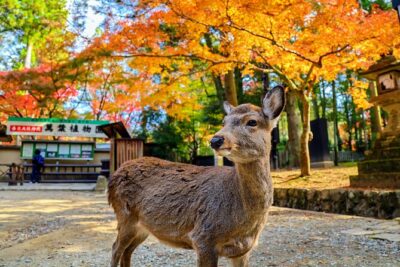
World Heritage Kyoto & Nara Uji Authentic Matcha Experience
Read our review →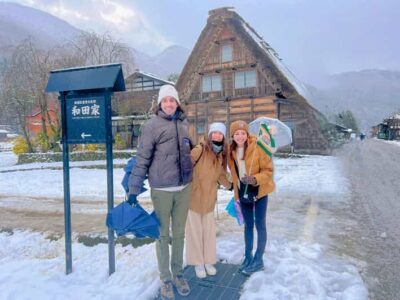
World Heritage Shirakawa-go Morning Guided Tour
Read our review →
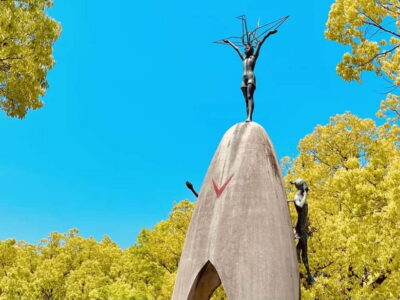
Hiroshima Historical Walking Tour – Why A-Bomb was Dropped
Read our review →
Hiroshima Peace (Heiwa) Walking Tour at World Heritage Sites
Read our review →
Yanaka Walking Tour: Historic and Traditional District of Tokyo
Read our review →
Shinjuku Historical Walking Tour & Secret Backstreets
Read our review →Browse the lists this tour appears in