
Review · SAMURAI SWORD & NINJA TRAINING
Kyoto 2 Hours Genuine Kendo / Samurai Experience In Japan
Kendo in Kyoto is a real hands-on way to feel Japanese discipline up close. I like that this 2-hour class teaches basic rules and how to wear the armor correctly, then moves you toward controlled sparring with bamboo swords. The biggest drawback to plan for is that the gear can feel hot and sweaty, so you will want to pace yourself.
Two details make this tour especially practical. First, you get all kendo equipment plus a towel and bottled water, so you show up ready to train. Second, it is designed for first-timers, with an instructor who has experience teaching in English, which matters when dojo terms and safety cues are flying fast. It is a smart choice if you want a genuine culture moment without needing prior martial arts experience.
In This Review
- Key points to know before you go
- Why a 2-Hour Kyoto Kendo Lesson Works for First Timers
- Getting There: Hanazono Station to the Dojo in Real Kyoto Time
- Armor, Etiquette, and the Basic Rules That Make Practice Safer
- From Footwork to Bamboo Swords: How the Training Flows
- The Mind-Body Side: Manners, Spirit, and Lifelong Kendo
- Who Teaches You and Why It Matters for an English-Friendly Session
- Price and Value: What $118.89 Buys You in Kyoto
- Comfort and Safety Tips for Hot Gear and Active Training
- Logistics That Affect Your Day: Tickets, Transit, and What Is Not Included
- Who Should Book This Kyoto Kendo and Samurai Armor Experience
- Should You Book This Kyoto Kendo Lesson?
- FAQ
- Where does the kendo experience start in Kyoto?
- What time does the session begin?
- How long is the Kyoto kendo lesson?
- Is kendo equipment included?
- Do you get anything to help after the class?
- Is hotel pickup or drop-off included?
- Is the instruction beginner-friendly and available in English?
- What is the cancellation policy?
Key points to know before you go
- Hanazono Station meeting point: You start at a clear Kyoto transit hub, then head to the dojo on foot
- English-friendly teaching: Concepts like etiquette and technique are explained in an easy-to-follow way
- Armor rental included: You practice how to use the gear, not just how to swing a sword
- Lesson progression: Warm-up, footwork, weapon basics on a dummy, then pair practice and sparring
- Comfort essentials included: Towel and bottled water are part of the experience
Why a 2-Hour Kyoto Kendo Lesson Works for First Timers
A good kendo introduction has one job: make you feel safe, capable, and curious fast. This Kyoto kendo experience does that by focusing on fundamentals first, like how to follow the basic rules and how to handle the armor setup. Instead of throwing you into the deep end, the class builds confidence step by step.
I also like the way it frames kendo as more than hitting and competition. You learn about the sport’s goals around manners and self-discipline, and you get context for the practice, including the etiquette and cultural side. That combo is what makes the session feel like something you cannot replicate by simply watching kendo on YouTube.
The time is another reason it works. Two hours is long enough to get real practice, but short enough that you are not stuck in “wait around and watch” mode. For many people, this is the perfect first dojo experience in Kyoto.
More Samurai & Ninja Sessions in Kyoto
- Kyoto Samurai Experience
★ 5.0 · 1,294 reviews - Kyoto: Kendo and Samurai Experience with Uniform and Gear
★ 4.9 · 815 reviews - Kyoto: Samurai Sword Class by Experts in Traditional Arts
★ 4.9 · 657 reviews
Getting There: Hanazono Station to the Dojo in Real Kyoto Time
Your start point is Hanazono Station (near public transportation), and the activity ends back at the same meeting point. There is no hotel pickup or drop-off, so you want to treat this like a transit-based local activity, not a private driver day.
One thing I appreciate is that the meeting point is not a mystery address. You meet at the station, and then you head to the dojo from there. That matters in Kyoto, where you can waste time if a meeting point is hard to find.
Also keep the start time in mind. The session starts at 10:00 am, and the duration is about 2 hours. If you are planning other sights the same morning, give yourself buffer time to handle train delays and walking.
Finally, group size is capped at 30 travelers. In practice, classes can feel much smaller, which helps you get corrections and move through drills without feeling like a spectator.
Armor, Etiquette, and the Basic Rules That Make Practice Safer
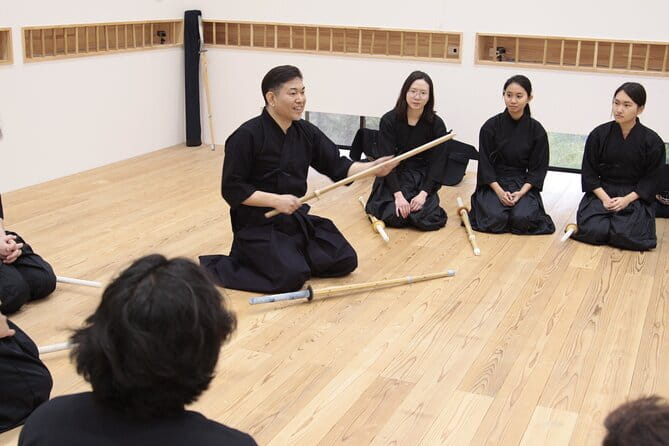
If you are new to kendo, the armor is usually the first big hurdle. The lesson in Kyoto helps you understand how the gear works and how to use it properly. That is key, because a comfortable fit means better movement and less distraction while you practice.
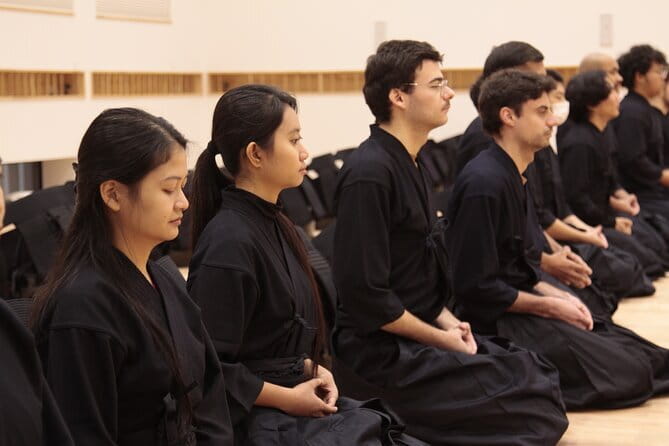
You also spend time on etiquette and “how to behave in a dojo.” Kendo is full of signals, from bowing to starting and stopping drills the right way. The class connects those manners to the purpose of the training, including the idea of unifying your spirits through focus and respectful conduct.
Even if you know nothing about martial arts, you will have something concrete to do. You are not just listening to a lecture. You are learning the basic structure of practice: how to respond, how to stand, and how to move with intention.
One practical consideration: the gear can get hot. That is not surprising, but it is easy to underestimate. You will want to show up hydrated and plan to sweat, even if you only do a short session.
From Footwork to Bamboo Swords: How the Training Flows
The best kendo lessons feel like a video game tutorial: simple controls first, then gradually tougher challenges. This class follows that kind of logic.
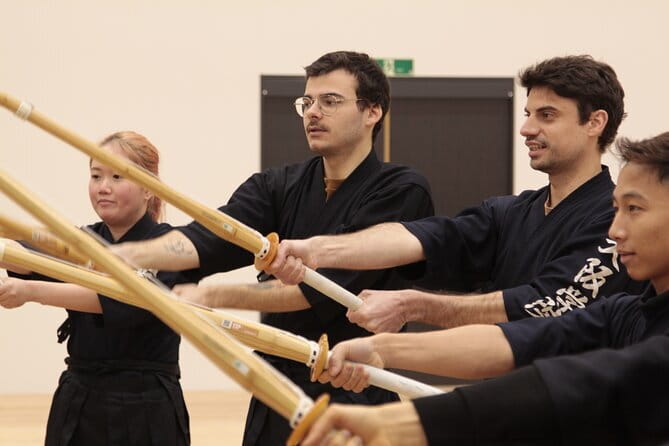
You start with a warm-up and then work on footwork, because stance and timing matter as much as the strike. After that, you move toward weapon handling. A common progression here is practicing weapons on a dummy, then practicing with partners, and later progressing toward sparring.
The bamboo swords, used for safe training, give you that immediate “I get it now” feeling. You are not dealing with something intimidating, but you are still learning real mechanics: distance, rhythm, and the discipline of striking with control.
What I like most is the step-by-step pacing. Even if you are physically active, you may not understand kendo’s timing at first. A structured progression gives you a chance to build it without panic.
And if you worry about communication, the English factor helps. Some instructors may focus more on local terms, but the teaching here is built to be understood, so you can actually learn the why behind each drill, not just copy motions.
More Samurai and Ninja sessions in Kyoto:
- Skip the lines Basic Ticket at SAMURAI NINJA MUSEUM KYOTO
★ 4.5 · 632 reviews - Ninja 1-hour Hands-on Lesson by Japanese master in Kyoto -Entry
★ 5.0 · 489 reviews - Kyoto: Ninja Weapon Forging Experience
★ 4.8 · 478 reviews - Kyoto: Samurai Kenbu Traditional Sword Dancing Show
★ 4.5 · 426 reviews
The Mind-Body Side: Manners, Spirit, and Lifelong Kendo
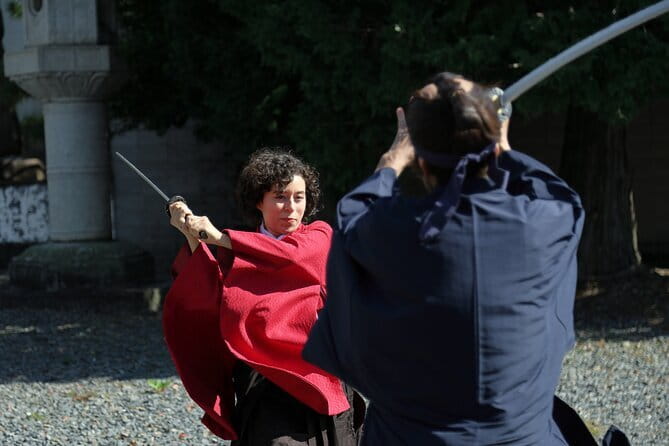
Kendo often gets described as a martial art, but the training here makes it clear it is also personal development. The class highlights three benefits you can create through kendo: manners, lifelong kendo, and a kind of mental alignment tied to the spirit of practice.
In practical terms, that means you are not only “learning to swing.” You practice how to calm your mind, respect the training space, and focus on fundamentals. That is why bowing and terminology are part of the experience, not leftover trivia.
You also touch on the sport’s history and why etiquette matters. Kendo history here is discussed as spanning decades, and you learn that the discipline is built around safety, respect, and continuous improvement. The point is not to memorize dates, but to understand why the routine looks the way it does.
If you like culture that you can feel in your body, this is a strong fit. You do not just observe. You participate in the rules that shape the sport.
Who Teaches You and Why It Matters for an English-Friendly Session
The instructor makes a big difference, especially for first-timers. In this Kyoto experience, the teaching is guided in a way that works for visitors, and the instructor has experience explaining things in English.
One instructor name you may see referenced is Takahiro Hayashi. The teaching style described is friendly and patient, with clear guidance through the progression from drills to sparring. I like that approach for travel days because it reduces the stress of not knowing what you are supposed to do.
You also tend to get helpful feedback in the moment. That is what turns a fun activity into real learning, even if you are only taking one session.
Price and Value: What $118.89 Buys You in Kyoto
At $118.89 per person for about 2 hours, the value is not just “pay for fun.” You are paying for safety, instruction, and equipment.
Here is what that price covers based on what is included:
- All kendo equipment
- A free kendo towel
- Bottled water
That matters because in Japan, rentals can add up quickly once you include time, logistics, and the hassle of figuring out what you need. With equipment handled for you, you can focus on the activity, not shopping.
You still need to plan for yourself: you should show up moderately fit, because you are doing footwork and drills. And you should expect some heat inside the armor. But those are normal training considerations, not hidden fees.
Group size cap is 30 travelers, which is also part of the value equation. Smaller class dynamics generally mean you get more attention and more chance to practice.
Comfort and Safety Tips for Hot Gear and Active Training
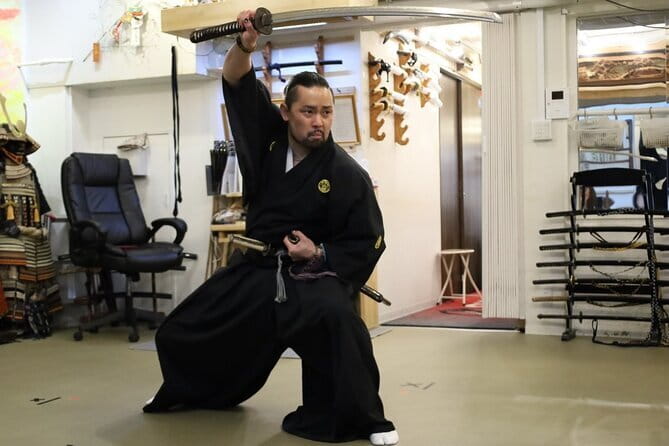
Even with careful instruction, kendo gear is intense. You will likely feel hot, especially if you are moving through footwork drills and controlled sparring.
Do this before you go:
- Drink water beforehand
- Wear clothing you can sweat in comfortably
- Plan for towel needs, even though a towel is provided
- Expect a moderate physical workout
One review tip worth taking seriously: bring a towel. You do get a free towel and water with the experience, but having your own backup can make you feel better at the end, especially if you are sensitive to sweat.
Also remember that food is not included. If you are doing this as part of a full Kyoto day, eat before you meet at Hanazono Station, or plan a meal after you return.
Logistics That Affect Your Day: Tickets, Transit, and What Is Not Included
This experience uses a mobile ticket, so have it ready on your phone. It is near public transportation, which helps in Kyoto where trains are usually the easiest option.
What is not included:
- Hotel pickup/drop-off
- Food
So build your schedule around going to Hanazono Station yourself. If you are staying central, it is usually manageable, but do not plan this as a “we will handle you from door to door” kind of activity.
The good news is that the start and end point are the same, so you do not lose time wandering afterward.
Who Should Book This Kyoto Kendo and Samurai Armor Experience
This is a great fit if you want:
- A first kendo lesson with clear rules and guidance
- Equipment included, so you do not have to rent gear separately
- A short, focused activity that still feels like real training
- A cultural angle through etiquette and mindset
It may not be ideal if you:
- Want a passive, sightseeing-style experience
- Dislike physical activity, even light-to-moderate movement
- Are sensitive to heat and heavy clothing
If you are traveling with family, it can also work well, especially because the instruction is described as friendly and supportive, and the progression is designed for beginners.
Should You Book This Kyoto Kendo Lesson?
I would book this if you want a Kyoto activity where you do something physical, learn etiquette, and leave with a better understanding of how kendo practice works. The equipment included piece is a big practical win, and the English-friendly teaching helps you actually understand what you are doing.
Skip it if your top priority is soaking up scenery and taking photos with no physical demands. This is a dojo session, not a museum walk.
If you time it well and show up ready to sweat a little, this is one of those “only in Japan” experiences where the culture is not just seen, it is practiced.
FAQ
Where does the kendo experience start in Kyoto?
It starts at Hanazono Station in Kyoto, and it ends back at the same meeting point.
What time does the session begin?
The start time is 10:00 am.
How long is the Kyoto kendo lesson?
The experience is about 2 hours.
Is kendo equipment included?
Yes. All kendo equipment is included in the price.
Do you get anything to help after the class?
Yes. You receive a free kendo towel and bottled water.
Is hotel pickup or drop-off included?
No. Hotel pickup and drop-off are not included, so you need to get to the meeting point yourself.
Is the instruction beginner-friendly and available in English?
The experience is designed as a good entry point for first-timers, and the instructor has experience teaching in English, with concepts explained clearly.
What is the cancellation policy?
You can cancel up to 24 hours in advance for a full refund, and free cancellation is available under that timeline.
Newly listed around Kyoto
- Guided Photoshoot of Fushimi Inari Shrine and Secret Bamboo Grove★ 5.0 · 10 reviews
- Tailored Full Day Private Experience of Kyoto for 1 Day Visitors★ 4.5 · 34 reviews
- Private car tour Let’s uncover secrets of majestic Kyoto history★ 5.0 · 45 reviews
- Kyoto Hiking Tour: The Nature and Legends of Kurama and Kibune★ 5.0 · 75 reviews
- Full-Day Sightseeing to Kyoto Highlights★ 5.0 · 77 reviews
- Kyoto Satoyama Cycling with Lunch and English Guide★ 5.0 · 19 reviews
- Kyoto Half Day Yamazaki Whisky Museum and Asahi Art Museum★ 5.0 · 11 reviews
- Kyoto 1 Day Suntory Yamazaki Distillery Tour and Asahi Art Museum★ 5.0 · 13 reviews
Samurai Sword & Ninja Training, compared.

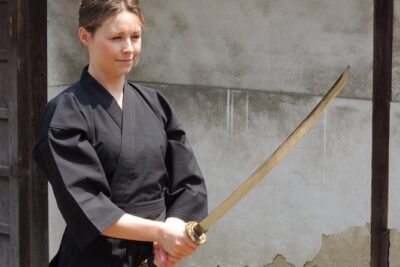
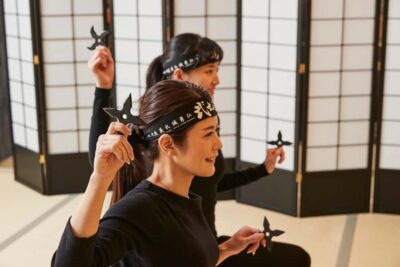
Samurai Ninja Museum Guided tour and Experience
Read our review →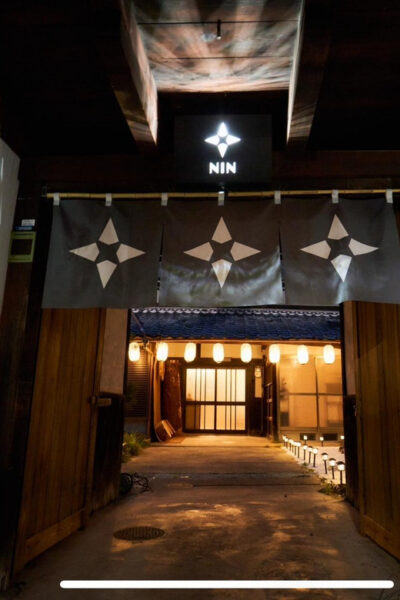
Kendo and Samurai Experience with Uniform and Gear
Read our review →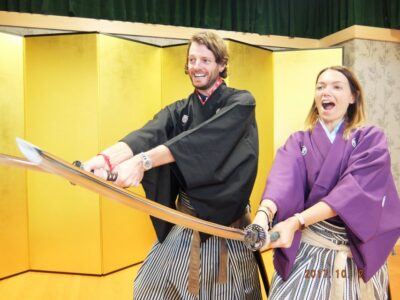
Samurai Sword Class by Experts in Traditional Arts
Read our review →
Skip the lines Basic Ticket at SAMURAI NINJA MUSEUM KYOTO
Read our review →
Samurai Sword & Archery Class from Samurai Descendant
Read our review →
Browse the lists this tour appears in