
Review · CYCLING & E-BIKE RIDES
Kyoto Satoyama Cycling with Lunch and English Guide
A ride through real rural Japan. Kyoto Satoyama Cycling sends you 30 minutes from Kyoto City into Sonobe, where you cycle quiet roads, hear birds, and stop at places locals care about. I love that it mixes e-bike ease with hands-on food culture, guided in English by people born and raised in the area.
What I like most is the choice of lunch styles, plus the chance to slow down and actually look around. This is also a very practical half-day plan, with short rides between stops and time to get the stories behind each site.
One thing to consider, though, is time creep. The tour runs about 4 to 5 hours including bike time, and if you add extras like Mt. Komugi (Mario birthplace), it may run past 2 pm.
In This Review
- Key highlights you should know
- Kyoto Satoyama: why Sonobe feels like a different Kyoto
- Meeting point and timing: a smooth 4 to 5 hour half-day
- Ikimi Tenmangu Shrine: exam prayers with a learning god
- Sonobe Castle ruins, now a high school gate
- Closed elementary school soba: where the hands-on part happens
- Make Shrine: agriculture worship under a thatched roof
- Lunch choices: Course A soba set vs Course B traditional house meal
- Optional extras like kimono photos, koto, and Mario Mt. Komugi
- What the ride feels like with safety support
- Price and value: 15,000 yen for a real local day
- Who should book this tour, and who should skip it
- What to wear and bring for comfort
- Should you book Kyoto Satoyama Cycling with Lunch and English Guide?
- FAQ
- What time does the Kyoto Satoyama Cycling tour start?
- How long does the tour take?
- Where is the meeting point?
- Does the tour include lunch?
- Is the guide available in English?
- Are vegan, vegetarian, and allergy-friendly meals available?
- Is this tour private?
- What optional experiences can you add during the tour?
- How long are the rides between stops?
- What happens if the weather is bad?
- Can I cancel for free?
Key highlights you should know
- Sonobe Satoyama by e-bike: countryside roads with short hops between stops
- English guidance from locals: town-born guides help you connect the dots
- Two lunch courses: hands-on soba making or a meal in a traditional house
- Shrines and castle remnants: Ikimi Tenmangu, Sonobe castle ruins, and agricultural worship at Make Shrine
- Extra cultural add-ons: kimono photo, koto, spring water stop, and more
Kyoto Satoyama: why Sonobe feels like a different Kyoto
If your Kyoto checklist is all temples and crowds, this side trip gives you a breather. Sonobe is part of Kyoto Prefecture’s satoyama world, where farms, small rivers, and old community landmarks sit close together. The vibe is calm, and the rhythm works well for people who want culture without spending the whole day on their feet.
What makes this tour smart is how it matches the pace to the setting. You are not sprinting from one photo stop to another. You ride an e-bike along countryside roads, then spend time at each place, from shrine prayers to a bucket-list-ish food moment. I also like that the guides are locals, so explanations tend to sound like everyday knowledge instead of a script.
More Bike Rides in Kyoto
- Bike Tour Exploring North Kyoto plus Lunch
★ 5.0 · 1,087 reviews - Arashiyama Bamboo Forest & Hidden Gems Bike Tour (Early Bird)
★ 5.0 · 613 reviews - 5 Top Highlights of Kyoto Full Day Bike Tour (E-bike option)
★ 5.0 · 511 reviews
Meeting point and timing: a smooth 4 to 5 hour half-day
The tour meets at Mizobe-6-21 Sonobechō Oyama Higashimachi, Nantan, Kyoto 622-0041, Japan, and it starts at 10:00 am. You cycle between points for short stretches, about 10 to 20 minutes at a time, then pause for each main stop. The total duration is listed as 4 to 5 hours, and that time includes the cycling itself.
This matters because it changes expectations. You are not just “doing lunch plus a quick walk.” You’re booking a real rural outing. Plan to bring yourself, not a racing heart. If you’re adding optional experiences at the start (castle visit, shrine worship, drinking spring water, kimono photo, koto, Mario mountain exploration), the day can run longer, and the tour notes it may extend past 2 pm depending on what you pick.
Ikimi Tenmangu Shrine: exam prayers with a learning god
Your first stop is Ikimi Tenmangu Shrine, described as the oldest Tenmangu Shrine in Japan. Tenmangu shrines are connected to Sugawara no Michizane, revered as the god of learning. People visit to pray for success in exams, so you’ll feel that purpose right away.
This stop is brief, around 10 minutes, and admission is free. That’s a good sign for the overall tour style: you get the important context without turning every location into a time-sink. If you like when religion meets daily life, this is the kind of stop that helps Kyoto feel more human.
Sonobe Castle ruins, now a high school gate
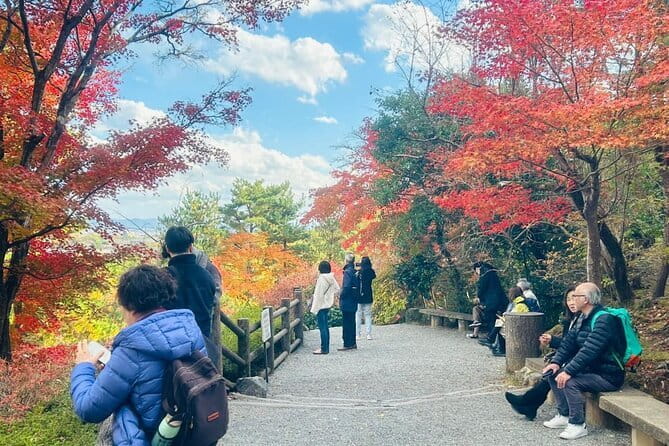
Next you’ll see the ruins of Sonobe Castle. The tour frames it as the last castle built in Japan, and today the remaining structures are used as the main gate of Sonobe High School. You can expect to see the main gate and elements like castle walls, turrets, and a guardhouse, depending on the schedule.
This is one of those stops where the story becomes visible. Old military architecture repurposed into modern education space is a theme you’ll keep noticing in Japan if you watch closely. The ride time to get here is short, and the admission is listed as free, so it stays easy to slot into your day.
More Bike Tours in Kyoto
- Hidden Kyoto E-Biking tour
★ 5.0 · 1,843 reviews - Full Day Biking Tour Exploring the Best of Kyoto
★ 5.0 · 498 reviews - Kyoto: Memory Kyoto E-Bike Tour
★ 4.8 · 297 reviews - E-Bike Tours of the highlights of Kyoto!!!
★ 5.0 · 291 reviews
Closed elementary school soba: where the hands-on part happens
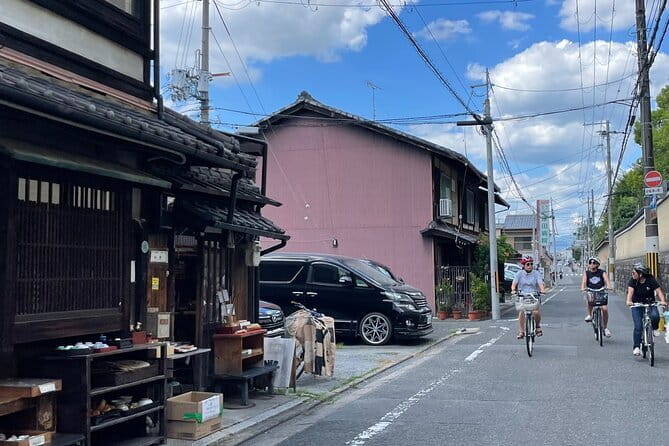
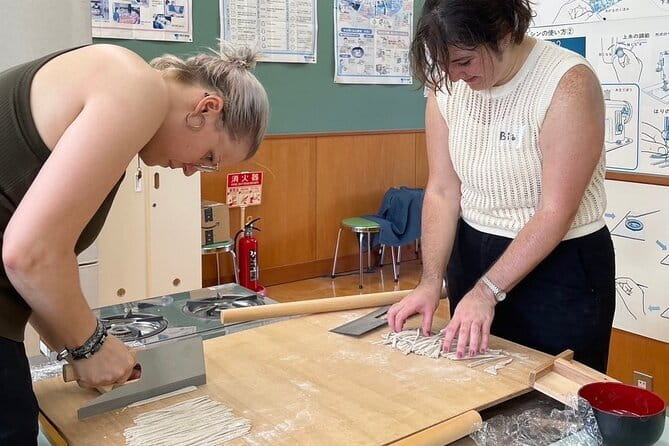
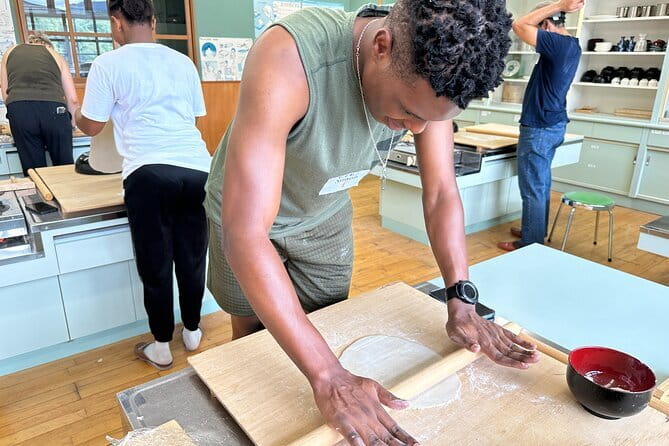
This is the longest single activity block, and it’s also the core food experience. At 旧摩気小学校前(バス), you use a closed elementary school building for a soba-making session. The tour notes that buckwheat is harvested locally, and you’ll make noodles and enjoy freshly boiled soba on-site.
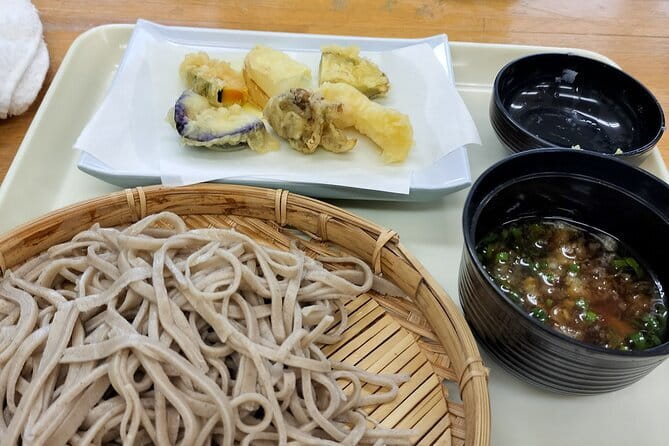
The meal element is not just noodles. You’re also served tempura and rice balls, and the tour assigns about 1 hour 50 minutes for this stop, with admission listed as free. If you enjoy cooking demos that actually turn into something edible, this is your payoff.
One practical point: because this is hands-on and in a former school space, it’s worth wearing comfortable clothes. You’ll be moving a bit more than at the shrines, and you’ll want the freedom to roll sleeves or adjust footwear easily.
Make Shrine: agriculture worship under a thatched roof
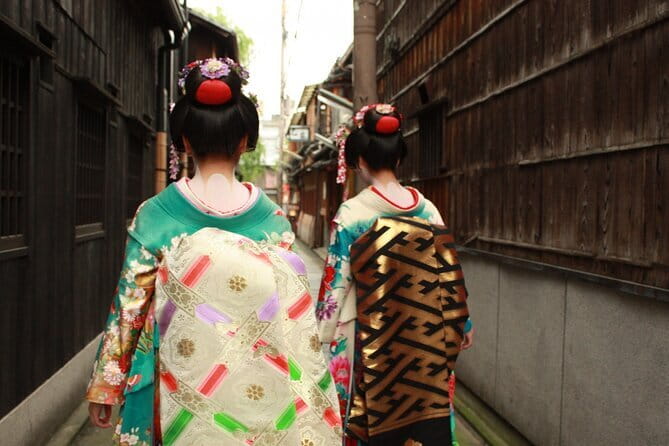
After the soba stop, you head to Make Shrine, which enshrines the god of agriculture from the Tanba region. The tour connects this to Kyoto’s historical food supply, so the shrine feels less abstract than a lot of famous temple stops. It’s about the work that keeps communities alive.
Here, you’ll find a thatched roof on the main hall, and the visit is around 30 minutes. Admission is listed as free. This stop works well as a palate cleanser after the meal, because it brings you back to the reason satoyama landscapes exist in the first place, farming, water, seasons, and food.
Lunch choices: Course A soba set vs Course B traditional house meal
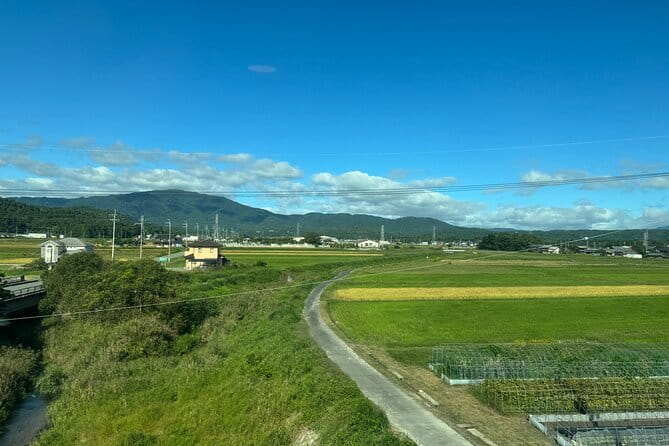
This is where the tour becomes personal. You can choose between two lunch paths at booking.
Course A focuses on the soba experience: hands-on noodle making and then a soba set meal. You get the satisfaction of participating, not just watching. It’s also the most interactive lunch option, which is great for couples or friends who want something memorable beyond scenery.
Course B swaps the soba session for local produce at a restaurant in a traditional Japanese house. The tour description makes it clear this is still part of the rural theme, but the emphasis shifts from cooking activity to taste and local ingredients. If you prefer a slower lunch with fewer tasks, Course B may feel more comfortable.
I also like that the tour notes meal options can be adjusted for vegan, vegetarian, and allergies when requested. That’s a real value add on a half-day schedule, because it reduces the guesswork.
Optional extras like kimono photos, koto, and Mario Mt. Komugi
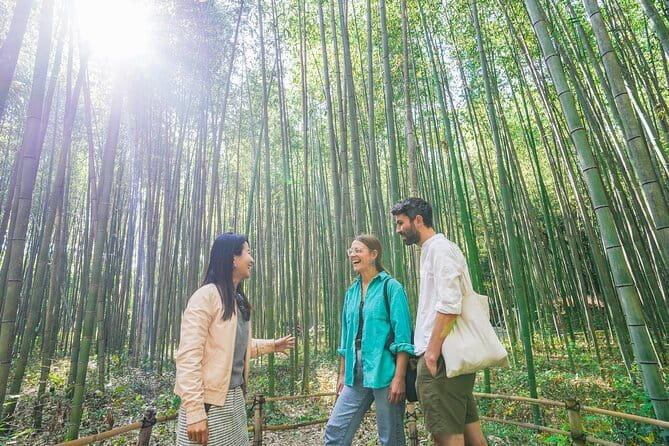
At the start, you can choose two or three extra experiences included in the price. This is one of the best ways to tailor the day to your interests.
Common options listed include:
- Kimono photo (including traditional photo opportunity)
- Playing the traditional instrument koto
- Drinking spring water over a small mountain
- Castle-related visit and Shinto shrine worship
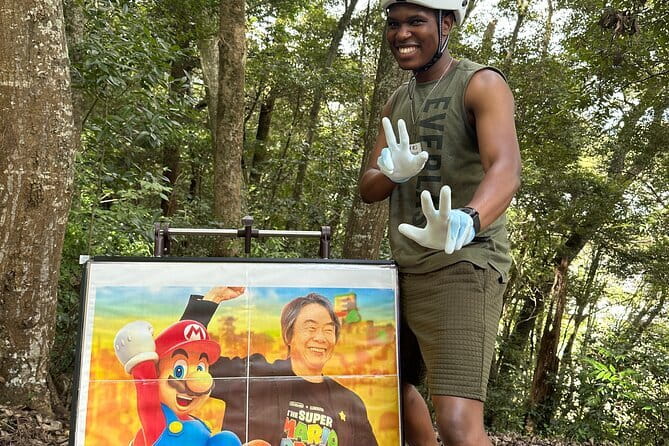
- Mario Mountain exploration, connected to Mt. Komugi, described as the birthplace of Super Mario
These extras can change the day length. The tour explicitly notes that exploring Mt. Komugi may extend the tour past 2 pm. If you’re trying to catch a specific late train back to Kyoto City, keep your add-ons lean.
Also, the kimono and koto options can be a fun switch if you’ve already done temples before. They’re cultural touches that feel different from the usual “stand and look” travel.
What the ride feels like with safety support
This isn’t a wild countryside endurance event. The day is built on short rides between stops, and the tour uses e-bike power to make the hills manageable for more people. In reviews, I saw mention of electric bikes, plus safety support and weather prep like hand warmers and neck warmers when conditions were cool.
That kind of behind-the-scenes care matters more than you think. If you’re cycling in winter or shoulder season, warmth and safety gear can turn a chilly ride from annoying into actually enjoyable. You’re not just being dropped off with a bike and a map.
Price and value: 15,000 yen for a real local day
The participation fee is listed as 15,000 yen for one person, and the price shown is $78.83 per person. For a 4 to 5 hour e-bike experience with an English local guide, multiple stops, and lunch included, the value is pretty clear. You’re paying for three things that usually cost money and time separately: guided access, transport by e-bike, and food.
It’s also helpful that many stops list admission as free during the tour. That lowers the typical “surprise” factor that can happen when a half-day includes several paid attractions.
Finally, you get group discounts, and the tour is private, meaning it’s just your group. That’s often the sweet spot for families, friend groups, and anyone who wants the guide to set the pace instead of competing with a big crowd.
Who should book this tour, and who should skip it
This tour is a strong fit if you:
- Want Kyoto countryside with less walking and more time to enjoy the scenery
- Care about food culture, especially soba (Course A)
- Like shrines but prefer context and explanation, not just silence and photos
- Want a practical, half-day format with an English guide
You might skip it if you want a long, temple-heavy day in Kyoto proper, or if you prefer cycling only with zero schedule structure. This tour is guided and timed, by design.
What to wear and bring for comfort
You’ll be cycling on an e-bike and then walking short distances at each stop. Wear comfortable shoes that can handle uneven outdoor ground and a bit of shrine-area walking. Dress for the weather, because the tour requires good weather, and the countryside can feel colder than Kyoto City.
If you’re sensitive to temperature shifts, consider bringing a small layer. The tour has a history of providing warmers in colder conditions, but you should still plan to be comfortable on the day.
Should you book Kyoto Satoyama Cycling with Lunch and English Guide?
My take: book it if you want a calmer, more local Kyoto day that blends countryside scenery with real activities and a satisfying lunch. The best reason is the balance. You get e-bike convenience, meaningful stops like Ikimi Tenmangu and Make Shrine, and a lunch choice that fits your style, hands-on soba making or a traditional house meal.
I’d especially recommend it for food lovers and for people who like being guided through places with living local relevance. If you’re the type who gets bored by “just another temple,” this tour offers more variety without feeling scattered.
FAQ
What time does the Kyoto Satoyama Cycling tour start?
The tour starts at 10:00 am.
How long does the tour take?
It runs about 4 to 5 hours. The total duration includes travel time by bicycle.
Where is the meeting point?
The meeting point is Mizobe-6-21 Sonobechō Oyama Higashimachi, Nantan, Kyoto 622-0041, Japan.
Does the tour include lunch?
Yes. You choose between Course A with a hands-on soba noodle-making experience and a soba set meal, or Course B with local produce at a restaurant in a traditional Japanese house.
Is the guide available in English?
Yes. The tour is guided in English by friendly local guides born and raised in the town.
Are vegan, vegetarian, and allergy-friendly meals available?
Yes, you can request vegan, vegetarian, and allergy-friendly meals.
Is this tour private?
Yes. It is listed as private, so only your group participates.
What optional experiences can you add during the tour?
The options listed include castle visit, Shinto shrines (worship), drinking spring water, a kimono photo, playing koto, and Mario Mountain exploration (Mt. Komugi).
How long are the rides between stops?
The travel time between points is approximately 10 to 20 minutes.
What happens if the weather is bad?
The experience requires good weather. If it is canceled due to poor weather, you are offered a different date or a full refund.
Can I cancel for free?
Yes, it has free cancellation. You can cancel up to 24 hours in advance for a full refund, and cancellations within 24 hours of the start time are not refundable.
More Cycling Tours in Kyoto
- Afternoon Kyoto Bike Tour: Bamboo Forest, Monkeys & Hidden Spots
★ 5.0 · 283 reviews - South Kyoto in a Nutshell: Gentle Backstreet Bike Tour!
★ 5.0 · 225 reviews - Kyoto: City Secrets eBike Tour
★ 4.9 · 196 reviews - Historical Kyoto E-Bike Tour
★ 5.0 · 181 reviews
Newly listed around Kyoto
- Guided Photoshoot of Fushimi Inari Shrine and Secret Bamboo Grove★ 5.0 · 10 reviews
- Tailored Full Day Private Experience of Kyoto for 1 Day Visitors★ 4.5 · 34 reviews
- Kyoto 2 Hours Genuine Kendo / Samurai Experience In Japan★ 5.0 · 57 reviews
- Private car tour Let’s uncover secrets of majestic Kyoto history★ 5.0 · 45 reviews
- Kyoto Hiking Tour: The Nature and Legends of Kurama and Kibune★ 5.0 · 75 reviews
- Full-Day Sightseeing to Kyoto Highlights★ 5.0 · 77 reviews
- Kyoto Half Day Yamazaki Whisky Museum and Asahi Art Museum★ 5.0 · 11 reviews
- Kyoto 1 Day Suntory Yamazaki Distillery Tour and Asahi Art Museum★ 5.0 · 13 reviews
Cycling & E-Bike Rides, compared.

3h Tokyo E-Bike Tour: Hidden Gems, and Local Life with guide
Read our review →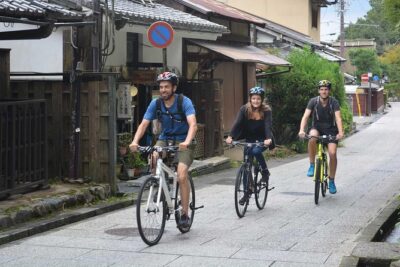
Arashiyama Bamboo Forest & Hidden Gems Bike Tour (Early Bird)
Read our review →
5 Top Highlights of Kyoto Full Day Bike Tour (E-bike option)
Read our review →

Hiroshima 2hr Peace Cycling Tour with Local Guide
Read our review →Browse the lists this tour appears in