
Review · JAPANESE COOKING WORKSHOPS
Japanese Cooking Class in the Heart of Sapporo with Sakura
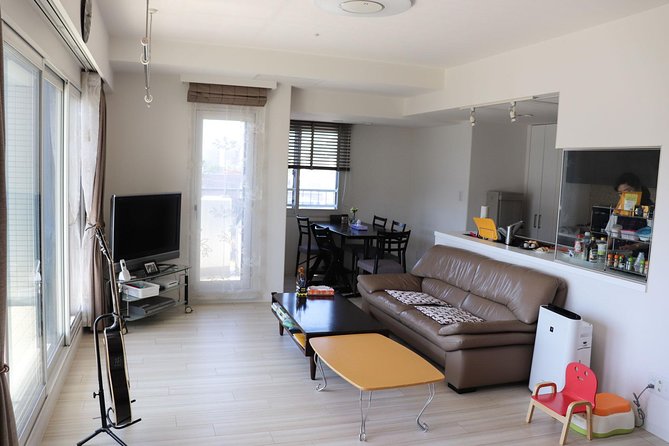
Cooking in a local home beats a studio class. I’m drawn to the private feel with Sakura, and I love that you eat everything you make with drinks included. The one thing to keep in mind is that this is not a professional cooking studio, so expect a cozy home setup, not restaurant-level equipment.
You’ll start in a quiet residential area, then work side-by-side with your host in her kitchen. After about 1 to 1.5 hours of cooking together, you sit down to enjoy the meal at the dining table. Menu items are seasonal, so what you cook can vary.
If you need dietary changes, plan ahead. A vegetarian option is available if you mention it when booking, and you should share any restrictions up front.
In This Review
- Key highlights you should care about
- Meeting Sakura near Higashi-Sapporo, not a big tourist scene
- What you’ll cook, 2 to 3 seasonal home-style dishes
- How the class runs: from hands-on prep to a real meal
- Why this is so personal: a private home class, not a studio
- The meal and drinks: no awkward wait, no extra bill
- Price and value: $72 for 3 hours that feed you
- Who this cooking class is perfect for
- Who might want a different kind of class
- Practical tips to make your day smoother
- Should you book Sakura’s Sapporo home cooking class?
- FAQ
- How long is the cooking class?
- Where does the class take place?
- What dishes will I make?
- Is the class private?
- Is the meal included?
- Are drinks included?
- Is there a vegetarian option?
- Is there hotel pickup or drop-off?
- Is the class family-friendly?
- What is the cancellation policy?
Key highlights you should care about
- Private cooking with Sakura in her home in Sapporo, so you get real personal attention
- Seasonal home-style dishes that you can realistically repeat later
- Cook, then eat everything you make, with drinks included
- Beginner-friendly pace, often with lots of patience while you learn
- Child friendly and family-style in a genuine home setting
- No hunger pangs built in, since the class includes a full meal
Meeting Sakura near Higashi-Sapporo, not a big tourist scene

This experience starts at Kikusui 4 Jo in Shiroishi Ward, Sapporo, with the activity running from 10:30 am and ending back at the meeting point. There’s no hotel pickup or drop-off, so you will want to handle your own transit like a local.
The best part is also the biggest shift from most tours: you’re not meeting at a showroom kitchen. You’re walking into Sakura’s apartment, located in a peaceful residential area within about a ten-minute walk of Higashi-Sapporo station. That short walk matters. It keeps things relaxed, and you won’t be stuck in a maze of crowds before you even start cooking.
One practical tip I’d take seriously: the address and navigation can be tricky depending on what map route you’re given. In the reviews, people stressed using the Google link provided in the details because it makes finding the apartment much easier. If you’re arriving by transit, open your map ahead of time, save the spot, and double-check you’re heading to the right building.
More Cooking workshops in Sapporo:
- Private Japanese Cooking Class in Sapporo with Local Chef Shiori
★ 5.0 · 34 reviews - Private Market Tour and Cooking Class with Kanae, a Sapporo Local
★ 5.0 · 29 reviews - Private Japanese Cooking Class in Sapporo with Local Host Kanae
★ 5.0 · 20 reviews
What you’ll cook, 2 to 3 seasonal home-style dishes
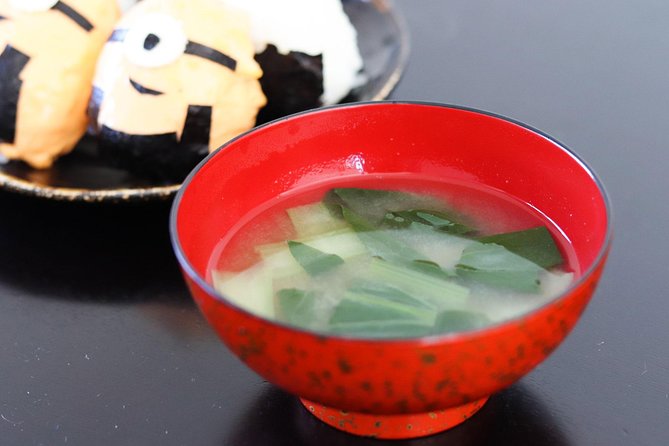
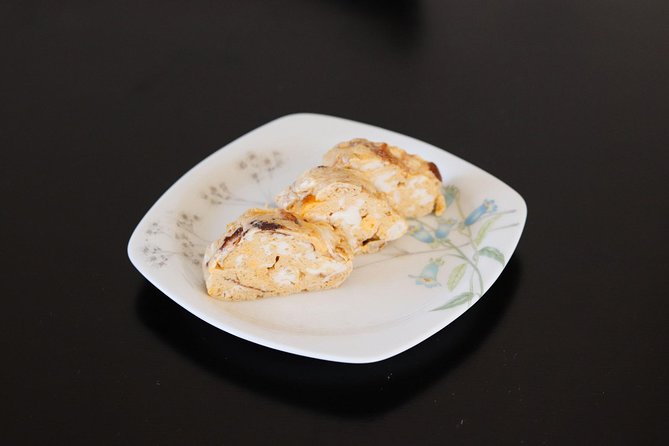
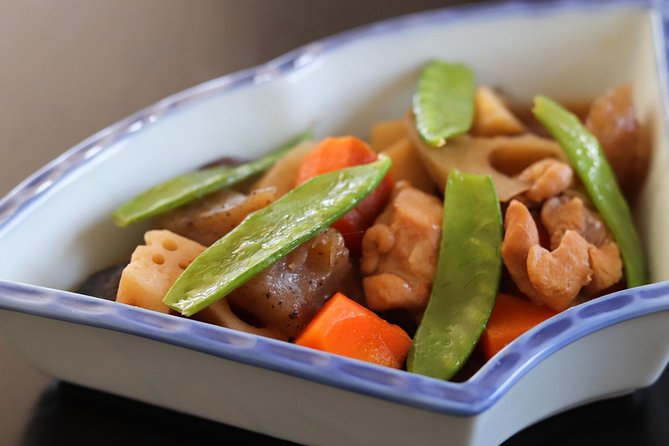
The menu is designed around seasonal, home-style Japanese cooking. You’ll typically make 2 to 3 dishes, with the exact combination changing by season. Some example dishes you might see include miso soup, onigiri (rice balls), and tamago, an egg roll cooked with stock.
Here’s why that matters for you: home-style dishes tend to teach you a technique, not just a single recipe. Even if you only make one dish at home, you usually carry over skills like balancing dashi and miso, shaping onigiri without overthinking, or understanding how tamago texture changes based on the cooking method.
Also, because the class is anchored in what’s seasonal, you get a more local picture of Japanese food in Hokkaido, not a year-round “tourist menu.” That can make the whole experience feel more grounded in daily life.
If you prefer vegetarian food, you can request a vegetarian option when booking. The key is to communicate dietary needs clearly before you arrive, since the menu may vary.
How the class runs: from hands-on prep to a real meal
The flow is straightforward and comfortable. You’ll join Sakura in her kitchen for a hands-on session for about 1 to 1.5 hours. That means you’re not just watching someone demonstrate while you stand around. You’ll help with prep and cooking steps in a guided way.
After the cooking, you sit down at the dining table to enjoy what you made together. The experience is built so you do not end up hungry afterward. Drinks are included, and there’s also local alcohol, typically 1 to 2 glasses.
This “cook, then eat” structure is honestly one of the best values in culinary travel. You get the learning, plus the reward. And since you’re eating at the end of the process rather than on the side, everything clicks faster. You taste what you just worked on, so the techniques make sense right away.
Why this is so personal: a private home class, not a studio
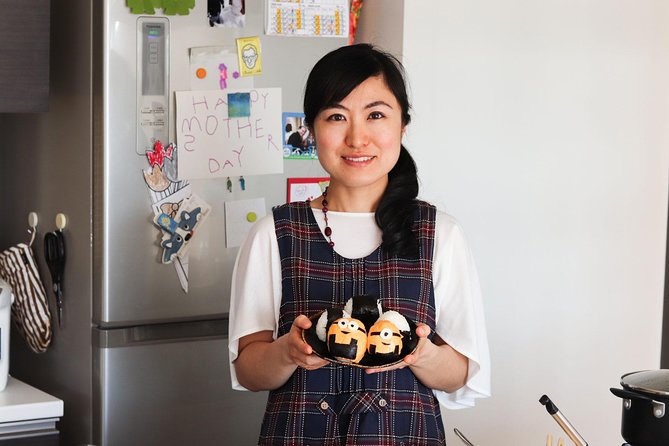
You’ll be in a private, personalized group experience, and only your group participates. That removes a lot of the stress that comes with larger classes where the instructor has to sprint between stations.
In a home kitchen, the teaching also tends to be more patient. The reviews call out Sakura’s patience directly, including one story where a late arrival happened after navigation issues. The big takeaway is that you don’t need to feel rushed. If you’re a beginner, you’ll likely appreciate the extra time and encouragement while you get the hang of each step.
It’s also family-friendly. One review described enjoying time with Sakura and her family, with kids having a great time too. That’s a helpful signal if you’re traveling with children and want something more natural than a formal class where kids are often told to sit quietly.
Just remember the trade-off: this is a cultural opportunity in a local home, not a professional cooking class in a commercial kitchen space. If you’re the type who wants every tool laid out like a cooking show, you might find it simpler than expected. But if you want real learning in a real place, that’s the point.
A few more Sapporo days to weigh up
- Ramen Cooking Class at Ramen Factory in Kyoto
★ 5.0 · 1,937 reviews - Ramen & Gyoza Cooking Class in Tokyo with Local Supermarket Visit
★ 5.0 · 823 reviews - Kyoto: Ramen Cooking Class at a Ramen Factory with Souvenir
★ 4.9 · 532 reviews - Kyoto: Ramen, Gyoza, and Onigiri Cooking Class
★ 5.0 · 445 reviews
The meal and drinks: no awkward wait, no extra bill
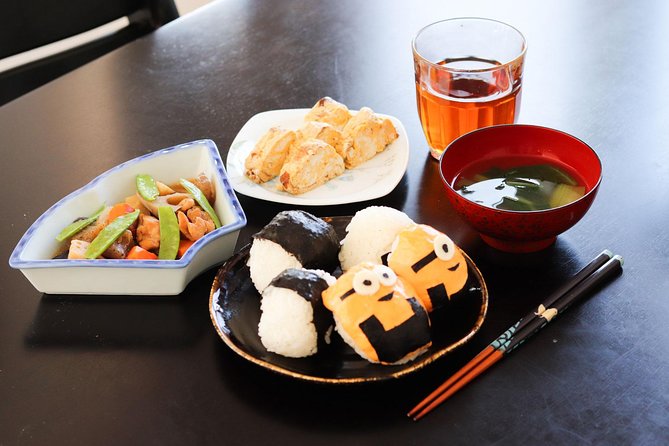
A lot of cooking experiences fall into one of two traps: either you pay for instruction but then spend extra on food, or you get a light snack and call it a meal. Here, you get a homecooked meal as part of the program, plus drinks.
That makes the price feel more reasonable because you’re not buying the class and then separately paying for dinner. And local alcohol included, usually 1 to 2 glasses, can turn the meal into a proper “stay awhile” moment.
Another small but important detail: you’re eating what you prepared. That changes the whole vibe. Instead of thinking, I’m learning for later, you’re thinking, I made this, now I can taste it and adjust how I’d do it next time.
Price and value: $72 for 3 hours that feed you
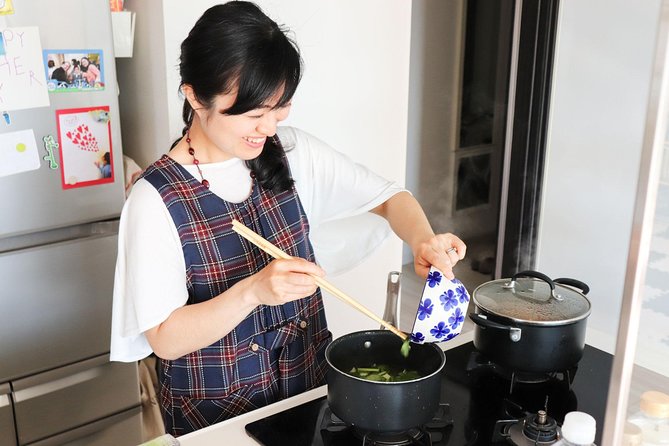
At $72.00 per person for roughly 3 hours, the value is in the combination. You’re paying for private instruction in a local home, plus the full meal, plus drinks (and local alcohol).
If you’ve ever tried to plan a cultural meal on your own, you know how quickly costs add up once you factor in food, transport, and time hunting for the right ingredients. This class removes that friction. Everything needed is included, so you can focus on learning.
Is it the cheapest thing you can do in Sapporo? Probably not. But it’s also not a bargain-snack event. You’re paying for a real person, real kitchen time, and a full dining moment at the end.
Where this price makes the most sense is for beginners who want structure and reassurance, and for travelers who like authentic “daily life” experiences more than showy production.
Who this cooking class is perfect for
I think this fits best if you:
- Want beginner-friendly guidance and don’t mind learning in a relaxed home setting
- Prefer local culture over a commercial studio experience
- Like hands-on activities where you get to eat right after cooking
- Are traveling as a small group and value privacy
- Are bringing kids, since it’s described as child friendly
It’s also a good fit if you care about seasonal food. Dishes like miso soup and onigiri are not just random “Japanese items.” They’re practical, comforting staples that make it easier to recreate the experience later.
Who might want a different kind of class
You might want to choose something else if:
- You strongly prefer a professional cooking studio environment with lots of standardized equipment
- You’re expecting a highly formal, lecture-style class
- You want a rigid menu with no seasonal variation (the menu can change)
This isn’t meant to be a test or a performance. It’s meant to feel like you’re learning in someone’s home. If you like that idea, you’ll likely enjoy it a lot. If you want a polished, industrial kitchen, the difference may bother you.
Practical tips to make your day smoother
A few practical moves will help you get the most from the experience:
Plan your arrival with the Google map link. Reviews specifically mention using the Google link provided in the details, because the navigation directions can be off compared with the website description. Do yourself a favor and follow the mapped route.
Use the mobile ticket. The activity uses a mobile ticket, so have it ready on your phone when you arrive.
Bring your questions, especially if you’re a beginner. Home cooking is often about technique you can’t fake. Ask while you cook, not after you’re done.
Share dietary needs at booking. Vegetarian option is available, and you should include dietary restrictions when you book so Sakura can plan accordingly.
Go prepared to walk and enter a home. There’s no pickup. You’ll meet at the apartment address and start there, so plan for transit and a short walk from Higashi-Sapporo station.
Bring patience and good vibes. The reviews highlight Sakura’s patience. That’s a sign this is the kind of class where calm questions and willingness to learn are rewarded.
Should you book Sakura’s Sapporo home cooking class?
If you’re deciding between a generic food tour and something more personal, I’d lean toward booking this. You’re getting private, home-style Japanese cooking, a meal you helped make, and drinks included, all in about 3 hours. For $72, the cost feels most justified when you value instruction, authenticity, and not having to plan dinner separately.
Book it especially if you want a beginner-friendly introduction to dishes like miso soup, onigiri, and tamago, and if you like the idea of learning in a local’s home rather than a commercial studio.
The main reason to hesitate is the home setting itself. It’s cultural and relaxed, not a polished cooking showroom. If that sounds perfect to you, you’ll likely have a great time.
FAQ
How long is the cooking class?
The experience lasts about 3 hours.
Where does the class take place?
You meet at Kikusui 4 Jo, Shiroishi Ward, Sapporo, Hokkaido, and the activity ends back at the meeting point.
What dishes will I make?
You will learn to make 2 to 3 seasonal home-style Japanese dishes. Menu items can include miso soup, onigiri, and tamago, but the exact menu can vary by season.
Is the class private?
Yes. It’s a private experience, and only your group will participate.
Is the meal included?
Yes. You’ll have a homecooked meal that you prepare during the class.
Are drinks included?
Yes. Drinks are included with the meal, and local alcohol is typically included as 1 to 2 glasses.
Is there a vegetarian option?
A vegetarian option is available. You should advise at booking if you require it, and include any dietary restrictions.
Is there hotel pickup or drop-off?
No. There is no hotel pickup and drop-off.
Is the class family-friendly?
Yes, it’s described as child friendly.
What is the cancellation policy?
Cancellation is free. You can cancel up to 24 hours in advance for a full refund, and cancellations within 24 hours are not refunded.
Newly listed around Sapporo
- Snowshoeing and Onsen Adventures in a Winter Wonderland -Sapporo.★ 5.0 · 30 reviews
- Sapporo Private Sightseeing Tour in Onsen with Special Package★ 5.0 · 8 reviews
- Snowshoe Hike Tour from Sapporo include hotel p/up & drop off★ 5.0 · 16 reviews
- Wagashi traditional japanese sweets class★ 5.0 · 49 reviews
- [Sapporo] Go by private car! Takino Cemetery, Hokkaido Shrine, Shiroi Koibito Park★ 4.5 · 10 reviews
- Shikisai-no-Oka and Furano Tour with buffet lunch from Sapporo★ 4.0 · 8 reviews
- Full Day Private Skiing / Snowboarding Tour in Sapporo★ 5.0 · 30 reviews
- Sapporo Afternoon Walking Tour 2h 30mins★ 5.0 · 6 reviews
Japanese Cooking Workshops, compared.
Ramen Cooking Class at Ramen Factory in Kyoto
Read our review →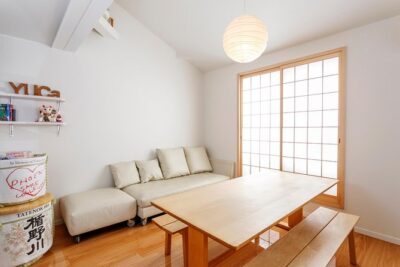
Ramen & Gyoza Cooking Class in Tokyo with Local Supermarket Visit
Read our review →
Ramen Cooking Class at a Ramen Factory with Souvenir
Read our review →
Japanese Washoku Bento Small Group Cooking Class
Read our review →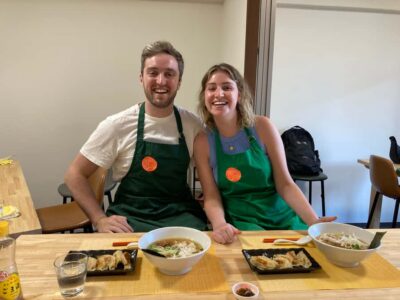
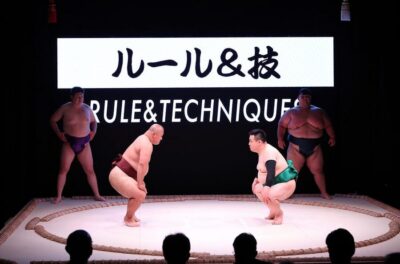
Sumo Stage Show with Bento or Snack + Fight & Photo
Read our review →
Ramen and Sushi Cooking Class with Sake Pairing Set in Tokyo
Read our review →Browse the lists this tour appears in