
Review · JAPANESE COOKING WORKSHOPS
Kyoto: Japanese Washoku Bento Small Group Cooking Class
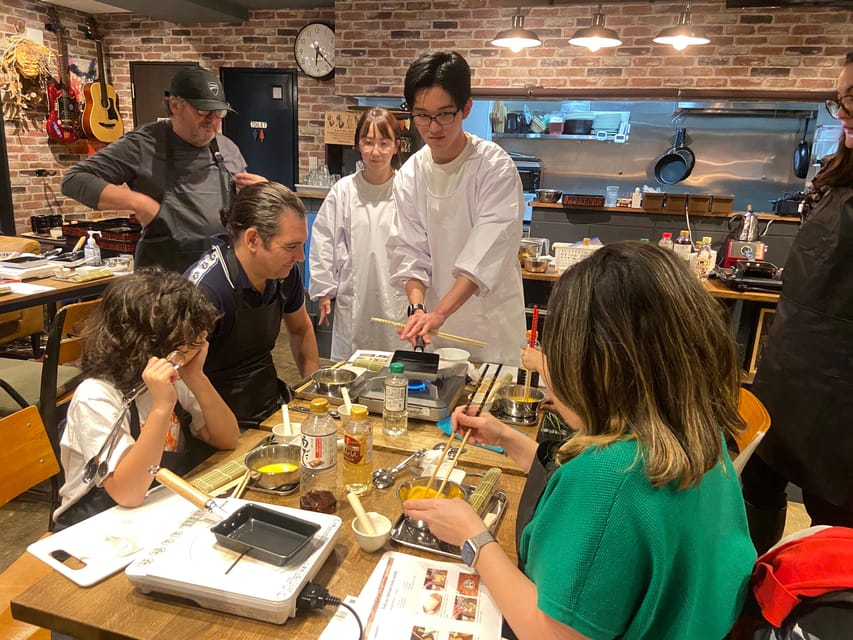
Kyoto bento feels like lunch with a plan. In this hands-on class, I love how you actually cook your own bento step by step, and I also love the focus on practical home skills like dashi stock and tempura technique. One thing to consider: you will be busy the whole 150 minutes, and the class packs in a lot of food and instruction, so come with a real appetite.
This is a small group class near Saiin Station with English support, led by chefs who teach both cooking and the washoku mindset behind it: balanced flavors, seasonal ingredients, and tidy presentation.
In This Review
- Key highlights in plain language
- Getting Started at Kyoto Laundry Cafe (and why timing matters)
- Washoku and Bento 101: What you are learning beyond the food
- Tempura frying and dashi stock: Two skills with big payoff
- Knife skills in a Japanese cooking flow
- The bento menu: What you will cook, piece by piece
- Sushi rolls and a lunch-box feel
- Tempura: crisp texture you can judge immediately
- Tofu salad: fresh and balanced
- Japanese rolled omelette: a satisfying, repeatable skill
- Eating together: why the lunch table feels part of the lesson
- Instructors who teach cooking and culture at the same time
- Price and value: why $58 can make sense
- Who this Kyoto bento class is best for
- FAQ
- FAQ
- What is the meeting point for the class?
- How long is the cooking class?
- How much does the class cost?
- What is included in the experience?
- What dishes will I make?
- Is the class taught in English?
- How many people are in the small group?
- What happens if I arrive late to the meeting point?
- Is the class suitable for wheelchair users or people with diabetes?
- Should you book this Kyoto bento cooking class?
Key highlights in plain language
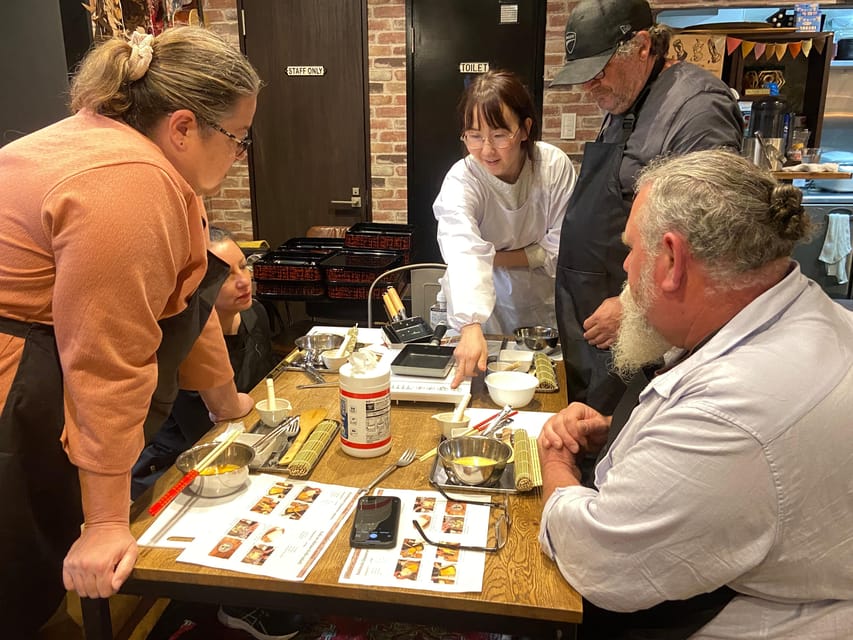
- Hands-on washoku techniques, not just watching
- Tempura frying + dashi stock skills you can repeat at home
- Knife approach taught with the Japanese prep mindset
- A full bento box you build and then eat together
- Small group size capped at 5, so you get attention
Getting Started at Kyoto Laundry Cafe (and why timing matters)
Your first stop is KYŌTO LAUNDRY CAFE, which serves as the meeting point. It is about five minutes from Saiin Station (Hankyu Railway), so you are not dealing with a hidden back-alley location that requires a long trek. On the day of the program, the chef comes to pick you up at that meeting point.
This “chef picks you up” detail is genuinely helpful, because it reduces the chance of you wandering around Kyoto guessing where the classroom kitchen actually is. Still, plan to arrive early. If you show up more than 15 minutes after the scheduled meeting time, your reservation is automatically canceled, and there is no same-day rescue.
The class runs about 150 minutes, which is a sweet spot. It is long enough to learn real technique, but short enough that you can still keep exploring Kyoto afterward without turning the day into a full production.
More Cooking Classes in Kyoto
- Ramen Cooking Class at Ramen Factory in Kyoto
★ 5.0 · 1,937 reviews - Kyoto: Ramen Cooking Class at a Ramen Factory with Souvenir
★ 4.9 · 532 reviews - Kyoto: Ramen, Gyoza, and Onigiri Cooking Class
★ 5.0 · 445 reviews
Washoku and Bento 101: What you are learning beyond the food
Bento is more than lunch in a box. It is Japanese food culture made portable, built from separate dishes arranged for balance and visual appeal. In this class, you learn the washoku approach too, where fresh, seasonal ingredients matter and flavor balance is treated like a craft.
The most useful part for me is the way the class frames the meal. You are not just following recipes. You learn why dishes are paired, why textures change within the box, and why presentation is part of the experience. That mindset makes it easier to adjust meals later at home, even if you cannot find the exact same ingredients.
You will also hear the historical context behind bento, which helps the whole thing click. Knowing why bento became common for daily life makes the meal feel less like a gimmick and more like something you could recognize in real Japanese homes.
Tempura frying and dashi stock: Two skills with big payoff
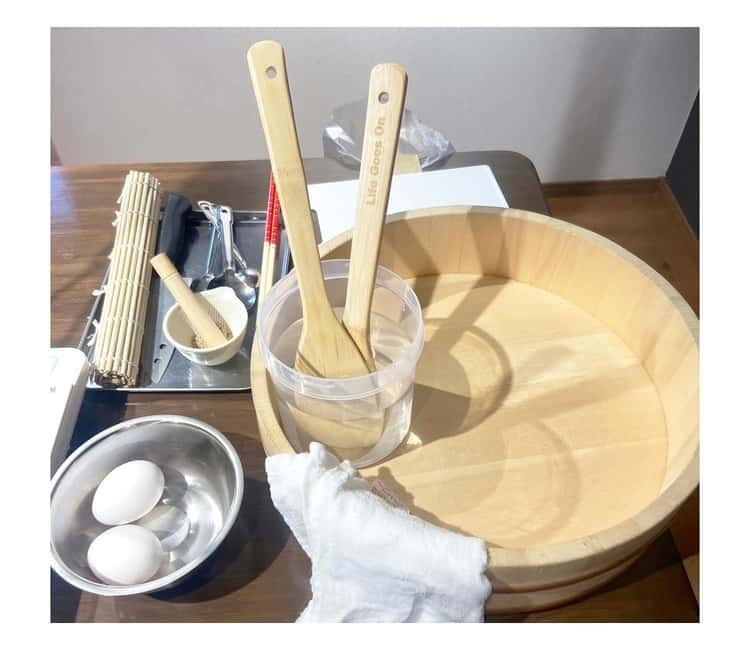
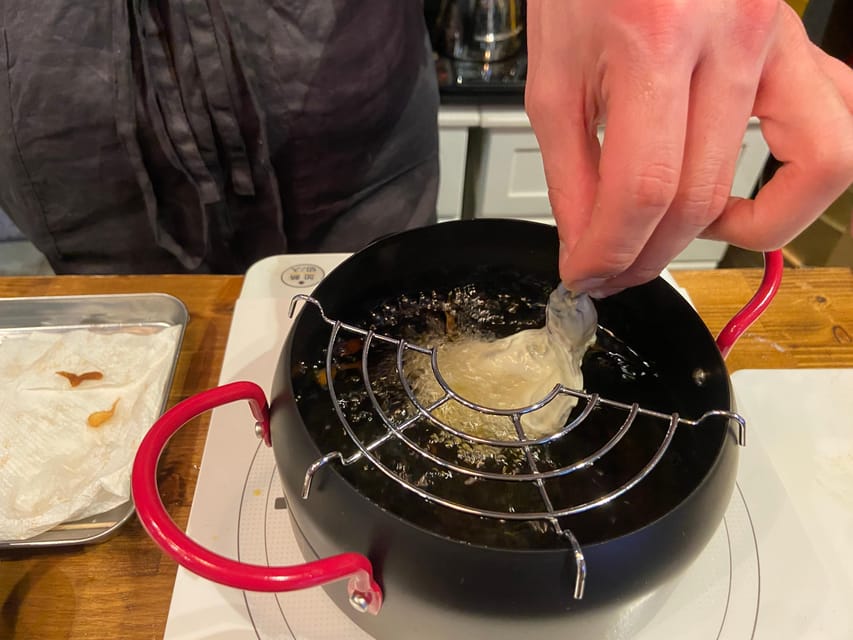
If you want one class to teach you skills you will use again and again, start with the two big ones here: tempura and dashi. Tempura is simple on paper, but technique matters. The class shows how to fry properly, and you get hands-on experience with the process rather than only tasting the results.
Dashi is the quieter superpower. It is the stock that gives a lot of Japanese dishes their gentle depth, not a heavy flavor. You learn how to make it during the class, and that is exactly the kind of skill that upgrades your home cooking fast.
Once you understand dashi basics, you can apply the idea to tofu, noodles, soups, and simmered dishes even when you are not making a bento. It is one of the most practical takeaways from this experience.
Knife skills in a Japanese cooking flow
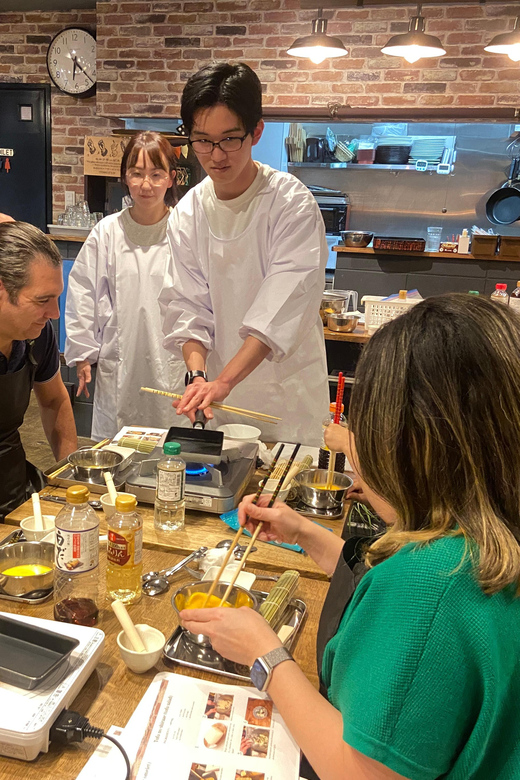
This class also pays serious attention to knife skills and proper prep technique. You will learn an approach that focuses on control and efficiency, not just speed. The goal is that your prep stays neat, consistent, and aligned with how ingredients are meant to be cooked.
In practice, that means you are taught how to handle the knife so your cuts come out similarly, which affects cooking results. Even if you do not become a Japanese chef overnight, you will leave with better habits: steadier grip, cleaner cuts, and less wasted motion in the kitchen.
This is also where small group size helps. With a group capped at 5, it is easier for the instructor to correct your technique rather than tossing everyone into the same workflow and hoping for the best.
More Cooking Workshops in Kyoto
- Kyoto: Afternoon Japanese Izakaya Cooking Class
★ 4.9 · 241 reviews - Izakaya Style Cooking Class
★ 5.0 · 219 reviews - Kyoto: Morning Japanese Bento Cooking Class
★ 5.0 · 149 reviews - Sushi – Authentic Japanese Cooking Class – the best souvenir from Kyoto!
★ 5.0 · 93 reviews
The bento menu: What you will cook, piece by piece
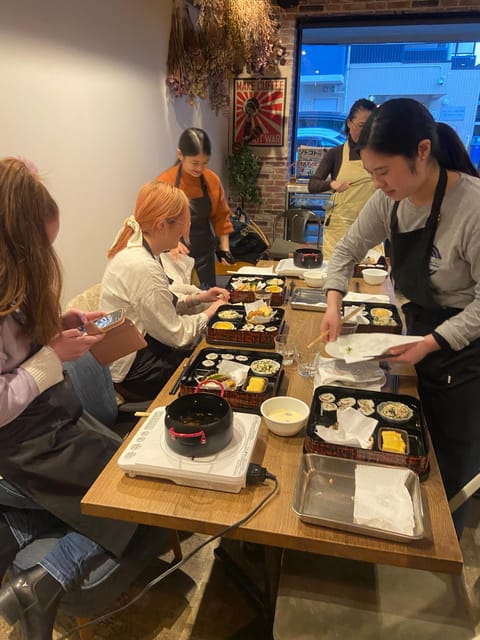
You build a bento box with four dishes, and you also learn the supporting elements that make them work. The menu can include sushi rolls, tempura, tofu salad, and a Japanese rolled omelette (often called dashimaki). The class style is very hands-on, so you are cooking multiple components, not just assembling.
Sushi rolls and a lunch-box feel
Making sushi rolls gives you a clear sense of bento style: separate components, tidy portions, and careful placement. You learn the process and then place the finished items into your box, which teaches you how Japanese home cooking thinks about portioning.
This part can be a confidence booster. Even if you have never rolled before, the step-by-step workflow makes the technique feel doable.
Tempura: crisp texture you can judge immediately
Tempura is where technique shows fast. The class teaches how to fry, and you can judge crispness and doneness in real time. You are not waiting for hours for results.
The best value here is that you learn what to watch for and how to handle the workflow. Later, when you make tempura at home, you know what “good” looks like, not just what the recipe says.
Tofu salad: fresh and balanced
Tofu salad in washoku style leans into freshness and balance. It is not just a filler dish. You learn how to treat tofu and combine it into a dish that fits the bento idea: contrasting flavors and textures within the same box.
Japanese rolled omelette: a satisfying, repeatable skill
The Japanese rolled omelette is another dish where you benefit from technique. The class teaches the rolled method and the process that helps you get a neat shape and good texture. Guests mention they take the method home and make the omelette again for lunches, which is exactly what you want from a class like this.
Across the menu, you also get to work with different utensils and follow different techniques. That variety is a big reason this feels more like cooking training than a quick demo.
Eating together: why the lunch table feels part of the lesson
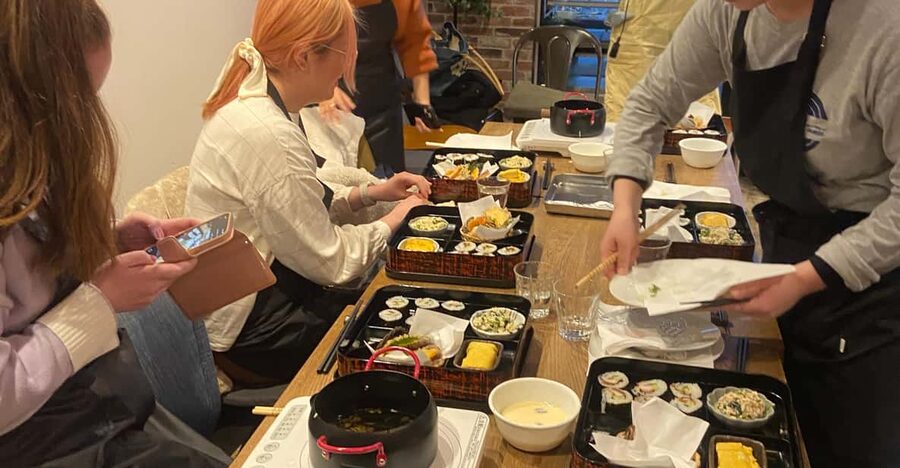
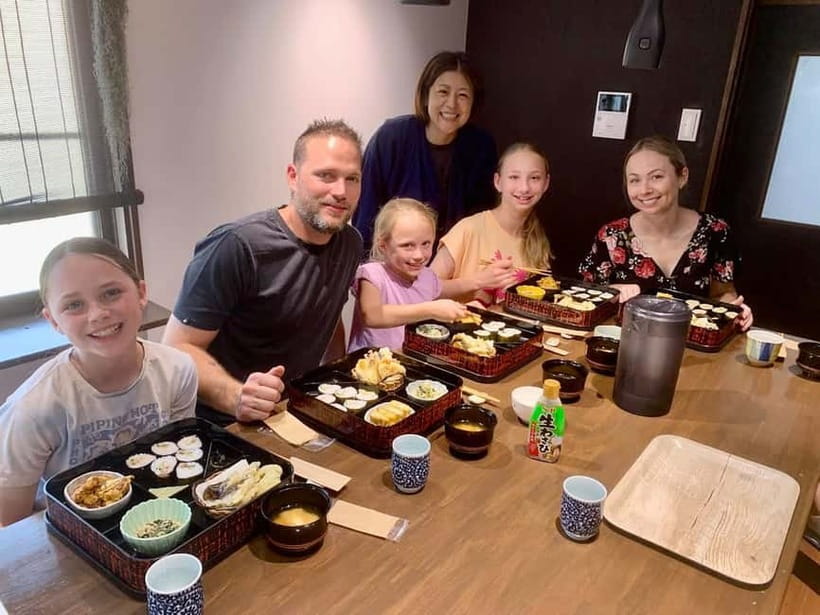
Once your bento is cooked, you eat together. This is not just a meal at the end. It is the payoff moment where you see how the dishes work as a group.
You chat with people in your class while you eat, which makes the experience feel social without turning it into a loud party. For me, that matters because it is easier to ask questions while you are actually enjoying what you made.
It also helps you connect technique to taste. When you fry tempura and then eat it a short time later, you remember the exact feeling of the process, not just the final result.
Instructors who teach cooking and culture at the same time
The chef instructors for this experience include Yamamoto Rie, plus English support from instructors who have been listed as Ai and Miyu. Across class reports, the teaching style is consistent: clear explanations, encouragement, and time for questions.
What I appreciate most is the blend of practical instruction and cultural context. You learn how washoku philosophy influences food choices, not just how to cook one meal. That is why guests often leave feeling like they learned something that lasts longer than one dinner.
If you are curious about Japanese home cooking culture, this class is one of the more direct ways to connect with it in Kyoto. You get the skills and the mindset together, and that makes the food feel more authentic.
Price and value: why $58 can make sense
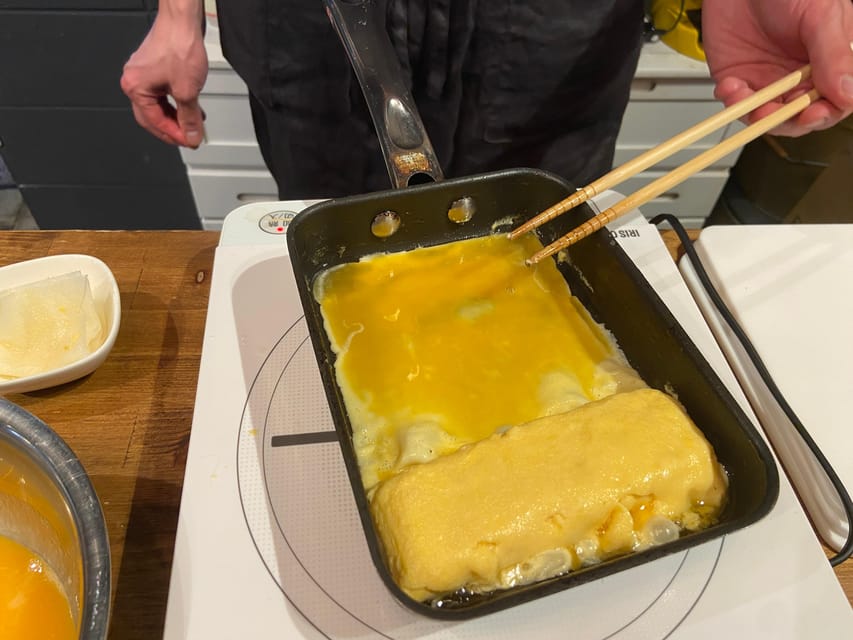
At $58 per person for about 150 minutes, this class is priced for real instruction, not a quick tasting. You get an instructor, ingredients, equipment like aprons, and the work required to make four dishes that you then eat.
Small group size, capped at 5 participants, is part of the value too. It means you are more likely to get hands-on guidance and corrections. That is important for cooking skills like knife technique, tempura frying, and dashi stock, where small mistakes change results.
You also gain take-home ability. Even if you never host a bento lunch, learning dashi and better knife prep can upgrade everyday cooking. For many people, that is the true value, not just the meal.
Who this Kyoto bento class is best for
This experience fits best if you want something more active than a museum visit. If you like learning by doing, you will enjoy the hands-on format where you cook multiple dishes.
It is also a good early-trip activity in Kyoto. A bento workshop gives you a foundation for how Japanese meals are structured. After that, it is easier to understand what you see in markets, what you taste in restaurants, and why certain dishes seem to pair together.
This class may not suit everyone. It is not suitable for wheelchair users, and it is not suitable for people with diabetes. It is also not intended for very young children, including children under 2 and under 3, and babies under 1.
FAQ
FAQ
What is the meeting point for the class?
The meeting point is KYŌTO LAUNDRY CAFE (京都ランドリーカフェ). The chef comes to pick you up at this location.
How long is the cooking class?
The class duration is 150 minutes, or about 2.5 hours.
How much does the class cost?
The price is $58 per person.
What is included in the experience?
The class includes the instructor, the cooking class itself, ingredients, aprons and other equipment, and you make 4 dishes.
What dishes will I make?
You will make a bento box with dishes including sushi rolls, tempura, tofu salad, and a Japanese rolled omelette. You also learn how to make dashi stock.
Is the class taught in English?
Yes. Instruction is provided in English and Japanese.
How many people are in the small group?
The group is limited to 5 participants.
What happens if I arrive late to the meeting point?
If you arrive more than 15 minutes after the scheduled meeting time, your reservation is automatically canceled.
Is the class suitable for wheelchair users or people with diabetes?
No. The class is listed as not suitable for wheelchair users and for people with diabetes.
Should you book this Kyoto bento cooking class?
If you want a Kyoto activity that teaches skills you can actually reuse, I think this is an easy yes. The combination of bento construction, tempura frying, and dashi stock is rare in a short 150-minute format, and the small group size makes it more likely you will get real coaching.
The only reason to hesitate is if you need a low-effort experience or if you are not comfortable with a hands-on class that keeps you working the whole time. If you are traveling to learn how Japanese home cooking works, this is the kind of meal lesson that pays off long after your bento box is gone.
Newly listed around Kyoto
- Taste of Nishiki Market Walking Food Tour with Local guide★ 5.0 · 17 reviews
- Kyoto: Sushi Making Class with Sushi Chef★ 4.8 · 64 reviews
- Simple Plan with Maiko★ 4.4 · 10 reviews
- Shibori Furoshiki Course at Kyoto Shibori Museum★ 5.0 · 21 reviews
- Kyoto: City Secrets eBike Tour★ 4.9 · 196 reviews
- Sacred Pathways: Discover the Philosopher’s Path of Kyoto★ 4.9 · 20 reviews
- Private Tour to Monkey Park and Arashiyama Highlights★ 5.0 · 22 reviews
- Private Nara Tour from Osaka – Meet at Your Hotel★ 5.0 · 22 reviews
Japanese Cooking Workshops, compared.
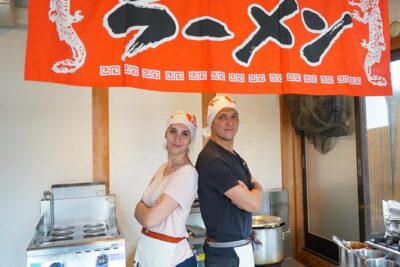
Ramen Cooking Class at Ramen Factory in Kyoto
Read our review →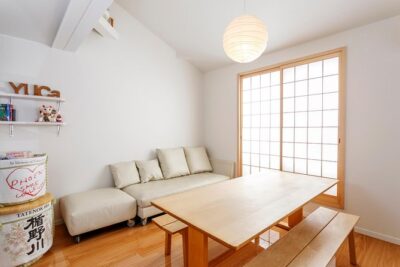
Ramen & Gyoza Cooking Class in Tokyo with Local Supermarket Visit
Read our review →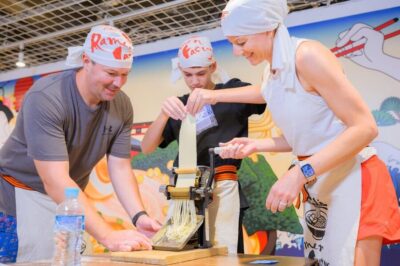
Ramen Cooking Class at a Ramen Factory with Souvenir
Read our review →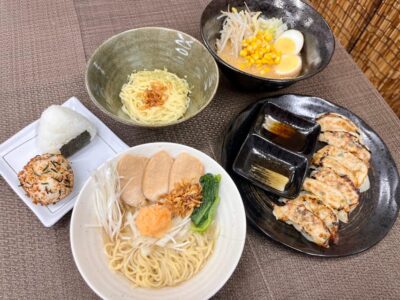
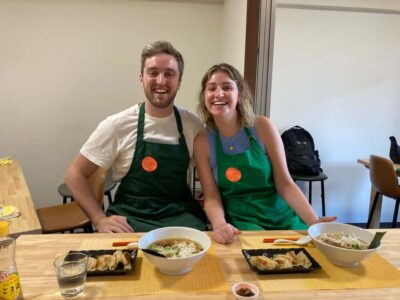
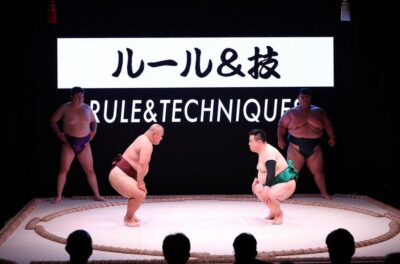
Sumo Stage Show with Bento or Snack + Fight & Photo
Read our review →
Ramen and Sushi Cooking Class with Sake Pairing Set in Tokyo
Read our review →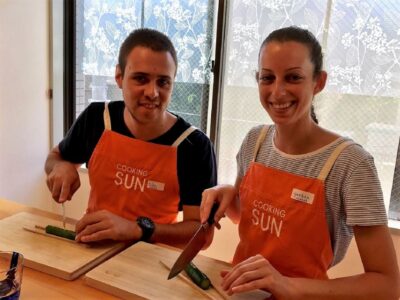
Browse the lists this tour appears in