Review · JAPANESE COOKING WORKSHOPS
Kyoto: Ramen Cooking Class at a Ramen Factory with Souvenir
Ramen from scratch, in 90 minutes. In Kyoto’s ramen factory school tied to Menbaka Fire Ramen, I love that you make noodles from flour and fold the dough over 100 times, then taste and mix a set of featured miso, salt, and soy sauces for your bowl. You eat your creation while you’re still on the high from the cooking. My only real caution is the $127 price tag, so it works best when you want a full cooking experience, not just a quick meal.
Plan about 90 minutes for a short side trip from nearby sights. You meet at a basement floor spot a five-minute walk from Demachiyanagi Keihan-line station, then start with apron and headscarf, an overview video, and coaching from English and Japanese instructors. By the end, you choose a souvenir and get a full recipe sent by email, so you can try again at home.
In This Review
- Key things that make this Kyoto ramen class worth your time
- Finding the Ramen Factory Kyoto classroom near Demachiyanagi
- 90 minutes of cooking that actually ends with a bowl
- Apron and overview video, then straight to food
- Noodle-making from flour: the fold count is the star
- Chicken seasoning, then your soup-and-oil choices
- Building your bowl: assembly is where your taste shows
- Souvenir choice plus the recipe you’ll actually use later
- Dietary options and allergy handling, ask early
- Price and value: is $127 a fair deal?
- Who this ramen cooking class fits best
- Should you book this Kyoto ramen class?
- FAQ
- How long is the Kyoto ramen cooking class?
- Where do I meet, and is it near a train station?
- What’s included in the price?
- Are drinks included?
- Can the class accommodate dietary preferences?
- How will I get the ramen recipe for cooking at home?
Key things that make this Kyoto ramen class worth your time
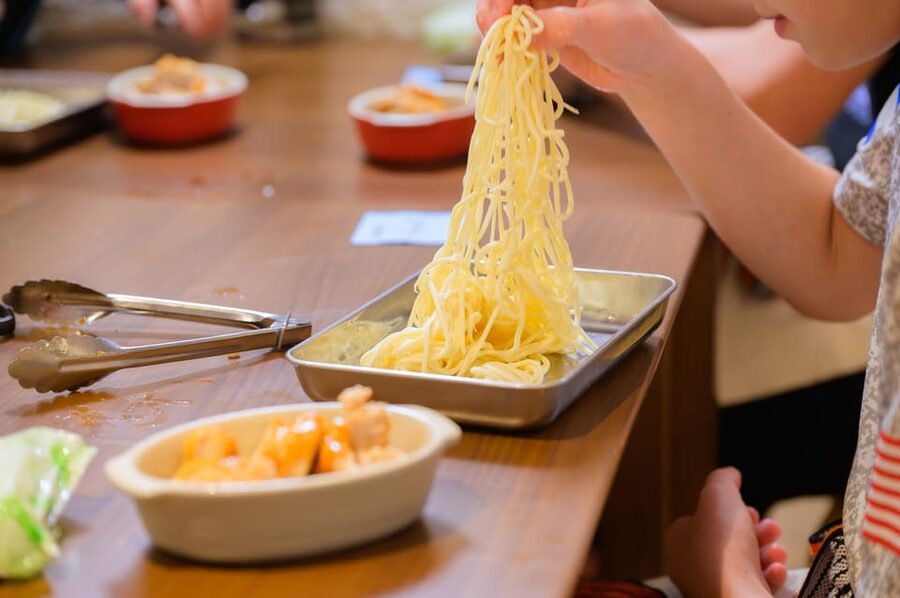
- Flour-to-noodles practice with hands-on steps like mixing, kneading, draining, and shaking
- Three sauce styles to taste and mix for your own ramen personality (miso, salt, soy)
- A soup-and-oil build-your-bowl format, where you choose your base and finishing touches
- You eat what you make right after assembly, so the payoff is immediate
- A souvenir choice, with options to take home after the meal
- English support (plus Japanese help), useful if your Japanese is limited
Finding the Ramen Factory Kyoto classroom near Demachiyanagi
This class is set up for an easy add-on day in Kyoto. The meeting point is only a five-minute walk from Demachiyanagi on the Keihan line, and it’s on the basement floor.
Here’s the part that can trip you up: the entrance isn’t always obvious from Google Maps. Follow the directions that mention a staircase to the right of the supermarket, then go down to the basement. One important practical tip, based on what people experienced there, is to also look for stairs on the street side behind the bus stop, because that’s where you may find the real way in.
Also, this is a working factory setting. You may be filmed or photographed during your visit as part of professional media production, including 360-degree recordings. If you’re sensitive about photos, it’s worth being clear with staff when you arrive.
More Cooking Classes in Kyoto
- Ramen Cooking Class at Ramen Factory in Kyoto
★ 5.0 · 1,937 reviews - Kyoto: Ramen, Gyoza, and Onigiri Cooking Class
★ 5.0 · 445 reviews - Kyoto: Japanese Washoku Bento Small Group Cooking Class
★ 5.0 · 380 reviews
90 minutes of cooking that actually ends with a bowl
The schedule is tight and focused: you get a chef course format, with an organized flow that moves from prep to noodle-making to soup and assembly. The duration is 90 minutes, which matters in Kyoto because you don’t want a class that turns into a half-day commitment.
You’ll get a mix of instruction and time at your station. The class is designed for first-timers too, which shows in the way the steps are broken down. People who went on their own also described the team as accommodating, which suggests the experience doesn’t rely on you already knowing how ramen works.
One more small but real point: drinks are not included. If you’re the kind of person who gets thirsty while cooking, plan to bring water or buy it nearby before you start.
Apron and overview video, then straight to food
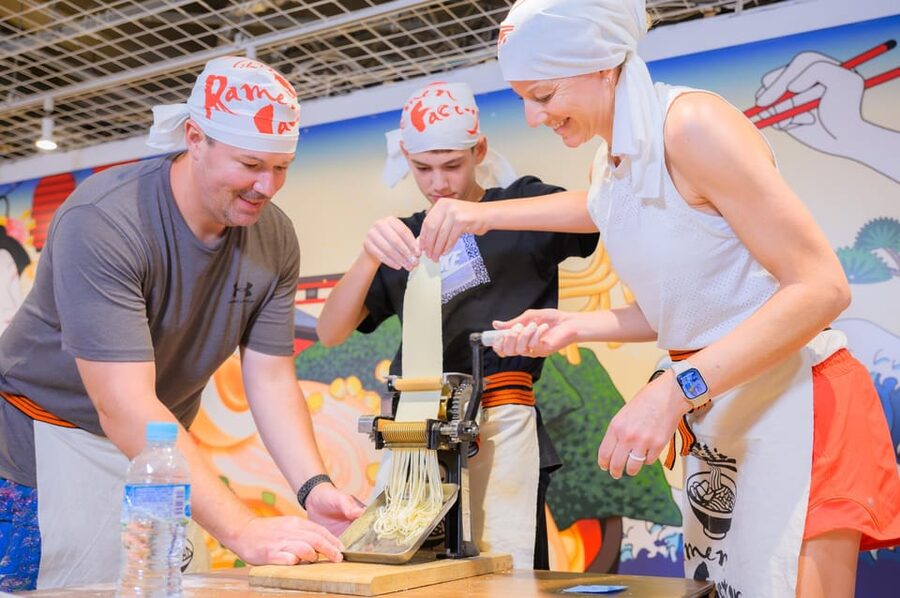
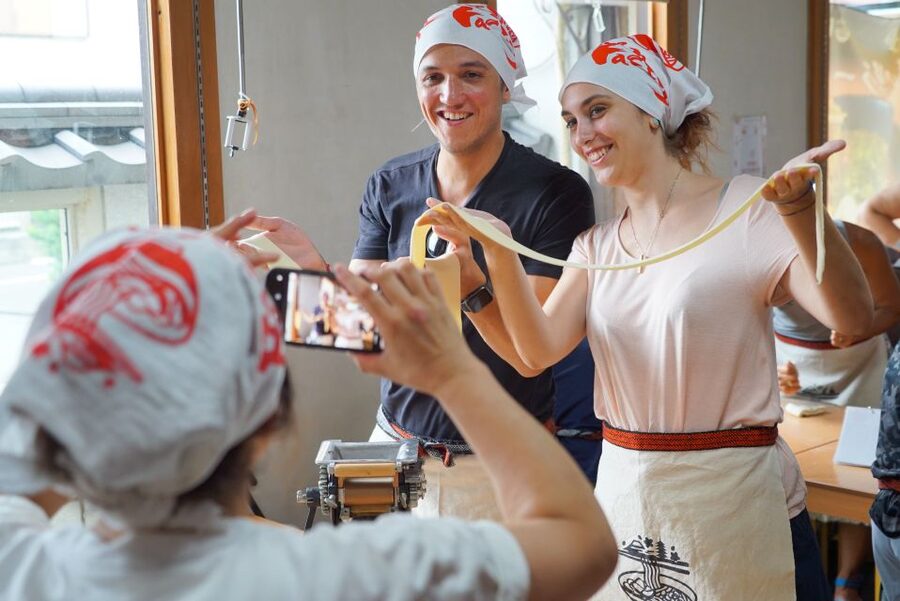
The class starts with you dressing the part: you’ll wear a ramen apron and headscarf. It sounds silly, but it puts you in the right mindset fast. You’re not just watching, you’re about to work the dough.
Next comes an overview video showing the process. This helps a lot because noodle-making has a rhythm, and it’s easier to follow once you’ve seen the sequence. After that, you jump into the core cooking tasks.
The instruction is in English with Japanese support. You can also expect staff to help with photos and videos during the process, which is great because the messy part is the fun part, and it’s nice to remember your hands-on moment later.
Noodle-making from flour: the fold count is the star
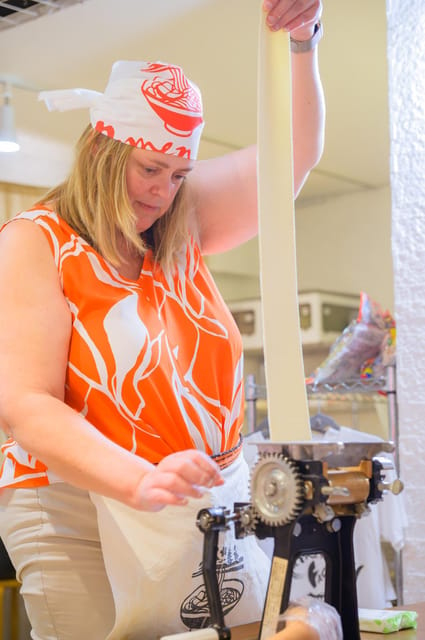
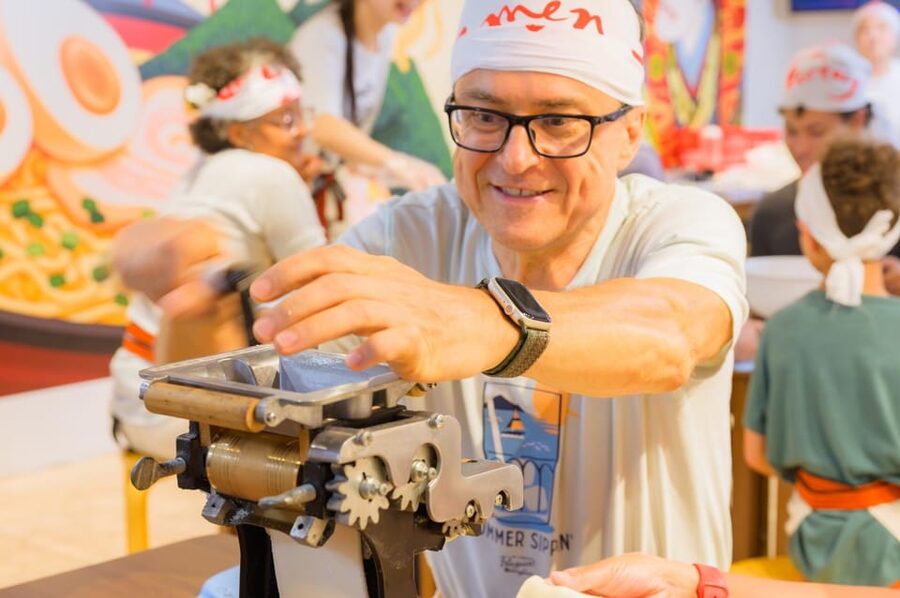
The headline here is making noodles completely from flour. Not “use pre-made noodles.” Not “mix a packet.” You start with flour and work toward a dough and then finished noodles.
A key detail you’ll hear during the class is the folding step. The process includes folding your noodle dough more than 100 times. If that sounds like a lot, that’s the point. Repeated folding builds texture and elasticity, so the noodles don’t turn into a sad clump. It also gives you control, because you can feel when the dough is behaving the way it should.
After folding, the steps keep coming: mixing, punching, kneading, draining, and shaking. That’s a classic ramen rhythm, and it’s useful to learn because it translates better at home than just memorizing one recipe.
You’ll finish the noodle portion within the class time, and then it becomes a story you can recreate later. That’s what makes this class better than “eat ramen, go home.” You leave with the muscle memory.
More Cooking Workshops in Kyoto
- Kyoto: Afternoon Japanese Izakaya Cooking Class
★ 4.9 · 241 reviews - Izakaya Style Cooking Class
★ 5.0 · 219 reviews - Kyoto: Morning Japanese Bento Cooking Class
★ 5.0 · 149 reviews - Sushi – Authentic Japanese Cooking Class – the best souvenir from Kyoto!
★ 5.0 · 93 reviews
Chicken seasoning, then your soup-and-oil choices
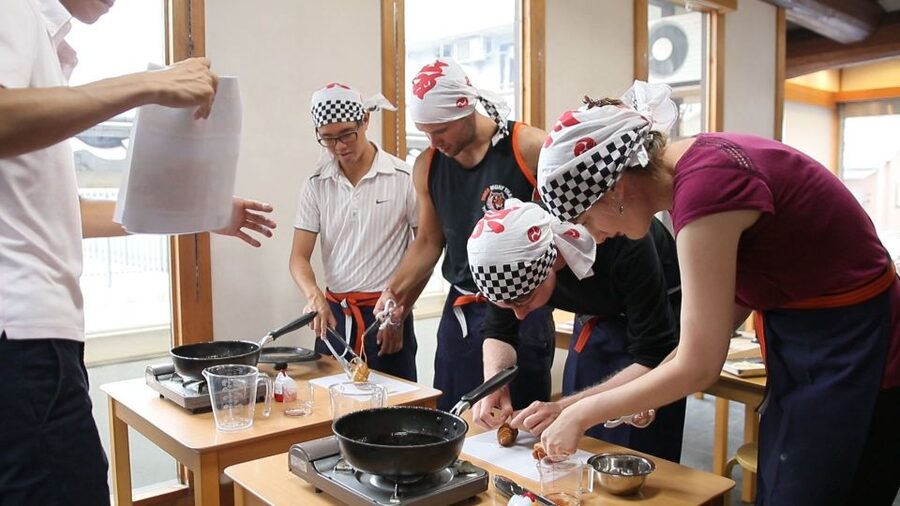
While the noodles get made, the class also has you flavor the chicken with seasonings. This is one of the reasons the experience is so satisfying: you’re not only doing noodles, you’re building components that show up in the bowl.
Then comes the moment where ramen stops being one fixed dish. You choose the soup and sauce combination for your bowl, including selecting a soup base and oils. The info you were given specifically calls out miso, salt, and soy styles, and the class also has you taste and mix featured sauces in that range.
Why this matters for value: a lot of cooking classes teach one flavor path and call it customization. Here, you’re actually making choices that affect the final taste. That helps if you know what you like, like deeper savory miso, lighter salt broth style, or soy-forward umami.
Building your bowl: assembly is where your taste shows
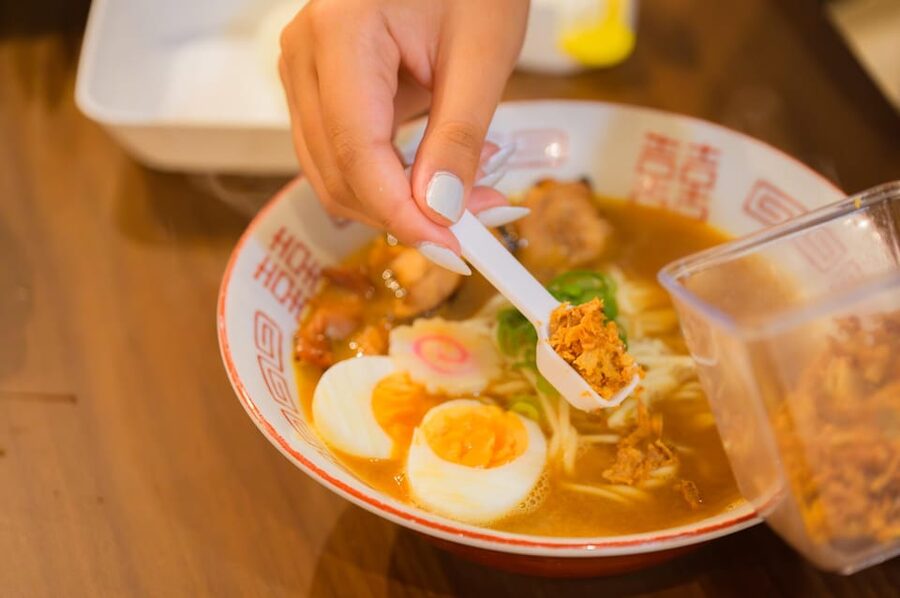
Once you’ve made your noodles and picked your soup-and-sauce direction, it’s time for the fun part: assembling your ramen bowl.
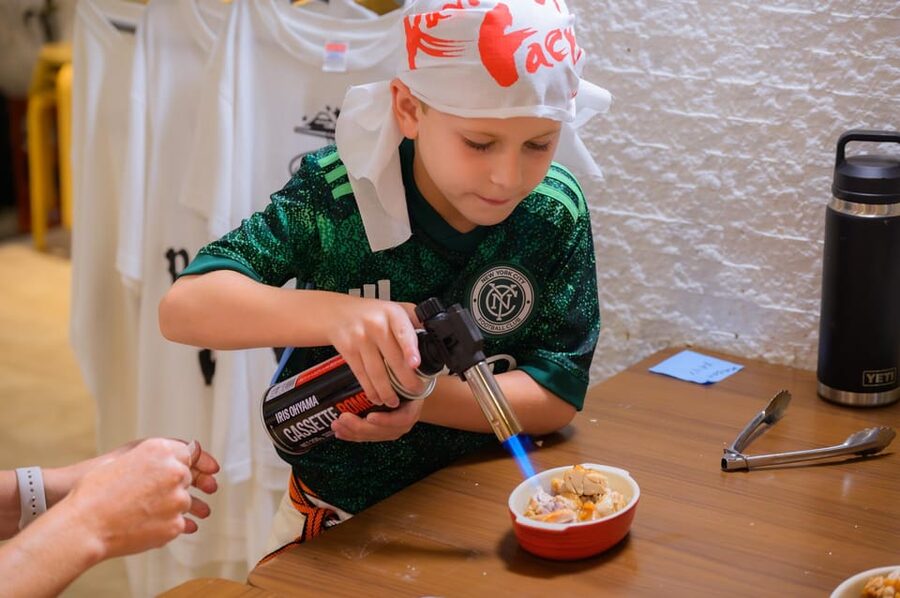
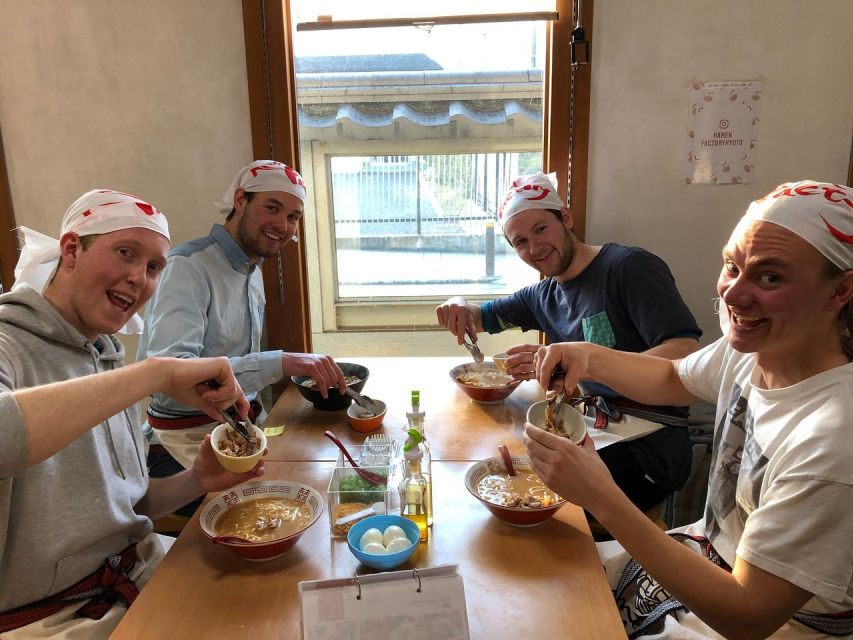
You’ll choose and arrange toppings, and you can match the bowl with egg and condiments based on your taste. The class includes time to display your ramen bowl with the finishing touches, so you get that satisfying photo moment right in the middle of the experience, not after the fact.
This is also where you’ll feel the payoff of all the earlier steps. If your noodles were folded and kneaded with care, they’ll hold up. If your sauce mixing and base choice were on target, your bowl tastes like you meant it.
One practical note: since the class includes broth and noodles, you’ll be eating what you cook. That means it’s not just educational, it’s genuinely filling.
Souvenir choice plus the recipe you’ll actually use later
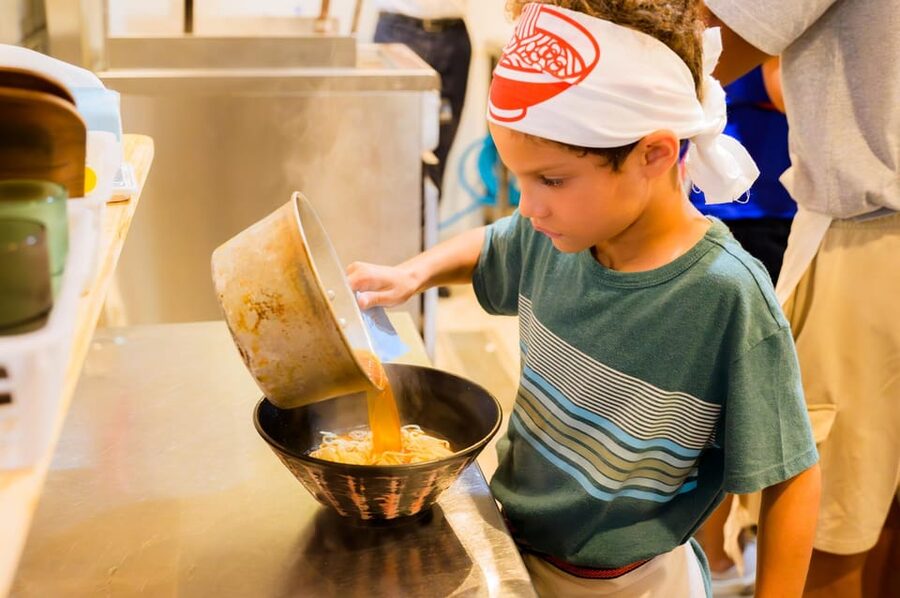
Most ramen classes end with a meal and a vague sense of inspiration. This one gives you two big takeaways.
First, you choose from four types of souvenirs. The exact items aren’t listed in what you provided, but the structure is clear: you get a souvenir included, and you get to select your option. People also described the souvenirs and overall package as a nice extra after the cooking work.
Second, you get the full recipe sent via email. That’s huge if you want to cook ramen again at home instead of letting the class fade into memory. When the recipe shows up by email, you can compare your bowl-making decisions to what you liked most.
Quick home-cooking tip: before you leave, take a photo of how your bowl looks after you assemble it. Even if the recipe tells you what goes where, your own garnish choices are part of the experience.
Dietary options and allergy handling, ask early
If you have dietary needs, don’t wait until you’re seated. The class notes that you should contact the local supplier after booking if you want a dietary option.
In real experiences, the team has offered tofu and fish broth options for a pescatarian request. There’s also a clear statement that multiple diets, including vegan, were accommodated on an individual level.
So here’s the practical approach I recommend: send your dietary request as soon as you book, and include your preferences clearly. If you have allergies, mention them outright. The class team described confirming allergies and accommodating properly, so they are set up to handle this responsibly.
Price and value: is $127 a fair deal?
At $127 per person for a 90-minute chef course, this isn’t a cheap Kyoto activity. But it also isn’t just a meal.
You’re paying for a lot of concrete inputs:
- hands-on noodle-making from flour, including repeated folding and dough work
- flavor work on chicken seasonings
- ingredient choices for soup base and ramen oils
- a structured sauce-tasting and mixing component with miso, salt, and soy
- you eat the bowl you made
- a souvenir is included
- the recipe is sent to you by email
If you compare it to paying for ramen in Kyoto plus a separate cooking workshop, the price starts to make more sense. You also don’t need to hunt down ingredients or equipment later because the learning is the point. The best value shows up if you want to be able to repeat at home.
If your main goal is a low-cost lunch, this likely won’t feel like the best bargain. But if ramen is your thing and you want a skill, the cost feels more reasonable.
Who this ramen cooking class fits best
This is a strong match if you:
- want a hands-on Kyoto food experience without committing to a full day
- like learning a process, not just tasting a dish
- enjoy ramen enough that you’d try to recreate it later
- are visiting with family or in a mixed group, since instruction is designed for first-timers
- want something relaxing between bigger sightseeing stops
It may be less ideal if you:
- want a quiet activity. The class has an energetic teaching style, and you’ll be moving through steps.
- are hoping for a totally hands-off experience. This is cooking, with flour and dough work.
- prefer to skip customization. Here, you’re choosing soup bases, sauces, and condiments, which is part of the fun.
Should you book this Kyoto ramen class?
Book it if you want your Kyoto memories to be more than photos. The combination of noodles from scratch, sauce customization, and a full recipe sent to you afterward makes this feel like a real skill-building day, even though it’s only 90 minutes.
If you’re on the fence because of the $127 price, use a simple test: ask yourself whether you’d rather pay for the experience of making ramen than just eating ramen again. If the answer is yes, this is a smart use of time in Kyoto. If your goal is mostly cost savings, pick a ramen shop and save your workshop budget for another day.
FAQ
How long is the Kyoto ramen cooking class?
The class runs for 90 minutes.
Where do I meet, and is it near a train station?
The meeting point is a five-minute walk from Demachiyanagi Station on the Keihan line. The location is on the basement floor, reached by a staircase to the right of the supermarket.
What’s included in the price?
The price includes the 90-minute chef course ramen making and a selected souvenir.
Are drinks included?
No, drinks are not included.
Can the class accommodate dietary preferences?
You should get in touch with the local supplier after booking if you want a dietary option.
How will I get the ramen recipe for cooking at home?
You get the full recipe sent via email.
More Ramen Trips in Kyoto
- Home style Ramen and Homemade Gyoza in Kyoto
★ 5.0 · 152 reviews - Kyoto Michelin Ramen Workshop or Painting Ramen Essentials
★ 4.9 · 100 reviews - Kyoto Ramen Noodle Making Class
★ 5.0 · 58 reviews - Insider Kyoto Ramen Tour
★ 5.0 · 7 reviews
Newly listed around Kyoto
- Taste of Nishiki Market Walking Food Tour with Local guide★ 5.0 · 17 reviews
- Kyoto: Sushi Making Class with Sushi Chef★ 4.8 · 64 reviews
- Simple Plan with Maiko★ 4.4 · 10 reviews
- Shibori Furoshiki Course at Kyoto Shibori Museum★ 5.0 · 21 reviews
- Kyoto: City Secrets eBike Tour★ 4.9 · 196 reviews
- Sacred Pathways: Discover the Philosopher’s Path of Kyoto★ 4.9 · 20 reviews
- Private Tour to Monkey Park and Arashiyama Highlights★ 5.0 · 22 reviews
- Private Sake Tasting in Central Kyoto — 1 Group Only★ 5.0 · 11 reviews
Japanese Cooking Workshops, compared.
Ramen Cooking Class at Ramen Factory in Kyoto
Read our review →
Ramen & Gyoza Cooking Class in Tokyo with Local Supermarket Visit
Read our review →
Japanese Washoku Bento Small Group Cooking Class
Read our review →
Sumo Stage Show with Bento or Snack + Fight & Photo
Read our review →
Ramen and Sushi Cooking Class with Sake Pairing Set in Tokyo
Read our review →