Review · JAPANESE COOKING WORKSHOPS
Ramen Cooking Class at Ramen Factory in Kyoto
Ramen gets real when you make it. This hands-on ramen class at Ramen Factory Kyoto turns a favorite comfort food into a step-by-step cooking session, from fresh dough to a finished bowl. I love that you actually work the ramen noodles yourself, learning the knead, roll, and boil basics that most people never see. I also like that the class ends with a personalized lunch you made, so you taste your choices right away.
One thing to consider before you go: there is a media shooting notice, so staff may photograph or film you as part of promotional production. If you’d rather not appear in recordings, tell a staff member before the class begins and they will try to accommodate.
In This Review
- Key highlights you will care about
- A ramen class where technique beats guessing
- Getting to Ramen Factory Kyoto without stress
- The full ramen-making flow, from dough to your bowl
- 1) Noodle work: kneading and rolling your own dough
- 2) Soup mixing: seasoning decisions you can taste
- 3) Toppings and protein prep, including a torch moment
- 4) Final assembly and lunch
- Choosing flavors and toppings, so your bowl matches you
- Dietary options that are actually addressed, halal, vegetarian, vegan
- Instructors bring the fun, names you might recognize
- Small-group size means your questions get answered
- The little extras that make it feel like a moment
- Price and value: what you are paying for
- Who should book this ramen class
- Should you book Ramen Factory Kyoto ramen making?
- FAQ
- How long is the Ramen Cooking Class at Ramen Factory in Kyoto?
- Where do I meet for the class?
- What does the price include?
- Are drinks included?
- Is this class suitable for vegetarian or vegan diets?
- Are there multiple departure times?
- How big is the group?
- Will I be photographed or filmed?
Key highlights you will care about
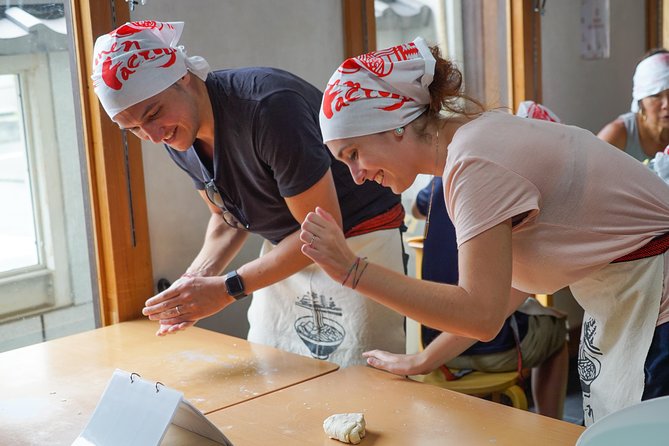
- Hands-on noodle making: you work the dough and learn the feel, not just watch someone else cook
- Build your own bowl: choose among flavors and toppings to match your preferences
- Halal-certified kitchen with options: vegetarian is available, and vegan can be requested
- Small group size: up to 20 travelers, which keeps the pace friendly
- Lunch is the payoff: you eat what you cook, so the class feels like more than a demo
A ramen class where technique beats guessing
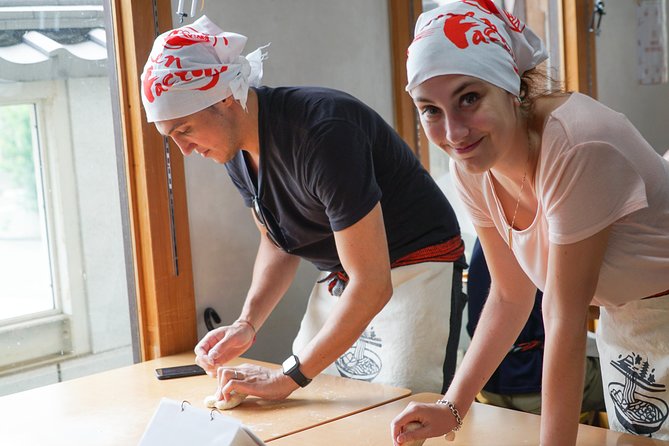
If you think you already know ramen, this class is the reset. Real ramen is more than broth and noodles, it is dough handling, texture control, and seasoning decisions you can feel in the finished bowl. Instead of copying a restaurant’s bowl from memory, you learn how the building blocks come together, so your next order in Kyoto makes more sense.
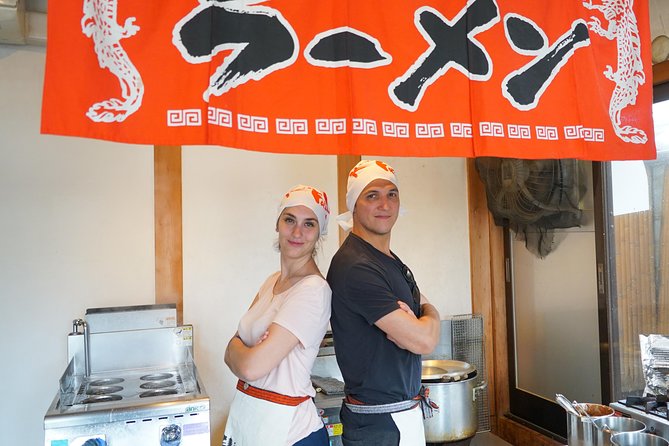
The setting is Ramen Factory Kyoto, and you start by making your own ramen noodles from scratch. You also mix the soup and prepare toppings, then finish with the lunch you cooked. It is the kind of activity that turns a travel day into a skill you can repeat, even if it is just once at home.
More Cooking Classes in Kyoto
- Kyoto: Ramen Cooking Class at a Ramen Factory with Souvenir
★ 4.9 · 532 reviews - Kyoto: Ramen, Gyoza, and Onigiri Cooking Class
★ 5.0 · 445 reviews - Kyoto: Japanese Washoku Bento Small Group Cooking Class
★ 5.0 · 380 reviews
Getting to Ramen Factory Kyoto without stress
Location matters, because a cooking class runs on a schedule. Your meeting point is Ramen Factory Kyoto, 4F BF1, at 44714 Kajiichō, Kamigyo Ward, Kyoto (602-0841). The good news is that it is near public transportation, so you are not stuck timing a long taxi ride.
You will use a mobile ticket, and confirmation comes at the time of booking. Plan to arrive a little early, not because the class is chaotic, but because there is time to check in, get your station set, and settle in before you start kneading dough.
Most visitors pick a time slot that fits around a meal, since lunch is included. If you hate eating on a strict schedule, choose an earlier departure so you still have flexibility after.
The full ramen-making flow, from dough to your bowl
The class runs about 1 hour 30 minutes. That sounds quick until you realize you are doing multiple tasks that restaurants handle with teams and equipment. The pace stays manageable because instructors guide each step and you work in a small group.
Here is the order of what you can expect.
1) Noodle work: kneading and rolling your own dough
You start with the noodle-making basics, including kneading and rolling out the dough. You are learning by doing, which is the real point of this experience. Ramen dough can look simple, but getting it right takes hand feel, not just watching.
In participant stories, people mention pounding dough, pressing noodles, and shaping the noodles with the instructor’s help. Even if your dough stage seems like it should be easy, you will likely notice it takes focus to get the texture and thickness you want.
More Cooking Workshops in Kyoto
- Kyoto: Afternoon Japanese Izakaya Cooking Class
★ 4.9 · 241 reviews - Izakaya Style Cooking Class
★ 5.0 · 219 reviews - Kyoto: Morning Japanese Bento Cooking Class
★ 5.0 · 149 reviews - Sushi – Authentic Japanese Cooking Class – the best souvenir from Kyoto!
★ 5.0 · 93 reviews
2) Soup mixing: seasoning decisions you can taste
While noodles are handled, the class moves into the broth side. You mix the soup and season it based on your choices. This is one of the most valuable parts for first-timers, because broth flavor is where ramen identity lives.
You can choose from a variety of flavors and then decide how your bowl gets seasoned. If you are the type who always orders different toppings to experiment, you will appreciate that the class basically teaches you how those variations happen at the source.
3) Toppings and protein prep, including a torch moment
Toppings are not an afterthought here. You prepare the toppings yourself, which means your bowl is truly your own.
Some classes include hands-on protein steps such as rolling chicken thigh, tying it, boiling it in broth, and then roasting or charring it after cooking using a mini torch. That kind of step is fun because it is dramatic and fast, but it also teaches you why ramen toppings taste the way they do: you get browned edges and deeper flavor.
4) Final assembly and lunch
Once everything is ready, you put your bowl together and enjoy your home-cooked ramen for lunch. This is where the class becomes more than a lesson. You taste the results of your noodle texture, broth seasoning, and toppings, all in one sitting.
And because lunch is included, you do not have to hunt for food afterward. It is a built-in reward that keeps people happy even when the noodle part turns out to be harder than it looks.
Choosing flavors and toppings, so your bowl matches you
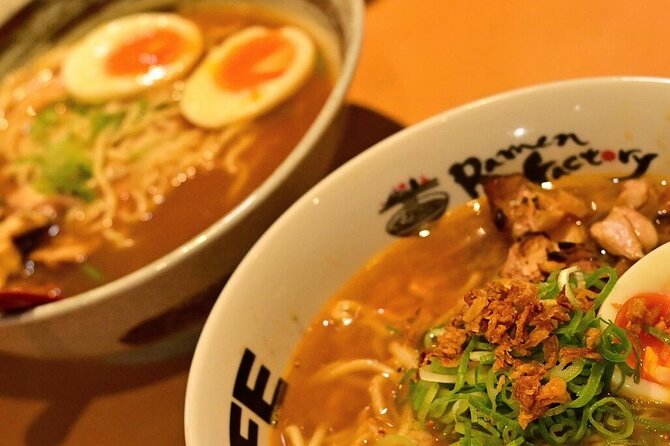
Customization is the heart of why this class works. You do not just follow one template and hope for the best. You choose flavors and toppings, so you can aim for something familiar or something adventurous.
If you are a “keep it simple” person, go with a flavor profile you recognize. If you like variety, this is your chance to compare how different toppings change the whole bowl. Even small changes in topping and seasoning can shift the balance between rich, salty, and savory notes.
For me, the best takeaway is not that you end up with the perfect bowl every time. It is that you learn what to adjust next time. That makes you a better ramen eater, because you start noticing the details when you compare bowls in restaurants.
Dietary options that are actually addressed, halal, vegetarian, vegan
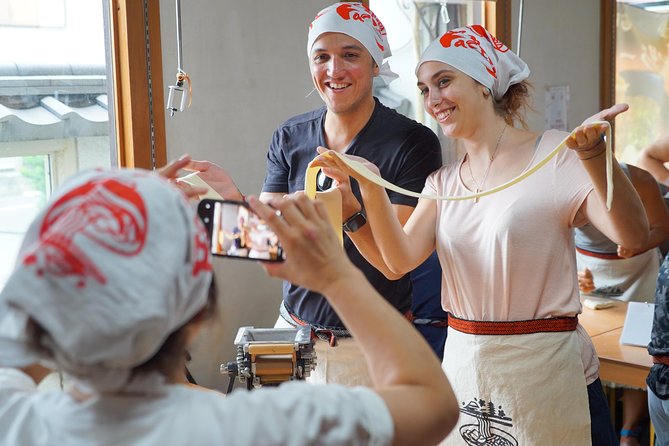
Ramen Factory Kyoto is Halal-certified, and the class makes room for different diets.
From the provided info:
- Vegetarian options are available.
- Vegan options are available on request (you are asked to contact after booking).
- Halal preferences are accommodated.
This is worth emphasizing because not every “food experience” handles diet needs clearly. Here, options are part of the planning, not an afterthought. If you eat halal or you are navigating vegetarian or vegan meals in Japan, this kind of clarity is a relief.
Instructors bring the fun, names you might recognize
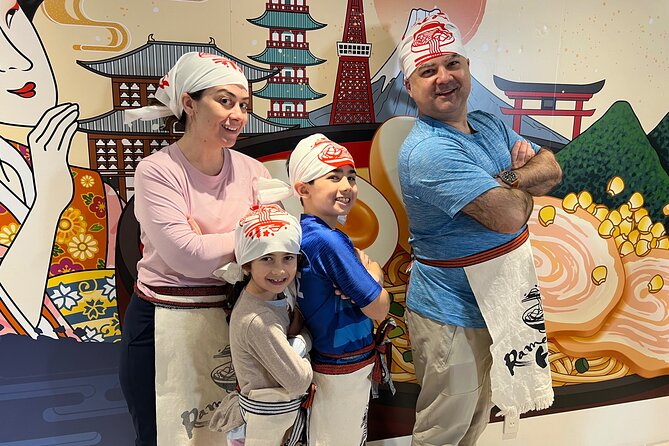
A cooking class lives or dies by the teacher. The tone here is friendly and lively, and in participant stories you will see instructor names like Mahiro, Moeka, Haruka, Fuku, China, Reika, Hiro, and Akemi popping up. The consistent theme is that instructors keep things moving, explain what matters, and inject humor so you do not feel stressed while handling dough.
What I like about that style is practical. When you are learning a multi-step process, clear cues matter. When the instructor is funny, you stay relaxed. And when you are relaxed, your technique improves.
Small-group size means your questions get answered
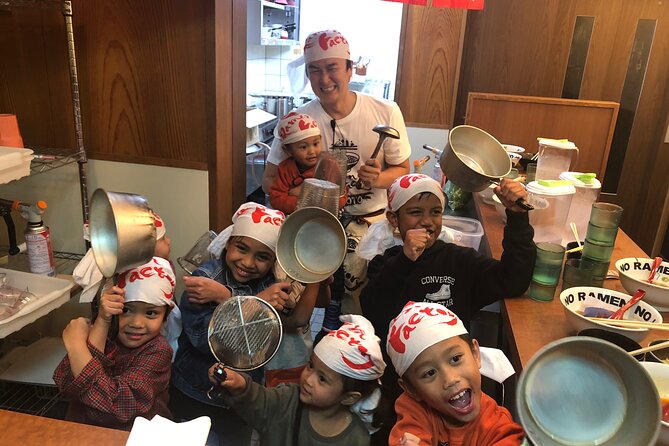
The group max is 20 travelers. That is important for a class like this, because noodle work requires attention.
In smaller groups, it is easier for instructors to notice when your dough is too thin or your assembly is getting rushed. It is also easier to ask follow-up questions without feeling like you are holding up a big crowd.
If your time slot ends up being lighter, you may get extra attention and a more personal experience. Either way, the format is set up to keep you actively cooking rather than passively watching.
The little extras that make it feel like a moment
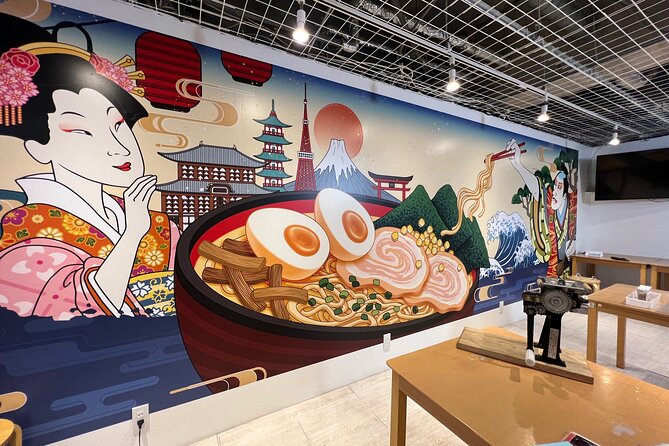
Beyond the meal, the experience can include tangible takeaways. In participant comments, people mention getting a staff photo and an apron. Those are small, but they add to the “I did this” feeling and make the class easy to remember later.
Also, since you are cooking together, it is a natural social activity. It works well for families, and stories include kids enjoying the process. If you want a Kyoto activity that does not revolve around long walking or museum endurance, this fits.
Price and value: what you are paying for
At $131.32 per person, this is not a budget street-food stop. But it also is not just a ticket to watch cooking. You are paying for:
- Hands-on instruction through the full ramen process
- Food tasting and included lunch
- Local taxes included
- A tour escort or host
- A small-group format (up to 20)
In practice, the value comes from the combination. You get a taught skill and you finish with an actual meal that uses your work. Many short classes in big cities charge for the “experience” part. This one charges for the full loop: learn it, do it, eat it.
Where you should be honest with yourself is drinks. Drinks are not included, so bring money for water or grab what you need nearby before the class starts.
Who should book this ramen class
This is a strong fit if you:
- Love ramen and want to understand what makes different bowls different
- Want a hands-on activity that is not overly technical
- Prefer a meal included with your activity
- Travel with family members who like interactive experiences
It is also a good rainy-day option in Kyoto because it is indoor and scheduled. Even if you are not a confident cook, the class is designed around guided steps.
If you hate any chance of being on camera, tell staff you want to avoid appearing in media before class begins. And if you want a totally quiet, sit-down lecture, this is not that kind of activity. It is a workshop.
Should you book Ramen Factory Kyoto ramen making?
Yes, if you want a high-satisfaction Kyoto food experience that teaches real technique and rewards you with lunch. The biggest reason to book is simple: you leave with both a full stomach and a new way to think about ramen.
Skip it only if you have very limited time and cannot spare about 1 hour 30 minutes, or if you are strongly uncomfortable with being filmed in a public setting (but you can request accommodation).
If you are the type who always orders different ramen toppings, this class will make that habit feel smarter. If you have ever wondered how noodles go from dough to springy comfort, this is one of the most direct answers you can get in Kyoto.
FAQ
How long is the Ramen Cooking Class at Ramen Factory in Kyoto?
The class lasts about 1 hour 30 minutes.
Where do I meet for the class?
The meeting point is Ramen Factory Kyoto, 4F BF1, 44714 Kajiichō, Kamigyo Ward, Kyoto 602-0841, Japan. The activity ends back at the meeting point.
What does the price include?
It includes a tour escort/host, local taxes, food tasting, and lunch.
Are drinks included?
No, drinks are not included.
Is this class suitable for vegetarian or vegan diets?
Vegetarian options are available. Vegan options are available on request, but you need to contact after booking. The factory is also Halal-certified.
Are there multiple departure times?
Yes, several departure times are available throughout the day.
How big is the group?
The class has a maximum of 20 travelers.
Will I be photographed or filmed?
There is a media shooting notice, and participants may be photographed or filmed. If you prefer not to appear in recordings, you should notify staff before the class begins.
More Ramen Trips in Kyoto
- Home style Ramen and Homemade Gyoza in Kyoto
★ 5.0 · 152 reviews - Kyoto Michelin Ramen Workshop or Painting Ramen Essentials
★ 4.9 · 100 reviews - Kyoto Ramen Noodle Making Class
★ 5.0 · 58 reviews - Insider Kyoto Ramen Tour
★ 5.0 · 7 reviews
Newly listed around Kyoto
- Taste of Nishiki Market Walking Food Tour with Local guide★ 5.0 · 17 reviews
- Kyoto: Sushi Making Class with Sushi Chef★ 4.8 · 64 reviews
- Simple Plan with Maiko★ 4.4 · 10 reviews
- Shibori Furoshiki Course at Kyoto Shibori Museum★ 5.0 · 21 reviews
- Kyoto: City Secrets eBike Tour★ 4.9 · 196 reviews
- Sacred Pathways: Discover the Philosopher’s Path of Kyoto★ 4.9 · 20 reviews
- Private Tour to Monkey Park and Arashiyama Highlights★ 5.0 · 22 reviews
- Private Nara Tour from Osaka – Meet at Your Hotel★ 5.0 · 22 reviews
Japanese Cooking Workshops, compared.
Ramen & Gyoza Cooking Class in Tokyo with Local Supermarket Visit
Read our review →
Ramen Cooking Class at a Ramen Factory with Souvenir
Read our review →
Japanese Washoku Bento Small Group Cooking Class
Read our review →
Sumo Stage Show with Bento or Snack + Fight & Photo
Read our review →
Ramen and Sushi Cooking Class with Sake Pairing Set in Tokyo
Read our review →