Review · TOKYO TOURS
Japanese Papier-Mâché Painting Experience in Taito
A round, calming craft break in Asakusa. This papier-mâché painting experience turns a simple base form into a personal souvenir, with staff there to get you moving fast. I like that it gives you both a fun creative outlet and the cultural backstory behind the two famous characters you can paint.
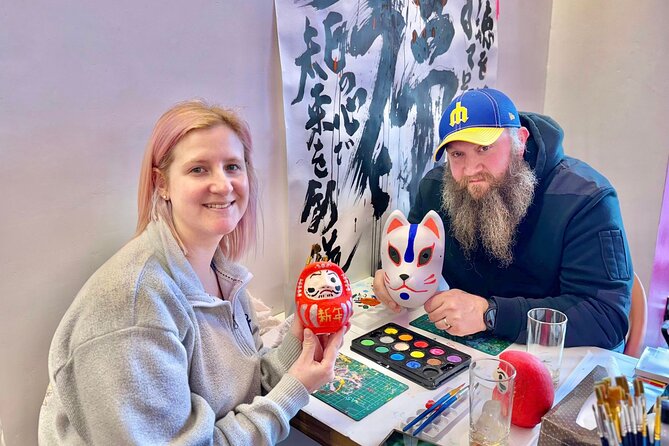
Two things I especially like are the small group size (up to 8), and the way the instructor helps even if you do not know where to start. You choose a Daruma or a Manekineko shape, then paint with acrylic colors and Posca-like markers to make it yours.
One drawback to consider: the shape you want may not always be available, depending on what is in stock. Also, there is a step down to the toilet inside the venue, so plan accordingly.
In This Review
- Key Things to Know Before You Go
- Why This Papier-Mâché Session Works So Well in Asakusa
- Daruma and Manekineko: Pick Your Character Before You Paint
- Daruma: Fall, Get Up, Keep Going
- Manekineko: Lucky Cat With a Practical Origin
- Small but Important Note on Availability
- The 50-Minute Flow, From Blank Base to Take-Home Art
- Papier-Mâché Origins You Can Feel, Even When You Are Just Having Fun
- Tools and Techniques: What Helps You Make It Look Good
- What the Instructor Adds, Beyond Just Holding the Paint
- Small Group Size, Quiet Focus, and a Better Fit for Rainy Days
- Price and Value: Is $31.76 Worth It?
- Practical Details That Can Save Your Trip Time
- Should You Book This Papier-Mâché Painting Class?
- FAQ
- How long is the Japanese papier-mâché painting experience?
- What can I paint, Daruma or Manekineko?
- What materials do they provide for painting?
- Where do I meet for the activity?
- Can I take my artwork home?
- Is there free cancellation?
Key Things to Know Before You Go
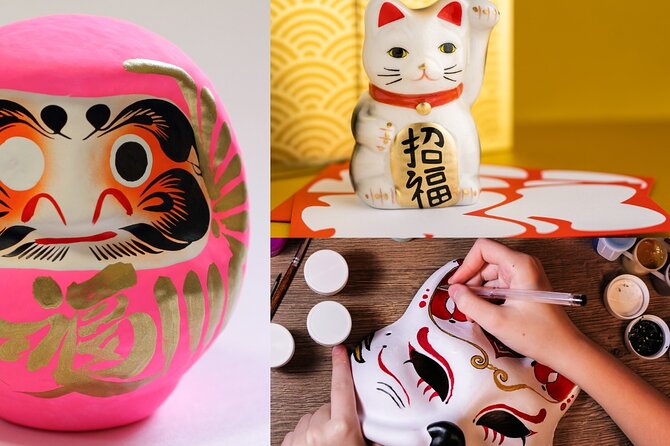
- Daruma or Manekineko, both with meaningful folklore you can use as inspiration
- Up to 8 people, so you are not lost in a big class
- 50 minutes that feel like a real break, not a rushed stop
- Staff support if your first stroke of paint is… less than confident
- Take-home souvenir, once it dries
- Asakusa location, handy when you want art without more outdoor crowds
Why This Papier-Mâché Session Works So Well in Asakusa
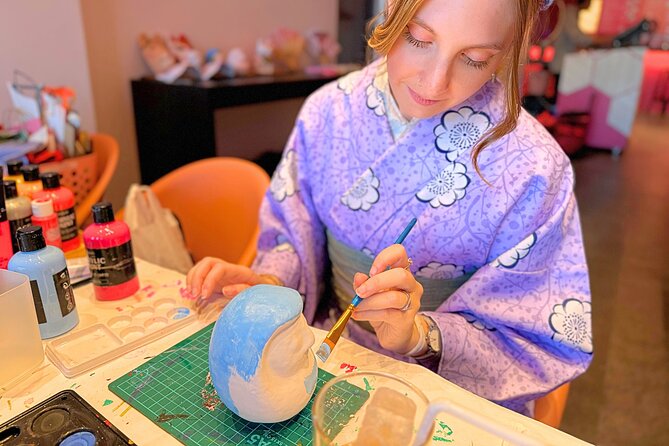
Asakusa has a lot going on. Between temple sights, food streets, and people walking in every direction, it can start to feel like sensory overload. That is exactly why a craft session here hits the sweet spot: you get Tokyo energy outside, then a quieter pocket of focus inside.
At Japanese Experience Cafe & BAR Pink.AsakusaJapan, you are not just making something. You are sitting down with a small object that carries meaning. The process is simple enough for beginners, but it still feels authentic because you are working with a material and characters tied to Japanese tradition.
The vibe also matters. One review called it a peaceful hour of art in the middle of Asakusa crowds, and that matches the purpose of this kind of activity. If you want a break that does not feel like a chore, this is a strong option.
A few more Asakusa days to weigh up
- Tokyo Sumo Entertainment Show with Chicken Hot Pot and Photo
★ 5.0 · 1,205 reviews - Mt Fuji Private Day Trip from Tokyo with English speaking driver
★ 5.0 · 846 reviews - Kimono Tea Ceremony at Tokyo, Asakusa Maikoya
★ 5.0 · 638 reviews
Daruma and Manekineko: Pick Your Character Before You Paint
Your first real choice is the base form. You can pick one plain body between Daruma or Manekineko. The class is designed to be free-form, meaning there are no strict rules forcing you into a template look. Still, the character backstories give you a helpful starting point for color, patterns, and details.
Daruma: Fall, Get Up, Keep Going
Daruma is the round doll associated with persistence. The folklore says it always gets up no matter how many times it falls. For your painting, that can translate into symbolism. Think bold eyes, strong contrast, and a design that feels determined rather than cute.
You will also get context from the instructor. One person specifically said they learned about Daruma that they did not know before, which is a good sign that the explanation part is not generic.
Manekineko: Lucky Cat With a Practical Origin
Manekineko, the lucky cat, is tied to older beliefs about cats protecting crops and silk production. In the past, cats were considered helpful because they get rid of mice that eat what farmers and silk workers need. That is an unusual detail that makes the cat feel more grounded than just a modern souvenir icon.
If you like the idea of pairing playful design with a practical origin story, this choice works well. You might use warmer colors for a friendly look, or go for stylized patterns that make the figure feel like a character from a small street shop window.
A different sort of day in Japan:
- Asakusa Senso-ji Temple and Old Tokyo Walking Tour
★ 5.0 · 560 reviews - Skip the lines Basic Ticket at SAMURAI NINJA MUSEUM TOKYO
★ 5.0 · 470 reviews - Official Street Go-Kart Tour in Asakusa
★ 5.0 · 461 reviews - Private Craft Your Own Ring Handmade Experience in Asakusa, Tokyo
★ 5.0 · 358 reviews
Small but Important Note on Availability
If you have your heart set on one exact shape, keep in mind that availability can vary. The experience notes that your requested plain body may not be available depending on what is on hand. So if Daruma is your must-paint, it is smart to book in advance.
The 50-Minute Flow, From Blank Base to Take-Home Art
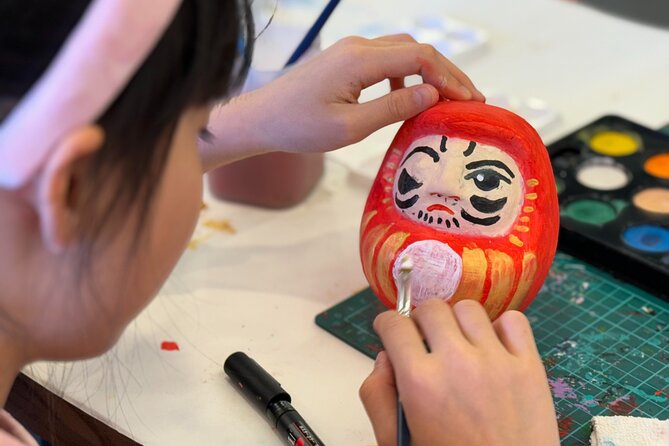
The timeline is straightforward, and that is part of the appeal. Plan on about 50 minutes for the full painting experience. You start by choosing the base form, then you paint, and finally you leave with your piece once it is ready.
Here is what the flow looks like in plain terms:
- Choose your base shape
Daruma or Manekineko, picked right at the start.
- Paint your design on the papier-mâché base
You can use acrylic colors and acrylic-style markers such as Posca. The point is to make something you actually want to display.
- Let it dry
Once it is dry, you can bring it home.
That last part is key for practical travelers. You are not stuck with a complicated shipping process described in the details you get here. You paint, you wait briefly for dryness, and then you take it with you.
The whole class also has a beginner-friendly rhythm. If you freeze up at the blank space, staff will support you. Several people highlight the instructor’s help as a major reason the experience felt easy, fun, and relaxing.
Papier-Mâché Origins You Can Feel, Even When You Are Just Having Fun
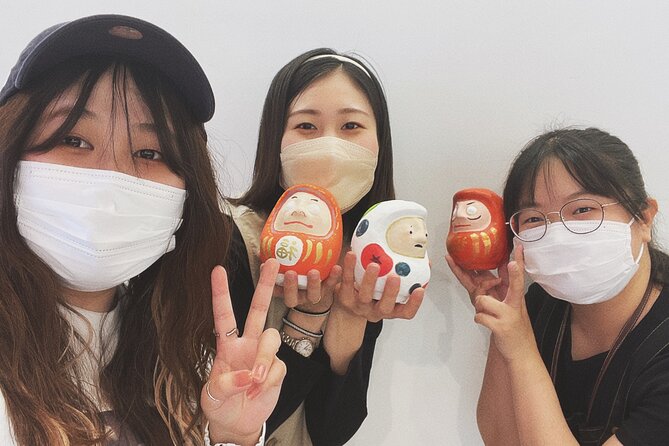
This is not just craft-day for craft-day’s sake. The papier-mâché used here traces back to the Heian period (794-1185) origin story described for this material, and the papier-mâché was imported from China during that era. The base is generally a wooden frame covered with paper.
Why does that matter for your experience? Because it changes the way you look at the object. Even though you are painting it freely, you are not working with some generic plastic prop. You are decorating a traditional-style structure, where paper and a frame give it its character.
Also, the material choice makes the painting more satisfying. Paper-covered bases tend to accept marker and acrylic well enough for clear patterns, while still giving you room to layer color and make details without needing special tools.
In other words, you get cultural authenticity without needing an art degree.
Tools and Techniques: What Helps You Make It Look Good
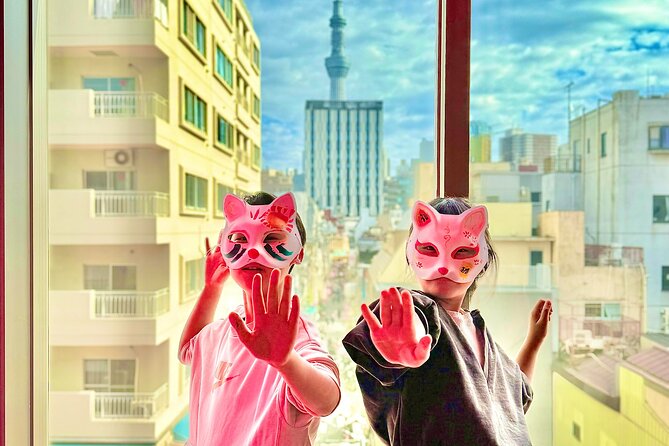
You are given permission to be playful, but you still need workable tools. The experience lists acrylic colors and Posca (and similar) markers as the options. That combination is useful because it lets you do both:
- Bold lines and facial features with markers, and
- Color fields and thicker accents with acrylic.
If you are unsure where to start, a good trick is to begin with the “identity” parts of your figure. For Daruma, that usually means the face and eyes. For Manekineko, focus on the head shape, whiskers, and any collar or pattern you want to represent the personality you want.
Then add smaller details. People tend to remember the big picture, and the small bits are what make it feel like your art rather than a classroom copy.
One review called out the instructor’s English skills and how generously they shared context, which often goes hand in hand with practical painting help. If staff can explain how to plan your design, you waste less time thinking and more time painting.
What the Instructor Adds, Beyond Just Holding the Paint
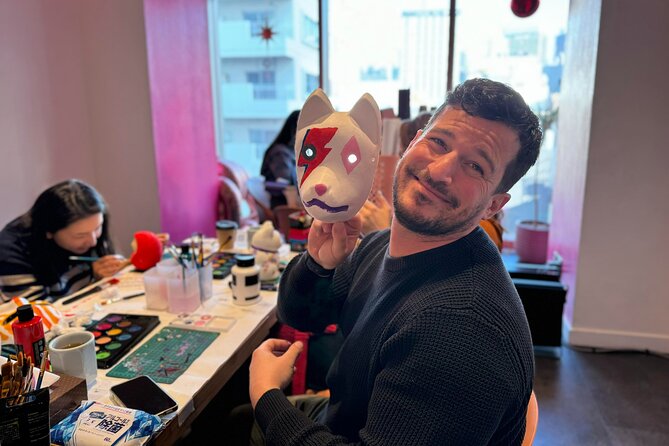
This kind of activity can be either hands-off or genuinely guided. Here, the guidance shows up in a very specific way. One review mentioned the instructor Patricia as especially kind and generous with information, with English described as amazing. They also said Patricia was a wealth of knowledge, sharing history and culture behind the figures.
That matters because the character meanings are not just trivia. They give you a reason to choose colors and motifs intentionally. When someone explains why Daruma is tied to persistence or why Manekineko is linked to lucky protection for crops, you are painting with context, not just decoration.
And the support is practical. Multiple comments highlight how helpful the instructor was for people who did not know how to start. That is the difference between a workshop that feels intimidating and one that feels calm.
If you want an experience that doubles as a story you can bring home, you will likely enjoy this aspect a lot.
Small Group Size, Quiet Focus, and a Better Fit for Rainy Days
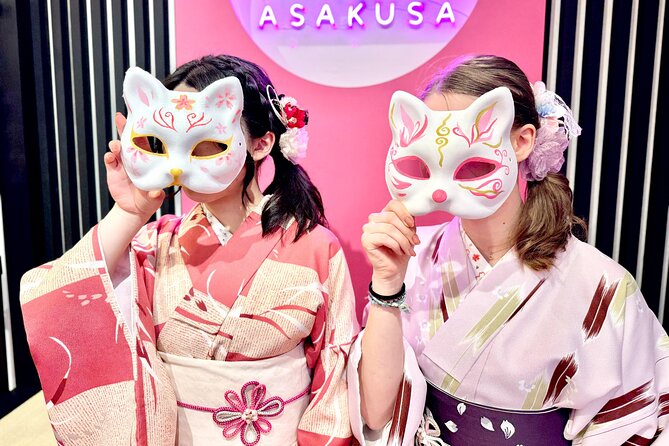
A maximum group size of 8 is a big deal. In a group that small, staff can actually check your progress and help without you waiting. It also means you get that restful “one table, one project” feeling.
One review said it was a nice creative break during a rainy afternoon, and that is a perfect match for what this activity is best at. When the weather turns, you do not want to rush through sightseeing just to stay dry. You want something with a clear start and finish, where the main action is indoors.
This also suits more than just craft enthusiasts. A review highlighted a family setup with a husband, an adult daughter, and even a child around age 7 enjoying the session. That tells you the experience can work across ages, as long as people are comfortable sitting and painting for about an hour.
And because you take home a finished keepsake, it does not feel like time spent without payoff.
Price and Value: Is $31.76 Worth It?
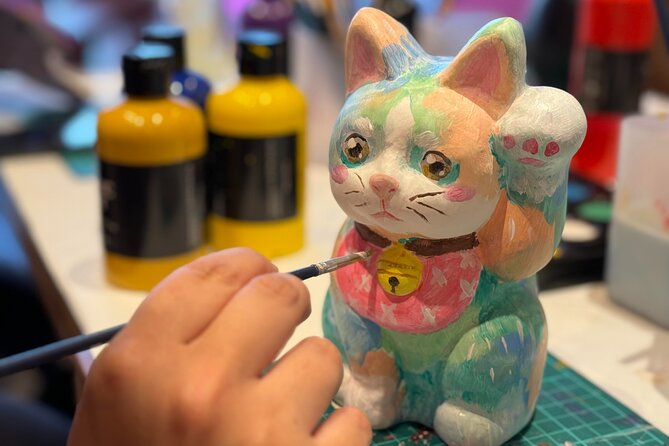
At about $31.76 per person, you are paying for three things that are hard to separate:
- A guided craft experience with staff help
- A take-home souvenir you create yourself
- Time and materials to paint a decorated papier-mâché figure
For this type of workshop, that price is typically the right range when you consider you are not buying a mass-produced gift. You are making something with meaning, and you control the design. Even if your artistic skill is modest, the end result is still yours.
Also, the short duration helps. At roughly 50 minutes, you get a focused activity without sacrificing a big chunk of a day. That makes it easier to add even on travel days when your schedule is tight.
If you only want to do one “maker” activity while in Tokyo, this one gives you a strong, personal souvenir without requiring advanced techniques.
Practical Details That Can Save Your Trip Time
You will meet at Japanese Experience Cafe & BAR Pink.AsakusaJapan, in Asakusa at The Room浅草 4F (Asakusa, Taito City). It is noted as near public transportation, so you should have an easier time getting there without complex planning.
You also get a mobile ticket, which usually means less fuss once you arrive.
Two practical notes to keep in mind:
- There is a step down to the toilet, so it can be a little awkward if you are moving carefully or wearing certain footwear.
- Your selected base shape might not be available, so do not plan your whole design around one assumption.
Should You Book This Papier-Mâché Painting Class?
Yes, I think you should book it if you want a hands-on Tokyo souvenir that feels personal, not store-bought. It is especially worth it when you want a calmer hour away from the crowds of Asakusa, and when you like the idea of painting characters with real cultural meaning.
Book it sooner if Daruma or Manekineko is your must-paint. The experience notes stock availability can affect which base forms you can choose.
Skip it only if you are looking for a long, guided cultural deep program or a multi-stop itinerary. This is a short craft class first, cultural context second, and the goal is the artwork you take home.
FAQ
How long is the Japanese papier-mâché painting experience?
It takes about 50 minutes (approx.).
What can I paint, Daruma or Manekineko?
You can choose one plain body between Daruma or Manekineko. Availability can vary depending on what is in stock.
What materials do they provide for painting?
You’ll paint using acrylic colors and Posca (or similar) type colors.
Where do I meet for the activity?
You meet at Japanese Experience Cafe & BAR Pink.AsakusaJapan, The Room浅草 4F, 1-chōme-16-11, Taito City, Asakusa, Tokyo.
Can I take my artwork home?
Yes. When your painted piece is dry, you can bring it home.
Is there free cancellation?
Yes. You can cancel for a full refund up to 24 hours in advance of the start time. If you cancel less than 24 hours before, the amount paid is not refunded.
Newly listed around Asakusa
- Tokyo : Asakusa Food Tour – 12 Dishes & 3 Drinks★ 5.0 · 44 reviews
- Tokyo: Customized Private Tour with a Local Guide★ 5.0 · 16 reviews
- 【Tokyo/Asakusa】Traditional Japanese Washi Papermaking experience★ 5.0 · 146 reviews
- Tokyo Japanese Dance Cabaret Theater Asakusa-Kaguwa★ 5.0 · 170 reviews
- Asakusa Kimono Photography Tour (Private Option Available)★ 5.0 · 20 reviews
- Tokyo: Asakusa & Sensoji ー Oldest Temple Walking Tour (2hrs)★ 5.0 · 213 reviews
- Asakusa Rental Kimono in Tokyo★ 5.0 · 11 reviews
- Asakusa:Family-Friendly Kimono & Yukata Experience at WARGO★ 5.0 · 30 reviews
Tokyo Tours, compared.
Mt Fuji and Hakone 1-Day Bus Tour Return by Bullet Train
Read our review →

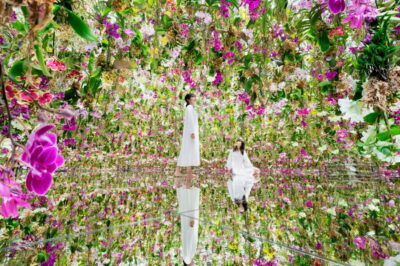
teamLab Planets TOKYO Digital Art Museum Entry Ticket
Read our review →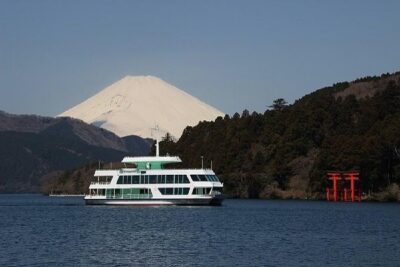
Mt Fuji & Hakone Cruise, Drum Show Bullet Train 1 Day from Tokyo
Read our review →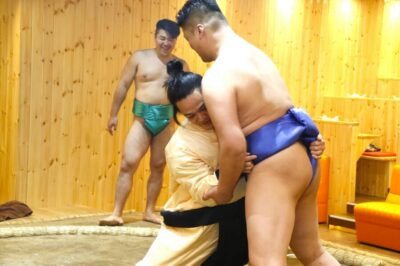
Sumo Show Experience with Chicken Hot Pot and a Photo
Read our review →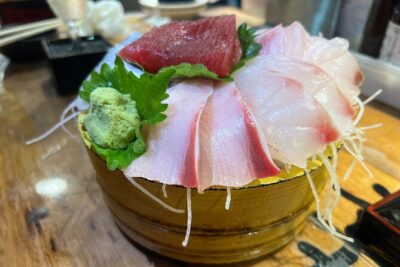
Shinjuku Food Tour (13 Dishes at 4 Local Eateries)
Read our review →