
Review · LICENSED GUIDES & PRIVATE DRIVERS
Kyoto Full-Day Private Tour (Osaka departure) with Government-Licensed Guide
Kyoto feels easy when a licensed guide drives. This government-licensed private tour from Osaka pairs a custom plan with an English-speaking guide who knows how to keep your day on track, from meeting points to transit choices, just like guides such as Tatsuya Ito, Bell, and Moto. You’ll pick 3-4 sites from a menu of 35+ options, so you are not stuck doing a one-size-fits-all checklist.
The main drawback is simple: it’s an 8-hour day built around walking and trains, so you need comfy shoes and realistic energy. Also, entrance fees and lunch are not included, even though some stops have no admission cost.
In This Review
- The Big Wins: What Makes This Private Kyoto Day Work
- A Kyoto Day You Control: 3-4 Stops, Not 30
- Guides Who Solve the Hard Parts of Kyoto
- The Kyoto Menu: What Each Famous Stop Gives You
- Fushimi Inari-taisha: Foxes, grains, and torii depth
- Kiyomizu-dera: Kyoto’s iconic temple experience
- Nijo Castle: Shogun power in UNESCO form
- Gion: If you want geisha district atmosphere, start here
- Nishiki Market: Kyoto’s kitchen street
- Kyoto Imperial Palace: How modern Japan grew from Kyoto
- Pontocho: Evening-dinner alley energy
- Higashiyama District: Old Kyoto in a walkable zone
- Ginkakuji (Silver Pavilion): Zen garden mood and shogun art culture
- Nanzenji Suirokaku: A Zen heavyweight setting
- Tofuku-ji: Temple scale with seasonal payoff
- Toji: A UNESCO temple with classic Kyoto guardian temple vibes
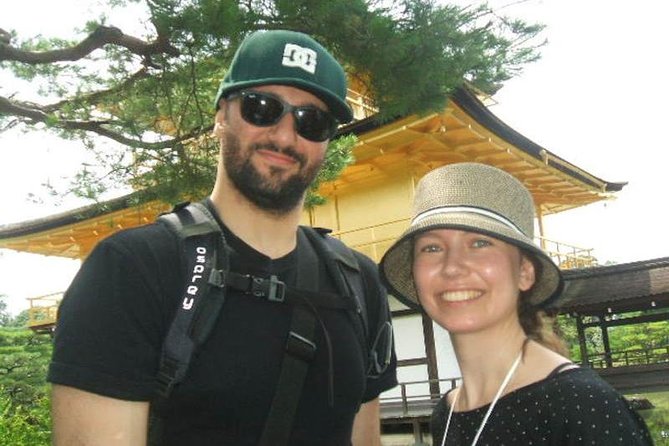
- Kinkakuji (Golden Pavilion): The gold-leaf icon
- Ninna-ji: Imperial-era Shingon links
- Shugakuin Imperial Villa: Gardens plus the feeling of a working landscape
- Kibune River and Kifune Shrine: Water, rain, and omikuji in motion
- Kurama-dera: A temple plus an easy hot-springs side trip
- Ryoanji: The rock garden that makes you stare
- Arashiyama: Bamboo, river air, and classic Kyoto views
- The quieter temple clusters above Kyoto
- Kennin-ji: Zen calm inside the city
- Byodoin (Uji): A “worth it” detour
- What You’re Really Paying For: Value in Time and Coordination
- Who Should Book This Private Kyoto Day
- Should You Book It?
- FAQ
- How long is the Osaka to Kyoto private tour?
- How many places do we visit?
- What’s included in the price?
- Are entrance fees and lunch included?
- Is it a walking tour?
- What if weather is bad?
The Big Wins: What Makes This Private Kyoto Day Work
- Government-licensed English guides who handle the flow of Kyoto, not just the talking.
- Pick 3-4 sites from a long list, which helps you match your interests to your energy.
- Fushimi Inari, Gion, and Nishiki show up often for a reason, and your guide helps you see more than the postcard version.
- Arashiyama options let you mix bamboo, temples, riverside icons, and gardens without wasting time bouncing around.
- Smart transit and pacing, especially useful if you are coming from Osaka on a tight schedule.
- Real flexibility can matter, since many Kyoto highlights are seasonal, weather-dependent, and time-sensitive.
A Kyoto Day You Control: 3-4 Stops, Not 30
Kyoto is huge, and a full day can either feel perfect or feel like you’re sprinting from one entrance line to the next. What I like about this format is the constraint. Instead of rushing through a long fixed itinerary, you choose 3-4 from a big set of major landmarks and quieter temple options.
That choice changes everything. If you want bright classics, you might go for Fushimi Inari-taisha, Gion, and Nishiki Market. If you want calmer Zen gardens, you might swap some of those for Ginkakuji, Nanzenji, or one of the hillside temples. If you want a “great day” that still feels human, you’ll lean toward fewer neighborhoods and spend real time walking, looking, and listening.
This tour also travels from Osaka, which is ideal if Kyoto is not where you’re sleeping. Most departures are structured as a walking meetup in Osaka, near public transportation, and your guide keeps you moving in a way that’s hard to duplicate solo, especially when you’re juggling trains, buses, and crowd levels.
More Private Guides in Japan:
- Tokyo 6hr Private Tour with Government-Licensed Guide
★ 5.0 · 3,902 reviews - Kyoto Early Morning Tour with English-Speaking Guide
★ 5.0 · 1,427 reviews - Tokyo 4hr Private Tour with Government-Licensed Guide
★ 5.0 · 1,394 reviews
Guides Who Solve the Hard Parts of Kyoto
Kyoto’s biggest challenge for first-timers is not seeing the sites. It’s knowing where to go next, how long it takes, and how to avoid wasting time. A private guide fixes the “mental math.”
From the guide style on this tour, the pattern is consistent:
- They help you navigate trains and local connections, not just point at stations.
- They manage the “when to go” reality of busy streets, so you spend less time standing and more time seeing.
- They can tailor your stops when your group has different stamina, like a family with a young daughter.
- They keep you aligned with your day’s end time, which matters if you’re heading back to a hotel or, in some cases, a ship.
If you end up with a guide like Haru, you’ll likely appreciate the way he plans routes and keeps you calm during a fast-paced day. If you get Yuko, the strength tends to be transit timing plus clear explanations tied to each site’s purpose in Japanese history and culture. If you land with Kiriko, expect strong English and a smooth “get in, see it, then get you where you need to be next” rhythm.
The point is not that you can’t do Kyoto on your own. You can. The value here is cutting the friction, so your day feels like sightseeing, not logistics.
The Kyoto Menu: What Each Famous Stop Gives You
Below are the kinds of places you can choose from. Think of this as your “shortlist guide,” including what you’ll likely enjoy, and the one practical thing to watch for.
Fushimi Inari-taisha: Foxes, grains, and torii depth
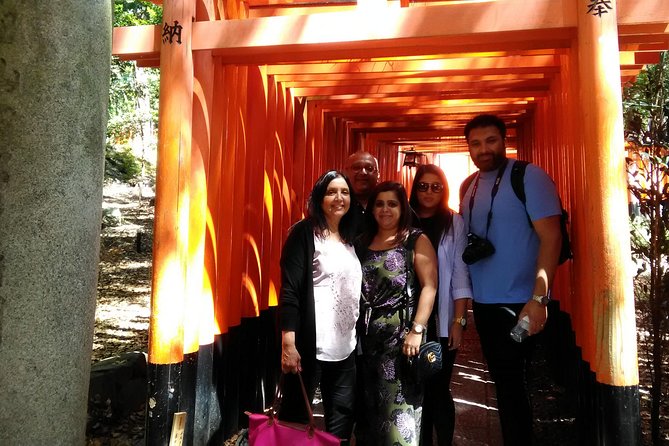
This shrine is famous for the vermillion-red torii gates, but it’s the stories that make it special. You’ll learn the meaning behind Inari, tied to the god of grains, and the reason you see fox statues throughout the grounds.
Watch for: the site rewards walking, and a quick stop can feel incomplete if your group moves slowly.
A few more Japan days to weigh up
- Private Tour to Mt. Fuji and Hakone (Fully Licenced Operator)
★ 5.0 · 1,910 reviews - Fushimi Inari Hidden Hiking Tour (Private Option Available)
★ 5.0 · 1,750 reviews - Private Kyoto Tour with a Local, Highlights & Hidden Gems, Personalised
★ 5.0 · 1,543 reviews - Tokyo Customized Private Tour (Must See Places in 1 Day)
★ 5.0 · 1,499 reviews
Kiyomizu-dera: Kyoto’s iconic temple experience
Kiyomizu-dera is one of Kyoto’s biggest draws, and having a guide helps you not miss the big structural points while still keeping the vibe enjoyable.
Watch for: entrance fees are not included, and the crowds can be real.
Nijo Castle: Shogun power in UNESCO form
Nijo Castle connects directly to early Edo Period rule and the Kyoto residence of Tokugawa Ieyasu. It’s also a great “history anchor” stop, because it makes the political timeline feel concrete.
Watch for: admission is not included, and the castle experience benefits from not rushing.
Gion: If you want geisha district atmosphere, start here
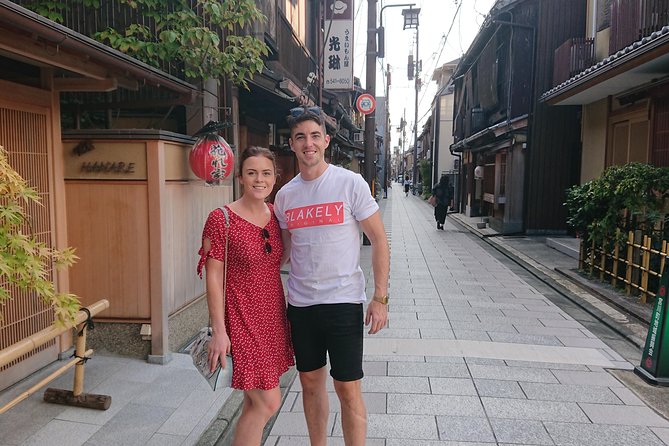
Gion can be intimidating when you’re new. A guide helps you move through the narrow lanes with confidence, and you can also extend to nearby areas like Pontocho and Miyagawacho depending on timing.
Watch for: it’s easy to get photo-moment hungry and lose time. Decide what you want most before you arrive.
Nishiki Market: Kyoto’s kitchen street
Nishiki is a narrow five-block stretch known for food: produce, seafood, knives and cookware, pickles, dried seafood, sweets, and everyday Kyoto specialties. It’s perfect when you want snacks and small gifts without needing a plan.
Watch for: it’s busy, and this is a stop where you’ll spend more time than you expect once you start tasting.
Kyoto Imperial Palace: How modern Japan grew from Kyoto
This is the former imperial residence area until 1868, when the emperor and capital moved to Tokyo. Even if you’re not a palace person, it’s a powerful reminder that Kyoto wasn’t just temples and tea houses.
Watch for: admission is not included, and timing matters because the park area can add walking time.
Pontocho: Evening-dinner alley energy
Pontocho is a narrow dining alley just west of the Kamogawa River, typically active from around 17:00 to 23:00. Even if you don’t eat, it’s a great atmosphere stop.
Watch for: if you go too early, it may not feel like Pontocho yet.
Higashiyama District: Old Kyoto in a walkable zone
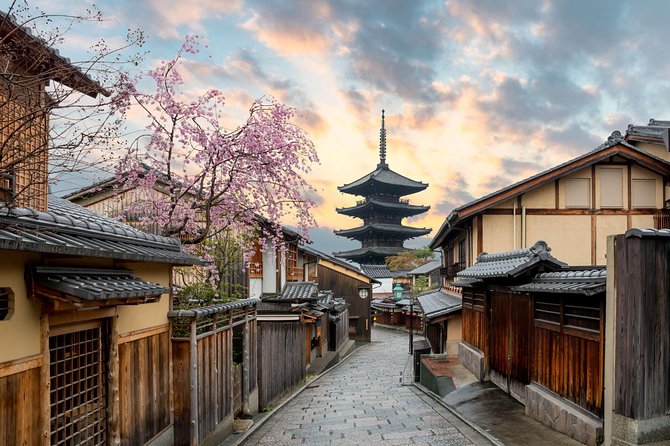
This preserved historic district sits between Kiyomizudera and Yasaka Shrine area. You’ll notice the traditional wooden buildings and the return of that “old capital” feeling in the narrow lanes.
Watch for: it can stack into a long walk fast, especially if you also add temple steps.
Ginkakuji (Silver Pavilion): Zen garden mood and shogun art culture
Ginkakuji started as a retirement villa modeled after Kinkakuji, then became a Zen temple. It’s also tied to the Higashiyama Culture era, giving you a lens on how art and power blended.
Watch for: admission not included, and the best experience comes from slow walking rather than photo sprinting.
Nanzenji Suirokaku: A Zen heavyweight setting
Nanzenji is head temple status in Rinzai Zen schools and spans a large complex. Suirokaku is a standout structure within the larger grounds.
Watch for: it’s easy to feel “I saw a temple” rather than “I experienced the grounds” if you rush.
Tofuku-ji: Temple scale with seasonal payoff
Tofuku-ji is known especially for autumn colors and the famous Tsutenkyo Bridge viewpoint. Even outside fall, the temple setting and Zen layout can feel impressive.
Watch for: admission not included, and autumn crowds can make timing tricky.
Toji: A UNESCO temple with classic Kyoto guardian temple vibes
Toji sits in a Heian-era context as one of Kyoto’s guardian temples at the city’s edge.
Watch for: it’s marked as admission free in the tour notes, but you still need time to enjoy it.
Kinkakuji (Golden Pavilion): The gold-leaf icon
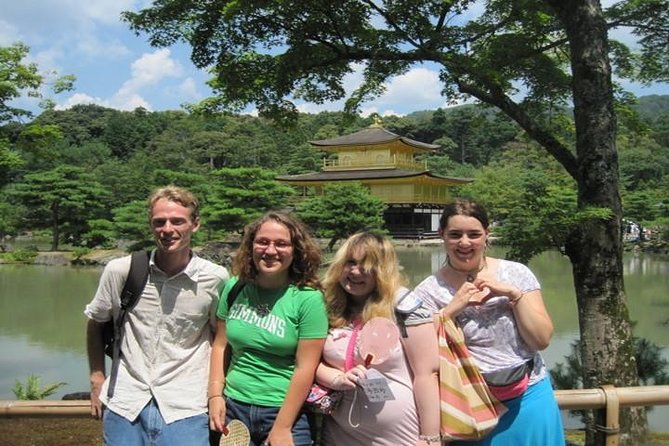
Kinkakuji’s top floors are covered in gold leaf, set over a pond. It’s visually dramatic and also historically tied to Ashikaga Yoshimitsu and the shift to Rinzai Zen after his death.
Watch for: admission not included, and you’ll want to go at the pace you can tolerate crowds at.
Ninna-ji: Imperial-era Shingon links
Ninna-ji is a UNESCO-listed temple and connected to the Omuro School of Shingon. You get the deeper imperial connection, plus Edo Period survival architecture after wars and fires.
Watch for: admission not included, and the grounds are bigger than people expect.
Shugakuin Imperial Villa: Gardens plus the feeling of a working landscape
Shugakuin Imperial Villa is managed by the Imperial Household Agency and divided into upper, middle, and lower villa areas. A unique angle is how surrounding farmlands were bought and leased to local farmers, so it’s not only ornamental.
Watch for: admission not included, and imperial villa access tends to be time-structured.
Kibune River and Kifune Shrine: Water, rain, and omikuji in motion
This stop is a quieter north-valley add-on built around Kifune Shrine. You’ll hear the legend of a goddess arriving by boat, and you can get omikuji fortunes written on slips that are revealed when dipped in water.
Watch for: more travel time than a central Kyoto stop, and admission not included.
Kurama-dera: A temple plus an easy hot-springs side trip
Kurama-dera is known alongside Kurama Onsen, one of the more accessible hot springs from Kyoto. If you like a slower, more rural mood, this is the direction to lean.
Watch for: admission not included, and winter comfort can be a big factor in whether you enjoy the setting.
Ryoanji: The rock garden that makes you stare
Ryoanji is famous for its rock garden, with 15 rocks arranged in small groups on a pebble bed. The date and designer details are uncertain, which adds to the “look again” feeling.
Watch for: admission not included, and the experience can feel short unless you’re ready to slow down.
Arashiyama: Bamboo, river air, and classic Kyoto views
Arashiyama is a western Kyoto district that’s popular since the Heian Period. It’s especially famous for cherry blossoms and fall colors, and it can be a big win if you treat it like a strolling zone.
Watch for: admission varies by stop inside the area, and it can get crowded.
Togetsukyo Bridge: Moon-crossing views
The Togetsukyo Bridge is Arashiyama’s iconic landmark, originally built in the Heian Period and reconstructed in the 1930s.
Watch for: it’s a photo target, so arrive with patience and avoid stopping in the middle of pedestrian flow.
Bamboo groves: Walking paths that feel better with wind
The bamboo groves are best when there’s a light breeze, so you get that sway across the stalks.
Watch for: this is a walking experience. If your group tires quickly, don’t let it expand into an all-day detour.
Tenryu-ji: One of Kyoto’s five great Zen temples
Tenryu-ji is the big Zen temple in Arashiyama and registered as a world heritage site. It was built in 1339 and tied to Ashikaga Takauji’s attempt to appease Emperor Go-Daigo’s spirits.
Watch for: admission not included, and timing affects how long you can linger.
Daikaku-ji: Detached palace roots
Daikakuji began as Emperor Saga’s detached palace and later became a temple. It’s also tied to peace talks that reunited the Northern and Southern Imperial Courts after decades of civil war.
Watch for: admission not included, and it may feel quieter than the most famous Arashiyama sights.
Okochi Sanso Garden: An actor’s villa garden world
Okochi Sanso was the villa of actor Okochi Denjiro and sits behind the bamboo groves. It has multiple gardens and buildings, but structures are viewed from the outside.
Watch for: admission not included.
Katsura Imperial Villa: Architectural and garden precision, plus photo rules
Katsura Imperial Villa is a top choice for people who like design and gardens, but you must join a tour. Palace buildings can only be viewed from the outside, and photography is allowed only at designated spots. English tours are available.
Watch for: admission not included, and tour schedules can shape the rest of your day.
The quieter temple clusters above Kyoto
If you want “Kyoto without the crowds” energy, these are great add-ons, though they can be time-consuming due to distance and walking.
- Jojakkoji, Nisonin, and Gio-ji: hillside temples with small buildings, moss, maples, and views over Kyoto.
- Adashino Nenbutsu-ji and Otagi Nenbutsu-ji: fields of stone statues of rakan, with different expressions and an eerie, contemplative feel.
- Adashino is known for hundreds of statues placed for the souls of the dead.
- Otagi is known for 1200 stone statues created relatively recently in the late 20th century.
Watch for: admission not included, and these stops can be slower than you expect because the grounds are larger and you’ll want to walk.
Kennin-ji: Zen calm inside the city
Kenninji is close to Hanamikoji and Shijo streets. It’s known for dry landscape gardens and is thought to be one of the oldest Zen temples in Kyoto.
Watch for: admission not included, and proximity to shopping streets can make it feel like a quick pause unless you slow down.
Byodoin (Uji): A “worth it” detour
Byodoin is known for the Phoenix Hall, a National Treasure of Japan and UNESCO World Heritage site. It’s in Uji, so you should expect extra travel time.
Watch for: admission not included, and your Kyoto day might need a trade-off in how many other stops you pick.
What You’re Really Paying For: Value in Time and Coordination
At about $208.04 per person for an 8-hour private experience, you’re not paying for a bus ticket. You’re paying for:
- a government-licensed guide who can explain what you’re seeing,
- route planning that reduces the time you spend figuring out trains and connections,
- and the flexibility to choose 3-4 sites that match your interests.
Entrance fees, lunch, and transportation costs are not included, and there is no private vehicle. So your budget should assume you will pay for entry where required and grab meals on your own.
If you compare this to self-guided Kyoto plus the time cost of transit mistakes, the value can be very real. If you’re traveling as a small group and you want maximum meaning per hour, this is one of the stronger ways to do it from Osaka.
Who Should Book This Private Kyoto Day
This is a great fit if:
- you’re first-time in Kyoto and want help choosing the right mix,
- you prefer a private pace over group tours,
- you want structure without losing freedom,
- and you’re okay with an active day that includes walking and public transport.
It’s less ideal if:
- you want long, slow temple breaks with no transit pressure,
- you have very limited mobility or stamina,
- or you want to eat all day without planning, because lunch is on your own schedule and not included.
Weather matters too. The experience notes it needs good weather, and if it’s canceled due to poor weather, you’ll get a different date or a full refund.
Should You Book It?
If your top priority is a smart, efficient Kyoto day that still feels human, I’d book it. The combination of licensed guidance, custom stop selection, and help navigating transit is exactly where this kind of tour earns its keep.
My advice: pick stops that match your energy, not just your bucket list. If you choose a heavy hitters day like Fushimi Inari plus Kiyomizu plus Kinkakuji, you’ll move fast. If you want a more balanced feel, mix one “big classic” with one quieter temple cluster, then add market time like Nishiki when you’re ready for snacks and browsing.
FAQ
How long is the Osaka to Kyoto private tour?
It runs for about 8 hours.
How many places do we visit?
The tour is customizable, with your choice of 3-4 sites from the available list.
What’s included in the price?
A licensed local English-speaking guide is included, along with the customizable tour of your chosen sites.
Are entrance fees and lunch included?
No. Transportation fees, entrance fees, lunch, and other personal expenses are not included.
Is it a walking tour?
Yes. This is a walking tour, and the pickup is on foot within a designated Osaka area.
What if weather is bad?
The experience requires good weather. If it is canceled due to poor weather, you’ll be offered a different date or a full refund.
Newly listed around Japan
- Private Tokyo Food Tour – A Journey Through Time Through Food★ 5.0 · 36 reviews
- Private Tokyo Tour with Licensed Guide & Vehicle (Max 15 persons)★ 5.0 · 107 reviews
- Private Tokyo Custom Full-Day Tour by Chartered Vehicle★ 5.0 · 16 reviews
- Private Tokyo Custom Half-Day Tour by Chartered Vehicle★ 4.5 · 13 reviews
- Private Sightseeing to Mt Fuji and Hakone with English Driver★ 5.0 · 51 reviews
- Private Snow Monkeys park Day Trip From Tokyo or Nagano★ 4.5 · 26 reviews
- Private Outstanding Nikko Tour with English Speaking Driver★ 4.0 · 11 reviews
- 4 Day Tour – Mount. Fuji, Tokyo, Hakone, Kamakura and Yokohama★ 5.0 · 19 reviews
Licensed Guides & Private Drivers, compared.
Tokyo 6hr Private Tour with Government-Licensed Guide
Read our review →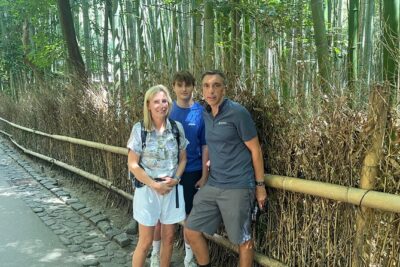
Kyoto Early Morning Tour with English-Speaking Guide
Read our review →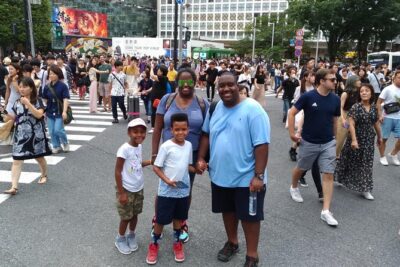
Tokyo 4hr Private Tour with Government-Licensed Guide
Read our review →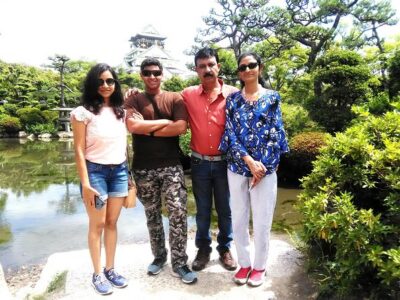
Kyoto 6hr Private Tour with Government-Licensed Guide
Read our review →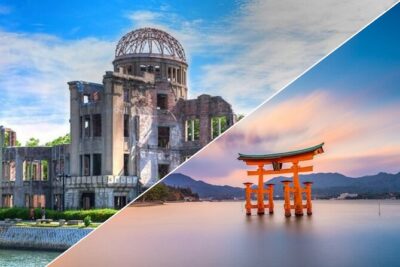
Hiroshima / Miyajima Full-day Private Tour with Government Licensed Guide
Read our review →Early Morning Tour with English-Speaking Guide
Read our review →
Tokyo Private Sightseeing Tour by Car- English speaking chauffeur
Read our review →
Mt Fuji Private Tour with English Speaking Driver
Read our review →Browse the lists this tour appears in