
Review · BAMBOO GROVE WALKS
Kyoto Sagano Insider: Rickshaw and Walking Tour
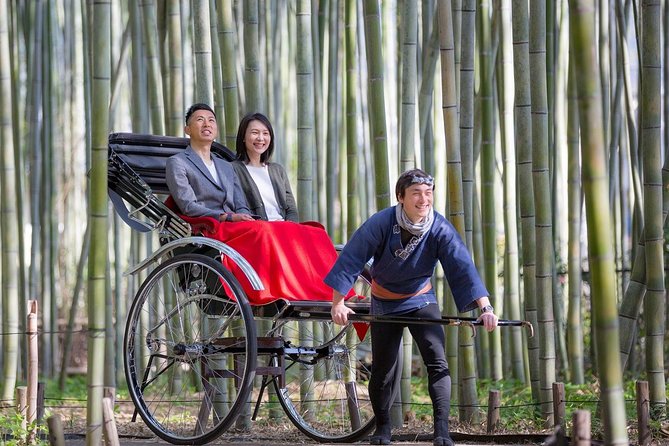
A rickshaw shortcut makes Arashiyama feel easy. This private Arashiyama Bamboo Forest rickshaw plus walking tour pairs a driver-led ride with guide narration and photo stops, then switches to walking for places the rickshaw cannot reach. I like that it includes a private rickshaw so you do not share your ride, and I also like the “stop for photos” rhythm that keeps the tour fun, not rushed. One thing to consider: you do walk some slopes at a comfortable pace, so if uneven ground tires you fast, bring good shoes and plan for a little effort.
You will start near Sagatenryu-ji area in west Kyoto, meet your guide, and settle into a narrow seat that works best for two adults side by side. From there you head toward the bamboo forest, where the guide steers you past the busiest viewing areas and gives you context for what you are seeing. Guides you might get include names like Takumi, Atsu, Yuya, Shota, and others, and the recurring theme in their approach is practical guiding plus strong photo help.
The best fit is for people who want the classic Arashiyama highlights without spending half the day wrestling trains, crowds, and route-finding. If you love wandering slowly on your own, you may feel the schedule is guided. Still, if your goal is to get the wow moments with less hassle, this format is a smart use of 3-plus hours.
In This Review
- Key things that make this tour worth your time
- Arashiyama Bamboo Forest by private rickshaw, and what it saves you
- Kyoto City Sagatoriimotocho Nami Preservation Hall, machiya time that feels real
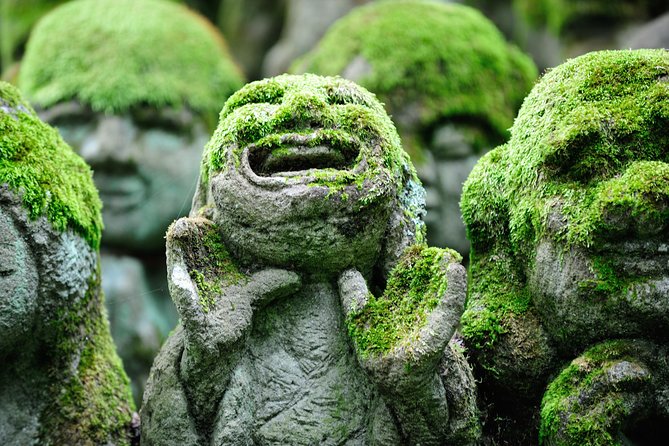
- Otagi Nenbutsu-ji temple, and why the handmade figurines are the point
- Walking the traditional Arashiyama streets, from straw-thatched cottages to a preserved pilgrim path
- How the guide and drivers shape the experience, and why that matters
- Price and value for a 3-hour-plus Arashiyama highlights loop
- Who should book this Arashiyama rickshaw and walking tour
- Quick practical tips before you go
- Should you book this tour?
- FAQ
- FAQ
- How long is the Kyoto Sagano rickshaw and walking tour?
- Where does the tour start and end?
- Is this tour private or shared?
- What does the tour include for photos and sightseeing?
- Do I need to pay temple or garden admission fees?
- Is hotel pickup included?
- Are there walking parts and slopes?
- What languages do the guides speak?
- What are the child seating rules?
- Can the guide take us inside a tea house?
Key things that make this tour worth your time
- Private rickshaw ride so you keep the pacing and do not share your car with strangers
- Bamboo forest photo stops built into the ride, so you are not chasing angles on your own
- Machiya house visit at Kyoto City Sagatoriimotocho Nami Preservation Hall, with free admission and a real feel for traditional homes
- Otagi Nenbutsu-ji temple time focused on quirky handmade figurines (admission not included)
- Walking portion on historic streets with straw-thatched, shrine-in-the-grove, and preserved old pathways moments
- Bilingual guide support in English and Japanese, plus conversational help in Chinese, Korean, or Spanish when available
Arashiyama Bamboo Forest by private rickshaw, and what it saves you
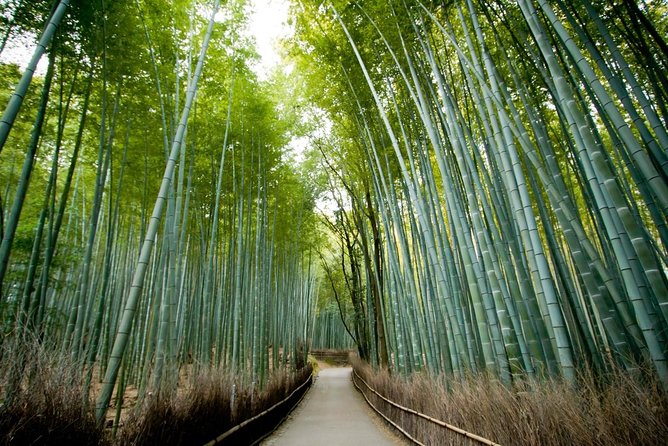
Arashiyama is famous for its bamboo, and that also means it can be crowded in peak hours. The big value here is not just the romance of riding, it is the time and stress savings. You get on a private rickshaw and let your driver do the navigation, so you are not constantly checking maps or walking long detours to reach the most photogenic spots.
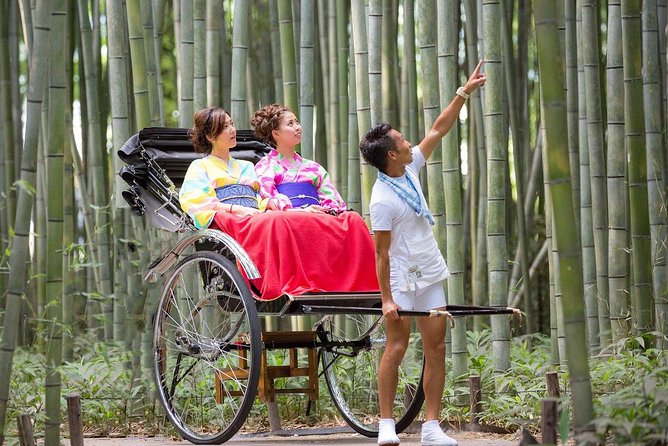
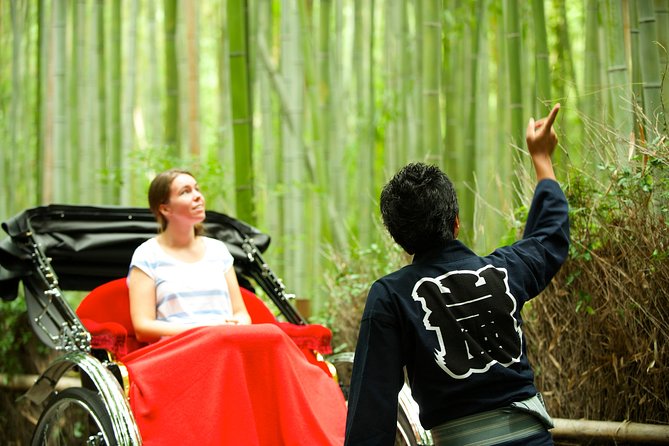
Once you are in the bamboo area, your guide keeps the experience moving with short narration stops and photo opportunities. You might see your rickshaw pause at spots where the bamboo lines up with paths and angles that look great in a phone camera, and the driver will usually take direction on positioning so everyone ends up in the shot. In past tours, guides like Atsu and Shota have been singled out for both friendly guiding and photo skills, which makes sense given how often rickshaws are used as moving photo platforms.
There is also an optional extra: the rickshaw will pass through the bamboo forest, and when you switch to walking, you can choose to enter a section of the bamboo forest that is not accessible by rickshaw. That is a real “choose your adventure” moment, especially if you want fewer crowds for a short stretch.
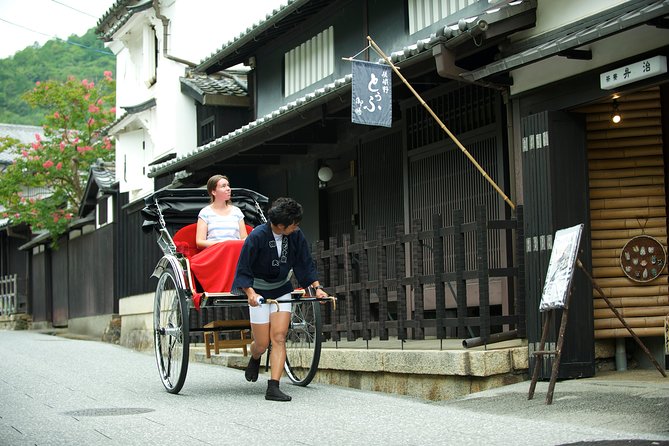
The one caution is comfort. You will sit in a rickshaw seat that is about 74 cm wide, designed for up to two adults side by side. If you are taller or broader, you might want to sit as upright as you can and avoid leaning for long periods. And if it is wet outside, the bamboo area can feel slippery, so your shoes matter.
More Walking Tours in Kyoto
- Kyoto Geisha Walking Tour: Gion District & Hidden Gems
★ 4.7 · 3,273 reviews - Kyoto: Gion Geisha District Walking Tour – Stories of Geisha
★ 4.7 · 2,187 reviews - Night Walk in Gion: Kyoto’s Geisha District
★ 4.5 · 2,003 reviews
Kyoto City Sagatoriimotocho Nami Preservation Hall, machiya time that feels real
The first real cultural anchor is your visit at Kyoto City Sagatoriimotocho Nami Preservation Hall. You get about 20 minutes here, and the best part is that it is a traditional Kyoto-style machiya house experience with free admission.
Machiya are the classic townhouses you see in old Kyoto neighborhoods, with wooden structures and layouts that tell you how people lived before modern apartment blocks took over. This stop is short on paper, but it is meaningful because it gives you a tangible sense of Kyoto’s domestic architecture, not just a pretty street photo.
If you like to understand what you are looking at, this is where the guide narration helps most. You are not simply walking past a building and moving on. You are getting context for what you see in the rooms and how that machiya style connects to the broader Arashiyama preservation story.
The drawback is time. Twenty minutes goes quickly, especially if you enjoy reading details on-site or taking photos slowly. So if you love architecture tours, go steady but do not expect a full hour deep reading here.
This stop is also useful if your group includes mixed interests. Someone who wants photos and someone who wants history can both enjoy the same 20 minutes, which is a win for keeping everyone happy.
Otagi Nenbutsu-ji temple, and why the handmade figurines are the point
After the machiya house, the tour shifts to Otagi Nenbutsu-ji, typically around 30 minutes of temple time. Admission here is not included, so plan a little extra cost if you want to enter.
What makes this temple special is the focus on unique handmade figurines. Instead of a standard temple highlight where you just check out a main hall, this place is memorable because it leans into an artistic, quirky visual idea. The result is a temple visit that feels less like a checklist and more like a scene you want to study with your eyes.
You also get to slow down after the rickshaw portion. Sitting in a rickshaw is fun, but temples reward the part of you that likes to pause, look around, and take in textures, stone, and human-made details. This is where you will likely spend your best “quiet attention” minutes.
A practical consideration: temple paths can be uneven, and you are already in the middle of a walking day. If your knees are sensitive, take your time on stairs or small changes in level. Your guide can help set the pace.
If you are only choosing one additional Arashiyama stop besides the bamboo, Otagi Nenbutsu-ji is a strong candidate because it is distinct from the usual big-name sights. It also works well if your travel group wants variety, not just more bamboo and more streets.
Walking the traditional Arashiyama streets, from straw-thatched cottages to a preserved pilgrim path
After the temple, the tour moves through a series of smaller, high-satisfaction moments that add up. Some stops are quick passes, but each one supports the tour’s theme: Arashiyama as a living historic neighborhood, not just a photo location.
You will encounter a preserved old cottage with a straw-thatched roof, described as the former home of one of Japan’s famous haiku poets. Even if you are not a haiku scholar, this kind of stop matters because it connects the landscape to art. It turns the area from “pretty place” into “place where famous creativity happened.”
Next comes a Shinto shrine tucked into a bamboo grove. A bamboo grove shrine is one of those images that reads instantly as Kyoto. It is quiet, often framed by wood and green, and it gives you a chance to step away from street traffic energy.
Then you will see typical Arashiyama-style townhouses, neighborhoods, and side streets. This part is where the walking tour earns its keep. The rickshaw gets you speed and comfort, but the walk is where you experience scale, small alley turns, doorways, and the everyday texture of the neighborhood.
The final segment leans into preservation: a preserved district and an old pilgrim path lined with traditional wooden town houses you typically will not find in the downtown core. This is the part of the tour that feels like a discovery walk, even though the route is guided. You are still moving as a group, but the streets are the reward.
Because the tour includes walking up and down a slope, wear shoes you trust. If it is raining, slow down on descents. This is not a strenuous hike, but you should respect that the ground will ask for a bit of balance.
A few more Bamboo Grove walks around Kyoto:
- Kyoto: Fushimi Inari, Kinkakuji, Bamboo Grove 1 Day Bus Tour
★ 4.8 · 4,316 reviews - Osaka/Kyoto:Kinkakuji,Arashiyama,FushimiInariShrine,NaraPark
★ 4.1 · 1,596 reviews - Kyoto/Osaka: Nara, Fushimi Inari Taisha, Arashiyama Bus Tour
★ 4.7 · 1,275 reviews - Kyoto Arashiyama Walking Tour: Bamboo, Monkeys, Gardens & Secrets
★ 5.0 · 1,216 reviews
How the guide and drivers shape the experience, and why that matters
This is a private tour, meaning only your group participates. That changes the feel immediately. In a shared tour, you often have to react to other people’s pace. Here, you can actually settle into the rhythm your guide sets.
Your guide provides context as you pass historical buildings and during walking segments. In other words, you are not just getting directions. You are getting the why behind what you are seeing, which is what transforms “I took a photo” into “I understood what I saw.”
Language support is another practical benefit. The tour notes English and Japanese guides as fluent. There is also conversational guide help in Chinese, Korean, or Spanish depending on availability. If you are not confident with Japanese, that matters. You get more out of the machiya stop and temple notes because you can ask and understand naturally.
Photo support is also a big part of the experience style. Multiple guides were praised for taking strong photos, sometimes even with your camera, and for being good photographers. That is not just convenience. It removes the common problem of getting decent bamboo photos while your group is separated into random angles and missed moments.
If you have mobility questions, tell your guide early. The route includes walking slopes and multiple stops, so it is best to communicate what pace works for you before you are halfway into the plan.
Price and value for a 3-hour-plus Arashiyama highlights loop
At $228.62 per person, this is not a budget tour. The value question is simple: are you paying for convenience, guidance, and access to time-efficient sight order?
In a place like Arashiyama, crowds can slow you down fast. The rickshaw part addresses that. You get a fast route through the bamboo forest area, then you switch to walking where the rickshaw cannot go. That combination prevents the all-too-common problem of spending your time only getting to viewpoints, with no energy left to actually enjoy them.
The private part also matters for value. If you are traveling as a couple or small group, a private rickshaw can feel like a reasonable splurge compared to paying individual rates for multiple timed entries or hiring separate help just to manage pacing and photos.
There are a couple of costs to remember. Admission fees to temples and gardens are not included, and you should expect to pay for any entry you choose at stops like Otagi Nenbutsu-ji. Also, hotel pickup is not included, so you will start at the meeting point near 1-1 Sagatenryu-ji Susukinobabacho in Ukyo Ward.
Where this pricing feels most fair is if you care about:
- getting iconic bamboo moments without spending your day in lines and foot detours
- having a guide who can explain the scenes as you go
- having photos handled so you do not waste time staging
If you are already comfortable navigating Arashiyama on foot and you want maximum freedom, you might choose a self-guided approach. But if your priority is “high reward in a short day,” this tour is built for that.
Who should book this Arashiyama rickshaw and walking tour
Book it if you:
- want the classic Arashiyama Bamboo Forest experience with less walking hassle
- like guides who explain what you are seeing, not just show you where to stand
- want photo stops handled by the driver and guide
- prefer a private pace and group-only guiding
- enjoy a mix of temple, traditional townhouses, and neighborhood streets
Consider skipping or choosing a different style if you:
- dislike walking slopes or uneven temple paths
- want total freedom to wander without scheduled stops
- are extremely budget sensitive and do not want to add temple admission costs
This tour also pairs nicely with a day plan where you want Arashiyama as one focused block of time. It is long enough to feel complete, but short enough that you can still build in other parts of Kyoto after.
If you are going for photos, plan your clothing for easy movement. Your bamboo photos will look better when you can move calmly, not when you are fighting uncomfortable shoes on a slope.
Quick practical tips before you go
Here are the small choices that make a difference:
- Wear comfortable shoes for walking up and down slopes
- If you are particular about photos, tell your guide early what shots you care about, like close bamboo angles or wider scenes
- If you want the optional bamboo forest walking section beyond the rickshaw route, say so at the moment you are offered the chance
- Bring a charged phone or camera. The tour includes photo stops, but you still control what you want to save afterward
Also, it helps to book ahead. This tour is often reserved about 23 days in advance on average. If you are traveling in a popular season or on a busy day, earlier booking gives you better timing options.
Should you book this tour?
If your goal is Arashiyama highlights with less friction, I think you will enjoy this. The biggest win is the combination: rickshaw speed for the bamboo, then walking for the streets and preserved historic feeling you cannot get from the ride alone. Add in the private setup, the guide narration, and the photo stops, and you get a tour that is fun and practical.
I would book it especially if you want to understand Kyoto’s traditional townhouse world at the machiya house stop and then see a temple with a totally different visual focus at Otagi Nenbutsu-ji. If that mix sounds like your kind of day, this is an easy yes.
FAQ
FAQ
How long is the Kyoto Sagano rickshaw and walking tour?
It runs about 3 hours and 10 minutes.
Where does the tour start and end?
The tour starts at 1-1 Sagatenryu-ji Susukinobabachō, Ukyo Ward, Kyoto, 616-8385, Japan, and it ends back at the meeting point.
Is this tour private or shared?
It is private. Only your group participates.
What does the tour include for photos and sightseeing?
You get photo stops at instagrammable spots along the way, and your guide also provides context as you pass historical buildings.
Do I need to pay temple or garden admission fees?
Admission fees to temples and gardens are not included.
Is hotel pickup included?
No, hotel pickup is not included.
Are there walking parts and slopes?
Yes. The tour includes walking and up and down a slope.
What languages do the guides speak?
English and Japanese guides are fluent. Chinese, Korean, or Spanish conversational support is available depending on availability.
What are the child seating rules?
Children 6 years and older need a seat and pay the same price as adults. Children 5 years and under can ride for free if they sit on an adult’s lap (one child per adult, up to two adults and two children per rickshaw).
Can the guide take us inside a tea house?
The overview says there is a chance to go inside a tea house with your guide.
Newly listed around Kyoto
- Kyoto Samurai Discovery Samurai Sword Test Cutting Training★ 5.0 · 132 reviews
- Kyoto Sake Brewery Tour with Lunch★ 4.5 · 12 reviews
- Private Food & Sake Tour in Central Kyoto with Sake Sommelier★ 5.0 · 24 reviews
- Ramen Gyoza Onigiri Japanese Cooking Class in Kyoto★ 5.0 · 44 reviews
- Kyoto Rickshaw Tour★ 5.0 · 210 reviews
- Kyoto Ramen Tour★ 5.0 · 22 reviews
- Kyoto Portrait Tour with Kimono★ 5.0 · 48 reviews
- Private Kyoto Customizable Day Tour With English Guide★ 4.5 · 9 reviews
Bamboo Grove Walks, compared.
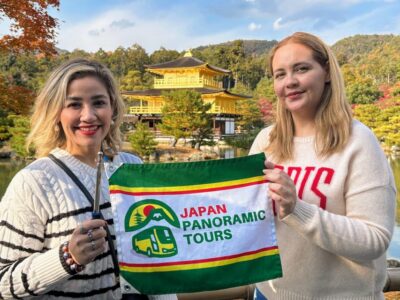
Fushimi Inari, Kinkakuji, Bamboo Grove 1 Day Bus Tour
Read our review →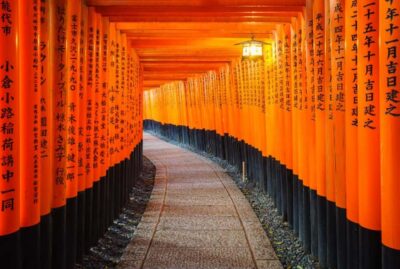
Osaka/Kyoto:Kinkakuji,Arashiyama,FushimiInariShrine,NaraPark
Read our review →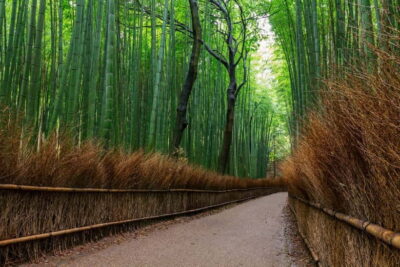
Kyoto/Osaka: Nara, Fushimi Inari Taisha, Arashiyama Bus Tour
Read our review →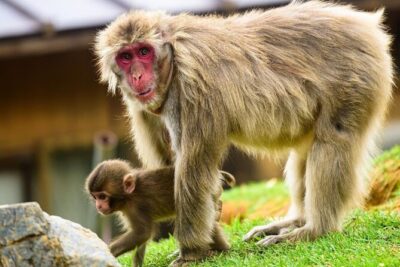
Kyoto Arashiyama Walking Tour: Bamboo, Monkeys, Gardens & Secrets
Read our review →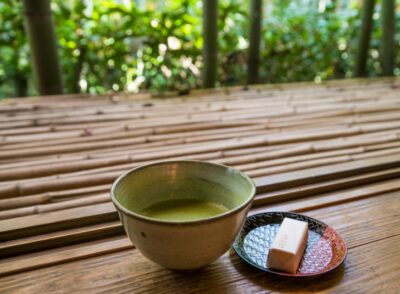
Arashiyama Bamboo, Temple, Monkeys, or Secret Sake Brewery
Read our review →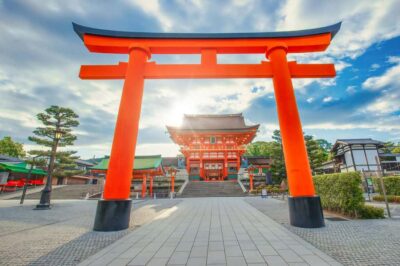
Osaka/Kyoto: Arashiyama, Nara & Fushimi Inari Shrine w/Lunch
Read our review →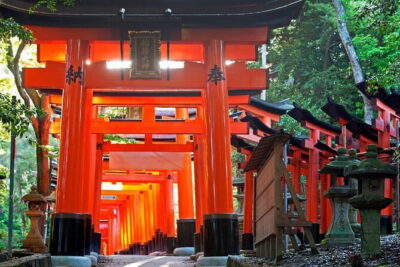
Nijo, Kinkaku-ji, Arashiyama, Kiyomizu & Fushimi Inari
Read our review →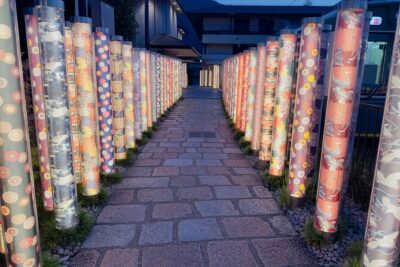
Kyoto Ghost Tour: Dark Tales, Urban Legends, Bamboo Forest Night
Read our review →Browse the lists this tour appears in