
Review · BAMBOO GROVE WALKS
Kyoto Arashiyama Walking Tour: Bamboo, Monkeys, Gardens & Secrets
Arashiyama feels like Kyoto but quieter. This small-group walking tour blends bamboo scenery, peaceful gardens, and the famous monkey park, so you get more than the usual photo stops. I love how it’s timed and paced to make a crowded area feel manageable, with a guide who explains what you’re actually looking at.
Two things I particularly like: you get entry tickets bundled for the major sights, and the route adds variety beyond the bamboo grove, including a UNESCO garden at Tenryu-ji. One drawback to plan for is the monkey park hike, which is a 20 to 25 minute climb and can feel steep.
In This Review
- Key Points Before You Go
- Arashiyama’s Best Angle: Bamboo, But Also Meaning
- Where You Start and How to Avoid the Arashiyama Station Confusion
- First Stop: Nonomiya Shrine and the Ritual Story
- Bamboo Forest Trail: The Photo Spot That’s Still Worth Slow Walking
- Okochi Sanso Garden: When the Day Turns Peaceful
- Tenryu-ji and Sogenchi Teien: UNESCO Garden Time
- Togetsukyo Bridge and River Views: Classic Arashiyama, Better Timed
- Monkey Park Iwatayama: The Steep Part You Must Respect
- Timing, Pacing, and What You Actually Get for $65.57
- What to Pack and How to Make the Day Feel Easy
- Who Should Book This Arashiyama Walking Tour
- Should You Book It?
- FAQ
- How long is the Kyoto Arashiyama Walking Tour?
- Where does the tour meet and end?
- What is included in the ticket price?
- What is not included?
- Is there hiking on the tour?
- What language is the tour in?
- Are smart glasses or recording allowed?
- Can I join the tour if I am traveling alone?
Key Points Before You Go
- Small group up to 12 people, with private option available, so you move at a human pace
- Admission tickets included for multiple stops, which saves hassle and usually adds value for the price
- Nonomiya Shrine, Okochi Sanso Garden, and Tenryu-ji Garden give context beyond bamboo photos
- Togetsukyo Bridge over the Hozu River delivers the classic Arashiyama views in less chaotic timing
- Monkey Park Iwatayama is the real workout, with a steep-ish hilltop walk and rules about interacting
- Recording restrictions apply, including no recording on the tour and no smart glasses with recording capability
Arashiyama’s Best Angle: Bamboo, But Also Meaning
Kyoto’s Arashiyama can be a mess of crowds if you try to do it solo. What makes this tour worth your time is that it doesn’t treat Arashiyama like a single attraction. You’re walking through a real neighborhood with temples, shrines, and gardens that each have their own mood.
I also like that the tour leans into atmosphere. The bamboo grove section is gorgeous, but the bigger payoff comes after, when the guide’s context turns what looks like scenery into something you understand. That matters here. When you know why a shrine exists or what a garden layout is trying to do, you see it differently.
The tour also has a practical rhythm. It’s built around a walk from one highlight to the next, plus timed breaks, so you spend less time guessing and more time moving. You’ll still be on your feet for hours, but it feels organized rather than frantic.
More Walking Tours in Kyoto
- Kyoto Geisha Walking Tour: Gion District & Hidden Gems
★ 4.7 · 3,273 reviews - Kyoto: Gion Geisha District Walking Tour – Stories of Geisha
★ 4.7 · 2,187 reviews - Night Walk in Gion: Kyoto’s Geisha District
★ 4.5 · 2,003 reviews
Where You Start and How to Avoid the Arashiyama Station Confusion
The tour meets at Saga-Arashiyama Station. That’s not the only station with Arashiyama in the name, and it’s an easy mistake if you’re tired or your GPS sends you somewhere else. My advice: screenshot the meeting pin and double-check the exact station name before you head out.
The format is a private or small-group walk, typically with a maximum of 12 travelers. Smaller groups are key in Arashiyama, because narrow paths and temple lanes can bottleneck. A good guide helps you slip around crowds by using alternate routes and keeping the schedule moving.
One more helpful note: the tour begins at the station area and ends somewhere central in Arashiyama after the monkey park. That end point matters because you’ll be able to get back toward your next plan without doing a long return trek.
Finally, you’ll want to keep your phone handy. It’s a mobile ticket setup, so don’t assume you’ll get a paper ticket at the start.
First Stop: Nonomiya Shrine and the Ritual Story
After meeting near the station, you’ll head to Nonomiya Shrine, a small Shinto shrine with history behind the quiet. This stop is only about ten minutes, but it’s memorable because it explains how the shrine was traditionally connected to purification rituals by unmarried imperial princesses before they served as priestesses at Ise Shrine.
Even if you don’t read Japanese, you can usually feel when a site is small and old. You’re not just ticking a box. You’re getting a glimpse of how Arashiyama connects to wider Japanese religious traditions, not just the modern tourist experience.
The practical benefit here is pacing. This early stop gives you a calm warm-up before the bamboo and garden crowds. It also helps you get oriented. By the time you reach the busier scenery, your brain is already in travel mode, not commuter mode.
Bamboo Forest Trail: The Photo Spot That’s Still Worth Slow Walking
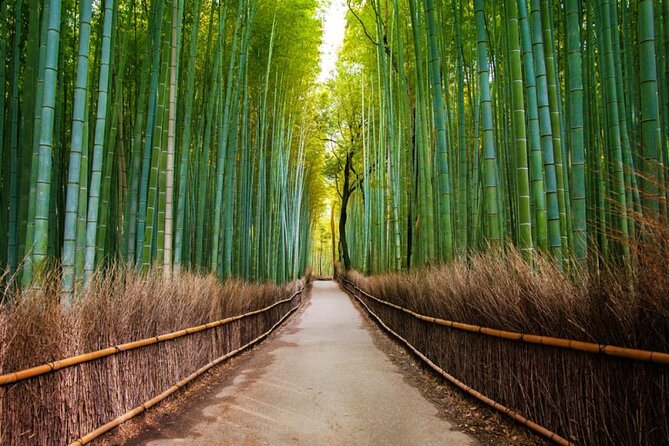
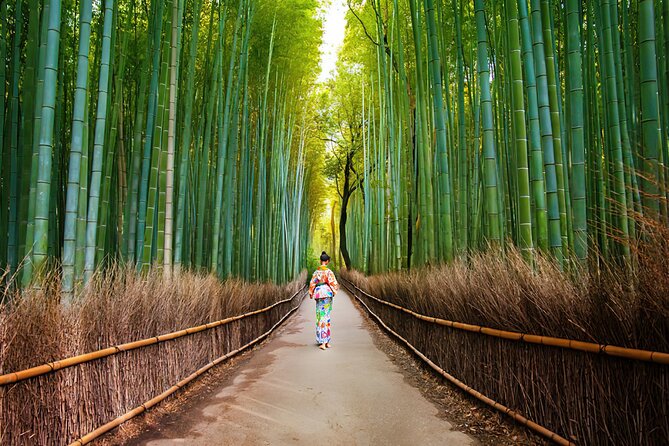
Then comes the section most people came for: the bamboo grove path. This is the famous area, close enough to the station that you don’t waste time, but far enough that the walking path itself is the point.
I like how the tour doesn’t stay stuck on the bamboo grove alone. Yes, you’ll get the classic view, with towering bamboo around you. But it’s not just stand-and-shoot time. You’re walking, stopping when there’s something to notice, and moving before the density becomes unbearable.
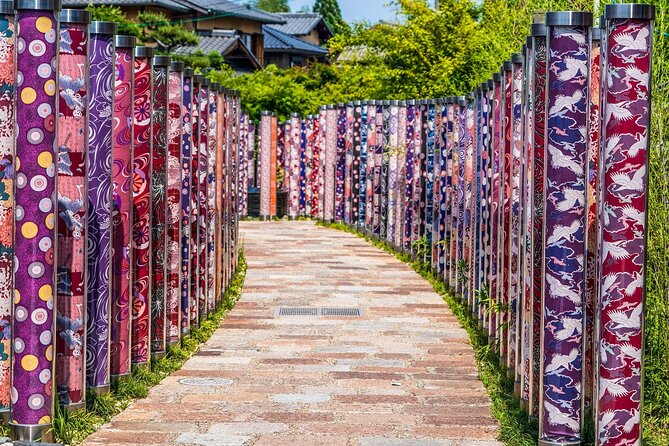
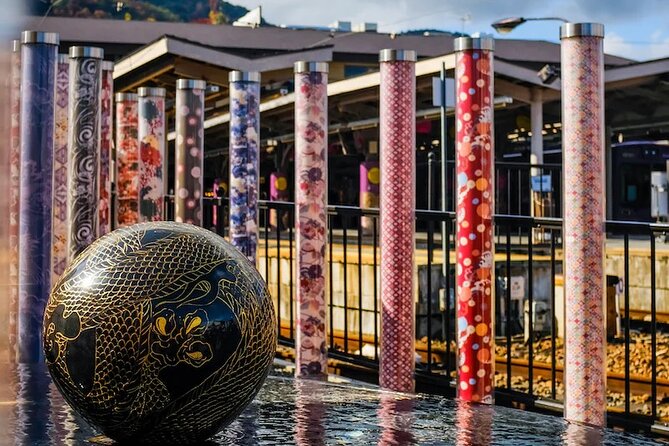
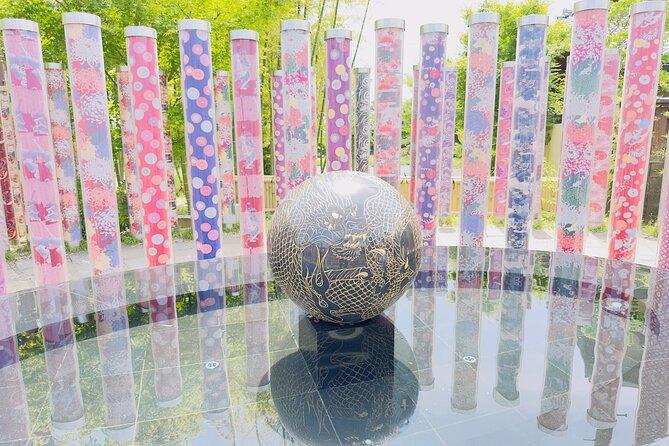
A small detail that matters: the tour also includes a pass connected with the Kimono Forest area before moving on to Togetsukyo Bridge. Even if you only treat it as a fun photo moment, it breaks up the monotony and keeps the day from feeling like one long procession of green walls.
If you’re sensitive to crowds, this is where a guide earns their fee. You’re not alone with a million cameras. You’re part of a timed group that can shift routes and keep things flowing.
A few more Bamboo Grove walks around Kyoto:
- Kyoto: Fushimi Inari, Kinkakuji, Bamboo Grove 1 Day Bus Tour
★ 4.8 · 4,316 reviews - Osaka/Kyoto:Kinkakuji,Arashiyama,FushimiInariShrine,NaraPark
★ 4.1 · 1,596 reviews - Kyoto/Osaka: Nara, Fushimi Inari Taisha, Arashiyama Bus Tour
★ 4.7 · 1,275 reviews - Arashiyama Bamboo, Temple, Monkeys, or Secret Sake Brewery
★ 4.8 · 886 reviews
Okochi Sanso Garden: When the Day Turns Peaceful
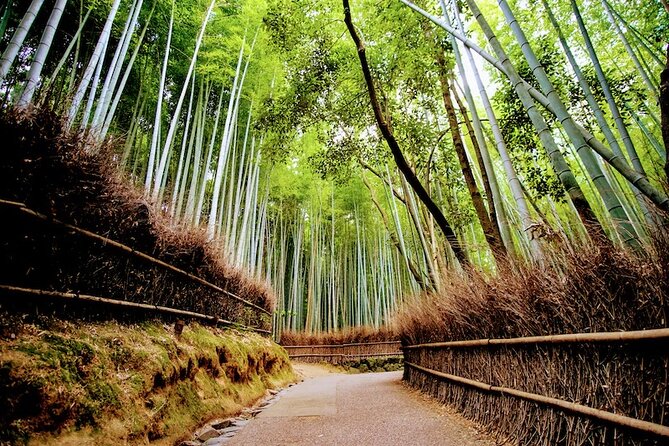
Next you’ll visit Okōchi Sansō Garden, often described as one of Arashiyama’s most beautiful and calm garden experiences. The garden is tucked away at the end of the bamboo area, and that location is the whole trick. You get the feeling that you stepped out of the tourist stream and into something quieter and more intentional.
This garden has an extra layer of appeal because it used to be the private villa of a famous Japanese actor. That personal history changes how you read the place. Gardens aren’t just pretty in Japan. They’re designed for viewing, strolling, and seasonal mood, and this one carries the idea of curated retreat.
The stop is around 30 minutes. That’s long enough to slow down, notice the garden layout, and take a few photos without turning it into a speed-run. If you normally rush in Kyoto, this is where you should try to slow your pace on purpose.
If you’re visiting in a rainy season, gardens can actually be a win, since lush greenery does well in mist. Just keep an eye on footing, because garden paths can still get slick.
Tenryu-ji and Sogenchi Teien: UNESCO Garden Time
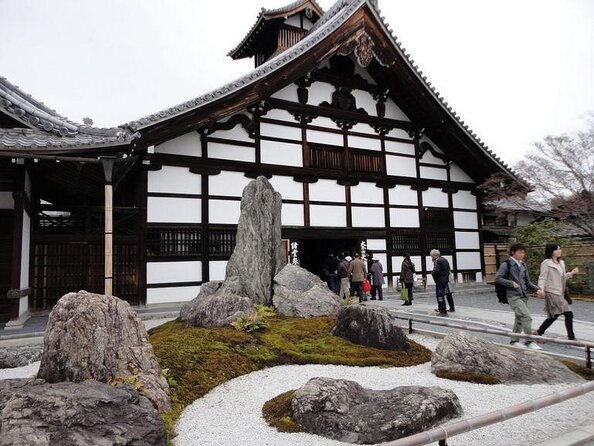
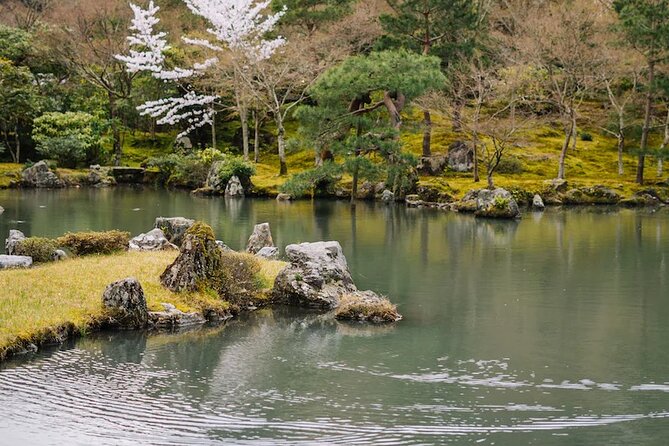
One of the biggest moments of the day is Tenryu-ji, specifically the Tenryu-ji Garden (Sogenchi Teien). This is a UNESCO World Heritage Site, and the tour gives you time to experience it rather than just glance and go.
Why this stop is valuable is simple: Arashiyama’s story isn’t only bamboo. Tenryu-ji shows you how Kyoto’s temple culture shapes landscapes. The garden is often considered among Japan’s best, and even if you’re not a garden-nerd, you’ll feel the intent. It’s composed for viewing. You notice sightlines. You notice water and stone relationships. You notice how the space guides your walking.
The time here is about 35 minutes. For Kyoto, that’s a decent window. You’re not stuck in a long line with the whole world. You get enough time to absorb it, plus space to take photos without stressing your group.
The only “watch out” is timing. Gardens make you want to linger, so don’t let your phone camera turn this into a 90 minute detour. The day flows well when you stay with the group pace.
Togetsukyo Bridge and River Views: Classic Arashiyama, Better Timed
After Tenryu-ji, you’ll reach Togetsukyo Bridge, one of the district’s most popular attractions. From here, you get the iconic view over the Hozu River with mountains in the background.
I like bridge moments in Kyoto because they give you scale. Up close, you feel like you’re in a set of narrow lanes and temple grounds. At Togetsukyo, the landscape expands. You can finally see why Arashiyama is famous beyond Instagram.
This stop is shorter, around 15 minutes. That can be perfect. It gives you the view without turning the bridge into a long standoff against the crowd. Also, it sets up the next big act: the monkey park hike.
If you’re the type who hates standing still, you’ll probably enjoy this stop more than expected. You take in the scene, then you keep moving.
Monkey Park Iwatayama: The Steep Part You Must Respect
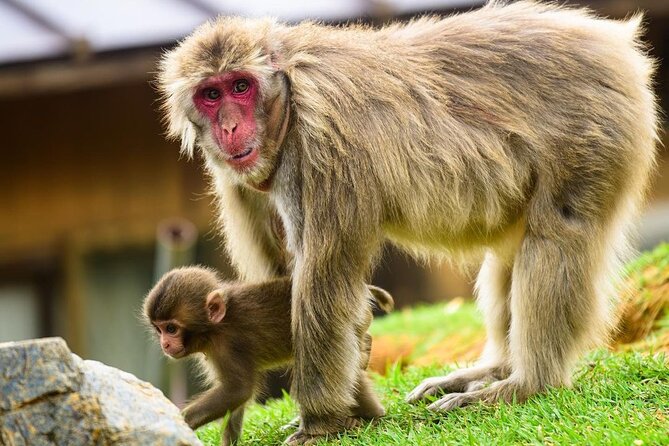
The highlight for animal lovers is Monkey Park Iwatayama. The park sits on a mountain overlooking Arashiyama, and getting there is the part to plan around.
You’ll hike for about 20 to 25 minutes to reach the hilltop. The path is described as a bit steep, and it’s real enough that you should wear shoes with grip. If you’re wearing flip-flops, this tour will turn into a bad story fast.
The reward is a chance to see Japanese monkeys in a natural setting, with interaction in the area. Just remember, monkeys are monkeys. They’re fast, curious, and not there to entertain you politely. The guide will help you navigate the rules of respectful behavior and where to stand.
Reviews also emphasize the effort. Some people find the climb challenging but worth it once you’re looking out over the district and watching the monkeys up close. If you’re traveling with kids, it can be a great day, but you still need to be honest about the hike.
Also note the rules around recording. This tour has restrictions against recording and live streaming, and smart glasses with recording capability are not allowed. So if you’re trying to film interactions, keep your expectations aligned with the tour rules.
Timing, Pacing, and What You Actually Get for $65.57
At $65.57 per person for a 5 to 6 hour walk, the value hinges on two things: included admissions and guide time.
This isn’t just a guided stroll through town. You’re also paying for access to places like Okochi Sanso Garden and Tenryu-ji Garden, plus the monkey park admission, and the tour includes admission for stops tied to the day’s highlights. That’s worth it if you’d otherwise buy tickets on your own, while also trying to figure out routes in a crowded area.
Group size also affects value. With a maximum of 12, you’re not stuck behind a massive line. The tour is built to finish at a convenient central spot, which helps you keep your day flexible afterward.
What’s not included is important to know. Lunch isn’t included, and you’ll get a quick lunch break of about 35 minutes. That time window is enough to eat, but not enough to plan a fancy sit-down meal. Think simple, grab-and-go, and keep moving.
Tips are accepted and welcomed, and guides are doing a lot of work: crowd management, pacing, and historical context.
What to Pack and How to Make the Day Feel Easy
If you do nothing else, pack for the monkey hike and the walking day.
Wear comfortable shoes with good traction. Bring water. Kyoto days can vary, and you don’t want to lose energy before the climb. If you get cold easily, consider a light layer. Even when Kyoto is warm, Arashiyama can feel cooler, especially near the river and on the hill paths.
Also bring a small towel or tissues. Gardens and outdoor paths mean you might get dusty or damp. You’ll be glad you have something simple.
For the photo folks: the tour has rules against recording and live streaming, and smart glasses with recording capability are not allowed. Normal photos are fine, but keep behavior and device use aligned with local rules and the guide’s instructions.
Who Should Book This Arashiyama Walking Tour
This is a strong fit if you want an organized way to see Arashiyama without spending hours mapping routes. It’s especially good if you care about context, because the guide explanation turns shrines and gardens into something you understand, not just something you pass.
It’s also great for people who hate crowd chaos. Guides on this route are known for helping groups avoid the densest flows by using alternate paths and keeping the schedule steady.
Book it if you’re willing to do a hilltop hike. That climb is the deal-breaker for some people. If stairs and steep paths make you nervous, consider a different plan.
It can work for solo travelers too, but there’s a catch. This tour has a “2 guests minimum” requirement to proceed. If you book and only one guest is confirmed, the tour may be canceled with options for rescheduling or a full refund.
Should You Book It?
Yes, if you want Arashiyama in one efficient, well-paced day. The mix of bamboo, temple and UNESCO garden time, and the monkey park climb is a great way to see what makes the district special beyond a single landmark.
Don’t book if you’re not comfortable with walking and a steep 20 to 25 minute hike. Also, if you rely heavily on recording, read the rules carefully first, since the tour restricts recording and smart glasses with recording capability.
For most visitors, though, this is a solid value. You’re paying a reasonable price for admissions, a small-group format, and a guide who helps you see what you’re looking at, not just where to stand.
FAQ
How long is the Kyoto Arashiyama Walking Tour?
It runs about 5 to 6 hours.
Where does the tour meet and end?
You meet at Saga-Arashiyama Station, and you end at Arashiyama Monkey Park Iwatayama.
What is included in the ticket price?
It includes admission to the places on the itinerary, a knowledgeable bilingual guide, and entries such as the bamboo forest area, Okochi Sanso Garden, Tenryu-ji Garden, Togetsukyo Bridge, and Monkey Park Iwatayama.
What is not included?
Lunch and dinner are not included, and tips are accepted and welcomed. Pick up is not available.
Is there hiking on the tour?
Yes. There is a 20 to 25 minute hike to the monkey park hilltop, and the path is described as a bit steep.
What language is the tour in?
The tour is in English only.
Are smart glasses or recording allowed?
No recording and live streaming are allowed during the whole tour. Smart glasses with recording capabilities are not allowed as well.
Can I join the tour if I am traveling alone?
Solo travelers can book, but there is a 2 guests minimum requirement for the tour to proceed. If only one guest is booked, the tour may be canceled with options for rescheduling or a full refund.
Newly listed around Kyoto
- Taste of Nishiki Market Walking Food Tour with Local guide★ 5.0 · 17 reviews
- Kyoto: Sushi Making Class with Sushi Chef★ 4.8 · 64 reviews
- Simple Plan with Maiko★ 4.4 · 10 reviews
- Shibori Furoshiki Course at Kyoto Shibori Museum★ 5.0 · 21 reviews
- Kyoto: City Secrets eBike Tour★ 4.9 · 196 reviews
- Sacred Pathways: Discover the Philosopher’s Path of Kyoto★ 4.9 · 20 reviews
- Private Tour to Monkey Park and Arashiyama Highlights★ 5.0 · 22 reviews
- Private Nara Tour from Osaka – Meet at Your Hotel★ 5.0 · 22 reviews
Bamboo Grove Walks, compared.
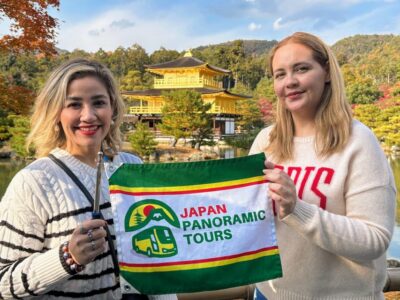
Fushimi Inari, Kinkakuji, Bamboo Grove 1 Day Bus Tour
Read our review →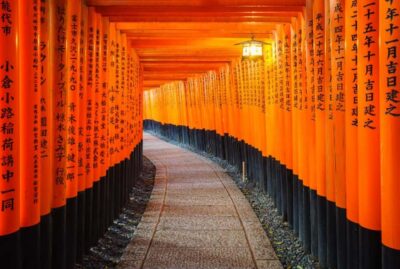
Osaka/Kyoto:Kinkakuji,Arashiyama,FushimiInariShrine,NaraPark
Read our review →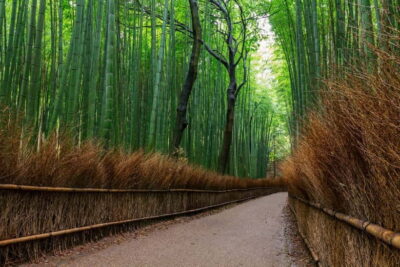
Kyoto/Osaka: Nara, Fushimi Inari Taisha, Arashiyama Bus Tour
Read our review →
Arashiyama Bamboo, Temple, Monkeys, or Secret Sake Brewery
Read our review →
Osaka/Kyoto: Arashiyama, Nara & Fushimi Inari Shrine w/Lunch
Read our review →
Nijo, Kinkaku-ji, Arashiyama, Kiyomizu & Fushimi Inari
Read our review →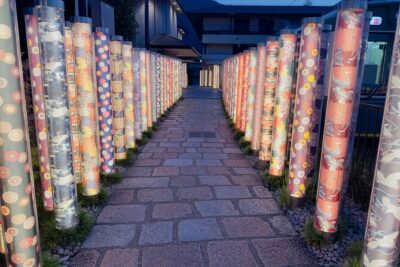
Kyoto Ghost Tour: Dark Tales, Urban Legends, Bamboo Forest Night
Read our review →
Arashiyama Bamboo Forest & Hidden Gems Bike Tour (Early Bird)
Read our review →Browse the lists this tour appears in