
Review · KIMONO & YUKATA RENTALS
Kyoto Portrait Tour with Kimono
Kyoto looks great in any season, but this tour frames it for portraits. You get a 90-minute walk with a local photographer, starting at Yasaka Shrine and ending at Yasaka Pagoda, with options for morning or afternoon lighting. I like that the group size is capped at 6, so you are not just herded through selfies, you actually get time to pose and refocus.
Two things I really like: you get professionally edited photos, and the guides are hands-on with posing, timing, and crowd flow. A possible drawback to plan around is that the kimono is not included, so you will need to arrange your rental or wear your own.
Expect a smooth, photo-first route through recognizable Kyoto, plus a couple of quieter lanes where textures matter. The tour also finishes with local tips around the area, which is handy when you want to keep exploring right after your last photo.
In This Review
- Key highlights you’ll feel immediately
- A 90-minute Kyoto portrait session with a 6-person cap
- Morning vs afternoon: picking light for portraits
- Choosing your kimono from the store you prefer (and what it means for your photos)
- Start at Yasaka Shrine: traditional vibes in your first 20 minutes
- Maruyama Park: garden composition, seasonal color, and calm portraits
- Chion-in’s massive gate: the scale trick for dramatic portraits
- Ishibe Alley: narrow textures and the fun of getting off the main flow
- Nene-no-Michi: the stone walkway vibe for autumn reds and street atmosphere
- Yasakanoto to the Yasaka Pagoda finish: five-story drama and photo tips
- What you get back: professionally edited photos that save you time
- How guides handle posing, timing, and crowds (Yuta, Takuma, Mina, Cocoro, Soma)
- Price and value: what $85.87 really buys you
- A fair caution: read the small details before you pay
- Who this Kyoto portrait tour is best for
- Should you book the Kyoto Portrait Tour with Kimono?
- FAQ
- What is the duration of the Kyoto Portrait Tour with Kimono?
- Where does the tour start and end?
- What is included in the tour price?
- Is the kimono included in the tour?
- How many people are in a group?
- Are admission tickets included for the temple and park stops?
- Is there a choice of session time?
- How do I get my ticket?
- Is this tour near public transportation?
- Is free cancellation available?
Key highlights you’ll feel immediately
- Max 6 people per tour means you get real time for portraits, not rushed snapshots
- Morning or afternoon sessions so you can match your photos to softer or brighter light
- Iconic-to-quiet stop list from Yasaka Shrine and Chion-in to Ishibe Alley and Nene-no-Michi
- Kimono flexibility (not included), with guidance to choose from your preferred store
- Edited results included, so you spend less time sorting and more time enjoying
- English-friendly, patient photographers with posing tips and crowd-aware timing (names you may be paired with include Yuta, Takuma, Mina, Cocoro, Soma)
A 90-minute Kyoto portrait session with a 6-person cap
This is a compact, 1 hour 30 minutes style of experience. That matters in Kyoto, because famous areas are busy, lines form, and daylight moves fast. The small group size, up to 6 travelers, is the main reason this tour feels different from a standard walking tour. You can stop, reset, and shoot again without the whole group freezing behind you.
You also get a clear start and finish. The meeting point is at Yasaka Jinja Nishiromon Gate (Western Tower Gate) in Gion, and you end in front of Hōkan-ji Temple at the Yasaka Pagoda. In practical terms, that routing helps you photograph in one concentrated zone, then keep your evening going without trekking across town.
And yes, it is a mobile ticket experience. That usually means less hassle with paper tickets, which is a nice day-to-day win when you are bouncing between temples.
More Kimono Rentals in Kyoto
- Kimono Tea Ceremony at Kyoto Maikoya, NISHIKI
★ 5.0 · 911 reviews - Kyoto: Kimono Rental with Hairstyling and Accessories
★ 4.8 · 653 reviews - KYOTO Tea Ceremony with kimono near by Imamiya Jinjya Shrine
★ 5.0 · 343 reviews
Morning vs afternoon: picking light for portraits
One of the easiest ways to level up your photos is choosing the right time of day, and this tour gives you that choice. You can pick a morning or afternoon session so you can match the look you want.
In Kyoto, morning often gives you calmer pacing and softer tones, while afternoon can bring richer contrast and warmer feeling. Either way, the value is that your photographer is working with the session you chose, not just locking you into whatever time the group defaults to.
If you have limited time in Kyoto and you want portraits that look intentional, this time-of-day option is a strong selling point. If you are also doing other daytime plans, treat this like the anchor activity and build around it, because the route is efficient by design.
Choosing your kimono from the store you prefer (and what it means for your photos)
The kimono part is flexible, but it is also where you need to be organized. The tour does not include kimono rental. Instead, you get the option to choose a kimono from your preferred store.
That affects your planning in two ways:
- You will want to coordinate timing so you are dressed and ready when you meet at Yasaka Jinja Nishiromon Gate.
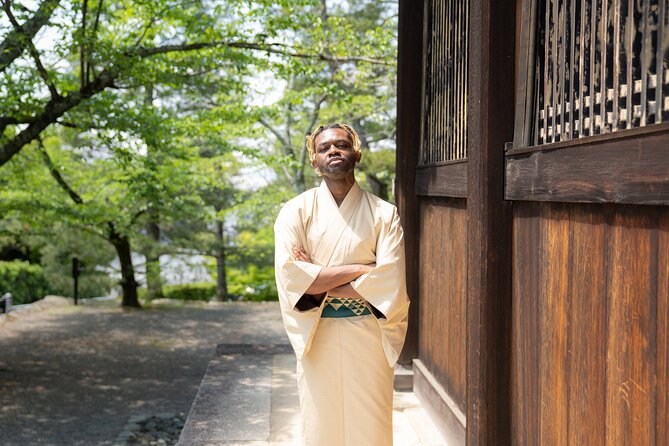
- You should think about what you want to look like in photos. Your photographer can guide poses, but the final look depends on your kimono choice and how it fits your comfort level for walking.
If you are traveling solo, the kimono can be extra worth it, because you are not just shooting scenery, you are creating a portrait story. Several guides in the experience lineup (like Yuta and Takuma) are known for being patient and for helping with details that make the outfit look natural in photos.
Start at Yasaka Shrine: traditional vibes in your first 20 minutes
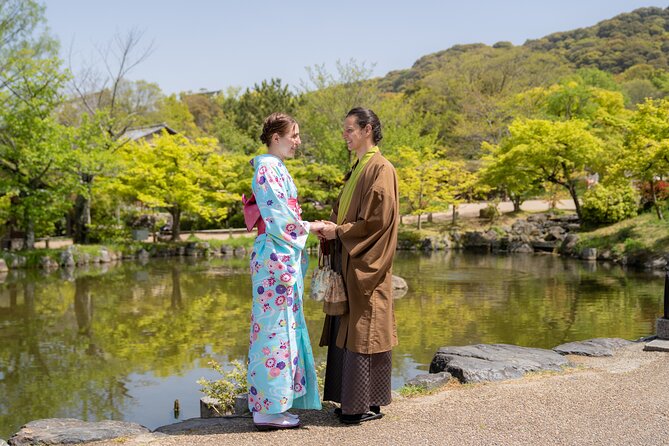
You begin at Yasaka Shrine, and you get about 20 minutes here. This is one of those places where the background does a lot of work for you. Traditional architectural lines and shrine atmosphere give you a sense of place right away, which is perfect for portrait photos that still feel Kyoto.
Practical tip: arrive a few minutes early. The group is small, and the tour starts with photography momentum. If you are late, you can lose the best light windows or the easiest angles.
Also, remember that even though admission is free for this stop, you are still moving through an active public area. Your photographer’s job is to keep things flowing while still finding clean frames.
More Photo Sessions in Kyoto
- Kyoto: Maiko Makeover and Photoshoot Experience
★ 4.7 · 239 reviews - Kyoto: Private Photoshoot Service
★ 5.0 · 158 reviews - Kyoto: Tea Ceremony with Kimono and Photoshoot
★ 4.9 · 90 reviews - Kyoto: Private Gion District Photoshoot Experience
★ 5.0 · 79 reviews
Maruyama Park: garden composition, seasonal color, and calm portraits
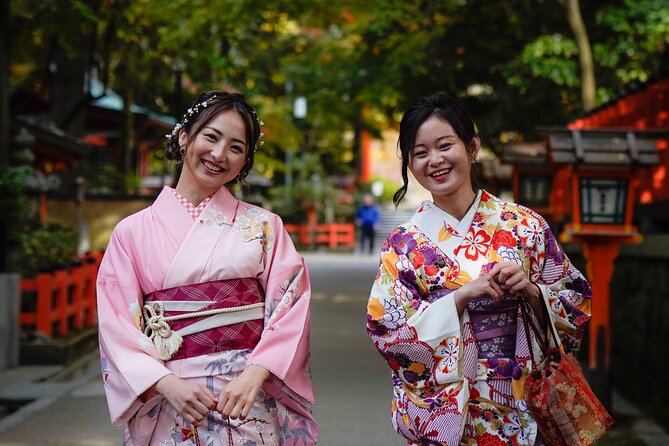
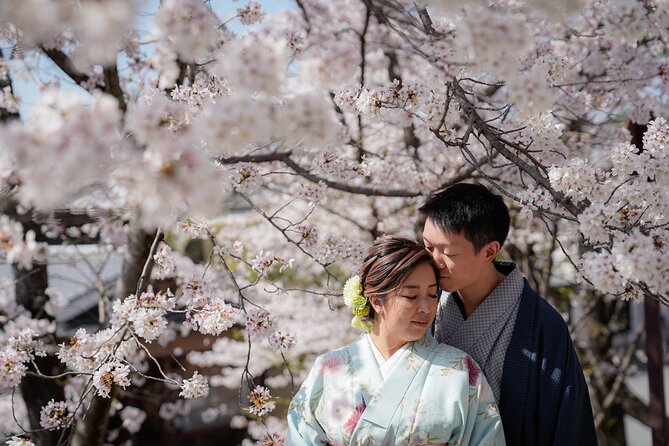
Next is Maruyama Park, another 20-minute stop with free admission. This is Kyoto’s older park style, and it is especially photogenic when seasonal blossoms show up. Early April cherry trees are called out for this area, and it makes sense: pale petals against dark wood and stone gives a gentle contrast for portraits.
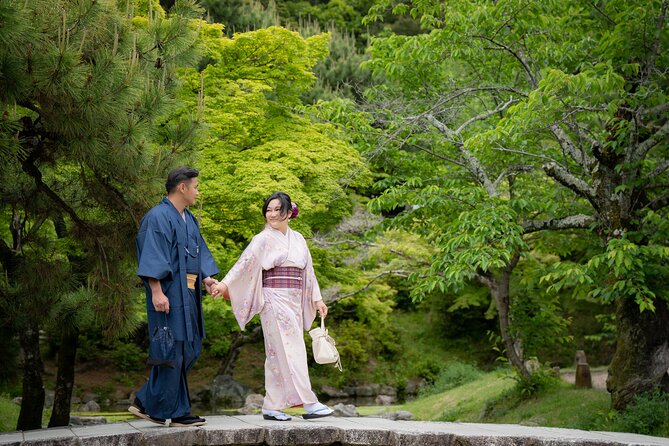
What I like about this stop is that it offers a garden look without needing you to hunt for the right spot on your own. You are getting a guided path to compositions that look intentional on camera.
In practical terms, it is a good breather. After shrine energy, a park stop lets you slow down your poses, adjust your kimono or outfit, and shoot with fewer abrupt backdrops.
Chion-in’s massive gate: the scale trick for dramatic portraits
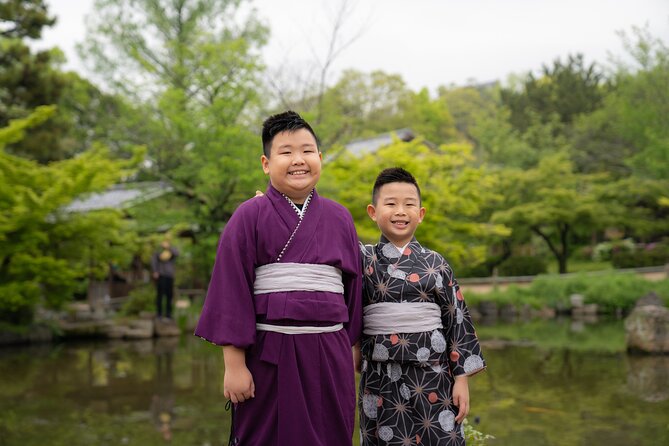
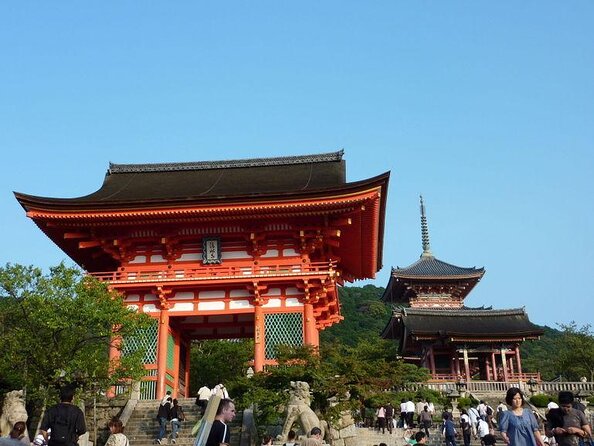
Then you head to Chion-in Temple for about 20 minutes. The highlight here is the Sanmon Gate, described as 24 meters tall and 50 meters wide, and noted as Japan’s largest wooden temple gate. Even if you are not a temple-architecture person, scale is a portrait tool. A big gate behind you makes your subject look framed, like the scene was built for your photo.
Admission is listed as free for this stop, but the real win is context. You can get history while you photograph. That makes your images feel more grounded, not just decorative.
One consideration: this gate area can attract attention. That is where your guide’s crowd timing matters. In the experience, photographers like Yuta and Mina are described as patient and careful, including waiting for people to move along. For portrait work, that kind of timing is worth its weight in good light.
Ishibe Alley: narrow textures and the fun of getting off the main flow
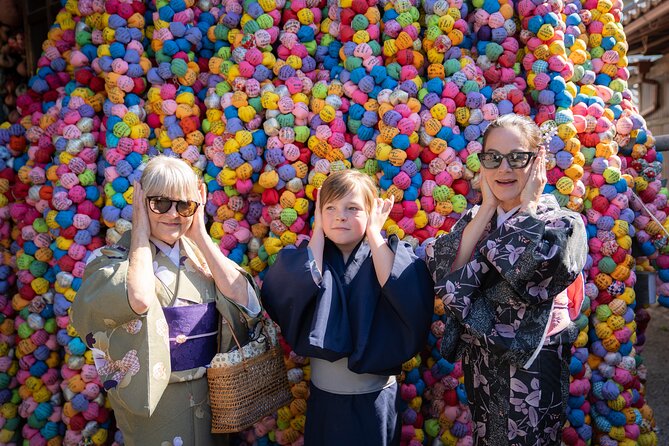
Stop 4 is Ishibe Alley, about 10 minutes. This is the more alley-style moment, surrounded by traditional architecture, and it leans into that lived-in Kyoto feel. It also is a quick stop, so you get in, shoot, and move on.
Admission is listed as not included here, but the stop itself is short, and you are not spending time buying tickets or standing in long lines. For portraits, alleys give you strong leading lines and close textures. Your photographer can use those narrow walls to make your background look layered instead of flat.
What to watch: narrow streets mean you will want to move carefully, especially in a kimono. The tour is designed for photos, but your job is to keep your pace smooth so your photos stay sharp.
Nene-no-Michi: the stone walkway vibe for autumn reds and street atmosphere
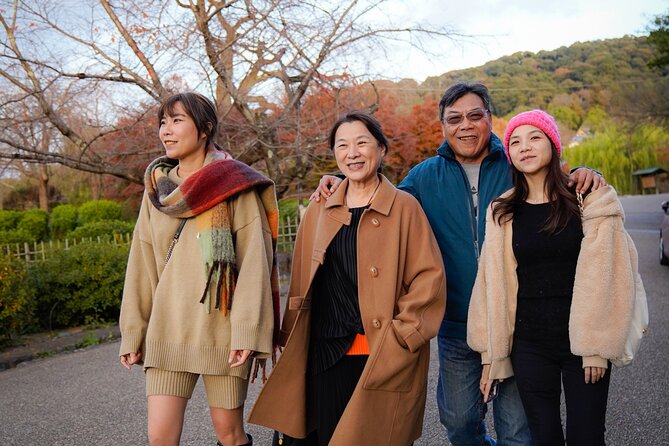
Next is Nene-no-Michi, another 10-minute stop, also free. The description focuses on a flagstone walkway and seasonal color in autumn, when red leaves show up. It also notes that Kodaiji is close and many people walk this street, so you get both atmosphere and movement.
This stop can be a win for two kinds of portraits:
- You want a Kyoto street scene with a natural flow in the background.
- You want soft, photogenic ground lines from the walkway texture.
Since it is short, your best strategy is to be ready when you arrive. If you are adjusting your kimono or checking your phone, do it fast, because you want to spend that time posing rather than resetting.
Yasakanoto to the Yasaka Pagoda finish: five-story drama and photo tips
The final photo stop is Yasakanoto, about 10 minutes. It is described as the Yasakanoto Pagoda, also called a five-storied pagoda. You take pictures with it as a recognizable endcap.
Then the tour finishes at Hōkan-ji Temple in front of the Yasaka Pagoda. The experience also includes travel tips around this area, which is useful because you will likely want to keep exploring Gion and the surrounding streets after your shoot ends.
This ending matters because it gives you a strong, memorable location in your portrait set. A pagoda is visually clear even to people who have never been to Kyoto. It works well for couples and solo portraits alike.
What you get back: professionally edited photos that save you time
One of the simplest ways to judge value is what is included. This tour includes your guide plus professionally edited photos.
That is important because many portrait sessions stop at raw images. Editing is where the photos start to look finished: color adjustments, cleanup, and consistency across multiple shots. If you are traveling, you also do not want to spend your best Wi-Fi time processing hundreds of pictures.
A lot of the positive feedback focuses on fast, professional results and responsive communication from the photographer. Names that show up in that kind of feedback include Mina and Cocoro, with praise for professionalism and responsiveness after the session.
How guides handle posing, timing, and crowds (Yuta, Takuma, Mina, Cocoro, Soma)
This tour lives or dies on the photographer. The strong reviews paint a consistent picture: guides help you pose, move you to good angles, and manage timing so you get photos even when areas are busy.
Here are the practical things you should expect based on the guide patterns described:
- Posing help: Guides offer direction so your posture looks natural in a kimono or casual outfit.
- Patient shooting: If people pass through, a good guide waits and resets rather than forcing one imperfect frame.
- Quick efficiency without killing the vibe: When schedules get tight, guides focus on capturing lots of good variations while keeping the experience comfortable.
Several guide names are repeatedly linked with these strengths. Yuta is described as accommodating and patient, including giving pose tips. Takuma is noted for being quick and fun while still finding different locations. Mina is praised for being professional and easy to work with. Cocoro is highlighted for guiding through scenic Kyoto with local insights. Soma gets credit for English-friendly guidance and for finding spots where the crowd feels less intense.
Even if you are shy in front of a camera, you should feel supported. This is not a take-your-own-photo-by-the-objects tour.
Price and value: what $85.87 really buys you
The price is $85.87 per person, for about 90 minutes. On paper, that can seem like a lot, until you look at what is included: a guide, structured stops, and professionally edited photos. You are also paying for someone to navigate Kyoto efficiently and handle composition, which is hard to do if you are solo or if you want portraits instead of background snapshots.
Also, kimono is a separate cost. That is not a bad surprise, just a planning reality. If you already know which kimono shop you want, the “choose your preferred store” approach can feel flexible.
One more value signal: the tour is commonly booked about 52 days in advance on average. Kyoto portrait sessions can get competitive during peak seasons, so planning ahead usually helps you lock in the morning or afternoon slot you want.
A fair caution: read the small details before you pay
Most of the experience feedback is extremely positive, but a small portion flags problems with customer service after payment and concerns about clarity. I do not think that means the tour is unsafe or unreliable, but it does mean you should do a quick clarity check for anything you might add on, especially anything related to the kimono arrangement.
Before your day, confirm:
- what time your session is set for (morning or afternoon)
- the exact meeting point at Yasaka Jinja Nishiromon Gate
- that you have a plan for the kimono since it is not included
A 90-minute tour rewards preparation. The better your setup, the more relaxed your photos feel.
Who this Kyoto portrait tour is best for
This tour fits best if you want:
- Portrait-style photos in Kyoto, not just sightseeing pics
- A guided route that covers key stops and quieter streets in a short window
- Help with posing, especially if you are traveling solo
- A professional final set thanks to edited photos
It may be less ideal if you want to linger at a single temple for a long time. The itinerary is structured, and each stop is short. If you prefer slow travel, pair this with separate downtime on other days.
Should you book the Kyoto Portrait Tour with Kimono?
If you want photos that look like they belong in a Kyoto photo album, this is a strong buy. The small group size, the edited photos, and the mix of shrine, garden, temple gate scale, alley textures, and the Yasaka Pagoda finish make it feel like a complete portrait story.
I would book it if you can handle brisk pacing for 90 minutes and if you are ready to handle the kimono rental yourself. If you are unsure about timing, choose the session that fits your energy and let your guide worry about crowd timing and angles.
FAQ
What is the duration of the Kyoto Portrait Tour with Kimono?
The tour runs about 1 hour 30 minutes.
Where does the tour start and end?
It starts at Yasaka Jinja Nishiromon Gate (Western Tower Gate) in Higashiyama Ward, Kyoto, and ends at Hōkan-ji Temple in front of Yasaka Pagoda.
What is included in the tour price?
The tour includes a guide and professionally edited photos.
Is the kimono included in the tour?
No. The kimono is not included, but you can choose a kimono from your preferred store.
How many people are in a group?
The tour has a maximum of 6 travelers.
Are admission tickets included for the temple and park stops?
Admission is listed as free for Yasaka Shrine, Maruyama Park, Chion-in Temple, and Nene-no-Michi. Ishibe Alley lists admission ticket as not included.
Is there a choice of session time?
Yes. You can choose a morning or afternoon session to match your preferred lighting and time of day.
How do I get my ticket?
The tour uses a mobile ticket.
Is this tour near public transportation?
Yes, it is near public transportation.
Is free cancellation available?
Yes. You can cancel up to 24 hours in advance for a full refund.
Newly listed around Kyoto
- Kyoto Samurai Discovery Samurai Sword Test Cutting Training★ 5.0 · 132 reviews
- Kyoto Sake Brewery Tour with Lunch★ 4.5 · 12 reviews
- Kyoto Sagano Insider: Rickshaw and Walking Tour★ 5.0 · 15 reviews
- Private Food & Sake Tour in Central Kyoto with Sake Sommelier★ 5.0 · 24 reviews
- Ramen Gyoza Onigiri Japanese Cooking Class in Kyoto★ 5.0 · 44 reviews
- Kyoto Rickshaw Tour★ 5.0 · 210 reviews
- Kyoto Ramen Tour★ 5.0 · 22 reviews
- Private Kyoto Customizable Day Tour With English Guide★ 4.5 · 9 reviews
Kimono & Yukata Rentals, compared.

Sumo Show & Experience w/ Optional Kimono & Hot Pot
Read our review →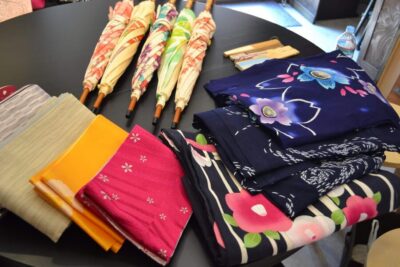
Kimono Dressing, Walking, and Photography Session
Read our review →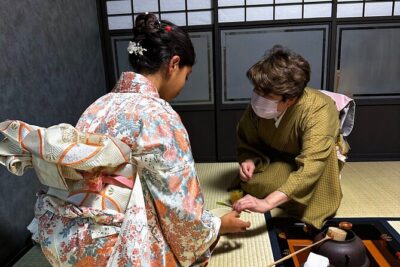
KYOTO Tea Ceremony with kimono near by Imamiya Jinjya Shrine
Read our review →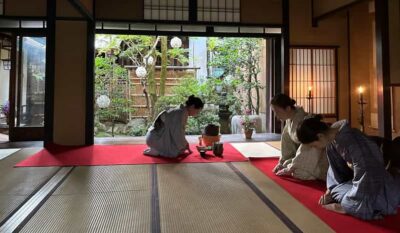
Kimono and Tea Ceremony Experience at Cultural Asset
Read our review →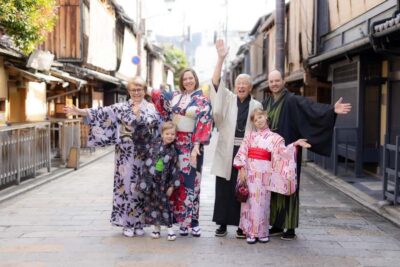
Browse the lists this tour appears in