Review · KYOTO TOURS
Kyoto Rickshaw Tour
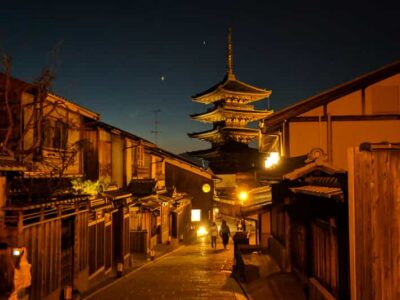
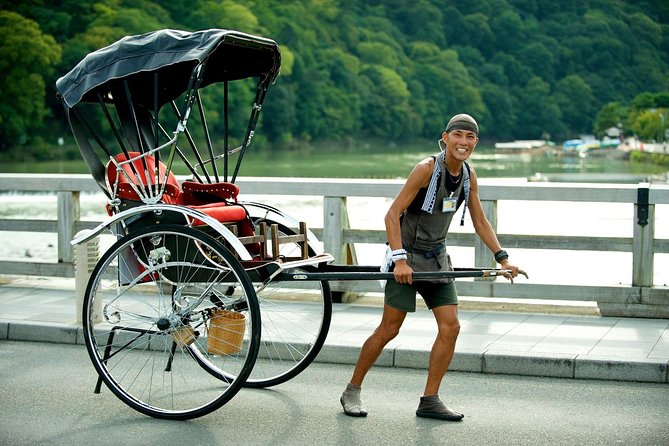
One ride in Kyoto can change how you see the whole city. This rickshaw tour glides you through Higashiyama stone lanes and wooden streets with an English guide, plus a driver who knows where to slow down for views and stories. When I picture the best guide team I’ve read about, Fumi and Kai come up again and again, both bringing big energy to narrow streets and small surprises.
I love that you get a built-in plan, yet it still feels flexible. You can aim for classic highlights like the geisha district and temple stops, and your route can adjust to your interests and your time. The main drawback to consider is comfort and spacing, because rickshaw seats are only about 29 inches wide, and the tour caps each rickshaw at 2 adults, so you may want one rickshaw per person for a better fit.
In This Review
- Key things to know before you go
- Entering Kyoto on wheels, not on a schedule
- Price, ride length, and what $39.79 really buys you
- Getting started at Ebisuya Higashiyama Rickshaw
- Higashiyama streets: wooden facades, cobbles, and that Kyoto hush
- Temple moments: a garden stop and a bigger set-piece
- Gion shrine time: a big stop when you’re near the action
- How guides turn a ride into a story, like Fumi and Kai
- Comfort and capacity: the 29-inch seat issue you should plan for
- Weather, photos, and timing that keeps the day fun
- Where this tour fits in your Kyoto plans
- Should you book the Kyoto Rickshaw Tour?
- FAQ
- How much does the Kyoto Rickshaw Tour cost?
- How long is the tour?
- Where does the tour start?
- Where does the tour end?
- What’s included in the tour?
- What’s not included?
- Is the tour private?
- Can the route be customized?
- What are the seating and group limits for a rickshaw?
- Does the tour run in rain?
Key things to know before you go
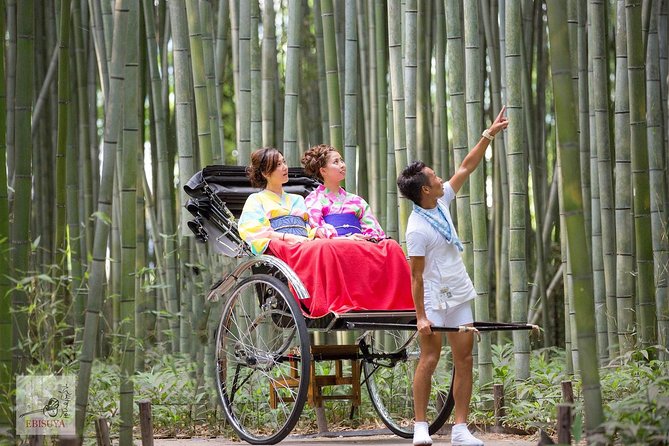
- Photo help is part of the job: Many guides act like on-the-spot photographers, helping with angles as you roll through tight lanes.
- Short rides still hit real landmarks: Even the 30 to 70 minute options can include shrine and temple moments, depending on what you book.
- You’re moving slower on purpose: That slow pace makes it easier to notice wooden machiya houses, small bridges, and cobbled streets.
- Geisha and neighborhood atmosphere: You may see miko or geisha in the right areas, especially around traditional districts.
- Rain or shine, with weather backups: The tour runs in all weather, but if conditions are truly poor you’ll be offered a new date or a refund.
- Fitness matters for the driver: Guides are physically strong, and that shows in how smoothly they handle hills and turns.
Entering Kyoto on wheels, not on a schedule
Kyoto can be a lot on foot. Streets twist. Hills pop up without warning. Crowds form where you least expect them. A rickshaw tour is a smart antidote because it slows you down just enough to actually notice what makes Kyoto feel Kyoto.
What I like about this setup is the combo: you have a real local guide speaking English, and you also have a driver who is constantly managing route, turns, and safe stops. That means you’re not just riding. You’re learning how the neighborhood works, why certain streets matter, and what to look for as you pass old wooden buildings.
It also helps that the ride is designed around the kind of Kyoto most people mean when they say they want old streets. You get stone alleys, wooden townhouses, and temple and shrine settings that feel anchored in daily life, not fenced off for tourists.
A few more Kyoto days to weigh up
- PERFECT KYOTO 1-Day Bus Tour
★ 5.0 · 13,518 reviews - Kyoto: Fushimi Inari, Kinkakuji, Bamboo Grove 1 Day Bus Tour
★ 4.8 · 4,316 reviews - Kyoto: Tea Ceremony in a Traditional Tea House in Kiyomizu
★ 4.9 · 3,519 reviews
Price, ride length, and what $39.79 really buys you
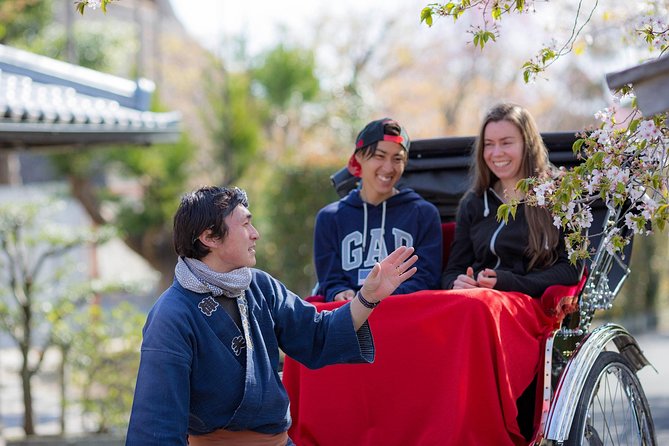
The price starts at $39.79 per person, and the big value is not the vehicle. The value is the time with a guided route that is tailored to the Higashiyama and Gion area, plus a driver who can pause where you’ll want a photo.
You choose the length of your experience, roughly 30 minutes to 3 hours. In practice, that matters because shorter options cover fewer landmarks. The tour can also be customized depending on your interests, so you’re not locked into one rigid list.
Here’s the practical way to choose:
- If you’re tight on time or you just want the atmosphere, a half-hour to about 70 minutes can still give you that Kyoto-before-you-zoom-out feeling.
- If you want more than quick photo stops, pick around 2 hours. Many people highlight a 2 hour ride as the sweet spot for seeing multiple temple and shrine stops plus the geisha district area.
- If you really want temples, bridges, and time to slow down and explore a bit on foot, go longer. A 3 hour option gives room for the guide to pace the stops and help you get better photos.
One more detail that affects value: delays cut into your tour time. If you’re late, the time you’re late is deducted from your duration, and being 10 minutes late can trigger cancellation. So you’re buying time, not just a ticket, and arriving a bit early protects that investment.
Getting started at Ebisuya Higashiyama Rickshaw
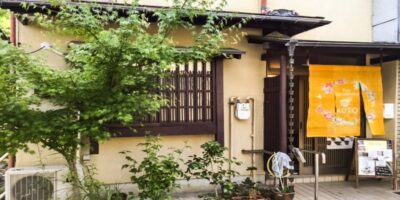
Your tour starts at Ebisuya Higashiyama Rickshaw, 483 Shimokawarachō in Higashiyama Ward. The tour ends back at the meeting point, which makes it easy to plug into the rest of your day without complicated last-mile planning.
It’s also described as near public transportation. That’s a real win in Kyoto, where walking is normal but lines and transfers can be tiring. You don’t want your rickshaw ride to become your logistics problem.
Before you go, be ready for the fact that this is a private activity for just your group. That matters because your guide can adjust stops to your pace. You also have a better chance of getting good photos when the group size is just you.
Higashiyama streets: wooden facades, cobbles, and that Kyoto hush
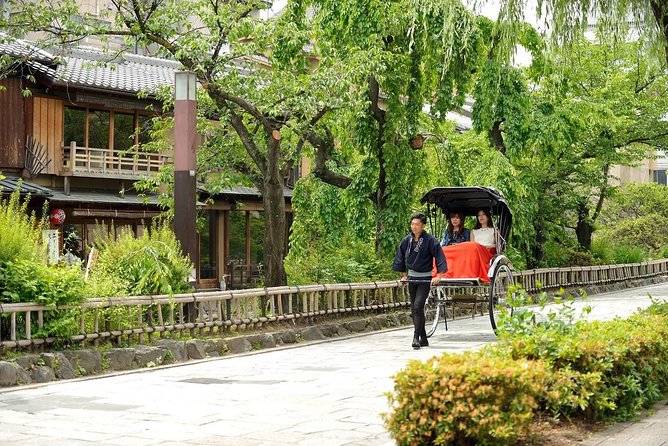
The heart of the ride is the Higashiyama area. This is the part of Kyoto that feels like it’s been preserved at street level, with stone lanes and wooden buildings close together.
Early on, you’ll move from the tour operator area into a Higashiyama landmark zone. What you’re really doing in these first minutes is getting your bearings. The streets here can look similar until you learn what to notice. Your guide helps connect the dots, so what feels like random alleys becomes a neighborhood with logic.
Then you’ll head toward the geisha district and traditional wooden townhouses. This is where the ride starts feeling more than scenic. You get context for the architecture, the street rhythm, and the cultural roles of nearby places. Some guides have even helped people spot miko geisha in the area, which is the kind of moment that makes the whole trip feel like more than sightseeing.
A unique part of this route is that it doesn’t just jump from big spot to big spot. You also pass a small bridge in a traditional district. That might sound minor, but bridges and crossing points are where you often see a different perspective of the neighborhood. They’re also perfect places to pause without blocking anyone, especially if your guide times the stop well.
A different sort of day in Japan:
- Kyoto Geisha Walking Tour: Gion District & Hidden Gems
★ 4.7 · 3,273 reviews - Kyoto: Tea Ceremony Ju-An at Jotokuji Temple
★ 4.9 · 3,207 reviews - Kyoto: 45-Minute Tea Ceremony Lesson Experience
★ 4.3 · 2,378 reviews - Kyoto: Gion Geisha District Walking Tour – Stories of Geisha
★ 4.7 · 2,187 reviews
Temple moments: a garden stop and a bigger set-piece
The itinerary includes a temple with a garden and then an impressive temple. The garden stop is the one you should treat like your breath reset. Gardens in temple settings in Kyoto are designed for pacing, not just views. From your seat, you’ll notice the surrounding buildings frame the space, and your guide can explain what makes that layout important.
The later temple stop tends to feel more like a headline. People often come to Kyoto for images like this, and the rickshaw is a good way to arrive without hiking from place to place. You’ll still get the atmosphere of walking up to the temple grounds, just with less legwork.
One extra note based on real routes people talk about: longer rides sometimes include extra temple options if you request them in advance or if an add-on is available. For example, some departures have included Kennin-ji Temple for those who paid extra. If you have a specific temple in mind, ask early because shorter options may not cover everything.
Gion shrine time: a big stop when you’re near the action
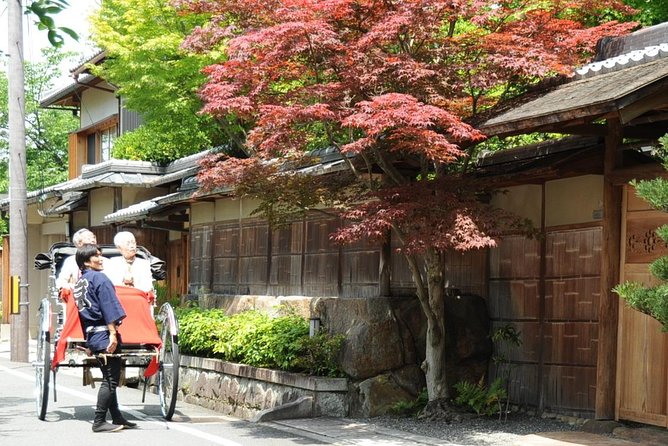
Near the end of the tour, you’ll reach a large shrine in the Gion area. This is a strong finale because it’s a scale shift. Earlier stops are often intimate, with narrow streets and detailed building fronts. A larger shrine gives you space to feel the neighborhood’s energy.
Your guide can also point out what to watch for at shrines, like how the setting changes the way people move and how certain areas function during key calendar moments. The tour information specifically calls out that this shrine is worth visiting around New Year, before or after your rickshaw ride.
Even if you’re not traveling in late December or early January, a Gion shrine stop is still a great way to understand why this area stays important. It’s not only scenery. It’s part of Kyoto’s living rhythm.
How guides turn a ride into a story, like Fumi and Kai
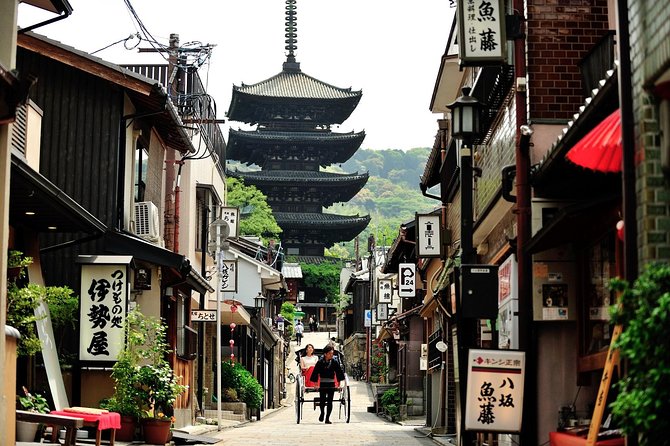
A rickshaw tour rises or falls on one thing: the guide. The best guides do two jobs at once. They keep the ride moving smoothly, and they give you stories you can actually picture while you pass the buildings.
In the stories I’ve seen, guides like Fumi and Kai get praised for being funny and chatty, while still packing in real explanations. Shuhei and Kanta also come up as guides who speak excellent English and know how to answer questions without rushing you.
Many people also highlight that guides act as photographers. They help position you for good shots and take pictures for your group. That may not sound essential, but in Kyoto, tight streets make self-photo attempts awkward fast. A guide who understands angles saves time and stress.
You might also learn small details that stick. One guide, Kai, helped people pick up a practical word like chimney while walking and pointing out roof features. It’s small, but that kind of word turns future sightseeing into a game instead of a checklist.
Comfort and capacity: the 29-inch seat issue you should plan for
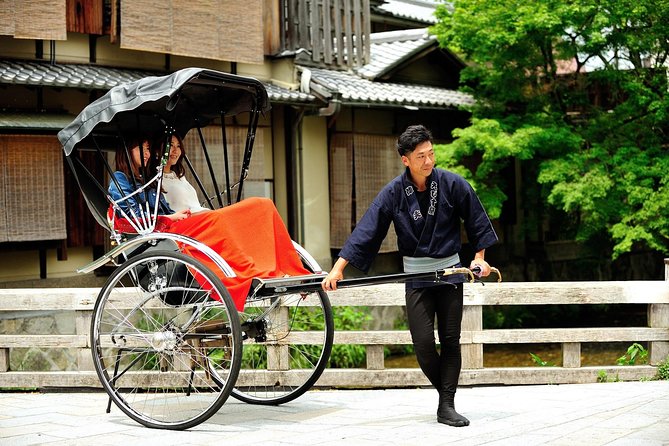
Here’s the one consideration that can make or break your experience: space.
The rickshaws can fit two adults, but each rickshaw is listed as 29.1 inches (74 centimeters) wide. That’s not “average bus seat” comfort. It’s narrow. For many people, two adult riders can fit, but it may feel tight, especially if you’re broad-shouldered or sensitive to side contact.
The tour also has strict capacity rules:
- Maximum of 2 adults per rickshaw.
- Children 5 and under can ride, but they must sit on an adult’s lap.
- If a child (5 and younger) will use one of the two seats, it must be booked as an adult.
- If your group doesn’t both fit comfortably in one rickshaw, you should book individual rickshaws in advance.
This detail is worth taking seriously because availability for additional rickshaws with an English-speaking guide may not be guaranteed if you don’t add it at booking time.
Practical advice: if you want comfort, plan on one rickshaw per participant for bigger groups or anyone who values personal space. If you do book shared, come ready for a close seating arrangement.
Weather, photos, and timing that keeps the day fun
Kyoto weather can change fast, so it helps that the tour runs rain or shine. That means your plans usually stay intact even when the sky acts unpredictable.
If the weather is too poor for safe operations, you’ll be offered a different date or a full refund. So you’re not left stranded with a wet mess and no help.
Timing also matters for two reasons. First, your total duration is limited. Second, missed time is deducted if you’re late, with 10 minutes late causing automatic cancellation. So I suggest setting a “buffer” in your plans, especially if you’re connecting from another part of Kyoto.
When it comes to photos, your best results come from two things: pauses at the right corners and not feeling rushed. The guides who are strong photographers help you get those moments without awkward scrambling.
Where this tour fits in your Kyoto plans
This is a Higashiyama and Gion experience. It does not include Arashiyama Bamboo Forest. If that’s your must-see for Kyoto, you’ll need a separate plan for the bamboo area.
Still, a rickshaw here works really well as a first- or early-day activity. It helps you understand the layout of central Kyoto and gives you a “street level” education. After that, you’ll walk differently. You’ll notice which alleys connect, where temples sit, and how Gion’s atmosphere shifts block to block.
It also suits travelers who want culture without a long endurance day. If you have limited walking ability, a rickshaw is a smart way to keep seeing. One highlight story included someone who unexpectedly couldn’t walk much, and the rickshaw let them still enjoy the city fully.
Should you book the Kyoto Rickshaw Tour?
Book it if you want:
- A guided way to see classic Higashiyama lanes and Gion area sights without hiking between stops.
- Strong guide energy and good English, with many people praising guides like Fumi, Kai, Shuhei, Kanta, Yoshi, Kota, and Hina.
- Photo-friendly pacing, because guides often act like your personal photographer in tight streets.
Skip or rethink it if:
- Narrow seating worries you. If width comfort is important, plan on one rickshaw per person.
- You expect the route to cover everything in Kyoto. This tour is focused on Higashiyama and Gion, and shorter options may not reach every landmark you might be thinking of.
- You’re trying to combine it with Arashiyama Bamboo Forest in the same ticket. That part is not included.
If you’re planning your first Kyoto week and you want one experience that makes the city feel human at street level, this rickshaw tour is a solid pick. You’re paying for time, guidance, and access to the kind of narrow lanes where a slow, comfortable ride turns sightseeing into real memories.
FAQ
How much does the Kyoto Rickshaw Tour cost?
The price listed is $39.79 per person.
How long is the tour?
The duration ranges from about 30 minutes to about 3 hours, depending on the option you choose.
Where does the tour start?
The tour starts at Ebisuya Higashiyama Rickshaw, 483 Shimokawarachō, Higashiyama Ward, Kyoto, 605-0825, Japan.
Where does the tour end?
This activity ends back at the meeting point.
What’s included in the tour?
It includes a local English-speaking guide and the rickshaw ride.
What’s not included?
Hotel pickup and drop-off, food and drinks, and Arashiyama Bamboo Forest are not included.
Is the tour private?
Yes, it is private, and only your group participates.
Can the route be customized?
Yes, the tour can be customized depending on your interests.
What are the seating and group limits for a rickshaw?
There is a maximum of 2 adults per rickshaw. Children 5 years and under can ride on an adult’s lap (one child per adult). The rickshaw is about 29.1 inches wide, and it is sometimes more comfortable to book separate rickshaws for each passenger.
Does the tour run in rain?
The tour takes place rain or shine. If it is canceled due to poor weather, you will be offered a different date or a full refund.
Newly listed around Kyoto
- Kyoto Samurai Discovery Samurai Sword Test Cutting Training★ 5.0 · 132 reviews
- Kyoto Sake Brewery Tour with Lunch★ 4.5 · 12 reviews
- Kyoto Sagano Insider: Rickshaw and Walking Tour★ 5.0 · 15 reviews
- Private Food & Sake Tour in Central Kyoto with Sake Sommelier★ 5.0 · 24 reviews
- Kyoto Ramen Tour★ 5.0 · 22 reviews
- Ramen Gyoza Onigiri Japanese Cooking Class in Kyoto★ 5.0 · 44 reviews
- Kyoto Portrait Tour with Kimono★ 5.0 · 48 reviews
- Private Kyoto Customizable Day Tour With English Guide★ 4.5 · 9 reviews
Kyoto Tours, compared.
Fushimi Inari, Kinkakuji, Bamboo Grove 1 Day Bus Tour
Read our review →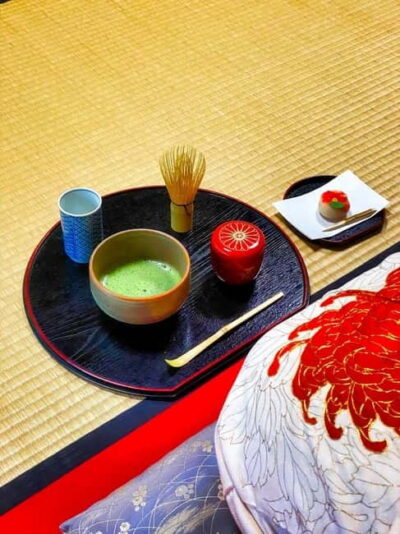
Tea Ceremony in a Traditional Tea House in Kiyomizu
Read our review →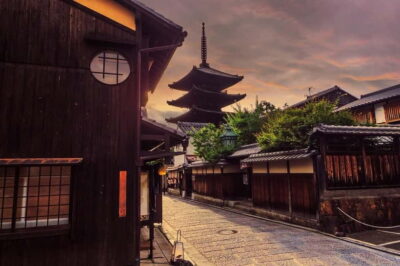
Kyoto Geisha Walking Tour: Gion District & Hidden Gems
Read our review →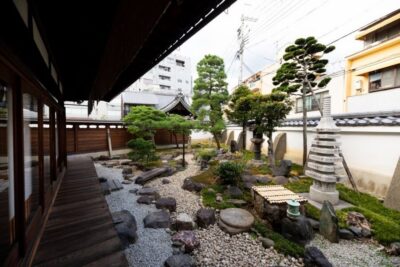
Gion Geisha District Walking Tour – Stories of Geisha
Read our review →