Review · TOKYO TOURS
LGBT Tokyo Then and Now
Night in Tokyo tells you who belongs. This LGBT-focused evening walking tour connects Asakusa and Shinjuku Ni-chome, with local food, bar time, and stories on how the scene evolved from then to now.
I love the small-group cap of six people, because it keeps the conversation flowing and makes it easier to ask questions. I also like that dinner plus two drinks are included, so the night feels social and real, not like a checklist of stops.
One thing to consider: the tour begins in Asakusa around Sensoji, so the early stretch can feel more historic and reflective than nightlife-focused. If you’re craving bar hopping from minute one, set your expectations for a balanced mix of place, people, and context.
In This Review
- Key things I’d plan around
- LGBT Tokyo, Then and Now: What This Tour Is Really Doing
- Price and Logistics: Budgeting the 3 Hours Without Surprises
- Asakusa and Sensoji: The Tour’s Softer Opening With Strong Historical Clues
- Shinjuku 3 Chome Dinner Stop: Yakitori, Kushikatsu, and the Social Rhythm
- Shinjuku Ni-chome and 2 Chome: Reading the Streets in Real Time
- The Short Night Look at Sensoji: Why It’s Not Redundant
- The Ending Drink Near Shinjuku-Sanchome: How the Evening Lands
- Guides and Conversation: You’re Buying More Than Directions
- Is It Worth $120? Value for Food, Drinks, and a Small Group
- Practical Tips for Visiting LGBTQ+ Spaces in Tokyo
- Who This Tour Suits Best
- Should You Book This LGBT Tokyo Then and Now Tour?
- FAQ
- What is the duration of the tour?
- How much does the LGBT Tokyo Then and Now tour cost?
- How large is the group?
- Where does the tour start and end?
- What time does the tour begin?
- What is included in the price?
- Is transportation included?
- Are Sensoji temple admissions included?
- How old do you need to be to join?
- Can I cancel for a refund?
Key things I’d plan around
- Six-person max group keeps the walk personal and question-friendly.
- Dinner and two drinks included, plus gratuities, makes the price feel more even.
- Asakusa + Shinjuku Ni-chome combo gives you both older social history and today’s nightlife.
- Yakitori and kushikatsu at a Shinjuku restaurant bring the food side of Tokyo into the mix.
- One subway ride (270 yen) is the only extra transport cost you need to budget.
LGBT Tokyo, Then and Now: What This Tour Is Really Doing
This tour is built for one specific goal: helping you understand the scene, not just point at streets. You start with Tokyo’s older layers of LGBTQ life, then shift to Shinjuku Ni-chome, where the present-day social world is easy to see.
The then-and-now framing matters because Tokyo can feel contradictory. On one hand, it is highly rule-based and private. On the other, it has neighborhoods where people find community, nightlife, and public-facing businesses. This tour uses that contrast to make the city make sense.
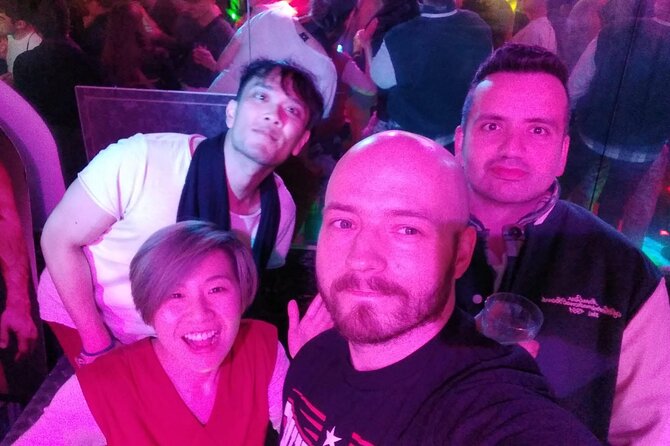
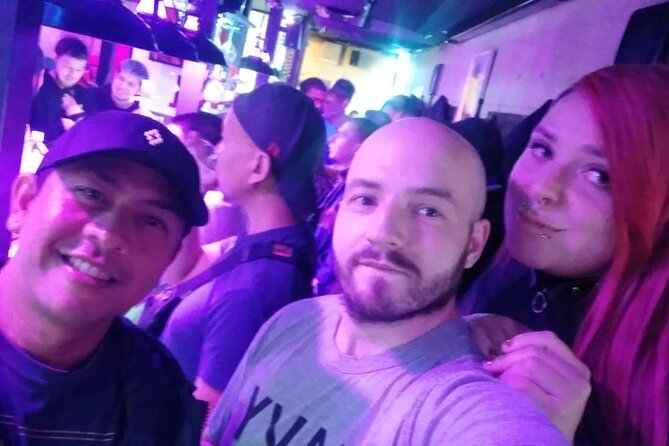
You also get something that’s rare in themed tours: structured time in a small group. A group of six means you can compare notes on what you notice, how you’re reading the streets, and what questions you have about etiquette.
A few more Asakusa days to weigh up
- Tokyo Sumo Entertainment Show with Chicken Hot Pot and Photo
★ 5.0 · 1,205 reviews - Mt Fuji Private Day Trip from Tokyo with English speaking driver
★ 5.0 · 846 reviews - Kimono Tea Ceremony at Tokyo, Asakusa Maikoya
★ 5.0 · 638 reviews
Price and Logistics: Budgeting the 3 Hours Without Surprises
At $120 per person for about 3 hours, you’re paying for three things at once: guided walking, a meal, and drinks. On top of that, you have gratuities included, which helps prevent that last-minute feeling of, wait, what’s extra?
There is one practical cost to plan for: you’ll need 270 yen for the one subway ride during the tour. Everything else in the description is covered, including the included dinner and two drinks. You’ll also use a mobile ticket, which usually keeps things simple once you’re at the start.
Start time is 6:30 pm, and the tour runs near public transportation. I strongly recommend showing up a few minutes early. With a walking format, being late can mean you miss the first part of the story, and you may not be able to catch up easily.
Asakusa and Sensoji: The Tour’s Softer Opening With Strong Historical Clues
The evening begins in Asakusa, at Kamiya BarJapan. From there, you’re walking into the Sensoji area, which is the historic core of Asakusa. Sensoji is a major landmark, and the temple compound dates back to the 7th century, so you’re starting in a place built for long memory.
What I like about this first stretch is that it sets context before you hit the nightlife zone. The tour frames Asakusa as a center for Tokyo’s so-called elder gay population, meaning you’re not just looking at modern entertainment districts. You’re learning how social life has shifted in Tokyo over time.
Sensoji is free to visit, and the description hints at the difference between day crowds and a more atmospheric night visit. Even if you’re not a temple person, the contrast is useful. It helps you see why some LGBTQ spaces in Tokyo are tied to location, privacy, and long-standing neighborhood identities.
A possible downside is timing. If you want the energy of bars quickly, Asakusa can feel slower. This is not an all-night club crawl. It’s a guided walk where early stops are about history, geography, and social change.
Shinjuku 3 Chome Dinner Stop: Yakitori, Kushikatsu, and the Social Rhythm
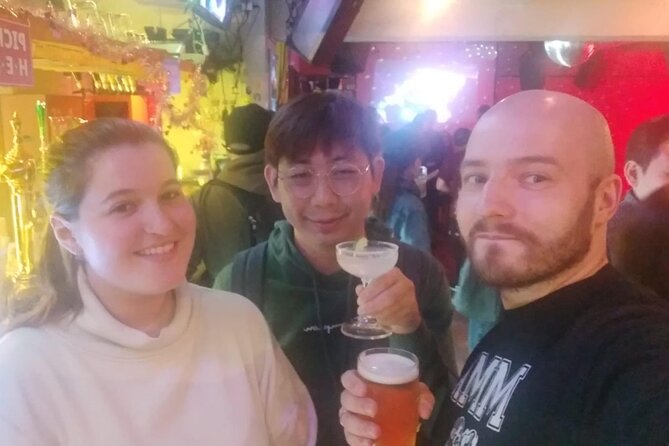
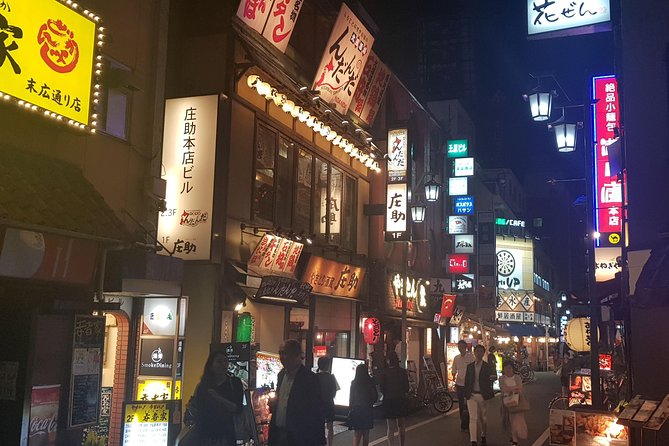
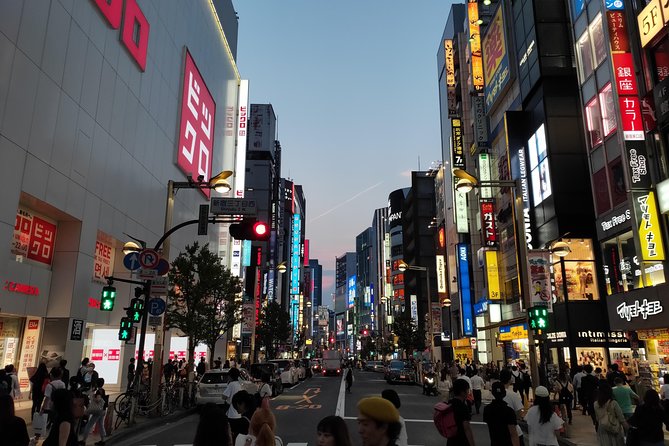
After Asakusa, you move into Shinjuku, specifically the 3 Chome area near the Ni-chome zone. This is where you grab a food and drink stop that’s included. In other words, you’re not just tasting Tokyo, you’re eating like the night is already happening.
The tour description calls out locally loved dishes such as yakitori and kushikatsu. That’s a smart choice for this kind of evening because it’s casual, shareable, and fast enough to keep the walking pace. It also helps you relax. When you’re full, it’s easier to focus on the stories a guide is telling you.
In one example of how the meal time can go, a guest noted a ramen dinner break. You may not get exactly that, but the point is the food is part of the pacing, not a distant add-on.
What to watch: Shinjuku is all about foot traffic and quick glances. If you expect every stop to be a doorway where you fully enter a venue, you might feel slightly teased. The tour includes time near places and streets, and you may do curbside peeks before moving on.
A different sort of day in Japan:
- Asakusa Senso-ji Temple and Old Tokyo Walking Tour
★ 5.0 · 560 reviews - Skip the lines Basic Ticket at SAMURAI NINJA MUSEUM TOKYO
★ 5.0 · 470 reviews - Official Street Go-Kart Tour in Asakusa
★ 5.0 · 461 reviews - Private Craft Your Own Ring Handmade Experience in Asakusa, Tokyo
★ 5.0 · 358 reviews
Shinjuku Ni-chome and 2 Chome: Reading the Streets in Real Time
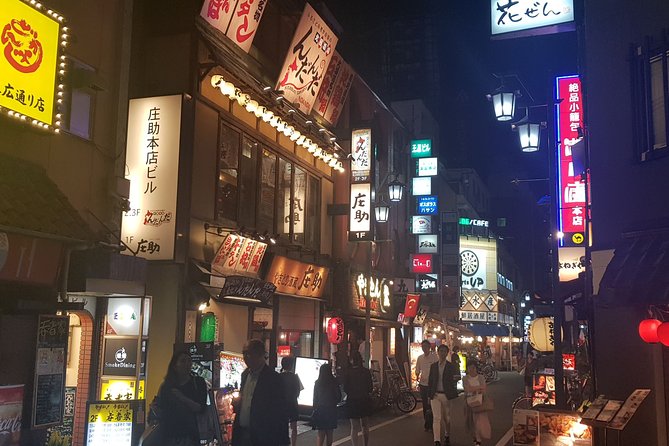
This is the heart of the tour: Shinjuku Ni-chome, and especially 2 Chome, often described as the largest LGBTQ district in the largest metropolitan region in Japan, or even the world. You’ll hear the pronunciation knee choh may, which already signals you’re entering a neighborhood with its own language and rhythm.
The guide talks about what’s on the street and what’s behind it. Some bars are loud on the outside, others are low key. Many venues are indoors, which means the vibe can change fast when you walk from a street view to a lit doorway.
What I like most here is that the tour helps you read the area beyond signage. You learn what you might notice when people look casual but act intentional. You also learn how spaces are shaped by visibility, safety, and social comfort.
The tour also emphasizes past cultural and social issues and how developments led to the thriving social scene you see today. Even if you don’t follow LGBTQ history in Japan closely before you arrive, you’ll come away with a framework for understanding why certain streets feel like gathering points.
The Short Night Look at Sensoji: Why It’s Not Redundant
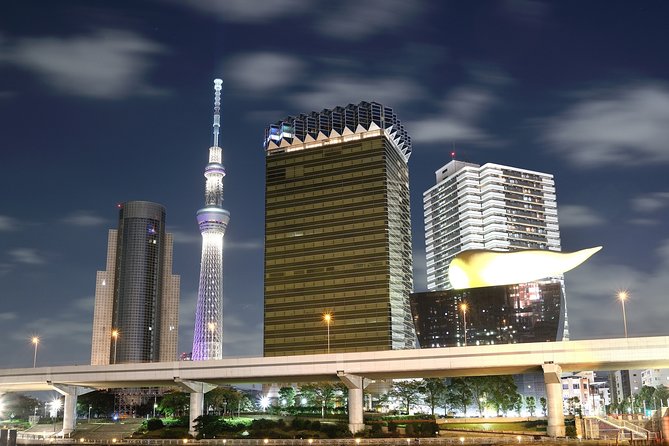
You’ll notice Sensoji shows up again later as a shorter stop. That might sound repetitive, but it’s actually a technique. When you first approach a place, you notice the landmark. Later, at night, you notice how the area changes, how people behave differently, and how the surrounding streets feel calmer.
This kind of second look can help you connect the tour’s two themes. The city’s LGBTQ life is not only about the loud nightlife district. It’s also about how older neighborhoods allow social life to exist with different levels of visibility.
If you love photos, this second Sensoji moment can be handy for contrast shots, like daytime crowds versus the calmer evening atmosphere. Just keep your expectations realistic. This is still a walking tour with multiple neighborhoods to cover.
The Ending Drink Near Shinjuku-Sanchome: How the Evening Lands
Your tour ends near Shinjuku-sanchome Station in the 3 Chome area. The evening wraps up here, so you have an easy launch point for whatever comes next.
The tour includes a second drink, and the description suggests a bar finale as part of the experience. One guest described ending at a lively bar with some open-air feel during late spring. That kind of detail is a good reminder: the night can feel different depending on the season and the bar layout.
Even if you’re not planning to stay out late, the end point is practical. Shinjuku-sanchome is a good transit node, so you’re not trapped in the middle of nowhere once the tour finishes.
Guides and Conversation: You’re Buying More Than Directions
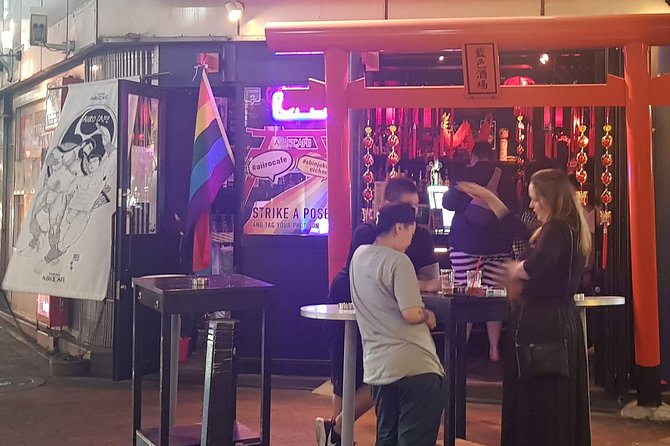
A lot of the high praise for this tour centers on the guide. Guests repeatedly highlight that the guides are friendly, attentive, and able to explain both the practical layout of districts and the social history behind them.
Some examples from guide names you might encounter include Hiro, Hiroshi (with multilingual ability noted), Yappi, Mayo, Lukasz, Andrew, and Luke. Across these experiences, the pattern is the same: the guide does more than list places. They connect what you see on the street with how people use these spaces.
That matters because LGBTQ nightlife and culture are not always obvious if you’re only reading signs. A good guide helps you avoid the two extremes of confusion: either you overthink everything, or you assume you’re seeing the whole story from outside.
One balanced note: a couple of criticisms point to content that felt lighter during the Asakusa portion, or moments where someone seemed to be less certain. That doesn’t mean the tour is consistently weak. It does mean the actual flow can depend on the guide and the group mood.
Is It Worth $120? Value for Food, Drinks, and a Small Group
Here’s how I’d judge the value, using only what the tour includes. You get about 3 hours of guided walking, dinner, two drinks, and gratuities, plus one subway ride is a small extra cost (270 yen). You also get a maximum group size of six people, and that changes the whole experience.
If you’ve ever done city tours where you pay a high price but spend most of your time standing in line, this feels different. The dinner and drinks mean you’re in the neighborhood, tasting the city, and talking with your guide and the group. It’s not just a route with facts.
Still, match the tour to your travel style. If you want purely bar-based time with lots of venue entrances, this might feel like a guided walk with food and drink stops rather than a full nightlife circuit. If you want context plus a fun way to test your reading of the streets, it’s a strong fit.
Also consider timing. The tour is commonly booked about 27 days in advance on average. If you have fixed plans, booking sooner tends to reduce stress, especially for popular evening slots.
Practical Tips for Visiting LGBTQ+ Spaces in Tokyo
This tour is LGBTQ-focused but welcomes all identities. That’s a big plus if you want to learn without feeling like you have to already know the scene.
During the evening, the guide covers protocols and etiquette in the community. I’d take that seriously. In Tokyo, small details matter: how you speak, how loudly you act outside a venue, and whether you ask before taking photos.
Wear comfortable shoes. Since it’s a walking tour, you’ll spend real time on your feet. Dress appropriately for an evening in Shinjuku, and keep in mind that you might be near open-air parts of nightlife depending on the venue.
Bring a charged phone. The tour uses mobile tickets, and you’ll be in multiple areas where staying aware of the group matters.
Who This Tour Suits Best
This is ideal if you want an easy, structured first look at LGBT Tokyo that goes beyond stereotypes. You’ll enjoy the balance if you like a mix of neighborhood reading, social history, and a meal that feels like part of the culture.
It’s also a good option for solo travelers. With a maximum group size of six, it’s easier to meet people and ask questions without feeling lost.
If you’re short on time and want one evening to orient yourself, this tour does that. Asakusa and Shinjuku Ni-chome in one night is a fast way to understand Tokyo’s LGBTQ geography, then and now.
Should You Book This LGBT Tokyo Then and Now Tour?
I’d book it if you want a guided evening that combines small-group conversation, included food and drinks, and a real introduction to Shinjuku Ni-chome’s street life plus the older social context in Asakusa. The price feels more reasonable when you remember dinner, two drinks, and a capped group are part of what you’re paying for.
I would think twice if you only want nightlife-heavy time, because the early Asakusa portion is meaningful but not designed to feel like a bar crawl from the start. If you’re sensitive to slower pacing, you might want a different tour style that focuses more on venues.
If you want, message me your travel dates and what you care about most, history versus nightlife, and I’ll help you decide if this fits your Tokyo rhythm.
FAQ
What is the duration of the tour?
The tour runs for about 3 hours.
How much does the LGBT Tokyo Then and Now tour cost?
It costs $120.00 per person.
How large is the group?
The group is capped at a maximum of 6 travelers.
Where does the tour start and end?
It starts at Kamiya BarJapan in Asakusa and ends at Shinjuku-sanchome Station in Shinjuku.
What time does the tour begin?
The start time is 6:30 pm.
What is included in the price?
Dinner is included, along with 2 drinks (alcoholic or non-alcoholic) and gratuities. Alcoholic beverages are included as part of the drink allowance.
Is transportation included?
Transportation is not included. You’ll need 270 yen for the one subway ride during the tour.
Are Sensoji temple admissions included?
The tour includes stops where Sensoji admission is listed as free.
How old do you need to be to join?
Minimum age is 18. Japan’s drinking age is 20.
Can I cancel for a refund?
Yes. You can cancel up to 6 days in advance of the experience start time for a full refund, with reduced refund options if you cancel closer in.
Newly listed around Asakusa
- Tokyo : Asakusa Food Tour – 12 Dishes & 3 Drinks★ 5.0 · 44 reviews
- Tokyo: Customized Private Tour with a Local Guide★ 5.0 · 16 reviews
- 【Tokyo/Asakusa】Traditional Japanese Washi Papermaking experience★ 5.0 · 146 reviews
- Tokyo Japanese Dance Cabaret Theater Asakusa-Kaguwa★ 5.0 · 170 reviews
- Asakusa Kimono Photography Tour (Private Option Available)★ 5.0 · 20 reviews
- Tokyo: Asakusa & Sensoji ー Oldest Temple Walking Tour (2hrs)★ 5.0 · 213 reviews
- Asakusa Rental Kimono in Tokyo★ 5.0 · 11 reviews
- Asakusa:Family-Friendly Kimono & Yukata Experience at WARGO★ 5.0 · 30 reviews
Tokyo Tours, compared.
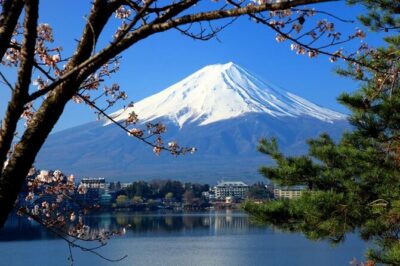
Mt Fuji and Hakone 1-Day Bus Tour Return by Bullet Train
Read our review →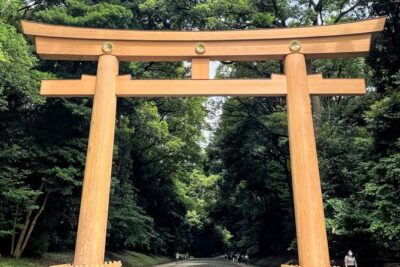

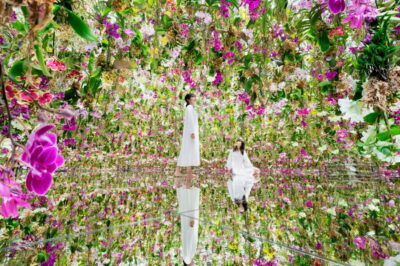
teamLab Planets TOKYO Digital Art Museum Entry Ticket
Read our review →
Mt Fuji & Hakone Cruise, Drum Show Bullet Train 1 Day from Tokyo
Read our review →
Sumo Show Experience with Chicken Hot Pot and a Photo
Read our review →
Shinjuku Food Tour (13 Dishes at 4 Local Eateries)
Read our review →