
Review · MOUNT FUJI DAY TRIPS
Mount Fuji (Mt. fuji) private tour by car with pickup from Tokyo
Want a smoother way to reach Fuji?
This private Mount Fuji tour by car turns a long day into a more controllable one, with pickup from Tokyo and a driver who builds your route around what you actually want to see. You’ll move between classic view spots and calmer, more local-feeling corners, with options that range from shrine stairs to lava caves.
I especially like the privacy and the fact you are not stuck with a bus schedule. Drivers such as Attary and Faisal have been described as attentive, organized, and happy to adjust around your preferences, including picture stops, lunch pacing, and which viewpoints feel most important to you.
One consideration is that Fuji is weather-dependent, and traffic can squeeze your time, especially on busy travel weeks. If skies are hazy, the views at key spots (like the lakes and Oishi Park) may be less dramatic, and you might need to prioritize the stops you care about most.
In This Review
- Key things to know before you go
- The real value: a Fuji day without transport headaches
- Weather is the boss, so plan with eyes open
- Custom stops that actually fit how you travel
- Chureito Pagoda and Arakura Sengen Shrine: the stairs that pay off
- Oshino Hakkai: eight ponds and water that stays crystal clear
- Kitaguchi Hongu Fuji Sengen Jinja: understanding Fuji through Shinto
- Lake Kawaguchiko: best place for lunch, cruises, and easy views
- Oishi Park and Saiko Iyashi no Sato Nemba: calm photos and old Japan vibes
- Mt. Fuji 5th Station: the altitude viewpoint that feels like a gateway
- Lava caves near Aokigahara: Fugaku Wind Cave and Narusawa Ice Cave
- Tenku no Torii, Kogamasao Memorial Park, and the photo framing game
- Gotemba Premium Outlets and onsen time: relaxing after the big sights
- Price and logistics: what $465 covers, and where extra costs show up
- Start time and traffic: the hidden schedule killer
- Who this tour is best for
- Should you book this private Mount Fuji tour?
- FAQ
- How much does this Mount Fuji private tour cost?
- Where does pickup happen?
- How long is the tour?
- Is the tour private?
- What is included in the tour price?
- What is not included?
- Do I get a ticket for the tour?
- Does the tour run in any weather?
- What is the cancellation policy?
Key things to know before you go
- Private door-to-door pickup makes the day feel less like logistics and more like sightseeing
- 8 to 10 hours is long enough for real variety, but you still have to choose if traffic is heavy
- Flexible stop planning means you can lean nature, culture, shopping, or cooling caves
- Air-conditioned modern car helps a lot on a warm or rainy Fuji day
- Clear weather matters for the best Mt. Fuji framing from multiple viewpoints
- Lunch and optional attraction tickets cost extra, while the car, tolls, and driver are included
The real value: a Fuji day without transport headaches
This is a private car tour with pickup from your Tokyo hotel or apartment area, so you start closer to “vacation mode” and less like “figure it out yourself.” You’ll ride in a modern vehicle with air-conditioning, which sounds basic until you are bouncing between hill towns and lakes with a full day ahead.
The time window is about 8 to 10 hours, so you are not just doing a quick drive-by. Instead, you get a mix of classic Fuji viewpoints and optional add-ons like lava caves and a hot spring, with the driver guiding you on what to hit first based on your priorities.
The pricing works best when you’re traveling as a small group. It is listed as $465 per group (up to 3), so sharing the cost can make a big difference compared with paying per person on bus tours. Also, the tour includes highway tolls and the vehicle, which is where a lot of independent planning can quietly get expensive.
More Mount Fuji Day trips in Tokyo:
- Mt Fuji and Hakone 1-Day Bus Tour Return by Bullet Train
★ 5.0 · 26,383 reviews - Mt Fuji & Hakone Cruise, Drum Show Bullet Train 1 Day from Tokyo
★ 4.0 · 7,413 reviews - Tokyo Mt Fuji 5th St & Hakone Cruise Bus Tour w/Bullet Train
★ 4.4 · 5,024 reviews
Weather is the boss, so plan with eyes open
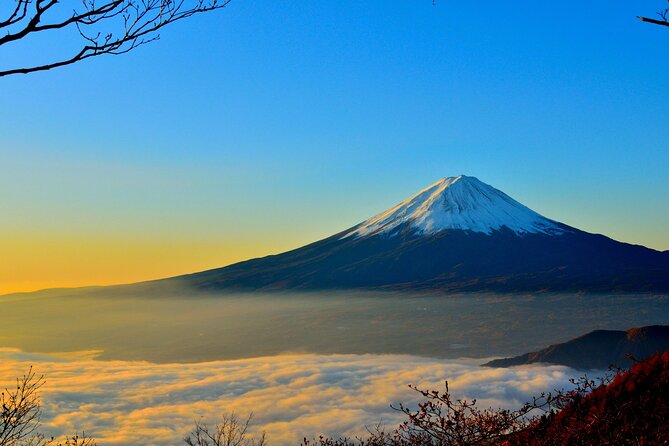
Mount Fuji looks world-famous for a reason, but the day can swing fast depending on cloud cover. The tour itself is described as requiring good weather, which usually means visibility can be hit or miss if the forecast is not great.
Here’s the practical part: you do not need to control the sky, but you do control what you do with the time you have. When conditions are good, multiple stops give you a strong chance at clean views. When conditions are mixed, you can still enjoy the shrines, ponds, forests, and onsen breaks even if the peak is hidden.
A helpful clue from the experience feedback: on clearer days, people consistently call out the views as the payoff. On a day with clouds, the best strategy is to treat the trip as a Fuji-region tour, not only a “see the summit” mission.
Custom stops that actually fit how you travel
The biggest perk of booking a private setup is that you do not have to accept a one-size-fits-all route. Your driver can structure the day around your interests, and many of the sites after the first few stops are optional.
This matters because Fuji-region sightseeing has a common trap: you pick a list of stops, then traffic and weather cut into them. The tour is designed to run about 8 to 10 hours, so the practical move is to tell your driver your “must-see” list at the start, then let the rest become bonuses.
In real life, this is where guides like Umar and Ali have shown up in the experience stories: they helped guests reach key viewpoints and took the time to explain what you’re looking at. That kind of pacing is why a private car can feel worth it, even if you are not trying to pack in every possible stop.
Chureito Pagoda and Arakura Sengen Shrine: the stairs that pay off
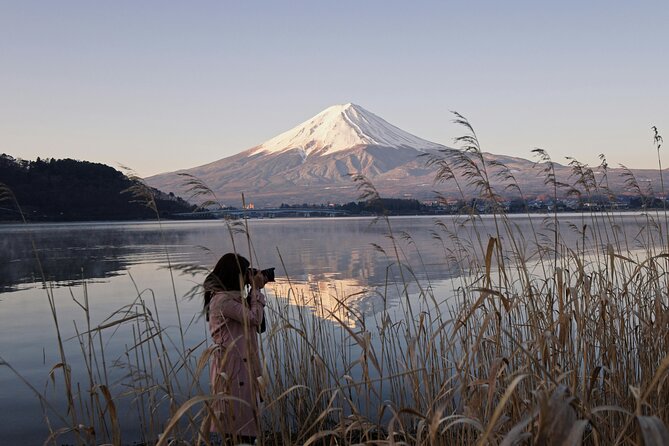
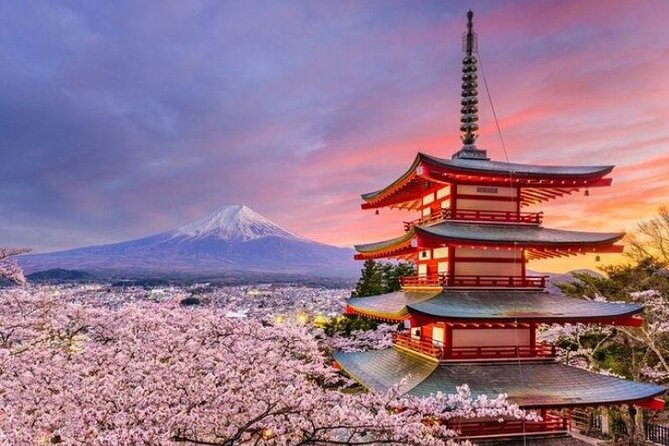
Your day often begins at Chureito Pagoda, a five-storied pagoda overlooking Fujiyoshida City with Mount Fuji in the distance when the skies cooperate. It is part of Arakura Sengen Shrine, and it’s reached by climbing nearly 400 steps from the shrine area.
Why this stop is worth it: it gives you an iconic Fuji framing without needing climbing gear or a summit attempt. Also, it’s not just “pretty from one angle.” The area is built around walking, pausing, and finding the view from different viewpoints along the way.
A realistic consideration: those stairs are part of the experience, so if mobility is limited for you or someone in your group, you’ll want to plan accordingly. The good news is you can still enjoy the shrine setting around the pagoda area even if you take it slower than the average visitor.
A few more Tokyo days to weigh up
- 1-Day Tokyo Bus Tour
★ 5.0 · 14,250 reviews - Tokyo: TOKYO SKYTREE® Admission ticket
★ 4.5 · 11,192 reviews - Tokyo: teamLab Planets TOKYO Digital Art Museum Entry Ticket
★ 4.6 · 9,779 reviews - Tokyo: Sumo Show Experience with Chicken Hot Pot and a Photo
★ 4.8 · 6,678 reviews
Oshino Hakkai: eight ponds and water that stays crystal clear
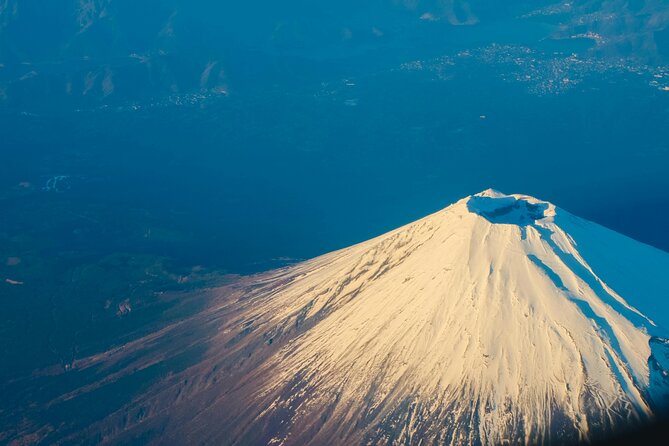
Next up is Oshino Hakkai, known for its eight ponds in the Fuji Five Lakes area. The ponds are fed by snowmelt that works its way through porous lava layers before reaching the springs, which is why the water can look unusually clear.
This stop is a strong contrast to the more viewpoint-heavy areas. You get a calmer pace, a chance to photograph pond surfaces and ripples, and a chance to walk through a small village atmosphere between Kawaguchiko and Lake Yamanakako.
Time-wise, it’s usually a shorter stop, so it fits well into a day when you’re trying to see more than one lake area. The key condition check: if the weather is clear, you can often get a close look at Mount Fuji from here.
Kitaguchi Hongu Fuji Sengen Jinja: understanding Fuji through Shinto
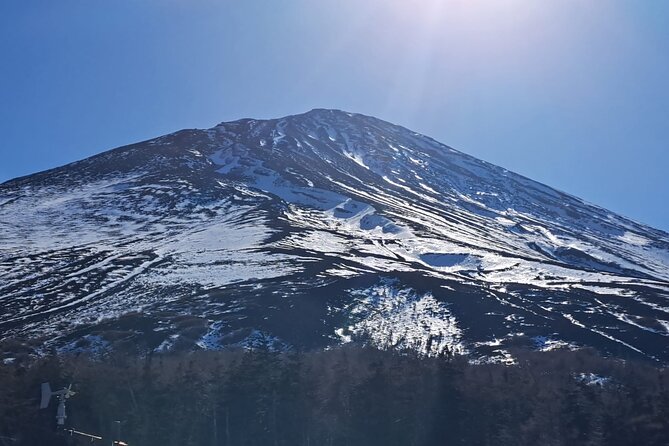
If you like travel that gives meaning, this shrine stop helps you connect the mountain to Japanese belief systems. Kitaguchi Hongu Fuji Sengen Jinja is the main Sengen Shrine on the north side of Mount Fuji and is dedicated to Konohanasakuya-hime, the Shinto goddess of Mount Fuji.
What I like about this kind of stop is it slows you down. Instead of chasing only photos, you step into a place with long cultural continuity. The shrine is said to have been established around CE 100, which gives the whole Fuji story a deep-rooted feel without requiring you to be an expert.
Practical tip: this is a free admission stop, so it’s a low-cost way to add cultural context while still staying on schedule. If your group prefers gardens, walking paths, and quiet moments, this stop often lands well.
Lake Kawaguchiko: best place for lunch, cruises, and easy views
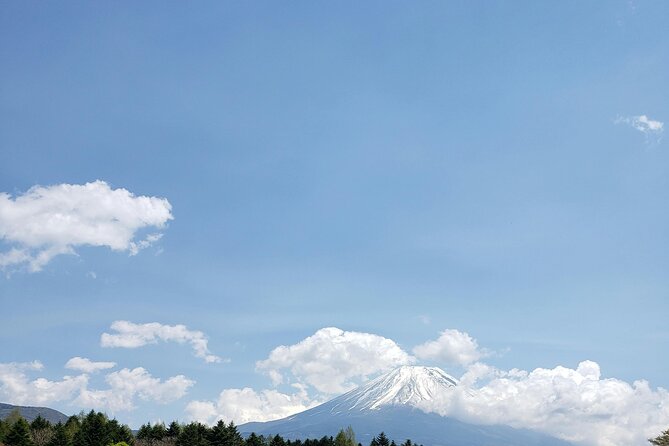
Lake Kawaguchiko is a central hub for the Fuji Five Lakes region. It sits at around 830 meters elevation, which can mean cooler summers and icy winters compared to Tokyo. In other words, it can feel like a weather “reset” during hot months.
There are plenty of restaurants around the lake if you want to do lunch here. The area is also known for optional paid add-ons, including a ship cruise and a ropeway cable car, with pricing listed as 1000 yen per person.
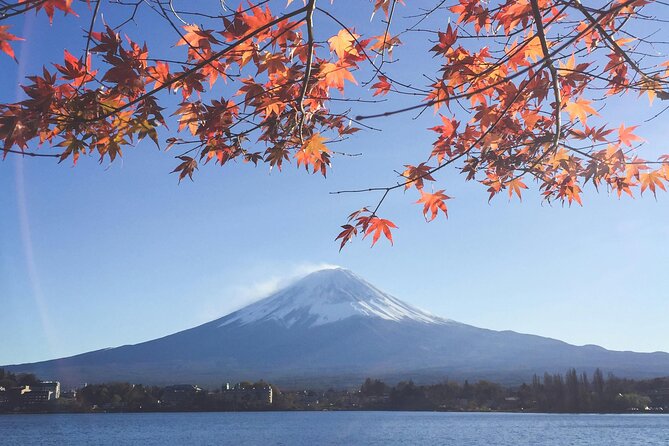
If your goal is to see Mount Fuji reflected or framed nicely, this is one of the stops where the weather really counts. When skies cooperate, you’ll get strong viewing angles around the lake. When skies are not perfect, it still works as a scenic break where you can breathe, eat, and regroup before the next viewpoint.
Oishi Park and Saiko Iyashi no Sato Nemba: calm photos and old Japan vibes
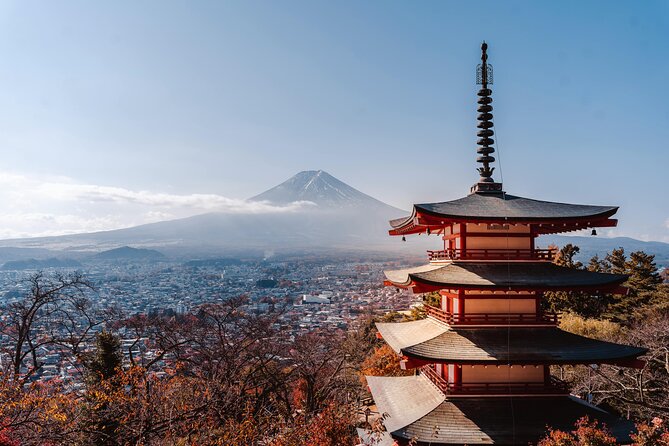
For a quick but satisfying view, many drivers include Oishi Park on the north shore of Kawaguchiko. It’s designed for one thing: a straightforward layout that gives you lake views with Mount Fuji in the same frame when conditions are right.
Then there’s Saiko Iyashi no Sato Nemba, a spot with traditional Japanese houses and craft-focused atmosphere. The houses are part of a preserved village style area, where you can meet local artists and browse local items. Rental kimono and samurai armor are available too, so if you want a more playful photo moment, this is often the place to do it.
The tradeoff is simple: time. These are shorter stops, so go in with a clear plan. If you want photos, bring what you need and decide where you’ll stand before you start walking, so you don’t lose your best light.
Mt. Fuji 5th Station: the altitude viewpoint that feels like a gateway
Mount Fuji 5th Station is the most popular starting point for climbers and a big sightseeing draw. It sits around 2,300 meters above sea level and typically offers shops, restaurants, and a Shinto shrine around the area.
Why it’s valuable for non-climbers: it gives you a sense of scale and a feeling that you are really in Fuji territory, not just viewing it from the base. Even if you are not planning a summit attempt, it can be one of the most memorable altitude stops of the day.
It is listed as an optional stop, and the admission is not included. That’s not a dealbreaker, but it does mean you should be ready for extra costs if you add multiple optional paid attractions later.
Lava caves near Aokigahara: Fugaku Wind Cave and Narusawa Ice Cave
If you want a different kind of Fuji stop, the lava caves are the change of pace. They also give you something useful in summer: a cool interior break.
- Fugaku Wind Cave: you’re in the Aokigahara Jukai forest environment, and the cave stays cool, with an average temperature around 3°C. It’s been noted as having once been used as a refrigerator for silkworm eggs, and the cave has features like lava shelves and ice pillars that do not melt even in summer. This one is a named optional with about 45 minutes for sightseeing.
- Narusawa Ice Cave: another lava tube option, listed as about 45 minutes, located in the Aokigahara forest area tied to Narusawa Village.
A practical planning note: these cave visits can feel like they “must be included” because they’re unique, but they are optional for a reason. If traffic is slow or the weather is changing, you may have to choose between cave time and other viewpoint stops.
Tenku no Torii, Kogamasao Memorial Park, and the photo framing game
There are several extra viewpoint or photo-style options that can round out your day:
- Tenku no Torii: a torii gate on a hillside that frames an unobstructed view of Mount Fuji. It’s popular for photos, especially around sunrise or sunset, though your exact timing depends on the order of stops that day.
- Kogamasao Memorial Park: a quiet park with Fuji views, known for cherry blossoms in spring.
- Itchiku Kubota Art Museum: a cultural stop tied to kimono artwork, with serene gardens and special textile designs. Admission is listed as free here.
This is where your group’s priorities show up fast. If you love photography and want “signature frames,” add Tenku no Torii if the schedule allows. If your group prefers art and gardens, swap in the museum. If you want a calm break, a park stop can prevent the day from feeling like constant movement.
Gotemba Premium Outlets and onsen time: relaxing after the big sights
Not every Fuji day needs to end with more standing. Two optional add-ons can help you land the day on a comfortable note:
- Gotemba Premium Outlets: a large shopping center with many stores and food options, plus Mount Fuji views.
- Fuji Chobo-no-yu Yurari Onsen: a hot spring facility near Mount Fuji with indoor and outdoor baths. Open-air baths offer Fuji views, and there are also private baths and a sauna mentioned as part of the facility.
These are not included in the base price for admission, but they can be a smart use of time if you still have energy after the nature and viewpoint stops. Shopping works best if your group wants something light and flexible. Onsen works best if you are ready to unwind and reset your body after walking and driving.
One note you should catch early: Fuji-Q Highland is listed as permanently closed, so you should not treat it as a realistic option even if it appears as a potential stop.
Price and logistics: what $465 covers, and where extra costs show up
Let’s talk value in plain terms. At $465 per group (up to 3), you are paying for a private car, an English speaking driver, highway tolls, and a modern air-conditioned vehicle. You’re also getting petrol and gas included.
So what costs extra? The data shows lunch is not included, and admission for several optional stops is not included. The one explicit add-on cost mentioned is ropeway or ship cruise at Lake Kawaguchiko for 1000 yen per person.
Is it worth it? For many small groups, yes, because the alternative is often piecing together train transfers and then paying for cars or taxis anyway. The big win is the driver’s ability to adjust your day so you do not waste time. That’s also why guests highlight driver attention and comfort, especially with people like Attary, Umar, and Ali being described as flexible with preferences and good at keeping the day relaxed.
Start time and traffic: the hidden schedule killer
Fuji trips have one predictable enemy: traffic. Even on good days, roads get busy around the lake areas.
A useful timing tip from the experience stories: plan your start so you leave before 1530 to help avoid traffic jams. Also, the drive to the first main spot from Tokyo Hilton was estimated at about 1 hour 40 minutes, though your exact timing depends on where in Tokyo you start and how the road conditions are that day.
My advice: if you care most about Mount Fuji viewpoints, tell your driver early which stops matter most. That way the plan prioritizes your best chance at clear views and avoids scrambling if a road bottlenecks.
Who this tour is best for
This setup tends to fit well for:
- Small groups of up to three who want a private ride and less hassle
- Families or friends who want to avoid train transfers and keep the day predictable
- People who like a mix of nature, culture, and cooling breaks like caves and onsen
- Anyone who wants Mount Fuji region highlights but does not want to organize multiple buses or taxis
It is also described as suitable for most travelers, and the driver support plus air-conditioned transport makes it easier to handle a long day.
If your group is strict about one or two specific stops only, this tour still works. Just prioritize early, because the day is long but not unlimited.
Should you book this private Mount Fuji tour?
Book it if you want a stress-light Mount Fuji day with a plan that can bend toward your interests. The private car, English-speaking driver, and included tolls lower the friction that usually ruins day trips. And when weather is good, you get a strong chance to see Fuji from multiple angles.
Skip or rethink booking if your group cannot handle a day that might be weather dependent. Also, if you love scheduling everything down to the minute and you are comfortable with public transit planning, you might be able to build a cheaper DIY route. But for most visitors, time and comfort are worth paying for.
If you do book, send a clear “must-see” list before the day starts, and keep optional stops flexible. That’s how you get the best odds at the views without the day turning into a rushed checklist.
FAQ
How much does this Mount Fuji private tour cost?
The price is $465 per group, up to 3 people.
Where does pickup happen?
Pickup is offered from your Tokyo hotel or apartment.
How long is the tour?
The tour duration is about 8 to 10 hours.
Is the tour private?
Yes, it is private, and only your group participates.
What is included in the tour price?
Included features are a private air-conditioned vehicle, private transportation, highway tolls, an English speaking driver, modern and clean vehicles, and petrol and gas.
What is not included?
Lunch is not included, and admission tickets for several optional stops are not included. Ship cruise and ropeway at Lake Kawaguchiko are also separate and listed at 1000 yen per person.
Do I get a ticket for the tour?
Yes, you get a mobile ticket.
Does the tour run in any weather?
It requires good weather. If it is canceled due to poor weather, you can choose a different date or receive a full refund.
What is the cancellation policy?
You can cancel for free up to 24 hours in advance for a full refund. If you cancel less than 24 hours before the start time, the amount is not refunded.
Newly listed around Tokyo
- Tokyo private transfer for Yokohama Port★ 4.5 · 63 reviews
- Tokyo Allstar Food Tour★ 4.5 · 206 reviews
- Luxury Kimono Photoshoot at Ginza Tokyo★ 5.0 · 7 reviews
- Tokyo Art Aquarium Museum E-Ticket with optional Tokyo Metro Pass★ 5.0 · 17 reviews
- Tokyo: Best Ginza Food Tour at 3 Local Eateries★ 5.0 · 83 reviews
- Private One Day Nikko Tour with Bilingual driver★ 3.5 · 11 reviews
- PRIVATE tour in 180SX to Daikoku+++++★ 5.0 · 6 reviews
- Kabuki Talk★ 5.0 · 10 reviews
Mount Fuji Day Trips, compared.
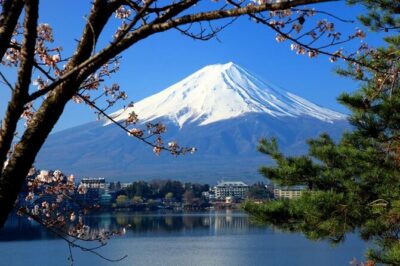
Mt Fuji and Hakone 1-Day Bus Tour Return by Bullet Train
Read our review →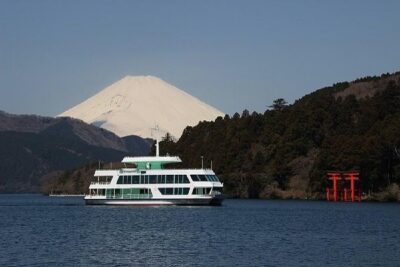
Mt Fuji & Hakone Cruise, Drum Show Bullet Train 1 Day from Tokyo
Read our review →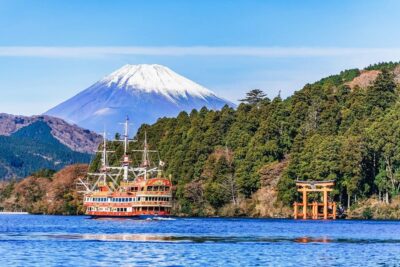
Tokyo Mt Fuji 5th St & Hakone Cruise Bus Tour w/Bullet Train
Read our review →
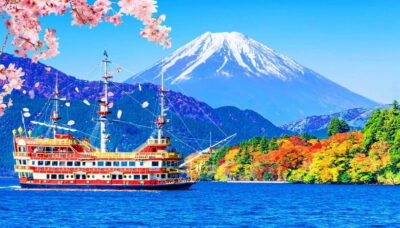
Mt. Fuji Tour, Hakone Ropeway, Owakudani, Lake Ashi
Read our review →
Mt.Fuji,Kawaguchiko Oishi Park,Arakurayama Sengen Park
Read our review →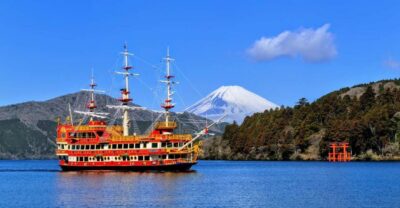
Mt. Fuji 5th Station & Hakone Cruise 1-Day Bus Tour
Read our review →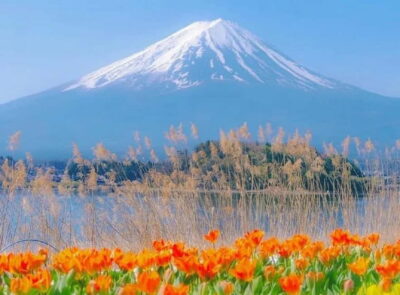
Mt Fuji Top 5 Spots Day Tour: Arakurayama Park,Oshino Hakkai
Read our review →Browse the lists this tour appears in