
Review · MOUNT FUJI DAY TRIPS
Mt. Fuji and Hakone Private Sightseeing from Tokyo “ENGLISH”
Fuji in one long day. This private tour strings together Mount Fuji viewpoints and Hakone scenery without you wrestling trains or transfers. You get a driver to handle the timing, plus a route that can still feel flexible when the weather or crowds change.
I like that the day is built around big visual payoffs, not just check-the-box stops. You start at Fuji’s 5th Station (2,300 meters), then shift to lakes like Lake Kawaguchiko and Lake Ashinoko. The one drawback to factor in is cost creep: lunch and multiple admissions are extra, and the day can feel tight if traffic or lines go sideways.
In This Review
- Key highlights worth caring about
- Private Door-To-Door Pickup From Tokyo
- Mt. Fuji 5th Station at 2,300 Meters: The Main Event
- Arakura Fuji Sengen Shrine: Pagoda Views and a Stair Reality Check
- Lake Kawaguchiko and the Shrine Complexes That Keep It Japanese
- Hakone, Lake Ashinoko, and the Ropeway Shortcut
- Price and What the Day Trip Really Costs
- Timing, Traffic, and How Not to Feel Rushed
- Should You Book This Fuji and Hakone Private Day Trip?
- FAQ
- What is the price and group size?
- Is hotel pickup and drop-off included?
- What is included in the tour cost?
- What costs extra during the day?
- Do I get an English-speaking guide?
- What is the cancellation window?
Key highlights worth caring about
- Door-to-door hotel transfers in Tokyo (23 wards) save real energy
- Fuji’s 5th Station at 2,300 meters gives you the classic high-altitude viewpoint
- Arakura Fuji Sengen Shrine adds a pagoda photo moment plus an observation deck
- Lake Kawaguchiko and Kitaguchi Hongu Fuji Sengen Jinja keep the day grounded in nature and shrine scenery
- Lake Ashinoko and the Hakone Ropeway give you Hakone views fast, even if you skip longer routes
- Optional English-speaking guide costs extra, so you should know what you want from narration
Private Door-To-Door Pickup From Tokyo
The best part of this kind of day trip is simple: you do not have to plan trains, rideshares, and timing between areas that are far apart. From your Tokyo hotel, you get pickup and drop-off in the Tokyo 23 wards area, using a modern, clean vehicle. That matters because Mount Fuji and Hakone are not “nearby.” Once you remove the logistics stress, you can focus on the views and the stops.
This is also a private format, capped at up to 3 people per group. That affects the vibe. You are not waiting for a crowd to move, and you can usually move at your own pace between locations. The itinerary is described as customizable, which is especially helpful because weather around Fuji can change fast and weekends can get crowded.
One more detail to note before you go: your included staff is an English-speaking driver. The listing also mentions a fully guided experience with an English-speaking guide that requires an additional ¥20,000. So if you want deeper cultural storytelling and background at each site, plan for that added option. If you are fine with route help, timing advice, and practical explanations, the driver setup may be enough.
More Mount Fuji Day trips in Tokyo:
- Mt Fuji and Hakone 1-Day Bus Tour Return by Bullet Train
★ 5.0 · 26,383 reviews - Mt Fuji & Hakone Cruise, Drum Show Bullet Train 1 Day from Tokyo
★ 4.0 · 7,413 reviews - Tokyo Mt Fuji 5th St & Hakone Cruise Bus Tour w/Bullet Train
★ 4.4 · 5,024 reviews
Mt. Fuji 5th Station at 2,300 Meters: The Main Event
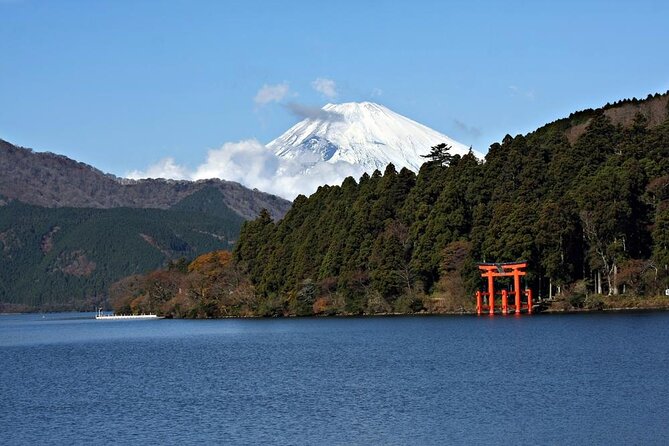
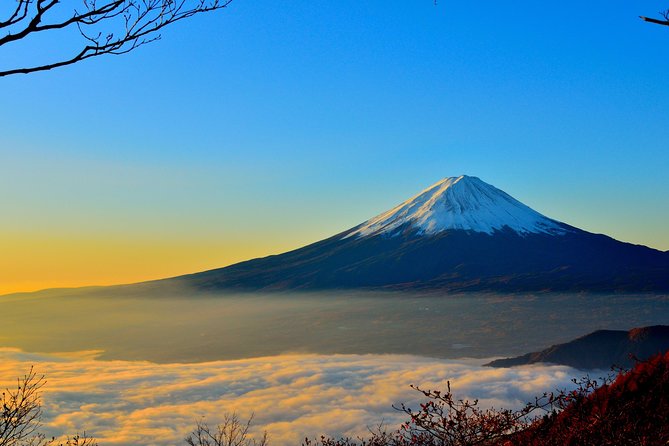
Fuji’s 5th Station is the headline stop for a reason. At 2,300 meters (7,546 feet), you are high enough to feel like you are stepping into the Fuji zone, not just looking at it from far away. The viewpoint here is designed for wide views of the surrounding land, and the stop is long enough to actually take it in. You get about 3 hours allocated, and admission for this specific area is not included.
Here is the practical reality you should plan for: you might see dramatic views in clear weather, or you might deal with clouds. Because the tour is built around multiple exterior viewpoints, you still have backup chances across the day. Also, one review detail you should respect is that there are about 400 steps up to the shrine you’ll later visit, and at the 5th Station specifically, you may not get a view of the summit. In other words, this is about perspective, not a guarantee of “top of Fuji” views.
If your priority is maximizing your odds of good scenery, go in with flexibility. Keep your expectations “views from great spots,” not “I will definitely see everything perfectly.” This tour gives you several chances across lakes and shrines, which is how you make the day work even when Mother Nature is moody.
Arakura Fuji Sengen Shrine: Pagoda Views and a Stair Reality Check
After the high-altitude start, the day pivots to an iconic shrine area: Arakura Fuji Sengen Shrine. This is the place known for the five-tiered pagoda and an observation deck with panoramic vistas of Mount Fuji. The stop is short, about 30 minutes, and admission is free.
This is exactly the kind of stop that works well in a private day trip. You get a major photo target without losing half the day to slow transfers. But it comes with a real trade-off: there are stairs. One review specifically warned about the 400 steps to reach the shrine, and that is information you should take seriously when choosing shoes and pace.
If you are traveling with anyone who is not comfortable with steep stair climbs, consider doing the climb portion strategically, or saving your energy for the lakes later. The shrine stop is worth it for the view payoff, but only if you can do the climb safely and without rushing.
Lake Kawaguchiko and the Shrine Complexes That Keep It Japanese
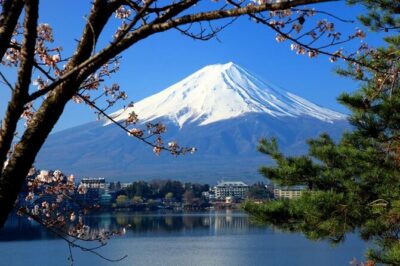
Once you are done with pagoda views, the tour shifts into “Fuji landscape” mode. Lake Kawaguchiko is next, and it is described as the biggest and most accessible of the five Fuji lakes. The stop is about 1 hour, and admission is free.
What makes Kawaguchiko a smart stop is variety. This lake area tends to be seasonal with flowers and autumn foliage, so even if clouds hide the peak, you can still get a scenic lakeside feel. The practical win is that it is set up for a day trip. You can usually find easy stroll space and viewpoints without needing local knowledge.
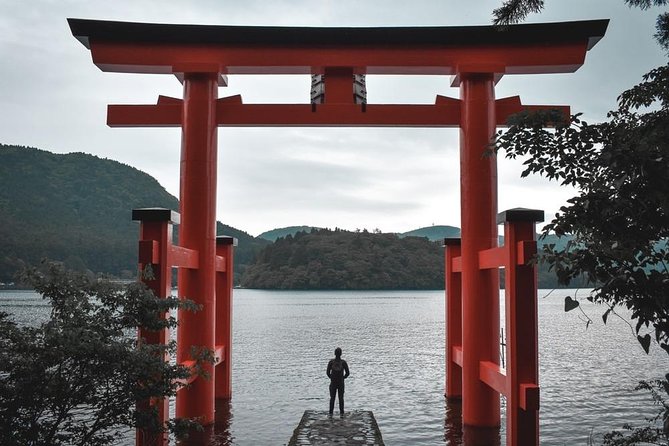
Then the route brings you to Kitaguchi Hongu Fuji Sengen Jinja, a shrine complex with wooden structures and stone lanterns lined along forest paths. This stop runs about 1 hour and admission is free.
Here is why I think this works for many people: it breaks up the “just views of water and mountain” rhythm. It gives you texture and atmosphere, and shrine grounds are typically easier to enjoy even when visibility is imperfect. If Fuji is hidden, the shrine scenery still delivers. And because you are not stuck inside a museum, you get the open-air, outdoors travel feel.
A few more Tokyo days to weigh up
- 1-Day Tokyo Bus Tour
★ 5.0 · 14,250 reviews - Tokyo: TOKYO SKYTREE® Admission ticket
★ 4.5 · 11,192 reviews - Tokyo: teamLab Planets TOKYO Digital Art Museum Entry Ticket
★ 4.6 · 9,779 reviews - Tokyo: Sumo Show Experience with Chicken Hot Pot and a Photo
★ 4.8 · 6,678 reviews
Hakone, Lake Ashinoko, and the Ropeway Shortcut
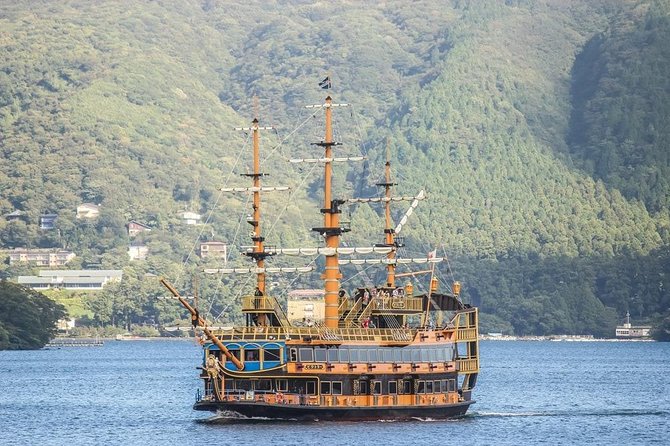
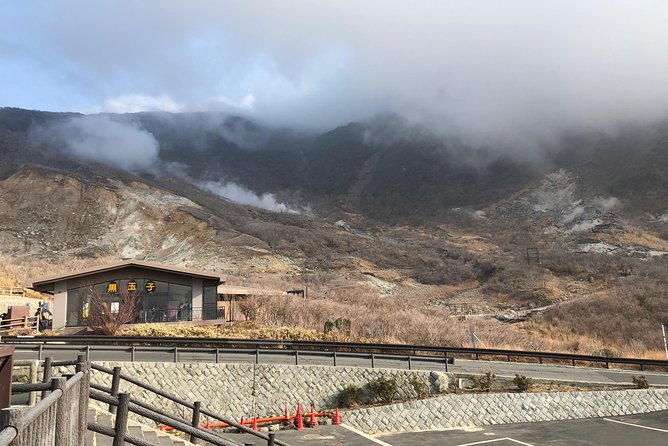
Hakone is where the trip becomes less about “Fuji peak” and more about volcano-lake scenery. The tour includes a stop at Lake Ashinoko, which was formed in the caldera of Mount Hakone after the last eruption about 3,000 years ago. The lake is positioned as a symbol of Hakone, and the shoreline is described as mostly undeveloped, except for smaller towns and a few lakeside resort hotels.
The allocated time at Lake Ashinoko is about 30 minutes, and admission is free. That is brief, so you should treat this as a quick scenic hit. If you want something more than a photo stop, the tour overview says you can opt for a cruise on Lake Ashi or bathe in a hot spring. Those are choices that can meaningfully change your day, especially if you are the type who wants slower, gentler travel moments.
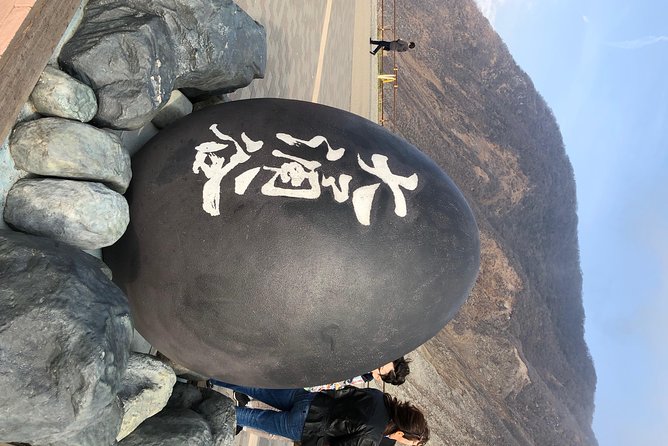
After Lake Ashinoko, you have the Hakone Ropeway option. The ropeway is part of the Hakone Round Course, connecting Sounzan Station with Togendai Station, and it stops at Owakudani and Ubako stations. The stop time listed here is up to 3 hours, and admission is not included.
This is one of those “pay attention to time” parts of the day. The ropeway is a fast way to experience Hakone’s views, and it can help you cover more ground without committing to a longer, more involved route. But it does add cost, and it can expand the day length depending on lines and timing.
Price and What the Day Trip Really Costs
The tour price is listed as $486.16 per group (up to 3). That is the number you will see first, and it is also the number you should evaluate against the total experience you want.
Here is the value logic I see:
- You are paying for private transportation with fuel, highway tolls, and parking fees included.
- You are not planning trains or hiring multiple transfers on your own.
- The itinerary includes several major scenery stops across both Fuji and Hakone areas.
But the listing also makes it clear that some of the “big costs” are extra:
- Lunch is not included
- Mt. Fuji entrance fee is ¥2,100 per group
- Admission for Mt. Fuji 5th Station is not included
- Hakone Ropeway admission is not included
So the real “all-in” budget is the base price plus admissions plus food. If you were already planning to pay for guided transport or multiple paid sightseeing tickets, the private structure can feel like better value. If you were hoping for a low-cost day with only a couple paid stops, it may feel expensive once you add lunch and admissions.
One more line item to consider is the optional English-speaking guide fee (¥20,000) if you want more than driving support. That can be a good investment for couples or small groups who want explanations at each stop rather than just transport.
Timing, Traffic, and How Not to Feel Rushed
This is a long drive day. The tour description notes duration as 1 to 10 hours (approx.), and one review detail gives you a more realistic expectation: the driving time alone can be 5 to 7 hours, depending on traffic. The remaining time then has to fit across multiple locations, meaning exploration time can feel compressed.
Here is how to plan for that without ruining the day:
- Prioritize which stop is your must-do. If Fuji views are your top goal, treat Fuji-centered stops as your anchor.
- Keep your pace realistic. One shrine area involves a stair climb, and the day is otherwise split among several scenic stops.
- Assume crowds can increase on weekends, including traffic heading to the mountains.
If you are trying to see everything, you may end up feeling like you are watching the scenery through a windshield more than actually enjoying it. But if you plan for “a well-paced highlights circuit” rather than “full day of deep wandering,” the route makes sense. The private driver model helps because you are not fighting transit schedules while lines move.
Should You Book This Fuji and Hakone Private Day Trip?
Book it if you want a private day that hits both Fuji and Hakone highlights with door-to-door pickup and multiple scenery stops. It is especially worth it if you are short on time, traveling with someone who dislikes train transfers, or you want the convenience of a driver handling logistics.
Skip it or rethink it if you need lots of free time at each location. This is not built as a slow “camp out at the lake and relax” day. The day is designed to cover several stops, and that requires accepting limited time at each one. Also, budget for extra costs like lunch and admissions. And if you strongly want a talk-along guide experience, factor in the ¥20,000 English-speaking guide option.
FAQ
What is the price and group size?
The tour costs $486.16 per group, for up to 3 people.
Is hotel pickup and drop-off included?
Yes. Hotel pickup and drop-off is included for the Tokyo 23 wards area.
What is included in the tour cost?
Included items are hotel pickup and drop-off, a modern and clean vehicle, an English-speaking driver, customizable itinerary, and fuel, highway tolls, and parking fees.
What costs extra during the day?
Lunch is not included. Mt. Fuji entrance fee (¥2,100 per group) is not included, as are admission fees for activities such as Mt. Fuji 5th Station and the Hakone Ropeway.
Do I get an English-speaking guide?
The tour includes an English-speaking driver. A fully guided experience with an English speaking guide requires an additional ¥20,000.
What is the cancellation window?
You can cancel for a full refund up to 24 hours in advance. If you cancel less than 24 hours before the start time, the amount paid is not refunded.
Newly listed around Tokyo
- Tokyo private transfer for Yokohama Port★ 4.5 · 63 reviews
- Luxury Kimono Photoshoot at Ginza Tokyo★ 5.0 · 7 reviews
- Tokyo Allstar Food Tour★ 4.5 · 206 reviews
- Tokyo Art Aquarium Museum E-Ticket with optional Tokyo Metro Pass★ 5.0 · 17 reviews
- Tokyo: Best Ginza Food Tour at 3 Local Eateries★ 5.0 · 83 reviews
- Private One Day Nikko Tour with Bilingual driver★ 3.5 · 11 reviews
- Kabuki Talk★ 5.0 · 10 reviews
- Japanese Whisky Tasting Experience at Local Bar in Tokyo★ 5.0 · 59 reviews
Mount Fuji Day Trips, compared.
Mt Fuji and Hakone 1-Day Bus Tour Return by Bullet Train
Read our review →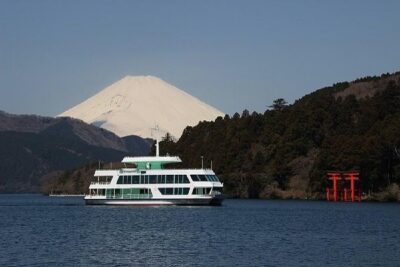
Mt Fuji & Hakone Cruise, Drum Show Bullet Train 1 Day from Tokyo
Read our review →
Tokyo Mt Fuji 5th St & Hakone Cruise Bus Tour w/Bullet Train
Read our review →
Mt. Fuji Tour, Hakone Ropeway, Owakudani, Lake Ashi
Read our review →
Mt.Fuji,Kawaguchiko Oishi Park,Arakurayama Sengen Park
Read our review →
Mt. Fuji 5th Station & Hakone Cruise 1-Day Bus Tour
Read our review →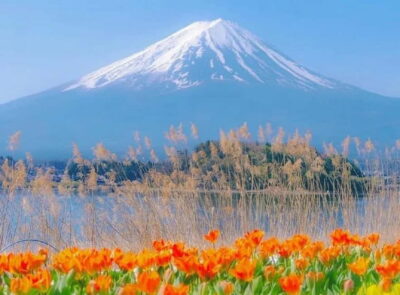
Mt Fuji Top 5 Spots Day Tour: Arakurayama Park,Oshino Hakkai
Read our review →Browse the lists this tour appears in