
Review · MOUNT FUJI DAY TRIPS
Mt Fuji Sightseeing Private tour with English Speaking Guide
Fuji hits different when you drive, not commute. This private day trip mixes Mt. Fuji 5th Station views with Hakone’s geothermal and shrine stops, so you can focus on the scenery instead of train transfers. I especially like that it includes hotel pickup and drop-off from Tokyo, and many guides (names like Ali and Usman come up often) are praised for keeping the day relaxed.
I also like the way the route stacks the classic Fuji photo moments with built-in breaks for pacing and photos, including stops around Lake Kawaguchi and Oshino Hakkai. One possible drawback to plan for is weather and crowds, because Fuji views depend on the sky, and some spots can have queue lines.
In This Review
- Key things that make this day trip work
- Private Tokyo pickup and why it feels like a cheat code
- Mt. Fuji 5th Station: the view, the altitude, and the photo problem
- Lake Kawaguchi, Oishi Park, and the Fuji “look up” circuit
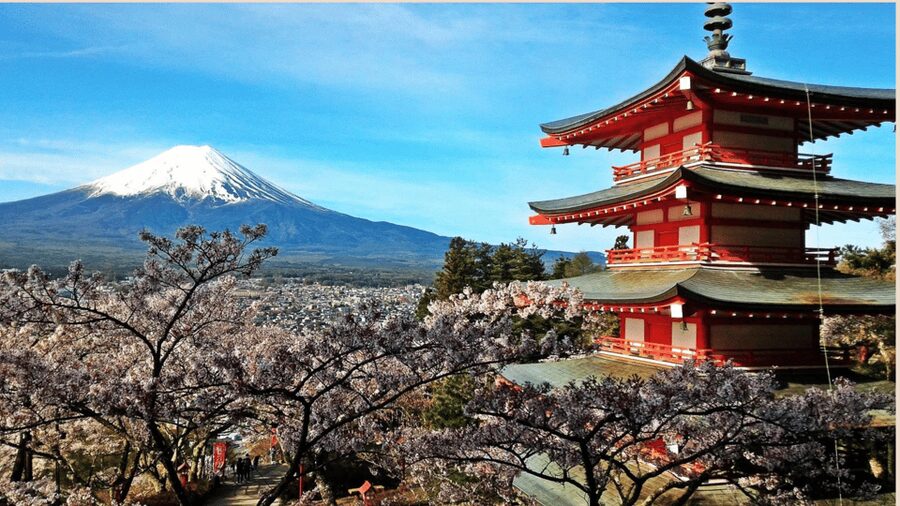
- Arakurayama Sengen Park, Chureito Pagoda: the “postcard walk”
- Oshino Hakkai and Kitaguchi-hongu Fuji Sengen Shrine: softer moments
- Hakone Shrine in the forest: calm after the crater heat
- Owakudani Valley: geothermal reality and the black eggs
- Lake Ashi cruise and the Fuji-in-your-window effect
- Aokigahara Forest walk: short, and take it at your pace
- Lunch, snacks, and the real cost of “optional”
- English-speaking guide support, and why it’s more than translating
- Value check: $381 per group up to 3
- Who should book Lucy Tour & Travels, and who might not
- Final call: should you book this Fuji and Hakone private day?
- FAQ
- How many people are included in a private group?
- What does the tour include besides the guide?
- Is lunch included in the price?
- Where do you get picked up in Tokyo?
- How long is the tour?
- What should I bring for the day?
Key things that make this day trip work
- Door-to-door Tokyo pickup that saves you time and stress
- Mt. Fuji 5th Station with a guided visit and big-picture panorama time
- Lake-area viewpoints including Lake Kawaguchi and Oishi Park
- Hakone’s geothermal drama at Owakudani Valley, plus the famous black egg tradition
- Hakone Shrine visits in a quiet forest setting
- An easy, customizable private day with an English-speaking guide and bottled water
Private Tokyo pickup and why it feels like a cheat code
The biggest value here is simple: you start and end in Tokyo, right from your hotel or apartment (and the operator also lists train stations as pickup points). That means you are not juggling timetables while everyone else is charging through the same platforms with the same idea.
You also get a private vehicle and driver for the whole day. The reviews attached to this experience repeatedly mention smooth driving and communication, with guides like Ali and drivers like Usman or Qasim called out for being professional and calm. That matters because a Fuji day can be long. If you want the views without the fatigue tax, the dedicated car is the difference.
The tour runs about 10 hours, so it is not a quick in-and-out. Still, it tends to feel efficient because it is built around a sequence of high-priority stops. If you are sensitive to long car rides or have tight walking stamina, keep your expectations realistic and pick your must-see list before you go, especially if clouds roll in and timing shifts.
More Private Guides in Tokyo
- Tokyo 6hr Private Tour with Government-Licensed Guide
★ 5.0 · 3,902 reviews - Tokyo 4hr Private Tour with Government-Licensed Guide
★ 5.0 · 1,394 reviews - Tokyo Private Sightseeing Tour by Car- English speaking chauffeur
★ 5.0 · 1,004 reviews
Mt. Fuji 5th Station: the view, the altitude, and the photo problem
Mt. Fuji 5th Station is the headline stop, and it is where this tour earns its name. You get a guided visit for about one hour, which is long enough to take the standard shots without feeling rushed, but not so long that you lose the rhythm of the day.
What makes 5th Station special is the scale. Even when the mountain is partly veiled, you still get that sense of place, plus wide perspectives over the Fuji region. The air can feel cooler and thinner, so you’ll want those layers you packed for Japan in general, plus a weather-ready jacket. Sunscreen is also not optional. Fuji days can be bright even when it is cold.
A practical note: Fuji visibility can change fast. I’d treat the 5th Station stop as your best chance for the classic view, then let the rest of the day support that moment. If you end up with clouds, you still get strong views from the surrounding areas later, like Lake Kawaguchi, Oshino Hakkai, and Arakurayama Sengen Park.
Lake Kawaguchi, Oishi Park, and the Fuji “look up” circuit
After 5th Station, the day often moves into the Fuji lakes zone. You’ll spend time at Lake Kawaguchi with a guided stop for about one hour, then there is time at Oishi Park for another one hour. These are the places you go when you want Fuji reflected in the mood of the water and shores.
If you like photography, this is where the tour really earns its keep. The lake viewpoints are arranged so you can get different angles in a single day, without paying the time cost of bouncing between far-flung stops on your own. Oishi Park in particular is good for classic compositions, and it tends to be a magnet for people doing the Fuji signature photo set.
Timing still matters. Morning is usually easier for crowds and for clear skies, and one review specifically called out an early start around 6:30 am to beat Tokyo traffic and improve the chances of a clearer look. If your schedule allows it, ask your guide whether an earlier departure is possible when you confirm. Not every day can be perfect, but smart timing helps.
Arakurayama Sengen Park, Chureito Pagoda: the “postcard walk”
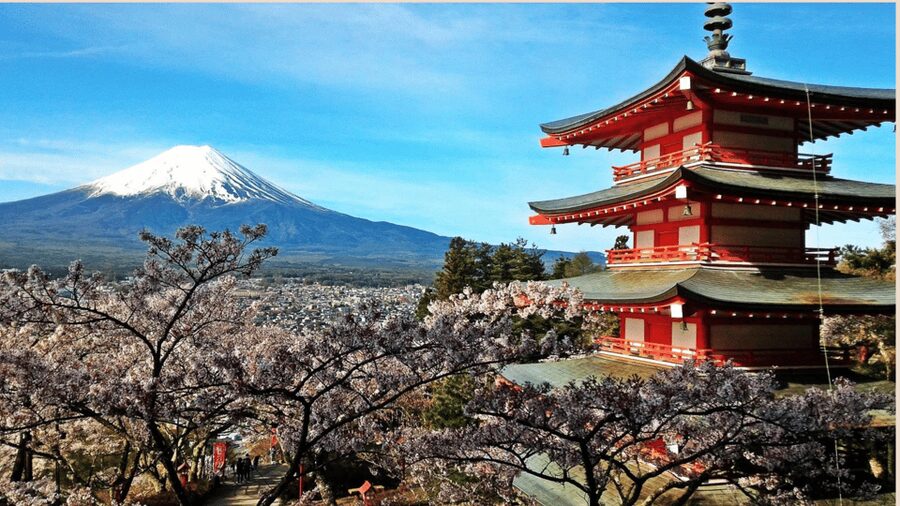
Next up is Arakurayama Sengen Park, with about one hour that includes sightseeing and shopping. You also get time for a Chureito Pagoda visit as part of this run. This is the stop that usually turns “I saw Fuji” into “I get it.”
Why? Because the composition is so iconic. From the slope viewpoints, the pagoda frames the mountain in a way that feels like it was designed for your camera. You should also plan for some walking and stairs around the viewpoint area. Comfortable shoes are not a suggestion here.
Queues can happen. One review mentioned you should be prepared for lines at some locations, and that tracks with how popular the pagoda area is. The private guide helps because you can move as a unit, and you’re not waiting around in confusion. Still, if you hate crowds, go with the mindset that this is a popular photo stop and you are visiting it intentionally, not by accident.
More Mount Fuji Day trips in Tokyo:
- Mt Fuji and Hakone 1-Day Bus Tour Return by Bullet Train
★ 5.0 · 26,383 reviews - Mt Fuji & Hakone Cruise, Drum Show Bullet Train 1 Day from Tokyo
★ 4.0 · 7,413 reviews - Tokyo Mt Fuji 5th St & Hakone Cruise Bus Tour w/Bullet Train
★ 4.4 · 5,024 reviews - From Tokyo: Mount Fuji Full-Day Sightseeing Trip
★ 4.5 · 4,970 reviews
Oshino Hakkai and Kitaguchi-hongu Fuji Sengen Shrine: softer moments
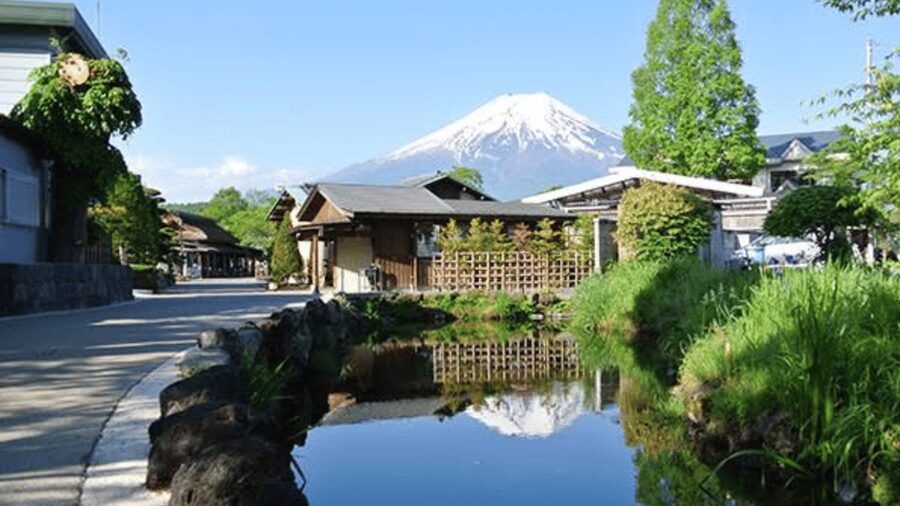
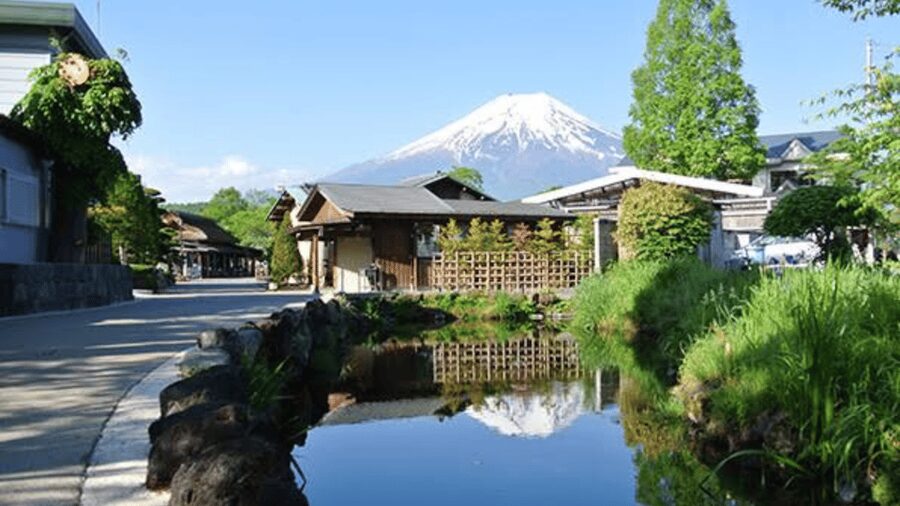
For a change of pace, the tour also includes Oshino Hakkai, with about one hour guided. This area is known for its water and traditional setting around the Fuji foothills. It’s a good break from the big viewpoint energy because you can slow down and enjoy the details at human scale.
Then there’s Kitaguchi-hongu Fuji Sengen Shrine, with roughly 40 minutes guided. Shrines here feel like they’re part of the mountain’s story, not just a random stop in the day’s schedule. In the forested setting, it’s also one of those places where you can hear yourself think for a few minutes.
These two stops are valuable because they balance the day. Without them, a Fuji and Hakone trip can become one long photo sprint. With them, you get contrast, and that makes the day feel more complete.
Hakone Shrine in the forest: calm after the crater heat
Hakone’s side of the day is not just about steam and rocks. The tour includes a Hakone Shrine visit, described as serene and set in a forest. That matters because it gives your eyes a break after the more dramatic geothermal area.
The shrine portion is typically guided, and it’s where you get cultural context that helps the place feel less like a backdrop. Even when you don’t read every sign, a good guide can help you understand why it sits where it does and how it ties to Fuji and the region’s spiritual geography.
If you like quiet, this is also a nice moment to step away from crowds. It’s not a “no one will be there” situation, but the vibe is generally more restful than the most famous Fuji photo spots.
Owakudani Valley: geothermal reality and the black eggs
This is where Hakone turns dramatic. Owakudani Valley is included, and the tour experience description calls out steaming vents, boiling pools, and the famous black eggs tradition. If you’ve ever seen pictures of bubbling vents, this is the place where those images turn into real smells, real heat, and real texture.
Geothermal stops can be intense for a full sensory reason. It’s not just sight. The ground can feel active, and the air has that sharp, mineral character. Bring a sense of humor and an easy attitude. Everyone ends up staring. Everyone ends up taking too many photos. That’s part of the fun.
The black eggs are a widely shared food tradition tied to the area. The tour notes that the eggs are said to add years to your life. You don’t have to treat that as science to enjoy the moment. It’s a small, local ritual that turns a viewpoint into an experience you can actually taste.
Lake Ashi cruise and the Fuji-in-your-window effect
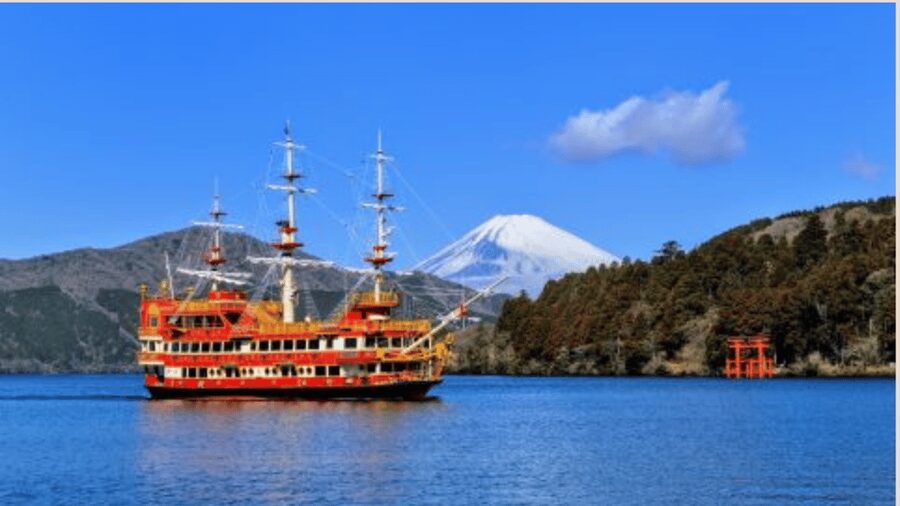
You’ll also get a lake cruise element described as scenic, with Mt. Fuji as a backdrop. In Hakone, Lake Ashi tends to be the “wow” setting where your Fuji obsession meets calm water and changing angles.
Even if Fuji is less cooperative than you hoped, the cruise still gives you perspective. A private guide can time things so you spend the most enjoyable moments where the light and viewpoints cooperate best. This also helps with photos, because you can get shots from the waterline without needing to line up at a dozen spots on foot.
Just remember: cruises take time, and the day is already full. If your top priority is the clearest Fuji view possible, treat the 5th Station and the lake cruise as the two big weather-dependent moments, then let the rest of the itinerary support the day.
Aokigahara Forest walk: short, and take it at your pace
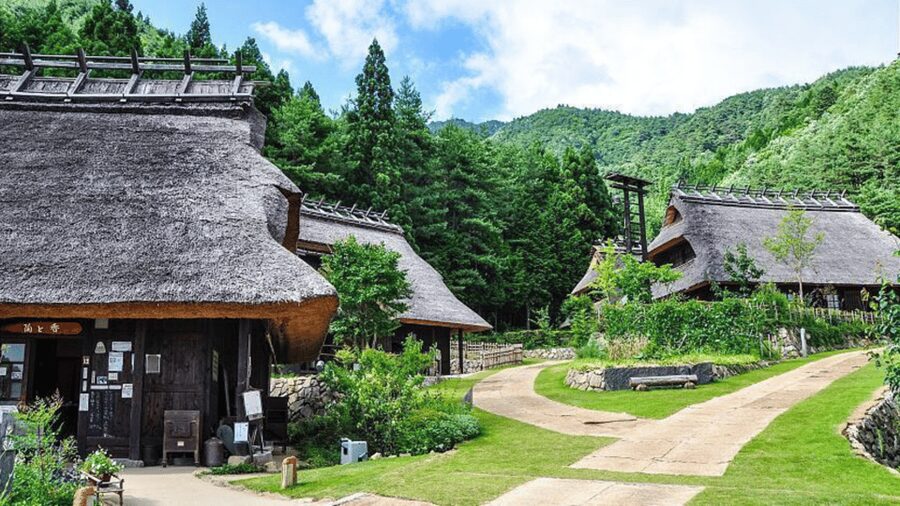
The tour includes time at Aokigahara Forest, with free time for a walk for about 30 minutes. This is not an all-day hike, and you do not have to sprint through it. Think of it as a short stretch break between major sights.
Because this area can be emotionally intense depending on your familiarity and comfort level, I’d treat it as a personal decision. If you want quiet time and a slower pace, this stop fits. If you prefer lively street scenes over forest stillness, keep that in mind. The private setup helps because you can ask for your preferred pace.
Wear shoes for uneven ground and pack a layer. Even on warm days, forests can feel cooler.
Lunch, snacks, and the real cost of “optional”
Lunch is not included. The tour says you can arrange lunch at a local restaurant in Hakone, and you may also want extra snacks or souvenirs during the day.
That means your final budget depends on your appetite and shopping habits. The good news is you are not forced into a preset meal. You can choose something that matches your timing and preferences, which is helpful on a day with weather swings.
One smart move: when the guide knows your food preferences and pacing goals, they can steer you to options that are convenient for the schedule. The trip is built for comfort with bottled water included, but lunch is where you decide how local you want to go and how much you want to spend.
English-speaking guide support, and why it’s more than translating
This tour includes an experienced English-speaking guide, and the listing also notes additional languages such as Urdu, Hindi, Japanese, Punjabi, Nepali, and Vietnamese. In practice, language support matters because you are dealing with multiple stops that each have their own vibe.
The best guides do two things. First, they explain what you are looking at in a way that makes your time feel justified. Second, they handle pacing so you do not lose momentum when something takes longer than expected, like lines or photo delays.
Several guides and drivers connected to this experience are praised for tailoring the day to your family or group needs, including patience for travelers traveling with a one-year-old. That tells you the service is not built on rushing everyone through. It’s built on control, comfort, and a plan that flexes when real-world conditions change.
Value check: $381 per group up to 3
At $381 per group up to 3, the price looks high if you compare it to solo travel costs. But private day trips are not about saving money on paper. They are about saving time, reducing stress, and buying a smoother experience when you want the biggest hits of a region in one day.
Here’s the math that matters: you’re paying for a private vehicle, a driver, an English-speaking guide, hotel pickup and drop-off, and a packed itinerary that includes Mt. Fuji 5th Station, Owakudani Valley, and a Hakone Shrine stop, plus classic Fuji area sights like Oshino Hakkai and Chureito Pagoda.
If you have two or three people, it can work out fairly compared to buying separate transportation and paying for multiple private inputs. If you are traveling solo, it may feel less efficient. If you value comfort and a guided plan, it can still be worth it, but it’s a preference call.
I’d also think about weather risk. Fuji days can be frustrating when clouds cover the summit. A guided private plan helps you salvage the day by adjusting your priorities and making sure you still enjoy the region, even if the mountain is shy.
Who should book Lucy Tour & Travels, and who might not
This private format is a great fit for:
- Couples and small families up to three people who want a calm, controlled day
- People who hate navigating transfers while carrying phones, jackets, and snack supplies
- Anyone who wants to hit both Fuji icons and Hakone geothermal without planning a mini logistical project
It may not fit as well if:
- You rely on fully step-free movement. Some viewpoint areas involve stairs and uneven ground.
- You are very sensitive to crowds at popular photo locations like the Chureito Pagoda area.
- You need a tour that is suitable for people over 95 years. The experience states it is not suitable for that age group.
- You want a super structured day with no flexibility. The itinerary is customizable, so it adapts rather than repeats a rigid script.
Final call: should you book this Fuji and Hakone private day?
If your goal is to see Mt. Fuji, then flip the switch to Hakone’s geothermal power and still end the day back in Tokyo without hassle, this tour makes a lot of sense. The private car, hotel pickup and drop-off, and the mix of classic viewpoints plus calmer shrine and water stops create a full day that feels purposeful.
My main caution is weather. Go in with a plan for clouds and queue lines, not just a plan for perfect summit views. If you do that, you’ll still leave with strong memories, good photos, and a day that feels handled for you, not fought for you.
FAQ
How many people are included in a private group?
The tour price is listed per group up to 3 people. That means the private vehicle and guide are arranged for your group size within that limit.
What does the tour include besides the guide?
The included items are a private vehicle and driver, an experienced English-speaking guide, hotel pickup and drop-off, Mt. Fuji 5th Station, Owakudani Valley, Hakone Shrine, and bottled water.
Is lunch included in the price?
No. Lunch is optional and can be arranged at a local restaurant in Hakone, but it is not included in the base price.
Where do you get picked up in Tokyo?
Pickup is available from your hotel or apartment in Tokyo, and pickup can also be arranged from any kind of train station in Tokyo. Airport pick and drop is not provided.
How long is the tour?
The duration is listed as 10 hours. Starting times vary, so you should check availability for the schedule.
What should I bring for the day?
Bring comfortable walking shoes, weather-appropriate clothing (Mt. Fuji can be colder and change quickly), sunscreen and sunglasses, personal identification, and a camera or smartphone. Extra cash or a credit card is useful for personal expenses and optional purchases.
Newly listed around Tokyo
- Mt. Fuji & Lake Kawaguchiko Ropeway,Oshino Hakkai 1-Day Tour★ 4.8 · 78 reviews
- Tokyo: Mt Fuji Area Guided Tour with Traditional Lunch★ 4.8 · 118 reviews
- Mt. Fuji 6 Attractions Tour: Lake Kawaguchi, Oshino Hakkai★ 5.0 · 8 reviews
- Mount Fuji,Lake Kawaguchiko Private Tour By Car With Pick Up★ 3.6 · 8 reviews
- Mt Fuji : Private 10-Hour Luxury Tour by Exclusive Car★ 3.8 · 13 reviews
- Mount Fuji Private Day Trip With Customizable Itinerary★ 4.7 · 32 reviews
- Mount Fuji One Day Private Tour With English Speaking Driver★ 4.7 · 7 reviews
- From Tokyo: Mount Fuji Private Tour With English Guide★ 5.0 · 13 reviews
Mount Fuji Day Trips, compared.
Mt Fuji and Hakone 1-Day Bus Tour Return by Bullet Train
Read our review →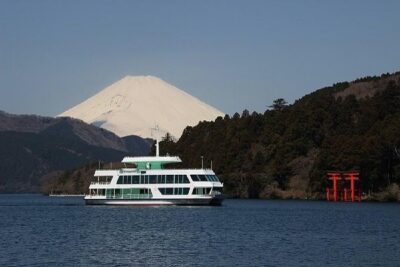
Mt Fuji & Hakone Cruise, Drum Show Bullet Train 1 Day from Tokyo
Read our review →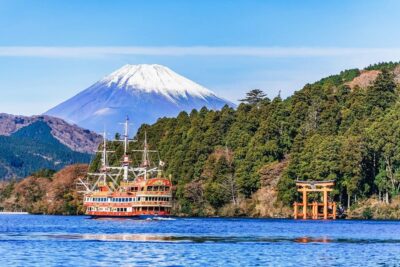
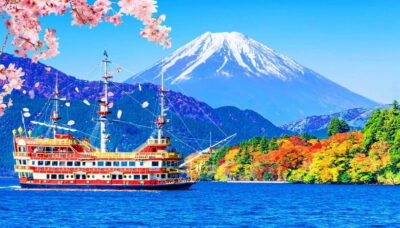
Tokyo Mt Fuji 5th St & Hakone Cruise Bus Tour w/Bullet Train
Read our review →
Mt. Fuji Tour, Hakone Ropeway, Owakudani, Lake Ashi
Read our review →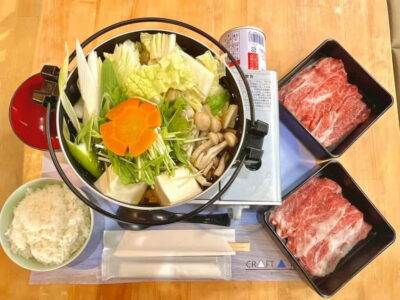
Mt.Fuji,Kawaguchiko Oishi Park,Arakurayama Sengen Park
Read our review →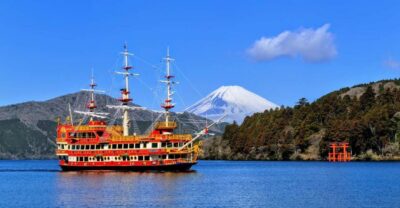
Mt. Fuji 5th Station & Hakone Cruise 1-Day Bus Tour
Read our review →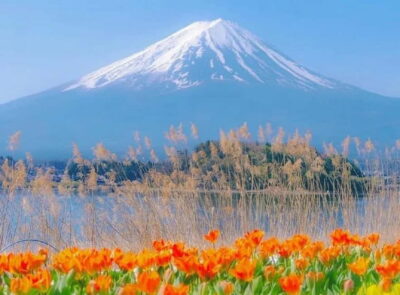
Mt Fuji Top 5 Spots Day Tour: Arakurayama Park,Oshino Hakkai
Read our review →Browse the lists this tour appears in