
Review · LICENSED GUIDES & PRIVATE DRIVERS
Mt Koya Full Day Tour from Osaka with Licensed Guide and Vehicle
Fog turns Mt. Koya into a spell. This full-day private visit from Osaka is built around a licensed English guide and a private vehicle, so you get context fast instead of walking around guessing. You can also choose which sacred sites you want most, which makes the day feel tailored rather than rushed.
My favorite part was how the guide explains what you are seeing, especially at the major stops like Okunoin and the Shingon headquarters. I also like that the itinerary focuses on the Koyasan core sites, with long enough visits to actually slow down in places where you are meant to. One drawback to plan around: lunch and some entrance costs are not included, so you will need to budget for food and whatever fees apply that day.
In This Review
- Key Highlights You Should Know Before You Go
- Planning a Full Day to Mt. Koya From Osaka
- Hotel Pickup, Private Car, and How That Changes the Day
- Okunoin: Kobo Daishi’s Resting Place and the Power of Stillness
- Kongobu-ji Temple: Shingon Headquarters and the Details Most People Miss
- Danjo Garan: The Founding Ground of Koyasan
- Reihokan Museum: Museum Design With a Temple Connection
- Daishi Kyokai and Tokugawa’s Mausoleum: Administration and Memory
- How the Licensed Guide Interpreter Changes What You Notice
- Price and Value for a Private Group of Up to Two
- Picking Your 3 or 4 Stops Without Regretting It
- Who This Tour Fits Best
- Should You Book This Mt. Koya Full Day Tour?
- FAQ
- How long is the Mt. Koya full day tour from Osaka?
- Is pickup offered from Osaka?
- Is this a private tour or a shared group?
- How many sites do we visit?
- Are entrance fees included?
- Is lunch included?
- What language is the guide?
- Do we get a mobile ticket?
- Are car seats or booster seats available?
- Can I cancel for a full refund?
Key Highlights You Should Know Before You Go
- Licensed guide with Japanese culture and history expertise: the official interpreter qualification is designed for more than basic sightseeing talk.
- Hotel pickup plus private car: you avoid train transfers and can keep a calmer schedule for an 8-hour day.
- Choose 3 to 4 sites: you can shape the day around your interests rather than checking every box.
- Okunoin in 2 hours: long enough time for the main path and the mood that makes this place famous.
- Shingon headquarters at Kongobu-ji: expect religious art details, including fusuma sliding door paintings.
- Reihokan Museum connection to Byodoin in Uji: even the museum entry design carries cultural meaning.
Planning a Full Day to Mt. Koya From Osaka
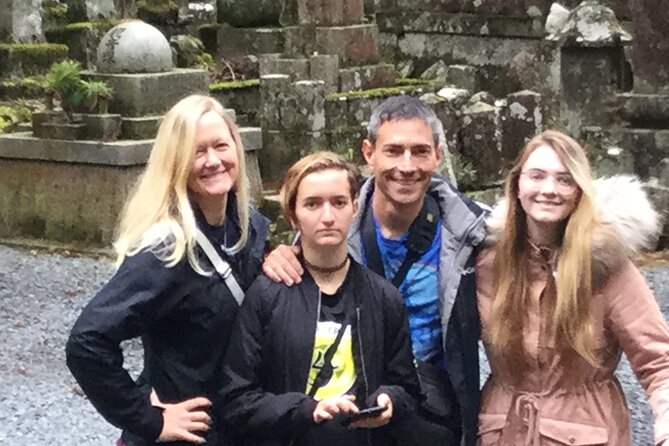
This is the kind of day trip that works because it handles the big friction points for you. Mount Koya sits in Wakayama Prefecture, outside the Osaka city rhythm, and the tour meets you with pickup in Osaka and drives you up with your own private vehicle for the day. That means fewer schedule headaches, and more time watching the scenery and adjusting to the quieter mountain pace.
The tour runs about 8 hours, which is long enough to experience multiple key sites without feeling like you are sprinting from one photo stop to the next. You will also get a mobile ticket, which helps keep the day smooth once you are on the move.
One practical thing I think you will appreciate: this is a private group. Only your group participates, so you can take photos, pause for questions, and keep the tone respectful without worrying about crowd management. If you are the type who likes to ask why something is here, this setup is especially useful.
More Private Guides in Osaka
- Osaka 4hr Private Tour with Government-Licensed Guide
★ 5.0 · 314 reviews - Osaka Early Morning Tour with English-Speaking Guide Dotonbori
★ 5.0 · 110 reviews - Kyoto & Nara Private customized tour with English speaking Guide
★ 4.5 · 99 reviews
Hotel Pickup, Private Car, and How That Changes the Day
On a day trip like this, transport is not just convenience. It is how you protect your energy. With a private car, you are not timing your day around train departures, walking between stations, and then trying to piece together temple access. Instead, you are following the guide’s pacing, with stops grouped into a logical circuit.
For families and anyone traveling with kids, seat logistics matter too. The tour notes limited car seats and booster seats, and rear-facing car seats are not available. If that applies to your group, you will want to contact the operator directly early so you do not get stuck on the day.
The tour is priced per group, up to 2 people. At $898.72 per group, it is not the cheapest way to reach Mt. Koya. But the value comes from what you are buying: a licensed local guide, a private vehicle, and a custom choice of major religious sites. If you would otherwise spend significant time coordinating transport plus hiring a guide for each segment, this can start to look like smart money, not just a splurge.
Okunoin: Kobo Daishi’s Resting Place and the Power of Stillness
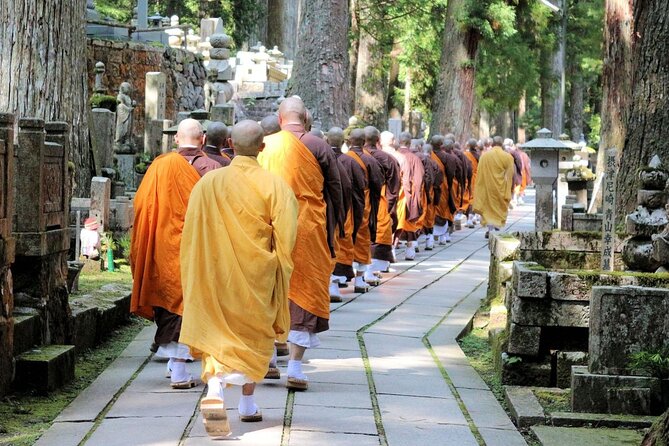
Okunoin is the heart of Mt. Koya, and the tour gives you enough time there to feel the place rather than simply see it. You get about 2 hours, and that is a big deal because this area is not a quick walkthrough kind of stop. It is a walking space where the atmosphere does most of the work.
This is where Kobo Daishi (Kukai), the founder of Shingon Buddhism, rests. The grounds are also lined with graves of prominent personalities, so the path feels more like a long religious road than a typical temple garden. If you want a memorable moment, it often comes when you slow your pace and let the surroundings settle in.
Weather can also change your experience in a very real way. Even if you cannot control the forecast, you can control how you respond. If you meet Mt. Koya in rain or thick fog, it can feel more mysterious and more sacred at the same time. The same sites can feel dramatic when light is soft and sounds carry differently.
For etiquette and comfort, plan to walk steadily and dress for cool, damp conditions since this is a mountain setting. The tour focuses on this major spiritual area first, which makes sense, since it sets the tone for the rest of your day.
Kongobu-ji Temple: Shingon Headquarters and the Details Most People Miss
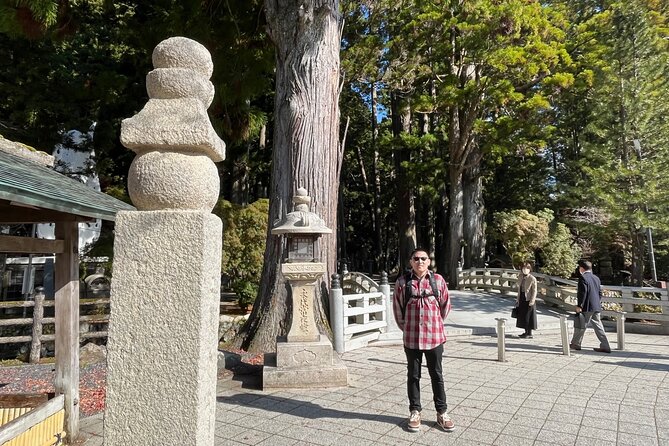
After Okunoin, the day moves to Kongobu-ji, the main headquarters for the Shingon Sect. You are scheduled for about 1 hour 30 minutes, enough time to cover the key areas without turning it into a rushed checkbox.
Kongobu-ji matters because it is not just a single temple stop. It is the administrative and spiritual center of Shingon Buddhism, tied to thousands of temples across Japan and a worldwide community. The tour also calls out what you should look for: religious artifacts and fusuma sliding door paintings. Those details are easy to overlook if you do not know how to read them, and that is where the guide earns their keep.
What I like about having a guide here is simple. You see the design, but you also understand the meaning behind it. You also get help with questions that pop up naturally, like why certain spaces exist in the way they do, or how the art relates to everyday worship.
Since this is a sacred site, remember to keep your voice low and your pace respectful. If your group wants photos, do it quietly and ask when needed. A little patience at Kongobu-ji goes a long way.
A different sort of day in Japan:
- Osaka Go Karting Tour with Funny Costume
★ 5.0 · 2,658 reviews - Osaka Castle: Museum and Tower Entry Ticket
★ 4.5 · 2,380 reviews - Osaka: Shinsekai Food Tour with 13-15 Dishes at 5 Eateries
★ 4.8 · 2,204 reviews - Osaka Food Tour: 13 Dishes at 5 Local Eateries
★ 5.0 · 2,149 reviews
Danjo Garan: The Founding Ground of Koyasan
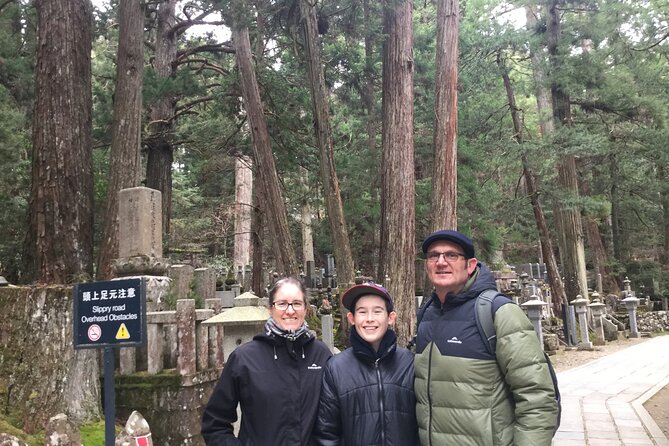
Next up is Koyasan Danjo Garan, described as one of the two most sacred sites on Mt. Koya. You get about 1 hour 30 minutes here, which is a good window for both orientation and slower looking.
The founding story starts in the 9th century, when Mt. Koya was founded on this ground. Kobo Daishi held a groundbreaking ceremony here, then dedicated his life to constructing the complex. You can feel how central this spot is once you are standing on it, because it is tied directly to the origin point of the mountain’s religious life.
The value of the guide at Danjo Garan is that this is where the day becomes more than sightseeing. With the right framing, the layouts, structures, and sacred emphasis become easier to follow. Without that framing, you might see stone, buildings, and signs, but not get the full picture of why certain areas are treated as especially important.
If you like historical context that actually connects to place, this is a strong stop. Just keep in mind that you are dealing with multiple sacred precincts in one day, so pace yourself. This is a marathon of meaning, not a sprint of photos.
Reihokan Museum: Museum Design With a Temple Connection
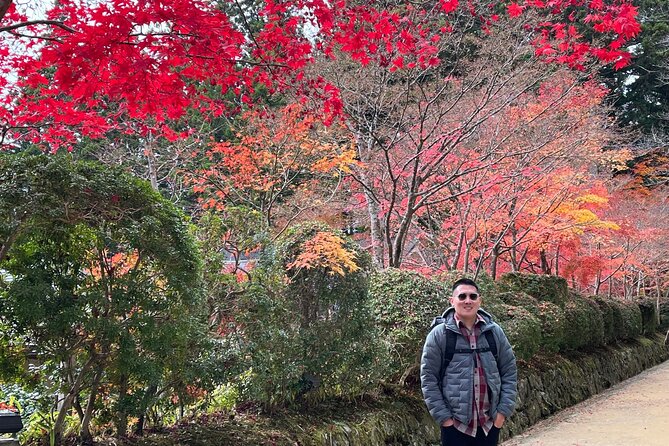
The tour then includes Koyasan Reihokan Museum, scheduled for about 1 hour. This stop is worth it if you want the day to balance outdoor walking with something more structured.
Reihokan exists to preserve and house the religious and cultural treasures of Koyasan. The tour specifically notes that the entrance hall is styled after Byodoin Temple in Uji. That matters because it shows the continuity of Japanese Buddhist architecture and design ideas, not just the museum content in isolation.
Inside, the focus stays on Koyasan treasures, the kind of objects and artifacts that help you interpret what you just saw outside. If you are the type who likes to connect the dots, the museum often makes the morning stops feel clearer.
If you prefer strictly outdoor temple time, you might wish you had extra minutes elsewhere. But if you want a real mental break, museums are a smart reset. One hour is just enough to recharge without stealing time from the next sacred complex.
Daishi Kyokai and Tokugawa’s Mausoleum: Administration and Memory
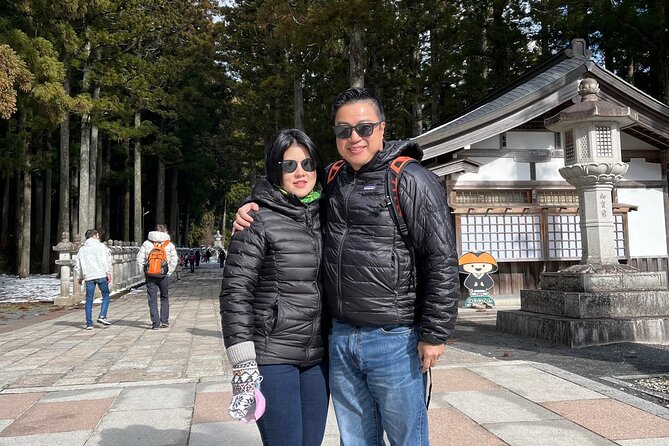
In the later part of the day, you visit places that many first-time visitors do not always think to include, which is why I consider these stops a hidden win. The tour schedules Daishi Kyokai for about 1 hour and Tokugawa’s Mausoleum for about 1 hour.
Daishi Kyokai is described as the administrative center of Shingon Buddhism, responsible for spreading the teachings of Kobo Daishi. The complex includes two buildings, which gives it more than a single-room feel. This stop helps you understand that religious life is not only rituals and temples, it also includes organization and teaching.
Then comes Tokugawa’s Mausoleum. It was built in 1643 by the third Tokugawa shogun, Iemitsu, so the Tokugawa family would have a mausoleum close to Kobo Daishi’s mausoleum. That detail is powerful because it shows the political ties and respect powerful families had for the religious importance of Koyasan. It turns the day from spiritual atmosphere into a fuller picture of how Japan’s religious and political worlds touched.
These two stops also offer a change in perspective. You are not only looking at devotion, you are seeing how a sacred mountain became part of national memory and governance.
How the Licensed Guide Interpreter Changes What You Notice

The tour highlights a specific credential: a National Government Licensed Guide Interpreter certification. In plain terms, it is designed for someone with a solid grasp of Japanese culture and history, not just a driver with a microphone. That difference matters because Mt. Koya has layered meanings.
A good guide helps you connect:
- what you see in temples and museum displays
- how Shingon Buddhism thinks about practice and sacred space
- why certain stories are tied to specific locations
In one case, the guide also helped bridge languages for a couple, translating an explanation into French for the family member. That is not something you should assume for every group, but it does show the kind of care a strong interpreter can bring to a private setting.
You may also hear cultural framing that helps Japanese places feel less confusing. One maxim shared in a tour context was the idea of understanding everything from only one part. It is a good reminder here: you do not have to understand every detail to appreciate what a sacred site is trying to teach. You just have to understand enough to connect.
Price and Value for a Private Group of Up to Two
At $898.72 per group (up to 2), this tour is priced for travelers who want comfort and guidance, not for people trying to do everything on the cheapest bus fare possible. So the question is value, not just cost.
Here is what you are really paying for:
- private vehicle for the full day from Osaka
- a licensed local English speaking guide
- the structure of a day focused on major Koyasan sites
- hotel pickup and a mobile ticket
If you are traveling with just one other person, the per-person cost can feel more reasonable than it first appears, because the guide and car are not split across a big group. If you are traveling solo, it will likely feel expensive compared to independent transit, unless you highly value a guide’s interpretive help.
Also, remember what is not included. The tour lists that lunch and entrance fees are not included. Even though the itinerary’s listed stops show admission ticket free, you should still verify what you need to pay for in practice, since real-world costs can vary by museum policy or special exhibitions. Budget a little cushion and you will feel relaxed instead of stressed.
Picking Your 3 or 4 Stops Without Regretting It
A key point: you customize the tour with 3 to 4 sites from the Koyasan set. That choice is the difference between a good day and an exhausting one.
If you want a spiritual center of gravity, prioritize:
- Okunoin (for the main atmosphere and Kobo Daishi’s resting place)
- Kongobu-ji (for Shingon headquarters art and artifacts)
- Danjo Garan (for the founding ground)
If you want balance, add the Reihokan Museum to rest your feet and your brain while still staying connected to the day’s theme.
If your group likes cultural and historical layers, add Daishi Kyokai and Tokugawa’s Mausoleum. Those bring administration and political memory into focus. They also help explain why Mt. Koya is sacred to different generations, not only modern pilgrims.
My practical advice: do not try to cram everything. Mt. Koya is spiritual space. If you overload the schedule, you will end up rushing through what you came to understand.
Who This Tour Fits Best
This is a strong match for you if:
- you want a guided day trip from Osaka rather than complicated self-planning
- you care about Shingon Buddhism meaning, not just taking photos
- you like comfort and a predictable schedule, especially on a longer day
- you want a private group experience with time to ask questions
It is also a good fit for couples or small groups who want the day paced for them. The tour is private, and that matters when you want to slow down at Okunoin or linger at Kongobu-ji details.
If you are a budget-only traveler and plan to rely on transit and self-guided reading, this may feel costly. But if you want the story behind each site without spending hours on research, this tour is built for that.
Should You Book This Mt. Koya Full Day Tour?
If you can afford it, I think you should seriously consider booking. The combo of a licensed guide, private vehicle, and focused Koyasan sites makes this one of the smoother ways to experience Mt. Koya in a single day from Osaka. The schedule gives you real time at the big spiritual anchor, and it also includes thoughtful stops that explain the broader meaning of the place.
Just go in with the right expectations: plan for your own lunch and possible fees, and choose your 3 to 4 stops with care so you do not turn sacred walking into a time trial. If you do that, you will leave with the kind of understanding that makes the images stick, long after the fog lifts.
FAQ
How long is the Mt. Koya full day tour from Osaka?
The tour is about 8 hours.
Is pickup offered from Osaka?
Yes. Pickup is offered, and you meet your guide at your hotel in Osaka.
Is this a private tour or a shared group?
This is a private tour. Only your group participates.
How many sites do we visit?
The tour can be customized to visit 3 to 4 sites from the Mt. Koya site options.
Are entrance fees included?
The tour notes that entrance fees are not included. At the same time, the listed stops show admission ticket free. You should confirm what is required for your specific chosen stops.
Is lunch included?
No. Lunch is not included.
What language is the guide?
You get a licensed local English speaking guide.
Do we get a mobile ticket?
Yes, the tour includes a mobile ticket.
Are car seats or booster seats available?
There are limited car seats and booster seats. Rear-facing car seats are not available, so contact the operator directly if you need them.
Can I cancel for a full refund?
Yes. You can cancel up to 24 hours in advance for a full refund.
Newly listed around Osaka
- 2 Hours of Bar Hopping in Osaka Style★ 5.0 · 22 reviews
- Same-Day Osaka Food Crawl with local food and Hidden gems★ 5.0 · 114 reviews
- Osaka Authentic Local Izakaya Hopping Experience: Food & Drinks★ 5.0 · 99 reviews
- Well-balanced BENTO (lunch box) Cooking Class★ 5.0 · 35 reviews
- Anime Cosplay Photshoot-50 Digital Photos Provided★ 5.0 · 8 reviews
- OSAKA:Feel the Power! Learn Taiko Drum from Professionals★ 5.0 · 28 reviews
- Three Types of Ramen Cooking Class in Osaka★ 5.0 · 119 reviews
- Urban Canvas: Osaka Street Art Bike Tour★ 5.0 · 47 reviews
Licensed Guides & Private Drivers, compared.
Tokyo 6hr Private Tour with Government-Licensed Guide
Read our review →
Kyoto Early Morning Tour with English-Speaking Guide
Read our review →
Tokyo 4hr Private Tour with Government-Licensed Guide
Read our review →
Kyoto 6hr Private Tour with Government-Licensed Guide
Read our review →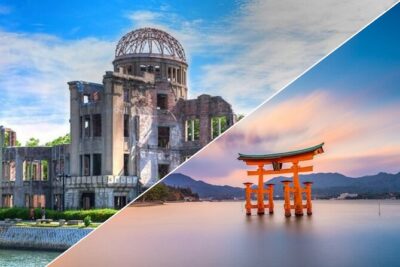
Hiroshima / Miyajima Full-day Private Tour with Government Licensed Guide
Read our review →Early Morning Tour with English-Speaking Guide
Read our review →
Tokyo Private Sightseeing Tour by Car- English speaking chauffeur
Read our review →
Mt Fuji Private Tour with English Speaking Driver
Read our review →Browse the lists this tour appears in