
Review · DESSERT TOURS
Nagoya: Traditional Japanese Sweets-Making Workshop
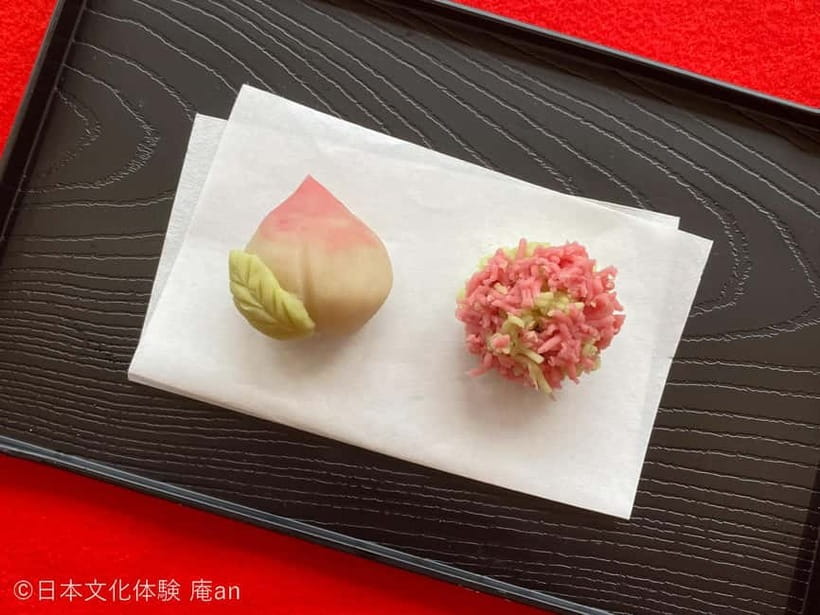
Wagashi is art you can eat. In Nagoya, this 65-minute Nerikiri workshop is a hands-on way to shape seasonal Japanese sweets, and I love how they start with bean paste from long-established Kyoto shops. You make two sweets tailored to the season, then you can try them right away, so the whole class feels like you are actually doing something, not just watching.
One thing to plan for: the venue is on the 3rd floor and there is no elevator. If you have heavy bags or mobility limits, you will want to go prepared.
In This Review
- Key Highlights You Will Care About
- Getting to the Workshop Near Kokusai Center Station
- The 65-Minute Flow, From Materials to Your Finished Nerikiri
- Kyoto Bean Paste Matters More Than You Think
- Making Nerikiri, Seasonal Choices, and the Art-Like Plate Moment
- Instructor Style and the Classroom Pace (Plus English Support)
- Matcha Intro, and Why It Complements Nerikiri
- Tasting Immediately, Take-Home Options, and Optional Certificate
- Price and Value: What $11 Really Buys You
- Who This Workshop Fits Best in Nagoya
- Practical Tips Before You Go
- Should You Book This Nagoya Nerikiri Workshop?
- FAQ
- What sweets will I make in this Nagoya workshop?
- How long does the workshop last?
- Where is the meeting point?
- Will there be English help during the class?
- Is the venue accessible by elevator, and can I eat what I make?
- Can I cancel and get a full refund?
Key Highlights You Will Care About
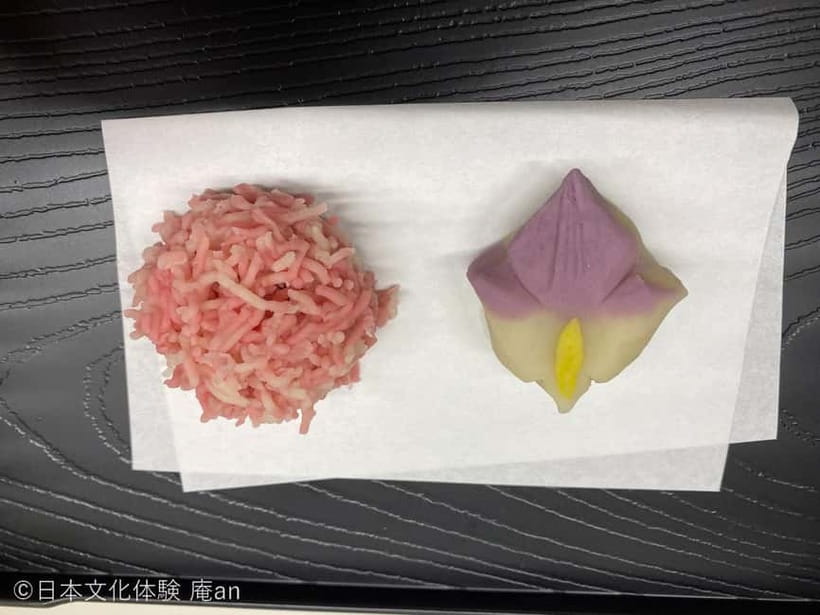
- Make 2 seasonal Nerikiri sweets, not just one small sample
- Kyoto bean paste is used as your base, for real wagashi flavor
- Eat on the spot, so the class ends with a practical tasting
- English support is available, with clear instruction from a Japanese instructor
- Classroom format with multiple participants, usually around 20
- Matcha making intro is included, so you get extra context beyond sweets
Getting to the Workshop Near Kokusai Center Station
This workshop is easy to reach once you find the local transit landmark. Your meeting point is a 1-minute walk from Exit 3 of the Subway Sakura-dori Line station called Kokusai Center Station. If you are coming from Nagoya Station, it is about a 13-minute walk on the Sakura-dori side.
In my experience, short walks like this are the sweet spot when you want to focus on the activity. You should plan to arrive a bit early because the event does not wait for delays, and you want time to climb to the 3rd floor without rushing.
A few more Nagoya days to weigh up
- Nagoya: Japanese Traditional Sweets making and Tea Ceremony
★ 4.9 · 76 reviews - Matcha Making Class in Tokyo with Authentic Japanese Sweets Set
★ 5.0 · 744 reviews - Matcha Making Class in Osaka with Authentic Japanese Sweets Set
★ 5.0 · 509 reviews
The 65-Minute Flow, From Materials to Your Finished Nerikiri
The whole class runs about 65 minutes. That sounds compact, but it works because the focus is skill building plus a real finished result you can serve and eat.
Here is how your time typically feels, step by step:
You start with an introduction to the ingredients and the style of seasonal sweets you will make. Then you move into hands-on work, shaping and assembling your two Nerikiri creations. You finish with a chance to taste what you made, and the experience is designed so you do not leave empty handed, even if you are doing this for the first time.
The big value in the timing is that it is long enough for you to form two sweets properly, but short enough that you can still fit it into a busy Nagoya day. You are not stuck for half a day just to learn basics.
Kyoto Bean Paste Matters More Than You Think
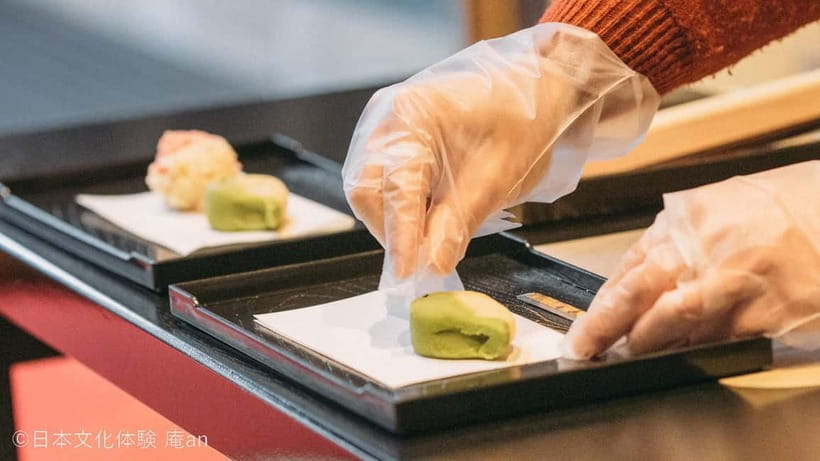
One of the nicest details is the ingredient quality, not just the craft. You use white and red bean paste produced by Kyoto’s long-established shops. For wagashi, bean paste is the backbone. If the paste is good and consistent, your shaping gets easier and your finished sweets taste closer to what you would expect from a traditional shop.
You might notice how the texture and sweetness feel more refined than generic alternatives. That matters because Nerikiri relies on molding. When your base paste behaves well, your final shape looks cleaner and holds better, which boosts your confidence fast.
Making Nerikiri, Seasonal Choices, and the Art-Like Plate Moment
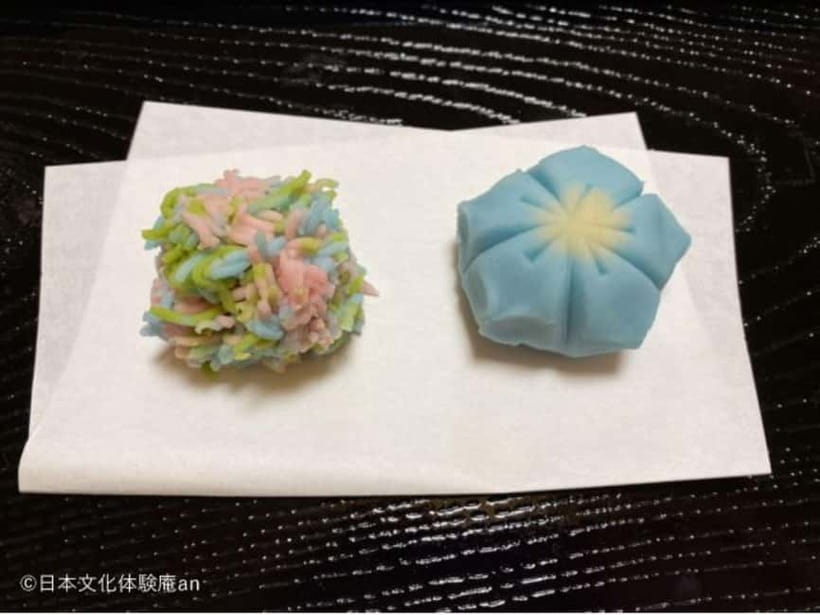
You will make two Japanese sweets that match the season. Nerikiri are famous for both their flavor and their sculpted look, so you are not aiming for quick cookies. You are building small edible artwork.
What I like about this setup is the way it turns seasonal theme into something concrete. Instead of seeing seasonal wagashi in a shop display, you create the season yourself. Even if your first attempt is not perfect, you still end up with a plate of two sweets that looks like it belongs in a photo, and tastes like you made it from scratch.
They also encourage you to take your time with the final presentation. When you place your handmade sweets on a plate, the class treats that moment as part of the craft. That is how you walk away with both the skill and the satisfaction.
A different sort of day in Japan:
- From Nagoya: Gujo, Hida Takayama, and Shirakawa-go Day Tour
★ 4.4 · 398 reviews - Ghibli Park 1-Day Bus Tour from Nagoya
★ 4.5 · 277 reviews - From Nagoya: Hida Takayama & Shirakawa-go Tour w/Opt. Lunch
★ 4.5 · 256 reviews - Hiking the Historic Nakasendo Trail [1 Day Tour from Nagoya]
★ 5.0 · 104 reviews
Instructor Style and the Classroom Pace (Plus English Support)
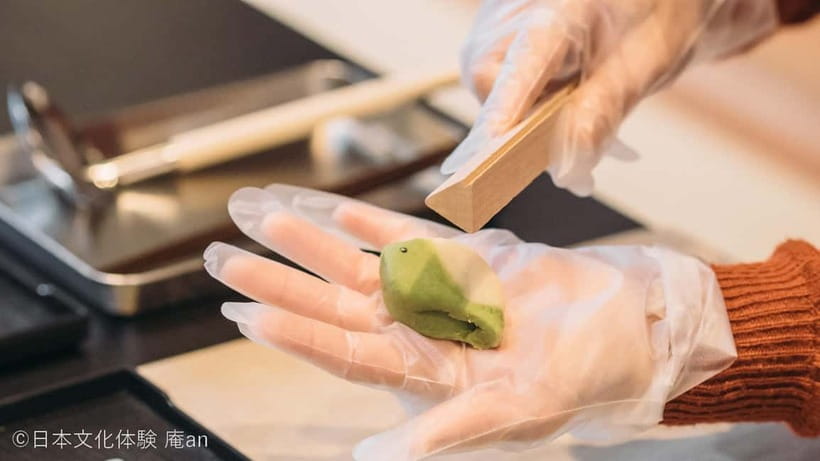
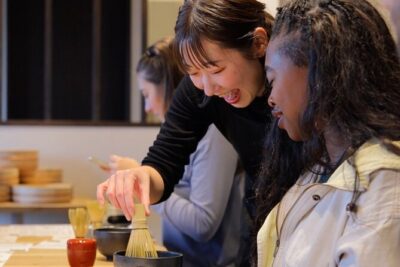
This is a classroom-style experience. In one recent session, the group was around 20 people, and the instructor taught with gentle, clear guidance.
The good news for you: the instructor is Japanese, and English translation is provided as much as possible. If you want to add more English support, you can contact the operator ahead of time.
The classroom format is actually a benefit. You see how the process works from multiple angles, and you can ask questions without feeling like you are interrupting a private lesson. The slight tradeoff is that you will follow the group pace. If you need extra time, your best move is to pay attention early, when the technique is introduced, so you are not trying to catch up during shaping.
Matcha Intro, and Why It Complements Nerikiri
One review mentions that there was also an introduction of matcha making during the session. Even if you only get a short explanation, it is a smart pairing.
Nerikiri and matcha make sense together because matcha is not just a drink. It is part of the traditional serving rhythm in Japan, and it helps you appreciate the texture and sweetness balance of wagashi. If matcha basics are new for you, this extra context makes the workshop feel less like a one-off craft and more like a small taste of tea culture.
Tasting Immediately, Take-Home Options, and Optional Certificate
You can eat the sweets on the spot. This is one of those details that can make or break a workshop. If you leave with something you cannot enjoy right away, the experience becomes more about packaging than tasting. Here, you get the reward while the paste and shaping work are still fresh in your mind.
If you want to bring anything home, there is a take-out box option for 100 JPY. There is also an experience completion certificate, but it costs 300 JPY. If you want a nominative certificate with your name, you should let them know your names in advance. Otherwise, they leave a blank space at your name.
These extras are not required, but they can be a fun souvenir. I think they are especially worth it if you are traveling with someone who likes proof-of-experience items, like a class stamp in your trip memory.
Price and Value: What $11 Really Buys You
At about $11 per person for a 65-minute class, the value is strong when you look at what is included. You are paying for more than entry. You are paying for ingredient access (including Kyoto bean paste), guided instruction, and materials to make two seasonal sweets.
The workshop also gives you a tangible outcome: two Nerikiri you can eat right away. That means you are not just learning technique, you are producing something that looks and tastes like the real thing.
Extra items like the take-out box (100 JPY) and the certificate (300 JPY) are optional. In other words, your main experience stays focused and affordable.
Who This Workshop Fits Best in Nagoya
You will probably enjoy this if you like hands-on activities and you enjoy craft details. It is a good fit for couples, friends, and solo travelers who want a calm, creative break from walking streets and hitting landmarks.
It is also a great choice if you are the type who likes learning through your hands. You get a skill and a sensory payoff, plus the sweets are served in a way that feels intentional.
If you are traveling with kids, note that children who sit on their parents’ laps are free of charge for under 2 years old. Everyone else should plan around the class requirement that non-participants are not allowed to enter. So if you are thinking of spectators only, this is not that kind of experience.
Practical Tips Before You Go
A few small things can make the day smoother:
- Plan around the venue being on the 3rd floor with no elevator. Travel light if possible.
- Arrive before your time slot. The event will not be held for delays.
- Operation hours are 10:00 to 17:00, and reservations received after 17:00 are processed next day. If your schedule is tight, pick a time earlier in the day.
The overall experience is in Japanese, with English translation as much as possible. That combination works well when you learn visually and through step-by-step guidance, which is exactly how this kind of workshop is taught.
Should You Book This Nagoya Nerikiri Workshop?
Yes, I would book it if you want a true wagashi experience that you can finish and taste the same day. Two seasonal Nerikiri, Kyoto bean paste, and immediate tasting add up to more than a craft show-and-tell. It is also reasonably priced for what you leave with.
Skip it only if the no-elevator 3rd-floor venue is a deal-breaker for you, or if you are hoping for a purely sightseeing-oriented activity. This class is about making, not touring.
If you are in Nagoya and you want one memorable cultural activity that feels hands-on and genuinely Japanese, this workshop is a solid choice.
FAQ
What sweets will I make in this Nagoya workshop?
You will make two Japanese traditional sweets called Nerikiri. They are selected to match the season.
How long does the workshop last?
The experience lasts about 65 minutes.
Where is the meeting point?
Meet the group about 1 minute walk from Exit 3 of the Sakura-dori Line subway station called Kokusai Center Station. It is also about a 13-minute walk from Nagoya Station on the Sakura-dori side.
Will there be English help during the class?
English translation is provided as much as possible. The instructor teaches in Japanese, and you can contact the operator if you want to add more English support.
Is the venue accessible by elevator, and can I eat what I make?
The venue is on the 3rd floor and there is no elevator. You can eat the sweets on the spot.
Can I cancel and get a full refund?
Yes. You can cancel up to 24 hours in advance for a full refund.
Newly listed around Nagoya
- Nagoya: Full-Day Nagoya City Tour★ 5.0 · 8 reviews
- From Nagoya: Shirakawa-go UNESCO Village Day Trip w/ Pickup★ 4.0 · 8 reviews
- Nagoya Private Custom Tour with Local Guide★ 5.0 · 15 reviews
- Nagoya: Japanese Traditional Sweets making and Tea Ceremony★ 4.9 · 76 reviews
- Nagoya Highlight Tour guided by friendly locals★ 5.0 · 7 reviews
- Nagoya: Full-day Kisoji Nakaendo Trail Tour★ 5.0 · 6 reviews
- Nagoya: Grand Sumo Tournament Tour★ 4.8 · 44 reviews
- Nagoya: Customized Private Tour★ 4.6 · 15 reviews
Dessert Tours, compared.
Matcha Making Class in Tokyo with Authentic Japanese Sweets Set
Read our review →
Matcha Making Class in Osaka with Authentic Japanese Sweets Set
Read our review →
Matcha Making Experience with Mochi Sweets in Asakusa
Read our review →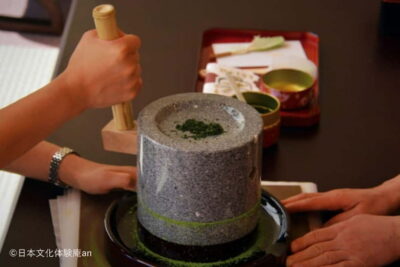
Japanese Traditional Sweets Making and Tea Ceremony
Read our review →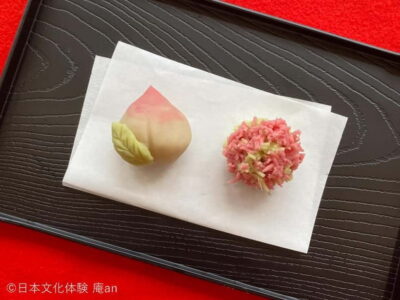
Japanese Traditional Sweets making and Tea Ceremony
Read our review →
Japanese Traditional Sweets making and Tea Ceremony
Read our review →
Wagashi (Japanese sweets) Cooking near Fushimiinari
Read our review →
Browse the lists this tour appears in