
Review · JAPANESE COOKING WORKSHOPS
Kyoto Wagashi(Japanese sweets) Cooking Class near Fushimiinari
Wagashi feels fancy, but this class makes it doable. You’ll cook in an authentic Japanese-style house near Fushimiinari, in a setup that feels like being invited over for tea by a friend, not being rushed through a tourist workshop.
Two things I especially like: the class size is capped at 6 people, so you get real attention while you work, and it’s taught in English by instructors who can guide interpreters clearly. One possible drawback to consider: you need good weather for the experience, since it depends on conditions.
In This Review
- Key highlights at a glance
- Kyoto Wagashi Cooking Class near Fushimiinari: a small-group lesson in an authentic house
- Inside the 2 hours 30 minutes: how the class actually flows
- The three wagashi desserts you’ll make, plus what to look for
- Tea, matcha, and that garden-view ending that makes it feel complete
- Miho’s organization and the small-group comfort factor
- English instruction that keeps your cooking on track
- What you get: ingredients, seasonings, tea, and recipes to take home
- Vegetarian and vegan friendly, but tell them your needs early
- Price and value: is $79.26 worth it?
- Where to go and how the logistics fit your day
- Who this wagashi class is best for
- Should you book this wagashi cooking class near Fushimiinari?
- FAQ
- How long is the Kyoto Wagashi cooking class?
- How many people are in each class?
- Is the cooking class taught in English?
- What kinds of wagashi will I make?
- Are vegetarian or vegan diets accepted?
- What is included in the price?
- Is hotel pickup or drop-off included?
- What happens if weather is bad?
Key highlights at a glance
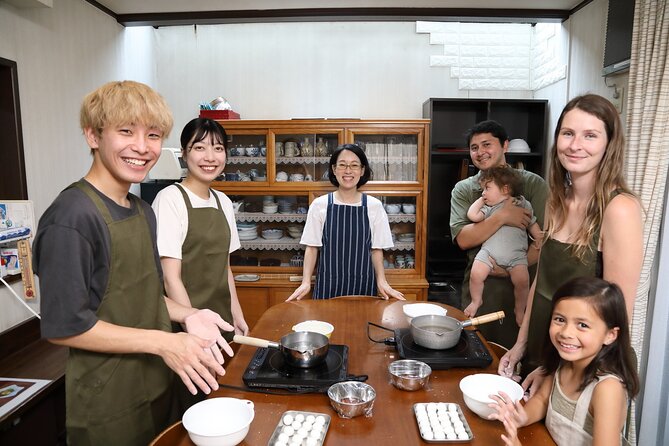
- Small group, max 6 learners, with hands-on help while you cook
- English-only instruction in a traditional room, plus support for different comfort levels
- 3 wagashi desserts made during the session, with all recipes provided afterward
- Matcha tea and garden-view time built into the end of class
- Dietary flexibility: vegetarian welcome, and vegan friendly if you tell them in advance
Kyoto Wagashi Cooking Class near Fushimiinari: a small-group lesson in an authentic house
Kyoto can feel like a choose-your-own-adventure city, and wagashi is one of the best ways to slow down and learn culture through food. This cooking class is held in an authentic Japanese-style house in Fushimi Ward, close enough to your Fushimiinari sightseeing plans that it makes a lot of sense as a calm afternoon stop.
The vibe is deliberately human-scale. It’s not a big, loud room full of strangers. Instead, you start in a traditional Japanese room where you can actually relax. Then you move into the cooking portion, where an instructor demonstrates first and then you make the sweets yourself. The day ends with you all sitting together to eat what you made, with a cup of matcha and what sounds like a very pleasant garden view.
If you like hands-on activities, this one has a clear payoff: you’re not just watching, you’re producing three kinds of sweets, learning techniques along the way, and leaving with the recipes to recreate them later.
More Cooking Classes in Kyoto
- Ramen Cooking Class at Ramen Factory in Kyoto
★ 5.0 · 1,937 reviews - Kyoto: Ramen Cooking Class at a Ramen Factory with Souvenir
★ 4.9 · 532 reviews - Kyoto: Ramen, Gyoza, and Onigiri Cooking Class
★ 5.0 · 445 reviews
Inside the 2 hours 30 minutes: how the class actually flows
Time is short, so the structure matters. This class runs about 2 hours 30 minutes, and it’s paced in a way that keeps you from feeling lost.
Here’s what to expect, in order:
First, you’ll relax in a traditional Japanese room. Think of this as the slow-down moment. You settle in, get oriented, and switch mentally from walking-around Kyoto mode to learning mode.
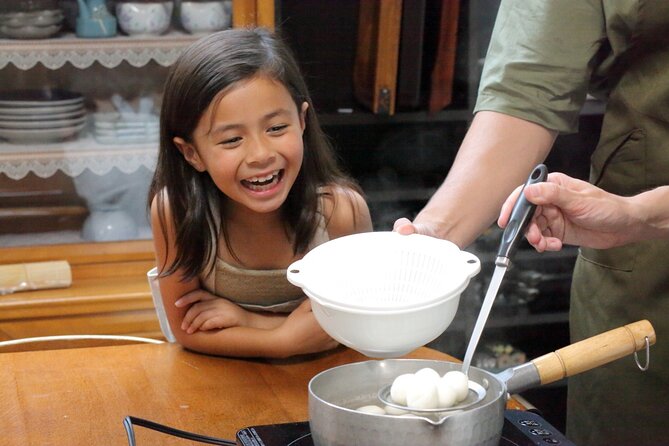
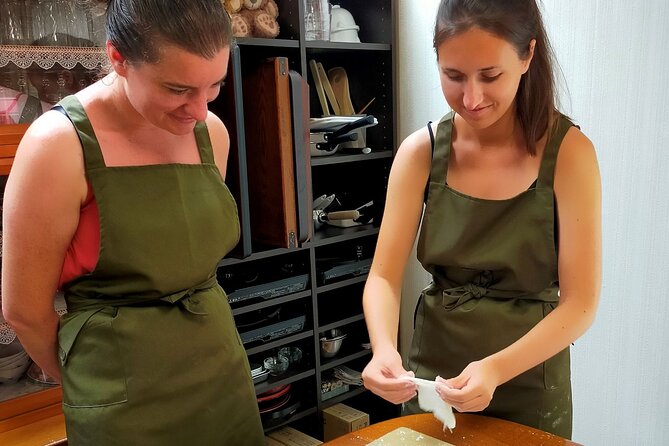
Second, you’ll prepare about 3 different types of wagashi. The instructor demonstrates techniques in front of you, then you and your partner (or the group setup) do the cooking steps yourself. The class is designed so you can participate even if you’ve never made Japanese sweets before.
Third, after cooking, you all sit together and enjoy your wagashi with a cup of matcha. The setting includes a garden view, which turns the eating portion into a proper “finish” rather than just a quick snack break.
And throughout the session, the instruction is entirely in English, with licensed guide interpreters. In practice, that matters because cooking has lots of little steps. Clear explanations help you follow along and avoid the classic kitchen problem of guessing.
The three wagashi desserts you’ll make, plus what to look for
The class centers on 3 popular Japanese desserts, and the descriptions plus review highlights give you a hint about the range. One standout mentioned is a dessert with black sesame, where a learner described it as one of their favorite bites of the trip and said they became obsessed after trying it in class. Another specifically named dessert is Mitarashi dango, which shows up as a success point for both adults and teens.
What does that mean for you, practically?
You can expect a mix of techniques, not just repeating one method. Since you’re making about three types, the lesson is likely to cover different steps, different textures, and different ways of handling components. Even if you only end up loving one dessert, you still get variety, and you’ll also come away with techniques you can reuse later when you try other wagashi at home.
Also, this is the kind of class where your confidence grows fast. Even if you feel awkward at the start, once you see the demonstrations and start working, it clicks. Reviews describe the session as relaxed and well organized, with real learning plus plenty of eating at the end.
Tea, matcha, and that garden-view ending that makes it feel complete
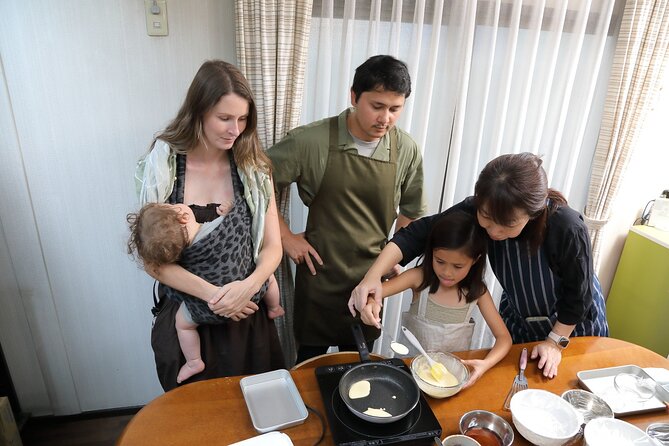
A lot of food classes end the moment you finish cooking. This one slows down at the end, which is a big deal for your experience.
After you cook, you sit down together to enjoy the sweets you made, and you drink matcha. The traditional room plus the garden view adds something that photos can’t fully capture: it gives your brain a chance to register what you did.
This ending also makes the class feel like part of Japanese hospitality, not a short workshop with a hard stop. You’re not just chasing a checklist. You’re tasting the result, in the setting where the class is meant to be experienced.
If you’re the type of traveler who likes food memories that are more than just “I ate X,” this format will land well.
More Cooking Workshops in Kyoto
- Kyoto: Japanese Washoku Bento Small Group Cooking Class
★ 5.0 · 380 reviews - Kyoto: Afternoon Japanese Izakaya Cooking Class
★ 4.9 · 241 reviews - Izakaya Style Cooking Class
★ 5.0 · 219 reviews - Gyoza Cooking Class in Kyoto: Traditional Japanese Dumplings
★ 5.0 · 210 reviews
Miho’s organization and the small-group comfort factor
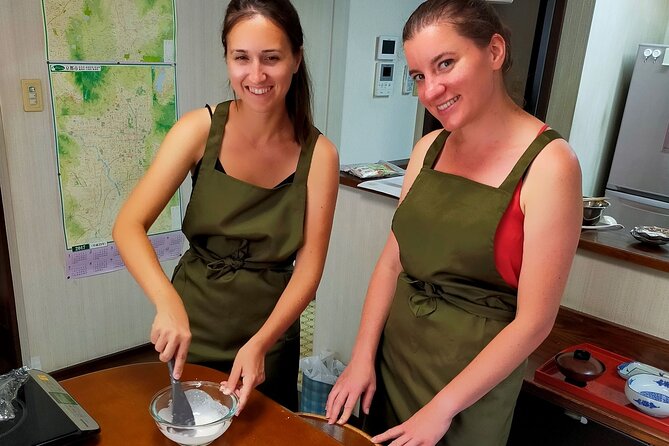
The class is hosted by instructors who are licensed guide interpreters, and one name that comes up repeatedly in reviews is Miho. People mention how easy the place was to find and how clean and comfortable the studio felt.
That matters because wagashi cooking is practical. You need clear space to work, ingredients and tools laid out in a sensible way, and someone who can explain steps without making the room tense. When the host is organized, mistakes tend to stay small, and you spend more time learning and enjoying rather than worrying.
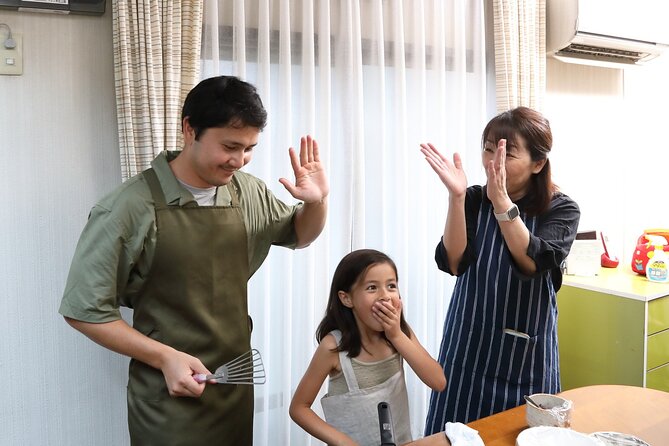
Reviews also highlight that the class works well for families, including teenagers. One review specifically called out that even when adults made errors, the teens had great results. That tells me the class is beginner-friendly in the real-world way, where skills vary but the process still leads to success.
If you’re traveling with a mixed group, this is a good sign. You’ll likely find the atmosphere supportive enough that people don’t freeze up.
English instruction that keeps your cooking on track
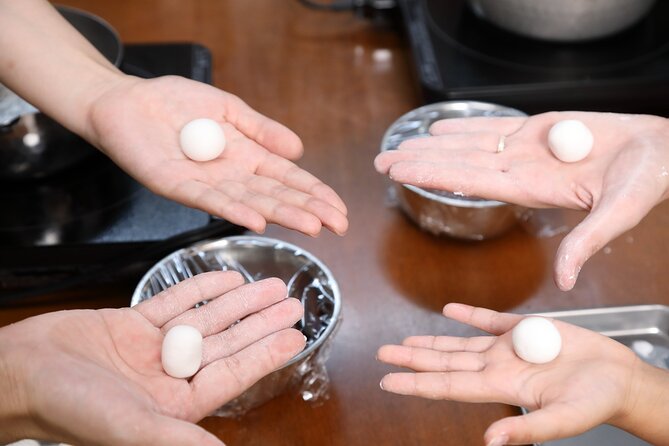
Language matters in cooking classes. This one is taught entirely in English, and the instructors are described as licensed guide interpreters, which suggests the explanations are designed to be understood clearly.
Why that’s valuable: Japanese sweets can involve careful timing and handling. If you miss one step or misunderstanding changes your texture, you can end up with something very different than what you expected. Clear language reduces that risk and makes the whole experience more satisfying.
It also means you can bring friends or family who might not have studied Japanese. This class is built for travelers, not just for language learners.
What you get: ingredients, seasonings, tea, and recipes to take home
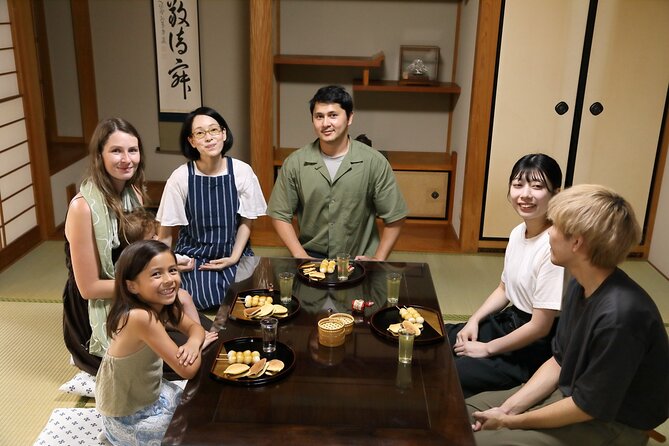
This is where the value gets real.
Included in the price:
- All seasonings and ingredients for cooking
- An English-speaking instructor
- All fees and taxes
- Coffee and/or tea
Not included:
- Gratuity
- Hotel pick-up and drop-off
You also get all the recipes for the desserts you make. That’s a major advantage because it turns your class from a one-time moment into something you can repeat. If you’ve ever bought a cooking experience souvenir that turned into kitchen clutter, recipes help you actually use what you learned.
One more practical point: the studio is described as clean and well set up. That’s important for comfort and for how smoothly you can follow the steps.
Vegetarian and vegan friendly, but tell them your needs early
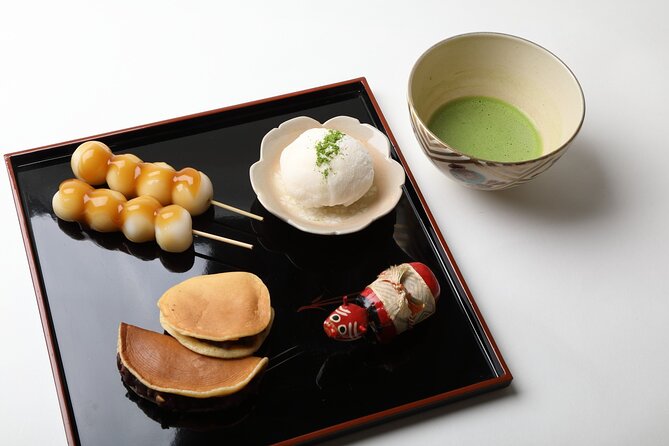
The class welcomes vegetarians and is vegan friendly. The key detail is simple: let them know in advance if you have dietary restrictions.
This matters because wagashi can involve ingredients that may not fit everyone’s needs. When the host knows before you arrive, they can plan better and keep you from being surprised mid-session.
If you eat vegan or vegetarian, this is a strong plus. It’s not just a vague promise, it’s a stated feature of the experience.
Price and value: is $79.26 worth it?
At $79.26 per person, this class sits in the middle of what you might expect for a two-and-a-half-hour hands-on cooking experience in Kyoto. The biggest question is whether you get enough to justify the cost.
Here’s the value equation based on what’s included:
- You cook about three wagashi desserts yourself, rather than watching from the side
- You get ingredients, seasonings, and instructor time
- You drink coffee and/or tea
- You leave with recipes you can use again at home
That recipe part is often the difference between a pricey class and a worthwhile one. If you’re the type who likes to recreate food later, recipes make this feel like a learning investment.
Also, the small group size helps justify the price. Less crowd means more attention, and your class is less likely to feel like assembly-line cooking.
For families and for teens, reviews describe a lot of laughter and success. If your group wants an activity that feels fun, not stressful, this can be a good use of limited vacation time.
Where to go and how the logistics fit your day
The meeting point is at 38-4 Fukakusa Watamorichō, Fushimi Ward, Kyoto, 612-0022, Japan. It ends back at the meeting point.
It’s near public transportation, which matters because Kyoto has plenty of options and you don’t want a complicated last-minute scramble. Plus, the experience uses a mobile ticket, which usually means fewer headaches when you arrive.
The duration is about 2 hours 30 minutes, so it can slot into an afternoon after you’ve done Fushimiinari or before you head back out for dinner.
Who this wagashi class is best for
This is a great fit if you want Kyoto culture you can taste, not just see.
It’s especially good for:
- Food-minded travelers who like learning techniques, not just eating
- People who want a beginner-friendly cooking class with a relaxed tone
- Families, including teens, since the class is described as successful and fun for younger cooks
- Travelers who want English instruction so the class stays smooth and understandable
- Anyone looking for a vegetarian-friendly or vegan-friendly activity (with advance notice)
If you only want a quick snack stop, this might feel like more time than you planned. But if you want a real hands-on experience, it’s the right length.
Should you book this wagashi cooking class near Fushimiinari?
I’d book it if you want a small-group cooking experience in a traditional Japanese house, with clear English guidance, and with a real chance of leaving with sweets you genuinely love. The strongest reasons to choose it are the hands-on learning, the relaxed atmosphere, and the fact that you get recipes so the experience does not vanish the next day.
I’d reconsider if you’re only interested in a brief photo opportunity, because this is a full cooking session. Also, because the experience requires good weather, it’s smart to keep your schedule flexible if you travel during a season where conditions can shift.
FAQ
How long is the Kyoto Wagashi cooking class?
The class lasts about 2 hours 30 minutes.
How many people are in each class?
The group lesson maximum is 6 travelers.
Is the cooking class taught in English?
Yes. The class is conducted entirely in English, and the instructors are licensed guide interpreters.
What kinds of wagashi will I make?
You’ll prepare about 3 different types of Japanese sweets. Desserts mentioned include black sesame mochi and Mitarashi dango.
Are vegetarian or vegan diets accepted?
Yes. Vegetarians are welcome, and the class is vegan friendly. You should let them know in advance about dietary restrictions.
What is included in the price?
All seasonings and ingredients for cooking are included, along with coffee and/or tea. All fees and taxes are included as well, and an English-speaking instructor is provided.
Is hotel pickup or drop-off included?
No. Hotel pick-up and drop-off service is not included.
What happens if weather is bad?
The experience requires good weather. If it is canceled due to poor weather, you’ll be offered a different date or a full refund.
More Dessert Tours in Kyoto
- Kyoto: Japanese Traditional Sweets Making and Tea Ceremony
★ 4.4 · 314 reviews - Kyoto: Wagashi (Japanese sweets) Cooking near Fushimiinari
★ 5.0 · 40 reviews - Japanese Traditional Sweets ”Nerikiri” making
★ 4.3 · 17 reviews - 2 Types of Japanese Sweets making and Tea Ceremony
★ 4.6 · 17 reviews
Newly listed around Kyoto
- Zen Meditation for Life in Kyoto★ 5.0 · 10 reviews
- Kyoto: Zen Meditation at a Private Temple with a Monk★ 5.0 · 25 reviews
- Kyoto Private Customizable Day Tour with Guide and Vehicle★ 5.0 · 52 reviews
- Private Wagyu Beef Tour with a Local Guide★ 5.0 · 6 reviews
- Kyoto: Gion Geisha District & Sake-in-Hand Walking Tour★ 5.0 · 37 reviews
- Your Private Vacation Photography Session In Kyoto★ 5.0 · 110 reviews
- Private Guided Traditional Buddhist Cooking in Japan★ 5.0 · 16 reviews
- Private Pewter Sake Cup Experience with a Kyoto Artisan★ 5.0 · 31 reviews
Japanese Cooking Workshops, compared.
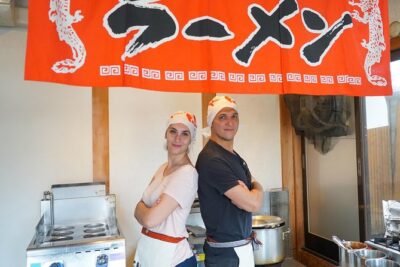
Ramen Cooking Class at Ramen Factory in Kyoto
Read our review →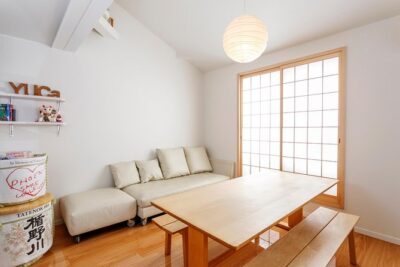
Ramen & Gyoza Cooking Class in Tokyo with Local Supermarket Visit
Read our review →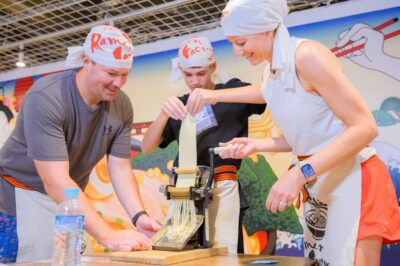
Ramen Cooking Class at a Ramen Factory with Souvenir
Read our review →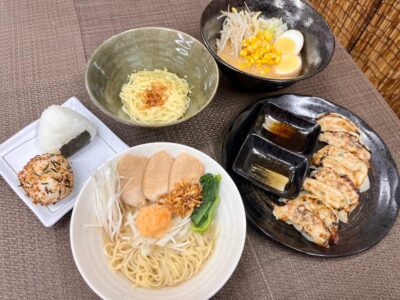
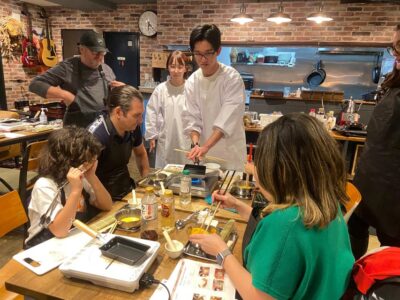
Japanese Washoku Bento Small Group Cooking Class
Read our review →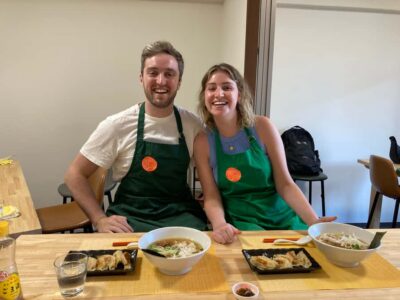
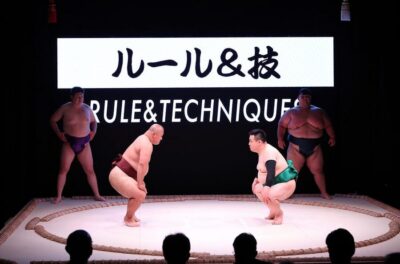
Sumo Stage Show with Bento or Snack + Fight & Photo
Read our review →
Ramen and Sushi Cooking Class with Sake Pairing Set in Tokyo
Read our review →Browse the lists this tour appears in