
Review · MATCHA & TEA CEREMONY SESSIONS
Kyoto: Japanese Traditional Sweets Making and Tea Ceremony
Kyoto can be loud, busy, and hot. This hands-on sweets-and-tea class is calmer, and it teaches you real technique, starting with Nerikiri and finishing with single-origin matcha. I like that you do actual shaping and coloring with bean paste, not just watch a demonstration. You also get to taste what you made with the matcha you prepared.
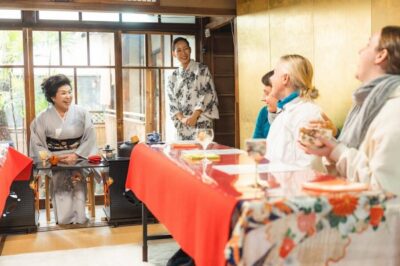
One thing to keep in mind: the “tea ceremony” portion can feel more like a class than a slow, silent performance, especially if the room is shared. Also, English support is provided as much as possible, but you may still catch more Japanese than you expect, and the venue requires stairs.
In This Review
- Kyoto Nerikiri and Matcha, Close To Gojo Station
- Key Points That Make This Worth Your Time
- Finding The Spot Near Gojo Station (And Getting In On Time)
- Step One: Make Nerikiri, Kyoto’s Seasonal Bean-Paste Art
- Step Two: Uji Matcha Tea Ceremony, With Real Preparation
- The Ingredient Story: Why Kyoto Bean Paste and Matcha Matter
- Timing, Pacing, and What the 95 Minutes Actually Feels Like
- Price and Extras: Where Your $18 Goes (and What Costs Extra)
- Who This Class Is Best For (And Who Might Want Another Option)
- Practical Tips So Your Class Runs Smooth
- Should You Book This Kyoto Nerikiri and Matcha Class?
- FAQ
- How long is the Kyoto Japanese Traditional Sweets Making and Tea Ceremony?
- Where is the meeting point?
- What sweets will I make?
- What matcha do you use?
- Is the class taught in English?
- Is it wheelchair accessible?
- Can I cancel and get a full refund?
Kyoto Nerikiri and Matcha, Close To Gojo Station
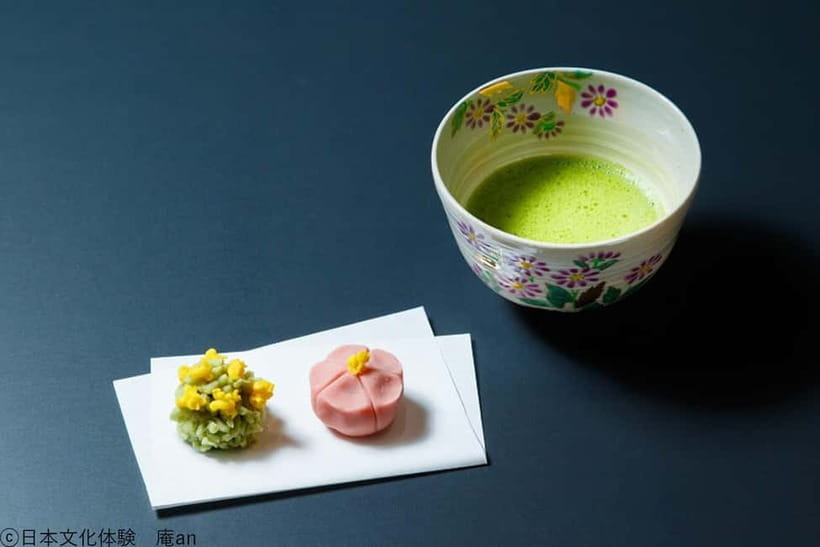
This is a 95-minute Kyoto experience focused on Japanese traditional sweets making and tea. You’ll start with Nerikiri, a high-grade sweet made from colored white bean paste shaped to look like seasonal flowers or fruit. Then you’ll move into tea, using Uji Matcha, and finish by enjoying the sweets you made with your own cup of matcha.
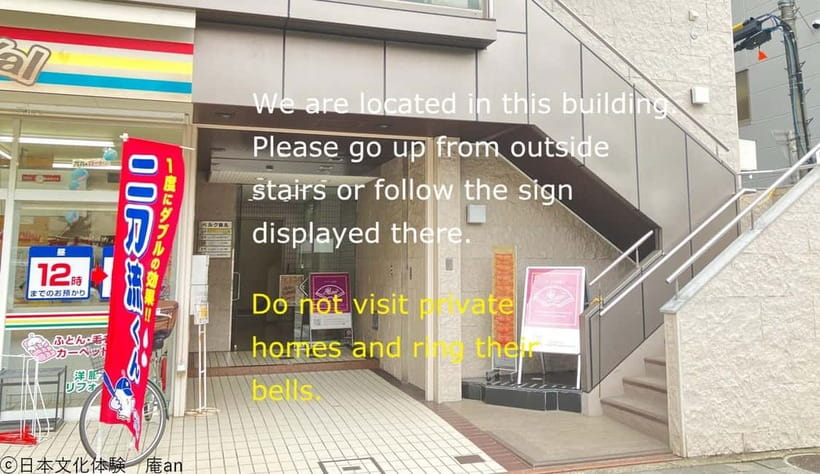
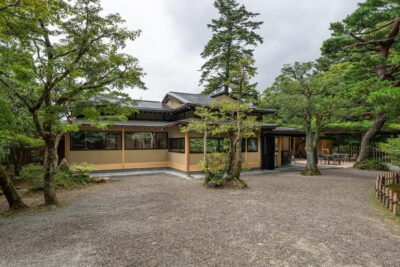
The location is very practical. You meet at a store that is about a minute walk from Exit 1 of the Karasuma Line Gojo Station. The entrance faces Gojo-dori, so you should be able to orient quickly. It also helps that the session runs through the daytime hours, 10:00 to 17:00.
Before you go, note the two practical constraints. The building has no elevator, so you’ll use stairs to reach each venue. And the staff can’t hold the event for delays, so aim to arrive a bit early rather than sprinting in on Kyoto time.
Key Points That Make This Worth Your Time
- Seasonal Nerikiri shaping, starting with coloring bean paste, not just assembling
- Two sweets you make yourself, matched to the season
- Uji Matcha tea ceremony, with you preparing the matcha before tasting
- Kyoto-sourced white/red bean paste from long-established shops, used in your sweets
- English translation provided as much as possible, with frequent instructor help when needed
- Good value for a hands-on class at about $18 per person, with extras optional
More Tea Ceremonies in Kyoto
- Kyoto: Tea Ceremony in a Traditional Tea House in Kiyomizu
★ 4.9 · 3,519 reviews - Kyoto: Tea Ceremony Ju-An at Jotokuji Temple
★ 4.9 · 3,207 reviews - Kyoto: 45-Minute Tea Ceremony Lesson Experience
★ 4.3 · 2,378 reviews
Finding The Spot Near Gojo Station (And Getting In On Time)
Your meeting point is straightforward: it’s about a one-minute walk from Exit 1 of the Karasuma Line Gojo Station. The store entrance faces Gojo-dori, which makes it easier to find compared to venues tucked behind side streets.
Timing matters here. The experience is scheduled for a set duration, and they won’t be able to accommodate delays. So I’d treat this like a cooking reservation, not a walk-in museum visit. If you are doing the morning Kyoto rush, schedule some buffer time so you are not rushing your last steps.
Also, the venue requires stairs. The tour is wheelchair accessible, but since there’s no elevator, you’ll want to be prepared for steps to reach each venue. If you have limited mobility, it’s smart to plan for that part of the route.
Step One: Make Nerikiri, Kyoto’s Seasonal Bean-Paste Art
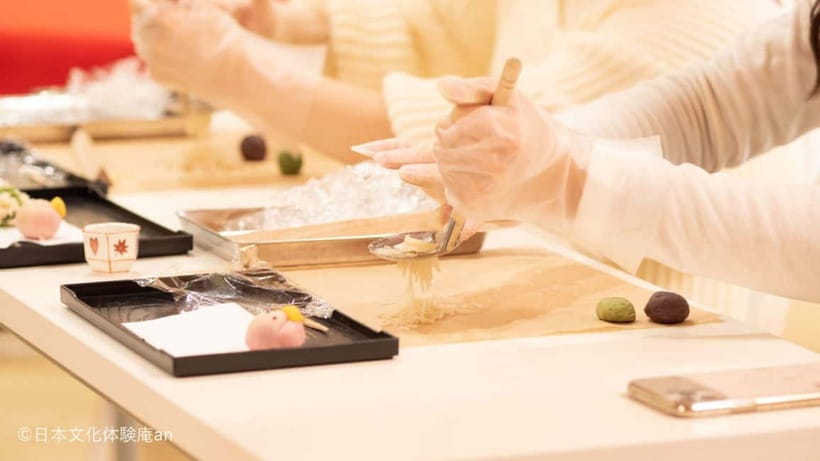
The centerpiece of the class is Nerikiri. This is not a basic sweet where you mix ingredients and call it done. The method is visual and tactile: you color the white bean paste first, then shape it to match seasonal themes. You’ll make two sweets, both designed to match the season.
Expect to work with white and red bean paste produced by Kyoto’s long-established shops. That matters because it affects texture and flavor. The class is built around using quality ingredients so your finished sweets taste right, even if you are not a “craft person.”
What you’ll do in plain terms:
- You begin by coloring the white bean paste
- You shape it into your Nerikiri pieces, based on the seasonal theme
- You follow the instructor step-by-step until your sweets are ready for tasting later
A big reason people love this part is that it feels creative without requiring artistic training. Coloring and shaping are the fun work. You also get to learn how a traditional sweet can be both edible and decorative, something you often do not see clearly from afar in a Kyoto shop window.
Step Two: Uji Matcha Tea Ceremony, With Real Preparation
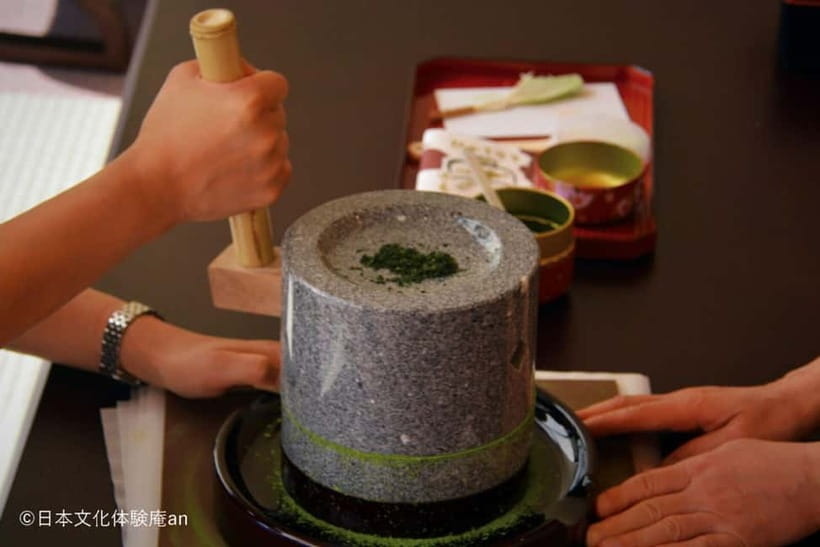
After the sweets, you shift into tea. The class uses Uji Matcha, and the structure is simple: you prepare your matcha, then you drink it with the sweets you made.
This is not just “watch and sip.” You’ll participate in the preparation, and then you’ll get to enjoy the finished pairing. The goal is understanding how matcha and Nerikiri connect in taste. The class emphasizes that the sweetness of the high-quality bean paste balances the flavor of matcha.
A small heads-up from how these sessions can run in real life: the tea portion may feel like a guided lesson more than a slow, meditative ceremony, depending on the room setup and group size. If you’re hoping for quiet drama and long pauses, set your expectations for an instructional format. If you want etiquette, technique, and a satisfying matcha break that you can repeat at home, you’re in the right place.
A different sort of day in Japan:
- PERFECT KYOTO 1-Day Bus Tour
★ 5.0 · 13,518 reviews - Kyoto: Fushimi Inari, Kinkakuji, Bamboo Grove 1 Day Bus Tour
★ 4.8 · 4,316 reviews - Kyoto Geisha Walking Tour: Gion District & Hidden Gems
★ 4.7 · 3,273 reviews - Kyoto: Gion Geisha District Walking Tour – Stories of Geisha
★ 4.7 · 2,187 reviews
The Ingredient Story: Why Kyoto Bean Paste and Matcha Matter
The class is built on two ingredient strengths.
First, the bean paste. You’ll use white/red bean paste made by long-established Kyoto shops. That’s not just a marketing line. When you’re coloring and shaping, bean paste quality changes how workable it feels. When you bite into your finished sweets later, it changes whether you taste clean sweetness or something flat.
Second, the matcha. The experience uses single-origin special matcha. In practical terms, single-origin often means the flavor is clearer and more focused, which helps when you’re learning. It’s easier to notice what’s happening with the taste when you are not mixing variables.
One of the best parts of this class is the pairing: you made the sweet, then you taste it with the matcha you prepared. It creates a quick feedback loop. You can immediately understand what the instructor is talking about when they say the bean paste sweetness balances matcha.
Timing, Pacing, and What the 95 Minutes Actually Feels Like
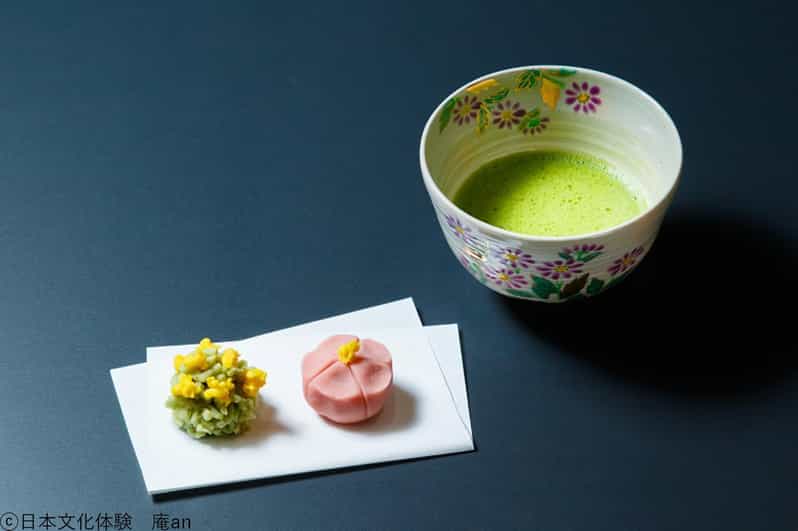
Ninety-five minutes sounds short, but this class uses that time with intent. You get enough structure to make two sweets and still have time to learn and taste.
Based on how past participants describe their experience, the pacing often depends on group composition. Many people say the instructor breaks steps down clearly and moves at a speed where everyone can keep up. Others note that the tea portion can be less satisfying if the room is shared with another group or if the session becomes rushed.
So here’s the practical way to plan your expectations:
- If your goal is hands-on making plus guided tea tasting, you’ll likely feel satisfied within the time
- If your goal is a long, quiet ceremony vibe, you may prefer a smaller or quieter option when possible
You don’t need to be an expert to do this well. You do need to pay attention to the instructor at the start, because Nerikiri shaping and coloring have specific steps. Once your hands are moving, it gets easier.
Price and Extras: Where Your $18 Goes (and What Costs Extra)
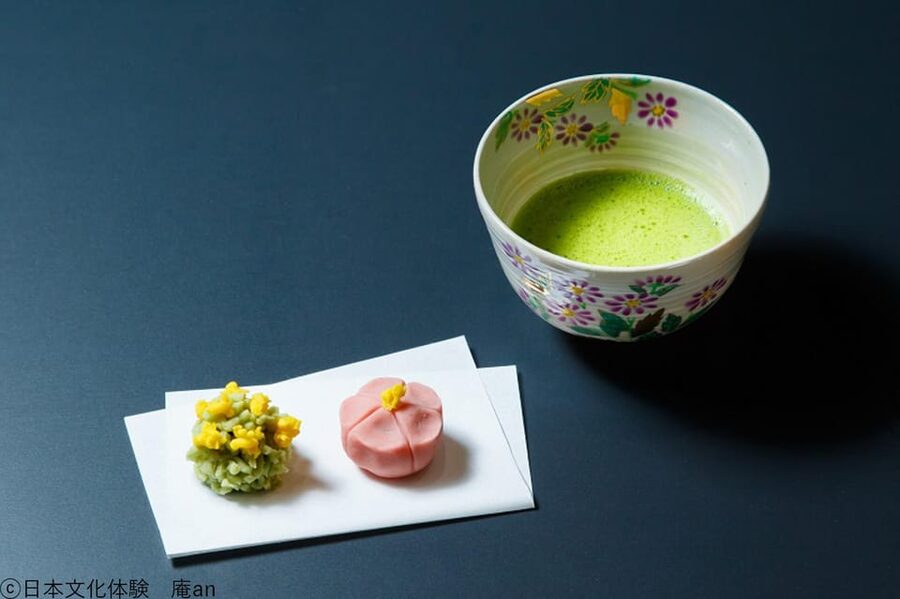
At about $18 per person for a 95-minute class, the value is solid for Kyoto. You are paying for three things: materials and instruction for sweets making, matcha preparation, and the final tasting time that ties it together.
Two optional extras show up:
- A sweets take-out box costs 100 JPY
- A completion certificate costs 300 JPY
My take: if you want souvenirs, the take-out box is worth considering because Nerikiri can be delicate. If you just want the experience, you probably do not need either add-on. The class already delivers the edible payoff right there in the room.
Also, one past tip that came up in feedback: if you see an optional helper fee in the booking flow, you might not need it unless you are traveling with a child. That’s not a guarantee, but it’s a useful reminder to double-check what’s actually required for your group size and needs.
Who This Class Is Best For (And Who Might Want Another Option)
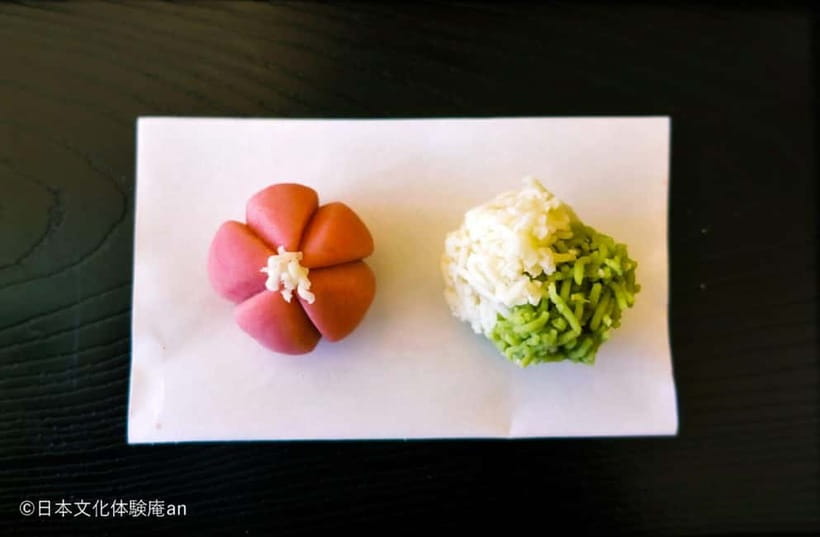
This is a great choice if you:
- Want a hands-on Kyoto activity that is not just eating
- Like matcha enough to learn something you can repeat at home
- Enjoy crafts that are structured, so you are not lost trying to copy steps
It can also work well as a “reset” during your Kyoto days. Several people mention it being a calming, indoor option, including on rainy afternoons.
It may be less ideal if:
- You are expecting a long, traditional tea performance with minimal interruptions
- You need strong English at every step, not just as much translation as possible
- You are sensitive to audio issues in shared rooms, since sometimes the room setup affects how clearly you hear instructions
Language is the main wildcard. The instructor is Japanese, and English translation is provided as much as possible. In practice, that often means you get help when needed, but you may still notice more Japanese than English at certain moments.
Practical Tips So Your Class Runs Smooth
A few small moves can make this experience better, fast:
- Arrive early. The experience can’t be held for delays.
- Wear comfortable clothing for shaping work. You’ll be handling paste and paying attention with your hands.
- If you care about hearing every step, consider that the room may sometimes host more than one group. Plan to be flexible.
- If you want to take sweets home, ask about the take-out box option and whether it is available for your session.
- If you are traveling with kids: children under 2 who sit on their parents’ laps are free of charge.
Should You Book This Kyoto Nerikiri and Matcha Class?
If you want something distinctly Kyoto that mixes food culture with craft, this class is a strong yes. You get two handmade seasonal Nerikiri sweets, a matcha preparation experience with Uji Matcha, and a tasting pairing that makes sense immediately. At about $18 for 95 minutes, it also lands in a reasonable value zone for a hands-on food activity in central Kyoto.
I would book it if you’re excited to shape sweets and learn the basics of matcha in a guided way. I’d hesitate only if you’re chasing a long, quiet, pure tea ceremony atmosphere, or if you need guaranteed English for every instruction. For most people, though, it’s an enjoyable Kyoto reset that ends with something you made and something delicious you can taste right then.
FAQ
How long is the Kyoto Japanese Traditional Sweets Making and Tea Ceremony?
The experience lasts 95 minutes.
Where is the meeting point?
It is about a one-minute walk from Exit 1 of the Subway Karasuma Line Gojo Station. The store entrance faces Gojo-dori.
What sweets will I make?
You will make two Japanese traditional sweets called Nerikiri, and they are matched to the season.
What matcha do you use?
You use Uji Matcha, and the experience also mentions single-origin special matcha.
Is the class taught in English?
English translation is provided as much as possible. The instructor is Japanese, and Japanese is the primary language.
Is it wheelchair accessible?
Yes, it is wheelchair accessible, but there is no elevator in the building, so stairs are needed to reach each venue.
Can I cancel and get a full refund?
Yes. You can cancel up to 24 hours in advance for a full refund.
More Dessert Tours in Kyoto
- Kyoto: Wagashi (Japanese sweets) Cooking near Fushimiinari
★ 5.0 · 40 reviews - Japanese Traditional Sweets ”Nerikiri” making
★ 4.3 · 17 reviews - 2 Types of Japanese Sweets making and Tea Ceremony
★ 4.6 · 17 reviews - Japanese Traditional Sweets making with Tatedashi Matcha
★ 4.3 · 6 reviews
Newly listed around Kyoto
- Taste of Nishiki Market Walking Food Tour with Local guide★ 5.0 · 17 reviews
- Kyoto: Sushi Making Class with Sushi Chef★ 4.8 · 64 reviews
- Simple Plan with Maiko★ 4.4 · 10 reviews
- Shibori Furoshiki Course at Kyoto Shibori Museum★ 5.0 · 21 reviews
- Kyoto: City Secrets eBike Tour★ 4.9 · 196 reviews
- Sacred Pathways: Discover the Philosopher’s Path of Kyoto★ 4.9 · 20 reviews
- Private Tour to Monkey Park and Arashiyama Highlights★ 5.0 · 22 reviews
- Private Nara Tour from Osaka – Meet at Your Hotel★ 5.0 · 22 reviews
Matcha & Tea Ceremony Sessions, compared.
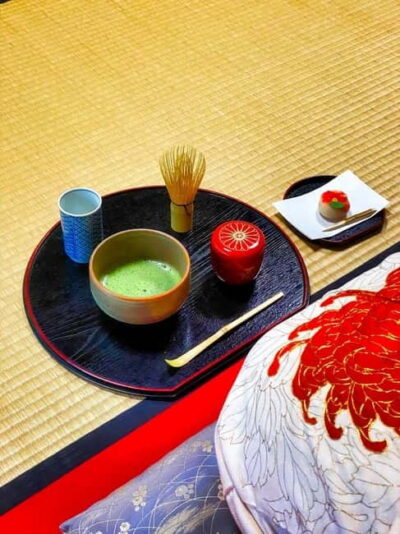
Tea Ceremony in a Traditional Tea House in Kiyomizu
Read our review →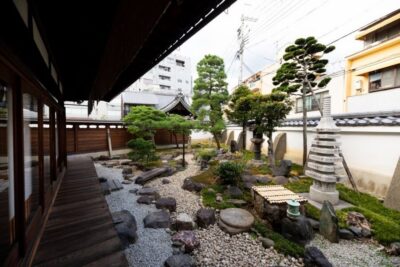
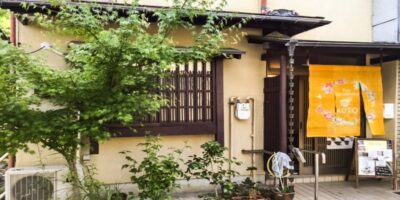
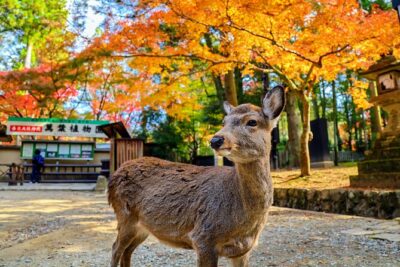
World Heritage Kyoto & Nara Uji Authentic Matcha Experience
Read our review →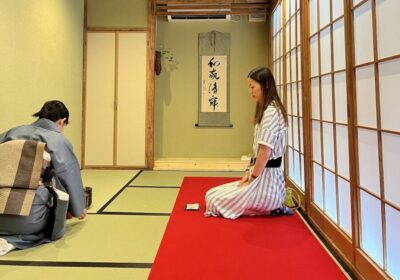
Browse the lists this tour appears in