
Review · MATCHA & TEA CEREMONY SESSIONS
Matcha Making Class in Tokyo with Authentic Japanese Sweets Set
A quiet hour that tastes like Japan. This class is interesting because you get hands-on matcha instruction in Asakusa, and you finish by sipping it with seasonal Japanese sweets. The one drawback to consider is that it is short, so it is not a full formal tea ceremony.
What makes it feel worth it is the mix of calm structure and personal attention. You are guided by friendly, English-speaking hosts with step-by-step coaching, and the group is kept small (max 30), which helps the leader spot what you are doing wrong and correct it fast. It also uses a mobile ticket, and you do not need hotel pickup since you meet at a specific spot near Kaminarimon.
I also like that you learn practical things you can repeat at home, like how to whisk for the right texture and how to spot better-quality matcha powder. It has a 5-star average rating across hundreds of reviews, and it has even been a two-time TripAdvisor Best of the Best award winner. If you want a quick, beginner-friendly intro, this fits neatly into a Tokyo itinerary.
In This Review
- Key takeaways from this Asakusa matcha class
- Asakusa Meeting Point: Get to Kaminarimon area with ease
- Inside the class: tools, powder quality, and iPad-guided basics
- Whisking technique: what you practice in about 1 hour
- Seasonal sweets pairing: the flavor lesson is real
- Hosts and pacing: friendly English guidance with small-group attention
- Photos, café setting, and the Asakusa atmosphere you feel
- Price and time value: $21.89 for technique plus sweets
- Who should book this matcha class, and who might skip it
- FAQ
- FAQ
- How long is the matcha making class?
- Do I need prior tea ceremony experience?
- What is included in the price?
- Is hotel pickup and drop-off included?
- Where is the meeting point?
- What is the group size limit?
- Do I get a mobile ticket?
- What is the cancellation policy?
- Should you book Matcha Making Tokyo in Asakusa?
Key takeaways from this Asakusa matcha class
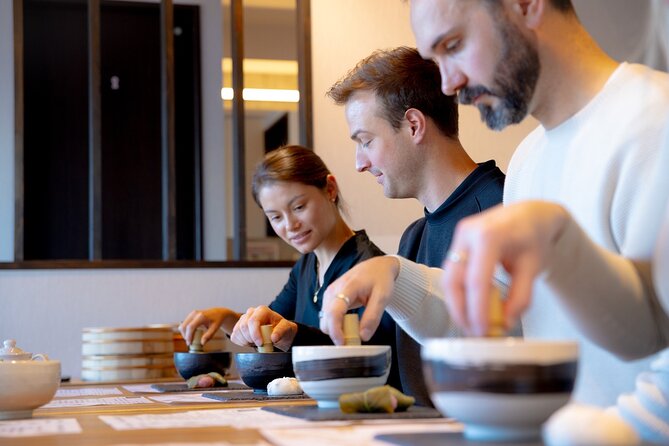
- Hands-on, step-by-step whisking with one-to-one coaching so you do not just watch and hope
- English-speaking hosts, including instructors named in feedback such as Hiya, Shuri, Rino, and Nama
- A short format (about 1 hour) that still covers history, technique, and how to choose good powder
- Seasonal Japanese sweets pairing that matches the flavor of your matcha
- Photo-friendly experience with help from the host for group and family pictures
- Asakusa vibes in a cozy café setting, sometimes in a traditional upstairs room with a river view
Asakusa Meeting Point: Get to Kaminarimon area with ease
This class is based in Asakusa, in the Kaminarimon area of Taito City, with the meeting point listed as 2-chōme-17-9 Kaminarimon, Taito City, Tokyo. In practice, that is a big plus because Asakusa is one of those neighborhoods where you can get your bearings quickly. You will be close to a classic Tokyo postcard scene, but you are still in a local pocket where food culture feels everyday, not staged.
No hotel pickup is included, so you will want to plan to arrive a little early and find the café space at your own pace. The good news is that it is near public transportation, which keeps it simple even if you are hopping around the city between activities. You also get a mobile ticket, so you are not scrambling for paper when you are on the move.
One more thing I appreciate in tours like this: the meeting point is the end point too. That means you do not have to worry about a confusing split up or getting dropped somewhere else after your tea break.
More Tea Ceremonies in Tokyo
- Kimono Tea Ceremony at Tokyo, Asakusa Maikoya
★ 5.0 · 638 reviews - Tokyo: Traditional Tea Ceremony with a Tea Master
★ 5.0 · 528 reviews - Tokyo: Matcha Making Experience with Mochi Sweets in Asakusa
★ 4.9 · 388 reviews
Inside the class: tools, powder quality, and iPad-guided basics
The workshop starts with introductions and an overview of matcha, then shifts quickly into doing. You will learn how to prepare traditional matcha step by step, using ceremonial techniques in a relaxed, beginner-friendly way. You are not expected to already know tea ceremony etiquette or terminology.
A detail I like from the way this class is taught is that the hosts may use an iPad with pictures while explaining how matcha is grown and what makes it different from regular green tea. That visual support matters if you are new to matcha and want to connect the dots without guessing.
You will also get guidance on choosing matcha powder. Multiple past participants mention learning how to spot higher-quality powder. The instructor shows you what to pay attention to, so you leave with a mental checklist you can use later if you buy matcha in Tokyo. Exact grading tips can vary by brand, but the core idea is consistent: better matcha tends to look and taste more refined, and the class helps you notice those differences.
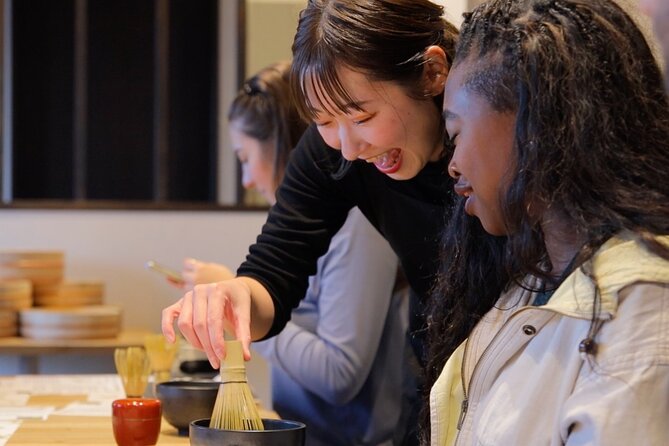
Then you move to the real heart of the experience, whisking. Expect traditional tools, a bowl you will learn to handle correctly, and coaching on consistency. Your goal is not to become a tea master by the end. It is to get the texture right so your cup tastes smooth, not flat or clumpy.
Whisking technique: what you practice in about 1 hour
This is the part that makes the class more than a snack break. You are not just sampling matcha, you are making it. With step-by-step instruction, you learn how to whisk matcha in a way that builds the right froth.
The hosts emphasize technique while keeping the pace comfortable. That matters because matcha can intimidate people who have never whisked it before. In this class, you are taught to adjust as you go, and because the group stays small, your instructor can give hands-on corrections rather than generic advice.
Here is what I think you should take away as the “at home” skill:
- You learn how to measure your process so the cup comes out consistent.
- You learn whisking control so it develops the creamy surface texture you want.
- You learn how matcha flavor changes depending on how it is prepared, so you can troubleshoot next time.
Even better, you learn the cultural significance behind the ceremony while you practice. That means you understand why the movements are done a certain way, instead of treating it like a random choreography.
One practical note: this is beginner-friendly and relaxed, and some feedback specifically notes that it avoids tea ceremony formality. So if you are scared of rules or silent-room seriousness, this should feel more like a skill workshop with culture built in.
Seasonal sweets pairing: the flavor lesson is real
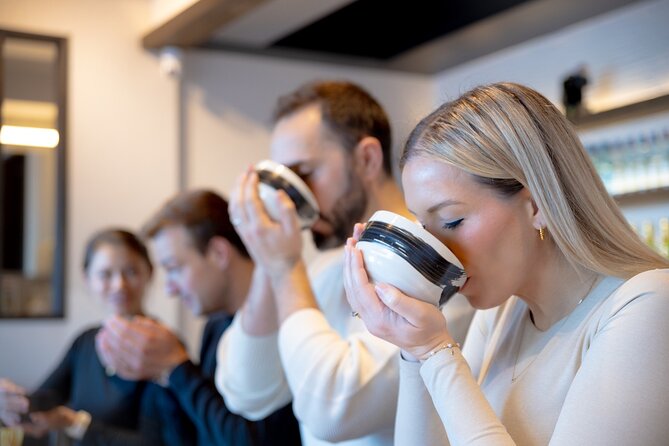
After you whisk, you get to enjoy your matcha with a set of traditional Japanese sweets. This is not an afterthought. Pairing is one of the easiest ways to learn matcha, because sweets highlight what your cup is doing.
Matcha has that distinct grassy, umami depth. The sweets are seasonal, so they are meant to work with the day’s flavors, not overpower them. This pairing also keeps the experience balanced: if your matcha turns out slightly strong or lightly under-whisked, the sweetness can smooth the edges and make the cup still enjoyable.
You should plan on treating this as part of the lesson, not just dessert. When you take your first sip, pay attention to how the sweetness changes the taste of your matcha. That is one of the fastest ways to understand why ceremonial preparation matters. It also makes the whole hour feel like a real meal-sized moment, even though it is short.
A different sort of day in Japan:
- Mt Fuji and Hakone 1-Day Bus Tour Return by Bullet Train
★ 5.0 · 26,383 reviews - 1-Day Tokyo Bus Tour
★ 5.0 · 14,250 reviews - Tokyo: TOKYO SKYTREE® Admission ticket
★ 4.5 · 11,192 reviews - Tokyo: teamLab Planets TOKYO Digital Art Museum Entry Ticket
★ 4.6 · 9,779 reviews
Hosts and pacing: friendly English guidance with small-group attention
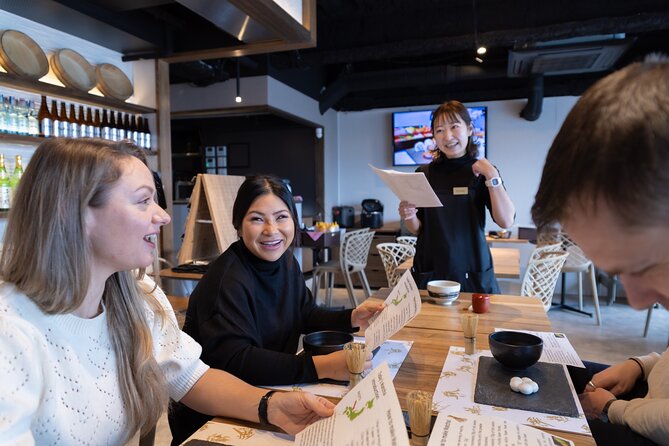
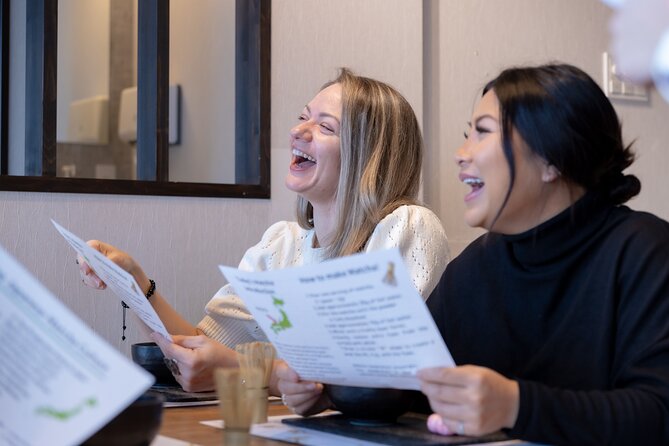
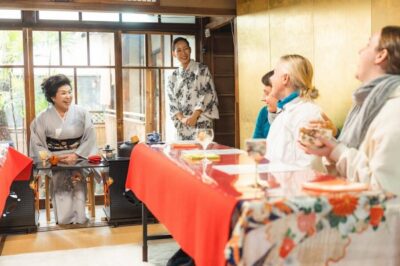
The biggest compliment in feedback is about the hosts and the feel of the class. English-speaking guidance is built into the experience, and participants mention hosts as welcoming and patient. Names that appear in past feedback include Hiya, Shuri, Rino, and Nama. If you have language anxiety, this matters, because you can ask questions and get clear answers.
Pacing also seems well managed. The format is structured enough to teach step by step, but not so strict that you feel stressed about getting it perfect. One review notes how someone arrived early and was allowed to wait comfortably in the café, which tells you the setting is more relaxed than a hard-clock demo.
Another small touch people mention: the host may help you take a family photo. That sounds minor, but it actually changes how you remember the experience. You are not just leaving with a cup, you leave with a picture that anchors the memory.
Finally, the teaching style includes interaction. One review described the class as fun and engaging, including for kids. So if you travel as a family, this kind of active instruction can keep everyone from zoning out.
Photos, café setting, and the Asakusa atmosphere you feel
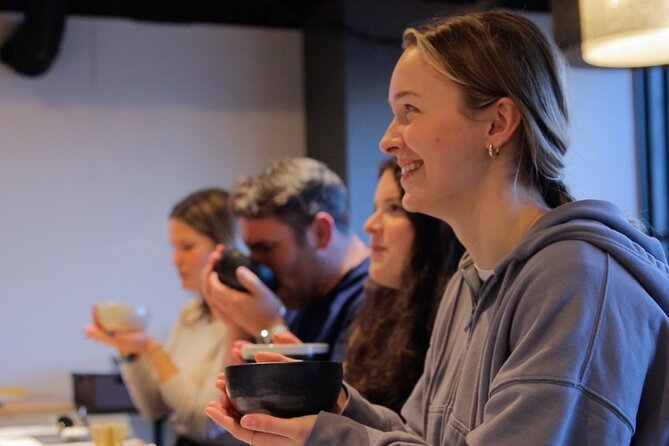
This class takes place in a café setting. Some participants describe an upstairs nook in the café and even traditional floor-style seating. If you prefer a very standard table-and-chair setup, that is the one logistical style element to consider.
On top of that, at least one participant mentions a view along the river. That is not guaranteed every session, but if your class time aligns with a room that faces the water, you might get that extra calm Tokyo moment without leaving Asakusa.
Photo-wise, you are in a comfortable, photogenic environment. The class is structured around making and then enjoying matcha, which gives you natural photo opportunities: the tools, the whisking moment, and the final cup. If you want a clean set of images, ask your host for a group shot after you finish.
This is also a good time to slow down in Tokyo. You are not racing to a shrine, not hunting for a reservation, not standing in a line. You are sitting, learning, and sipping.
Price and time value: $21.89 for technique plus sweets
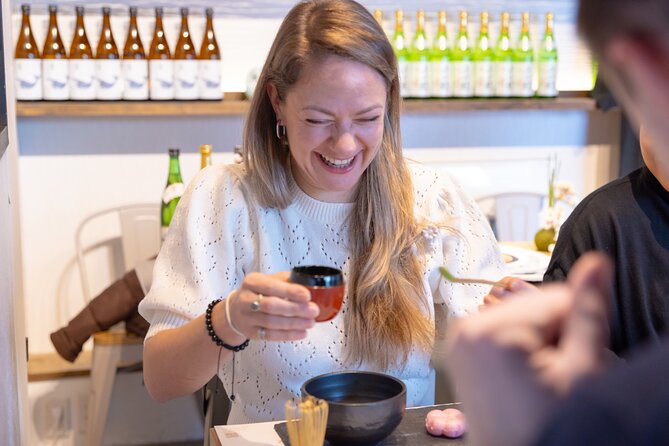
Let’s talk value. The price is listed as $21.89 per person for about 1 hour. For a Tokyo activity, that is a very workable rate, especially because it includes both an English-speaking instructor and your matcha with Japanese sweets. You are paying for teaching time, not just product tasting.
What makes it feel like good value is that you leave with a skill. If you only tasted matcha, it would be enjoyable but forgettable. Here, you practice the technique with guidance and learn what better matcha powder looks like, which means the experience continues after the class.
The short duration is part of the tradeoff. You get a quick snapshot of matcha culture and technique, not a long, multi-course, fully formal ceremony. If that is what you want, you might prefer a longer tea ceremony experience elsewhere in Tokyo. But if you want hands-on learning you can fit into a day, this is priced and timed in a smart way.
No hotel pickup also helps keep the price down. You are expected to make your way to the meeting point yourself, which is normal for short food and drink classes in central neighborhoods.
Who should book this matcha class, and who might skip it
Book it if:
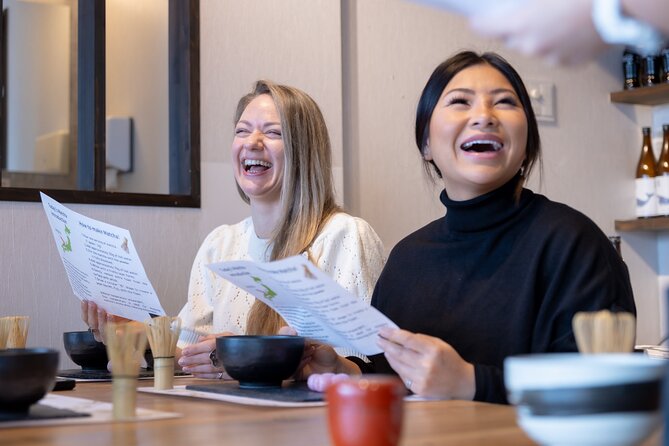
- You are a beginner and want guided matcha whisking without ceremony stress.
- You want a small-group, hands-on class instead of a passive tasting.
- You want a culture-and-food activity that ends with something you can actually eat and drink.
- You are traveling with kids and want a fun, interactive experience.
You might skip it if:
- You are specifically hunting for a long, highly formal tea ceremony with extended ritual and multiple stages.
- You want a class that runs longer than an hour and includes more advanced technique.
Also, if you are sensitive about seating, check the room setup when you arrive. Some sessions may use traditional floor-style seating, based on past descriptions.
FAQ
FAQ
How long is the matcha making class?
The class lasts about 1 hour.
Do I need prior tea ceremony experience?
No prior tea ceremony experience is required.
What is included in the price?
Your price includes an English-speaking instructor and matcha with Japanese sweets.
Is hotel pickup and drop-off included?
No. Hotel pickup and drop-off are not included, and the activity ends back at the meeting point.
Where is the meeting point?
The meeting point is Matcha Making Tokyo | Cooking Class in Japan, 2-chōme-17-9 Kaminarimon, Taito City, Tokyo 111-0034, Japan.
What is the group size limit?
This activity has a maximum of 30 travelers.
Do I get a mobile ticket?
Yes, the tour includes a mobile ticket.
What is the cancellation policy?
Free cancellation is available up to 24 hours in advance for a full refund. If you cancel less than 24 hours before the start time, the amount paid will not be refunded.
Should you book Matcha Making Tokyo in Asakusa?
Yes, if you want a short, friendly, hands-on matcha workshop that teaches practical technique and finishes with seasonal sweets. I especially like it for first-timers because the instruction is guided, the hosts speak English, and the class format gives you enough repetition to actually learn something you can try at home.
If you have your heart set on a long, formal tea ceremony with extended ritual, then this might feel too compact. But for most travelers, this is a smart value play: one hour, one location, real skills, and a tasty payoff.
More Dessert Tours in Tokyo
- Sweets Making and Kimono Tea Ceremony at Tokyo Maikoya
★ 5.0 · 57 reviews - Japanese Traditional Sweets making and Tea Ceremony
★ 4.7 · 50 reviews - Tokyo: Two Types of Japanese Sweets Making and Tea Ceremony
★ 4.6 · 26 reviews - Japanese Traditional Sweets making
★ 4.1 · 19 reviews
Newly listed around Tokyo
- Tokyo private transfer for Yokohama Port★ 4.5 · 63 reviews
- Luxury Kimono Photoshoot at Ginza Tokyo★ 5.0 · 7 reviews
- Tokyo Allstar Food Tour★ 4.5 · 206 reviews
- Tokyo Art Aquarium Museum E-Ticket with optional Tokyo Metro Pass★ 5.0 · 17 reviews
- Tokyo: Best Ginza Food Tour at 3 Local Eateries★ 5.0 · 83 reviews
- Private One Day Nikko Tour with Bilingual driver★ 3.5 · 11 reviews
- PRIVATE tour in 180SX to Daikoku+++++★ 5.0 · 6 reviews
- Kabuki Talk★ 5.0 · 10 reviews
Matcha & Tea Ceremony Sessions, compared.
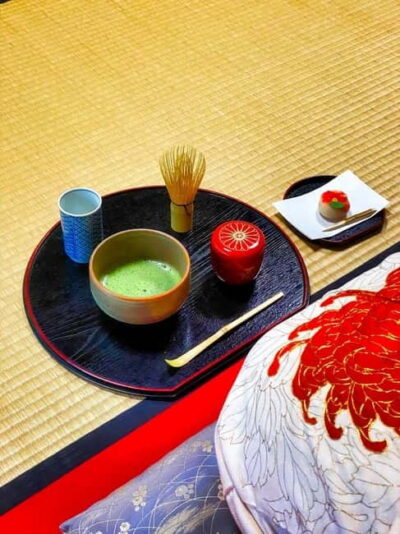
Tea Ceremony in a Traditional Tea House in Kiyomizu
Read our review →
World Heritage Kyoto & Nara Uji Authentic Matcha Experience
Read our review →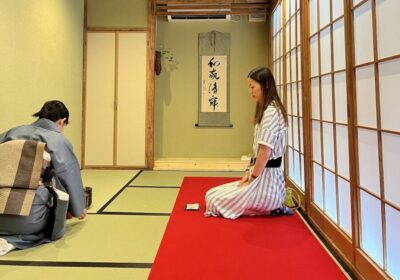
Browse the lists this tour appears in