
Review · LICENSED GUIDES & PRIVATE DRIVERS
Naoshima FullDay Private Tour with Government-Licensed Guide
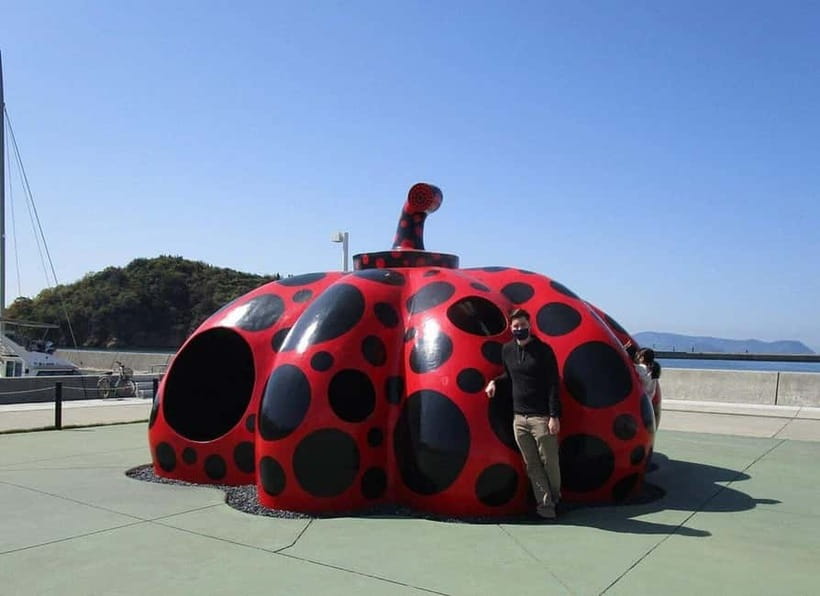
Naoshima is art, not a day trip. This private full-day tour lets you shape your own path across the island’s contemporary sites with a government-licensed English-speaking guide, and I like how that turns a self-guided scramble into a smooth plan. I also like that you can pace the day around what you actually want, from museum-style stops to architect-built spaces. One drawback to know up front: it’s a walking day tour with no private vehicle included, so you may need taxis or public transit between locations.
To make the day work, you pick 3 to 4 sites from the provider’s options after booking, and your guide helps you hit the right timing and sequence. In the best-case scenario, you leave feeling like you understood the art and the place, not just collected photos. It is especially satisfying if you are the type who wants context for what you are seeing, and someone to help you avoid wasting time.
In This Review
- Key Points at a Glance
- Build Your Own Naoshima Day, Then Let the Guide Fix the Timing
- Government-Licensed English Guides Make the Art Make Sense
- Walking-First Means You Need Shoes, Not a Private Van
- Choosing 3 to 4 Sites: How to Pick Without Regretting It
- What Your Guide Helps You Do Between Stops
- Ando, Triennale, and the Why-This-Spot Matters Feeling
- Value Check: Is $196 Per Person a Good Deal?
- How to Get the Best Day Out of Your Custom Route
- Practical Details That Affect Your Comfort
- Who This Tour Suits Best
- Should You Book This Private Full-Day Naoshima Tour?
- FAQ
- How many sites can I visit during the tour?
- Is this tour a private group?
- What languages does the guide speak?
- Is transportation by private vehicle included?
- What should I have with me for costs during the day?
- Where do I meet the guide?
- How long is the tour?
- Is the tour wheelchair accessible?
- Is there free cancellation?
Key Points at a Glance
- Government-licensed English guide for clear explanations and practical help.
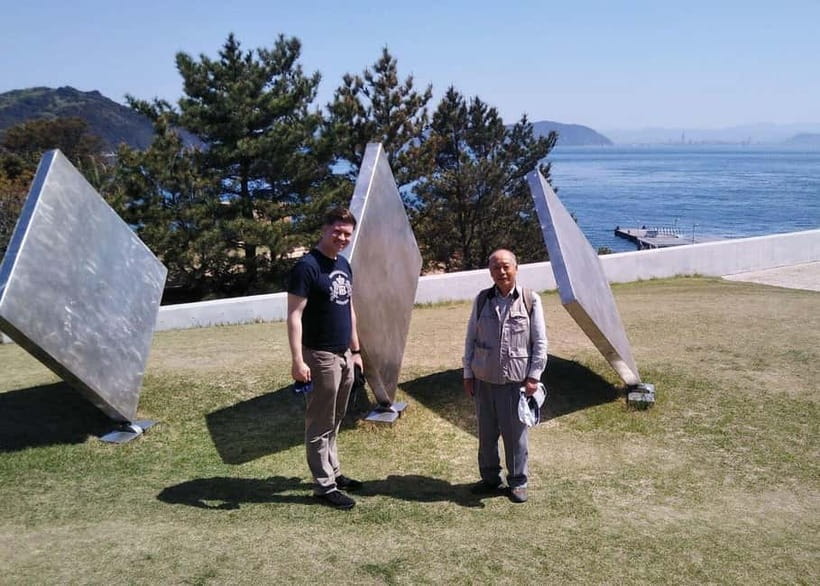
- Custom route, 3 to 4 sites so you can steer toward history, culture, or art.
- Walking-first format with local taxis or public transit when needed.
- Timing and bookings support (including help arranging taxis between stops).
- Great fit for architecture and contemporary art fans, including Tadao Ando focused days.
- Private group control so you can move at your pace without tour-group pressure.
Build Your Own Naoshima Day, Then Let the Guide Fix the Timing
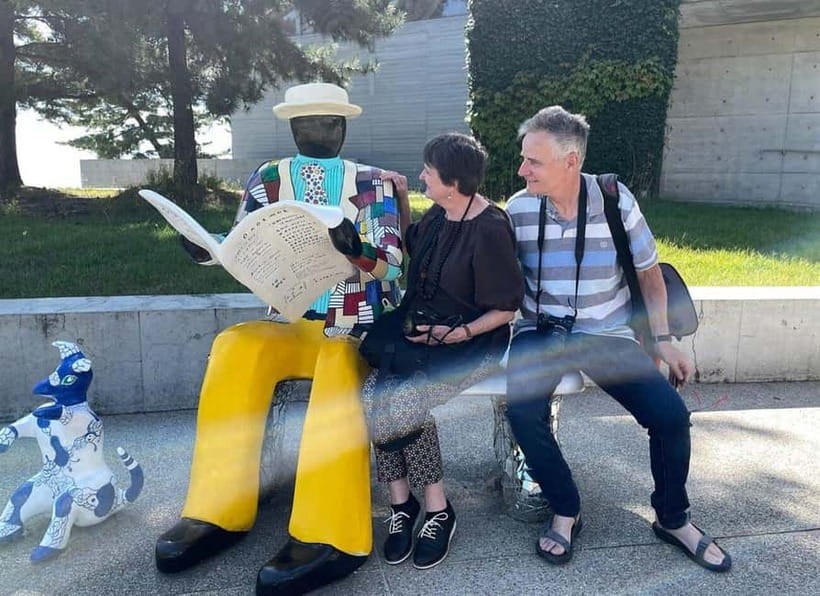
Naoshima can be confusing if you land with only a rough list. Sites feel spread out, and the art is not the kind you rush through. This tour solves that with a simple setup: you choose 3 to 4 sites, and your guide builds a route around them.
What I like most is the flexibility. If you want to lean into the island’s transformation from rural quiet to an international contemporary-art destination, you can. If you care more about culture and history, you can. If your heart is set on architectural design, you can steer the day that way too.
The guide’s job is not just translating. It is planning the flow so you spend time on the works, not on logistics. One of the strongest patterns from real guide experiences is that they help with transport choices, timing, and even practical arrangements, so you keep moving and still feel un-rushed.
More Private Guides in Japan:
- Tokyo 6hr Private Tour with Government-Licensed Guide
★ 5.0 · 3,902 reviews - Kyoto Early Morning Tour with English-Speaking Guide
★ 5.0 · 1,427 reviews - Tokyo 4hr Private Tour with Government-Licensed Guide
★ 5.0 · 1,394 reviews
Government-Licensed English Guides Make the Art Make Sense
On Naoshima, the art often depends on where it sits. Light, angles, and the surrounding rural setting matter. Having a guide who can explain that in English is the difference between seeing objects and understanding why the experience works.
You will also appreciate that the tour is described as a government-licensed local guide. That tends to correlate with consistency in how information is delivered and how schedules are managed.
From the guide names I saw tied to top experiences, you may be led by people like Kaji, Ray, Mari, Mika, or Yoko Miyake. Different personalities, same idea: a plan that supports your pace, plus care in how the guide talks through installations and architecture. In a few standout days, guides went beyond narration and helped with transfers and timing so the group could hit everything planned without stress.
Walking-First Means You Need Shoes, Not a Private Van
This is a walking day tour, and a private vehicle is not included. That matters because Naoshima works best when you are ready to move.
The tour also notes that public transportation or local taxis may be used between sites. Exact costs are something you can discuss with the guide after reservation, and you should have Japanese yen on hand for those transport expenses. That is a small planning step, but it prevents awkward moments when you are standing there with no cash.
So what should you do? Wear comfortable walking shoes you can handle on uneven ground. Plan to move between stops, even if your route includes some ride segments. If you have limited mobility, note the tour is listed as wheelchair accessible, but because this is still a walking format, you should confirm the practical details with the provider after you reserve.
Choosing 3 to 4 Sites: How to Pick Without Regretting It
You are not trying to see everything on Naoshima in 8 hours. You are trying to get a coherent day that matches your interests. The tour’s structure helps, because it caps you at 3 to 4 sites, not 8.
Here is how I would choose, using the themes the tour highlights:
- Art and contemporary installations: Pick sites that are known for being made for their exact locations. These often work best when you slow down, look from multiple angles, and read the space as part of the artwork.
- Museum-style spaces: Choose at least one museum-type stop if you want a stronger narrative and a more contained experience.
- Architecture-led stops: If you want Tadao Ando architecture, plan for a route where the design is the main story. One memorable day focused on Ando and managed to visit five of his buildings because the schedule was built thoughtfully. That kind of efficiency is exactly what a good route planner enables.
- History and culture: If you want the human side of the island, combine one culture-leaning stop with an art site. You get contrast, and the island transformation becomes easier to grasp.
A practical tip: when you message your guide after reserving, be clear about your must-sees and your no-thanks. If you are not interested in a certain angle of contemporary art, say so. A customized route works best when the guide knows what you will actually enjoy.
A few more Japan days to weigh up
- Private Tour to Mt. Fuji and Hakone (Fully Licenced Operator)
★ 5.0 · 1,910 reviews - Fushimi Inari Hidden Hiking Tour (Private Option Available)
★ 5.0 · 1,750 reviews - Private Kyoto Tour with a Local, Highlights & Hidden Gems, Personalised
★ 5.0 · 1,543 reviews - Tokyo Customized Private Tour (Must See Places in 1 Day)
★ 5.0 · 1,499 reviews
What Your Guide Helps You Do Between Stops
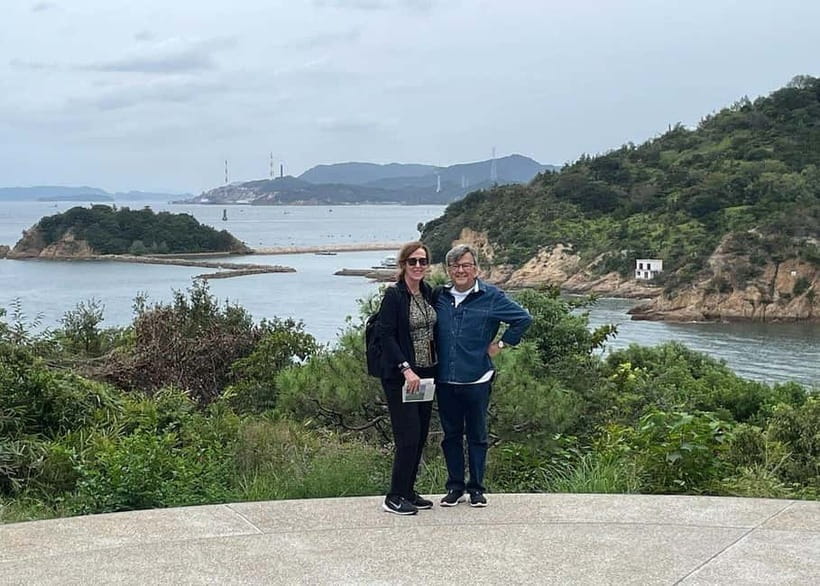
Naoshima days succeed or fail on the gaps. Between installations and buildings, you either waste time or you keep your energy focused.
A strong guide day often includes:
- Help with transport choices between locations, sometimes with taxis to reduce walking time.
- Assistance to keep your schedule on track, including pacing suggestions.
- Support with bookings where needed, so you do not lose time hunting for tickets or figuring out access rules.
In several highly rated experiences, guides explicitly handled transport logistics and timing so the day ran smoothly. In one Ando-focused day, the guide even suggested adding a newly opened Ando-designed museum that had just started. That is not something you can count on, but it shows what good guides do: they watch for opportunities that improve your route, not just the default list.
Ando, Triennale, and the Why-This-Spot Matters Feeling
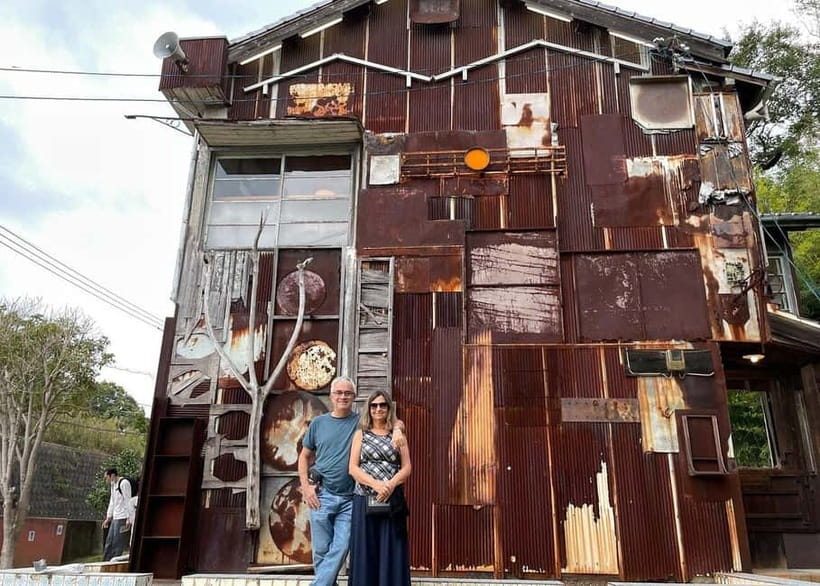
Naoshima’s art identity is tied to serious architecture and carefully designed spaces. If your interests overlap with that, this tour is a strong match.
For example, if you select stops connected to the Triennale, expect a day where the installations are part of a larger program and you will want time to understand how the work changes your relationship to the environment. The same goes for architect-designed buildings: the “wow” is often in light, spacing, and how movement through a building shapes what you notice.
One of the most practical insights I can give: do not rush these spaces back to back. If you choose two architecture-heavy stops, add breaks mentally and physically. You will get more from each site when your brain has time to recalibrate.
If you want a “story arc” to your day, build your route so it alternates between:
- a place where you focus on design and form, and
- a place where you focus on the art’s interaction with the outdoors.
That rhythm makes the island feel like a connected experience instead of separate rooms.
Value Check: Is $196 Per Person a Good Deal?
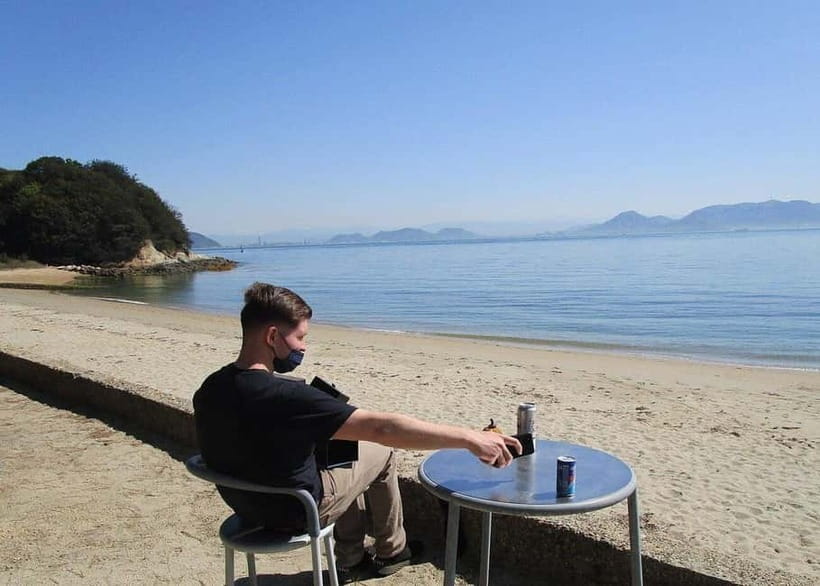
At $196 per person for an 8-hour private tour, you are paying for time, local expertise, and route management. If you were planning this alone, you would spend time researching which sites to prioritize, how to move between them, and what each stop is actually about.
So the value depends on you. If you:
- care about understanding contemporary art and architecture, and
- want the schedule built around your interests, and
- prefer not to coordinate taxis, timing, and explanations on your own,
then this price is easier to justify.
The cost becomes more attractive because the tour is private and government-licensed, with English-speaking guidance and customization. Plus, guides are described as handling practical help like transport coordination and timing support. That is real value on an island where distance and design-based pacing can throw off an unplanned day.
If you are traveling super fast, speak Japanese comfortably, and already have a tight plan for specific Naoshima sites, you might be able to do this cheaper on your own. But you would likely be trading away the “smooth day” factor that makes people rate this so highly.
How to Get the Best Day Out of Your Custom Route
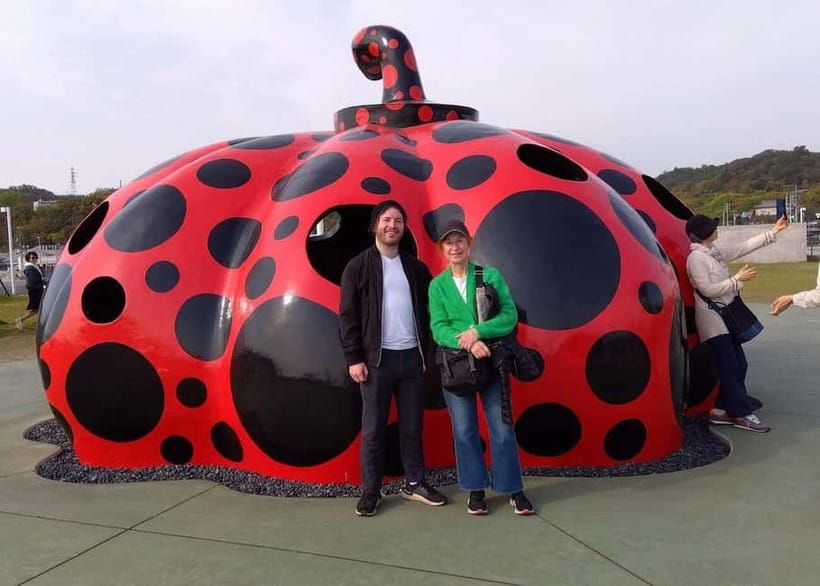
This is the part you can control. A good custom day is not luck.
Before you go, message your guide with:
- your top 3 or 4 interests (architecture, contemporary installations, culture/history, museums),
- any mobility limits or walking tolerance,
- your preferred pacing (relaxed versus packed),
- and whether you want time to stop for photos and slow viewing.
Then ask your guide a targeted question once you reserve and your schedule is being built, like:
- What order would you choose to reduce transfers and keep the best light/time for the sites we selected?
In multiple standout experiences, guides planned routes that avoided feeling rushed. That is what you want: not just a list of stops, but a day with a believable rhythm.
Also, budget for transit costs between sites. The tour says you should have yen on hand for local transportation expenses, and transport costs can be discussed with the guide after reservation. I would bring extra cash just to stay calm.
Practical Details That Affect Your Comfort
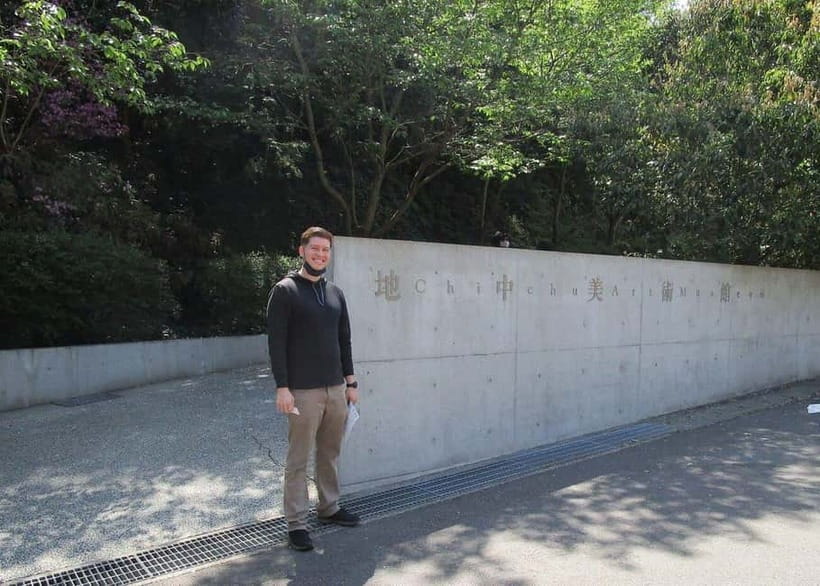
A few basics will shape your day more than you think:
- Meet up area: The tour notes meeting on foot within a designated area of Naoshima and a nearby port. It also states pickup may be available with the guide waiting in your hotel lobby or train station you request about 10 minutes before pickup time. Plan for both realities by being ready to meet your guide promptly at your scheduled location.
- No private vehicle: Expect some combination of walking plus local transit. If you hate stairs, uneven pavement, or long walks, tell your guide early.
- Entrance fees and lunch are not included: You will need money for entrance fees, and you should plan for lunch separately.
- You can visit 3 to 4 sites: Do not overstuff the day. Choose fewer stops if they are the ones you care about most.
Who This Tour Suits Best
This tour is ideal if you:
- love contemporary art and want it explained in English,
- care about architecture and want a thoughtful route,
- want a private day with less stress around timing and transfers,
- and appreciate having someone help you plan a coherent island experience.
It is also a good choice if you are visiting alongside another art stop day, because a guide who plans well can help you connect the dots. One example included help planning a follow-on trip to Teshima, which shows how efficiently a strong guide can think beyond just the single day.
Should You Book This Private Full-Day Naoshima Tour?
I would book this if you want a guided Naoshima day that feels intentional. At $196 per person, you are not just buying entry-point information, you are buying planning that protects your time and your attention.
Skip it or rethink if:
- you plan to do only a quick, casual scan of a few artworks and you do not care about explanations,
- you want a low-walking day with a car replacing transfers,
- or you are already comfortable building your own route and handling all logistics without help.
If you fall into the first group, this is a smart way to see Naoshima. Pick your interests, ask for a route that supports your pace, and expect the guide to help you turn the island into a story, not a checklist.
FAQ
How many sites can I visit during the tour?
You can visit 3 to 4 sites from the selectable list. You will communicate with your guide after reservation about which sights you want to see.
Is this tour a private group?
Yes, it is a private group.
What languages does the guide speak?
The tour includes a live guide in English and Japanese.
Is transportation by private vehicle included?
No, a private vehicle is not included. The tour is walking-based, and public transportation or local taxis may be used between sites.
What should I have with me for costs during the day?
The tour notes that you should have Japanese yen on hand for transportation costs between sites. Entrance fees and lunch are also not included.
Where do I meet the guide?
You meet the guide on foot within a designated area of Naoshima and a nearby port. The information also mentions pickup where your guide may be waiting in the hotel lobby or train station you request about 10 minutes before pickup time.
How long is the tour?
The duration is 8 hours.
Is the tour wheelchair accessible?
Yes, it is listed as wheelchair accessible.
Is there free cancellation?
Yes. You can cancel up to 24 hours in advance for a full refund.
Newly listed around Japan
- Hiroshima and Miyajima 1 Day Walking Tour★ 5.0 · 43 reviews
- Hiroshima and Miyajima 1 Day Cruise Tour★ 5.0 · 24 reviews
- Hiroshima & Miyajima: UNESCO A-Bomb Dome & Itsukushima with Local★ 5.0 · 25 reviews
- Hiroshima & Miyajima: Private Full-Day Tour with a Local Guide★ 5.0 · 39 reviews
- Hiroshima 5k Running Tour of Hijiyama Park★ 5.0 · 7 reviews
- Hiroshima and Miyajima Bus Tour with Indian Lunch★ 5.0 · 10 reviews
- Hiroshima and Miyajima 1 Day Bus Tour★ 4.5 · 145 reviews
- Hiroshima Peace Memorial and Atomic Bomb Dome Private Tour★ 5.0 · 37 reviews
Licensed Guides & Private Drivers, compared.
Tokyo 6hr Private Tour with Government-Licensed Guide
Read our review →
Kyoto Early Morning Tour with English-Speaking Guide
Read our review →
Tokyo 4hr Private Tour with Government-Licensed Guide
Read our review →
Kyoto 6hr Private Tour with Government-Licensed Guide
Read our review →
Hiroshima / Miyajima Full-day Private Tour with Government Licensed Guide
Read our review →Early Morning Tour with English-Speaking Guide
Read our review →
Tokyo Private Sightseeing Tour by Car- English speaking chauffeur
Read our review →
Mt Fuji Private Tour with English Speaking Driver
Read our review →Browse the lists this tour appears in