
Review · NARA DEER PARK TRIPS
Nara: Great Buddha, Kasuga Shrine & Deer Park Tour
Three stops, one sacred afternoon.
This Nara tour strings together Nara Park deer time, Kasuga Taisha’s lantern-lined paths, and the Todai-ji Great Buddha Hall in just a few hours. You’re also getting a guided look at why Nara was Japan’s first permanent capital and how Shinto and Buddhism still shape daily life here.
I love that you get the tools to do the deer properly, with shika senbei provided for feeding. I also love how the guides, like Takashi and Teppei, explain the meaning behind what you’re seeing, not just the names on the signs. One drawback to plan for is the amount of walking and steps, so comfortable shoes matter.
In This Review
- Quick highlights to know before you go
- Starting at Himuro Shrine, with an easy meet-up
- Nara Park deer time: shika senbei and sacred messengers
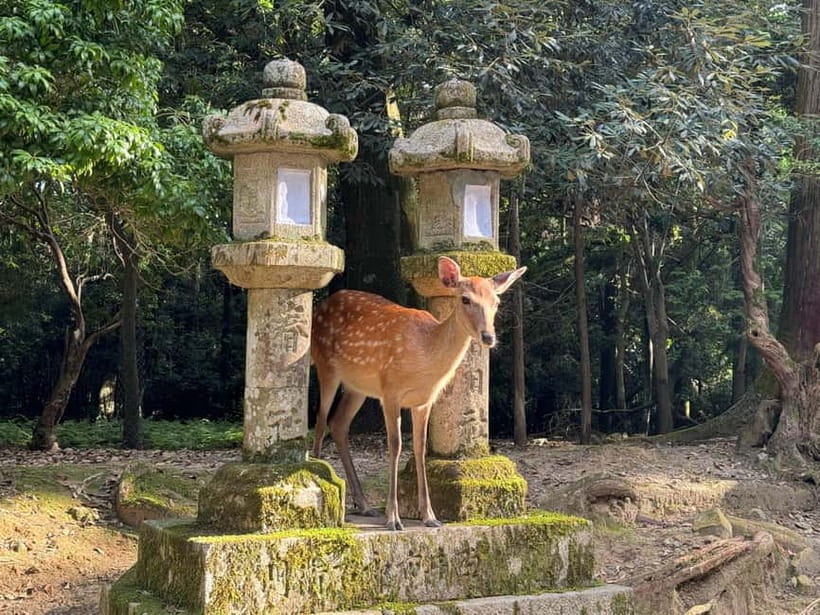
- Kasuga Taisha: lantern-lined paths under a primeval forest
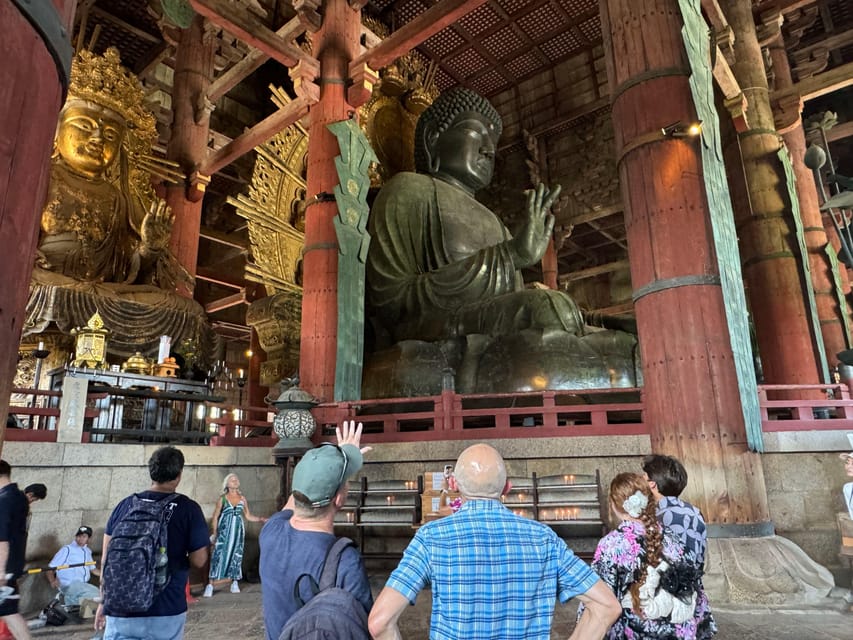
- Todai-ji Great Buddha Hall: seeing Daibutsu up close
- How $77 for 3 hours feels fair (and what you should expect)
- Guides make the difference: how you get more from every stop
- Where the tour ends, and what to do next
- Should you book this Nara: Great Buddha, Kasuga Shrine & Deer Park Tour?
- FAQ
- What is the duration of the Nara Great Buddha, Kasuga Shrine & Deer Park Tour?
- Where does the tour start?
- What are the main stops during the tour?
- Is admission included for Todai-ji and Kasuga Taisha?
- Are deer crackers included for feeding the deer?
- Do I need to bring food or pay for meals during the tour?
- How long is the visit at each stop?
- Is transportation included to and from the meeting point?
- What languages are available for the guide?
- Can I book with free cancellation and flexible payment?
Quick highlights to know before you go
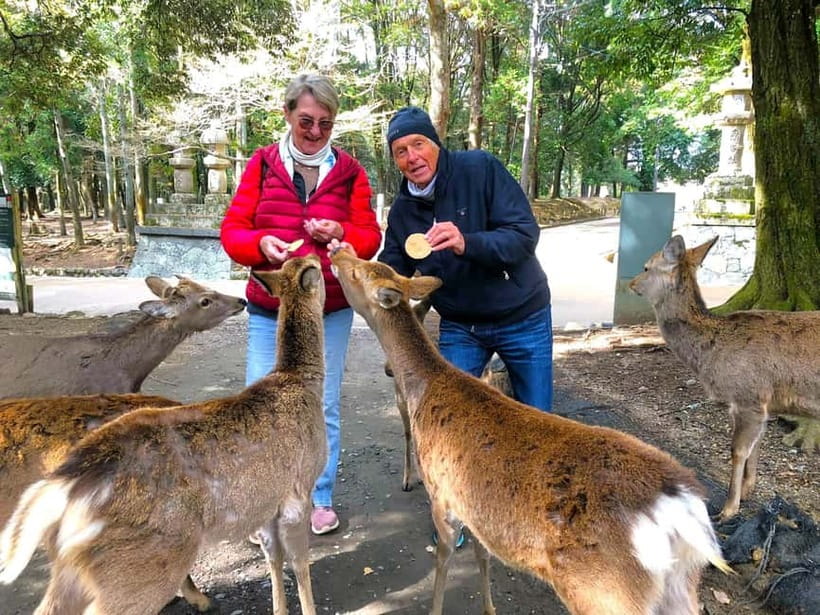
- Deer feeding at Nara Park with shika senbei, plus Shinto context for why the deer are protected
- Kasuga Taisha lantern paths under thousands of bronze and stone lanterns, with history tied to the Fujiwara clan
- Todai-ji Daibutsuden scale as you stand in front of the colossal bronze Daibutsu (Great Buddha)
- UNESCO World Heritage stops connected to Ancient Nara’s major sacred sites
- Small group or private options so you can ask questions and take photos without feeling rushed
Starting at Himuro Shrine, with an easy meet-up
The tour kicks off at the torii gate of Himuro Shrine, where the guide holds a yellow sign with the DeepExperience logo. This is the kind of start that helps you avoid the usual first-day confusion in a big sightseeing area.
From there, you’ll be moving through Nara Park and two major sacred sites on a schedule that fits a half-day. Since transportation is not included, it also helps to already know how you’ll get to the meeting spot on your own.
If you’re the type who likes to understand the logic of a route, this one is built well. It starts with nature and Shinto symbolism, then shifts into shrine architecture and lantern culture, and ends with one of Japan’s most unforgettable Buddhist monuments.
More Shrine & Temple Visits in Nara
- Kyoto/Osaka: Kinkakuji, Bamboo Forest, and Nara Deer Park
★ 4.4 · 265 reviews - E-Bike Nara Highlights – Todaiji, Knives, Deer, Shrine
★ 4.8 · 186 reviews - E-Bike Nara Highlights – Todaiji, Knives, Deer, Shrine, and Gems
★ 4.5 · 34 reviews
Nara Park deer time: shika senbei and sacred messengers
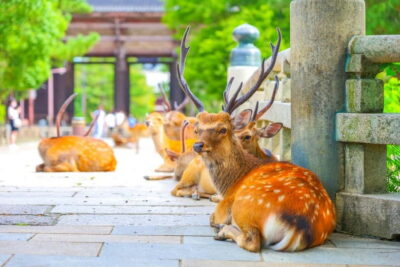
Nara Park is where the “wow” starts. Your time here is focused, about 30 minutes, so it’s not a long stroll with random wandering. Instead, you meet the deer in a setting that has deep spiritual meaning in Shinto belief.
The deer are considered sacred messengers, and your guide connects that idea directly to Kasuga Taisha Shrine. You’ll also be able to feed them special deer crackers, called shika senbei, which gives you a hands-on memory instead of just a photo.
A useful tip: watch how the guide handles the deer crackers and follow their pace. Feeding is part of the experience, but keeping calm and controlled makes the moment more comfortable for you and the deer.
What I like most is that the guide doesn’t treat the deer like a theme-park prop. Guides such as Yayoi, Eri, and Nobu have been praised for explaining the relationship between spirituality and everyday life in Nara, and that turns the deer into a doorway to the city’s worldview.
Kasuga Taisha: lantern-lined paths under a primeval forest
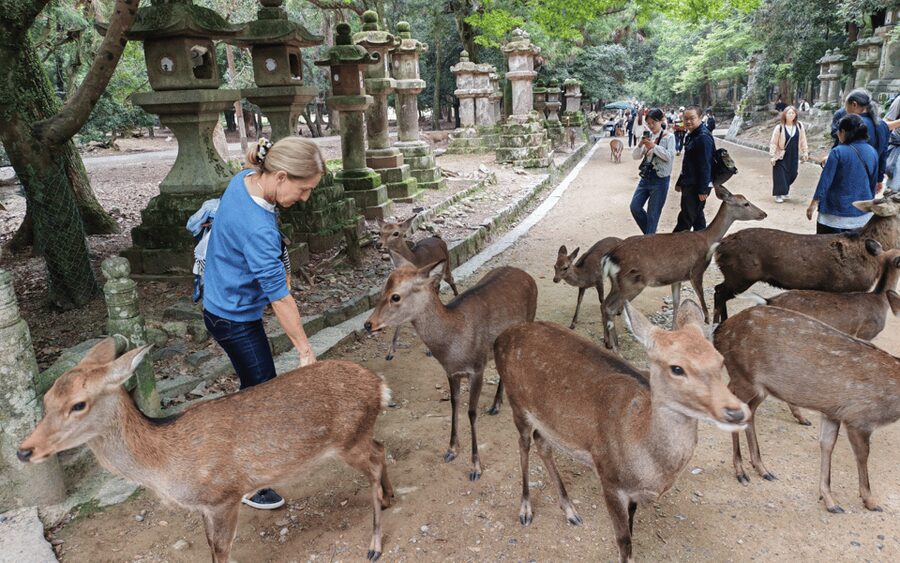
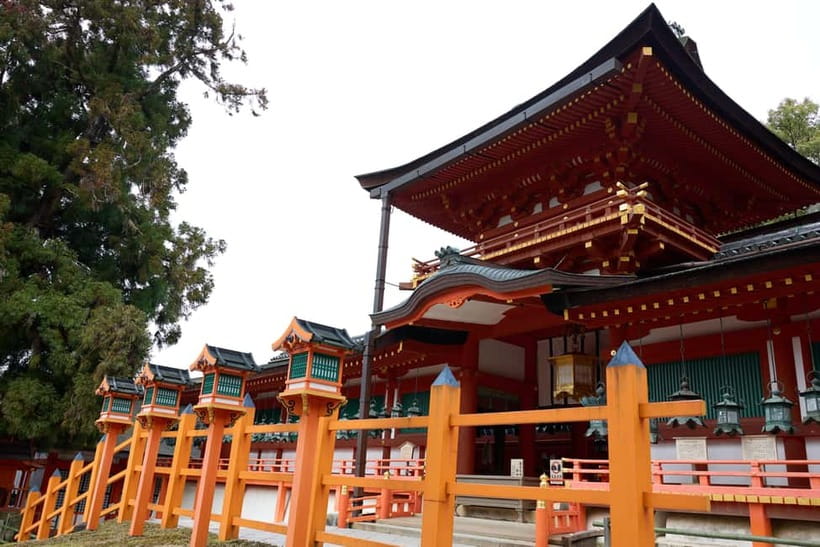
Next comes Kasuga Taisha, one of Nara’s most important Shinto sites. The shrine dates to 768 and is associated with the Fujiwara clan, so you’re looking at a place tied to elite worship and long-term tradition.
You’ll spend about an hour here, and the atmosphere is the real draw. Kasuga Taisha is described as serene, with a primeval forest that has been preserved for over a thousand years, which changes the feel from typical “temple and ticket booth” sightseeing.
The lanterns are the headline. Kasuga Taisha is known for thousands of bronze and stone lanterns donated by worshippers across generations. During special festivals, those lanterns are illuminated, and even when you’re not seeing the festival moment, you can still grasp what people were honoring and why.
Your guide should also explain Shinto beliefs and purification practices as you walk the grounds. That context matters, because otherwise the shrine can feel like beautiful scenery with no language for what it means.
What to keep in mind: Kasuga Taisha involves walking through shrine paths and stairs. If you’re visiting in hotter weather or during rain, don’t assume the day will be comfortable, but several guides have been helpful with practical touches, like providing neck coolers when it was hot.
Todai-ji Great Buddha Hall: seeing Daibutsu up close
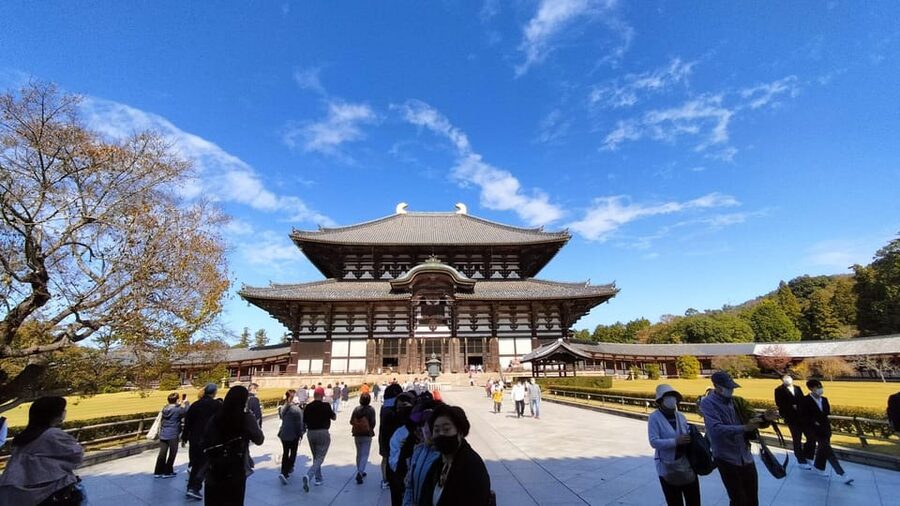
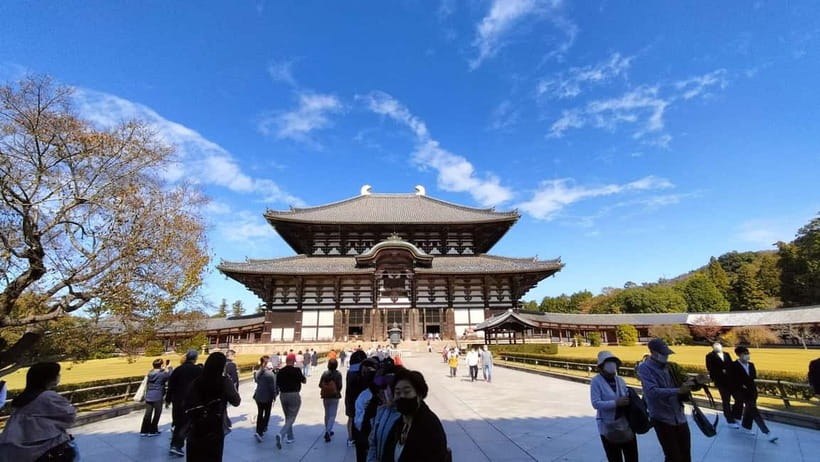
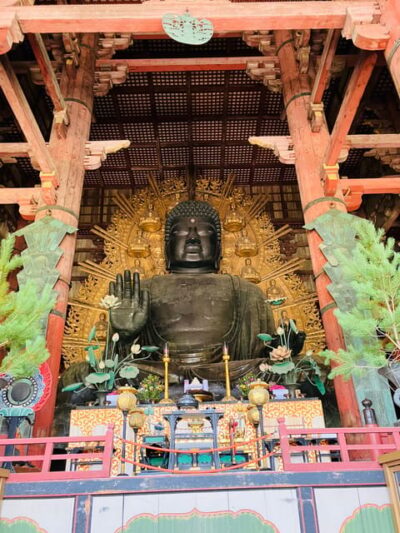
The tour wraps at Todai-ji, where you visit the Daibutsuden, or Great Buddha Hall. This is one of Japan’s most significant Buddhist monuments and a UNESCO World Heritage site, and you’ll feel that importance the moment you step inside.
You’ll have about an hour here, which is enough time to understand the structure without feeling like you’re being marched through. Todai-ji’s Great Buddha is a bronze statue called Daibutsu, and it’s cast in the 8th century.
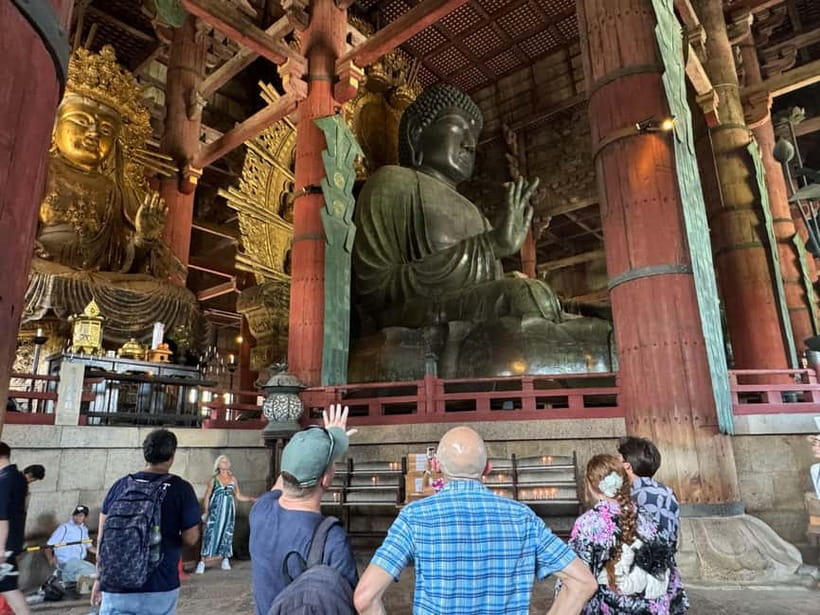
The scale is the key experience. The Daibutsuden is among the largest wooden structures in the world, and standing before the colossal figure makes the history feel physical, not abstract. Your guide should share the story of its construction, including the immense effort required and how the ambition and spiritual vision of early Japan shaped what was built.
One detail that really helps you “get it” is the identity of the Buddha. This Great Buddha represents Vairocana Buddha, so you’re not just looking at a famous statue. You’re looking at a major spiritual figure tied to the meaning early Japan was trying to project.
If you like asking questions, this is a great stop for it. The guides in these reviews often encourage that kind of interaction, and they frequently answer both monument facts and broader questions about Japanese life.
More Shrine and Temple visits in Nara:
- Nara: Essential Private Tour with Deer Park and Temples
★ 5.0 · 24 reviews - Todaiji Temple, Kasuga Shrine and Nara Park Guided Full Tour
★ 5.0 · 13 reviews - Kyoto: Fushimi Inari, Kinkakuji, Bamboo Grove 1 Day Bus Tour
★ 4.8 · 4,316 reviews - Kyoto: Tea Ceremony Ju-An at Jotokuji Temple
★ 4.9 · 3,207 reviews
How $77 for 3 hours feels fair (and what you should expect)
At $77 per person for about 3 hours, the value is strongest when you look at what’s included. You’re getting a professional English-speaking guide, guided time at all three main sites, and admission coverage for both Todai-ji and Kasuga Taisha’s special inner shrine.
You’re also getting shika senbei for deer feeding, which is small cost-wise but big for the experience. Without that, deer feeding can turn into a “maybe we’ll find crackers” scramble. With it, you go in prepared and the guide can manage the moment smoothly.
What’s not included is transportation to and from the meeting point, plus food and personal expenses. So you’ll want to plan your own way in and out of Nara, and decide ahead of time whether you’re grabbing a meal before or after.
Also, remember the pace. Even though it’s only three hours, it’s three major landmarks with walking and stairs. If you’re hoping for a slow, sit-down-and-stare kind of day, you may want to consider a more relaxed option. If you want efficient, meaningful sightseeing with an explanation attached, this format is a good fit.
Guides make the difference: how you get more from every stop
The most praised part of this tour is the guide experience. Many reviews highlight guides who are kind, patient, and genuinely invested in helping you understand what you’re seeing. Names that come up again and again include Takashi, Teppei, Eri, Nobu, Yayoi, Marc, Yoshi, Ryan, Tomoe, and Hana.
What that means for you is simple. You’re not just following a route, you’re building context in real time. One guide may explain history from early centuries to more recent life in Nara, while another might connect shrine architecture to how people practice today. Either way, it helps you stop treating landmarks like separate attractions.
Guides also tend to make room for questions and photos. Several people mention being given time to take pictures and having questions answered patiently, which matters because Nara’s sacred spaces can be busy and confusing if you go solo.
There’s also a practical human side. Reviews mention guides providing extra comfort during heat, helping with deer crackers beyond the official portion, and even assisting with transport questions after the tour. That level of care isn’t guaranteed in every situation, but it matches the pattern you’ll likely feel once you meet your guide.
Where the tour ends, and what to do next
After Todai-ji, the tour ends at drop-off points near 二之鳥居 and 春日大社二之鳥居. These are very useful because they place you close to Kasuga-area movement options instead of dumping you far from everything.
If you’re continuing your trip, this matters. Nara’s sites are spread out enough that a drop-off close to your next plan can save time and energy.
If you have train questions, ask your guide before you part ways. Some guides have helped people with next steps like getting to major stations or figuring out express routes, but it’s best to treat that as guidance, not an automatic included service.
Should you book this Nara: Great Buddha, Kasuga Shrine & Deer Park Tour?
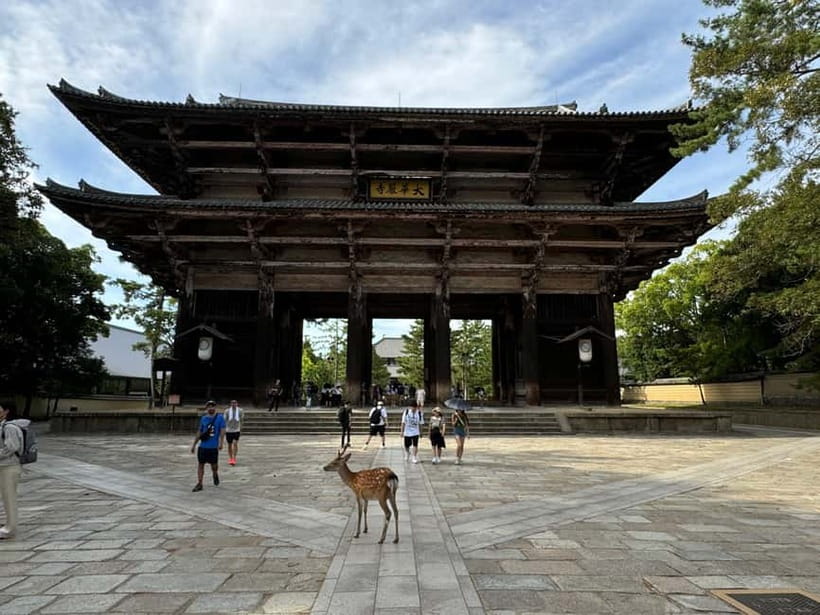
Book it if you want a short, structured afternoon that hits the big three: sacred deer, Kasuga Taisha lantern culture, and Todai-ji’s Great Buddha. The best reason is the combination of included admissions and a guide who explains the meaning behind the sights, especially Shinto links to Kasuga and the scale and ambition behind Todai-ji.
Skip it or switch to something else if your priority is long, slow pacing or if you’re not comfortable with walking and steps in a concentrated time window. Also, if you want zero interaction and just quiet wandering, a guided format may feel a bit “on rails.”
For most first-timers, this is a strong value. You get a lot of Nara’s spiritual identity in a single route, and you leave with more than photos, you leave with reasons.
FAQ
What is the duration of the Nara Great Buddha, Kasuga Shrine & Deer Park Tour?
The tour lasts about 3 hours.
Where does the tour start?
It starts in front of the torii gate of Himuro Shrine. The guide will be holding a yellow sign with the DeepExperience logo.
What are the main stops during the tour?
You visit Nara Park, Kasuga Taisha, and Todai-ji (Great Buddha).
Is admission included for Todai-ji and Kasuga Taisha?
Yes. Todai-ji Temple admission is included, and Kasuga Taisha special inner shrine admission is included.
Are deer crackers included for feeding the deer?
Yes. Deer crackers (shika senbei) are included.
Do I need to bring food or pay for meals during the tour?
Food and drinks are not included, so you’ll need to plan your own snacks or meals.
How long is the visit at each stop?
Nara Park is about 30 minutes, Kasuga Taisha is about 1 hour, and Todai-ji is about 1 hour.
Is transportation included to and from the meeting point?
No. Transportation to and from the meeting point is not included.
What languages are available for the guide?
The guide is available in English and Japanese.
Can I book with free cancellation and flexible payment?
Yes. You can cancel up to 24 hours in advance for a full refund, and there is a reserve now and pay later option.
More Nara Deer Park Trips Around Nara
- Nara: Todai-ji y parque de Nara (Spanish Guide)
★ 5.0 · 16 reviews - Nara: UNESCO Heritage Sites & Deer Park Tour with Pro guide
★ 4.5 · 10 reviews - From Osaka: Nara Deer & Kyoto Kiyomizudera Sightseeing Tour
★ 4.2 · 27 reviews - Nara Deer Park, Uji Matcha, & Hot Spring Full-Day Tour from Osaka
★ 4.0 · 21 reviews
Newly listed around Nara
- Todaiji Temple, Kasuga Shrine and Nara Park Guided Full Tour★ 5.0 · 13 reviews
- Nara:5 Type of Tea Tasting & Mindful Tea Ceremony★ 5.0 · 28 reviews
- Nara:Authentic Tea Ceremony(Max 5 ppl) -Master Matcha Making★ 5.0 · 119 reviews
- Nara: UNESCO Heritage Sites & Deer Park Tour with Pro guide★ 4.5 · 10 reviews
- Nara: Todai-ji y parque de Nara (Spanish Guide)★ 5.0 · 16 reviews
- Nara: Sake Tasting Tour at the Birthplace of Japanese Sake★ 4.9 · 8 reviews
- Nara: Private City Tour With A Local Guide★ 4.2 · 8 reviews
- Nara: Private Tour with Private Guide★ 4.8 · 66 reviews
Nara Deer Park Trips, compared.
Kyoto/Osaka: Kinkakuji, Bamboo Forest, and Nara Deer Park
Read our review →
E-Bike Nara Highlights – Todaiji, Knives, Deer, Shrine
Read our review →
E-Bike Nara Highlights – Todaiji, Knives, Deer, Shrine, and Gems
Read our review →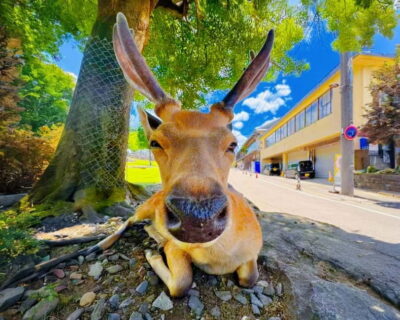
Essential Private Tour with Deer Park and Temples
Read our review →
Nara Deer Park, Uji Matcha, & Hot Spring Full-Day Tour from Osaka
Read our review →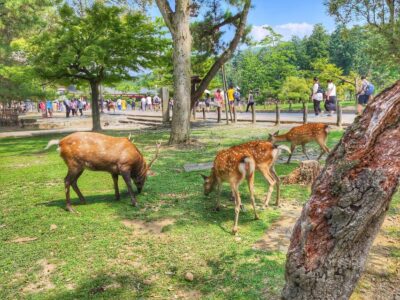
Nara, Todaiji, Kasuga Taisha Shrine Private Full Day
Read our review →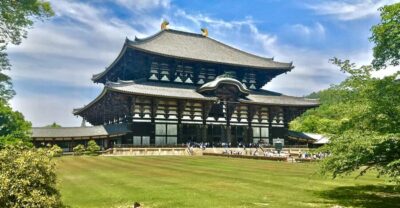
Browse the lists this tour appears in