
Review · NARA TOURS
Nara Private Tour: Flexible Pickup from Kyoto, Osaka, or Nara
Deer and giant Buddha in one easy half day. This private Nara tour is built for smooth pacing and flexible choices, with the big hits like Nara Park and Todai-ji (plus other top temple and historic stops) in one route. What I like most is the way it can be tailored to your interests, and the chance to see Nara’s signature sights without wasting time. One consideration: a few temple sites have entrance fees that are not included, so your total can creep up depending on what you pick.
I also like that the guide is local and mission-focused on getting you around efficiently. Names from recent tours include Toshi, Kiyoto, and Chiko, and the consistent theme is clear, friendly explanations and flexibility when plans meet reality, like crowds or your own energy level.
You’ll do a moderate amount of walking, and it runs rain or shine, so plan with comfortable shoes and a light layer. The sweet spot is choosing about 3 to 4 must-see locations so you do not feel rushed between stops.
In This Review
- Key highlights and what makes this tour worth your time
- Nara’s best hits, built into a practical half-day plan
- Flexible pickup from Kyoto, Osaka, or Nara, then JR Nara Station rendezvous
- How choosing 3 to 4 spots shapes your day
- Nara Park and deer time, plus the Todai-ji and Kasuga cluster
- Todai-ji Great Buddha, the Shosoin treasure house, then move on
- Kasuga Grand Shrine lanterns, deer as messengers, and forest atmosphere
- Heijō Palace site, then Yakushi-ji and Hōryū-ji for different “old Japan” flavors
- Naramachi old town walks for machiya charm and slow shopping breaks
- What you pay, and why the value can be good (or not)
- Guides make the difference, and the best ones adapt
- Who should book this Nara private tour?
- Should you book? My practical take
- FAQ
- Where does the tour start and end?
- Is this a private tour?
- How long does the Nara private tour take?
- Can I pick the sites I want to visit?
- Which admissions are included or not included?
- Are meals included?
- Is transportation included?
- Is there a mobile ticket?
- How much walking should I expect?
- Is the tour canceled if it rains?
- Can I cancel and get a full refund?
Key highlights and what makes this tour worth your time
- Flexible pickup from Kyoto, Osaka, or Nara, so you can start where you are already staying
- Choose 3 to 4 spots from the Nara highlights, which keeps the day feeling personal
- Nara Park deer + major temples nearby for maximum classic Nara in less time
- Todai-ji Great Buddha and Shosoin are listed as free entry, which helps value
- Kasuga Grand Shrine lanterns and deer that feel part of the experience, not just a photo op
- A private group setup, meaning your pace and questions matter more than fitting into a crowd
Nara’s best hits, built into a practical half-day plan

Nara is Japan in rewind mode. The city’s best-known sights mix peaceful sacred spaces with that slightly surreal deer atmosphere, where park animals wander right into your sightseeing photos like they pay rent there. This tour leans into the landmarks you came for, but the real win is how it strings them together without making you bounce between far-apart areas all day.
The structure is simple: you pick several must-see spots, and the guide helps stitch them into an efficient route. That matters because Nara can be a lot even on a good day. You get temples, open courtyards, and sometimes uphill walking, and it is easy to lose time if you are trying to self-navigate while also managing entry lines and crowds.
Two value boosters are baked in. First, the tour includes a professional local guide. Second, at least two of the iconic sites are listed as free admissions on this plan: Todai-ji and Shosoin. You still may pay entrance fees at other stops, but this setup helps you start the day with momentum instead of sticker shock.
A few more Nara days to weigh up
- World Heritage Kyoto & Nara Uji Authentic Matcha Experience
★ 5.0 · 1,573 reviews - Nara Half Day Trip Walking Tour (Private Option Available)
★ 5.0 · 937 reviews - Nara Early Morning Tour (Kyoto or Osaka Departure Available)
★ 5.0 · 676 reviews
Flexible pickup from Kyoto, Osaka, or Nara, then JR Nara Station rendezvous
If you are staying outside Nara, flexible pickup is a big deal. Being able to start from Kyoto, Osaka, or Nara means you do not have to burn half your trip figuring out timing, transfers, and station logistics.
For the tour itself, the meeting point is JR Nara Station, at “1 Sanjohonmachi, Nara, 630-8122, Japan.” The tour ends back at the meeting point, so you have a clear end point and do not have to re-plan your evening commute.
In real-world terms, this kind of pickup works best when you want a day with minimal friction. If you are the type who hates zigzagging with luggage, hunting for the right train, or trying to translate signage while also keeping an eye on time, this format fits you well.
One thing to keep in mind: public transportation fares for you and your guide are listed as not included. If your route uses any transit during the day, you should expect to cover those costs yourself unless your plans involve only the included pickup and walking.
How choosing 3 to 4 spots shapes your day
The tour is designed around choice. You can select 3 to 4 must-see spots from the options. The duration is listed as about 4 to 8 hours, so your selection affects how relaxed or packed the day feels.
Here’s the practical way to choose: pick one “anchor” temple you truly care about most, then add one supporting cultural stop, and finish with something atmospheric. For many people, that anchor is Todai-ji, because it is iconic and easy to understand even if you are not a hardcore temple historian. Then you round it out with Kasuga Grand Shrine for lanterns and forest vibes, or with a palace site for an angle on Japan’s early court life.
If you like nature and viewpoints, you might also find outdoor add-ons mentioned in real departures, such as walks around nearby scenic areas and garden time. The key is that the tour keeps flexibility in mind, so you can match your energy level. Choose fewer stops if you want photos without feeling rushed. Choose more if you want to check more boxes and are okay with a tighter pace.
Also, rain or shine is part of the plan. If weather hits, your guide can shift emphasis toward covered or indoor spaces, and it helps to have that local routing brain working for you.
Nara Park and deer time, plus the Todai-ji and Kasuga cluster
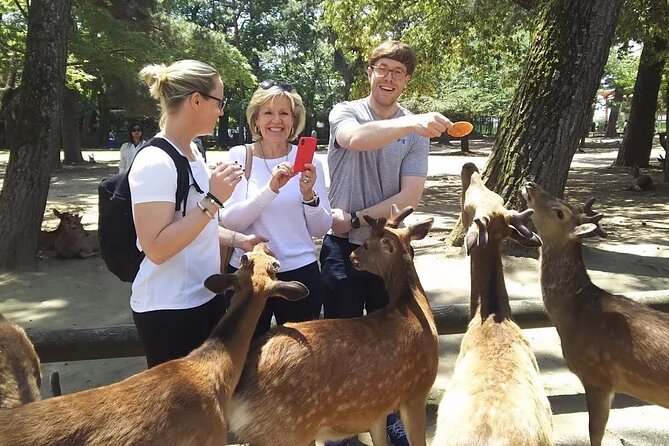
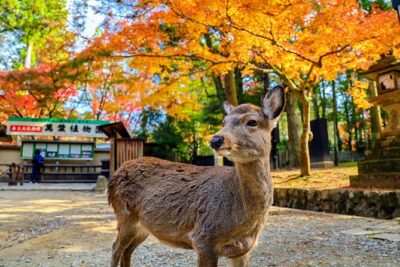
Start with Nara Park, the place that gives the city its immediate identity. The star is the free-roaming deer. Instead of feeling like a gimmick, the deer here are part of how you move through the park and how you experience the temple neighborhood. You will want to keep your awareness up around animals (they can be bold near food and snacks), but the atmosphere is generally why people love Nara in the first place.
Nara Park also acts like a hub. It is listed as including or connecting to major nearby highlights, with Todai-ji and Kasuga Taisha called out as central sightseeing spots. That’s smart planning, because it cuts down on back-and-forth travel and keeps the day feeling cohesive.
A practical tip for your comfort: plan for open-air time. Even if your route includes indoor temple halls, the deer and park walking will be outdoors. Wear shoes you can stand in for a while, especially if you are going to take photos and pause for stories.
Admission to Nara Park is listed as free, so this is also one of the easiest places to get value right away.
A different sort of day in Japan:
- Kyoto/Osaka: Kinkakuji, Bamboo Forest, and Nara Deer Park
★ 4.4 · 265 reviews - Nara: Half-Day UNESCO Heritage & Local Culture Walking Tour
★ 4.8 · 250 reviews - Nara 6hr Private Tour with Government-Licensed Guide
★ 5.0 · 219 reviews - E-Bike Nara Highlights – Todaiji, Knives, Deer, Shrine
★ 4.8 · 186 reviews
Todai-ji Great Buddha, the Shosoin treasure house, then move on
Todai-ji is the headline. You go for the Great Buddha (Daibutsu), housed in the Daibutsuden, which is described as one of the largest wooden buildings in the world. Even if you do not read every plaque, the scale hits you quickly. It is the kind of place where you understand why people make Nara a must on a first Japan trip.
What I like about including Todai-ji in a guided format is context. Without help, you can admire the structure and move on. With a guide, you get the meaning behind what you are seeing and why it matters in Japan’s broader religious story.
Right nearby, Shosoin is listed as a stop too, described as a historical treasure house with imperial artifacts from the Nara period, including silk textiles, musical instruments, and items with influences from the Silk Road. The Shosoin visit on this plan is shown as a shorter stop, about 15 minutes, so if you love museums and objects, you might ask your guide where to focus, so you do not rush past the good stuff.
Both Todai-ji and Shosoin are listed with admission ticket free for this tour, which makes your money stretch farther. It also means you can spend more time inside and less time thinking about costs.
Kasuga Grand Shrine lanterns, deer as messengers, and forest atmosphere
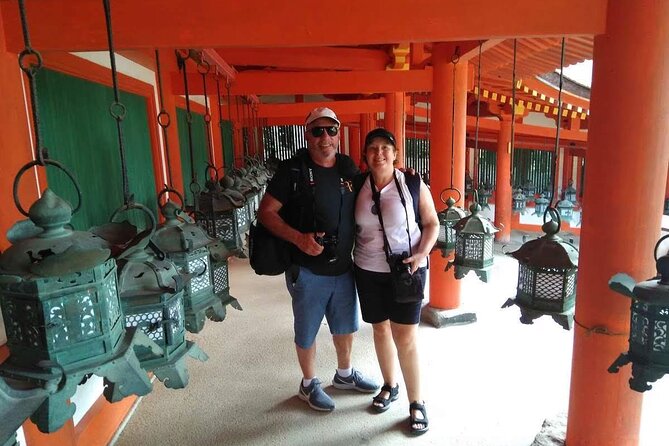
Next up is Kasuga Grand Shrine, and this is where Nara gets visually dramatic. The signature is the thousands of lanterns, described as stone and bronze lanterns, plus the red main hall set within an ancient forest feel.
Kasuga is also listed as including deer again, described as messengers of the gods. That phrasing matters because the deer here are not just cute wildlife; they are wrapped into the way the shrine’s environment is understood. You get a different mood than you do at Nara Park, even though the animals are part of the scene.
On this plan, Kasuga Grand Shrine is scheduled for about 1.5 hours. Admission is listed as not included for you and the guide. That means you should be ready to pay an entry fee if you choose this stop.
If you want photos, Kasuga rewards patience. The lanterns are often photographed at eye level and from angles that show depth into the shrine grounds. A good guide will also help you pick spots that are less crowded and easier to enjoy without constantly repositioning.
Heijō Palace site, then Yakushi-ji and Hōryū-ji for different “old Japan” flavors
A lot of Nara sightseeing is about religious sites. But the option set here also gives you history beyond temples. Heijō Palace Site Historical Park is included as an option, described as the former imperial palace of Japan’s first permanent capital. Reconstructions like the Audience Hall help you picture court life, even when you are standing in a park setting today.
This stop is about 1.5 hours, and admission is listed as not included. If you care about how the court actually functioned, this is a strong contrast to the more ceremonial feel of shrine and temple visits.
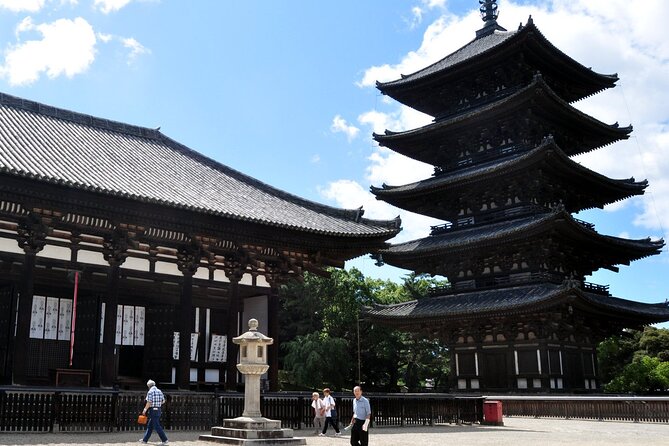
Then you have Buddhist temple architecture options. Yakushi-ji is described as significant, with twin pagodas and dedication to Yakushi Nyorai, the Buddha of healing. The stop time is about 30 minutes, which suggests it is a “bright and focused” stop rather than a long wander.
For UNESCO-level architecture, Hōryū-ji is the standout option. It is listed as a UNESCO World Heritage site and home to the world’s oldest wooden buildings, founded by Prince Shotoku. The itinerary describes highlights like the stunning five-story pagoda and the Main Hall. This is the kind of place where a guide can help you look at details without turning it into a lecture.
A practical consideration: multiple temple stops can blend together in your head if you do not get narrative structure. That is where the private format helps. Ask your guide to frame each stop with one or two key ideas you can remember later, like why the pagoda matters or how the court and religion intersect.
Naramachi old town walks for machiya charm and slow shopping breaks
One of the listed elements of this tour is an old-town area with machiya townhouses, boutique shops, and cozy cafés. This part is described as a well-preserved merchant-history neighborhood, where you can walk and soak in Nara’s everyday past rather than only the monumental landmarks.
This matters because it gives your day a change of pace. After temples and large halls, a quieter street scene feels like a reset. You can also use this time strategically. If you picked extra indoor stops earlier, Naramachi gives you fresh air and an easier rhythm. If you started the day with outdoor wandering, this is a calmer interlude where you can pace your photos and sit down for a drink.
The tour does not list meals as included, so cafés become optional, but the neighborhood makes it easy to take a breather without having to travel elsewhere.
What you pay, and why the value can be good (or not)
The price is listed at $131.38 per person, with an average booking window of about 98 days in advance. That booking detail is useful mainly if you plan on traveling during popular seasons, because it suggests people often lock in plans early.
Here is how I think about the value. You are paying for a private local guide and a route built around efficient sightseeing. If you are traveling with someone else, private tours can be a fair deal because your cost does not rise with every additional stop as much as a bus tour might. The private format also means you can move at a pace that fits you, which is harder to get when you are grouped with strangers.
Costs that are not included can affect your final spend:
- Entrance fees for you and your guide at stops where admission is listed as not included
- Meals and drinks for you and your guide
- Public transportation fares if any transit is used during the day
- Private transportation is optional and may cost extra
The nice part is that Todai-ji and Shosoin are listed as free here. So even if you end up paying for Kasuga and Hōryū-ji, you still start with savings at two major anchors.
Also included are a professional local guide and a mobile ticket, plus group discounts. The mobile ticket is small but helpful, because it reduces the friction of printing and matching paperwork on the day.
Guides make the difference, and the best ones adapt
The most praised theme in the tour feedback is guide impact. Guides such as Toshi, Kiyoto, and Chiko are named in real experiences, and the common strengths are friendliness, patience, and flexibility.
Flexibility is not just a nice-to-have. Nara can run into practical problems fast: crowded shrine entrances, time gaps between sites, and your own energy level. An adaptive guide helps you keep the day smooth, which is what makes the private format feel worth it.
One balanced note: if you want maximal depth at every stop, treat the selection of sites as a chance to match your interests. If you pick too many “musts,” you might find there is less time for extra storytelling at each location. If architecture and religious meaning matter to you, tell your guide upfront and ask which stop you should spend more time on.
Who should book this Nara private tour?
This is a good fit if you:
- Want to see Todai-ji, Kasuga Grand Shrine, and at least one more major site without planning every step
- Prefer a private pace over a fixed group schedule
- Like the idea of choosing 3 to 4 stops so the day feels manageable
- Care about context, not just photos, since the guide is built into the experience
This is also a great option as a Nara add-on day from Kyoto or Osaka, because you can start with pickup and return to a station meeting point without dealing with a bunch of transit decisions.
If you are traveling solo and strict on budget, the entrance fees you add on top could matter. But if you split the cost with a companion and plan your chosen stops wisely, it can feel like strong value for a guided, private Nara day.
Should you book? My practical take
Book this tour if you want a guided Nara highlights route with flexibility, and you like the idea of choosing your favorite mix of temples and history. The free entries listed for Todai-ji and Shosoin help, and the private guide approach is what turns a list of sights into a day that actually flows.
Consider another option if you want a totally self-directed day, or if you are very price-sensitive because multiple stops have entrance fees not included. Also, because it is set for moderate walking and runs rain or shine, you should be comfortable moving through park and shrine areas for stretches of time.
If you do book, do one simple thing that pays off: choose fewer stops if you want quality time and better photos, or choose the palace and UNESCO temple combo if you want variety beyond the deer and the Great Buddha.
FAQ
Where does the tour start and end?
The tour starts at JR Nara Station (1 Sanjohonmachi, Nara, 630-8122, Japan) and ends back at the meeting point.
Is this a private tour?
Yes. It is a private tour/activity, so only your group participates.
How long does the Nara private tour take?
It runs about 4 to 8 hours, approximately.
Can I pick the sites I want to visit?
Yes. You choose 3 to 4 must-see spots from the listed options.
Which admissions are included or not included?
Todai-ji and Shosoin are listed with free admission tickets, while other stops such as Kasuga Grand Shrine, Heijō Palace Site Historical Park, Yakushi-ji, and Hōryū-ji are listed as not included.
Are meals included?
No. Meals and drinks for you and the guide are not included.
Is transportation included?
Public transportation fares are not included. Private transportation is optional and may require an additional fee.
Is there a mobile ticket?
Yes. A mobile ticket is included.
How much walking should I expect?
The tour includes a moderate amount of walking, so wear comfortable walking shoes. Travelers should have a moderate physical fitness level.
Is the tour canceled if it rains?
No. The tour takes place rain or shine.
Can I cancel and get a full refund?
Yes. You can cancel up to 24 hours in advance for a full refund.
Newly listed around Nara
- Relax in Nara: Deer Park, Todai-ji Temple and Merchants’ Town★ 5.0 · 6 reviews
- Nara Todaiji Lazy Bird Walking Tour★ 5.0 · 11 reviews
- All must-sees in 3 hours – Nara Park Classic Tour! From JR Nara!★ 5.0 · 108 reviews
- Hammer a Pattern on Your Ring Workshop★ 5.0 · 57 reviews
- Nara Sake Tasting Tour at Local Brewerie(tasting fee included)★ 5.0 · 12 reviews
- Nara World Heritage PRIVATE TOUR★ 4.5 · 15 reviews
- Nara – Heart of Nature Cross Bike Tour★ 5.0 · 19 reviews
- Nara – Craft Beer, Sake & Food Walking Tour★ 4.0 · 7 reviews
Nara Tours, compared.
World Heritage Kyoto & Nara Uji Authentic Matcha Experience
Read our review →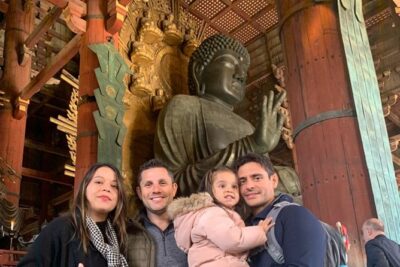
Nara Half Day Trip Walking Tour (Private Option Available)
Read our review →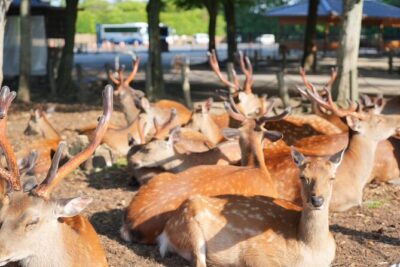
Nara Early Morning Tour (Kyoto or Osaka Departure Available)
Read our review →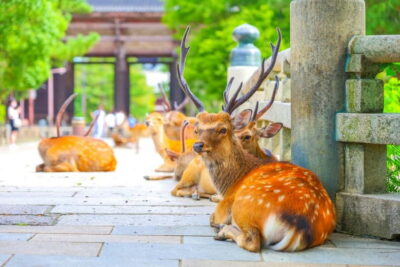
Kyoto/Osaka: Kinkakuji, Bamboo Forest, and Nara Deer Park
Read our review →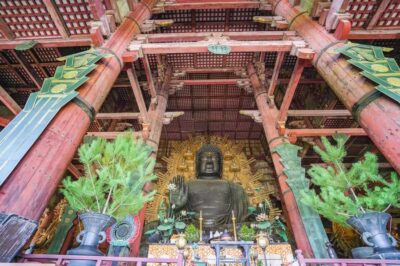
Half-Day UNESCO Heritage & Local Culture Walking Tour
Read our review →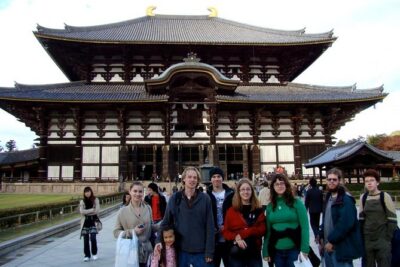
Nara 6hr Private Tour with Government-Licensed Guide
Read our review →
E-Bike Nara Highlights – Todaiji, Knives, Deer, Shrine
Read our review →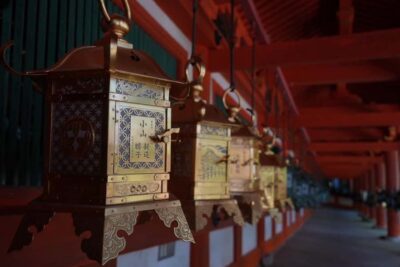
Nara Early Bird Tour (Kyoto Departure Option Available)
Read our review →Browse the lists this tour appears in