
Review · NARA DEER PARK TRIPS
Todaiji Temple, Kasuga Shrine and Nara Park Guided Full Tour
Deer, lanterns, and a giant Buddha in one walk. I love how this small-group Nara tour lines up the top sights with clear guidance, so you know what you are looking at and why it matters. The vibe is relaxed, too, with a live guide and time to take photos while the temples and park stay the main event.
Two standouts for me are the Todaiji Temple experience, especially the Daibutsu inside Japan’s largest wooden structure, and the way the guide helps you read the Japanese culture behind what you see as you go. One thing to consider: the route is entirely on foot with lots of stairs, so plan for a real workout.
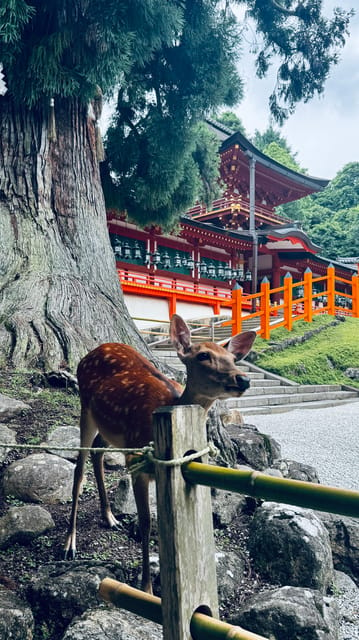
Kasuga Taisha is pure atmosphere. I like that you do not just pass by, you slow down at Kasuga Taisha and its vermilion buildings and thousands of hanging lanterns, then you step into the quieter forest feel that makes it special. The tour also keeps moving through key Nara landmarks like Nigatsu-do and Kofukuji, so you get more than one photo stop. The main drawback is simple: no baby strollers, and it is not suitable for people with mobility impairments.
In This Review
- Key highlights to know before you go
- Starting at Kintetsu Nara Station, and why the group size helps
- Nara Park sika deer: the fun start, plus how to enjoy it
- Todaiji Temple and the Daibutsu: the scale hits faster than photos
- Nigatsu-do viewpoints and the Mt. Wakakusa pass
- Kasuga Taisha: vermilion buildings, lanterns, and a calmer forest mood
- Ukimido Pavilion over Sagi Pond: the quiet interlude you might need
- Kofukuji Temple and the UNESCO pagoda moment
- Price and value for $116, plus the real walking reality
- Should you book this Nara guided full tour?
- FAQ
- How long is the tour?
- Where do I meet, and when does it end?
- What languages are available for the live guide?
- What is the group size?
- What is included in the tour price?
- Is lunch included?
- Can I cancel for a full refund?
- Is it suitable for mobility impairments or strollers?
Key highlights to know before you go
- Small group up to 8: easier questions, better pacing, more time where it counts.
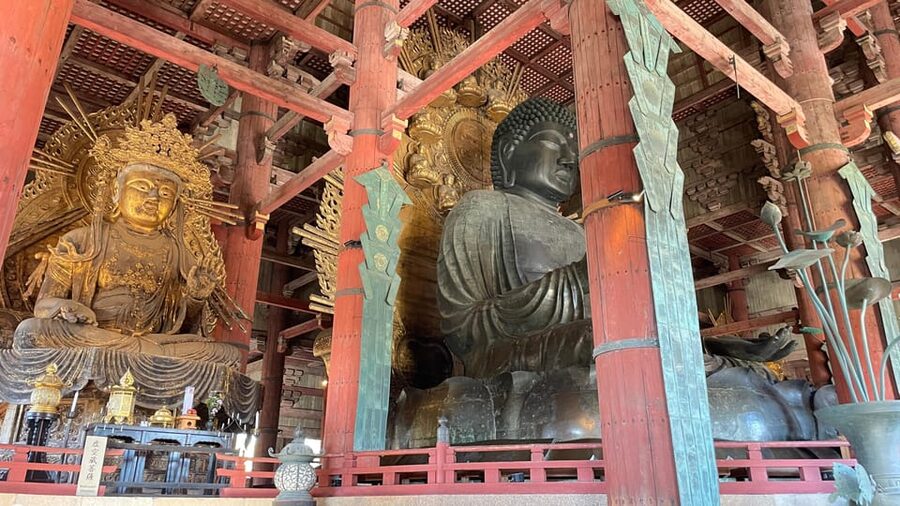
- Great Buddha at Todaiji (Daibutsu): the scale lands in person.
- Kasuga Taisha lanterns in the forest: a sight you will remember after the walk.
- Ukimido Pavilion over Sagi Pond: a calm pause between big temple moments.
- Kofukuji (UNESCO): pagoda and temple treasures tied to early Japan.
- Live multi-language guide: Russian, Lithuanian, or English support, plus cultural context.
Starting at Kintetsu Nara Station, and why the group size helps
The tour meets at Kintetsu Nara Station, Exit 2, right next to the fountain, and you finish back there after about 5.5 hours. That matters more than it sounds. When your start point is clear, you do not waste time figuring out where to go, and you get moving while the park and temple areas are still manageable.
I also appreciate the small group limit of 8. In Nara, you will be around other visitors at major sites, but a smaller group means less bunching, more space to stop for photos, and a guide who can actually adjust to the pace you are comfortable with. If you are a planner, you will like that the route is structured so you hit the core places: Nara Park, Todaiji, Kasuga Taisha, Ukimido Pavilion, and Kofukuji.
The live guide experience is a big part of the value. Some groups are guided by Artur, and his style is exactly what I look for in Japan. He shares personal stories and daily-culture context, not just dates and facts. Even if you already know some Nara basics, you should still come away with a clearer sense of how these spaces fit into Japanese life, beyond being postcard scenery.
More Shrine & Temple Visits in Nara
- Kyoto/Osaka: Kinkakuji, Bamboo Forest, and Nara Deer Park
★ 4.4 · 265 reviews - E-Bike Nara Highlights – Todaiji, Knives, Deer, Shrine
★ 4.8 · 186 reviews - Nara: Great Buddha, Kasuga Shrine & Deer Park Tour
★ 4.8 · 62 reviews
Nara Park sika deer: the fun start, plus how to enjoy it
Nara Park is where the tour kicks off, and it is easy to see why. You get sika deer roaming freely around the temple grounds and paths, and the experience feels natural because the animals are part of the park itself, not trapped in a separate enclosure.
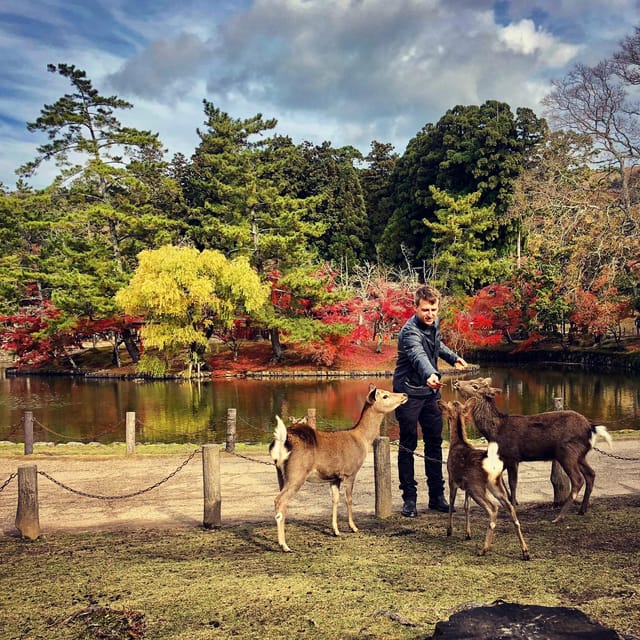
One of the smartest things about starting here is that it sets the tone. You begin with a scene that is immediately understandable, then your guide can connect it to what you will see at the bigger sites right after. Expect time for the classic moments, including feeding the deer and taking photos. If you are traveling with a camera, this is the stop where you will want it ready.
Practical note: this area can get busy. I like being in a small group because you are less likely to get separated, and your guide can help you find comfortable spots to pause without getting in the way. Also, remember the tour is on foot and includes stairs later, so do not let the deer stop turn into a long rest. Treat it like a warm-up, then keep your energy for Todaiji.
And yes, the park can be pretty in different seasons. The tour description highlights cherry blossoms as part of the setting, but even without that specific look, Nara Park still works because it is the heart of the deer and temple combination that defines the city.
Todaiji Temple and the Daibutsu: the scale hits faster than photos
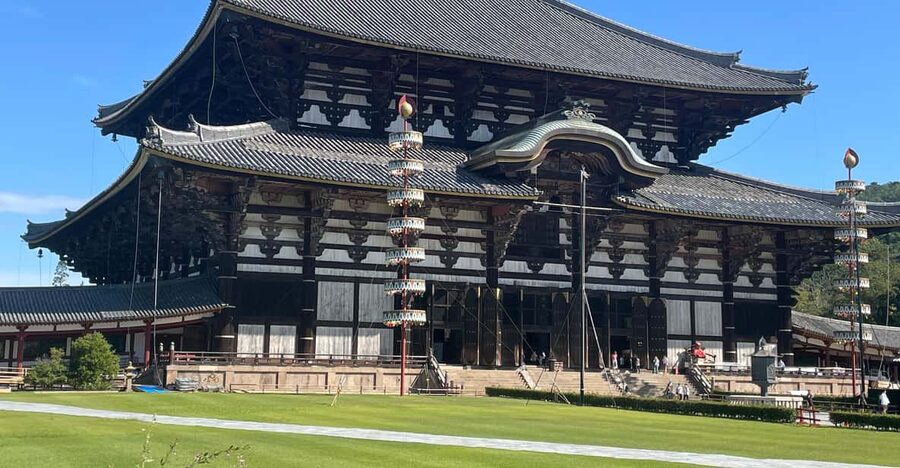
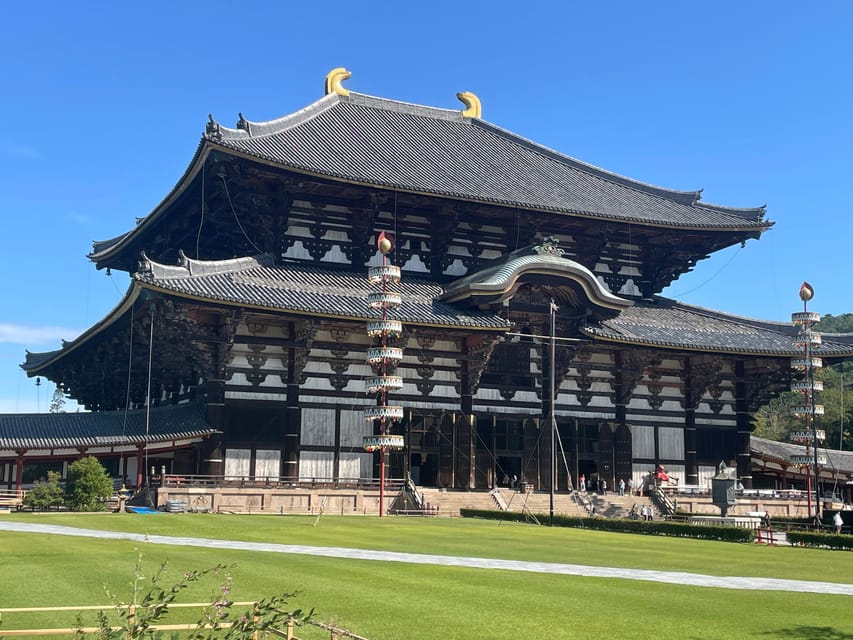
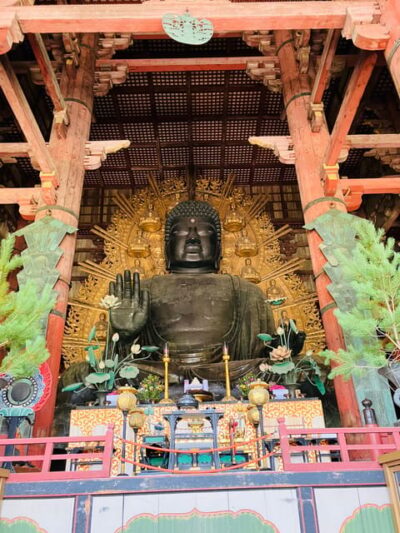
Todaiji Temple is the reason many people plan Nara in the first place, and with good reason. You will get a guided look at Todai-ji, including the Great Buddha (Daibutsu), crafted in the 8th century. The most impressive detail is not just the statue itself, it is the setting: Daibutsu sits inside Japan’s largest wooden structure, so the room size helps you feel the monumentality.
This stop is a great example of why a guide can add value. A guide can point out what you might miss on your own, like how to read the space, what to focus on in the hall, and how the temple’s role ties into early Japanese religious culture. If you like your sightseeing with explanations that make you look at things differently, this is your moment.
Nearby, you also visit Nigatsu-do. That is a smart pairing because it gives you more than one angle. You get a view of Nara from an elevated location, so the day stops feeling like one long “look up at buildings” exercise and starts to feel like seeing the city itself.
My advice for enjoying Todaiji: slow down after you enter the hall. The size can overwhelm you at first. Let your eyes adjust, then ask yourself what the guide is pointing out. If you rush, you miss the feeling that the Daibutsu experience is supposed to create.
Also, note that the tour includes your Todai-ji entrance ticket, so you are not juggling extra costs or lines in the middle of your day.
Nigatsu-do viewpoints and the Mt. Wakakusa pass
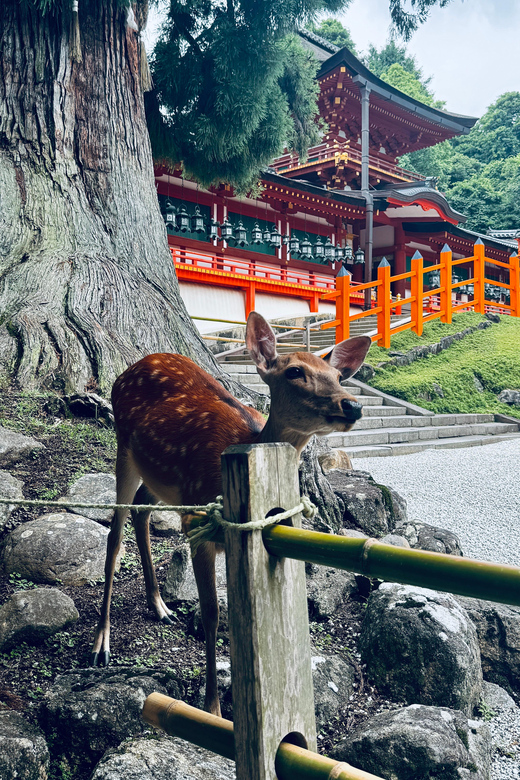
After you have your Great Buddha moment, the tour continues to Nigatsu-do, and you will likely feel the day shift from “major hall” to “city perspective.” The elevated view helps you understand how Nara’s historic areas relate to each other, and it gives your legs a little visual reward before more walking and stairs.
There is also a pass by Mt. Wakakusa, which acts like a geographic reminder that Nara is not only temples. Mountains frame the experience, and you get a sense of place that makes the temple scenes feel less random and more connected.
This part of the tour is especially useful if you are trying to build a mental map. Even if you do not remember every route detail later, you will remember how the landscape looked in relation to the sights. That is the kind of “how it fits together” knowledge that makes future travel in Japan feel easier.
If you like viewpoints, take your time at Nigatsu-do. If it is crowded, you might have to adjust where you stand, but the guide’s job is to keep you moving without rushing your eyes. The goal is to see the view, not just walk past it.
More Shrine and Temple visits in Nara:
- E-Bike Nara Highlights – Todaiji, Knives, Deer, Shrine, and Gems
★ 4.5 · 34 reviews - Nara: Essential Private Tour with Deer Park and Temples
★ 5.0 · 24 reviews - Kyoto: Fushimi Inari, Kinkakuji, Bamboo Grove 1 Day Bus Tour
★ 4.8 · 4,316 reviews - Kyoto: Tea Ceremony Ju-An at Jotokuji Temple
★ 4.9 · 3,207 reviews
Kasuga Taisha: vermilion buildings, lanterns, and a calmer forest mood
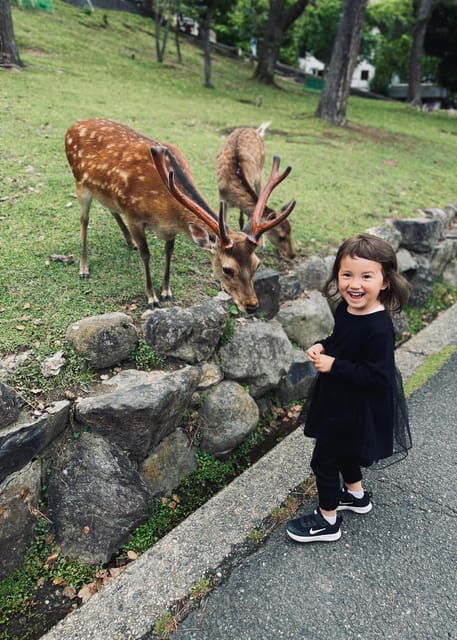
Kasuga Taisha is the tour’s big visual story, and it pays off. You will visit Kasuga-Taisha, guided through the famous vermilion-lacquered buildings and the spectacle of thousands of hanging lanterns.
What I like about this stop is the contrast. Todaiji and Nigatsu-do give you monumental scale and sweeping views. Kasuga Taisha gives you mood. The shrine is described as being in a tranquil forest, so the space feels more sheltered and reflective, compared with open park areas.
This is also the kind of place where context matters. Lanterns are not just decoration here, they are part of a long tradition, and a good guide helps you understand why the atmosphere is the point. When your guide shares personal stories and cultural context, the lanterns stop being “a cool photo” and start being “a living symbol” in the shrine environment.
Timing helps, too. The tour includes moving through multiple sites in a single day, and you reach Kasuga Taisha after the morning’s big hits. That keeps the energy high, but also helps you appreciate the change in pace and lighting.
Kasuga-Taisha entrance is included, so you can focus on the experience rather than ticket logistics.
Ukimido Pavilion over Sagi Pond: the quiet interlude you might need
After the shrine’s lanterns, the tour heads to Ukimido Pavilion, a serene hall floating above Sagi Pond in Nara Park. This is the kind of stop that feels like a reset button.
I find this interlude especially valuable because the day includes steep moments and stair-heavy temple areas. Ukimido gives you a chance to breathe, look at architecture in a slower way, and take in the water-and-hall atmosphere without the pressure of a huge indoor hall.
Even if you are not an architecture obsessive, the idea of a pavilion set over the pond is memorable. It gives you a different view of Japanese design, and your guide can help you notice details that you might otherwise skip.
If you like photography, this is also a good time to shoot without constant motion. Water scenes can be tricky, but you will at least get a calm setting where you can experiment with angles and timing.
This is the part of the day where I recommend you stop thinking about the list of sights and start enjoying the stop itself. The tour does not crowd you here, and that matters when you have already walked a lot.
Kofukuji Temple and the UNESCO pagoda moment
Kofukuji is where the tour locks in another major Nara anchor: Kofuku-ji, a UNESCO World Heritage site with history dating back to the 7th century. You will see the majestic pagoda and explore the temple complex’s treasures.
This is a good match after Ukimido because it shifts you back toward big landmarks, but in a different visual language. If Todaiji is about the Daibutsu scale, and Kasuga is about lanterns and shrine mood, Kofukuji is about temple buildings and a strong sense of sacred architecture.
A guided visit is useful here because temple complexes can feel like a “map of buildings” if you do not know what to focus on. Your guide helps you connect what you are seeing with why it is significant. That makes time in the complex feel more purposeful and less like wandering.
One note on timing: the tour includes a lunch break in the middle of the day, and lunch is at a local restaurant. Lunch itself is not listed as included in the price, so plan to pay for your meal when you reach that point.
After Kofukuji, you will return to Kintetsu Nara Station to end back at the meeting point.
Price and value for $116, plus the real walking reality
At $116 per person for about 5.5 hours, you are paying for a lot more than a route. You are paying for guided interpretation, a small group experience, and included admission to key sights. Your tickets included cover Todaiji Temple and Kasuga Taisha, and you also get guided time at Nara Park, Nigatsu-do, Ukimido, and Kofukuji.
Is it good value? For most people, yes, if you like learning while you walk. Solo wandering is cheaper, but you will likely spend time figuring out what matters and how to connect the dots between sites. Here, your guide helps you look smarter, and that usually makes the difference between a day of photos and a day of understanding.
The practical tradeoff is the physical side. This is not a light stroll. The route is entirely on foot with lots of stairs, and it is not suitable for people with mobility impairments. Baby strollers are also not allowed. If you have any mobility limits, this is the part to take seriously.
What to bring:
- Comfortable shoes you trust on stairs
- Camera for deer, lanterns, and pavilion views
- Cash, just in case you want snacks or extra purchases on your day
If you want to make the day feel easier, wear shoes with grip, keep water in mind, and plan for slow moments when you hit the top stairs at temples. I also recommend you keep your camera strap secure, because deer and crowds can make you shift direction quickly.
Should you book this Nara guided full tour?
Book it if you want a focused first visit to Nara with clear guidance, a small group, and a day that covers the big icons without feeling random. I especially think it is worth it if you care about context, because the guide style highlighted in this tour is not just facts. It includes cultural perspective and storytelling that helps you understand what you are seeing, including the everyday side of Japan, not only temple sights.
Skip or rethink it if stairs are an issue for you, or if you need stroller access. This tour is built for walking, and it does not shy away from the vertical parts of temple sightseeing.
If you are traveling with limited time in Kansai and want the most recognizable Nara highlights in one go, this is a strong choice. It gives you the Daibutsu scale, Kasuga’s lantern atmosphere, the calm pause at Ukimido, and Kofukuji’s UNESCO pagoda, all stitched together with a guide who helps you make sense of it while you are there.
FAQ
How long is the tour?
The tour lasts about 5.5 hours. Starting times depend on availability.
Where do I meet, and when does it end?
You meet at Kintetsu Nara Station, Exit 2, next to the fountain. The tour ends back at the meeting point.
What languages are available for the live guide?
The live guide is available in Russian, Lithuanian, and English.
What is the group size?
This is a small group tour limited to up to 8 participants.
What is included in the tour price?
You get guided visits to Todai-ji, Nara Park, Nigatsu-do, Kasuga-Taisha, Ukimido, and Kofuku-ji, plus entrance tickets included for Todai-ji and Kasuga-Taisha.
Is lunch included?
Lunch is not included. The tour includes a lunch stop at a local restaurant, but you will pay for your meal.
Can I cancel for a full refund?
Yes. You can cancel up to 24 hours in advance for a full refund.
Is it suitable for mobility impairments or strollers?
No. It is not suitable for people with mobility impairments, and baby strollers are not allowed. The tour involves physical activity and lots of stairs.
More Nara Deer Park Trips Around Nara
- Nara: Todai-ji y parque de Nara (Spanish Guide)
★ 5.0 · 16 reviews - Nara: UNESCO Heritage Sites & Deer Park Tour with Pro guide
★ 4.5 · 10 reviews - From Osaka: Nara Deer & Kyoto Kiyomizudera Sightseeing Tour
★ 4.2 · 27 reviews - Nara Deer Park, Uji Matcha, & Hot Spring Full-Day Tour from Osaka
★ 4.0 · 21 reviews
Newly listed around Nara
- Nara:5 Type of Tea Tasting & Mindful Tea Ceremony★ 5.0 · 28 reviews
- Nara:Authentic Tea Ceremony(Max 5 ppl) -Master Matcha Making★ 5.0 · 119 reviews
- Nara: UNESCO Heritage Sites & Deer Park Tour with Pro guide★ 4.5 · 10 reviews
- Nara: Todai-ji y parque de Nara (Spanish Guide)★ 5.0 · 16 reviews
- Nara: Sake Tasting Tour at the Birthplace of Japanese Sake★ 4.9 · 8 reviews
- Nara: Private City Tour With A Local Guide★ 4.2 · 8 reviews
- Nara: Private Tour with Private Guide★ 4.8 · 66 reviews
- Nara Like a Local: Customized Guided Tour★ 4.2 · 36 reviews
Nara Deer Park Trips, compared.
Kyoto/Osaka: Kinkakuji, Bamboo Forest, and Nara Deer Park
Read our review →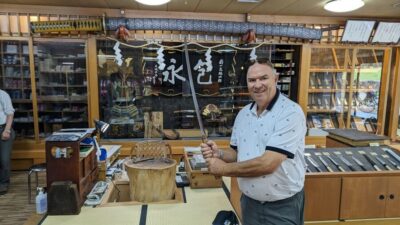
E-Bike Nara Highlights – Todaiji, Knives, Deer, Shrine
Read our review →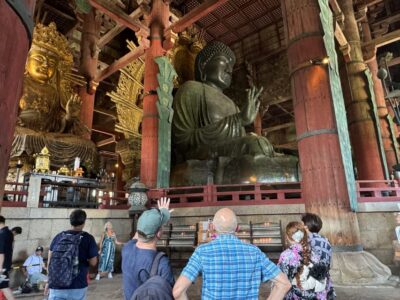
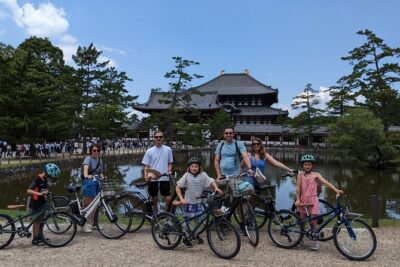
E-Bike Nara Highlights – Todaiji, Knives, Deer, Shrine, and Gems
Read our review →
Essential Private Tour with Deer Park and Temples
Read our review →
Nara Deer Park, Uji Matcha, & Hot Spring Full-Day Tour from Osaka
Read our review →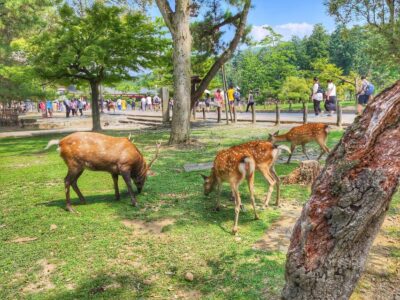
Nara, Todaiji, Kasuga Taisha Shrine Private Full Day
Read our review →Browse the lists this tour appears in