
Review · LOCAL FOOD WALKS
NO DIET CLUB – Unique local food tour in Tokyo !
Tokyo food tastes better when nobody is rushing you.
If you want Tokyo that feels real, this Sangenjaya walk is a great choice, just a hop from Shibuya yet worlds calmer. I like that you get all food included with at least five tastings, and the pace gives you time to actually enjoy what you are eating. One thing to consider: drinks are not included (water is), so you may want to plan a little extra if you like beer or tea with snacks.
You will also get a small-group experience, capped at 10 people, with guides in English and French. In recent bookings, the names showing up most are Valentin and Marie, and both come across as attentive and good at explaining what you are tasting. If you are picky about seafood, the good news is that pescatarians are welcome, but seasonal swaps can change what ends up on the menu.
In This Review
- Sangenjaya, Not Another Tokyo Checklist
- What the 3 Hours Actually Feel Like
- The Tastings: Savory, Sweet, and Proper Portion Size
- Walking Through the Quiet Side of Tokyo
- Guide Style: Explanations That Make the Food Click
- Value Check: Why $68 Can Make Sense Here
- Itinerary Breakdowns: How the Stops Work
- Tasting stop 1: A classic street-food start
- Tasting stop 2: A warm comfort snack moment
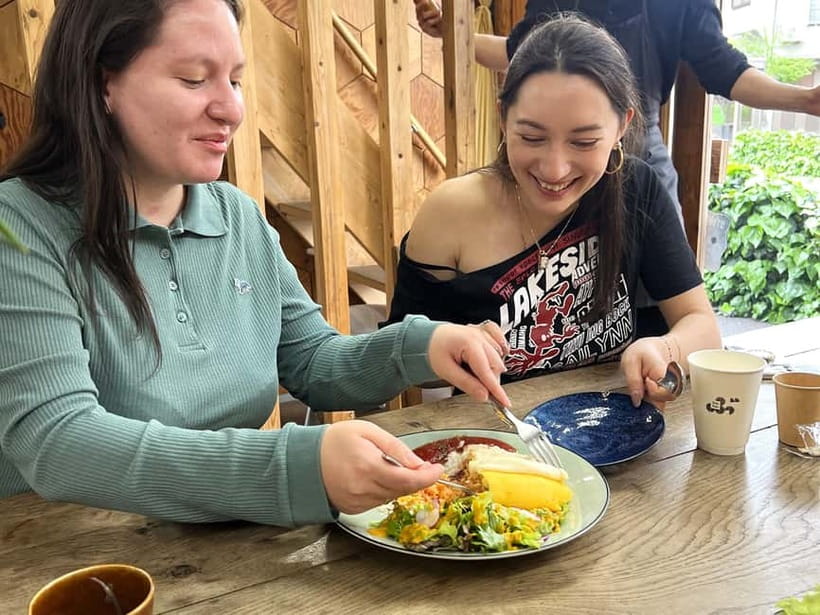
- Tasting stop 3: Omurice and the diner-side of Tokyo
- Tasting stop 4: A sweet break that resets your taste buds
- Tasting stop 5 and beyond: Finishing strong with more local variety
- Who This Tour Fits Best
- Practical Tips Before You Go
- Should You Book NO DIET CLUB?
- FAQ
- How long is the tour?
- How much does it cost?
- Where does the tour take place in Tokyo?
- How many tastings are included?
- What food do you sample?
- Are drinks included?
- What languages is the tour available in?
- Is this tour good for pescatarians?
- What group size should I expect?
- What is the cancellation policy?
Sangenjaya, Not Another Tokyo Checklist
Sangenjaya is the kind of neighborhood that makes you relax. You still feel close to the energy of Tokyo, but you are not trapped in the loud, photo-first tourist lanes.
This tour leans into that local comfort. You are strolling through older streets, peeking into small alleys, and stopping at neighborhood places that have been feeding regulars for a long time. I love that it is set up like a gentle walk, not a sprint where you eat standing up and move on before you even finish chewing.
And the food selection shows the goal. You will hit classic soul foods, with examples like takoyaki, omurice, and curry pan. You are not just collecting bites, you are learning how these snacks fit into everyday Japanese life.
The biggest payoff for me is the balance of flavor variety and quantity. The tour is built around quality and quantity, meaning you actually leave satisfied, not just pleasantly sampled.
What the 3 Hours Actually Feel Like

This is a 3-hour walking tour, built around frequent stops. With a small group, you are not stuck behind a big crowd, and your guide can answer questions as you go.
A key detail is that the tastings are spread out, so you get natural breaks between stops. One review specifically called out the walking rhythm as helpful for digestion, and that matches the feel of the tour. You are moving through the neighborhood, then stopping to eat, then moving again.
That pace matters because Japanese street food is better when you take it in. You get savory bites, then sweet ones later, with enough time to reset your taste buds between places. If you prefer tours where you can talk and absorb the context, this format suits you.
More Food Tours in Tokyo
- Tokyo: Shinjuku Food Tour (13 Dishes at 4 Local Eateries)
★ 5.0 · 6,603 reviews - Tokyo Tsukiji Fish Market Food and Culture Walking Tour
★ 5.0 · 3,184 reviews - Tokyo: Shinjuku Food Tour (15 Dishes and 4 Eateries)
★ 4.9 · 2,033 reviews
The Tastings: Savory, Sweet, and Proper Portion Size
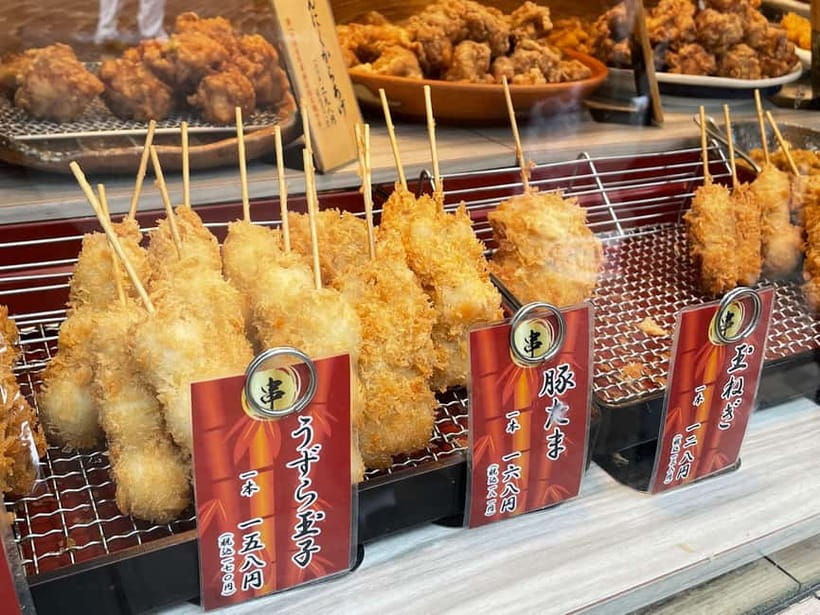
You get all food included, with a minimum of five tastings in many spots. That matters more than the headline dishes because it reduces the usual problem of food tours where you pay for an experience, then still feel hungry.
You can expect a mix of:
- Savory snacks that feel like quick comfort food
- Sweet bites that land after you have already built up an appetite
- Classic Japanese staples that many first-timers have heard of, but few people find in the right local setting
The tour highlights dishes like takoyaki, omurice, and curry pan. Those are perfect anchors because they represent different sides of Tokyo comfort food. Takoyaki is fun and savory with a strong street-food identity. Omurice brings that cozy, slightly sweet egg-meets-rice vibe that feels like a hug. Curry pan is a portable, warm, filling snack that often becomes a fan favorite once you try it.
Because tastings may vary with the season, you should not expect the exact same menu every month. That is not a downside, it is smart. Seasonal changes keep the tour from getting stale and help you taste what local spots are actually serving right now.
Walking Through the Quiet Side of Tokyo
A lot of Tokyo tours chase the same central areas. This one intentionally works in a quieter zone, centered on Sangenjaya, which you reach in an easy, practical way from Shibuya.
The effect is noticeable. The streets feel less hectic, and you are more likely to spot everyday details, like small shops that look like they have been doing the same thing for decades. That calm pace also helps you notice the tiny differences between places.
In reviews, people repeatedly point to the neighborhood atmosphere as a highlight. They also mention finding restaurants and food spots they would not have found alone, which is exactly what you want from a local food tour.
Guide Style: Explanations That Make the Food Click
The human part matters here. When the guide is strong, you stop treating each bite like a random sample and start understanding why that food exists.
From recent comments, the guides tend to focus on context, not just instructions. For example, one review noted that they gave more explanations and background even for dishes the writer already knew. Another emphasized that the guide took time to tailor guidance to the group’s expectations.
If you are traveling with questions, this helps. You can ask what a dish is, what to notice about flavor or texture, and how it fits into local routines. With languages offered in English and French, you are also less likely to feel left out if your group has mixed language comfort.
And with a small group limited to 10, you get the kind of conversation where the guide is not constantly splitting attention across a crowd.
More Food Walks in Tokyo
- Tokyo Night Foodie Tour in Shinjuku – Seasonal Sushi, Wagyu Beef
★ 5.0 · 1,161 reviews - Shinjuku Izakaya Food Tour
★ 5.0 · 1,041 reviews - Eat and Drink Like a Local: Tokyo Ueno Food Tour-Taverns&Ramen
★ 5.0 · 957 reviews - Tokyo: Shibuya Food Tour (13 dishes and 4 Eateries)
★ 5.0 · 770 reviews
Value Check: Why $68 Can Make Sense Here
At $68 per person for a 3-hour tour, you are really paying for three things: access, organization, and food. Here, food is not an afterthought.
Because all food is included and you get at least five tastings, the price is more predictable than tours that only hand out a couple of samples. If you were to recreate this on your own, you would need to find multiple spots that match your tastes, then figure out how much to order, and still pay entry snacks as you go.
The trade-off is simple. Drinks are not included except water. If you plan to drink alcohol or specialty beverages, budget a bit more. But if you are happy sticking to water, you are in good shape.
I also like that pescatarians are welcome, even if tastings may vary by season. That reduces the stress of finding options in Japan when your diet is specific.
Itinerary Breakdowns: How the Stops Work
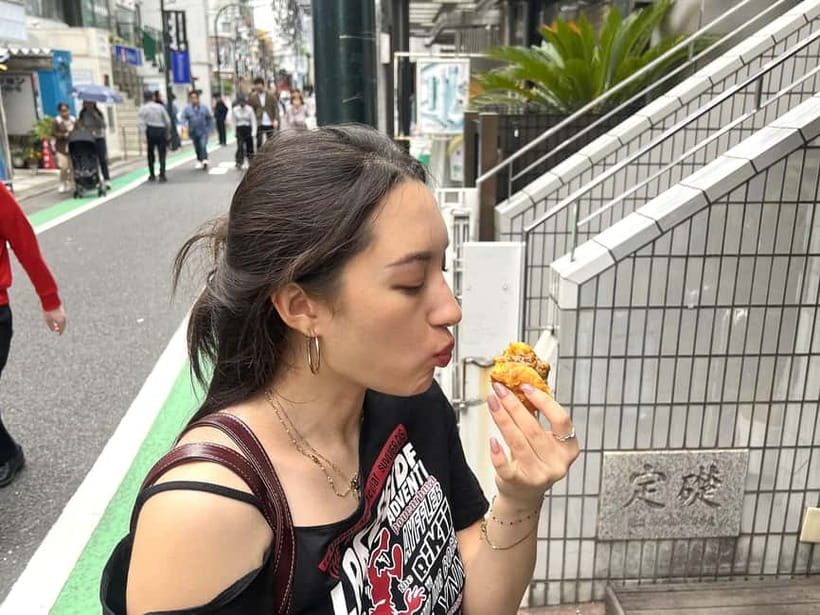
I would think of this tour as five tasting moments plus walking time. You will not just be eating, you will be learning the local “how it’s done” through a sequence of neighborhood stops.
Tasting stop 1: A classic street-food start
Most tours like this open with something easy to share and unmistakably Japanese. Here, takoyaki is one of the featured examples, so it is a strong candidate for an early stop.
What makes this kind of first bite work is texture and pace. You get savory flavor quickly, then you can keep walking without feeling like you are stuck in one place.
Possible drawback: if you are sensitive to strong flavors, start slowly. Ask the guide what to expect, especially if a sauce is a big part of the dish.
Tasting stop 2: A warm comfort snack moment
Next, the tour leans into cozy, filling items that feel like Tokyo comfort. Curry pan is specifically highlighted, and it is a great example of portable comfort food.
This is the kind of tasting that changes your energy for the rest of the walk. It usually gives you that warm, steady satisfaction that snack-size bites sometimes miss.
Possible drawback: it can be rich. If you like lighter flavors, take smaller bites and rely on the walking rhythm to keep things comfortable.
Tasting stop 3: Omurice and the diner-side of Tokyo
Omurice is another highlighted dish, and it represents that playful mix of Western influence and Japanese technique. It is often soft, savory, and satisfying, and it is the kind of dish people remember because it feels both familiar and different.
This stop is a good checkpoint in the tour. By now, you have tasted savory items and you can start noticing how each dish is built for different moods, quick meals, or comfort after a long day.
Tasting stop 4: A sweet break that resets your taste buds
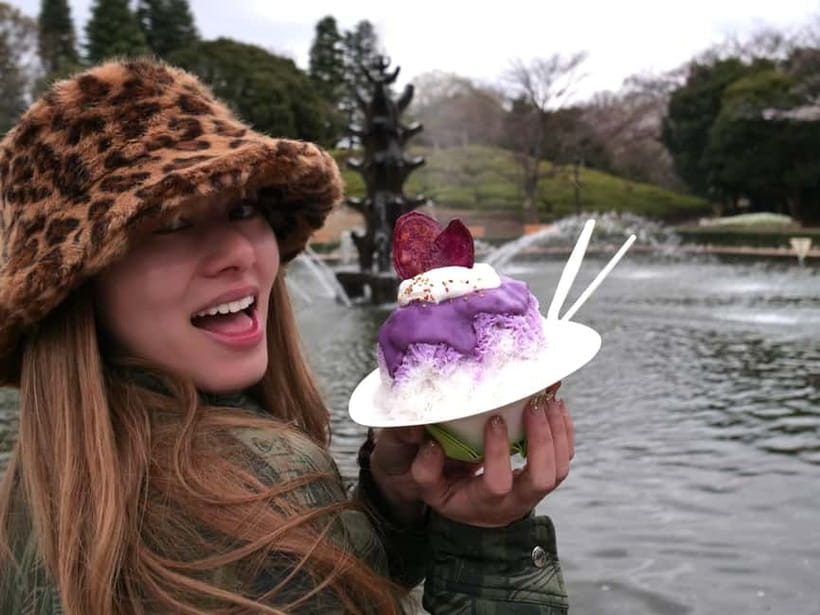
You get savory and sweet tastings, with sweet stops included in the mix. The exact dessert can shift by season, but the purpose stays the same: reset your palate after heavier flavors.
This is where I find these tours get more fun. Japanese sweets can be delicate, and it is nice to compare textures and sweetness levels across stops.
Possible drawback: if you do not like sweets, you may want to tell the guide early. The tour is designed to include multiple tastings, so they can often help you focus on what you will enjoy most within the menu options.
Tasting stop 5 and beyond: Finishing strong with more local variety
Because there are five tastings minimum and often more than that, the final portion of the tour usually delivers extra variety. You are likely to hit another local specialty that rounds out the savory-to-sweet balance.
This is also where guides can steer you toward what the group would enjoy most, and why the walking matters. You do not want the tour to feel like a food marathon. With the pacing, it tends to feel like a relaxed tour of how locals eat.
Who This Tour Fits Best
This experience is a smart match if:
- You want Tokyo food in a quieter local area instead of a central tourist circuit
- You like guided context, not just tasting
- You want enough food that you feel satisfied after 3 hours
- You are traveling as a small group or as a solo traveler who still wants a personalized feel
It is also a good option if you eat pescatarian, since the tour welcomes pescatarians, with seasonal variation in what you taste.
If you are on a super tight schedule, the timing is clear and manageable. Three hours is long enough to eat properly and walk through the neighborhood, but not so long that you lose the day.
Practical Tips Before You Go
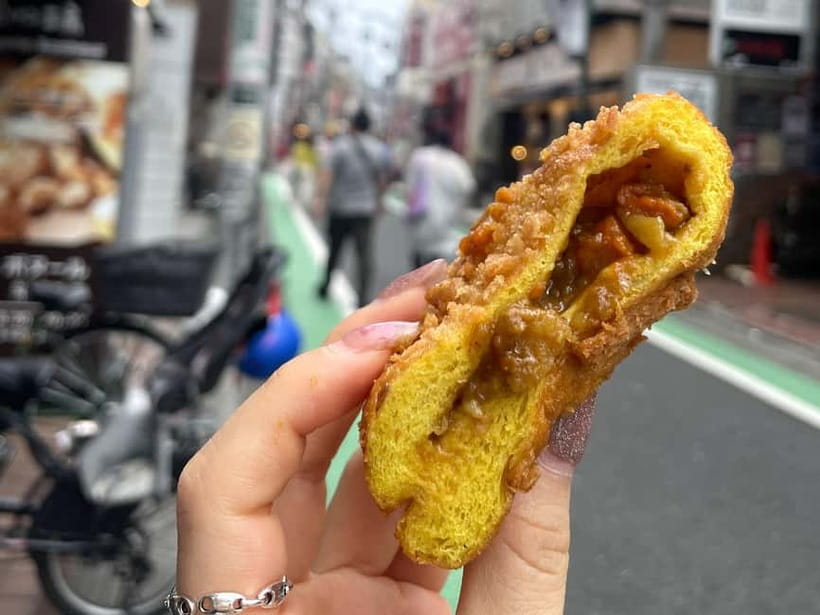
Come hungry, but do not plan to skip your next meal after the tour. With all food included and at least five tastings, you usually end up satisfied.
Wear walking-friendly shoes. This is a stroll through old Tokyo, with stops along the way, so you will cover ground at a comfortable pace.
If you have dietary needs beyond pescatarian, it is worth asking what adjustments can be made. The only detail you have here is that pescatarians are welcome, and tastings may vary by season, so specifics for other diets are not guaranteed from the information provided.
And if you enjoy drinks, keep in mind that water is included but other drinks are not. If you want something beyond water, plan on paying separately.
Should You Book NO DIET CLUB?

If you want a food tour that feels grounded and local, I think this is an easy yes. The combination of Sangenjaya, a calmer neighborhood feel, all food included, and a small group of 10 makes it a strong value for people who want Tokyo that is not stuck in tourist mode.
I would especially book it if you care about getting the “why” behind the dishes. The guide approach described in recent experiences focuses on context, and that makes each tasting more meaningful.
One last check: if you love ordering drinks with dinner, factor in that drinks are not included. If that is fine, you are set up for a relaxed, tasty afternoon that is very hard to replicate on your own.
FAQ
How long is the tour?
The tour lasts 3 hours.
How much does it cost?
It costs $68 per person.
Where does the tour take place in Tokyo?
It focuses on Sangenjaya, a neighborhood near Shibuya.
How many tastings are included?
All food is included, with 5 tastings minimum in many spots.
What food do you sample?
You can expect Japanese soul food, with highlighted examples like takoyaki, omurice, and curry pan, plus additional savory and sweet tastings.
Are drinks included?
Drink is not included except water.
What languages is the tour available in?
The tour is available in English and French.
Is this tour good for pescatarians?
Yes, pescatarians are welcome, and tastings may vary with the seasons.
What group size should I expect?
It is a small group with a maximum of 10 participants.
What is the cancellation policy?
You can cancel up to 24 hours in advance for a full refund.
More Food & Drink in Tokyo
- Tokyo: Tsukiji Fish Market Food and Walking tour
★ 5.0 · 1,724 reviews - Tokyo: Tsukiji Fish Market Food and Culture Walking Tour
★ 4.7 · 757 reviews - Tsukiji Fish Market: Street Food & Culture Walking Tour
★ 5.0 · 669 reviews - Tsukiji Fish Market Small-Group Food Walking Tour
★ 5.0 · 621 reviews
Newly listed around Tokyo
- Japanese paper Notebook and Mizuhiki Belt Bookmark Workshop★ 4.9 · 14 reviews
- Tokyo: Personalized Private 6-Hour Tour★ 4.7 · 22 reviews
- From Tokyo:Nikko Full Day Tour w/Hotel Pickup by Private Car★ 5.0 · 10 reviews
- Nikko in Style: Luxury private Day Tour with English guide★ 5.0 · 9 reviews
- 【NEW】Shibuya Tea Ceremony Tokyo-Chaan★ 5.0 · 9 reviews
- From Narita Airport: Private Layover or Transit Guided Tour★ 4.8 · 29 reviews
- Nagano/Tokyo: Snow Monkey Private Day Tour At Lowest Rate★ 4.7 · 44 reviews
- Nagano: World’s Edge Tateyama Kurobe Alpine Route Tour★ 4.9 · 11 reviews
Local Food Walks, compared.
Shinjuku Food Tour (13 Dishes at 4 Local Eateries)
Read our review →
Shinsekai Food Tour with 13-15 Dishes at 5 Eateries
Read our review →
Osaka Food Tour: 13 Dishes at 5 Local Eateries
Read our review →
Shinjuku Food Tour (15 Dishes and 4 Eateries)
Read our review →
Kyoto Night Foodie Tour in Gion (9+ dishes + 6 Sake tastings)
Read our review →
Hungry Osaka Street Food Tour:15 Tastings & 3 Drinks with a Local
Read our review →
Tokyo Night Foodie Tour in Shinjuku – Seasonal Sushi, Wagyu Beef
Read our review →
Browse the lists this tour appears in