
Review · LOCAL FOOD WALKS
Old Town Tokyo Food Tour
Old Tokyo can feel like a theme park, not this. The Yanaka food route mixes old-neighborhood streets with real tastings and a Teishoku lunch that keeps you full and moving. What I like most is the tight size, up to 10 people, and the way the meal includes both lunch and multiple food stops without turning into a long slog. One thing to keep in mind: this is a walking tour of moderate pace, and good weather matters.
You start at Coffee Room Renoir Nippori Yanaka and spend about 3 hours 30 minutes sampling your way through Yanaka (Yanesen), with stops that include temples and the Yanaka Ginza shopping street. My other favorite part is the wagashi and tea ceremony experience, because it adds context to what you’re eating instead of feeling like a separate show. If you’re expecting hotel pickup, plan ahead, since transportation costs are not included.
In This Review
- Key points before you go
- Yanaka, the old Tokyo walk you actually have time for
- Meeting at Coffee Room Renoir Nippori Yanaka, then getting moving
- Temple pauses and neighborhood texture (Tennō-ji, Kyōōji, and Yūyake Dandan)
- Yanaka Ginza for small-shop Tokyo, plus local specialties
- Yanaka Cemetery Park and Okakura Tenshin Memorial Park: quiet places with meaning
- The food portion: 6 stops that actually feed you
- Wagashi and tea ceremony: culture you can taste
- Shopping time that fits the route
- Tour pace and group size, why it feels comfortable
- Weather and timing: plan around a half-day schedule
- Price and value: what $231 buys you in Yanaka
- Who this tour suits best, and who should pick something else
- Should you book this Old Town Tokyo Food Tour?
- FAQ
- How long is the Old Town Tokyo Food Tour?
- What time does the tour start?
- Where do I meet the guide?
- What food and experiences are included?
- Is there a tea ceremony?
- Is the tour suitable for vegetarians or gluten-free eaters?
- Is transportation or hotel pickup included?
- How many people are in the group?
- What is the cancellation policy?
Key points before you go
- Yanaka (Yanesen) focus: an older district with architecture and atmosphere worth slowing down for
- Teishoku lunch included: a sit-down meal with regional specialties from Kyushu
- Wagashi and tea ceremony: a structured cultural moment tied to what you eat
- 6 food stops: dishes and drinks are included across the walk
- Small group size: max 10 travelers, which helps keep the pace friendly
- Dietary-friendly options: vegan, vegetarian, pescetarian, and gluten-free friendly
Yanaka, the old Tokyo walk you actually have time for
Yanaka is the kind of Tokyo neighborhood that makes you stop walking for a second. It survived major shocks, including fires, earthquakes, and World War II bombings, and you can feel that layering in the street scenes. The tour uses that setting well: you get a guided route that pairs the look of old Tokyo with the taste of it.
This is also a practical length. At roughly 3 hours 30 minutes, you get enough stops to feel like a food experience, but not so long that you’re destroyed before dinner. The route is designed to fit a half-day window, starting at 10:30 am, so you’re not stuck spending your afternoon in a crowd.
Finally, it’s a strong value format. For $231 per person, you’re not just paying for someone to point at street corners. You’re paying for a local English speaking guide, a sit-down lunch, wagashi and tea, and dishes and drinks at 6 food stops. That matters in Tokyo, where “food tour” can sometimes mean lots of looking and not much eating.
More Food Tours in Tokyo
- Tokyo: Shinjuku Food Tour (13 Dishes at 4 Local Eateries)
★ 5.0 · 6,603 reviews - Tokyo Tsukiji Fish Market Food and Culture Walking Tour
★ 5.0 · 3,184 reviews - Tokyo: Shinjuku Food Tour (15 Dishes and 4 Eateries)
★ 4.9 · 2,033 reviews
Meeting at Coffee Room Renoir Nippori Yanaka, then getting moving
The meeting point is Coffee Room Renoir Nippori Yanaka, in Taito City, Yanaka, at 7-chōme, and the address is listed as 206 谷中ホームズ. You start at 10:30 am and finish in the Yanaka area.
Why I like this start: it’s in the neighborhood itself, not a distant hub. You don’t burn time and money on a long transfer before your tour even begins. The tour also uses a mobile ticket, which keeps things simple on arrival.
Also check the “moderate physical fitness” note. This is not described as a marathon, but it’s a walking itinerary with multiple stops. If you know you’ll struggle with steady walking, you might want to plan breaks in advance, bring comfortable shoes, and pack water.
Temple pauses and neighborhood texture (Tennō-ji, Kyōōji, and Yūyake Dandan)
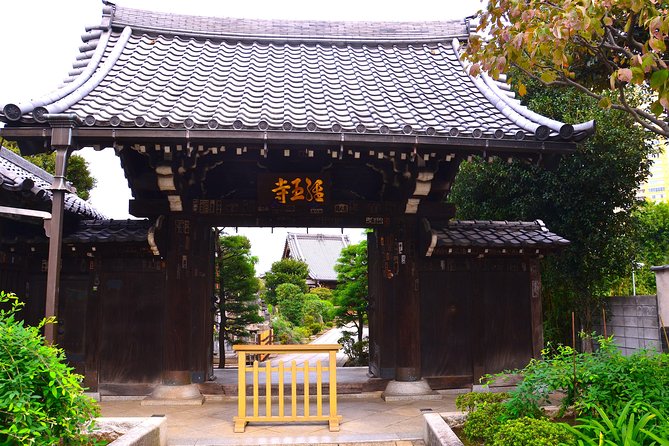
The route quickly settles into “old Tokyo” mode. After meeting your guide, you head into a sequence of culturally important stops, including Tennō-ji and Kyōōji Temple, plus a stop called Yūyake Dandan.
Here’s why these early stops work for most people:
- Temples and neighborhood lanes give you context fast. You’re not just sampling food in a vacuum, you’re learning what this area looks like and how people move through it.
- The names alone tell you the tone. You’re walking into a real place, not a set built for tourists.
A small consideration: temple grounds can have surfaces that feel different from street sidewalks. You don’t need special gear, but your “moderate fitness” comfort level should include uneven paving or steps. Go slow at the start, so your legs are fresh for the eating portion later.
Yanaka Ginza for small-shop Tokyo, plus local specialties
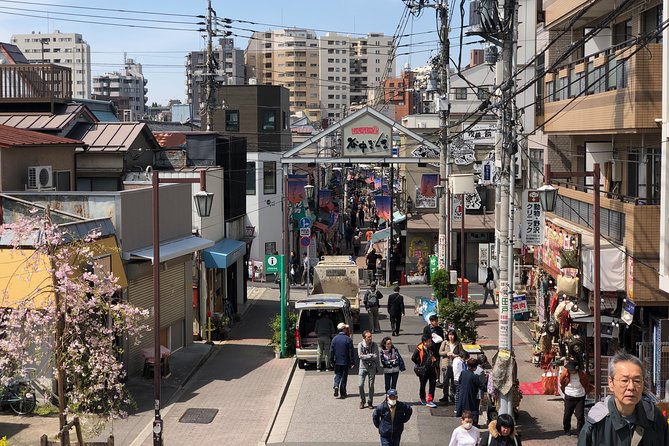
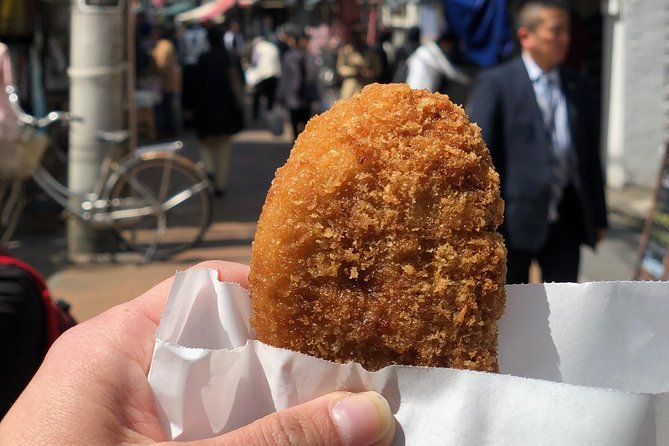
Then you reach Yanaka Ginza, a shopping strip where the pace feels more human than a major commercial street. The tour includes a visit to small shops with history and time to try local specialties. This is where the tour becomes more than “structured tastings.”
What you can do here that’s usually hard on a regular day:
- Use the guide to help you choose what to sample
- Ask questions about what you’re seeing, not just what you’re eating
- Slow down and browse without feeling like you’re holding up a group
This part is one of the best value spots in the itinerary because it’s not only about food. It’s about learning how a local shopfront works in an older Tokyo neighborhood.
More Food Walks in Tokyo
- Tokyo Night Foodie Tour in Shinjuku – Seasonal Sushi, Wagyu Beef
★ 5.0 · 1,161 reviews - Shinjuku Izakaya Food Tour
★ 5.0 · 1,041 reviews - Eat and Drink Like a Local: Tokyo Ueno Food Tour-Taverns&Ramen
★ 5.0 · 957 reviews - Tokyo: Shibuya Food Tour (13 dishes and 4 Eateries)
★ 5.0 · 770 reviews
Yanaka Cemetery Park and Okakura Tenshin Memorial Park: quiet places with meaning
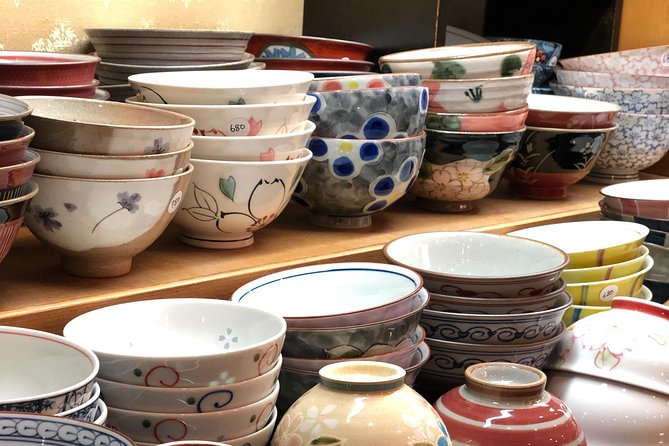
Next come Yanaka Cemetery Park and Okakura Tenshin Memorial Park. You’re not being asked to treat this like a sightseeing checklist. Instead, these stops add contrast after the more commercial energy of Yanaka Ginza.
Why that contrast matters on a food tour:
If your whole half-day is only eating and noise, you stop tasting. A quieter pause can help you reset. It also gives you a fuller sense of the neighborhood’s identity, including how public spaces carry history and community life.
Practical note: parks and memorial areas mean you’ll keep walking. If you’re someone who tends to get tired in open areas, plan on a slower stride and use the guide’s timing to regulate your energy.
The food portion: 6 stops that actually feed you
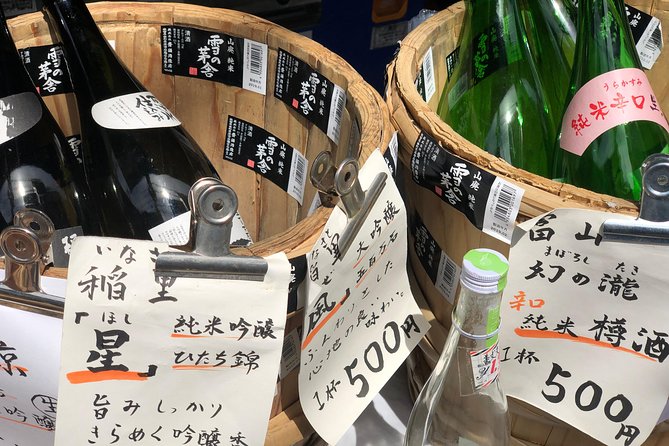
The experience includes dishes and drinks at 6 food stops, plus lunch in a restaurant. That combination is the core reason the tour works.
Many food tours in big cities rely on snacks that disappear fast. This one is structured so you have:
- Multiple tastings across the walk
- A real lunch, not just a bite
- A cultural add-on (wagashi and tea) that ties into Japanese food habits
The lunch is a Teishoku style meal with regional specialties from Kyushu Island. Teishoku is the kind of meal format that feels orderly and filling, usually bringing several components together. In a food tour context, it’s also a smart move because it lets you eat more than one flavor profile without guessing.
Dietary support is also explicitly covered. The tour is described as vegan, vegetarian, pescetarian, and gluten-free friendly. That doesn’t guarantee every single item will be identical for every group, but it does mean you can ask for accommodations in advance and expect the tour to handle them.
One drawback to consider: the tour includes additional drinks or food are not included. So while most of what you need is covered, if you’re the type who wants soft drinks, coffee refills, or extra alcohol, you’ll pay out of pocket.
Wagashi and tea ceremony: culture you can taste
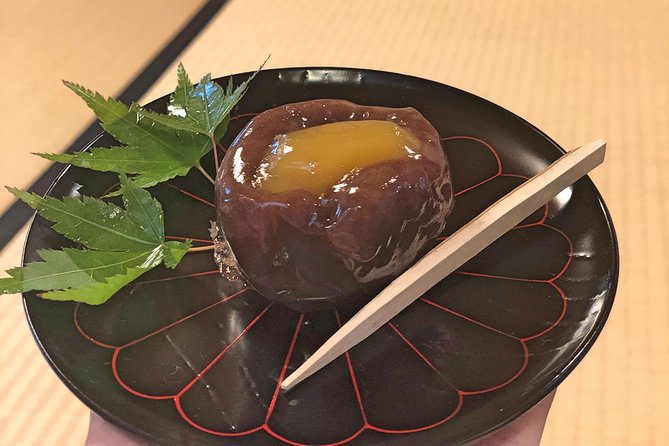
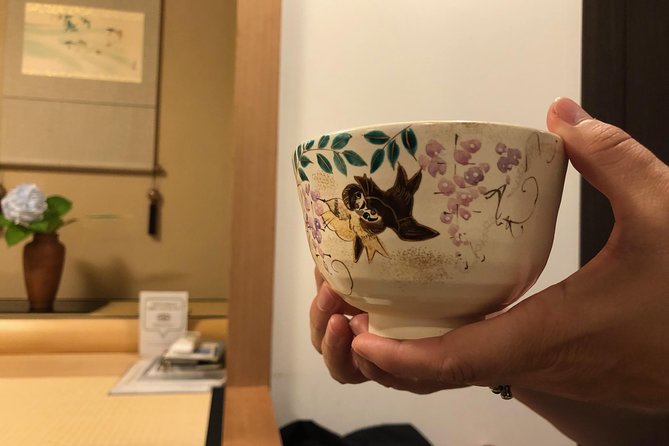
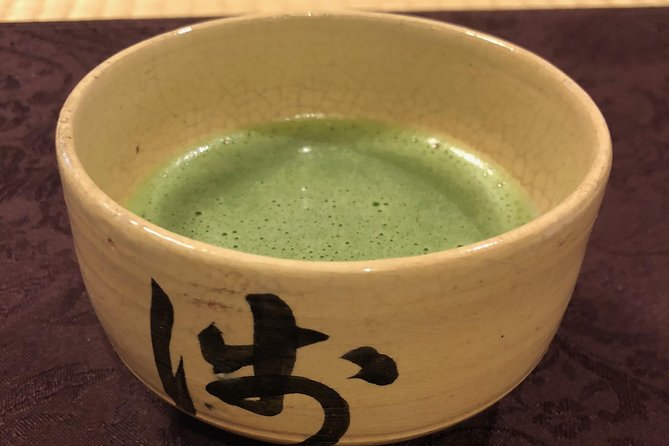
You’ll also do a wagashi and tea experience, described as an authentic tea ceremony. This is usually the part people worry might feel formal or overly scripted. In practice, it’s valuable because it connects food to ritual.
Wagashi matters because it’s a sweet you can experience with your senses, not just a dessert afterthought. Pairing wagashi with tea also helps you understand how Japanese meals balance flavors: sweetness, bitterness, and the way tea works as a palate cleanser.
What I like for you as a reader: the tour doesn’t treat the tea ceremony as a random detour. It’s built into the food theme, so your afternoon feels coherent. It’s also a nice change of pace after walking. You sit down, slow down, and then keep going.
Shopping time that fits the route
The tour includes shopping time, which is important because older neighborhoods are where you can find small food-related items and local goods. The key is that the shopping time is built into the schedule, not something you have to negotiate with the group in the moment.
If you’re the type who likes to bring home food souvenirs, this is a great window. Just remember that the tour includes lunch and most tastings, so you might not want to buy too much immediately. Wait until you’ve tasted what you like, then shop with a clearer idea of what’s worth carrying.
Also, because changes can happen due to restaurant schedules, public holidays, weather, and other unforeseen circumstances, be flexible. You’ll get substitutions if needed, so don’t lock your expectations to one single shop or dish.
Tour pace and group size, why it feels comfortable
This tour has a maximum of 10 travelers. That’s a big deal in Tokyo, where larger groups can turn a food crawl into a waiting game. With a small group, your guide can guide more personally and keep the pace realistic.
The “family-friendly” note is also worth considering. The experience includes children as long as an adult accompanies them. There’s also a passport information copy requirement for kids 10 and above. That suggests the provider is organized and prepared to handle documentation needs in a straightforward way.
The practical takeaway: if you want a food tour that still feels like a neighborhood walk, and not a bus ride with snacks, the small size helps.
Weather and timing: plan around a half-day schedule
Good weather is required. If it’s canceled due to poor weather, you’ll be offered a different date or a full refund.
That matters because Yanaka is a walking district. Even if your legs handle walking well, rain can change the experience quickly. If you’re booking during a rainy season or a period known for sudden showers, keep your schedule flexible. If you wear layers and bring a compact umbrella, you’ll be comfortable.
Also, this tour starts at 10:30 am. If you’re planning other activities the same day, consider that you’ll finish in the Yanaka area, but not necessarily near your hotel. It’s smart to plan your afternoon nearby or allow time to get back.
Price and value: what $231 buys you in Yanaka
At $231 per person, this isn’t a budget food tour. But it’s not just pricey for the sake of being pricey.
Here’s the value math you can feel:
- You get a local English speaking guide
- You get dishes and drinks at 6 food stops
- You get lunch in a restaurant
- You get wagashi and a tea ceremony experience
- You get time built in for shopping
What you’re not paying for here:
- Hotel pickup or drop-off
- Transportation costs
- Additional drinks or extra food beyond what’s included
If you compare this to buying lunch plus several paid tastings plus a separate tea experience on your own, the structure becomes easier to justify. The tour reduces guesswork. You’re not hunting for the right places, and you’re not negotiating language barriers while trying to order.
If your goal is pure DIY sightseeing, you could probably cobble together a similar walk. But if you want the food pieces handled and you prefer not to figure things out in Japanese mid-walk, paying for a guide plus included tastings is usually worth it.
Who this tour suits best, and who should pick something else
This tour is a strong fit if you:
- Want old Tokyo without the big-city chaos
- Like food tours that come with real meals, not just samples
- Enjoy cultural stops like temples and a tea ceremony
- Need dietary flexibility, since it’s described as vegan, vegetarian, pescetarian, and gluten-free friendly
You might want to think twice if:
- You dislike walking or have trouble with moderate walking over several stops
- You prefer super-flexible schedules where you can wander without returning to a group
- You expected hotel pickup, because you’ll arrange your own transit
It also works well for first-time Tokyo visitors who want a neighborhood with a distinct feel and a memorable food-and-culture flow.
Should you book this Old Town Tokyo Food Tour?
If your ideal Tokyo day is part tasting, part neighborhood texture, and part a seated cultural moment, I’d book it. Yanaka’s history is the backdrop, and the tour uses it in a way that feels practical: you walk, you eat, you pause, you keep going.
Before you commit, do two quick checks:
- Can you handle a moderate walking route for about 3 hours 30 minutes?
- Are you okay with no hotel pickup, plus the possibility of weather-related schedule changes?
If you answer yes, this is the kind of half-day experience that pays off fast. You’ll leave with more than full stomach energy. You’ll come away with a real sense of how people live in Yanaka, plus food memories tied to a tea and wagashi moment you can’t easily replicate on your own.
FAQ
How long is the Old Town Tokyo Food Tour?
It runs for about 3 hours 30 minutes.
What time does the tour start?
The start time is 10:30 am.
Where do I meet the guide?
You meet at Coffee Room Renoir Nippori Yanaka in Taito City, Yanaka (address listed as 7-chōme, 206 谷中ホームズ). You finish in the Yanaka area.
What food and experiences are included?
The tour includes wagashi and tea experience, dishes and drinks at 6 food stops, and lunch in a restaurant, plus shopping time.
Is there a tea ceremony?
Yes. The tour includes an authentic tea ceremony as part of the wagashi and tea experience.
Is the tour suitable for vegetarians or gluten-free eaters?
The tour is described as vegan, vegetarian, pescetarian, and gluten-free friendly.
Is transportation or hotel pickup included?
No. Hotel pickup and drop-off are not included, and transportation costs are not included.
How many people are in the group?
The tour has a maximum of 10 travelers.
What is the cancellation policy?
You can cancel for a full refund up to 24 hours before the experience’s start time. If you cancel less than 24 hours before, the amount you paid will not be refunded.
More Food & Drink in Tokyo
- Tokyo: Tsukiji Fish Market Food and Walking tour
★ 5.0 · 1,724 reviews - Tokyo: Tsukiji Fish Market Food and Culture Walking Tour
★ 4.7 · 757 reviews - Tsukiji Fish Market: Street Food & Culture Walking Tour
★ 5.0 · 669 reviews - Tsukiji Fish Market Small-Group Food Walking Tour
★ 5.0 · 621 reviews
Newly listed around Tokyo
- Private Tokyo Food Tour – A Journey Through Time Through Food★ 5.0 · 36 reviews
- Private Tokyo Tour with Licensed Guide & Vehicle (Max 15 persons)★ 5.0 · 107 reviews
- Private Tokyo Custom Full-Day Tour by Chartered Vehicle★ 5.0 · 16 reviews
- Private Tokyo Custom Half-Day Tour by Chartered Vehicle★ 4.5 · 13 reviews
- Private Outstanding Nikko Tour with English Speaking Driver★ 4.0 · 11 reviews
- Private Sightseeing to Mt Fuji and Hakone with English Driver★ 5.0 · 51 reviews
- Private Snow Monkeys park Day Trip From Tokyo or Nagano★ 4.5 · 26 reviews
- 4 Day Tour – Mount. Fuji, Tokyo, Hakone, Kamakura and Yokohama★ 5.0 · 19 reviews
Local Food Walks, compared.
Shinjuku Food Tour (13 Dishes at 4 Local Eateries)
Read our review →
Shinsekai Food Tour with 13-15 Dishes at 5 Eateries
Read our review →
Osaka Food Tour: 13 Dishes at 5 Local Eateries
Read our review →
Shinjuku Food Tour (15 Dishes and 4 Eateries)
Read our review →
Kyoto Night Foodie Tour in Gion (9+ dishes + 6 Sake tastings)
Read our review →
Hungry Osaka Street Food Tour:15 Tastings & 3 Drinks with a Local
Read our review →
Tokyo Night Foodie Tour in Shinjuku – Seasonal Sushi, Wagyu Beef
Read our review →
Browse the lists this tour appears in