
Review · HISTORIC CASTLE VISITS
Osaka: Castle History Walking Tour / Castle Tower Admission
Osaka Castle is more than postcard walls. This history-and-fortifications walking tour takes you through the defensive logic behind the place, then rewards you with a top-of-tower city view. You learn what attackers faced as they were funneled through gates, moats, and kill zones, not just when the castle was built.
I especially like how the tour focuses on the castle’s practical design, like masugata entrances and zigzag routes that slowed invaders. I also like that you get straight into the Osaka Castle Tower with a skip-the-line entrance so you spend less time stuck in queues.
One drawback to plan for: you are walking through historical grounds, so if you hate uneven stone paths or long stretches on your feet, this might feel like more effort than you expected.
In This Review
- Key highlights worth aiming for
- Why Osaka Castle feels different with a guide
- Getting to the meeting point without the usual confusion
- Osaka Castle grounds: the “defense layers” lesson you can walk through
- Outer moats and the first slowdown
- Triple moats and multi-layer gates
- Masugata entrances that trap invaders
- Zigzag routes designed for fire
- The largest stone and the 1500s logistics story
- Hidden stone marks and the craft behind “unclimbable” walls
- Hokoku Shrine stop: a calm contrast inside the castle visit
- Back to the castle: tower views and what you do inside
- The city view reward at the top
- What you will learn from the tower design
- What is not included
- Price and value: why $33 can work well here
- Who this tour is best for
- What to bring so the tour stays enjoyable
- Booking decision: should you book this Osaka Castle tour?
Key highlights worth aiming for
- Triple moats and layered defenses: learn how the castle delayed and separated attackers.
- Masugata gate strategy: see how doorways forced attackers to expose themselves.
- The castle’s largest stone: understand how it was moved in the 1500s.
- Stone-craft clues on walls: spot hidden marks left by master craftsmen.
- Unclimbable stonework design: notice wall angles made for defense.
- Tower as command post: arrow slits, gun ports, and psychological design details.
Why Osaka Castle feels different with a guide
Osaka Castle is famous. That also means it can feel rushed if you show up cold and wander solo. This tour is built to change the pace. Instead of treating the castle like a pretty monument, you look at it like a machine made to hurt people who tried to breach it.
A good guide matters here because the details are easy to miss. On the walls, in the gates, and even in the stone layout, the “why” is not always obvious. When I see guides like Saya, Mao, Spike, or Yuta leading groups, the pattern is consistent: they point out the defensive choices you would otherwise walk right past, then connect those choices to the bigger story of power in Japan.
You also get practical payoff. The tour includes Osaka Castle Tower admission, and the wording is clear about skip-the-line entry through a separate entrance. That alone can make the visit feel smoother.
More Castle Visits in Osaka
- Osaka Castle: Museum and Tower Entry Ticket
★ 4.5 · 2,380 reviews - Ultimate Osaka Walking Tour: Castle, Dotonbori & Hidden Gems
★ 5.0 · 862 reviews - From Osaka: Himeji Castle, Arima Onsen & Mt. Rokko Day Tour
★ 4.6 · 339 reviews
Getting to the meeting point without the usual confusion

You meet in front of Lawson S Otemae Rest House Store. The important note is that there are multiple Lawson locations nearby, so check Google Maps before you arrive. If you show up at the wrong Lawson, you can lose time you will wish you had back.
Look for the Local Guide Stars sign. It is an easy visual anchor once you are at the correct spot, and it helps you avoid the awkward “is this the group?” moment.
Bring comfortable shoes. This is a walking tour through historical sites, and your feet will do the work before your eyes start soaking things in.
Osaka Castle grounds: the “defense layers” lesson you can walk through
The main chunk of the experience is at Osaka Castle, with a guided portion that centers on how the fortress was engineered. What I find valuable is that you do not just hear history dates. You see the castle’s logic working in real space.
Outer moats and the first slowdown
You start by tracing the defensive approach, including outer moats and the idea of multiple delay layers. The big concept is simple: attackers could not simply rush straight in. They had to fight their way through changing terrain and bottlenecks.
This matters for your visit because it changes how you read the site. A moat is not just decoration. It is a barrier meant to disrupt speed and force attackers into slower, predictable movements.
More History Tours in Osaka
- Osaka Castle & Samurai History Walking Tour
★ 5.0 · 22 reviews - (Ticket Included) Explore Osaka Castle & Museum of History
★ 4.8 · 21 reviews - Osaka: 3-hour Osaka Castle & Historical Museum Guided Tour
★ 4.9 · 21 reviews - Osaka: Kyoto & Nara & Uji Historical and Scenic One-Day Tour
★ 4.7 · 21 reviews
Triple moats and multi-layer gates
The tour highlights the triple moats and the way the castle used gate layers to divide people and create pressure points. You learn about gateways meant to control angles of attack and keep groups from moving as one.
If you normally like military history, this is where your brain starts clicking. You begin to notice how a layout can “guide” people into the worst positions, even without fancy weapons.
Masugata entrances that trap invaders
Next comes one of the most interesting architectural tricks: masugata entrances. These are defensive gate designs that can force attackers into tight, awkward lines where they have less control.
It is not just that the gate is strong. It is that the gate shape limits an attacker’s options. You will likely start looking at doorways and corners differently after this stop.
Zigzag routes designed for fire
A theme you will hear again and again is the zigzag route enemies faced under threat. The goal was to prevent a straight run and to disrupt formations.
That is the kind of detail that makes the tour feel practical. You are not reading a battlefield diagram. You are standing on the approach routes, seeing how the ground would have “worked” against attackers.
The largest stone and the 1500s logistics story
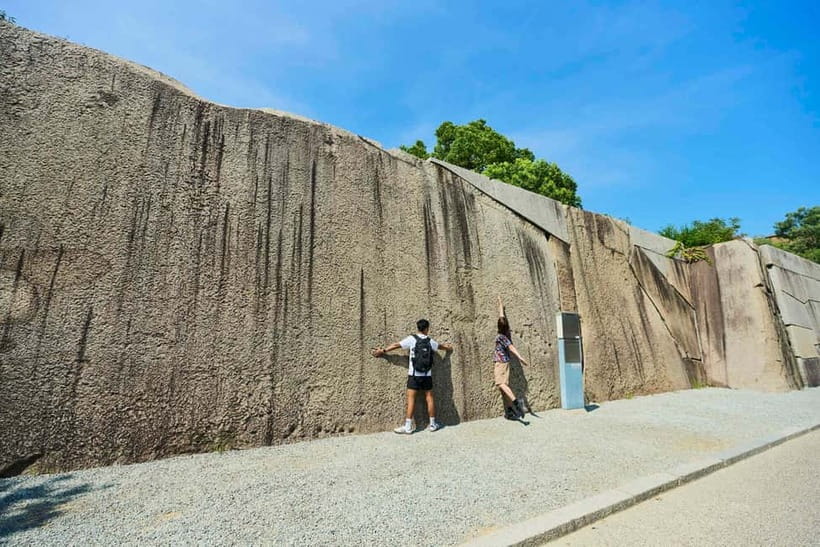
One of the standout teaching points is the castle’s largest stone, along with an explanation of how it was transported. This is one of those things that sounds niche, until you connect it to the bigger question: how did a project of this scale happen without modern machinery?
When a guide slows down here, the site stops being only dramatic walls. It becomes an engineering story, with constraints and problem-solving. Even if you are not a construction-history nerd, you will probably enjoy how this makes the castle feel more human.
Hidden stone marks and the craft behind “unclimbable” walls
You also get a close look at stone-craft details that most visitors would not notice. The tour includes tips on spotting hidden stone marks made by master craftsmen, and it explains how wall angles and stonework were shaped to be hard to scale.
This part is excellent for two reasons. First, it gives you something to actively look for, which turns the tour into a scavenger hunt with meaning. Second, it shows you why the castle’s defenses were designed as systems, not single heroic features.
Hokoku Shrine stop: a calm contrast inside the castle visit
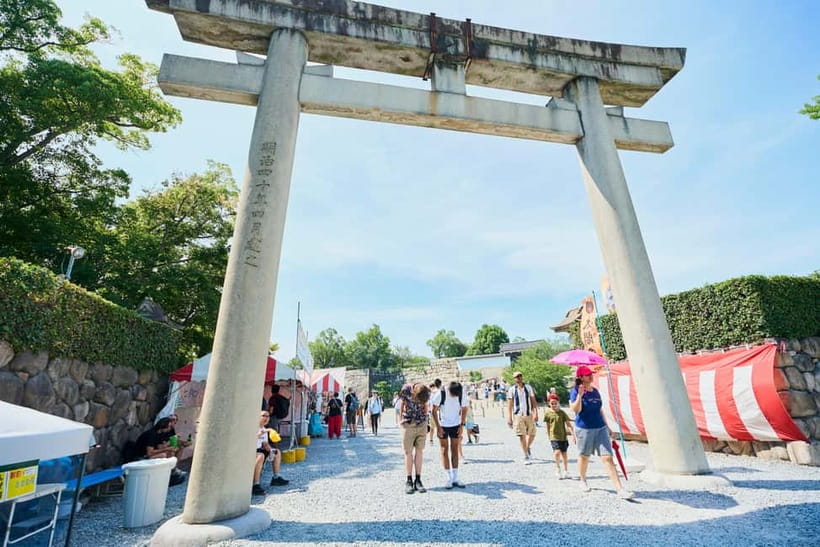
After the fortress lesson, you head to Hokoku Shrine for a guided stop. The shrine segment gives the walk a different rhythm. Instead of defensive architecture, you get a more reflective break in the overall castle experience.
This is a good placement in the tour because it prevents the whole day from feeling like one long military lecture. You can shift from “how did they defend?” to “how does this place carry meaning today?”
There is also a practical benefit. If you are traveling with kids, older family members, or anyone who gets tired of constant standing, a shrine pause can make the visit feel more manageable. In the spirit of real-world touring, this is where your pacing resets.
Back to the castle: tower views and what you do inside
Near the end, you return to Osaka Castle for a photo stop and additional time, including tower access. The tour includes a guided component and then some time that becomes more self-guided once you have the context the guide gave you.
The city view reward at the top
The view from the top is a clear highlight for a reason. You start to understand the castle’s position and how the river and city layout would influence movement.
Even if you have seen photos, your experience will likely feel more real once you’ve already walked the defensive layers below. The view becomes a summary of everything you learned, not just a pretty skyline shot.
What you will learn from the tower design
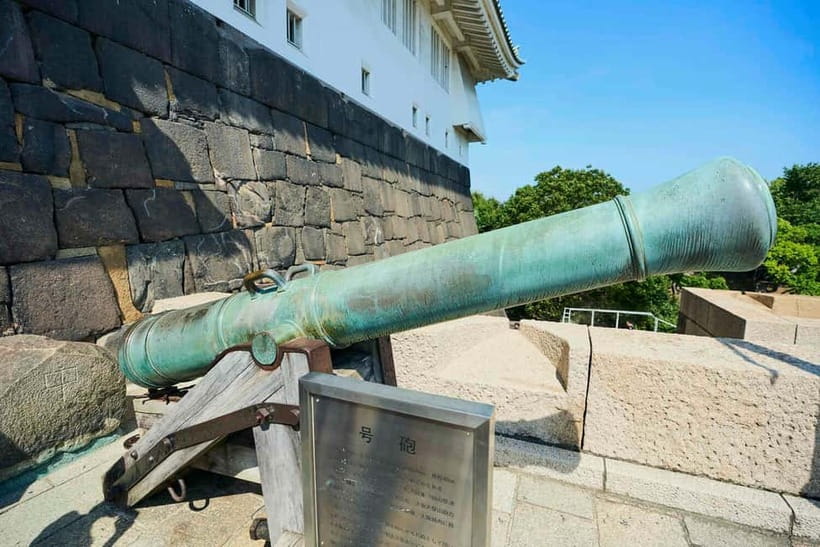
Inside the castle tower, the emphasis is on the tower as a command post and last defense. You hear about elements like arrow slits and gun ports, and you also get the surprising psychological angle, including the use of gold to affect how defenders and attackers perceived power.
Again, this is where a guide is worth it. Without that framing, you might just see openings in walls. With it, you see them as decisions made for control, visibility, and intimidation.
What is not included
A quick reality check: the tour includes Osaka Castle Tower admission, but it does not promise a guided tour of every museum floor. That means you should expect to do some reading or light exploring on your own once inside.
If you want a guided walkthrough of every single exhibit, you might need a different format. If you want the castle itself explained with strategy and context, this one fits well.
Price and value: why $33 can work well here
At $33 per person for about 90 minutes, this is not the cheapest way into a big attraction. But the value is in the combination: you get an English-speaking professional guide, admission to the Osaka Castle Tower, and skip-the-line entry through a separate entrance.
Skipping a long queue matters most when you are visiting a major sight in peak hours. If you are traveling for a limited number of days, saving 30 minutes or more can be the difference between a “good visit” and a “stressful visit.”
This also helps you avoid the most common solo problem. Osaka Castle can be confusing if you do not know what to look for. You can pay less and still enjoy it, but with this format you pay for interpretation, time savings, and a smoother route through the key areas.
Who this tour is best for
This tour is a great match if you:
- Like military strategy, architecture, and defensive design
- Want more than basic facts and want the “how did they build it to work?” angle
- Prefer structured time inside a major attraction
- Want the city view at the end, with context instead of guesswork
It is also a reasonable pick for families, because the guide style seems built for group attention, with examples from groups that included very young children staying engaged throughout the experience.
What to bring so the tour stays enjoyable
- Comfortable shoes for walking historical paths
- Weather-appropriate clothing
- A camera or phone for the tower photo moment
- Water if you tend to get thirsty on walks
If the weather is bad, wear layers. This is one of those tours where you will be outside long enough that you will feel temperature changes.
Booking decision: should you book this Osaka Castle tour?
I think you should book this tour if you want Osaka Castle to make sense fast. You get the key defensive concepts laid out clearly, you learn specific details like the largest stone and masugata gate logic, and you still finish with the tower city view.
Skip this tour only if you are set on a totally self-paced visit and you already know what you want to study on the walls and in the tower. If you would rather wander with no structure and no strategy lesson, a solo ticket might feel better.
If you like history that has something to look for, not just something to read, this is a strong value for your time.
More Historical Tours in Osaka
- Osaka: Osaka Castle 3 hours Historical Walking Tour
★ 4.6 · 14 reviews - Osaka: Kyoto & Uji Historical Sites and Scenic Delights Tour
★ 4.7 · 13 reviews - Osaka Traditional Performing Arts Heritage Night
★ 4.6 · 7 reviews - World Heritage Shirakawa-go and Experience Tours from Kanazawa
★ 5.0 · 4,049 reviews
More Walking Tours in Osaka
- Osaka: Hotspots & Hidden Gems Walking Tour Private or Group
★ 4.9 · 1,300 reviews - Osaka Backstreet Nightlife & Street Food Walking Tour
★ 5.0 · 1,011 reviews - Osaka Local Foodie Walking Tour in Dotonbori and Shinsekai
★ 5.0 · 985 reviews - Osaka Bar Hopping Night Walking Tour in Namba (3 bars, 6 tastes)
★ 5.0 · 958 reviews
Newly listed around Osaka
- (Ticket Included) Explore Osaka Castle & Museum of History★ 4.8 · 21 reviews
- Hidden Osaka – Yukaku Red Light Tour & Culinary Adventure★ 4.8 · 96 reviews
- Osaka: Walking Tour and Top Highlights★ 4.8 · 104 reviews
- Same Day OK! Osaka: Local Food, Izakaya & Local Bites Tour!★ 4.8 · 17 reviews
- Osaka: Private Ceramic Painting Workshop★ 5.0 · 13 reviews
- Eat Like a Local in Osaka – Private Custom Street Food Tour★ 4.3 · 33 reviews
- Pickleball in Osaka & Kyoto with Locals!★ 4.6 · 64 reviews
- Osaka:SUMO BEATS SHOWCASE: Taiko Drum and Wagyu burger!★ 4.2 · 37 reviews
Historic Castle Visits, compared.
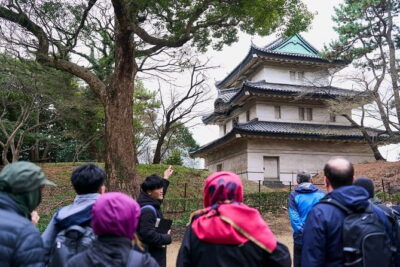
Tokyo Castle & Imperial PalaceーShogun Walking Tour
Read our review →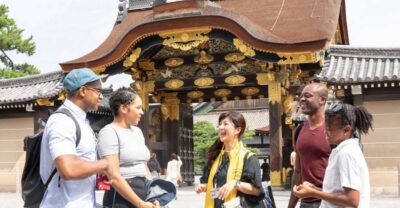
Nijo-jo Castle and Ninomaru Palace Guided Tour
Read our review →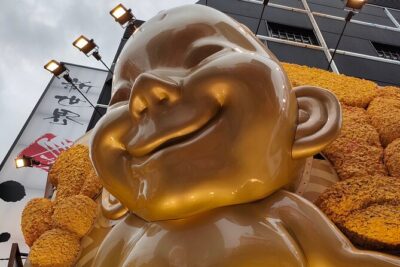
Ultimate Osaka Walking Tour: Castle, Dotonbori & Hidden Gems
Read our review →Tokyo Castle & Imperial PalaceーShogun Walking Tour
Read our review →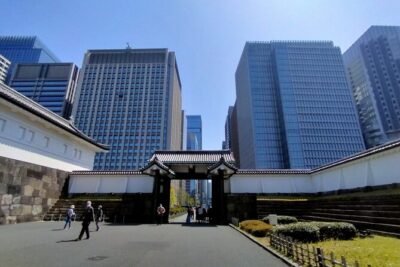
Imperial Palace East Garden and Edo Castle Walking Tour in Tokyo
Read our review →
Imperial Palace & Nijo Castle Guided Walking Tour
Read our review →
Japanesel Archery Experience HIROSHIMA CASTLE SHARAKU
Read our review →Browse the lists this tour appears in