
Review · HISTORICAL TOURS
Osaka: Kyoto & Nara & Uji Historical and Scenic One-Day Tour
Nara, deer, torii, matcha, in one day. This Osaka-Kyoto-Nara-Uji loop is interesting because you get big, iconic sights plus slower cultural stops that most people skip. I especially love the Nara deer encounters (yes, they really are bold) and the Fushimi Inari torii corridor for that instantly surreal walk. One drawback to plan around is the tradeoff: it is an 8 to 10 hour day, so road time can eat into your time inside each site.
This tour also works well if you want less stress. You get round-trip transportation in an air-conditioned vehicle with tolls, parking, and fuel handled, plus an English-speaking guide who keeps the day moving. The pacing is tight, though, so if you hate crowds or you want long sits with zero schedule, you may find a couple stops feel brief.
I like that the experience is built around variety. You start with an outdoor scene in Nara Park, swing into world heritage at Todaiji, then shift into tea-country calm in Uji before ending at Kyoto’s most dramatic shrine walk.
In This Review
- Key points that matter before you go
- One-Day Loop: Osaka to Kyoto, Nara, and Uji without getting lost
- Nara Park Deer Encounters and the 45-minute photo window
- Todaiji Temple: World Heritage scale, 30 minutes of wow
- Uji River and Matcha Culture: your 2-hour tea-country block
- Byodoin Temple tranquility: the pause before the torii rush
- Fushimi Inari Taisha: 70 minutes inside the red torii corridor
- Transportation, guide style, and how the day flows
- What you pay for, and how to budget the extras
- Practical tips: shoes, water, deer rules, and schedule flexibility
- Should you book this Osaka-Kyoto-Nara-Uji one-day tour?
- FAQ
- How long is the Osaka: Kyoto & Nara & Uji Historical and Scenic One-Day Tour?
- What places will we visit during the day?
- Are admission tickets for Tōdai-ji and Byōd-in included?
- Do I get an English-speaking guide?
- Is pickup included, and where do we get dropped off?
- How much walking is involved?
- Is the tour suitable for wheelchair users or animal allergy sufferers?
- What should I bring?
- What if weather or traffic changes the schedule?
Key points that matter before you go
- Wild Nara deer + feeding rules: fun close-ups, but listen to your guide and respect that they are still wild animals
- Todaiji’s Great Buddha in a short visit: 30 minutes can feel quick, but you get the main impact
- Uji is your matcha pause: plan for a 2-hour block that mixes river strolls and temple atmosphere
- Byodoin Temple for solemn calm: a quieter contrast to the busier torii area
- Fushimi Inari in 70 minutes: enough time for photos and a meaningful walk without needing hours
- English or Chinese live guide: you get explanations and timing help throughout
One-Day Loop: Osaka to Kyoto, Nara, and Uji without getting lost
This is a classic “see the big four” type day. The key value is not that it visits famous places, it is that it connects them efficiently with transportation and a guide. If you do not feel like juggling trains, transfers, and timing across Osaka, Kyoto, and Nara, this format is built for you.
The day runs about 8 to 10 hours, and the route is intentionally packed. That means you should treat each stop as a highlight visit rather than a deep study. I recommend planning your expectations like this: you will see a lot, and you will feel the main vibe of each place, but you will not wander forever.
Also note that the itinerary can vary due to weather and traffic, and that can affect return times. In other words, leave yourself one flexible day in your schedule, not a tight one with an evening commitment you cannot move.
More History Tours in Osaka
- Osaka: Castle History Walking Tour / Castle Tower Admission
★ 4.9 · 230 reviews - Osaka Castle & Samurai History Walking Tour
★ 5.0 · 22 reviews - (Ticket Included) Explore Osaka Castle & Museum of History
★ 4.8 · 21 reviews
Nara Park Deer Encounters and the 45-minute photo window
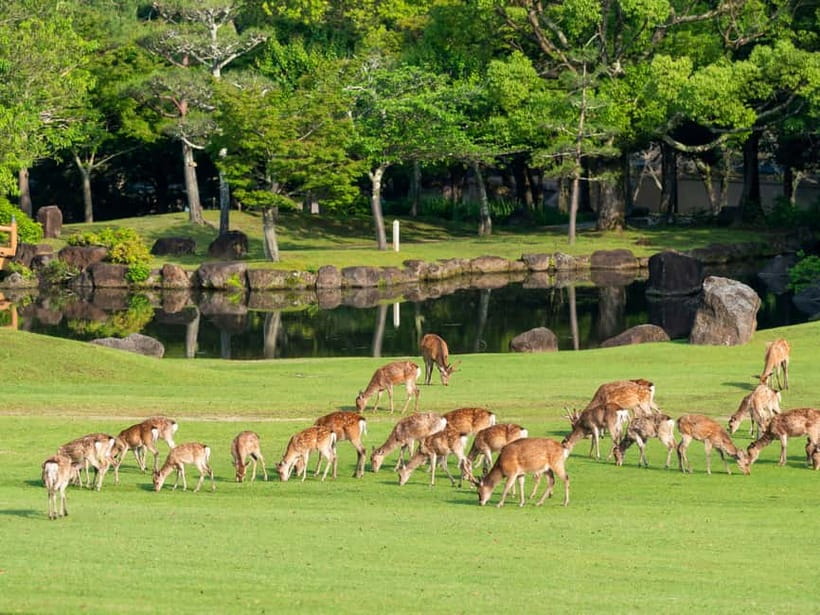
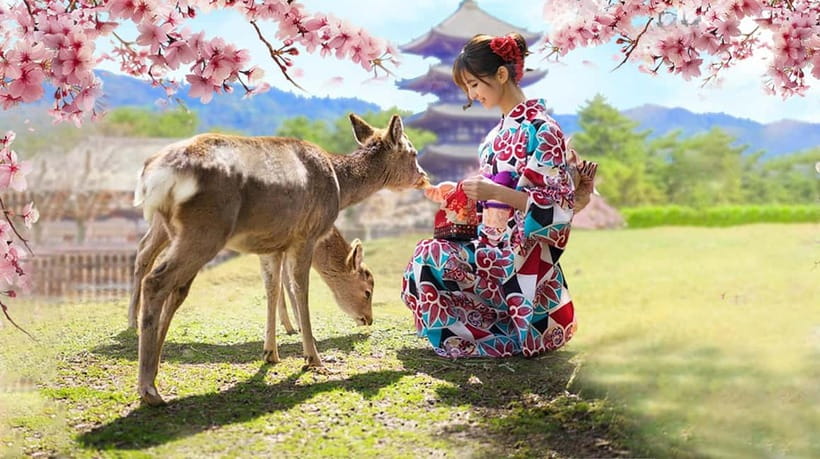
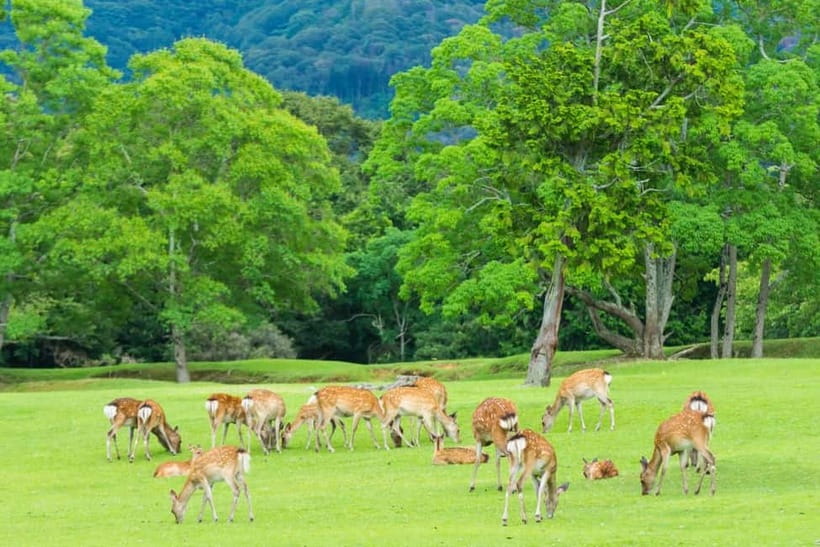
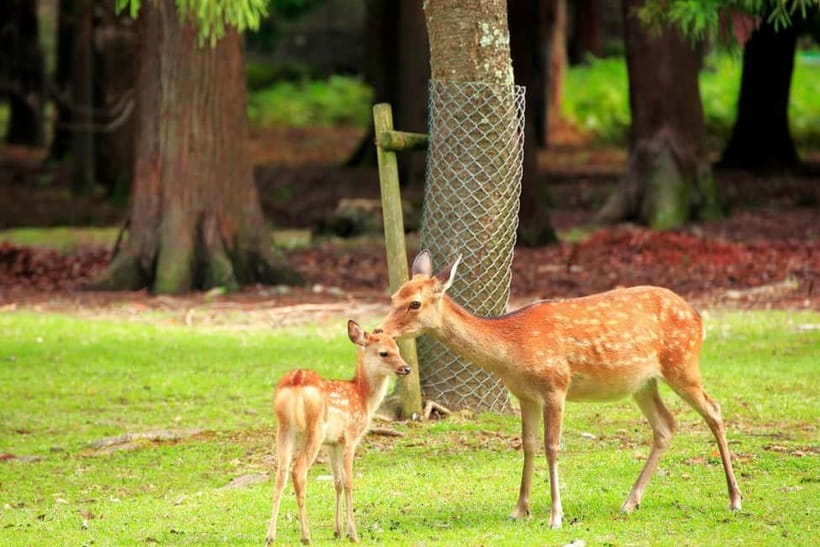
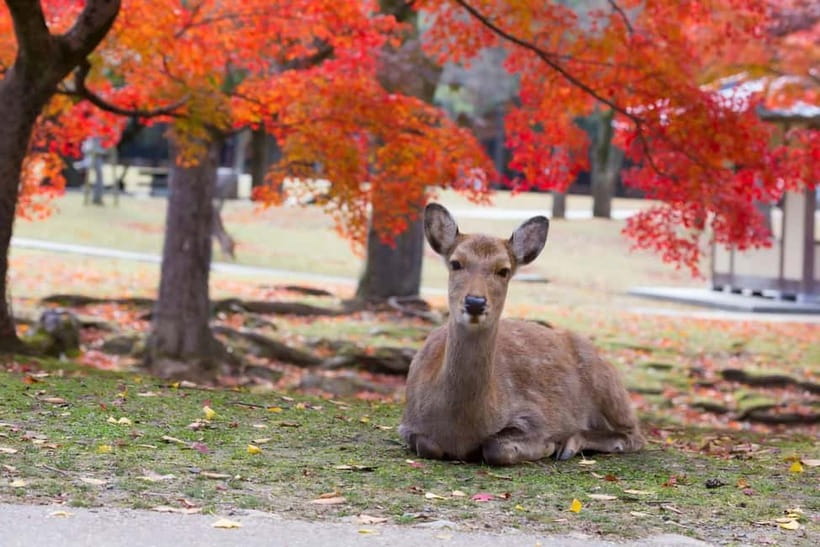
Nara Park is where the day turns playful. You get about 45 minutes of free time to roam around the deer area. This is the part many people remember, because the deer are calm enough to approach, and close enough to make your phone camera work overtime.
The tour experience is built around a deer “appointment” moment: you will be meeting Nara’s friendly deer and feeding them a snack, guided by instructions. The practical point: deer are wild animals. Do what the guide tells you about feeding, and keep your hands and snacks controlled. If you have an animal allergy, this is not a safe fit, because the environment is full of deer and other visitors with deer food.
What to do with only 45 minutes? I would show up ready to move. Pick a direction, get your main photo angles early, then circle back for anything you missed. If you wait for the perfect moment, you might still get good pictures, but you will feel rushed.
Todaiji Temple: World Heritage scale, 30 minutes of wow
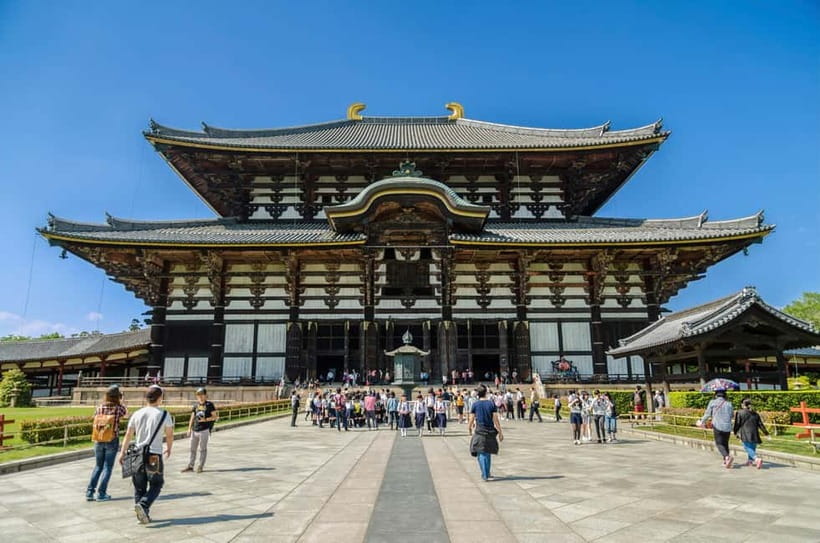
Next up is Tōdai-ji, where the centerpiece is the large bronze Buddha statue, Vairocana Buddha. The visit time is about 30 minutes, so it is not a long, slow temple circuit. Still, it is absolutely one of those places where your brain goes quiet because of scale and atmosphere.
This stop is interesting for two reasons. First, it is a world cultural heritage site, so you are seeing something preserved and significant. Second, the day’s earlier energy in Nara Park makes Todaiji feel like a reset. You shift from outdoors and deer antics into a temple space where people naturally move slower.
A realistic consideration: 30 minutes can feel short if you like reading every sign and circling every hall. If you tend to take your time, focus on the main hall and the Buddha view first. Then, if there is leftover time, you can follow the flow at a calmer pace.
Uji River and Matcha Culture: your 2-hour tea-country block
Uji is the calmer middle of the day. You get about 2 hours for Uji sightseeing, plus additional time breaks that support a slower tea-focused experience. The tour’s matcha angle matters here: Uji is presented as a source of matcha, so you are not just eating desserts, you are walking through the setting that made matcha culture famous.
You stroll the Uji River, and you also get a stop for the Statue of Murasaki Shikibu. That adds a literary layer to the day, which I appreciate because it gives Uji more than just shopping and sweets. If you like cultural context, this kind of small stop helps the whole area feel more connected.
Then comes the food and tea part. The experience is set up around traditional matcha culture, with time connected to Byodoin Omotesando and matcha tasting on an Uji Matcha Food Street style route. You also get a hint of the tea ceremony experience as part of the overall cultural immersion.
A practical way to enjoy this without getting stuck is to think in terms of sampling, not shopping. If you buy too much at once, your next walk time gets annoying, and you end up carrying items through temples and photo stops. Bring water, wear comfortable shoes, and keep your purchases light until you’re done exploring.
A few more Osaka days to weigh up
- Osaka: 3-hour Osaka Castle & Historical Museum Guided Tour
★ 4.9 · 21 reviews - Osaka: Osaka Castle 3 hours Historical Walking Tour
★ 4.6 · 14 reviews - Osaka: Kyoto & Uji Historical Sites and Scenic Delights Tour
★ 4.7 · 13 reviews - Osaka Traditional Performing Arts Heritage Night
★ 4.6 · 7 reviews
Byodoin Temple tranquility: the pause before the torii rush
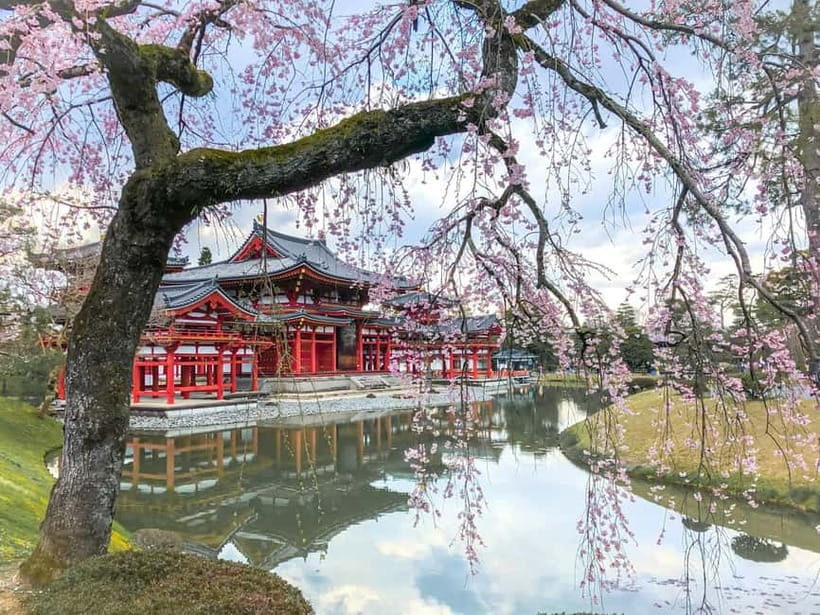
After Uji River time, you reach Byōd-in Temple, with additional sightseeing around the area including Kyoto Prefectural Uji Park. This is where the day becomes quieter again. Byodoin is described as a place to feel tranquility and solemnity, and the mood difference compared to the torii and deer stops is noticeable.
This stop is also valuable because it changes the visual language of your day. In Nara you get movement and wildlife. In Fushimi Inari you get rhythm and repetition. In Byodoin, you get stillness and symmetry, the kind of atmosphere where you naturally lower your voice.
One timing consideration: because the day is structured, your time in each temple is limited. If you want long sits for reflection, you might wish you had more time here. On the flip side, limited time can be a plus if you prefer a “see it, feel it, move on” pacing that keeps your day from dragging.
Fushimi Inari Taisha: 70 minutes inside the red torii corridor
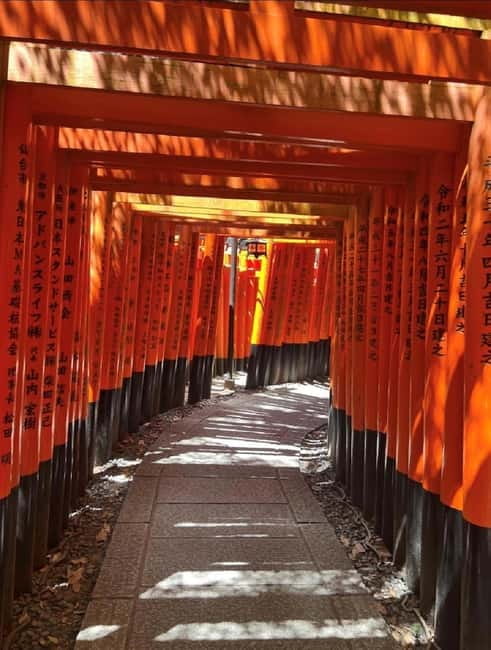
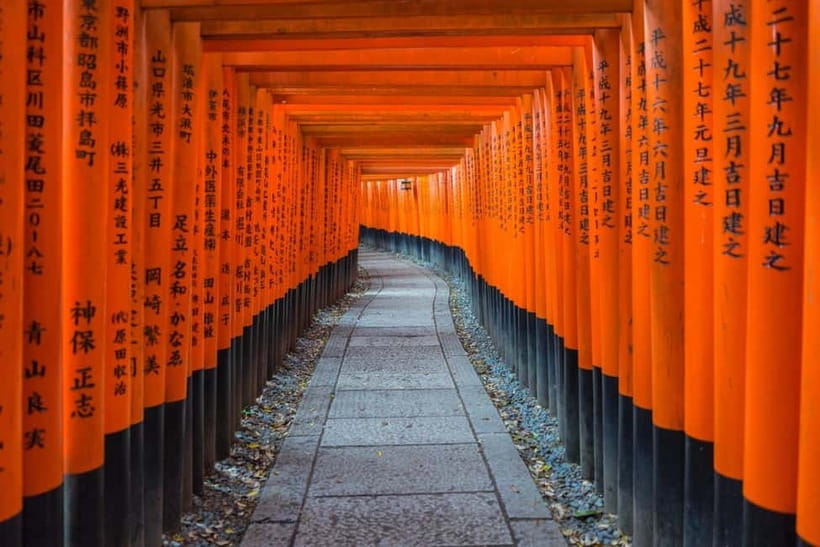
You finish at Fushimi Inari Taisha, where the signature attraction is the red torii gates and the Thousand Torii Corridor effect. The allotted time includes a break, photo stop, free time, and then a walk of about 70 minutes.
This is one of those places where the views keep changing because your position changes. Even if you do not walk all the way, you still get the classic experience of stepping into an endless series of red gates. The sunlight filtering through the torii gaps also creates a natural photo backdrop, so bring your camera confidence, not just your photos.
How to make the 70 minutes work? If you want both photos and progress, I would start by walking steadily for the first half. Once you hit a spot with a good perspective, pause for photos. Then decide if you want to push further up the path or turn it into a slower look-and-breathe moment.
If crowds make you cranky, this is still manageable because you have your own chunk of time. Just remember this is one of Kyoto’s most famous shrine walks, so plan to share space.
Transportation, guide style, and how the day flows
A big part of the value here is the guide and the logistics. You ride in an air-conditioned vehicle and the tour includes toll fees, parking fees, and fuel fees. That removes a chunk of day-of stress.
The guide is live and speaks English and Chinese. In one trip experience connected with this tour format, the guide used humor and vivid explanations to help people understand what they were looking at, and the communication included WhatsApp style updates to keep the group on track. That matters more than it sounds. When you are bouncing between temples and photo stops, good guidance helps you avoid aimless wandering and missed timing.
Group pace is usually the deciding factor for comfort. This is not a slow strolling tour, but it is also not a sprint where you are running from place to place. You will be doing a moderate amount of walking, and comfortable shoes are non-negotiable.
Also, the tour is not suitable for wheelchairs, and it is not set up for people with animal allergies. Plan accordingly so you are not stuck managing a difficult environment.
What you pay for, and how to budget the extras
The price is $56 per person, and for a one-day cross-city itinerary, it is a reasonable setup because key costs are included. You get:
- English-speaking tour guide
- Round-trip transportation in an air-conditioned vehicle
- Toll, parking, and fuel fees
The parts not included are important for your budget:
- Admission to Todaiji Temple and Byodoin Temple
- Meals and beverages
- Other personal expenses
So the real cost is $56 plus admissions plus whatever you eat and drink. If you want to stay in control, decide in advance what you want at Uji, then keep the rest modest. It is easy to overspend on snacks and sweets in matcha country once the day is moving.
Meals are not included, so you should assume you will grab food on your own at breaks or during sightseeing windows. I suggest bringing water and maybe a light snack if you know your energy dips midday. The tour itself only tells you to bring water and comfortable shoes, so feeding yourself is on you.
Practical tips: shoes, water, deer rules, and schedule flexibility
Here are the practical points that help this day feel smooth instead of chaotic.
First, bring comfortable walking shoes and water. The itinerary includes outdoor walking at Nara Park and Fushimi Inari, plus temple visits. Even if each stop is not long, your feet will notice the total day.
Second, obey the deer feeding instructions. Deer are wild animals, and feeding is part of the fun, but you still want safety and respect. Follow the guide’s directions on how to hold food and how to behave around them.
Third, expect a moderate walking amount and keep that in mind for pacing. The tour is not suitable for wheelchair users, and it can be challenging for anyone who struggles with stairs or uneven ground.
Fourth, plan for changes. Weather and traffic can shift timing and potentially impact return times. If you are taking a night train or have a hard deadline, keep it flexible where you can.
Fifth, if you are traveling with infants, strollers, or large luggage, indicate it when booking. Japanese traffic laws count babies as passengers, so accurate details help the tour vehicle stay within limits.
Should you book this Osaka-Kyoto-Nara-Uji one-day tour?
Book it if you want an efficient, guided “greatest hits” day with real variety: deer + Buddhist world heritage + matcha culture + Kyoto’s torii walk. The included vehicle ride, English guide, and managed timing are strong value if you do not want to plan transit across multiple cities.
Skip it or think twice if you hate packed schedules, you need long time inside religious sites, you have limited mobility, or you have an animal allergy. The day also does not include meals, and temple admissions add cost, so budget a little extra beyond the base price.
If you’re the kind of traveler who likes to see a lot in one day but still wants guidance and explanations, this is a solid match.
FAQ
How long is the Osaka: Kyoto & Nara & Uji Historical and Scenic One-Day Tour?
The tour lasts about 8 to 10 hours.
What places will we visit during the day?
You will visit Nara Park, Tōdai-ji, Uji areas including the Uji River and a stop for the Statue of Murasaki Shikibu, Byōd-in Temple, Kyoto Prefectural Uji Park, and Fushimi Inari Taisha.
Are admission tickets for Tōdai-ji and Byōd-in included?
No. Admission to Tōdai-ji Temple and Byōd-in Temple is not included.
Do I get an English-speaking guide?
Yes. The tour has a live guide, with English available (also Chinese).
Is pickup included, and where do we get dropped off?
Pickup is optional, and pickup details are emailed the evening before. Drop-off is at multiple locations including areas around Chuo Ward, Kita Ward, Harimaya Nippombashi 1-chome, Fukushima Ward, Nishi Ward, Kyoto Station Hachijo Entrance Square Sunken Garden, Nishinari Ward, and Naniwa Ward.
How much walking is involved?
There is a moderate amount of walking during the day, and specifically about 70 minutes of walking at Fushimi Inari Taisha.
Is the tour suitable for wheelchair users or animal allergy sufferers?
No. The tour is not suitable for wheelchair users or people with animal allergies.
What should I bring?
Wear comfortable shoes and bring water.
What if weather or traffic changes the schedule?
The itinerary may vary due to weather and traffic, and that could potentially impact return times.
Newly listed around Osaka
- (Ticket Included) Explore Osaka Castle & Museum of History★ 4.8 · 21 reviews
- Hidden Osaka – Yukaku Red Light Tour & Culinary Adventure★ 4.8 · 96 reviews
- Osaka: Walking Tour and Top Highlights★ 4.8 · 104 reviews
- Same Day OK! Osaka: Local Food, Izakaya & Local Bites Tour!★ 4.8 · 17 reviews
- Osaka: Private Ceramic Painting Workshop★ 5.0 · 13 reviews
- Eat Like a Local in Osaka – Private Custom Street Food Tour★ 4.3 · 33 reviews
- Pickleball in Osaka & Kyoto with Locals!★ 4.6 · 64 reviews
- Osaka:SUMO BEATS SHOWCASE: Taiko Drum and Wagyu burger!★ 4.2 · 37 reviews
Historical Tours, compared.
World Heritage Shirakawa-go and Experience Tours from Kanazawa
Read our review →
World Heritage Kyoto & Nara Uji Authentic Matcha Experience
Read our review →
World Heritage Shirakawa-go Morning Guided Tour
Read our review →
Hiroshima Historical Walking Tour – Why A-Bomb was Dropped
Read our review →
Hiroshima Peace (Heiwa) Walking Tour at World Heritage Sites
Read our review →
Yanaka Walking Tour: Historic and Traditional District of Tokyo
Read our review →
Shinjuku Historical Walking Tour & Secret Backstreets
Read our review →Browse the lists this tour appears in