Review · TICKETS
Tokyo: Hop-On Hop-Off Sightseeing Bus Ticket
Tokyo feels huge, fast, and confusing. This bus ticket turns that chaos into a simple game: hop off, explore, hop back on.
I like that you get unlimited rides across multiple routes, so you can tailor your day instead of locking into one guided walk. I also like the open-top panoramic views plus multilingual narration on your own device.
One thing to think about: the bus is open-air with no air-conditioning, and some departures can mean a longer wait if the seating gets full.
In This Review
- Key things I’d bet on
- Tokyo Bus Ticket That Helps You Really Map the City
- Price and Value: What $30 Buys You in Tokyo
- Getting On in Front of the Mitsubishi Building, Then Using QR Codes
- Open-Top Rules: No AC, Ponchos When Needed, and Umbrellas Stay Off
- Audio Guide on Your Device: 10 Languages, Plus You Control the Volume
- Route 1: The Skytree to Asakusa to Akihabara Loop
- Route 2: Tokyo Tower, Zojo-ji, and Tsukiji Ginza
- Route 3: Shinjuku and Shibuya Energy, Plus Harajuku and Meiji Jingu
- Timing Tips: How to Avoid Missing the Next Bus
- Best Viewing Moments: When the City Looks Different from the Bus
- Where This Bus Beats the Subway (and Where It Might Not)
- Who Should Buy This Ticket (and Who Should Skip It)
- Should You Book This Hop-On Hop-Off Bus Ticket?
- FAQ
- How much is the Tokyo hop-on hop-off sightseeing bus ticket?
- How long is the ticket valid for?
- Can I ride multiple routes with one ticket?
- Where is the meeting point for the bus?
- What are the three routes included?
- Which stops are on the Tokyo Skytree (Route 1) route?
- Which stops are on the Tokyo Tower and Tsukiji Ginza (Route 2) route?
- Which stops are on the Shinjuku Shibuya (Route 3) route?
- What do I need for the audio guide, and how many languages are supported on the device system?
- Is the bus open-air, and are umbrellas allowed?
Key things I’d bet on
- Unlimited access to all routes: ride one loop or string them together over 1 to 2 days.
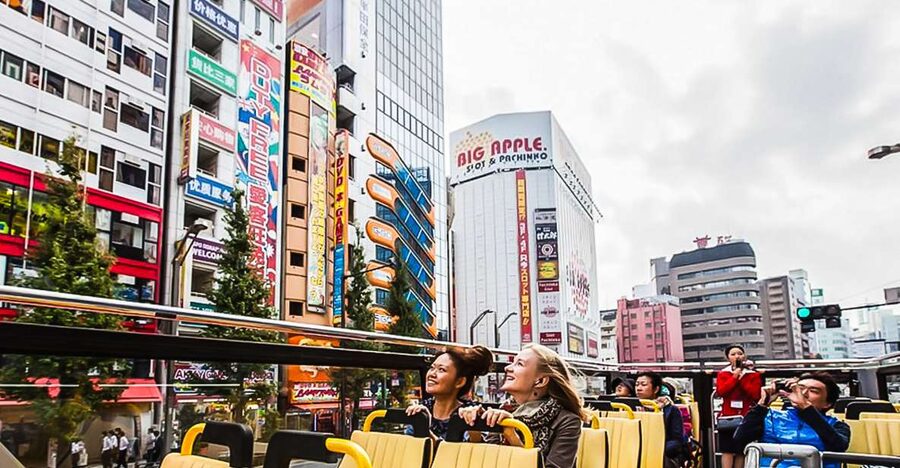
- Open-top, big views: Tokyo Tower, Skytree, and the city grid look totally different from street level.
- Audio guide on your device: supports many languages, and you control volume and timing.
- Three focused corridors: Skytree and old Tokyo, Tower plus Tsukiji and Ginza, and the Shinjuku plus Shibuya zone.
- Seats are on the second floor: first floor is storage, so plan where you’ll sit before the bus gets crowded.
- Timing can be tight: traffic delays happen, and gaps between buses can matter if you hop off a lot.
Tokyo Bus Ticket That Helps You Really Map the City
Tokyo is one of those places where your first day can evaporate without you noticing. You step out to find a landmark, and suddenly you are five subway stops away, staring at an entrance with zero clues. This hop-on hop-off bus is useful because it gives you a moving overview that puts Tokyo’s neighborhoods in context.
The experience is also low-stress. You’re not trying to read a map while dodging crowds. You pick a route, ride it, and decide which stops are worth your energy. With the open-top design, the bus also does a good job of showing you the shape of the city, not just its famous sites.
Now the practical part. You can hop off and back on at your convenience, but you should still treat it like a schedule-based service. If it’s busy and there are no free seats, you board the next bus. That’s not a deal-breaker, but it changes how you plan long museum stops versus quick photo stops.
A few more Tokyo days to weigh up
- Mt Fuji and Hakone 1-Day Bus Tour Return by Bullet Train
★ 5.0 · 26,383 reviews - 1-Day Tokyo Bus Tour
★ 5.0 · 14,250 reviews - Tokyo: TOKYO SKYTREE® Admission ticket
★ 4.5 · 11,192 reviews
Price and Value: What $30 Buys You in Tokyo
At about $30 per person for 1 to 2 days, the value depends on how you use it. If you only ride one short loop, it can feel pricey compared to just taking the subway. But if you’re doing the smart thing, which is riding multiple routes to get oriented, it starts to make sense quickly.
Here’s why. Tokyo’s rail network is excellent, but jumping between distant neighborhoods takes time, and it’s easy to spend more time figuring out transfers than actually sightseeing. This ticket pays for convenience. It also bundles narration so you get the why behind the what, instead of seeing places as random stops.
My take on the best use: buy it early in your trip. Do a first day for layout, then use your second day for walking routes and repeat visits where you actually care. Even if you later switch to trains, the bus helps you understand where things are.
Getting On in Front of the Mitsubishi Building, Then Using QR Codes

Your main pickup point is in front of the Mitsubishi Building. If you want to start right away, you can also board from other stops in Tokyo using the QR code sent on your voucher. This is handy when you’ve already explored nearby and you don’t want to backtrack.
The bus setup is straightforward once you’re at the correct stop. Staff are there to help you confirm you’re in the right place. Still, be ready to move quickly when you arrive, because open-top seats fill up fast on popular hours.
Also note the bus rules you’ll see on site. Standing is prohibited while the bus is in motion, and the bus is designed so you sit where there’s room. If you’re traveling with a group, agree on a meeting plan before you hop off, so you’re not hunting people down at a major stop.
Open-Top Rules: No AC, Ponchos When Needed, and Umbrellas Stay Off
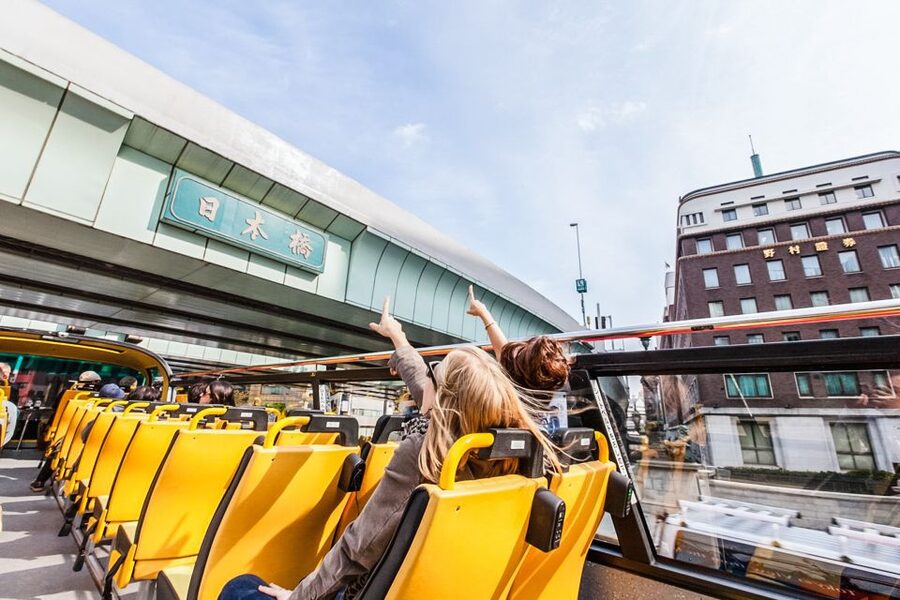
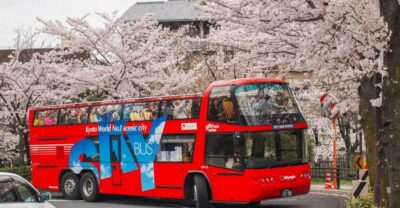
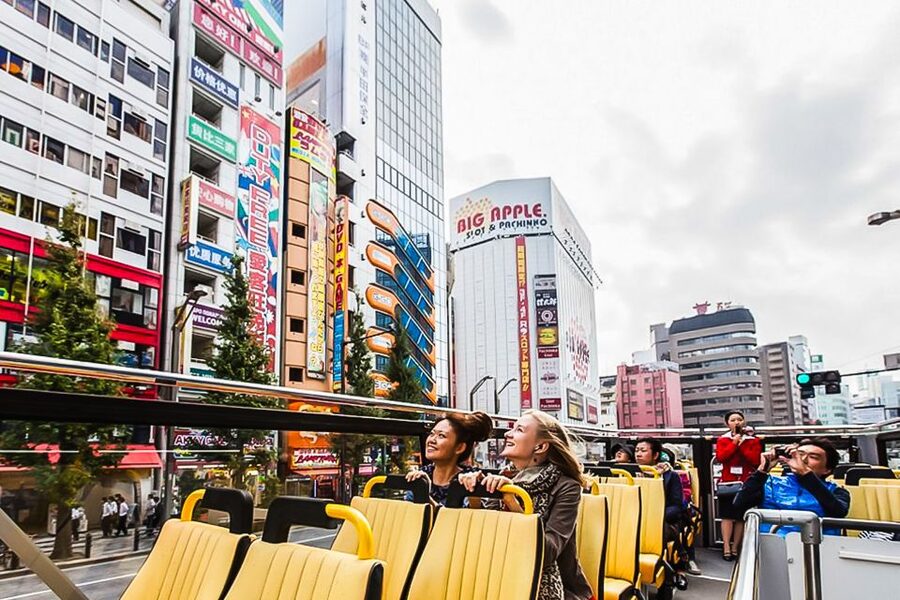
This bus is open-air, and the listing explicitly says there is no air-conditioning. In hot months, that matters. One big advantage is that you get fresh air and big viewing angles. The downside is that you feel the weather.
Rain is handled the practical way. Raincoats are distributed if needed, and you should know that umbrellas are prohibited on board. That’s a safety and comfort rule, because open-top means umbrellas block views and can cause trouble in tight boarding lines.
If the weather turns severe, like typhoons or thunderstorms, the tour may not operate. So if your plan is time-sensitive, don’t wait until the last second to ride your routes.
One more detail that can save you frustration: passenger seats are only on the second floor, while the first floor is for storage. If you want the best mix of views and comfort, aim for the second-floor seating before it fills.
A different sort of day in Japan:
- Tokyo: teamLab Planets TOKYO Digital Art Museum Entry Ticket
★ 4.6 · 9,779 reviews - Mt Fuji & Hakone Cruise, Drum Show Bullet Train 1 Day from Tokyo
★ 4.0 · 7,413 reviews - Tokyo: Sumo Show Experience with Chicken Hot Pot and a Photo
★ 4.8 · 6,678 reviews - Tokyo: Shinjuku Food Tour (13 Dishes at 4 Local Eateries)
★ 5.0 · 6,603 reviews
Audio Guide on Your Device: 10 Languages, Plus You Control the Volume
You get an audio guide, but the important nuance is how you access it. There can be a vehicle-mounted audio guide type on some buses, and there can be a bring-your-own-device system on others.
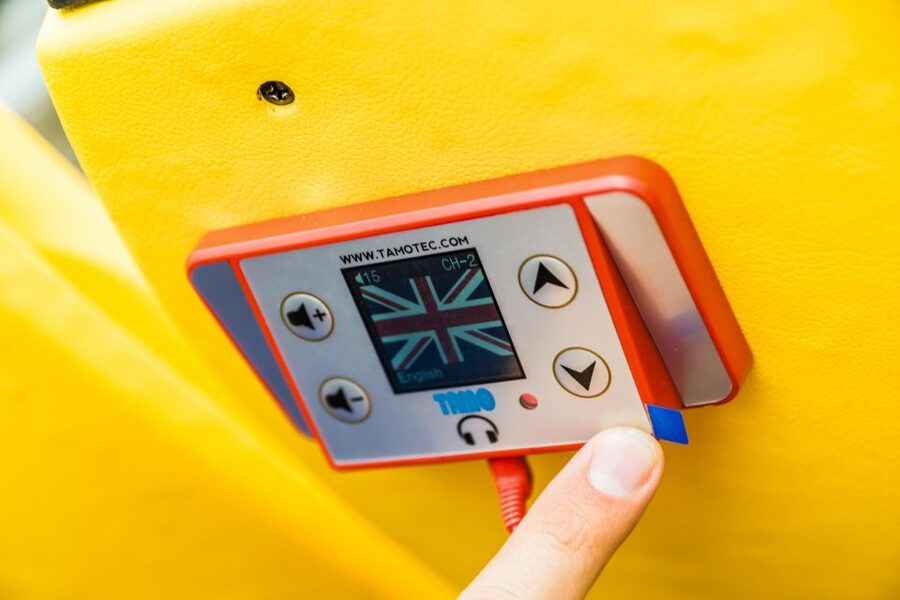
The newer system lets you use your own smartphone or tablet, with commentary in 10 languages: Japanese, English, Korean, Chinese, French, German, Spanish, Thai, Vietnamese, and Indonesian. You’ll also need earphones, and data charges may apply and are your responsibility.
What I recommend: bring a fully charged phone, and bring earphones you actually like using. If you prefer to control the pacing yourself, device audio is a big win. One caution from real-world experience: audio quality can vary if the system acts up mid-ride. If that happens, pause, confirm your settings, and try again rather than assuming the whole system is down.
Also, because narration syncs with the stops, you’ll get more value if you listen while the bus is moving between neighborhoods. If you only listen at one stop, you lose the storyline.
Route 1: The Skytree to Asakusa to Akihabara Loop
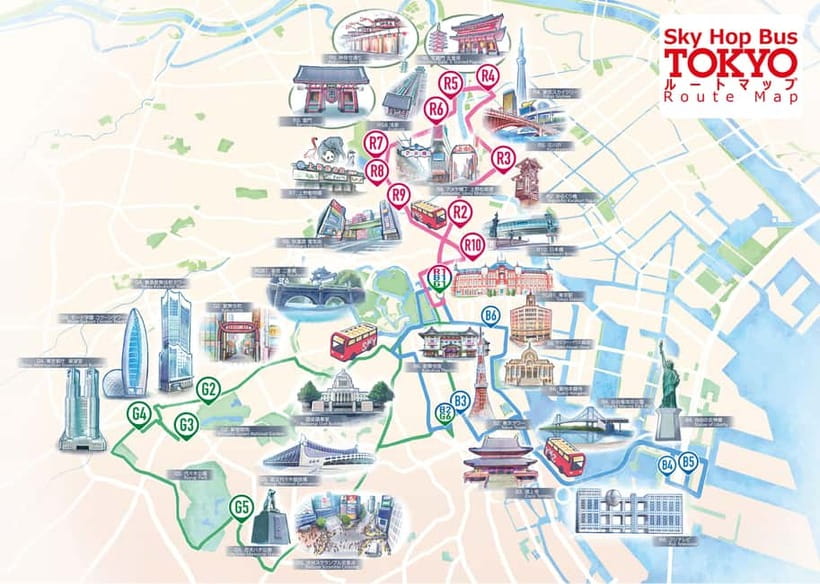
Route 1 circles through Tokyo’s famous east-side highlights, and it’s the loop I’d pick when you want a mix of old Tokyo and electric city energy.
Key stops include:
- Marunouchi Mitsubishi Building as the starting hub
- Kodemmacho Station
- Ryogoku Edo-Tokyo Museum
- TOKYO SKYTREE station
- Asakusa Hanakawado and Asakusa Tawaramachi
- Ueno Matsuzakaya
- Akihabara (Suehirocho)
- Shin-Nihombashi Station back to Marunouchi
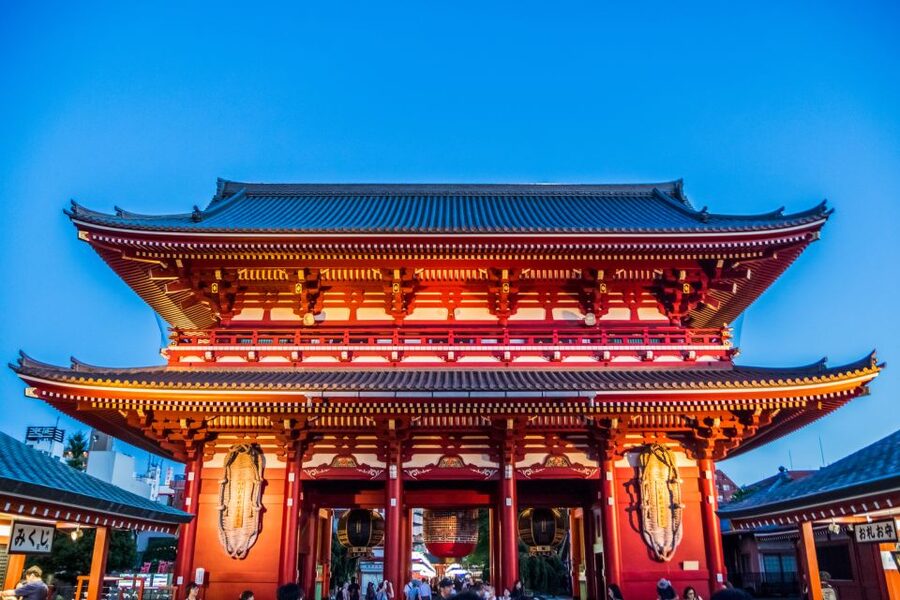
What makes this route valuable is the neighborhood contrast. You start in central Tokyo, then move toward the Sumida area where you’ll find Skytree and Asakusa. Asakusa is one of those places where Tokyo’s past still feels close, and it’s a perfect hop-off choice if you want temples, street atmosphere, and classic sightseeing.
From there, the route links you to Ueno and Akihabara. Ueno is a strong option if you like strolling around parks or museum areas, and it gives you a quieter break from the busiest shopping streets. Then Akihabara is the swing to a different Tokyo personality, known for electronics and pop culture. Even if you only do a quick browse, it works well with the hop-off format.
The one drawback: this loop can tempt you to hop off often. If you spend too much time outside the bus, you may end up waiting for the next departure. Still, if your goal is orientation plus a taste of multiple worlds, Route 1 delivers.
Route 2: Tokyo Tower, Zojo-ji, and Tsukiji Ginza
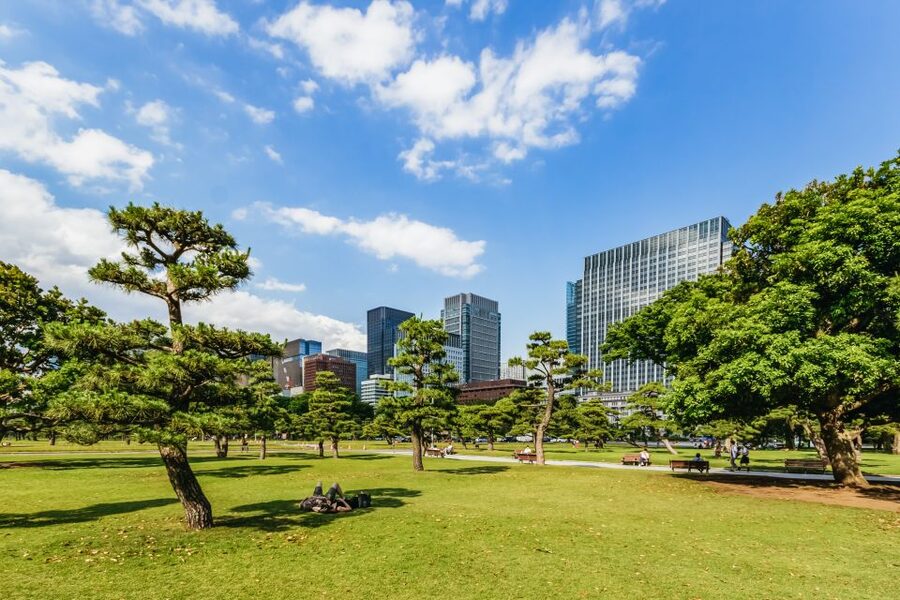
Route 2 is the best fit if you want iconic views plus one of Tokyo’s most famous food and shopping zones.
Key stops include:
- Marunouchi Mitsubishi Building
- Tokyo Tower
- Tokyo Prince Hotel / Zojo-ji Temple
- Tokyo Teleport Station
- Tsukiji Ginza
- Back to Marunouchi
Let’s talk about Tokyo Tower first. If you like skyline views, this is the quick-and-easy stop. Tokyo Tower isn’t just a photo backdrop, it’s also a landmark that helps you feel where you are in the city.
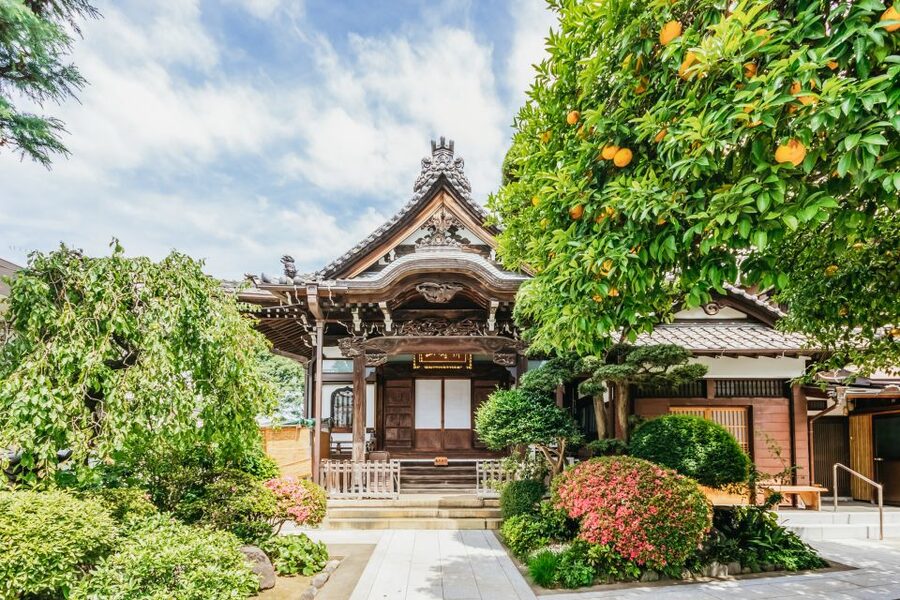
Right near it, you’ll find Zojo-ji, a temple site that adds a different mood to the area. This pairing matters because it prevents Route 2 from feeling like a one-note sightseeing line. One minute you’re processing city views, the next you’re in a quieter, more reflective spot.
Then there’s Tsukiji Ginza. This is a smart stop for food lovers and shoppers. Even if you don’t plan a big meal, you can treat it like a sampler neighborhood where you pick one thing and keep moving.
Practical advice: build in a short plan at Tsukiji Ginza. It’s easy to get distracted, and bus schedules can be unforgiving. If you want the maximum flexibility, hop off for a focused window: walk, snack, shop, then get back on.
Route 3: Shinjuku and Shibuya Energy, Plus Harajuku and Meiji Jingu
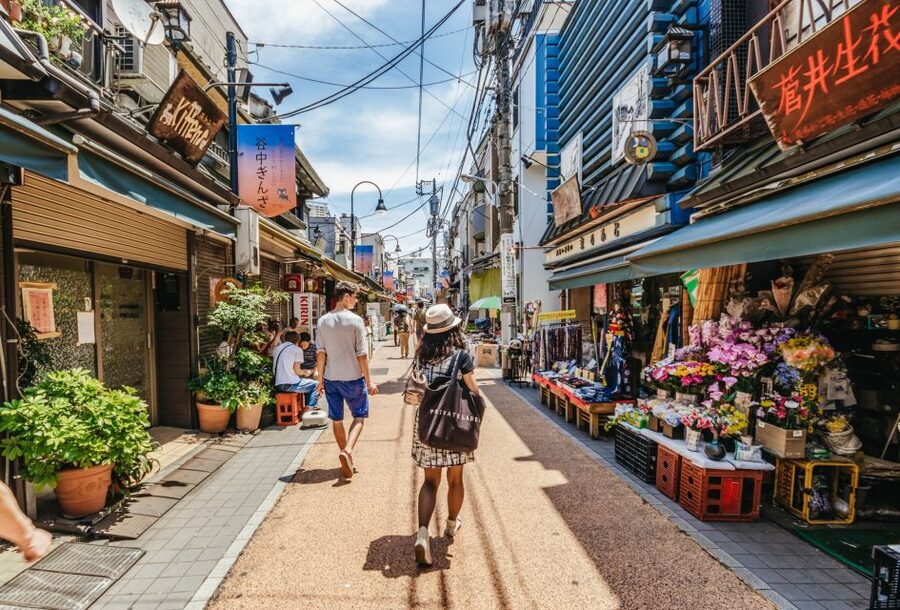
Route 3 is where Tokyo shifts into its modern, high-volume mode. If you want big city energy with a contrast stop for nature and tradition, this is the loop.
Key stops include:
- Marunouchi Mitsubishi Building
- Shinjuku-gyoemmae Station
- Shinjuku Station South Exit / Hotel Century Southern Tower
- Shinjuku Mitsui Building (Nishi-Shinjuku)
- Shibuya City Hall / Harajuku / Meiji Jingu Shrine
- Back to Marunouchi
You’ll pass through Shinjuku first, which is a major hub. It’s a great hop-off area if you want shopping, nightlife, and transport connections. Next you reach Nishi-Shinjuku, where the buildings look more futuristic and you’ll feel the scale of Tokyo’s business district.
Then the route heads toward Shibuya, with the stop name referencing areas like Harajuku and Meiji Jingu Shrine as well. That combination is actually the best part: Harajuku brings trend and youth culture, and Meiji Jingu gives you a nature break. Even if you don’t want a full shrine visit, the ride toward that area can help you understand Tokyo’s habit of placing big green pockets inside dense neighborhoods.
The drawback is crowd stress. This route can be a lot in peak hours. If you plan to hop off, give yourself a simple mission and a return time. And remember: standing is not allowed while the bus is in motion, so keep your footing steady when you move around.
Timing Tips: How to Avoid Missing the Next Bus
The bus can be punctual, but Tokyo traffic is Tokyo traffic. Plan for delays. Some riders note waits between buses can be longer than you’d expect, like around 30 to 45 minutes. That doesn’t mean you should skip the bus, it means you should choose what matters and avoid “hop off everywhere” planning.
My strategy for using this ticket efficiently:
- Do one “big hop-off” per route, plus one quick photo stop
- Keep your hop-off plans close to the listed stops
- If you’re doing multiple loops in a day, start early rather than aiming for everything in the last hour
Also, if a bus is full, don’t stress. The rule is simple: if there are no free seats, board the next bus. That’s part of the deal with a popular open-top service.
Best Viewing Moments: When the City Looks Different from the Bus
Because the bus is open-air, your best photos and best “wow” moments tend to come when you’re riding between neighborhoods with wide street views. Tokyo is more than temples and towers. It’s also the way the city stacks, layers, and compresses.
One of the best times to ride is late afternoon into evening. You get a shift from daylight clarity to night lighting. Even if you’re not a pure nightlife person, the changing light makes famous spots feel new.
If you feel wind when crossing elevated bridges, hold on to your grip and keep your hat situation under control. Open-top rides can be windy in surprising spots, and it’s better to plan for that than fight it mid-photo.
Where This Bus Beats the Subway (and Where It Might Not)
This bus shines when you want:
- A fast overview across multiple neighborhoods
- A guided narrative that you control
- Easy hops to major landmarks without constant navigation
It’s less perfect when you want very specific, hyper-local routes or when you’re short on time and want to minimize waiting. In those cases, the subway and walking can still be faster, especially if you already know what you want to see.
If you want a hybrid approach, do it this way: use the bus for orientation and first visits, then switch to trains for deeper exploring once you understand how the neighborhoods connect.
Who Should Buy This Ticket (and Who Should Skip It)
I think this ticket is ideal for:
- First-timers who want quick orientation in Tokyo
- People who prefer choosing their own pace over a rigid walking tour
- Travelers who like big views from the open top and want narration in multiple languages
- Anyone doing Tokyo in 1 to 2 days and trying to hit more than one neighborhood zone
You might skip it if:
- You’re visiting only one tiny area and everything else is out of scope
- You hate waiting for departures and prefer point-to-point rail
- Your plans are too precise for a hop-on hop-off style route
It’s also a strong pick when it’s raining lightly or when you want shelter from walking fatigue. Just remember umbrellas are off-limits on board, so you’ll rely on the raincoats.
Should You Book This Hop-On Hop-Off Bus Ticket?
Yes, if your priority is getting your bearings fast and seeing Tokyo’s biggest hits without turning your day into a transit project.
Book it if you want the practical bundle: unlimited routes, open-top sightseeing, and audio in many languages on your own device. The value is strongest when you commit to using more than one route across your stay, not just one short loop.
Skip it or use it lightly if your schedule is razor tight, because waits and traffic delays can affect how many times you can hop off. If you go in with a simple plan, though, this bus makes Tokyo feel much smaller, and that alone is worth the money.
FAQ
How much is the Tokyo hop-on hop-off sightseeing bus ticket?
The price is listed as $30 per person.
How long is the ticket valid for?
The duration is listed as 1 to 2 days, depending on availability and starting times.
Can I ride multiple routes with one ticket?
Yes. Your ticket provides unlimited access to all routes, so you can hop off and back on at your convenience.
Where is the meeting point for the bus?
The meeting point is in front of the Mitsubishi Building. You can also board at other stops using the QR code sent with your voucher.
What are the three routes included?
The routes are:
Route 1: Tokyo Skytree course
Route 2: Tokyo Tower, Tsukiji Ginza course
Route 3: Shinjuku Shibuya course
Which stops are on the Tokyo Skytree (Route 1) route?
Route 1 includes: Marunouchi Mitsubishi Building, Kodemmacho Station, Ryogoku Edo-Tokyo Museum, TOKYO SKYTREE station, Asakusa Hanakawado, Asakusa Tawaramachi, Ueno Matsuzakaya, Akihabara (Suehirocho), Shin-Nihombashi Station, and back to Marunouchi Mitsubishi Building.
Which stops are on the Tokyo Tower and Tsukiji Ginza (Route 2) route?
Route 2 includes: Marunouchi Mitsubishi Building, Tokyo Tower, Tokyo Prince Hotel/Zojo-ji Temple, Tokyo Teleport Station, Tsukiji Ginza, and back to Marunouchi Mitsubishi Building.
Which stops are on the Shinjuku Shibuya (Route 3) route?
Route 3 includes: Marunouchi Mitsubishi Building, Shinjuku-gyoemmae Station, Shinjuku Station South Exit/Hotel Century Southern Tower, Shinjuku Mitsui Building (Nishi-Shinjuku), Shibuya City Hall/Harajuku/Meiji Jingu Shrine, and back to Marunouchi Mitsubishi Building.
What do I need for the audio guide, and how many languages are supported on the device system?
You may use your own smartphone or tablet and bring earphones. The device system supports 10 languages: Japanese, English, Korean, Chinese, French, German, Spanish, Thai, Vietnamese, and Indonesian. Data charges may apply.
Is the bus open-air, and are umbrellas allowed?
Yes, the bus is open-air and there is no air-conditioning. Raincoats are distributed if needed, umbrellas are prohibited on board, and standing is prohibited while the bus is in motion.
Newly listed around Tokyo
- Tokyo private transfer for Yokohama Port★ 4.5 · 63 reviews
- Luxury Kimono Photoshoot at Ginza Tokyo★ 5.0 · 7 reviews
- Tokyo Allstar Food Tour★ 4.5 · 206 reviews
- Tokyo Art Aquarium Museum E-Ticket with optional Tokyo Metro Pass★ 5.0 · 17 reviews
- Tokyo: Best Ginza Food Tour at 3 Local Eateries★ 5.0 · 83 reviews
- Private One Day Nikko Tour with Bilingual driver★ 3.5 · 11 reviews
- PRIVATE tour in 180SX to Daikoku+++++★ 5.0 · 6 reviews
- Kabuki Talk★ 5.0 · 10 reviews
Tickets, compared.

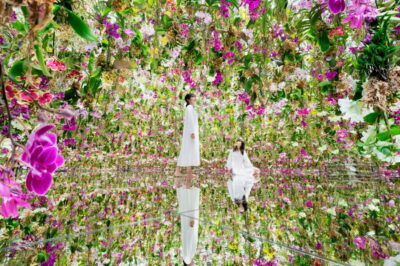
teamLab Planets TOKYO Digital Art Museum Entry Ticket
Read our review →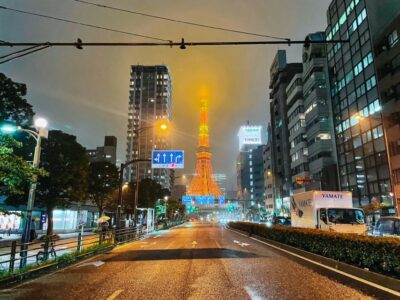
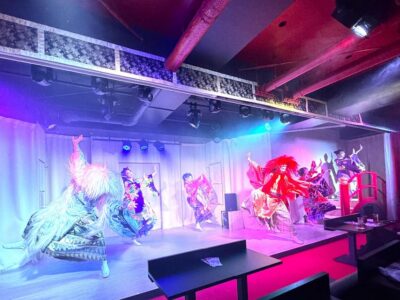
Japanese Dance Cabaret Theater Asakusa-Kaguwa Ticket
Read our review →