
Review · MOUNT FUJI DAY TRIPS
Private Car Mt Fuji and Gotemba Outlet in One Day from Tokyo
Fuji plus shopping, with zero stress. This private car day trip lines up big Mt. Fuji views, calm lakeside time, and serious retail at Gotemba, all with local hosts driving the schedule. I especially liked the door-to-door pickup and the guide’s flexibility when conditions change, but one watch-out is that Mt. Fuji can still be partly hidden by weather, and the plan does not automatically refund or stop early.
On the people side, the guide experience is a standout. In past tours I’ve seen guides like Elina (French-speaking), Taiji Endo, Ken, and Masa praised for patience, adapting to the group, and keeping the day moving efficiently, even when schedules get squeezed by traffic or visibility. If you’re the type who hates racing through stops, this style of day is a better fit, because you can ask for adjustments.
In This Review
- Key Takeaways Before You Go
- A Private Minivan Day Trip: Tokyo Door-to-Door Comfort
- Gotemba Premium Outlets: Real Time for Shopping, Not Just a Walk-By
- Arakura Sengen Shrine and Chureito Pagoda: The Quick Photo Stop That Matters
- Fuji World Heritage Center: Learn the Rituals Without Making It a Lecture
- Ropeway, Lake Kawaguchi, and Flower Gardens: How to Balance Views and Breaks
- Oshino Hakkai and Northern Fuji Shrines: Culture, Water, and Quiet Detail
- 5th Station and the Aokigahara Forest Caves: The Adventure Side of Fuji
- How Much It Costs and Why It Can Still Feel Worth It
- What the Day Feels Like: Pacing, Weather, and Guide-Driven Timing
- Who This Tour Suits Best (and Who Might Prefer Another Option)
- Should You Book This Private Mt. Fuji and Gotemba Day?
- FAQ
- How long is the private Mt. Fuji and Gotemba tour?
- How many people are in a group, and is it private?
- Is lunch included?
- Do I pay extra for the Mt. Fuji 5th Station?
- Which attractions have admission fees?
- Can I choose or adjust how the day is paced?
Key Takeaways Before You Go
- Hotel pickup and return in an air-conditioned minivan keeps your day from turning into a transit puzzle.
- Gotemba Premium Outlets gives you real shopping time (and you can tell the guide how long you want).
- Arakura Sengen area is built for quick, high-impact Mt. Fuji views, including the Chureito pagoda photo spot.
- Stop choices are flexible within a 10 to 11 hour day, so you can steer toward flowers, caves, shrines, or shopping.
- Some activities cost extra (ropeway, ninja show, certain caves, and the 5th station toll), so budget for that.
- Mt. Fuji viewing depends on the day and the schedule can change due to weather or traffic.
A Private Minivan Day Trip: Tokyo Door-to-Door Comfort
This is a true private group setup, priced per group (up to 8 people). You get round-trip transfer in an air-conditioned minivan, with a guide in English, Japanese, or French (Chinese and Korean available on request). You also get one bottled water per person and a DVD player in the vehicle, which sounds small until you are sitting in traffic and trying to keep everyone comfortable.
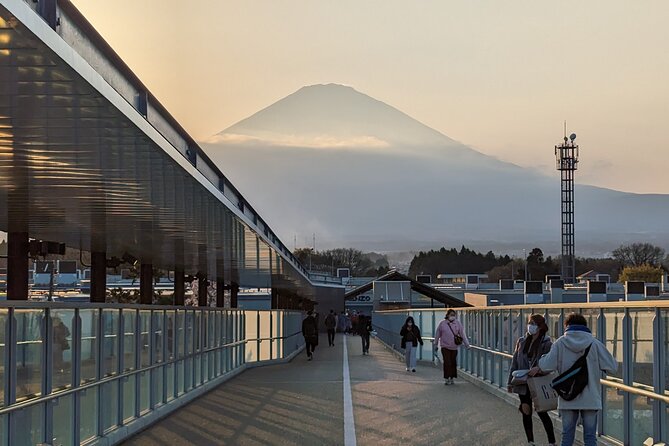
The big practical win here is that you do not have to coordinate trains, buses, and ticket lines while also trying to catch Mount Fuji at its best. You hand over navigation and logistics to the driver and guide, then focus on what you came for: views, culture stops, lake time, and shopping.
The schedule runs about 10 to 11 hours. That is long enough to feel like a real outing, but not so long that you will be totally toasted if you keep your expectations realistic, especially in peak season.
More Mount Fuji Day trips in Tokyo:
- Mt Fuji and Hakone 1-Day Bus Tour Return by Bullet Train
★ 5.0 · 26,383 reviews - Mt Fuji & Hakone Cruise, Drum Show Bullet Train 1 Day from Tokyo
★ 4.0 · 7,413 reviews - Tokyo Mt Fuji 5th St & Hakone Cruise Bus Tour w/Bullet Train
★ 4.4 · 5,024 reviews
Gotemba Premium Outlets: Real Time for Shopping, Not Just a Walk-By
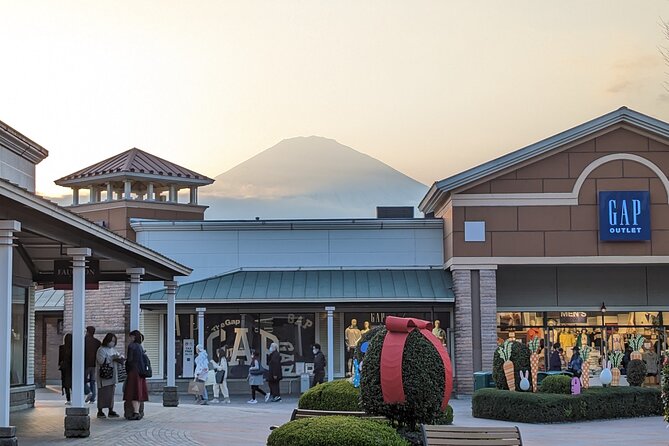
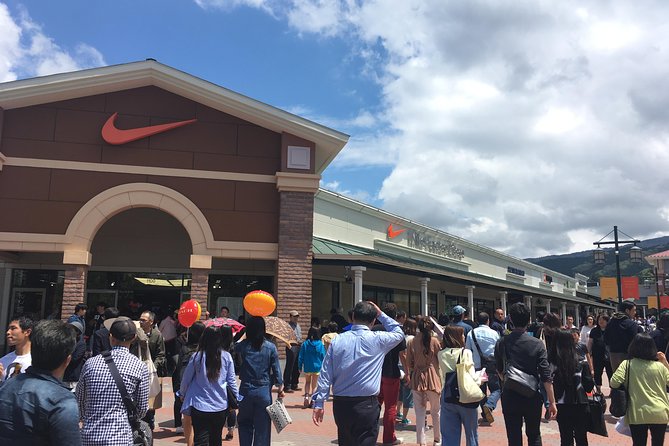
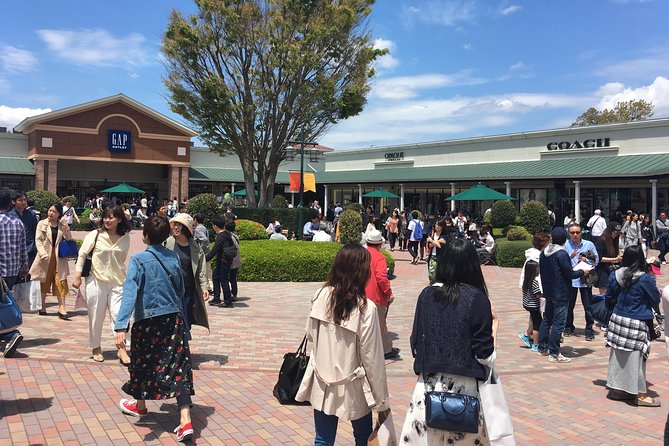
You start with Gotemba Premium Outlets, known as one of Japan’s biggest outlet malls, with around 270 plus stores listed in the tour materials. Admission for the mall stop is free, and the guide can help you plan your shopping window.
This is where the private format pays off. On a normal day trip, shopping time is often a rigid, rushed block. Here, you are asked to tell the guide how long you want to spend. That means you can do a quick sweep if you just want a souvenir haul, or take a deeper pass if you actually want to compare brands and prices.
A practical tip: if your group is split between shopping and photo breaks, set a simple plan upfront. Decide who is staying together, where you meet, and how much time you want at food or rest areas. It makes the rest of the day smoother when the next stops are short.
Arakura Sengen Shrine and Chureito Pagoda: The Quick Photo Stop That Matters
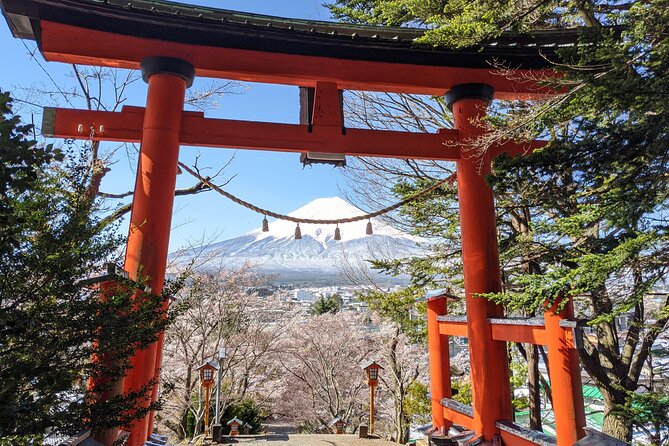
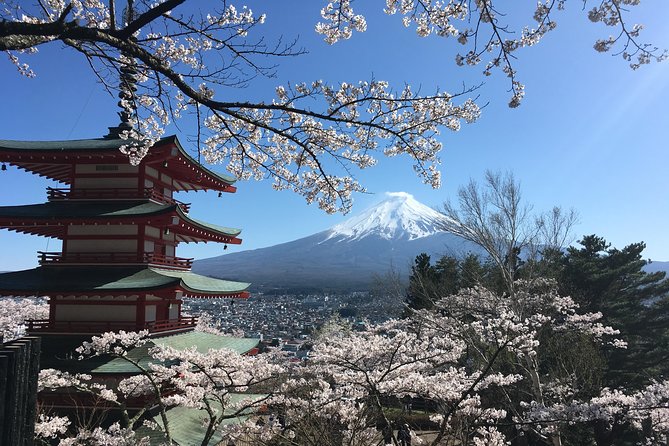
After shopping, you head to the Arakura Sengen area, where Mt. Fuji views are framed by classic cultural landmarks. You get a short visit at the Chureito pagoda (a five-storied pagoda at Arakura Sengen Shrine) and then time at Arakurayama Sengen Park for more panoramic angles.
Each viewpoint stop is timed tightly, roughly 10 minutes each for Chureito and the shrine, then another short window for the park. That does two things for you. First, it lowers the amount of time you spend standing still hoping for the perfect moment. Second, it pushes you to move efficiently while the view is available.
The payoff is the iconic Fuji composition: pagoda silhouette plus mountain in the background. If Mt. Fuji is clear that day, this is one of the most memorable shots you can get without a full day hiking.
If Mt. Fuji is hazy, do not panic. The guide can help you position for whatever visibility you have, and you still get the shrine and park atmosphere, plus the chance to see how worship and scenery connect in this region.
Fuji World Heritage Center: Learn the Rituals Without Making It a Lecture
You also stop at the Mt. Fuji World Heritage Center. The plan includes a short visit, with a suggested time window of about 20 minutes, up to around 60 minutes depending on how much you want to watch and read.
This is one of those stops that can feel optional, but I like it because it gives the scenery context fast. You watch a video that explains Mt. Fuji visually and covers the rituals of the region, which makes the shrine stops feel less like random photo stops. Even if you skip most of the reading, you still leave with better mental hooks for what you are seeing.
If your group has teens or first-time visitors, this center often works as a reset. You sit for a bit, get your bearings, then head back outside for the lake and surrounding views.
A few more Tokyo days to weigh up
- 1-Day Tokyo Bus Tour
★ 5.0 · 14,250 reviews - Tokyo: TOKYO SKYTREE® Admission ticket
★ 4.5 · 11,192 reviews - Tokyo: teamLab Planets TOKYO Digital Art Museum Entry Ticket
★ 4.6 · 9,779 reviews - Tokyo: Sumo Show Experience with Chicken Hot Pot and a Photo
★ 4.8 · 6,678 reviews
Ropeway, Lake Kawaguchi, and Flower Gardens: How to Balance Views and Breaks
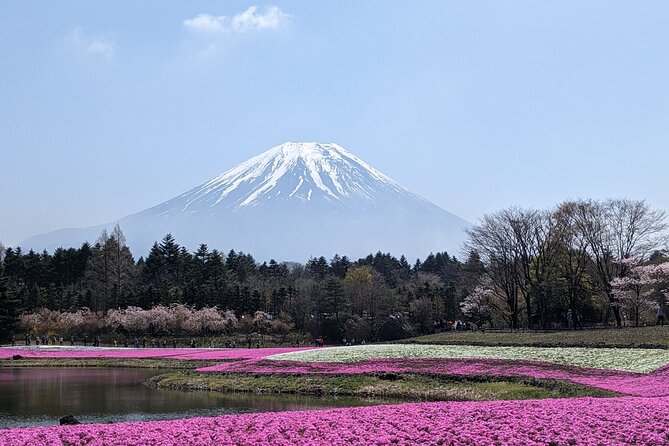
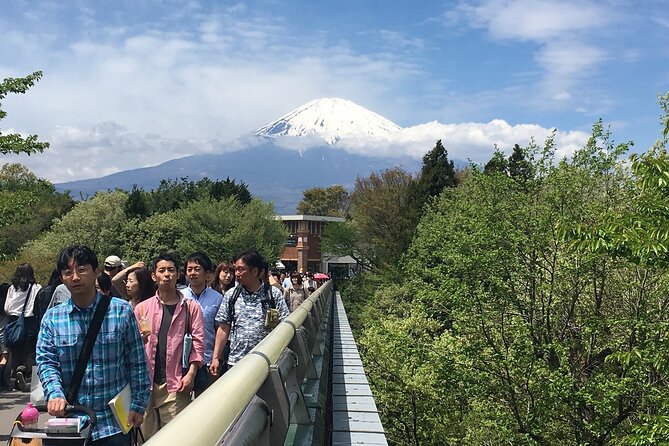
Once you are in the Mt. Fuji lakes area, you move through a set of short, high-value viewpoints. The day includes time at Mt. Fuji Panoramic Ropeway, with the ride time depending on queue length, and admission not included for the ropeway itself. Queue can swing the total time from about 30 minutes to as long as 90 minutes, so it’s smart to expect this stop to be the most variable.
After that, you get stops that shift from mountain icons to lakeside mood:
- Fuji Oishi Hana Terrace for regional crafts and seasonal comfort, with time for ice cream or sorbet made with local fruits (tickets included or not depends on what you buy, since the food and drinks are not part of the included package).
- Oishi Park for seasonal flowers, known for lavender, with time planned across multiple seasons.
- Lake Kawaguchiko as the lakeside anchor stop, timed at around 30 minutes.
Then there is also Yamanakako Hananomiyako Park, which is season dependent. In the tour materials, you can enjoy seasonal flowers in warmer months, and you might see Diamond Fuji in winter. Admission for this park is listed as not included, so treat it as an optional splurge you decide once you see weather and light.
The key idea here is rhythm. Short stops keep the day moving, but the lakes area gives you moments to actually breathe. If you are the kind of traveler who likes photos but also wants time to walk without a stopwatch, this section is the sweet spot.
Oshino Hakkai and Northern Fuji Shrines: Culture, Water, and Quiet Detail
On the northern side of Mt. Fuji, you visit Oshino Hakkai, a famous cluster of spring-fed ponds connected to the Fuji ecosystem and local water culture. The stop is short, around 10 minutes, but it is a good way to see a different side of the region from the bigger lake views.
You also go to Kitaguchi Hongu Fuji Sengen Jinja Shrine, described in the tour materials as the most visited main shrine in the northern part of Mt. Fuji and also known as the first step of Mt. Fuji ascension. Time at this stop is longer, around 30 to 60 minutes. That extra time matters, because shrines reward slow watching: people, rituals, and the way the grounds feel.
Depending on how your guide builds the day, you may also include Oshino Shinobi no Sato, which features a ninja show. The show time is listed as 30 to 90 minutes, and admission is not included. If you are traveling with kids, it can break up the more reflective shrine and lake moments.
5th Station and the Aokigahara Forest Caves: The Adventure Side of Fuji
The tour includes the option to go up to Mt. Fuji 5th Station, the closest point you can reach by car at 2300 meters. The catch is cost and timing. You pay a toll fee of 2100 yen on the spot, and the materials warn that access is closed from July to mid-September due to the climbing season, and also closed in winter.
Plan for this stop as an either-or depending on month and conditions. It is labeled as usually taking about 2 hours, so it can also reshape your day if you choose it. If your priority is iconic viewpoints plus shopping, you might opt for shorter climbs and keep the rest of the time for lakes and outlets.
If you want a different kind of Fuji day, the tour also lists several Aokigahara Forest cave experiences:
- Narusawa Ice Cave (15 to 30 minutes, admission not included)
- Fugaku Wind Cave (15 to 30 minutes, admission not included)
- Saiko Bat Cave (30 minutes, admission not included)
You can also add hiking time in Aokigahara Forest itself, described as a relaxing sea of forest, with about 30 minutes. Saiko Lake is another possible stop (30 minutes, listed as admission ticket free). The tour also mentions Saiko as one of the five lakes of Mt. Fuji, described as the maiden lake.
These stops are not about mountain photos as much as they are about temperature, sound, and movement through the region. If you like unique experiences and do not mind spending time walking in a forest setting, it adds variety beyond shrines and lakes.
In winter, the tour materials also mention snow and ski time on Mt. Fuji, with an easy course for beginners and rental outfits for ski, snowboard, and sleds. That is listed as 1 to 2 hours depending on your requests, so it’s something you can consider if you travel seasonally.
How Much It Costs and Why It Can Still Feel Worth It
At $1,255.38 per group up to 8, this is not a budget day trip. But private car tours are usually priced for a specific reason: you are paying for time, convenience, and flexibility in a region where getting around takes planning.
Here’s the math most people care about: at full capacity (8 people), it’s about $157 per person. At 2 people, it becomes about $628 per person. So the value depends heavily on how many people you bring.
Where it feels like a good deal is when:
- You want hotel pickup and drop-off, not a half-day of commuting.
- You care about sequencing stops around your group’s pace.
- You want to mix iconic Fuji photo spots with shopping and optional adventure add-ons.
Also, several major viewpoint stops list admission as free in the tour materials. The items that are typically extra are the ropeway, certain shows, several cave admissions, lunch, and the Mt. Fuji 5th Station toll.
So I recommend thinking of this as a package that covers transport plus guide time, with other experiences charged separately. It can be worth it if you would otherwise spend money on taxis, separate tickets, and time you lose navigating.
What the Day Feels Like: Pacing, Weather, and Guide-Driven Timing
The tour format is designed around short, clear stop blocks. That works well for a one-day window because you want enough variety without being stuck at one site all day.
One more reality check: Mt. Fuji visibility is weather dependent. The tour materials say the schedule can change due to weather or traffic conditions, and it also notes that the tour will not be cancelled or refunded if some spots are not fully visible due to weather. That is honest, and it also means you should pack a flexible mindset.
In the guide praise I saw, people consistently talked about patience and adaptation. That matters here. If the mountain is hidden, you still want the day to feel meaningful, not like a disappointment. A good guide helps by adjusting where you stand, what you prioritize, and how you allocate time in the area.
If you want a specific type of Fuji experience, say it early. For example:
- Want more shopping? Tell the guide how long you want at Gotemba.
- Want more scenery? Spend a bit longer at the Arakura viewpoints and the lakes stops.
- Want adventure? Add cave experiences and Aokigahara Forest time.
That is the core benefit of a private setup: it can match your interests instead of locking you into one rigid plan.
Who This Tour Suits Best (and Who Might Prefer Another Option)
This fits best if you are:
- Traveling in a group up to 8 and want shared comfort plus private scheduling.
- Short on time in Tokyo and want a day outside the city.
- Interested in both Mt. Fuji viewpoints and Gotemba shopping, without the stress of public transit.
- Looking for a guide who can handle a range of ages and attention spans.
It might not fit as well if you are:
- Only two people and you want the cheapest price possible.
- Trying to guarantee specific mountain views at all costs, because weather can affect visibility and the plan does not promise perfect conditions.
If you are a solo traveler or a couple on a tight budget, you might prefer a cheaper group option. But if convenience and time matter, this private approach is hard to beat.
Should You Book This Private Mt. Fuji and Gotemba Day?
I think you should book it if you want a smooth, high-effort day without the commuting headache. The combination of free viewpoint stops (like the Arakura Sengen area, shrine visits, and Oshino Hakkai) plus optional extras (ropeway, caves, shows, and the 5th Station when open) gives you room to tailor the day.
It is also a smart pick if you care about service. The guide feedback highlights patience and attentiveness, and that tends to matter most when traffic and visibility do not cooperate.
If you do book, do two things to get more out of the day. First, decide how much time you want at Gotemba before you go, so shopping does not cut into Fuji time. Second, be realistic about Mt. Fuji visibility, then let the guide help you make the most of whatever the mountain gives you that day.
FAQ
How long is the private Mt. Fuji and Gotemba tour?
The tour is about 10 to 11 hours, depending on timing, travel, and how long you spend at optional activities like the ropeway or longer stops.
How many people are in a group, and is it private?
It is a private group tour. The group size is up to 8 people, and only your group participates.
Is lunch included?
Food and drinks are not included. The tour materials list lunch as not included, so you will choose and pay for your own meals during the day.
Do I pay extra for the Mt. Fuji 5th Station?
Yes. To reach Mt. Fuji 5th Station, you pay a toll fee of 2100 yen on the spot. The tour also notes that access is closed from July to mid-September and in winter.
Which attractions have admission fees?
The ropeway admission is not included, and the tour materials also list admission not included for options like Oshino Shinobi no Sato, Narusawa Ice Cave, Fugaku Wind Cave, and Saiko Bat Cave. Other stops list free admission in the provided details.
Can I choose or adjust how the day is paced?
Yes. The experience is described as fully customizable, and you can ask the guide for advice and suggestions after booking. The amount of time you spend at stops like Gotemba can be discussed with the guide.
Newly listed around Tokyo
- Private Tokyo Food Tour – A Journey Through Time Through Food★ 5.0 · 36 reviews
- Private Tokyo Tour with Licensed Guide & Vehicle (Max 15 persons)★ 5.0 · 107 reviews
- Private Tokyo Custom Full-Day Tour by Chartered Vehicle★ 5.0 · 16 reviews
- Private Tokyo Custom Half-Day Tour by Chartered Vehicle★ 4.5 · 13 reviews
- Private Outstanding Nikko Tour with English Speaking Driver★ 4.0 · 11 reviews
- Private Sightseeing to Mt Fuji and Hakone with English Driver★ 5.0 · 51 reviews
- Private Snow Monkeys park Day Trip From Tokyo or Nagano★ 4.5 · 26 reviews
- 4 Day Tour – Mount. Fuji, Tokyo, Hakone, Kamakura and Yokohama★ 5.0 · 19 reviews
Mount Fuji Day Trips, compared.
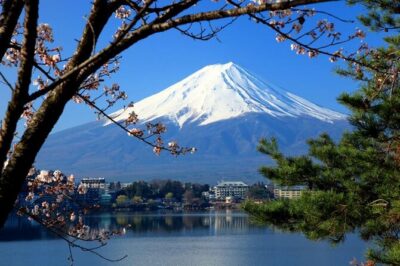
Mt Fuji and Hakone 1-Day Bus Tour Return by Bullet Train
Read our review →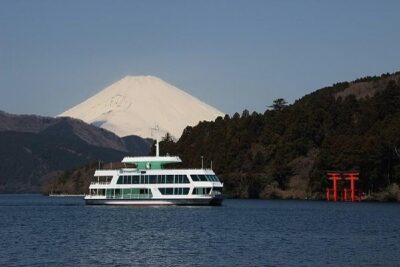
Mt Fuji & Hakone Cruise, Drum Show Bullet Train 1 Day from Tokyo
Read our review →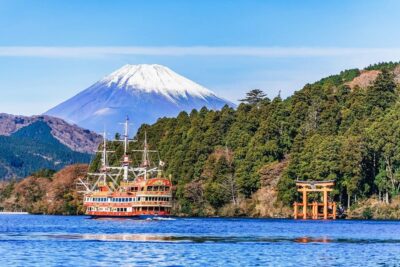
Tokyo Mt Fuji 5th St & Hakone Cruise Bus Tour w/Bullet Train
Read our review →
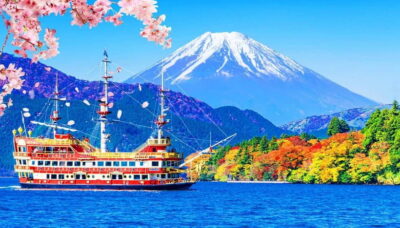
Mt. Fuji Tour, Hakone Ropeway, Owakudani, Lake Ashi
Read our review →
Mt.Fuji,Kawaguchiko Oishi Park,Arakurayama Sengen Park
Read our review →
Mt. Fuji 5th Station & Hakone Cruise 1-Day Bus Tour
Read our review →
Mt Fuji Top 5 Spots Day Tour: Arakurayama Park,Oshino Hakkai
Read our review →Browse the lists this tour appears in