
Review · MUSEUMS
Private Edo-Tokyo Open Air Architectural Museum Tour
Architecture nerds, this one’s for you. This private Edo-Tokyo Open Air Architectural Museum tour strings together real Tokyo through buildings, from WWII modernism to early Dutch-influenced design. I especially love seeing how Kunio Maekawa and Sutemi Horiguchi helped reshape Japanese architecture, then walking the Shitamachi streets that feel like they belong in a famous animation world. The one thing to keep in mind is the museum is mostly outdoors and you will do short walks, so comfortable footwear (and a patient attitude about shoe rules) really helps.
A second big plus: you get a licensed English-speaking guide and pickup options that make the trip easier than trying to manage transit on your own. I’ve also seen guides like Yuichi and Yuki tailor the stories to what you care about, like tea-room details or gardens. The only real drawback is the tour price does not include the local train and bus cost to reach Tatemono-en, which runs about 700 JPY one way.
In This Review
- Key points you should care about
- Stepping into Tokyo through architecture at Tatemono-en
- Getting there: pickup at Tokyo Station or Shinjuku, then onward to the museum
- Kunio Maekawa house: modern architecture born under intense pressure
- Sutemi Horiguchi 1925 residence: Dutch influence plus Art Deco and De Stijl cues
- Mitsui family residence: where domestic luxury becomes design
- Shitamachi East Tokyo walk: bathhouse, old train, and an animation-adjacent mood
- Shoes off, timing, and how to survive a 5-hour architecture tour
- Price and value: what $193 covers, and what you still need to plan
- Who should book this private Edo-Tokyo architecture tour
- Should you book it or skip it?
- FAQ
- What is the meeting point for this tour?
- Is pickup included?
- How long is the tour?
- Is the tour guide English-speaking?
- Does the price include admission?
- Do I need to remove my shoes?
- Is the Ghibli Museum included?
Key points you should care about
- Kunio Maekawa’s WWII-era house shows modern ideas taking root in Japan
- Sutemi Horiguchi’s 1925 residence brings Dutch architecture into Japanese rooms
- You’ll spot Art Deco and De Stijl composition cues inside traditional spaces
- Mitsui family interiors offer a look at domestic luxury and craftsmanship
- A Shitamachi walk that feels animation-adjacent, with a bathhouse and an old train
- Private, English-guided pacing plus pickup from central Tokyo
Stepping into Tokyo through architecture at Tatemono-en
This tour is built around one simple idea: Tokyo’s story is written into its houses. At Tatemono-en, you don’t just look at buildings. You compare materials, layouts, and design influences, then connect them to big historical shifts.
I like the way the museum moves across time periods. You go from samurai-era atmosphere into modernization, and you can feel how Japan absorbed Western design without losing its own spatial logic. If you enjoy “how did this change happen?” questions, you’ll feel at home here.
The best part for many people is the mood. The later portion of the walk through East Tokyo, called Shitamachi, has that soft, storybook feeling many Studio Ghibli fans look for. It is not the Ghibli Museum, but the vibe is part of why this tour sells out.
More Museum Tours in Tokyo
- Tokyo: teamLab Planets TOKYO Digital Art Museum Entry Ticket
★ 4.6 · 9,779 reviews - Tokyo: Samurai Ninja Museum Guided tour and Experience
★ 4.6 · 1,010 reviews - Skip the lines Basic Ticket at SAMURAI NINJA MUSEUM TOKYO
★ 5.0 · 470 reviews
Getting there: pickup at Tokyo Station or Shinjuku, then onward to the museum
You meet at Tokyo Station Marunouchi Front Plaza. After exiting through the JR Tokyo Station Marunouchi Central Gates, you head toward the center of the station building. Your guide will be waiting near a VIP-style carriage porch area, holding a bag illustration connected to the Nakagin Capsule Tower.
Pickup is available from either JR Shinjuku Station or JR Tokyo Station, and you’ll travel using trains and buses for the local leg to Tatemono-en. That last part matters for planning. The transportation cost to and from Tatemono-en is not included, and it’s roughly 700 JPY one way.
From a value standpoint, I like that you are not stuck figuring out routes right when you arrive in Japan. Tokyo transit can be intimidating if it’s your first time, and having an escort turns “I hope we find it” into “we’re there.”
Kunio Maekawa house: modern architecture born under intense pressure
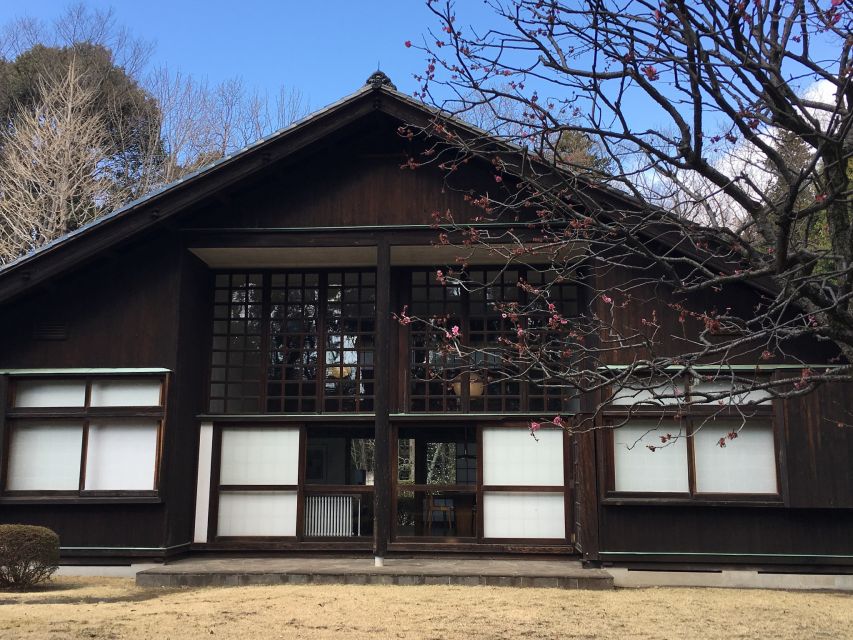
The tour starts with a house designed by Kunio Maekawa (spelled Kunio Maekawa on the tour description). Maekawa worked under major names associated with modern architecture, including Le Corbusier and Antonin Raymond, and he helped push modern design forward in Japan.
This building is especially interesting because it was constructed during the Second World War. That detail changes how you read the house. You are not just looking at a beautiful structure. You are seeing what modernism looked like when resources and timelines were under pressure.
What you’ll likely notice is the design mindset. Maekawa’s influence shows up in how the space is organized and how Western modern ideas translate into a Japanese setting. Even if you are not a design student, your brain starts doing comparisons: what looks “international,” what looks “Japanese,” and what looks like a bridge between the two.
Sutemi Horiguchi 1925 residence: Dutch influence plus Art Deco and De Stijl cues
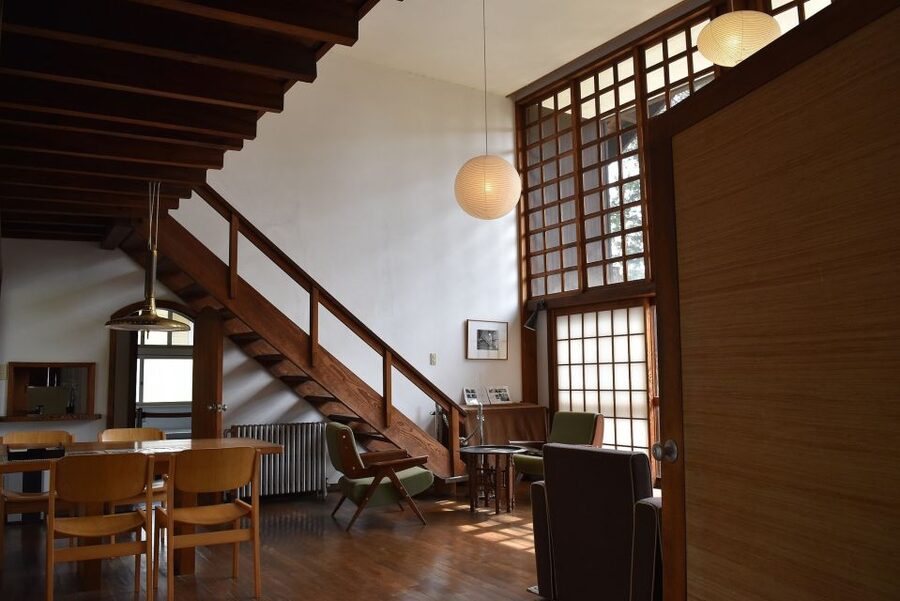
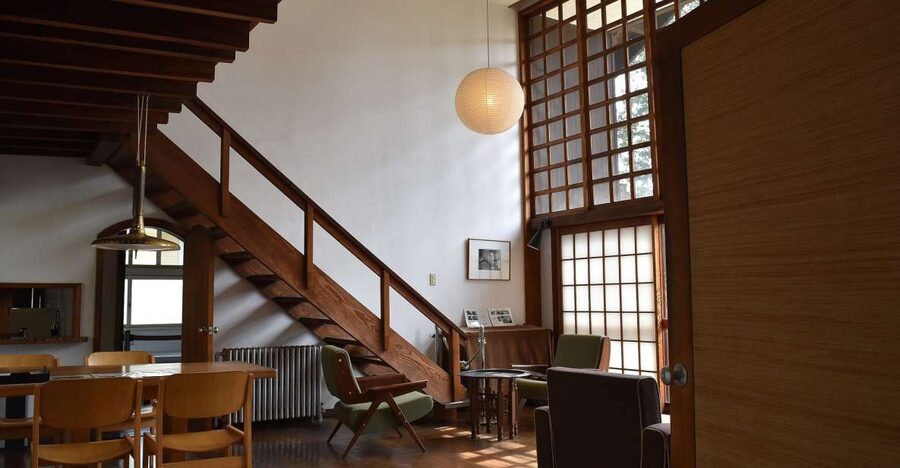
Next up is a residence designed by Sutemi Horiguchi, who introduced Dutch architecture to Japan for the first time, according to the tour description. This house was built in 1925, soon after he returned from a trip to Europe.
That timeline is a gift. You get to see early 20th-century Japan reacting quickly to design ideas circulating in Europe. You don’t just hear about cultural exchange in a lecture. You stand in a building where you can sense the translation process.
Inside the traditional Japanese rooms, you’ll also see design elements tied to Art Deco and De Stijl (The Style). The De Stijl connection is the kind of detail you might miss without a guide pointing it out, because it’s not always obvious at a glance. With an English-speaking licensed guide, you get the context for what you’re looking at and why it matters.
The practical win here is pacing. The stop order keeps you from getting architectural information overload. Each house comes with a clear “influence story,” so the tour feels like a guided reading rather than a checklist.
A few more Tokyo days to weigh up
- Tokyo Studio Ghibli Museum and Ghibli Film Appreciation Tour
★ 4.5 · 421 reviews - Tokyo Sword Experience – includes Museum Ticket/Ninja Experience
★ 5.0 · 314 reviews - Samurai Ninja Museum Asakusa: Samurai Sword Lesson & Tour
★ 4.8 · 306 reviews - Tokyo: Art Aquarium Museum GINZA Entry Ticket
★ 4.5 · 278 reviews
Mitsui family residence: where domestic luxury becomes design
A highlight on this itinerary is the residence of the Mitsui family, described as one of Japan’s richest families. This is where the tour shifts from “design influences” to “what luxury looked like in everyday space.”
When you look at a wealthy residence, you learn something important fast: wealth often shows up in details, not just size. In a museum-like setting, you can focus on craftsmanship and interior decoration without needing to imagine the logistics of living there.
This part also helps you understand why architectural history is not only about famous men and famous styles. It’s about how people lived, hosted, cooked, rested, and arranged rooms to match seasonal rhythms and social expectations.
If you are into aesthetics, this stop is where you get rewarded. If you are more history-focused, it’s still useful because you can connect “luxury” to the same broader story of Japan modernizing and reinterpreting outside ideas.
Shitamachi East Tokyo walk: bathhouse, old train, and an animation-adjacent mood
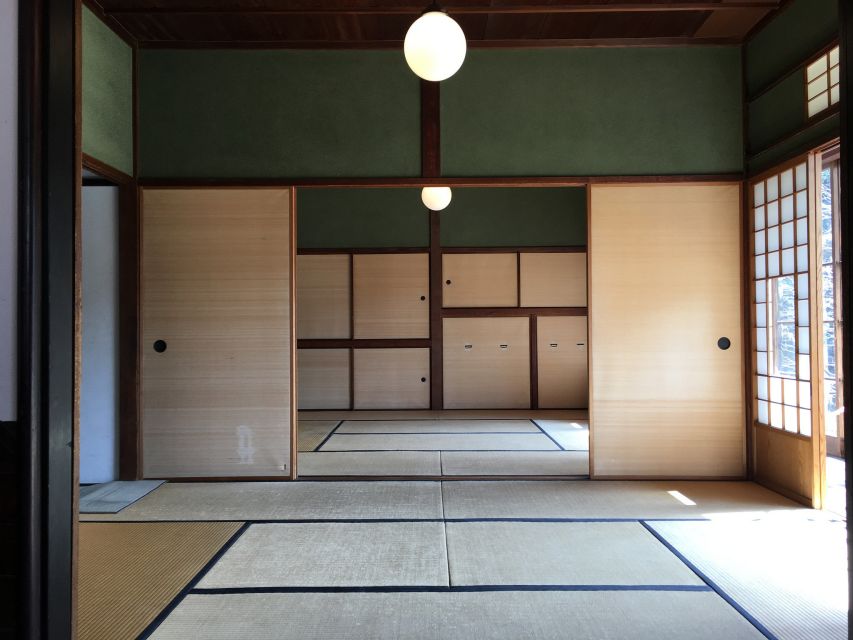
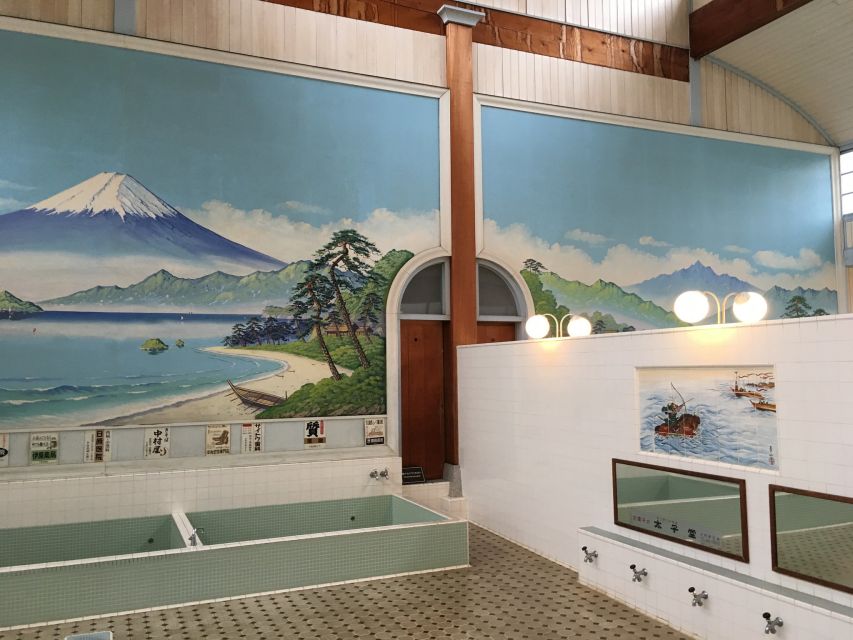
After the residence-focused portion, the tour shifts into a walk through Shitamachi, East Tokyo. The description frames it as a street-lined area with buildings that look like they could appear in a famous animation world, and I can see why that comparison sticks.
Shitamachi is the kind of area people associate with everyday life, older commercial streets, and a more lived-in feeling than the flashy modern city image. At the open-air museum, that translates into atmosphere you can actually walk through.
Two specific sights help sell the mood:
- A traditional bathhouse, where the environment makes the space feel communal and practical, not just decorative
- An old train, a piece of historical infrastructure that gives the tour a sense of movement through time
Even if you are not a film fan, this section gives your eyes a break from architecture diagrams. It turns the museum into a narrative. You start thinking, not only about who designed buildings, but about how people used them and how everyday routines shaped Tokyo’s identity.
Shoes off, timing, and how to survive a 5-hour architecture tour
The museum requires you to remove shoes for many historic buildings. This is one of the most useful “know before you go” tips on the whole experience, because it affects comfort and speed.
Wear comfortable shoes that are easy to slip on and off. Plan for the kind of footwork where you don’t want to waste time crouching or fighting buckles. Socks matter more than you might think.
The tour runs 5 hours, and it’s private. That combination is a big deal. You avoid the pressure of a large group schedule, and your guide can pace around your interests. In the guide examples shared in people’s experiences, Yuichi and Yuki stood out for making the route feel personal, including guiding focus toward things like tea rooms and gardens.
Since you are outside for parts of the day, dress for weather and bring what you need for comfort. Water and a light layer can make a noticeable difference when you’re walking in the museum environment.
Price and value: what $193 covers, and what you still need to plan
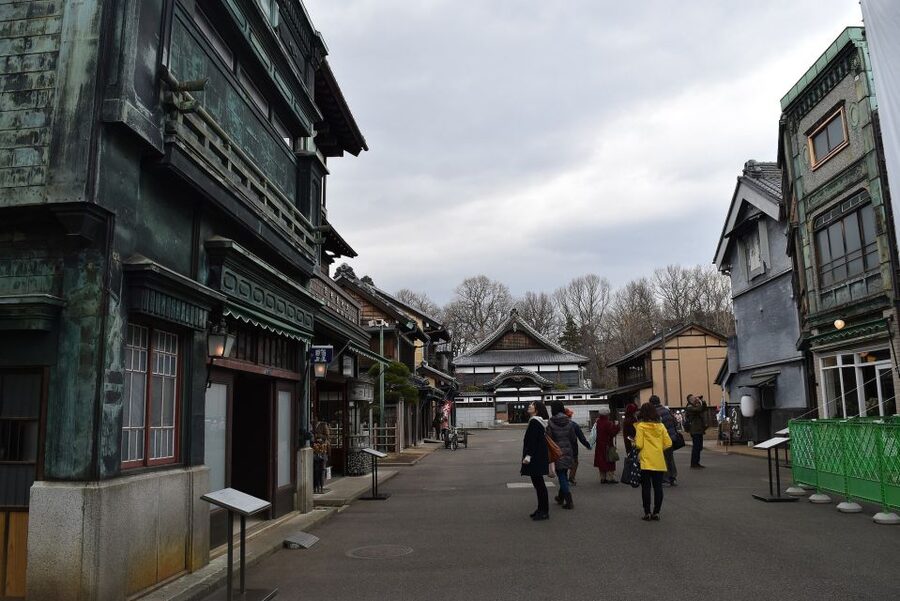
The tour price is $193 per person for a 5-hour private experience. What you get for that money is pretty clear-cut:
- Pickup at JR Shinjuku Station or JR Tokyo Station
- Admission fee to the museum
- An English-speaking licensed guide
What you do not get:
- Local transportation to and from Tatemono-en, about 700 JPY one way, using trains and buses
So is it good value? For me, it works when you want expert interpretation without spending time figuring out transit and schedules. Private touring adds cost, but you pay for decision-making help: where to stand, what to look for, and how to connect design details to the big historical picture.
It can also be a smart buy if you’re traveling with a small group and want your own pace. If you are solo and you don’t care much about architecture context, a cheaper public tour might feel sufficient. But if design influences and historical connections are your thing, this price starts to look more like paying for clarity.
Who should book this private Edo-Tokyo architecture tour
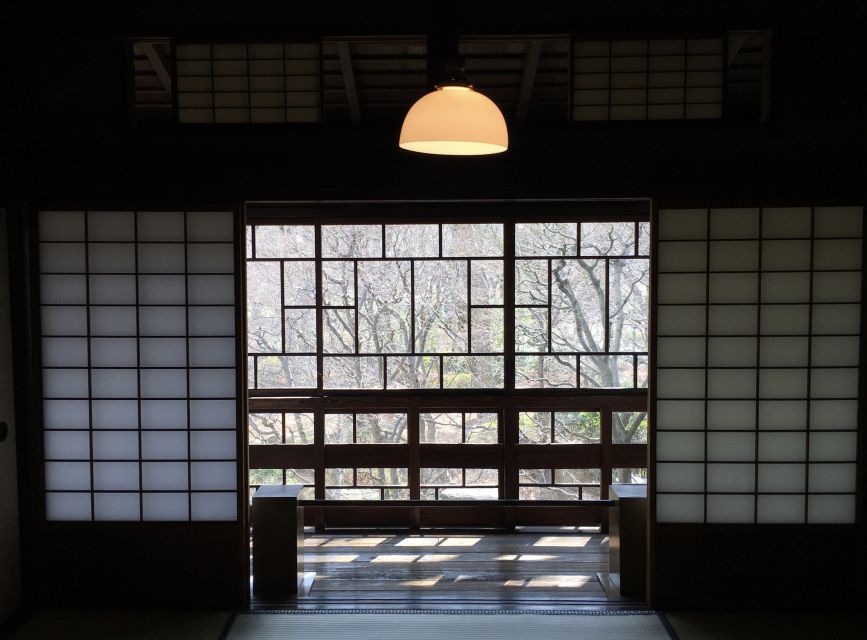
This is a great fit if you:
- Love architecture but want context, not just “this building is old”
- Want to see how Japan adopted and adapted Western European design
- Enjoy historical storytelling through real spaces
- Are chasing that Shitamachi atmosphere that many Studio Ghibli fans associate with older Tokyo life
- Want an English guide who can focus on your interests (you may be matched with guides like Yuichi or Yuki depending on availability)
It may be less perfect if you want a strict sightseeing day packed with lots of famous landmarks. This tour is not trying to be Tokyo bingo. It’s trying to teach you how to read buildings like a map.
Should you book it or skip it?
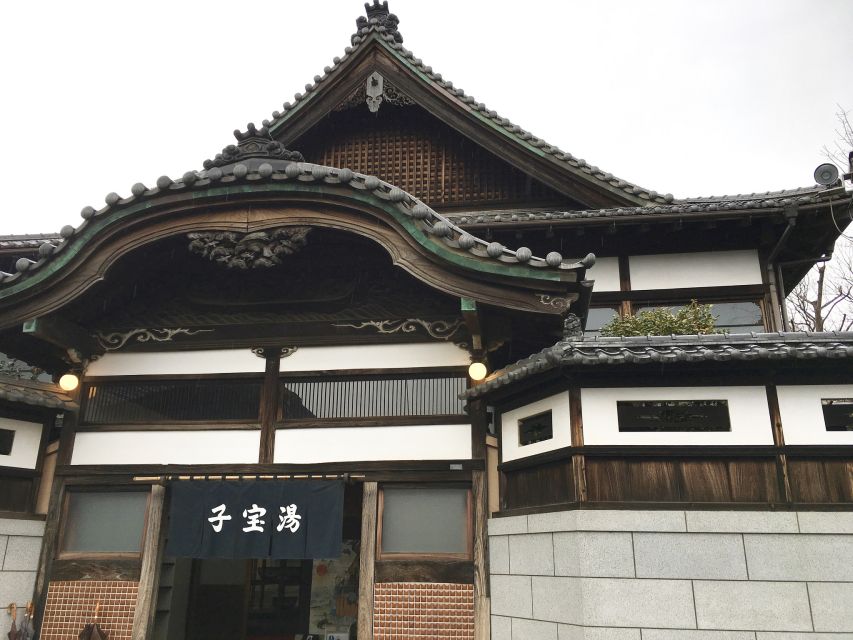
Book it if you want Tokyo through the lens of Kunio Maekawa, Sutemi Horiguchi, and the everyday East Tokyo mood of Shitamachi. The combination of modern influence stories, design details like Art Deco and De Stijl cues, and the bathhouse plus old train makes it feel more memorable than a standard museum visit.
Skip it if you’re mainly hunting for quick photo stops with minimal walking and minimal shoe-removal. Also consider it if you have a very tight schedule, because the 5 hours are part of the value, and you’ll want to use that time.
If you’re the kind of person who looks at a building and wonders who designed it and why, this tour is very likely your kind of day.
FAQ
What is the meeting point for this tour?
You meet at Tokyo Station Marunouchi Front Plaza. After you exit the JR Tokyo Station Marunouchi Central Gates, head toward the center of the station building where your guide is waiting.
Is pickup included?
Yes. Pickup is available at either JR Shinjuku Station or JR Tokyo Station.
How long is the tour?
The tour lasts 5 hours.
Is the tour guide English-speaking?
Yes. The tour includes an English-speaking licensed guide.
Does the price include admission?
Yes. The admission fee to the museum is included.
Do I need to remove my shoes?
Many historic buildings require you to remove your shoes before entering. Wear shoes that are easy to take off and put on.
Is the Ghibli Museum included?
No. This tour is an architectural tour of the Tokyo Edo Open Air Architectural Museum, and it does not include a visit to the Ghibli Museum.
Newly listed around Tokyo
- Tokyo: FC TOKYO Football Game at Ajinomoto Stadium★ 4.8 · 58 reviews
- Expert Anime Guide in Akihabara with a maid witch★ 4.9 · 19 reviews
- Experience Crafting a Flower-Adorned Mini Japanese Garden★ 4.7 · 15 reviews
- Old and Nostalgic Tokyo: Half-Day Yanaka Walking Tour★ 4.9 · 30 reviews
- Exclusive Tokyo Ramen Kitchen Experience★ 4.7 · 34 reviews
- Eat/Drink like a LOCAL-Taverns & Ramen★ 4.9 · 23 reviews
- Nikko: Edo Wonderland Edomura Cultural Theme Park Ticket★ 4.3 · 205 reviews
- Tokyo : Kimono Rental in Asakusa Provided by KanoWafuku★ 4.4 · 18 reviews
Museums, compared.
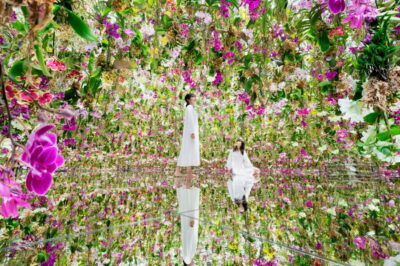
teamLab Planets TOKYO Digital Art Museum Entry Ticket
Read our review →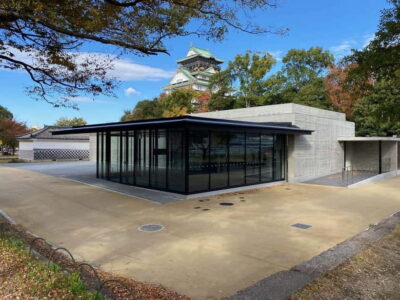
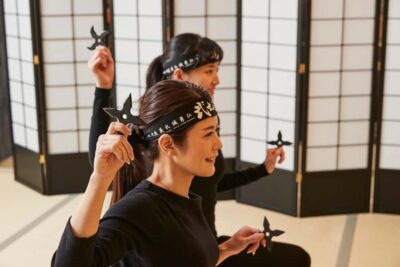
Samurai Ninja Museum Guided tour and Experience
Read our review →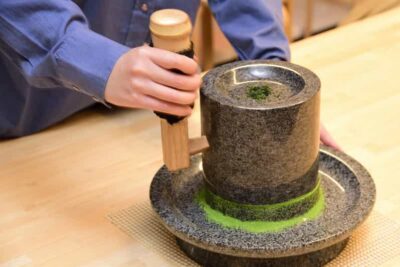
Tea Museum Tickets and Matcha Grinding Experience
Read our review →
Skip the lines Basic Ticket at SAMURAI NINJA MUSEUM KYOTO
Read our review →
Skip the lines Basic Ticket at SAMURAI NINJA MUSEUM TOKYO
Read our review →
Tokyo Studio Ghibli Museum and Ghibli Film Appreciation Tour
Read our review →
Geiko Maiko Dance of Kyoto & Visits of Gion Museum
Read our review →Browse the lists this tour appears in